



From the ISET Economist news (http://www.iset.ge/news/?p=4633)
By Eric Livny

The “do no harm” (primum non nocere) principle is well known to students of medical schools. It is one of the most fundamental maxims in medicine, as formulated, for example, in the Epidemics book of the Hippocratic Collection:
“The physician must … have two special objects in view with regard to disease, namely, to do good or to do no harm“.
Doctors are taught that medical interventions are not risk-free. Thus, when facing a “problem” one should consider whether to use a particular procedure (e.g. surgery or chemical treatment) or do NOTHING.
Not surprisingly, this very principle has applications in many fields other than healthcare. And it is high time for this principle to be studied and applied in Georgian policymaking.
THE HARM OF OVERZEALOUS “HARMONIZATION”
Ever since signing the EU Association agreement in June 2014, Georgia has embarked on a spree of initiatives seeking to “harmonize” Georgia’s legislative and regulatory environment with EU’s acquis communautaire. The aim, so it appears, is to instantly transform Georgia into a European nation.
It all started on September 1, 2014, with the introduction of new VISA AND RESIDENCY REQUIREMENTS, modeled – so the Georgian public was told – after the best EU regulations, and intended to meet EU requirements as part of the visa liberalization process.
Within just a few months, several other pieces of legislation have been drafted and submitted to parliament (a few more may be in the pipeline without any knowledge on the part of relevant businesses and civil society stakeholders), allegedly as part of the harmonization effort.
- A new law onLABOR MIGRATION, submitted to the Georgian Parliament in early 2015, sought to prevent trafficking (a goal consistent with Georgia’s obligations under the visa liberalization plan), but also (Article 16) to restrict the ability of Georgian companies to hire badly needed international experts. Hard to imagine, but true! Thanks to a concerted communication effort by the Georgian business community, and goodwill on the part of the Ministry of Economy and Sustainable Development, Article 16 was swiftly removed from the draft law.
- Recent amendments to the Georgian law onBROADCASTING (Article 64 § 2) restrict sponsorships and limit advertising to 12 minutes per hour. The idea to reduce advertising time to somewhat more civilized levels is consistent with EU rules, yet Georgia seems to be in a particular hurry to tick off this harmonization box. Whereas the Association Agreement talks about gradual “approximation” over a period of 3-5 years, Georgian parliamentarians opted to dramatically accelerate the process by making these truly life-saving amendments effective almost immediately (as of April 1, 2015). Instead of creating harmony, this kind of fast-track overzealous approximation does not allow private broadcasters any time for adjustment, jeopardizing their ability to generate income, produce high quality content, and maintain independence. Unfortunately, suggestions by Rustavi 2 and other TV channels to stagger reductions in advertising time over several years have so far fallen on deaf ears.
- Yet another example of rushed legislation that appears to ignore the interests of businesses concerns the recent decision to increase EXCISE TAXES ON ALCOHOL AND TOBACCO as of January 1, 2015. The Government’s official aim was to increase budget revenues while harmonizing Georgia’s regulatory environment with that of the EU. Yet, the manner in which the whole process was rushed raises many questions. Georgian companies were not allowed any time to adjust their investment and production decisions, leaving them with excess capacity and losses. Furthermore, the level of excise taxes on alcohol was set at a level exceeding that of many European nations. This was decided without examining relevant demand elasticities, that is, the extent to which higher taxes will affect sales and budget revenues. In a country with rich traditions in home production of high quality alcoholic drinks (that are not subject to excise taxes), demand for alcohol is likely to be quite a bit more elastic than in most European nations. After all, Georgian consumers can switch to homemade wine or chacha, spelling doom for Georgian government’s plans to raise an extra 100mln GEL in excise tax revenue.
A COMMON PATTERN?
Taken alone, none of these legislative initiatives are particularly damaging for the Georgian economy. Georgian companies would have quickly acquired the ability to handle the extra layer of bureaucracy when bringing foreign experts and workers. Broadcasters will raise per minute prices for advertising and sponsorships, and advertising companies will learn to deliver their marketing messages in fewer seconds. Forced to pay higher excise taxes, Georgians will drink less beer and more wine. Breweries will adjust production volumes or export to Azerbaijan. The Association Agreement will be implemented ahead of schedule. At least on paper.
The problem with all these initiatives is that they represent a pattern of policymaking that is very different from the European ideal which Georgia is supposed to aspire to. And, taken together, they defeat the very purpose they are supposed to serve: bring Georgia into the European family of nations.
First and foremost, the manner in which these new regulation are enacted undermines Georgia’s reputation as a great place to do business. A key consideration for new investors is stability and predictability of the business environment. Countries may certainly change their internal regulations from time to time, but this should be done in coordination with the business community, while listening to companies and allowing them sufficient time to adjust.
Second, Georgian policymakers should learn to do much better homework before coming up with new laws and regulations. To do no harm, doctors may prescribe additional X-ray or blood tests. Policymakers can employ standard tools of applied economics analysis to simulate the impact of proposed regulations on tax revenues, GDP, income and investment levels, as well as evaluate associated corruption risks. While common in Europe, none of these tools are used in Georgia. Yet another good possibility is to move in small steps, conducting policy experiments and assessing their impact.
Third, unless dealing with urgent or complicated technical matters (such as Lari devaluation), Georgia’s policymaking process could benefit from greater participation by interested parties. Practically all EU approximation measures could and should be subjected to a lengthy and inclusive process of public consultations that would increase their chances to be politically accepted. In fact, such consultations are explicitly encouraged by the EU Association Agreement.
Last but not least, the hasty attempts to tick off boxes on EU harmonization may undermine the very process of Europeanization the Georgian government is trying to promote. The use of the Association Agreement as a smokescreen for passing dubious laws not only harms Georgia’s immediate economic interests, but also plays into the hands of those political forces that aspire to bring Georgia back into the Russian fold.
* * *
The other day, I heard Giorgi Kadagidze, the governor of the National Bank of Georgia, speaking about the need for Georgia to grow at a faster pace, and how faster growth is predicated on the government’s ability to implement painful and costly adjustments. The kind of “second-generation” structural reforms envisaged by governor Kadagidze would take time to implement. Until then, however, there are many things the Georgian government could STOP DOING. In this way the government would save taxpayers money, save itself the embarrassment of backtracking and apologizing, and save Georgian businesses the nervous energy and resources that could be put to more productive uses.
It is time for the Georgian policymakers to learn the Hippocratic principle: do no harm!
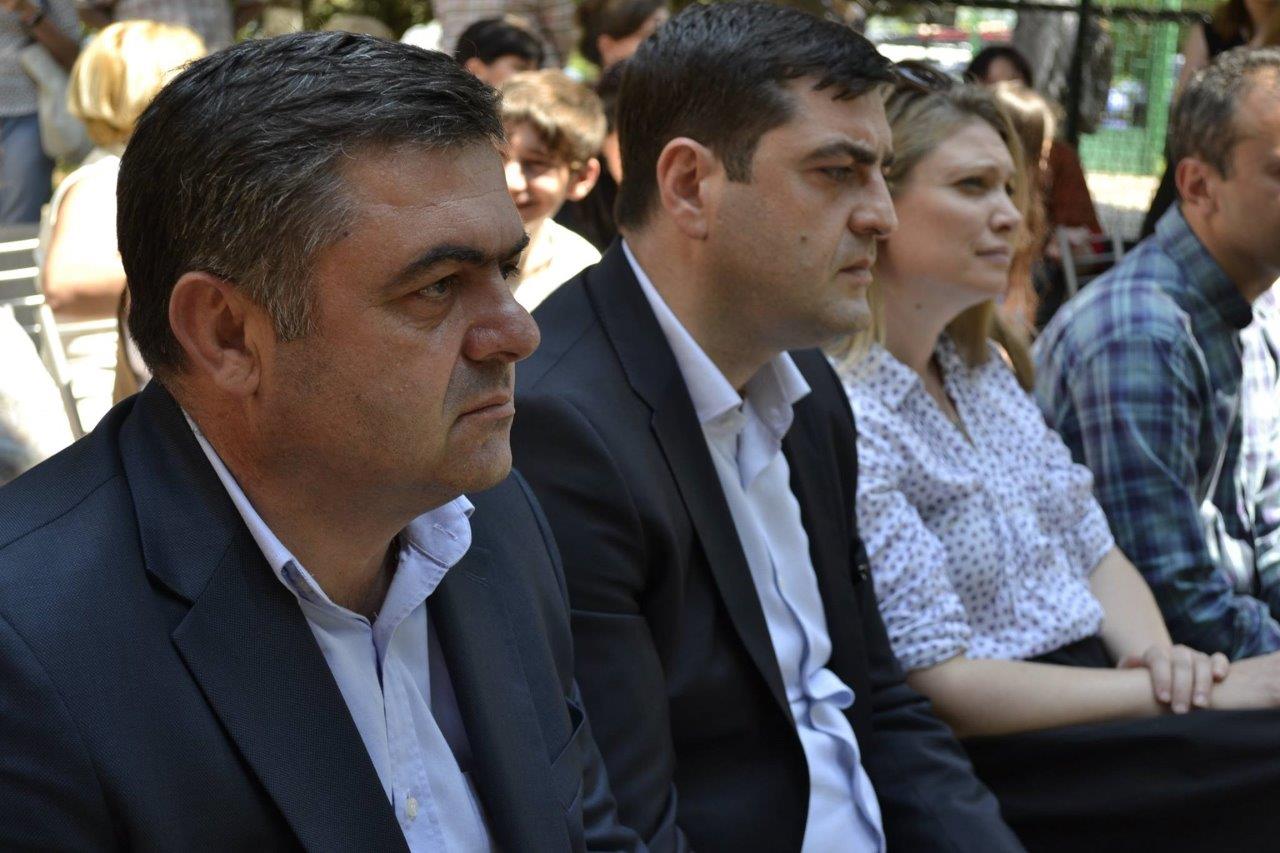
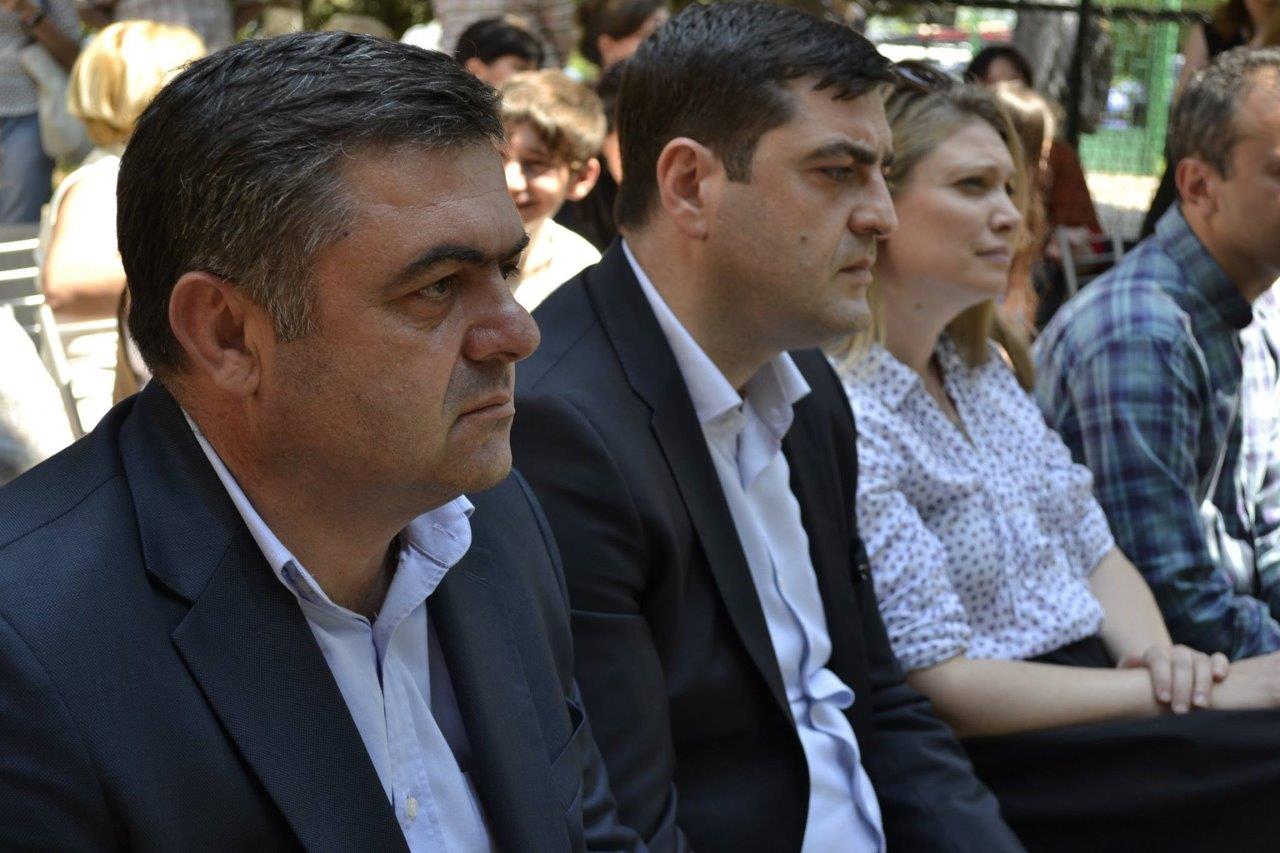
The First Lady of Georgia Maka Chichua visited Bolnisi municipality’s educational- rehabilitation center for children with disabilities. While there she also received information about Bolnisi’s Municipally run Women’s Room, a service providing consultation and linkages to resources for local rural inhabitants. The First Lady was hosted by the Governor of Kvemo Kartli Grigol Nemsadze and the Gamgebeli of Bolnisi Municipality Davit Sherazadishvili. The Alliances Caucasus Programme who facilitated the inception of the rooms now present in 17 rural municipalities and two cities in Georgia was invited and highlighted the pertinence of the service to the supporting the initiative of the First Lady.
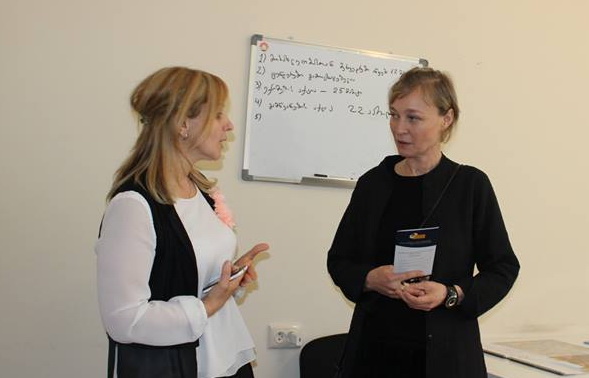
Three local women have been employed by the Association for Each Other through Keda municipality Women’s Room. The women will conduct a survey about the people with disabilities in every administrative unit and village of the municipality.
“The Women’s Room has given me an opportunity to get my own income. It’s temporary, but I think it will be the beginning of my active social life. This experience will give me new skills and become more involved in the local activities, I want to use this chance and make new linkages“. – says Mari Baramidze, one of the employed wom
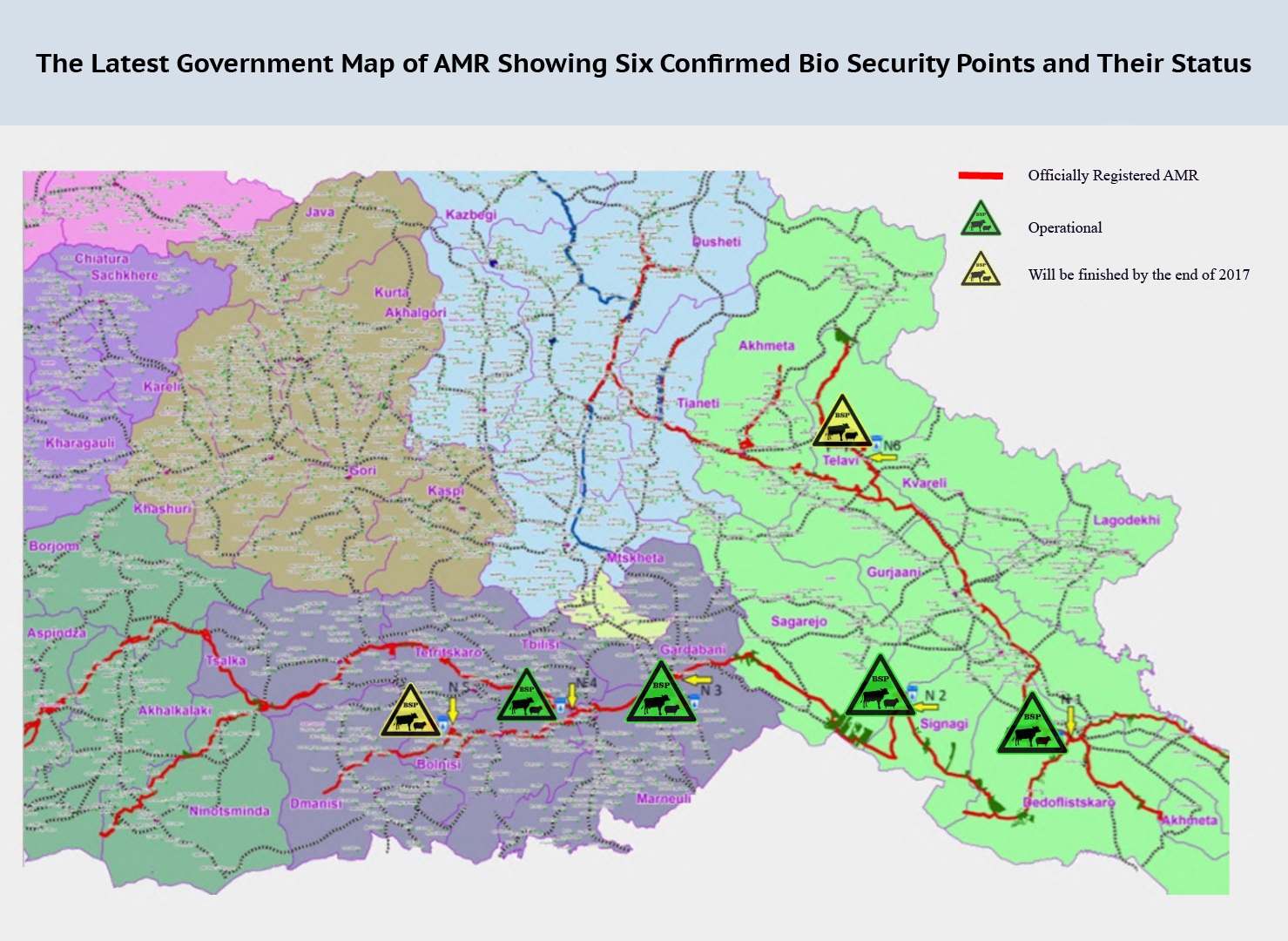
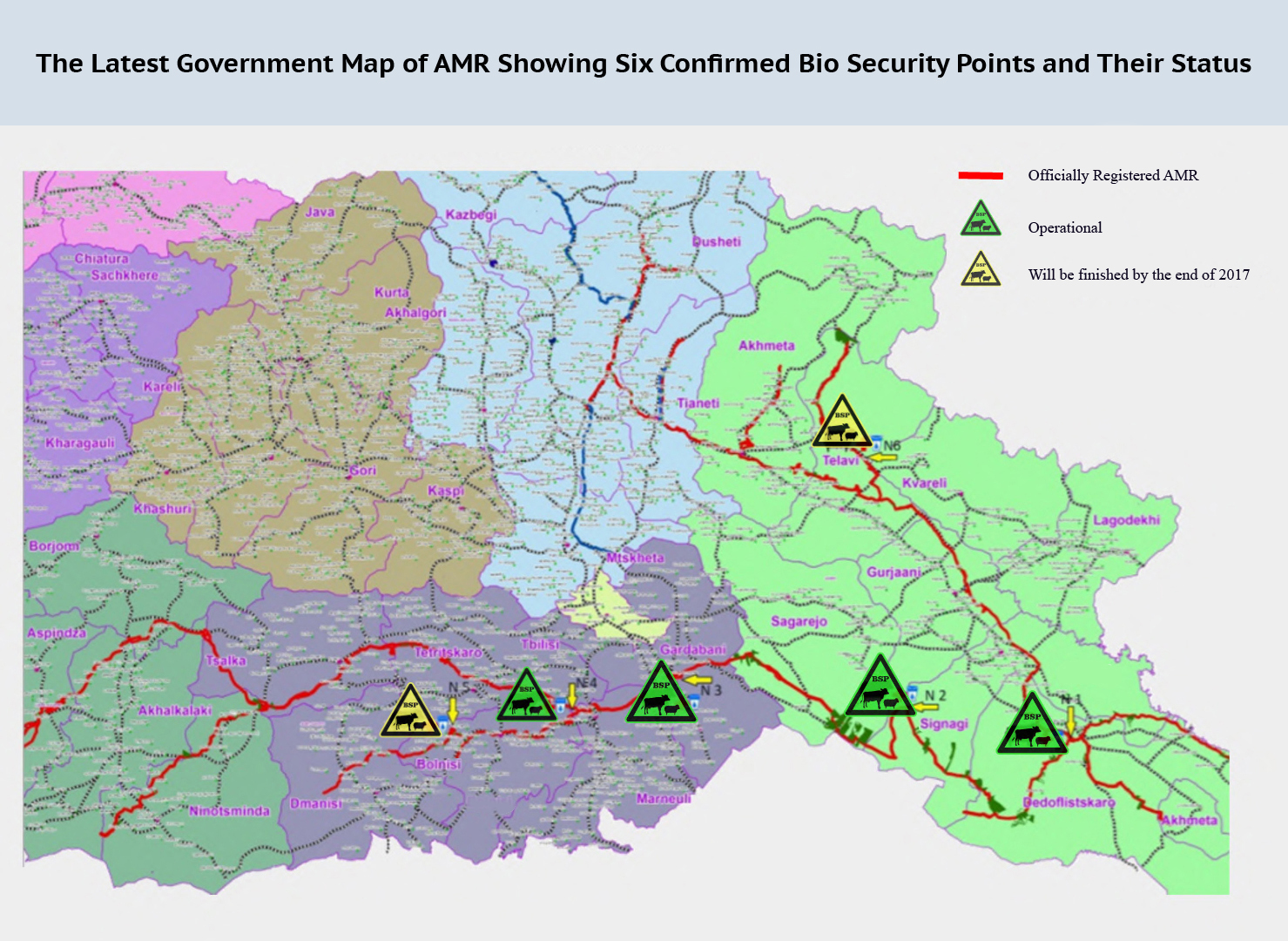
The Spring transhumance of the annual movement million heads of livestock has recently started. Georgian Shepherds will benefit from two new Bio Security Points in Dedoplistskaro and Signagi in addition to existing points in Marneuli and Rustavi municipalities. All four BSPs are in full operational mode ready to serve nomadic farmers. EU standard infrastructure, duly equipped specialists hired by the NFA and the special chemicals for treating animals against parasites - are in place to ensure health control of migrated livestock. A special certificate is also issued for farmers proving the livestock was treated against external parasites.
Two more BSPs in Telavi and Bolnisi municipalities funded by the government of Georgia are now underway and will be finished by the end of 2017.
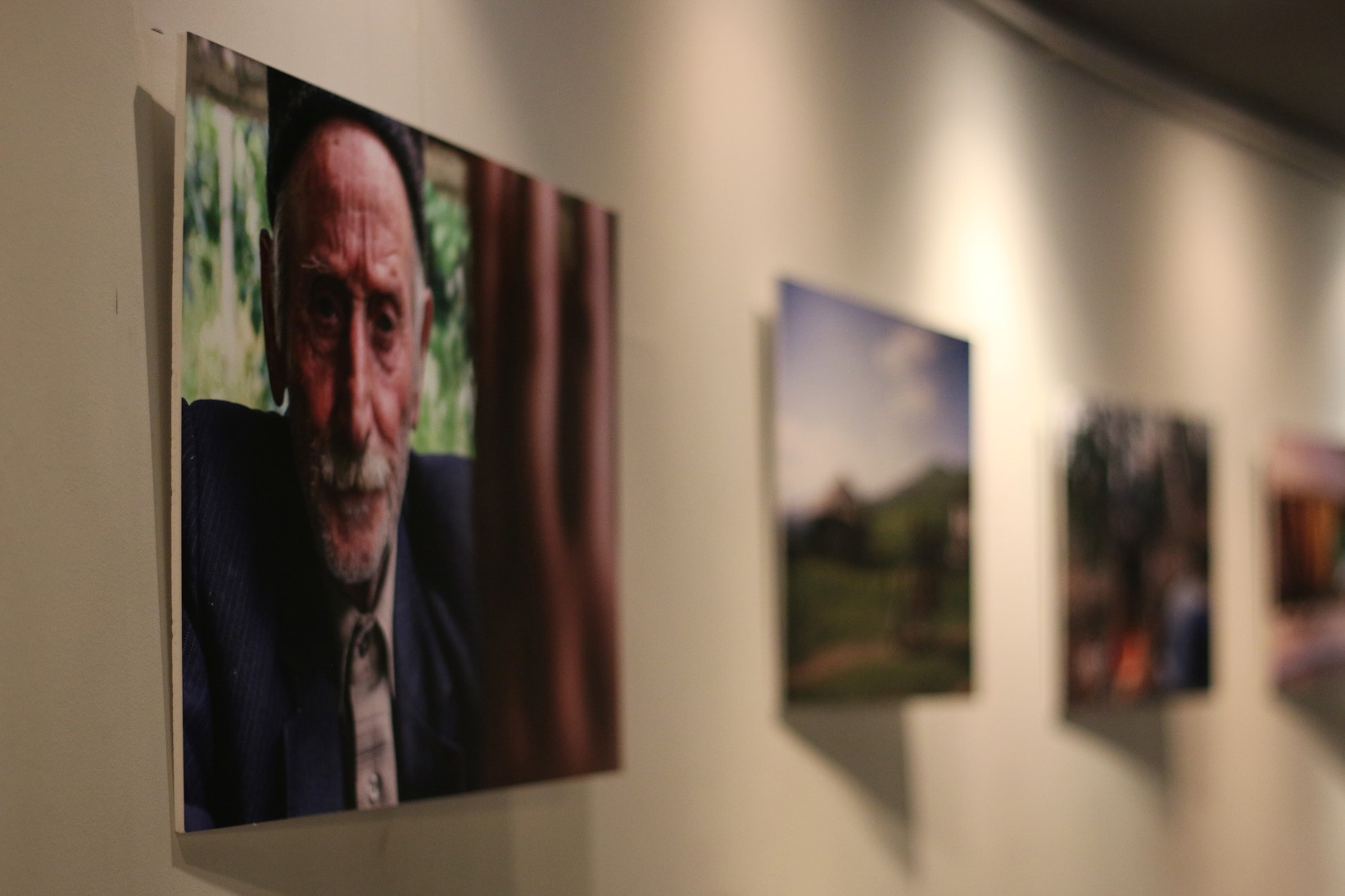
'Jara' has been premiered on 30th of March with great success. More than 400 representatives from the regional and central government, the non-governmental sector, the donor organizations gave standing ovations and applauses to the film makers and artists.
‘The film is shot in a professional manner. It is astonishing and wild to see. I have no idea how the crew has managed to shoot the bears and wolves. The special tribute should be paid to the composer of the film’s original soundtracks. It should be seen by as many people as possible: melancholy of the season changings, music and just amazing views of the wild nature, never seen in the daily lives’ – Dima Pursanov.
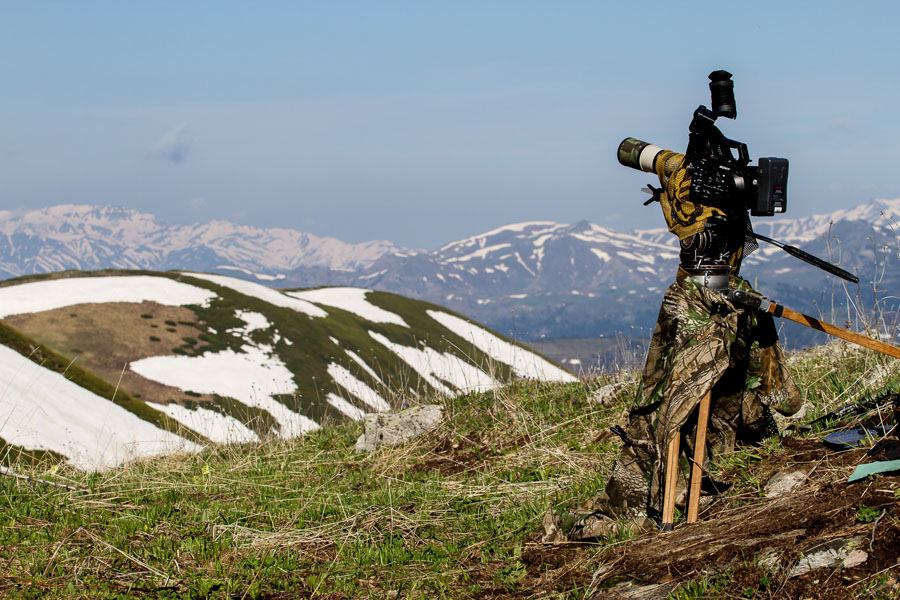
The promotion of Ajara as a world class ecological hotspot and eco-tourism destination is soon set for a massive boost. Filming on the ALCP facilitated Eco Films production ‘Jara’, a 52 minutes, a half-wildlife, half-human story observational documentary about mountains of one specific region of Republic of Georgia – Ajara, has been completed and the premiere will be held at Amirani Cinema on the 30th of March. The film has brought together various conservation stakeholders World Wildlife Fund Georgia, Caucasus Nature Fund, Eco Tours Georgia, Environmental Association Psovi, to produce what will be a stunning showcase of the beauty, nature and unique livelihoods of the rural inhabitants of Ajara.
The programme has already worked with EcoTours Ltd on developing Ajara as a destination for rural tourism based on nature and people. View their promotional video here and visit their website where they offer tailor-made tours to help you unlock the beauty of the region.

Equitable Empowerment in Georgia, an event celebrating community responses to equitable local government initiatives empowering women and men in communities of three regions of Georgia, will be held at Hualing Hotel in Tbilisi on the 17th of March, under the patronage of the Gender Equality Council of the Parliament of Georgia.
Please see the event website www.eeg.ge.
Up to 500 delegates - National, Regional and Local Government decision-makers, Women's Rooms managers and villages representatives, civil society and private sector and the women and men of the communities themselves - will present their motivations, methods and achievements. Likeminded people from the worlds of sport, culture, business and entertainment who seek to enrich the lives of women and men and boys and girls in Georgia in their work will speak and share their view about why this matters. Showcase stands from communities, enterprises, private sector, media and civil society will add colour and interest framed by the photographs of the municipal photo competition.
The event has been facilitated through the Alliances Lesser Caucasus Programme funded by the Swiss Agency for Development and Cooperation and implemented by Mercy Corps Georgia.



