Posted by Helen Bradbury: Team Leader, Alliances Lesser Caucasus Programme

Rural farmers can only grow their income when they have access to the drugs and veterinary services to keep their animals healthy and growing too. Alliances has partnered with a national veterinary inputs supply company to improve access to drugs, information and vet services for poor farmers in rural Georgia. There are strong signs competitors are seeking to replicate the model, which is also scaling up nationally and in neighbouring countries.
The challenge
Over 2 million people in rural Georgia rely on subsistence farming, typically owning less than one hectare of land. SDC has been funding a series of programmes in Southern Georgia since 2008 to improve the livelihoods of livestock farmers.
During initial surveys, Alliances learned that less than 10 per cent of farmers were accessing veterinary drugs or services in their community, in rural vet pharmacies mainly self-stocked from trips to Tbilisi. Others bought drugs when travelling to the capital. In the rural vet pharmacies a limited range of often improperly stored drugs were sold at high prices due to the resultant transaction costs. Local advice was minimal, unavailable or out of date. This had led to a lack of farmer trust in local veterinary products and services and unwillingness to invest.
Suppliers had failed to grasp the market potential of developing rural distribution, lacking both the information and capital to do so. The uncertainty about whether farmers would buy their products meant the perceived risk held suppliers back from making the first move.
Delivering drugs and services to rural farmers
Alliances’ vision was for farmers to have access to a broad range of quality medicines at a competitive price with advice to go with it. The means to achieve this was for drug manufacturers to invest in improved distribution systems to pharmacies in towns and villages. This included setting up new village-based pharmacies and providing additional training for pharmacists so they could deal with common livestock illnesses and diseases, local veterinarians and farmers to develop the market. This improvement in access and service quality would improve productivity for farmers, increase sales for drug companies, and enable them to self-finance further growth and expansion.
Intervention development and learning
Alliances decided to partner with Roki Ltd. because it was working with more pharmacies than other manufacturers, Roki was also investing in local production of generic medicines of its own, producing 40 per cent of their medicines within Georgia, and provided some limited trainings for vets, pharmacists and farmers. Roki’s vision was aligned with Alliances: it felt that its future development depended on improved management of its distribution systems, customer relations and pharmacist capacity.
Most importantly, however, they were the right people. The chemistry was right, ideas flowed, and they had a strong social ethos towards farmers which aligned with the programme.
Alliances were able to use its market research to demonstrate a large market for drugs amongst farmers in rural regions. The Alliances co-investment equipped the vet pharmacies whilst the company invested in drug distribution. Specifically Roki supported high potential pharmacies with wholesale rates for drugs, advertising for vet products an expanded set of trainings and a hotline service for vets and pharmacists.
Women’s economic empowerment was core to programme strategy, with gender disaggregated research data and training and advertising designed to reach women, however early results showed that the majority of the customers reached by these pharmacies were male. To respond, Alliances worked with Roki to create a new model of satellite veterinary pharmacies. These were closer to villages and accessible by women who rarely travel to town centres.
Drugs and services for 70,000 farmers
With support from Alliances, Roki has facilitated the opening of 44 new pharmacies, leading to increased access to veterinary drugs and services for over 70,000 farmers. Roki has expanded the model to include 284 further veterinary pharmacies in other parts of Georgia, and 11 other vet pharmacies have copied the model, resulting in over 250,000 Georgian farmers having access to veterinary services.
In Georgia, a key competitor in the supply of vet drugs is starting to replicate the business model, by importing identical medicines, creating an identical distribution chain and offering training to its pharmacies. In Azerbaijan Roki has partnered with Real Vet a company with outreach to 350 vet pharmacies. Drugs are being exported to Armenia and Turkmenistan. Roki now produces 70 per cent of its own medicines at its now HACCP and ISO compliant factory in Tbilisi and has become a founder member and advocate in industry related fora in an increasingly burgeoning sector.
The first Women’s Business Forum was held on the 31st of January, in Batumi, Ajara, the event hosted by the Association of Businesswomen of Ajara (ABWA) of the Ajara Chamber of Commerce and Industry (ACCI) in partnership with the Women’s Rooms municipal service. For the first time in Ajara, 140 representatives of local, regional and central government and private sector have gathered to share their experience and look for business growth opportunities.
For more information on the event's impression here .
The dream of many pop brands is to ‘make it in America’. Tsalka producer Tsezari Cheese Company, has started to do just that. Sun Breath Corps a Georgian distribution company based in New York contacted Tsezari through contacts related to the programme to export the cheese. Beginning in June1,200 kgs of Smoked Sulguni has so far been exported to New York, US. Tsezari who is HACCP certified and has been a main supplier of Sulguni cheese to the Carrefour chain in Georgia for over two years, can guarantee quality and a regular supply which is vital for successful export.
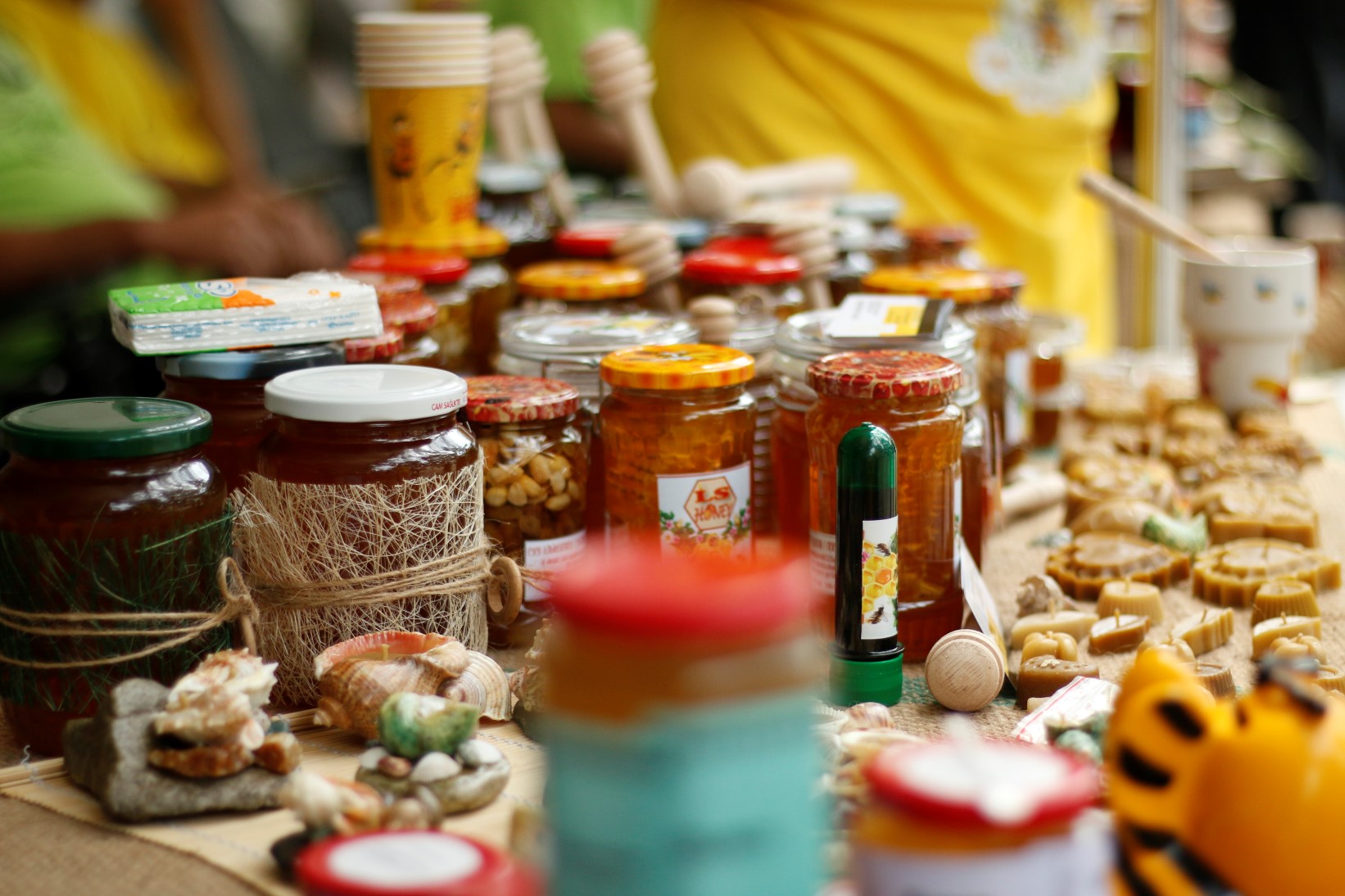
Batumi Boulevard is still buzzing from this summer’s sweetest festival, Honey Festival 2016. Organized for the second time by the Ajara Beekeepers Business Association on 13th of August. Last year’s debut festival was so impressive that this year’s festival had the support of governmental bodies Agroservice Center and the Cultural Heritage Preservation Agency of Ajara, who wanted to contribute to the festival and promote local honey production. Thus the festival was larger in scale this time, with activities taking place over two days, starting in Batumi Boulevard and closing in Gonio Fortress on 16th of August.
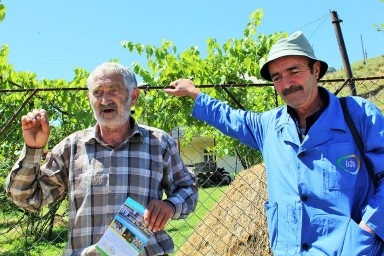
Informational leaflets on Animal Identification-Registration were distributed to the farmers of Samtskhe-Javakheti, Kvemo Kartli and Ajara regions by NFA representatives. These leaflets will serve to increase awareness of the compulsory EU regulation for preventing animal diseases, ensuring the health of animals and traceability that contributes to safe selling of meat, protecting consumers` rights and Georgia’s image as a country of high export potential. The NFA has also been providing vaccination for Foot and Mouth and blood tests for Brucellosis on the site. According to the latest data, 1 939 674 livestock and 140 466 small ruminants have been identified, and in total 994 058 animals have been registered.
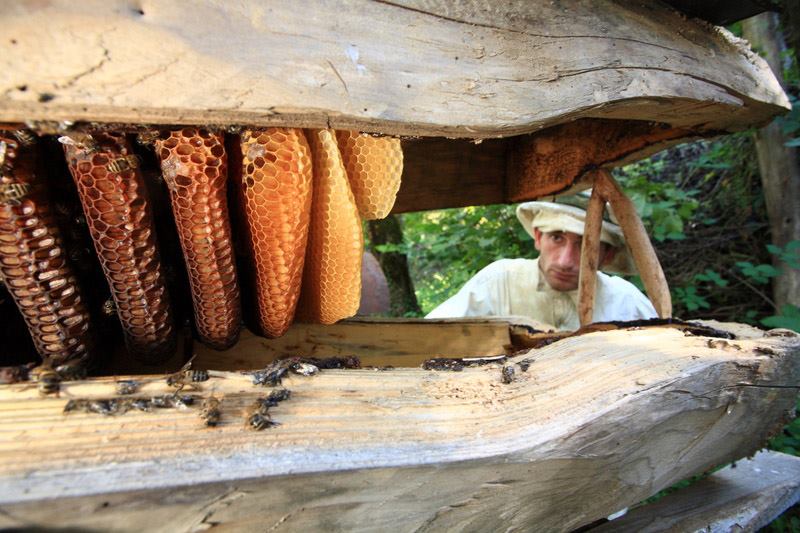
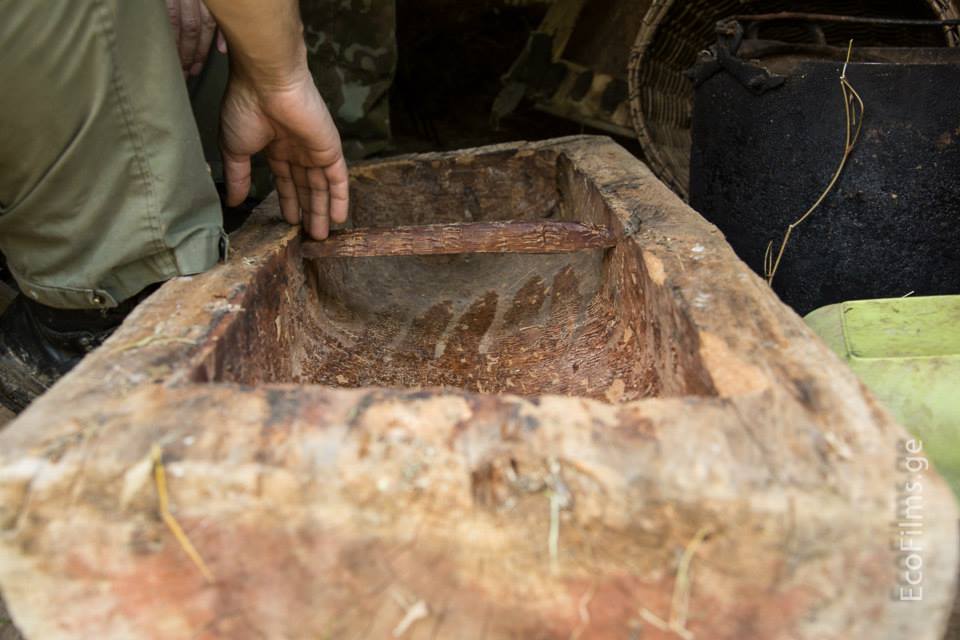
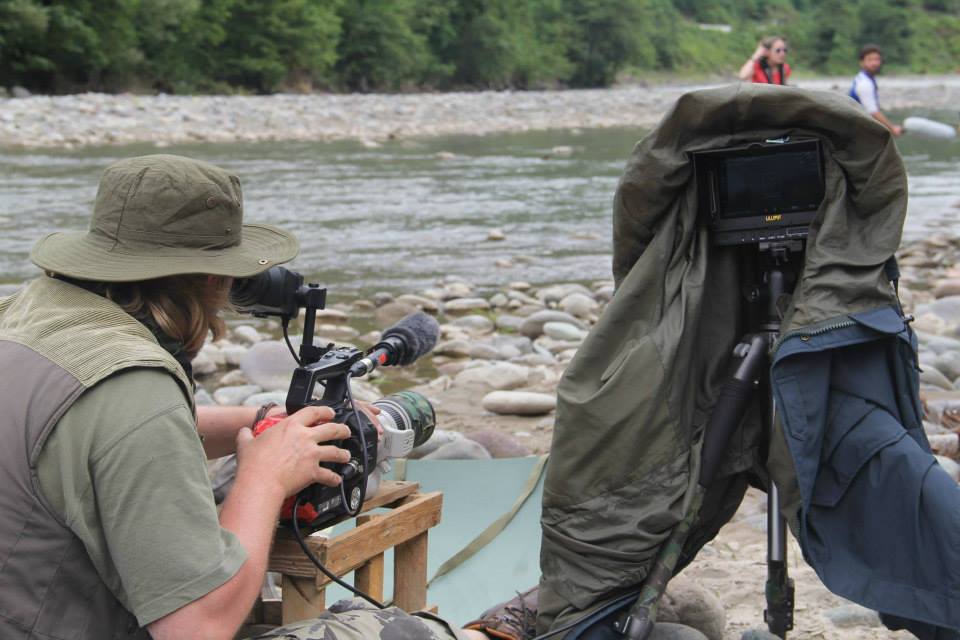
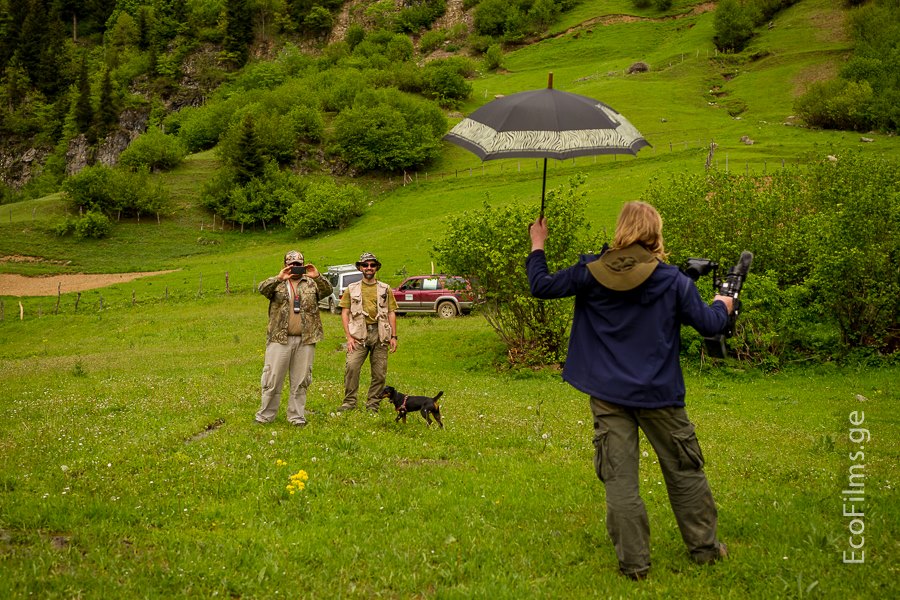
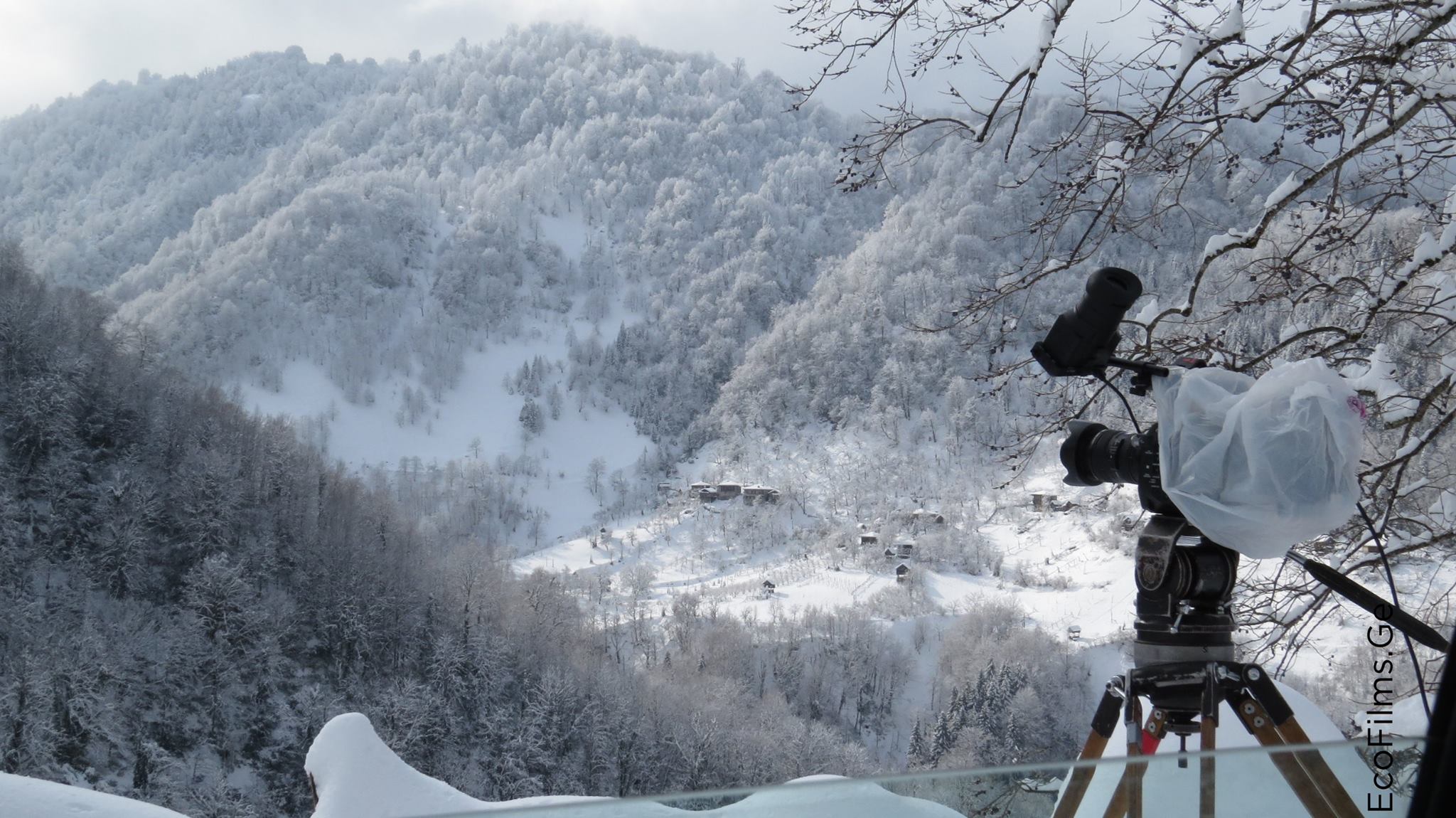
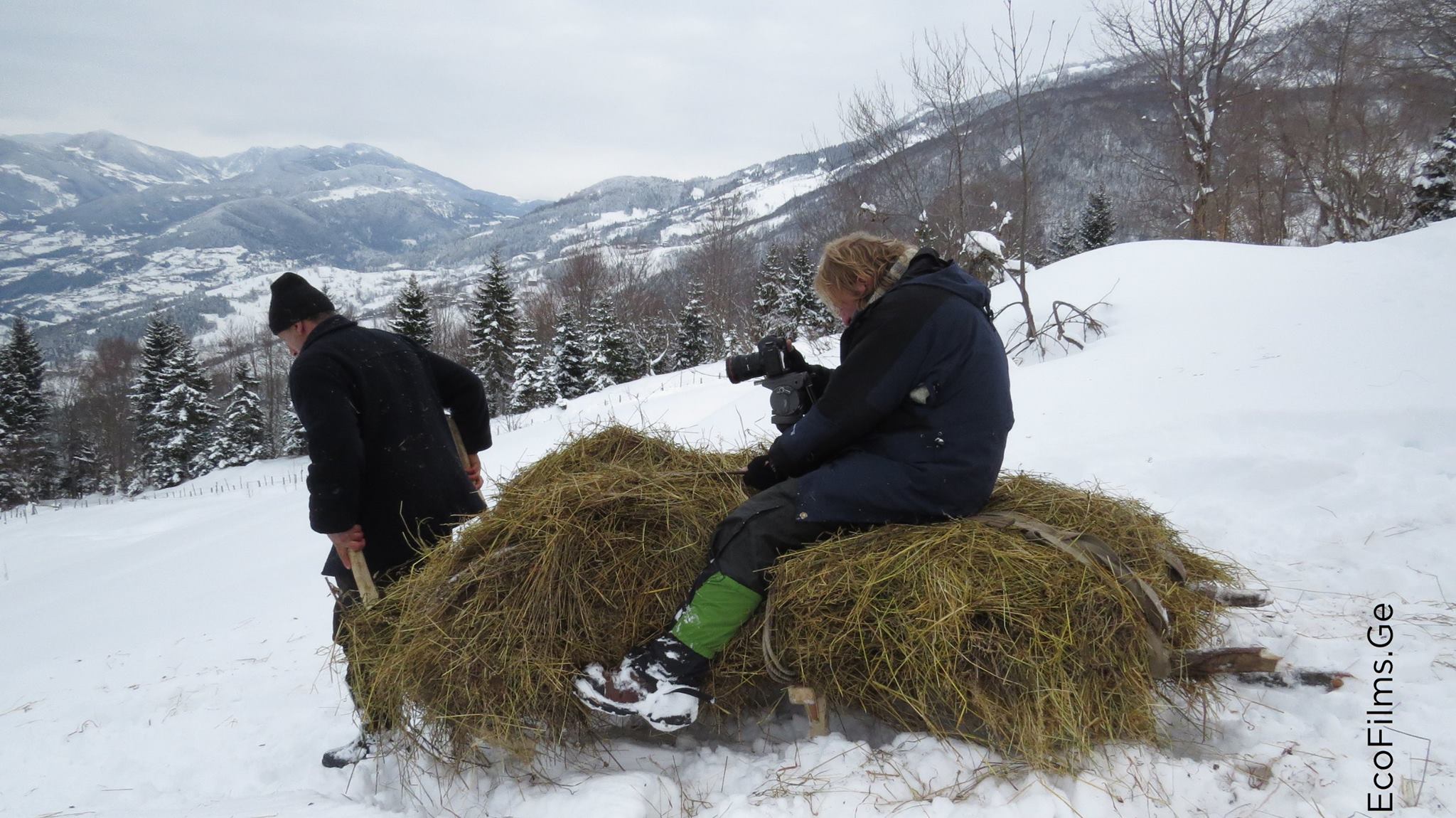
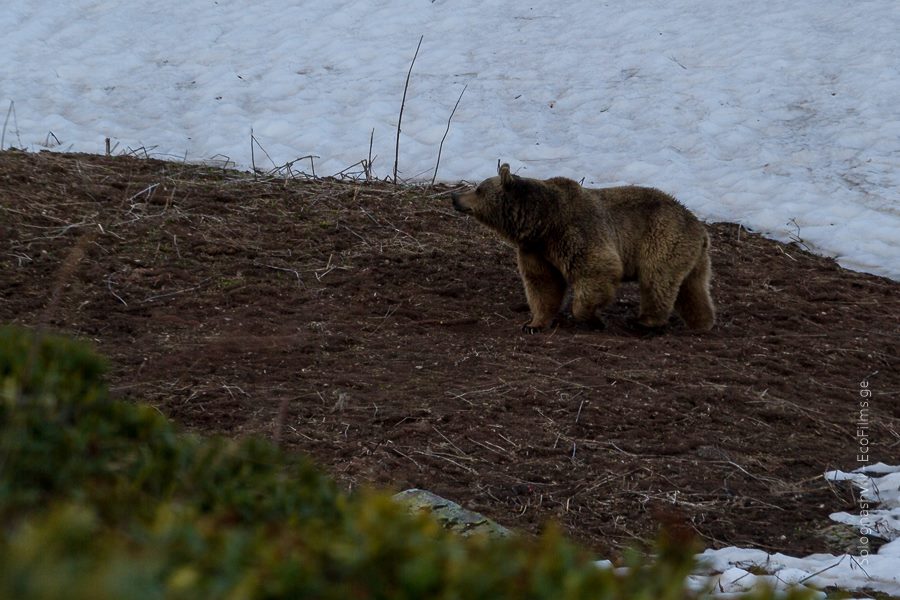
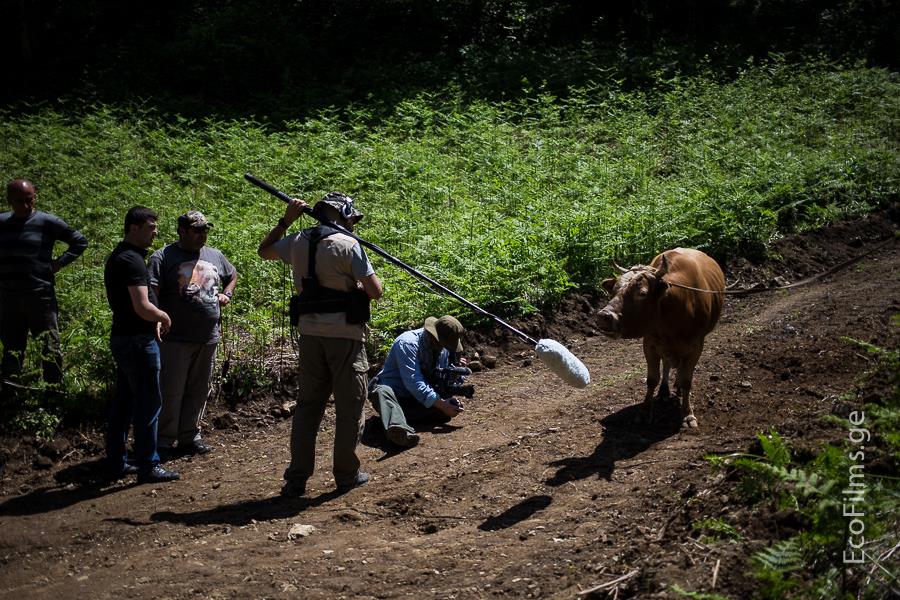
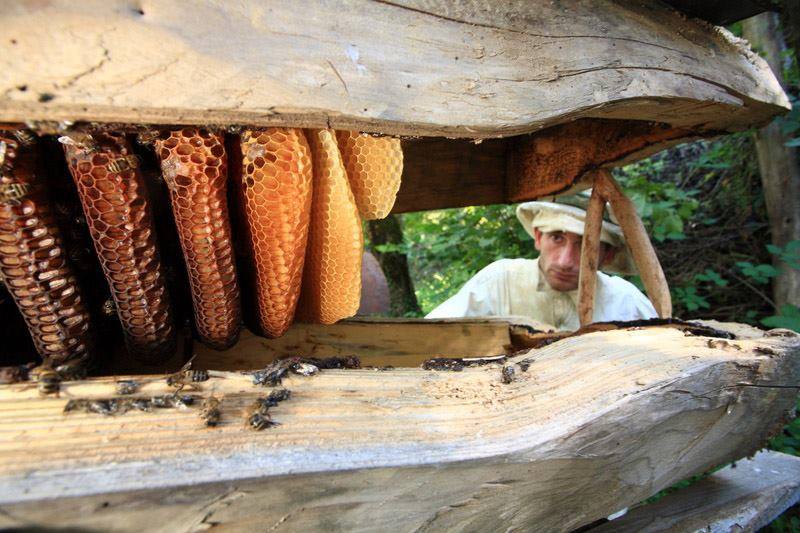
The promotion of Ajara as a world class ecological hotspot and eco-tourism destination is soon set for a massive boost. Filming on the ALCP facilitated Eco Films production ‘Jara’, a 52 minutes, a half-wildlife, half-human story observational documentary about mountains of one specific region of Republic of Georgia – Ajara, is nearly complete and the production to bring together the material is now ongoing. The film has brought together various conservation stakeholders World Wildlife Fund Georgia, Caucasus Nature Fund, Eco Tours Georgia, Environmental Association Psovi, to produce what will be a stunning showcase of the beauty, nature and unique livelihoods of the rural inhabitants of Ajara.
The programme has already worked with EcoTours Ltd on developing Ajara as a destination for rural tourism based on nature and people. View their promotional video here and visit their website where they offer tailor-made tours to help you unlock the beauty of the region.
Source of Photos: Jara Documentary Film