



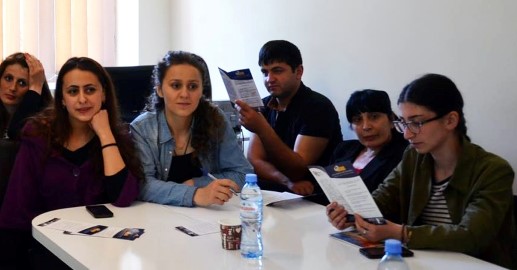
Khelvachauri Women’s Room is taking its first steps in helping women access public resources voice their opinions and participate in local self-governance. The Women’s Room model that is being replicated in Ajara was first established in three municipalities of Kvemo Kartli from 2012 and subsequently in all municipalities of Kvemo Kartli and Samstkhe-Javakheti. The first opened in Batumi with the Association of Business Women of Ajara (ABWA) in the Ajara Chamber of Commerce and Industry (ACCI) was the first of all a new type of urban and business based women’s room, with the ideas of providing business trainings and an urban connection for the municipality based women’s rooms already opened in Keda, Shuakhevi, Khulo and Khelvachauri municipalities and soon to open in Kobuleti. The rooms are proving popular with these WR’s already providing more than 1200 services in three months.
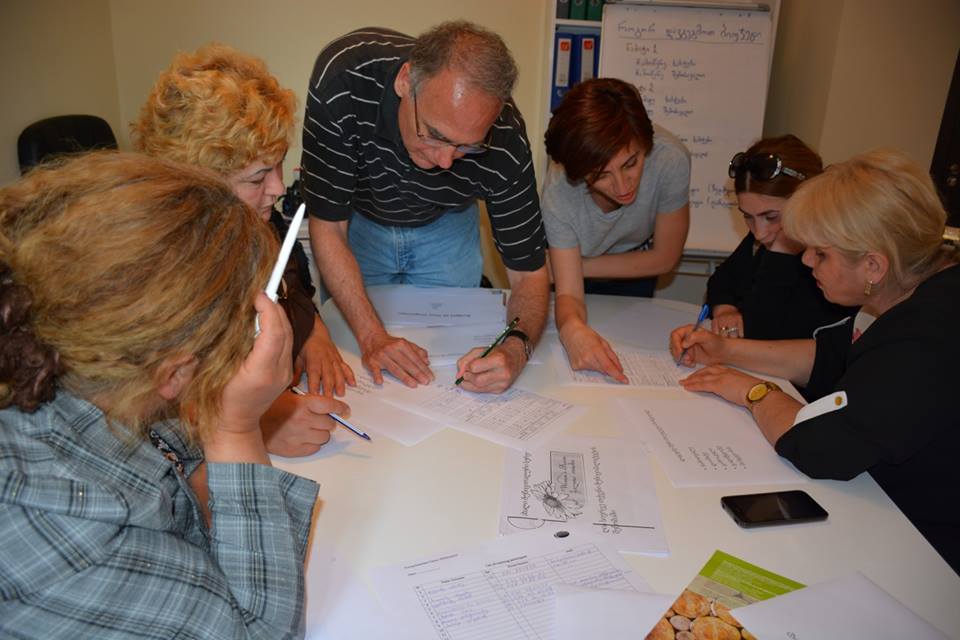
The Women’s Rooms are a municipal service, a resource and consultancy space for facilitating open dialogue between local society and municipality officials, aiming at promoting women’s participation in the decision-making at the local level and increasing their access to municipal information and services including on health care and agricultural programmes. Women’s Rooms also offer a platform for trainings and meetings, supporting new initiatives and instilling women’s active participation. The space has been taken up quickly with the Association of Young Lawyers and the School of Democracy using the rooms to raise women’s awareness on human rights, economic and educational opportunities. Visitors can use library and internet for free. All of the Women’s Rooms in Ajara are easy to access on the first floor of municipality buildings and can be freely used by people with disabilities for meeting with Gamgebeli and other officials to speak about their issues. Gamgebelis hold weekly meetings with local citizens in the W’s Rs. A Free hotline number (Khulo 0 800 100 109; Shuakhevi 0 800 000 008; Keda 0 800 100 103; Khelvachauri 0 800 100 106) allows rural women to voice their issues in the Gamgeoba.
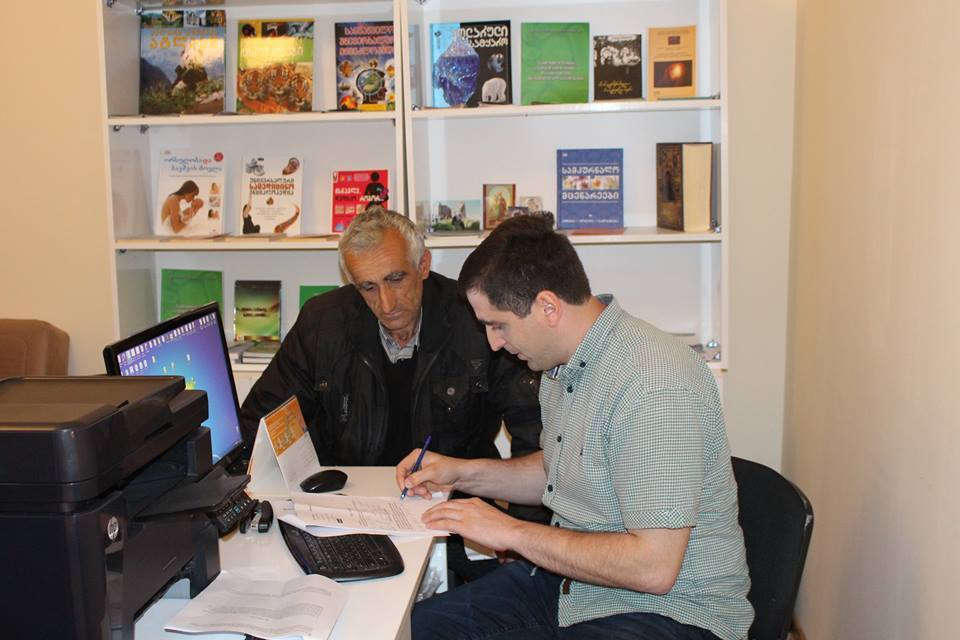
Women’s Room coordinators and municipal Gender Advisors, were trained on the importance of women involvement in decision-making using guidelines on The Application and Implementation of the Law on Gender Equality of Georgia by local self-government bodies to increase women’s participation in the community meetings, that was resulted in significant increase from 3% (2014) to 33% (2016) of women’s participation in these meetings.
To find out more about W’s Rs ongoing activities, visit Ajara (Batumi,Khulo, Shuakhevi, Keda, Khelvachauri), Kvemo Kartli (Dmanisi, Tsalka, Tetritskaro, Rustavi,Marneuli, Aspindza) and Samtskhe Javakheti (Akhaltsikhe,Adigeni, Borjomi ) W’s Rs Facebook pages.
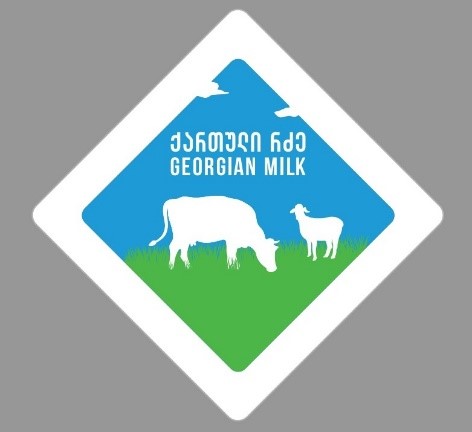
The ‘Georgian Milk’ mark has been registered in the National Intellectual Property Centre of Georgia - Saqpatenti. The mark is now protected to avoid falsification and strengthen the ownership of Business Institute of Georgia, an independent body which will regularly audit dairies granted license to use the mark.
Eighteen dairy enterprises have already applied to use the mark.
The new ‘Georgian Milk’ mark will distinguish dairy products made from natural raw milk.
Information per enterprise will be published online on a www.georgianmilk.ge website which will come online at beginning of March. This will allow consumers to look up the products they are buying using a unique register number printed on the label.
A national promotion campaign conducted by GMA international marketing company to introduce the mark to the public and retailers will be rolled out from the end of next month.
A presentation of a new ‘Georgian Milk’ mark was held on the 22nd of January at Hotels & Preference Hualing Tbilisi.
Up to 150 dairy enterprises and representatives of supermarkets, agri markets, sectoral associations and Government Agencies participated in the meeting.
The new ‘Georgian Milk’mark will distinguish dairy products made from natural raw milk. The ‘Georgian Milk’ mark will be found only on dairy products produced from Georgian natural raw milk and which do not contain milk powder and/or any vegetable oils. The purpose of the mark is to promote products made from Georgian natural raw milk, which will help consumers make informed decisions while buying milk and other dairy products. A recent large national consumer survey by the Caucasus Research Resource Centre of urban consumers across Georgia showed that consumers want to be able to buy ‘ecologically clean’ dairy products, meaning clean milk that comes from healthy grass fed cattle and dairy products produced in clean regulated enterprises. The research found that the majority of consumers had difficulty in identifying or being able to buy such products as these products are currently undifferentiated in shops. The ‘Georgian Milk’ mark will therefore solve this problem.
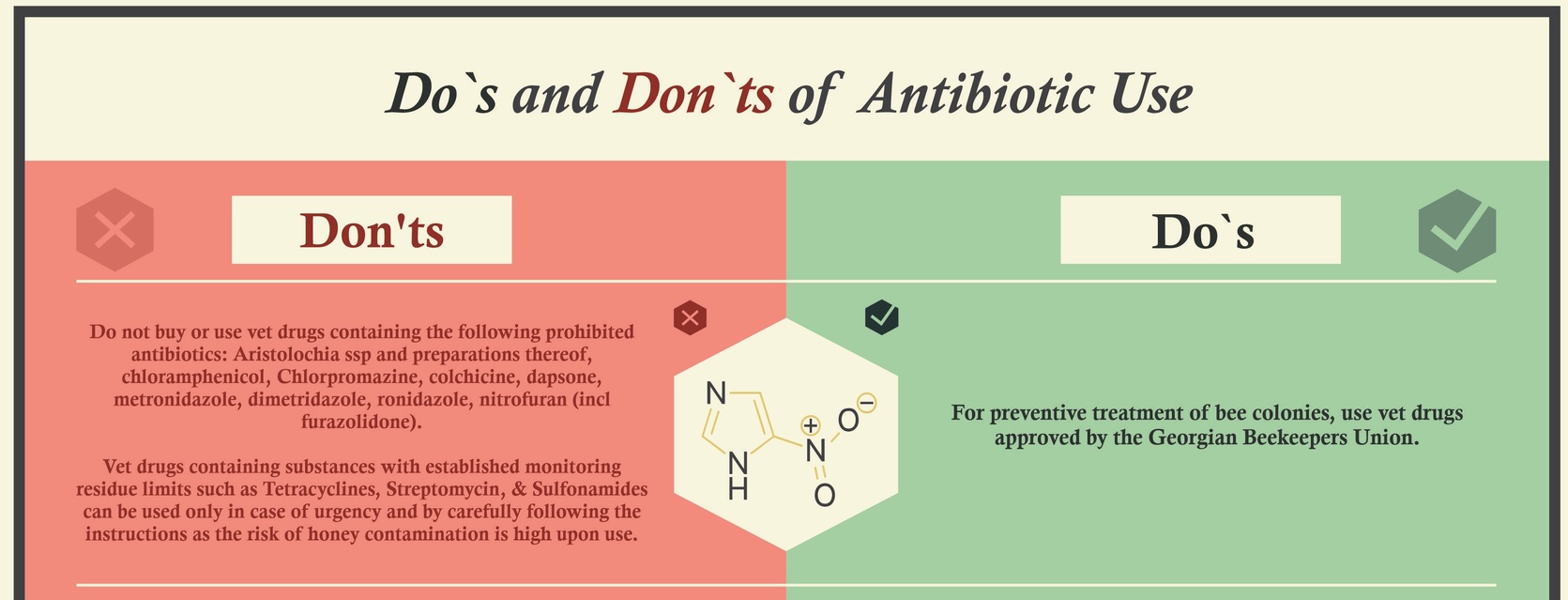
The ALCP facilitated the Georgian Beekeepers Union to develop infographic regards Do’s and Don’ts of Antibiotic Use, providing guidelines for the beekeepers on proper usage of antibiotics and preventing honey and beeswax from contamination with the antibiotics. The full version of the infographic is available here.
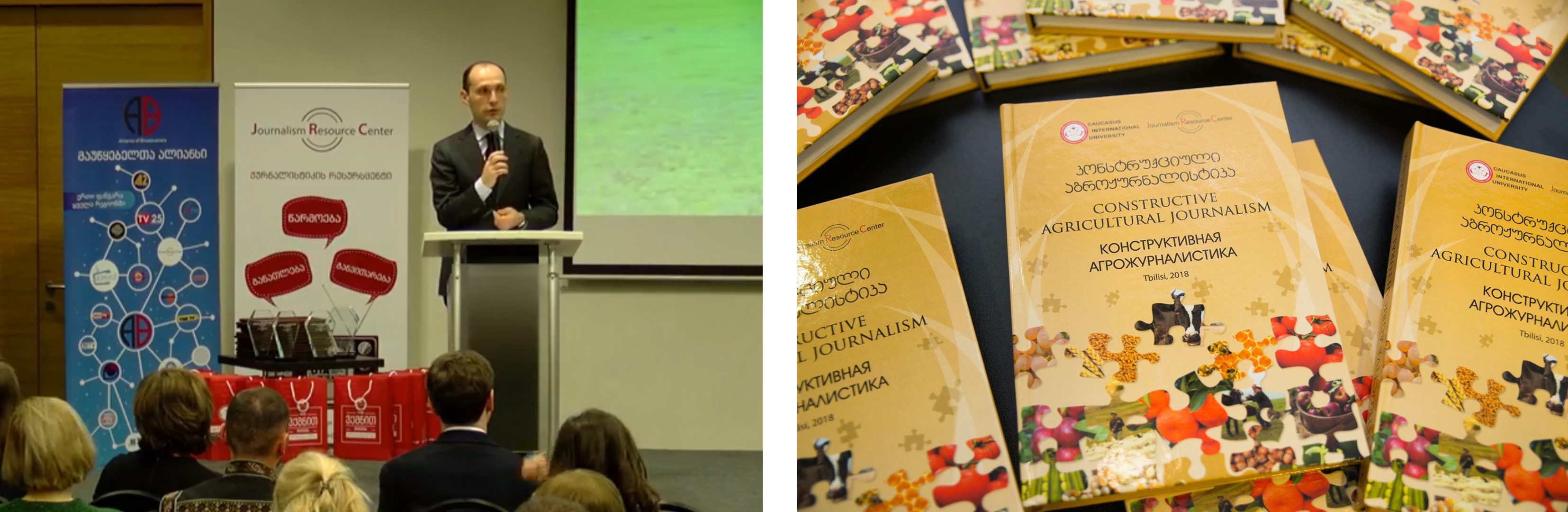
On December 26th, the Journalism Resource Centre presented its second edition of the agri journalism module. About hundred guests from the government, business and academic sphere attended the event.
The Minister of Environmental Protection and Agriculture of Georgia, Levan Davitashvili stated: ‘I am very glad to hear about all the initiatives related to agri journalism. Education is very important in agriculture for ensuring information dissemination for farmers. The door of the Minister of Agriculture is open for you at any time and our partnership with regional media is very important.’
The agri module was created for inclusion in BA in journalism degrees. Now, ten universities across Georgia have the agri journalism module established in their curriculum, lasting one semester with a total of 15 credit hours. Four more universities are about to do the same this year. 369 students have undergone the course in Georgia to date. Now those initiatives are ready for transfer to Armenia and Azerbaijan.
During the event, the Journalism Resource Centre awarded farmers and specialists within the agricultural sector. The Best Female Farmer of the Year award was given to beekeeper Mariam Kiladze; the Best Vet of the Year was Giorgi Tcikhelashvili from Dmanisi, he is 25 years-old who graduated from the Vet Department at Agrarian University and went back to Dmanisi and is working as a vet. The Best Male Farmer award was given to shepherd Giorgi Imerlishvili. Credo and the EBRD were recognized as financial institutions that supports agriculture, and SDC Project Mercy Corps Alliances Caucasus Programme for supporting agri media journalism.
At the end of the event, the Journalism Resource Centre announced the establishment of the Agro Guild, which unites journalists and media organizations, businesses, farmers, public officials, and universities and sets up annual or bi-annual advisory committees. The members of media associations and the JRC also announced that they are planning to establish an Agri TV program, the pilot of which will start in three months.
Follow this link for additional news regarding the event.
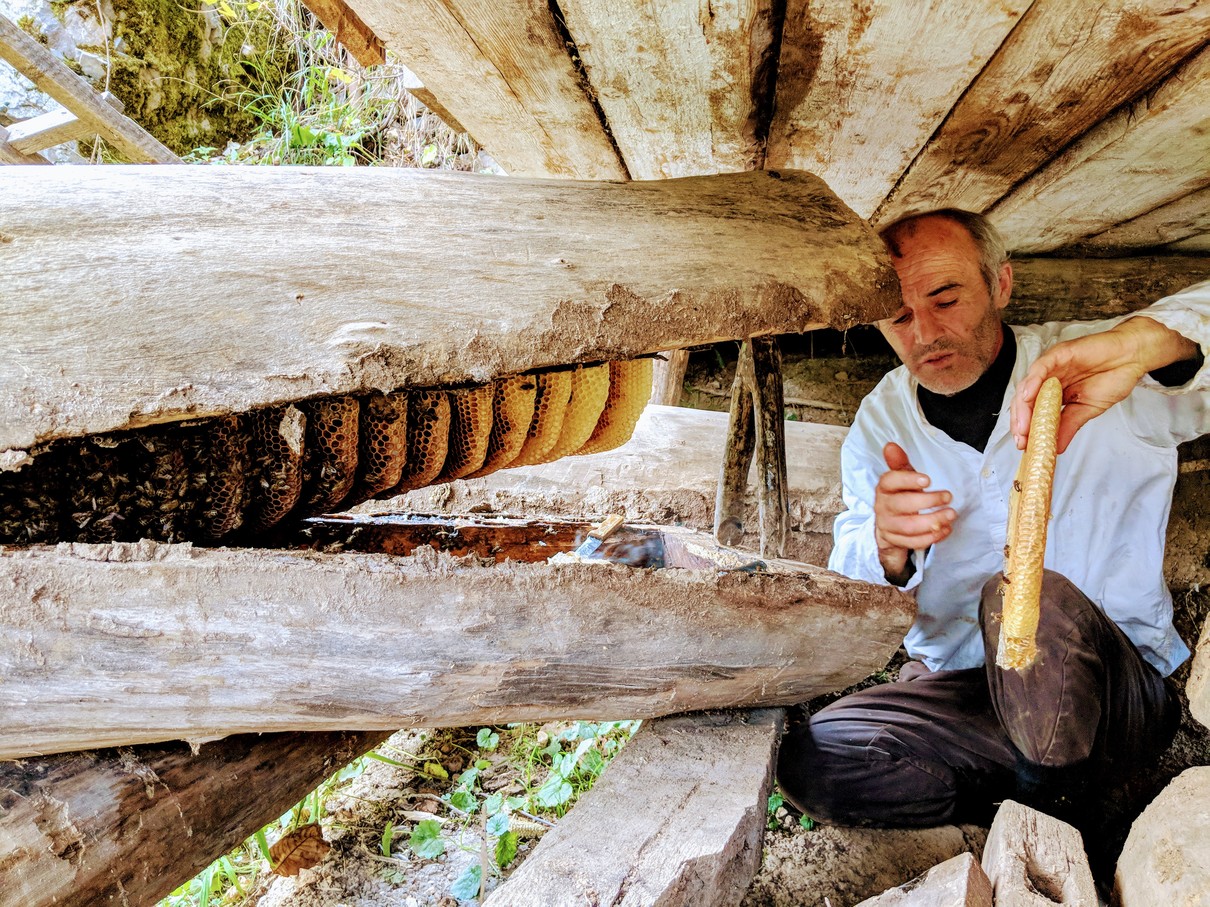
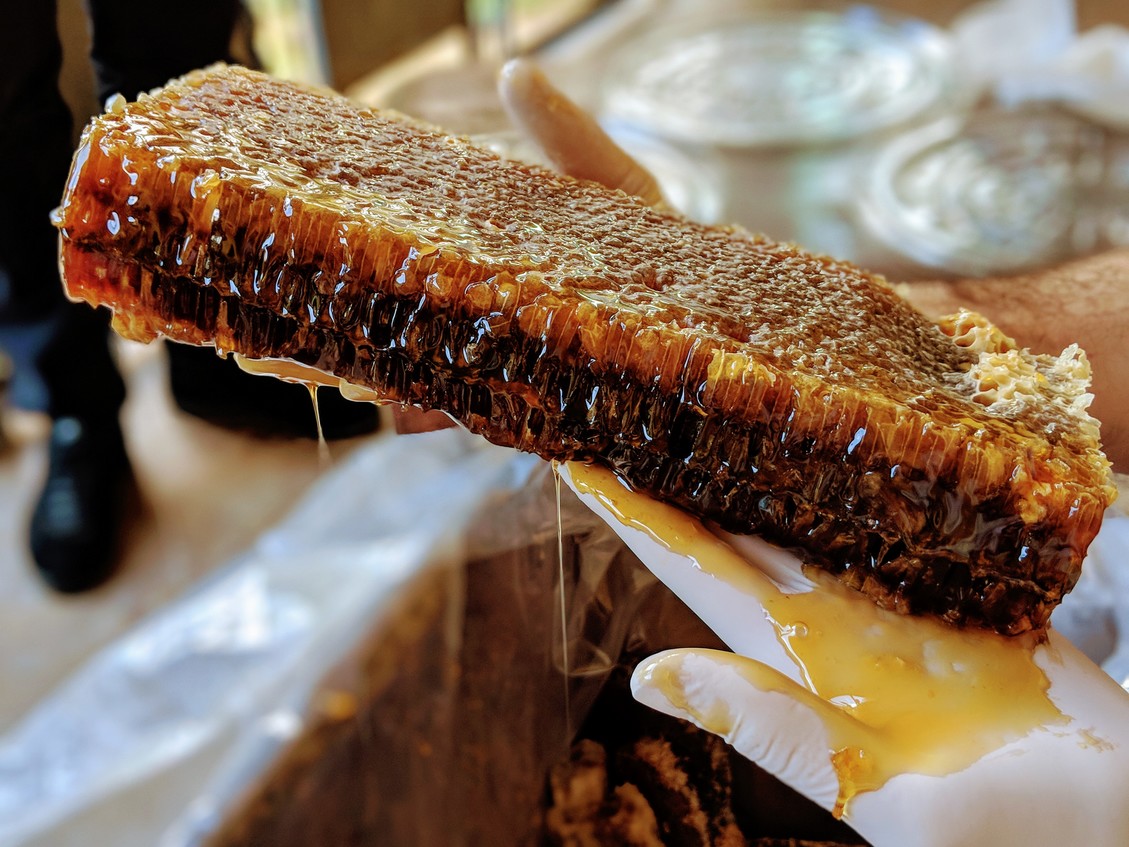
For the first time ever, twenty Jara producers have sold their entire crop of Jara to a commercial enterprise. Jara honey will soon be available in shops in Georgia.
See photos below.
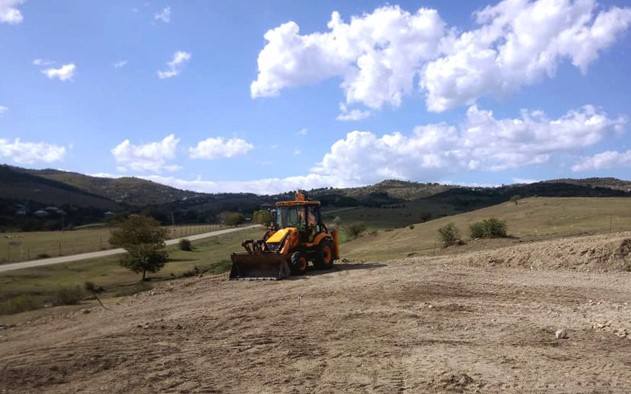
The construction of a new Veterinary Surveillance Point has recently started in Bolnisi municipality. The works will be finished in December 2018. The point will be the six and final point in the Veterinary Surveillance network throughout the Animal Movement Route.
During five transhumance seasons in 2016-2018 total 1.4 million heads of sheep and cattle were treated against ecto-parasites free of charge at all operational Veterinary Surveillance Points in Rustavi, Marneuli, Signagi, Dedoplistskaro and Kvareli municipalities.



