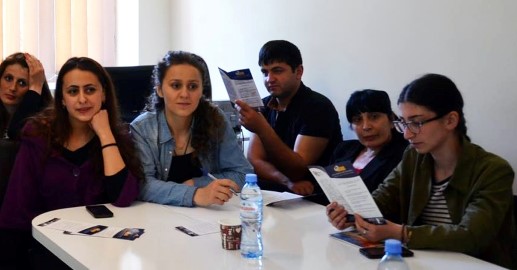
Khelvachauri Women’s Room is taking its first steps in helping women access public resources voice their opinions and participate in local self-governance. The Women’s Room model that is being replicated in Ajara was first established in three municipalities of Kvemo Kartli from 2012 and subsequently in all municipalities of Kvemo Kartli and Samstkhe-Javakheti. The first opened in Batumi with the Association of Business Women of Ajara (ABWA) in the Ajara Chamber of Commerce and Industry (ACCI) was the first of all a new type of urban and business based women’s room, with the ideas of providing business trainings and an urban connection for the municipality based women’s rooms already opened in Keda, Shuakhevi, Khulo and Khelvachauri municipalities and soon to open in Kobuleti. The rooms are proving popular with these WR’s already providing more than 1200 services in three months.
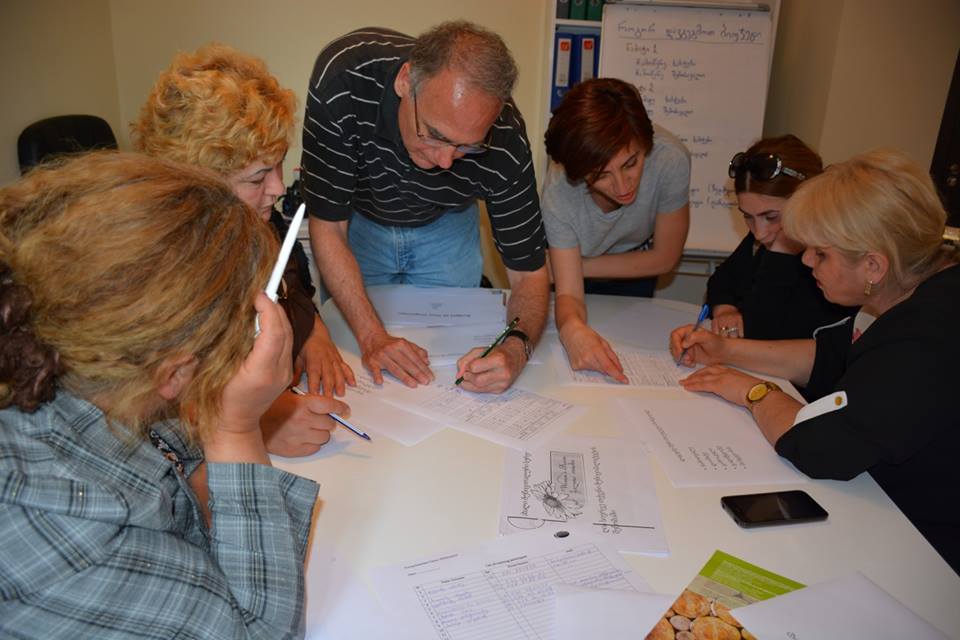
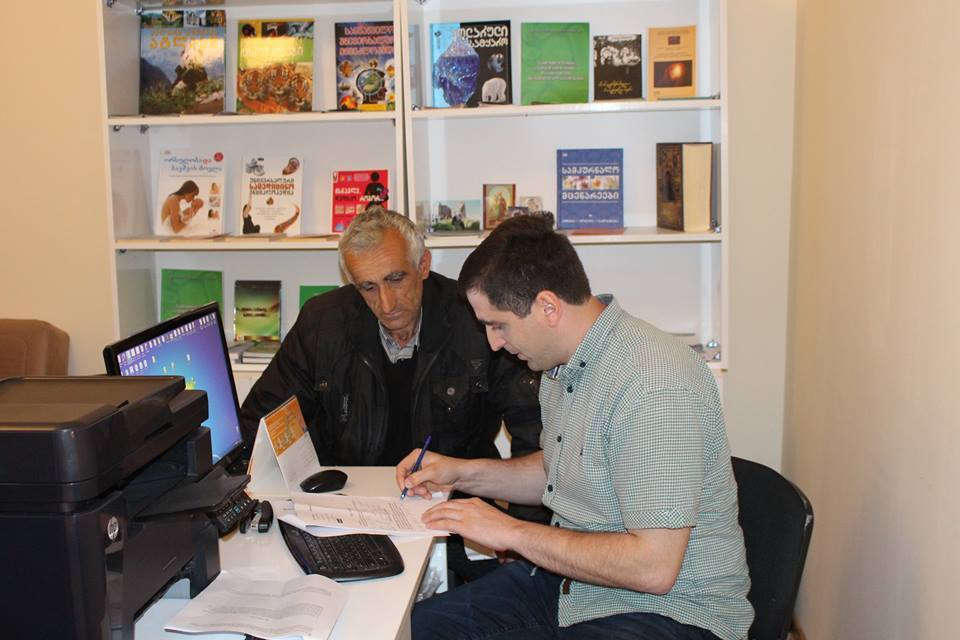
The Women’s Rooms are a municipal service, a resource and consultancy space for facilitating open dialogue between local society and municipality officials, aiming at promoting women’s participation in the decision-making at the local level and increasing their access to municipal information and services including on health care and agricultural programmes. Women’s Rooms also offer a platform for trainings and meetings, supporting new initiatives and instilling women’s active participation. The space has been taken up quickly with the Association of Young Lawyers and the School of Democracy using the rooms to raise women’s awareness on human rights, economic and educational opportunities. Visitors can use library and internet for free. All of the Women’s Rooms in Ajara are easy to access on the first floor of municipality buildings and can be freely used by people with disabilities for meeting with Gamgebeli and other officials to speak about their issues. Gamgebelis hold weekly meetings with local citizens in the W’s Rs. A Free hotline number (Khulo 0 800 100 109; Shuakhevi 0 800 000 008; Keda 0 800 100 103; Khelvachauri 0 800 100 106) allows rural women to voice their issues in the Gamgeoba.
Women’s Room coordinators and municipal Gender Advisors, were trained on the importance of women involvement in decision-making using guidelines on The Application and Implementation of the Law on Gender Equality of Georgia by local self-government bodies to increase women’s participation in the community meetings, that was resulted in significant increase from 3% (2014) to 33% (2016) of women’s participation in these meetings.
To find out more about W’s Rs ongoing activities, visit Ajara (Batumi,Khulo, Shuakhevi, Keda, Khelvachauri), Kvemo Kartli (Dmanisi, Tsalka, Tetritskaro, Rustavi,Marneuli, Aspindza) and Samtskhe Javakheti (Akhaltsikhe,Adigeni, Borjomi ) W’s Rs Facebook pages.
Locals, interested parties including the Minister of Agriculture of Ajara and tourists, in the height of the Batumi summer run enjoyed a new addition to the summer time calendar of events with the first Ajara Honey Festival on August 22nd on Batumi Boulevard. The festival was organized by The Beekeepers Association of Ajara, an entity belonging to the Ajara Chamber of Commerce and Industry.
Ajara is a major producer of honey in Georgia and the programme has completed a sector survey and commenced numerous interventions. The festival was a first step in promoting Ajara as a producer of high quality honey and developing a cohesive image of honey production in the region. Beekeeping in Ajara has been practiced for centuries and still includes the capturing of wild swarms and cultivating of honey in logs known as ‘Jara’.
The National Food Agency representatives met with entrepreneurs of honey and meat sectors in Kvemo Kartli and Ajara regions in July. The aim of the meetings was to inform local producers on the regulations and required standards for the quality production of meat and honey products in accordance with FS&H standards.
Food Safety and Hygiene in the Agrarian Market of Batumi was the main topic of the ALCP AJ Advisory Committee’s second meeting in Ajara region. The discussion concerned the incompliance of existing situation in Market with FS&H standards and possible risks derived from the meat and dairy products purchased there. Due to the importance and complexity of the issue, key market stakeholders such as representatives of Ajara Government, NFA and Agrarian Market participated in the meeting.
“Women in Georgia – Tradition and Contemporaneity” is a short documentary film prepared by ‘Netgazeti’ (online newspaper) about women living in Ghordjomi Community (Khulo Municipality, Ajara). Ghordjomi is one of the largest Muslim communities in Ajara and is known for its early marriage traditions, and other strict rules and attitudes towards women. The film describes the harsh daily routine of the women starting from 6 am in the morning with taking care of the cattle, children, household and the restrictions they face in daily life.
The ALCP AJ programme’s Focus Group Survey and Gender Analysis captured these issues and also noted the consequent effect on the participation of women in the decision-making processes at the community and local governmental levels which is chronically low.
The first meeting of the Regional DRR Working Group was carried out at the KK Governor Office.
The Governor of Kvemo Kartli - Paata Khizanashvili encouraged decision makers from all municipalities of the region to pay more attention on issues linked with Animal Disease Control, Pasture Usage and Disaster Risk Reduction. He noted that the municipal leaders should understand these are the issues of high importance and the new municipal working groups should have strong communication with the Governor’s office and with other municipalities of Kvemo Kartli.
By now, all seven municipalities of Kvemo Kartlli have DRR working groups coordinated by the regional government.
A new project “Closer to Nature” was launched by Batumi Botanical Garden facilitated by ALCP AJ to promote 165 school student’s involvement in biodiversity and environmental protection activities.