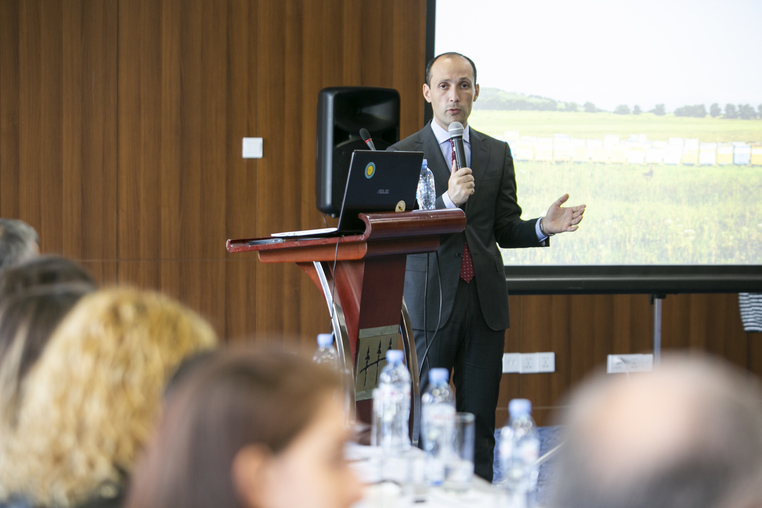
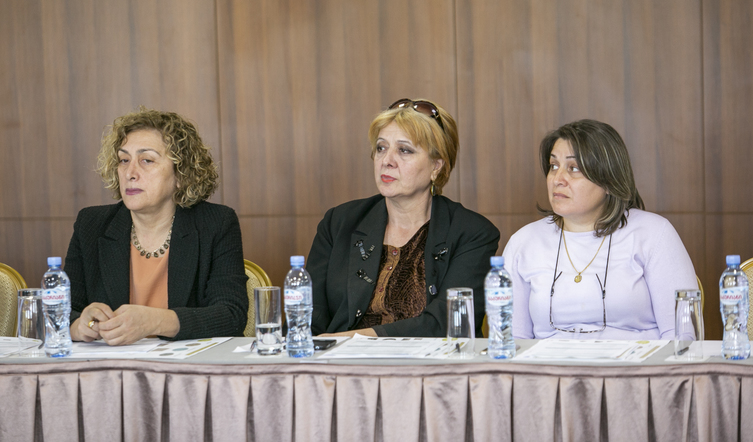
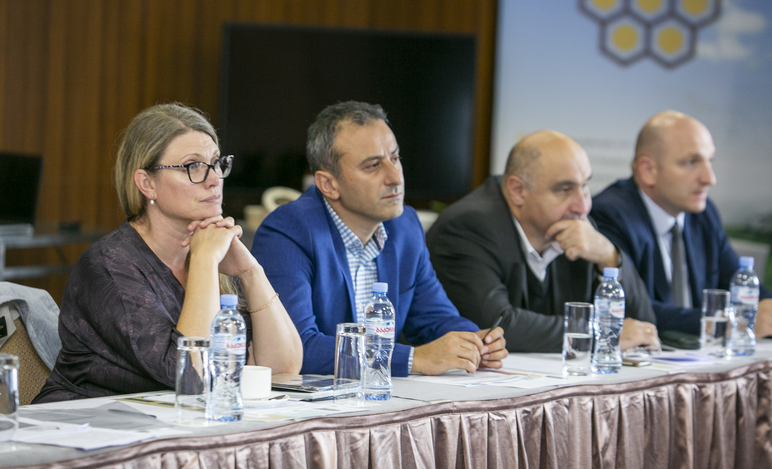
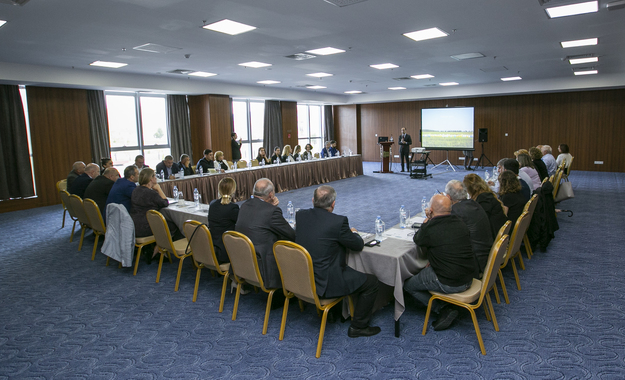
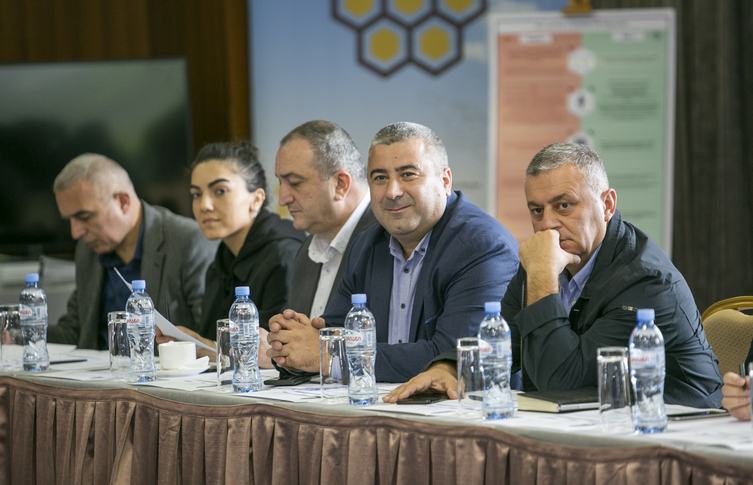
Honey testing requirements for export and laboratory testing capability and reality in Georgia were the main topics of the ALCP Second Honey Sector Advisory Committee meeting on 9th of October, 2019. The meeting gathered up to forty key stakeholders of the sector, including the Georgian Beekeepers Union (GBU), the Minister and Deputy Minister of Environment Protection and Agriculture of Georgia, Head of the National Food Agency, the Laboratory of Ministry of Agriculture (LMA), private laboratories, a honey exporter company Kakhetian Traditional Winemaking KTW.
A laboratory service subsidy scheme was presented at the meeting, that serves for supporting honey export development through creating accessible and affordable laboratory testing services for the Georgian beekeepers and honey exporters, which still remains as one of the key constrains for exporting Georgian honey abroad.
“For me, the honey sector is one of the most complex sectors in agriculture and I think the format of this meeting helps us with finding the best solutions to keep the sector going. I am pleased that today’s topic concerns honey laboratory testing, as we are determined to make honey as an export product. We have already made some important steps, like, participation in Apimondia 2019 and other important events for honey promotion. I think we can elaborate and agree on a future working model” – Levan Davitashvili, the Minister of Environment Protection and Agriculture of Georgia.
“Access to affordable laboratory services will not only decrease prime cost of honey, but will ensure quality honey to be sold at local and international markets” – stated Mikheil Tetruashvili, the GBU board member.
The Minster of Environment Protection and Agriculture of Georgia appointed a focal point in the Ministry to improve communication with beekeepers. The meeting participants agreed to continue work on the topic together with the MEPA and NFA.
The meeting was facilitated by the Swiss Agency for Development and Cooperation (SDC) project the Mercy Corps Georgia implemented the Alliances Caucasus Programme (ALCP).
Photo Source: The Ministry of Environment Protection and Agriculture of Georgia
A presentation of a new ‘Georgian Milk’ mark was held on the 22nd of January at Hotels & Preference Hualing Tbilisi.
Up to 150 dairy enterprises and representatives of supermarkets, agri markets, sectoral associations and Government Agencies participated in the meeting.
The new ‘Georgian Milk’mark will distinguish dairy products made from natural raw milk. The ‘Georgian Milk’ mark will be found only on dairy products produced from Georgian natural raw milk and which do not contain milk powder and/or any vegetable oils. The purpose of the mark is to promote products made from Georgian natural raw milk, which will help consumers make informed decisions while buying milk and other dairy products. A recent large national consumer survey by the Caucasus Research Resource Centre of urban consumers across Georgia showed that consumers want to be able to buy ‘ecologically clean’ dairy products, meaning clean milk that comes from healthy grass fed cattle and dairy products produced in clean regulated enterprises. The research found that the majority of consumers had difficulty in identifying or being able to buy such products as these products are currently undifferentiated in shops. The ‘Georgian Milk’ mark will therefore solve this problem.
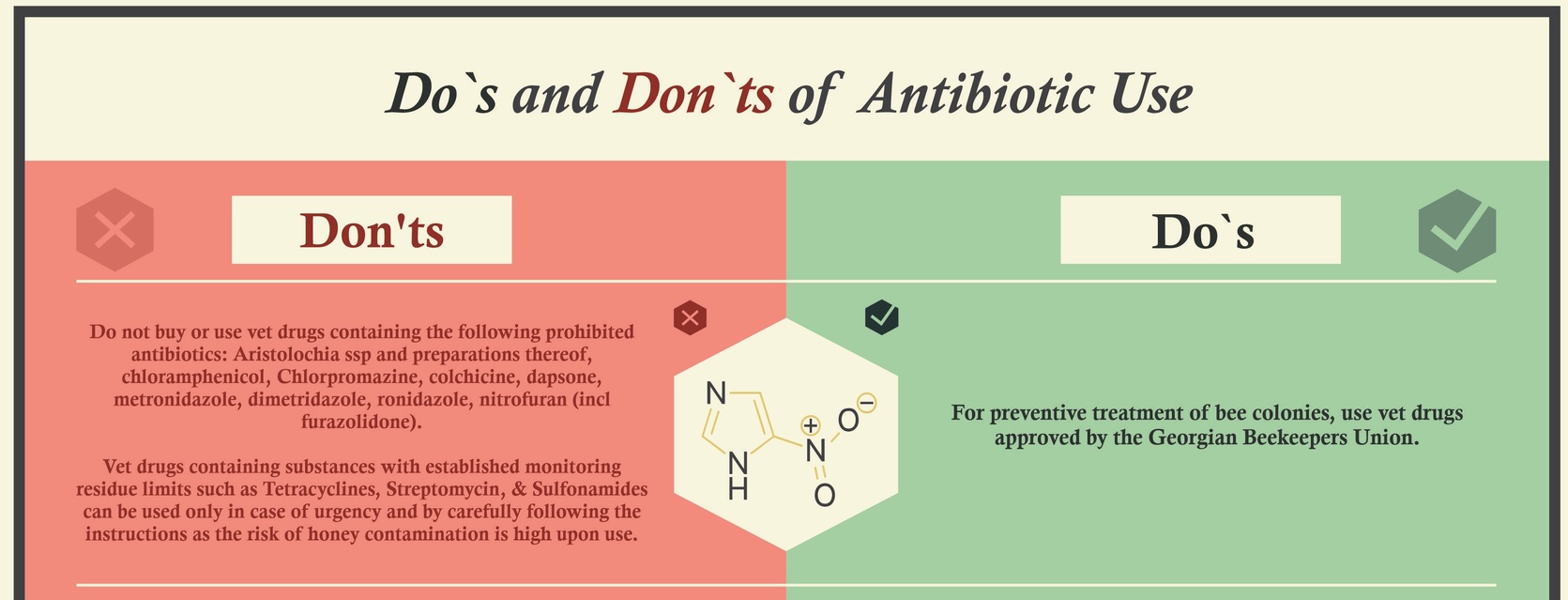
The ALCP facilitated the Georgian Beekeepers Union to develop infographic regards Do’s and Don’ts of Antibiotic Use, providing guidelines for the beekeepers on proper usage of antibiotics and preventing honey and beeswax from contamination with the antibiotics. The full version of the infographic is available here.
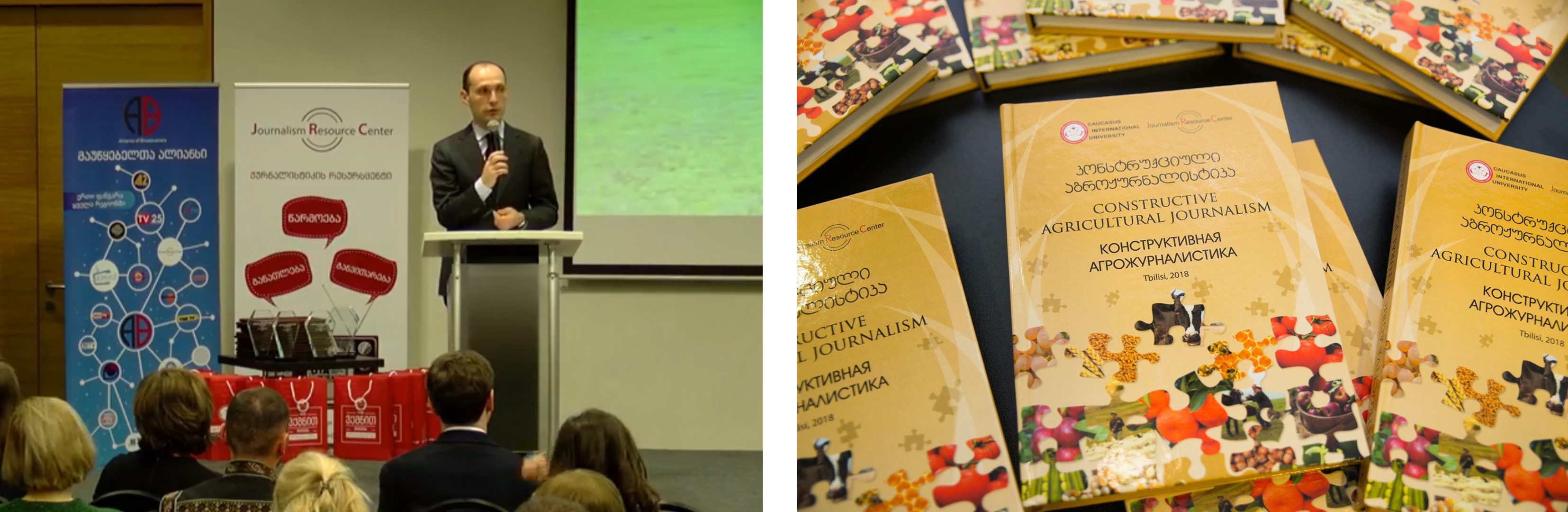
On December 26th, the Journalism Resource Centre presented its second edition of the agri journalism module. About hundred guests from the government, business and academic sphere attended the event.
The Minister of Environmental Protection and Agriculture of Georgia, Levan Davitashvili stated: ‘I am very glad to hear about all the initiatives related to agri journalism. Education is very important in agriculture for ensuring information dissemination for farmers. The door of the Minister of Agriculture is open for you at any time and our partnership with regional media is very important.’
The agri module was created for inclusion in BA in journalism degrees. Now, ten universities across Georgia have the agri journalism module established in their curriculum, lasting one semester with a total of 15 credit hours. Four more universities are about to do the same this year. 369 students have undergone the course in Georgia to date. Now those initiatives are ready for transfer to Armenia and Azerbaijan.
During the event, the Journalism Resource Centre awarded farmers and specialists within the agricultural sector. The Best Female Farmer of the Year award was given to beekeeper Mariam Kiladze; the Best Vet of the Year was Giorgi Tcikhelashvili from Dmanisi, he is 25 years-old who graduated from the Vet Department at Agrarian University and went back to Dmanisi and is working as a vet. The Best Male Farmer award was given to shepherd Giorgi Imerlishvili. Credo and the EBRD were recognized as financial institutions that supports agriculture, and SDC Project Mercy Corps Alliances Caucasus Programme for supporting agri media journalism.
At the end of the event, the Journalism Resource Centre announced the establishment of the Agro Guild, which unites journalists and media organizations, businesses, farmers, public officials, and universities and sets up annual or bi-annual advisory committees. The members of media associations and the JRC also announced that they are planning to establish an Agri TV program, the pilot of which will start in three months.
Follow this link for additional news regarding the event.
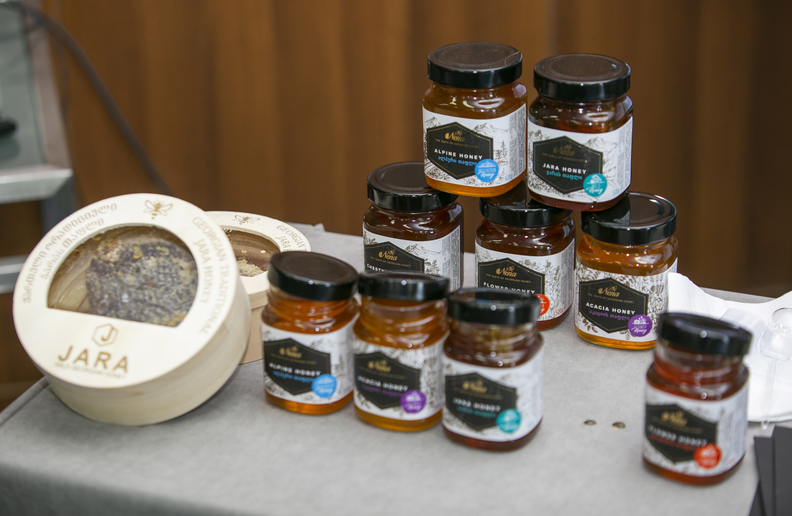
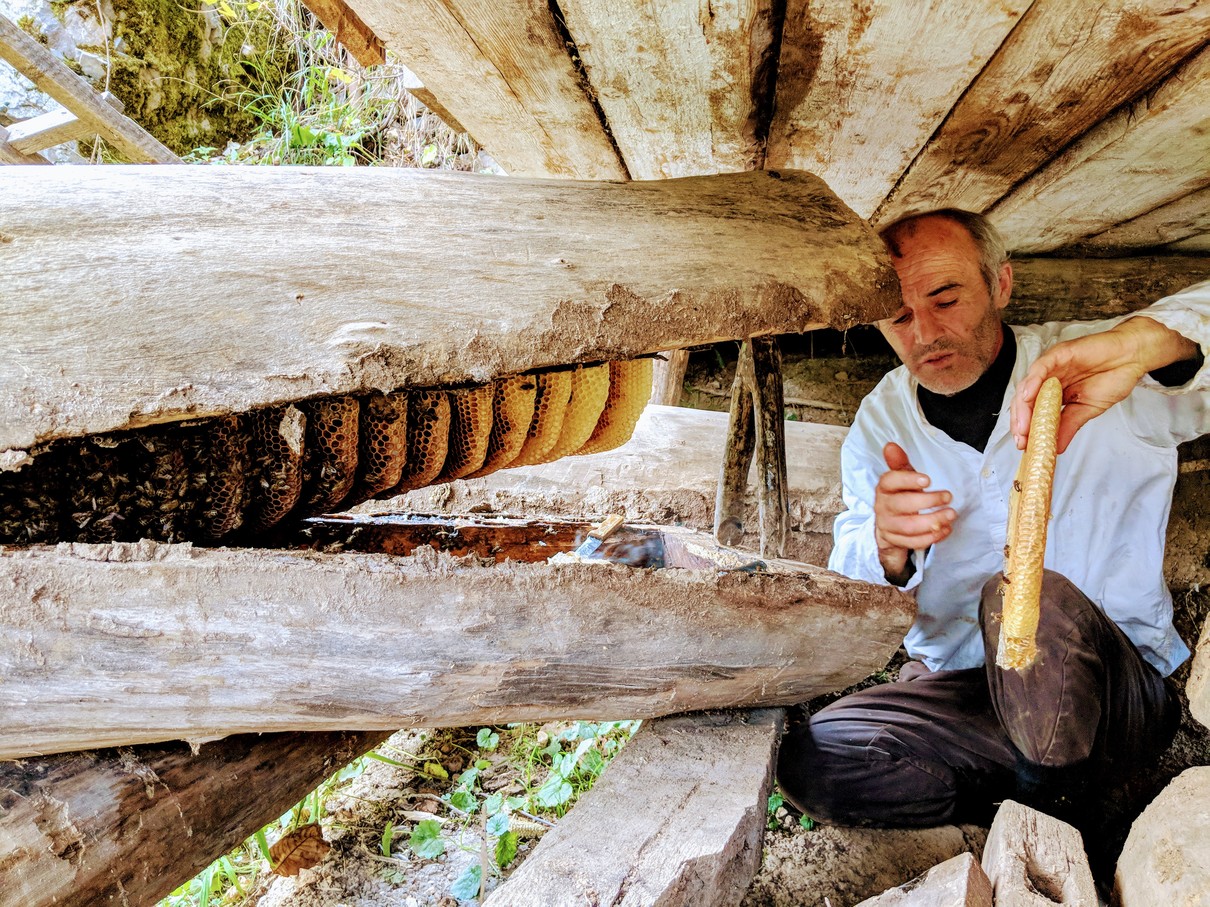
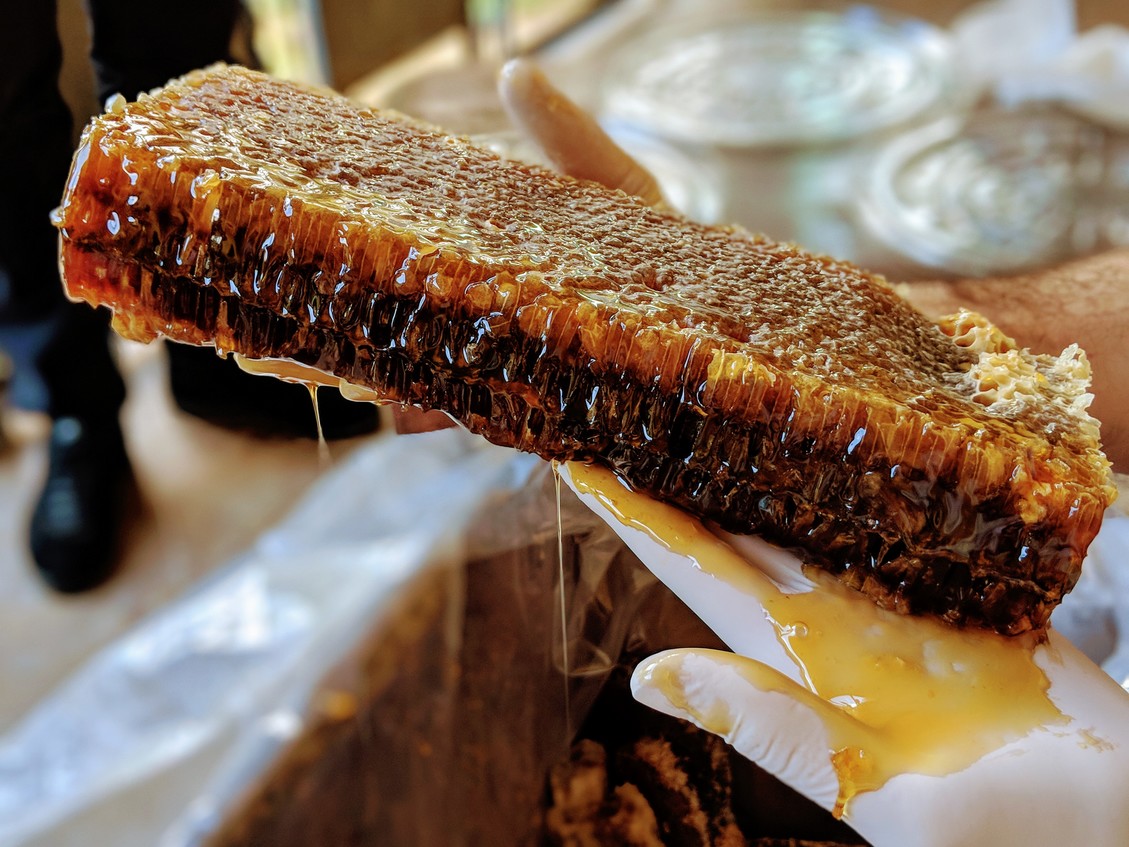
For the first time ever, twenty Jara producers have sold their entire crop of Jara to a commercial enterprise. Jara honey will soon be available in shops in Georgia.
See photos below.
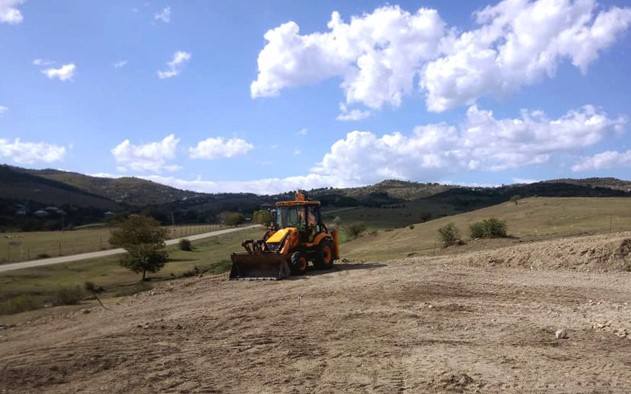
The construction of a new Veterinary Surveillance Point has recently started in Bolnisi municipality. The works will be finished in December 2018. The point will be the six and final point in the Veterinary Surveillance network throughout the Animal Movement Route.
During five transhumance seasons in 2016-2018 total 1.4 million heads of sheep and cattle were treated against ecto-parasites free of charge at all operational Veterinary Surveillance Points in Rustavi, Marneuli, Signagi, Dedoplistskaro and Kvareli municipalities.
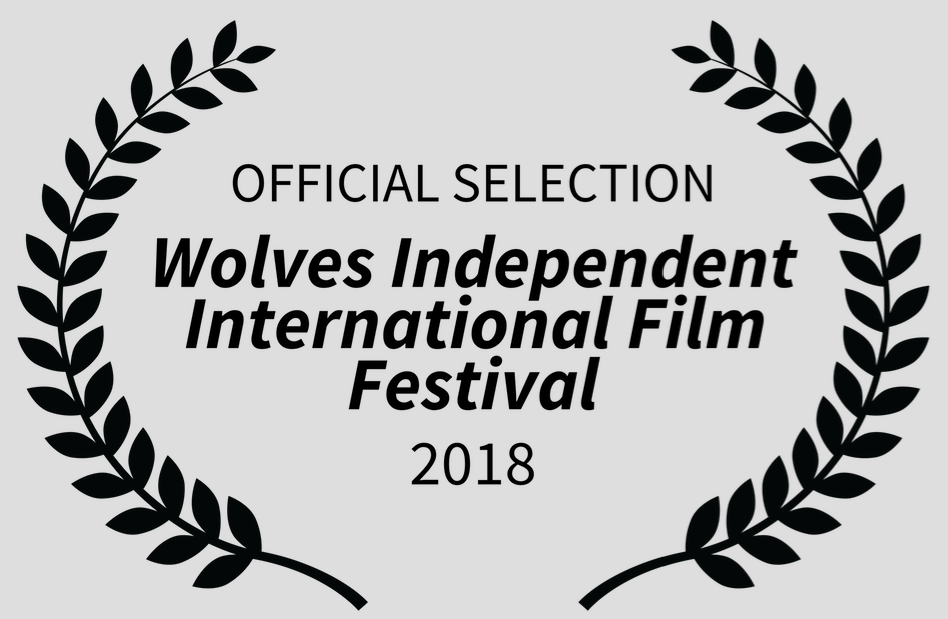
The Georgian documentary Jara was named as the Best Feature Film at the Wolves Independent International Film Festival 2018. Nature, heritage, environment, history, culture, ethnography, adventure, wildlife, indigenous cultures and social issues are the main themes of the festival which takes place in Lithuania.
It is the second award for Jara following Golden Green Award 2018 at the Deauville Green Awards International Film Festival, for the best production in the category of Sustainable Agriculture
Jara was premiered by EcoFilms in Tbilisi in 2017. The main backer of Jara was the Swiss Agency for Development and Cooperation (SDC) through the Mercy Corps Georgia implemented Alliances Caucasus Programme (ALCP) within a consortium of public bodies and conservation organizations including World Wildlife Fund and Caucasus Nature Fund.