



In a country first, eighteen Jara beekeepers in Ajara have received Bio certification. Jara honey was not even commercially harvested and branded until 2018, however the market for the honey has proved its strength so successfully that the beekeepers saw the opportunity to further promote their product through bio certification.
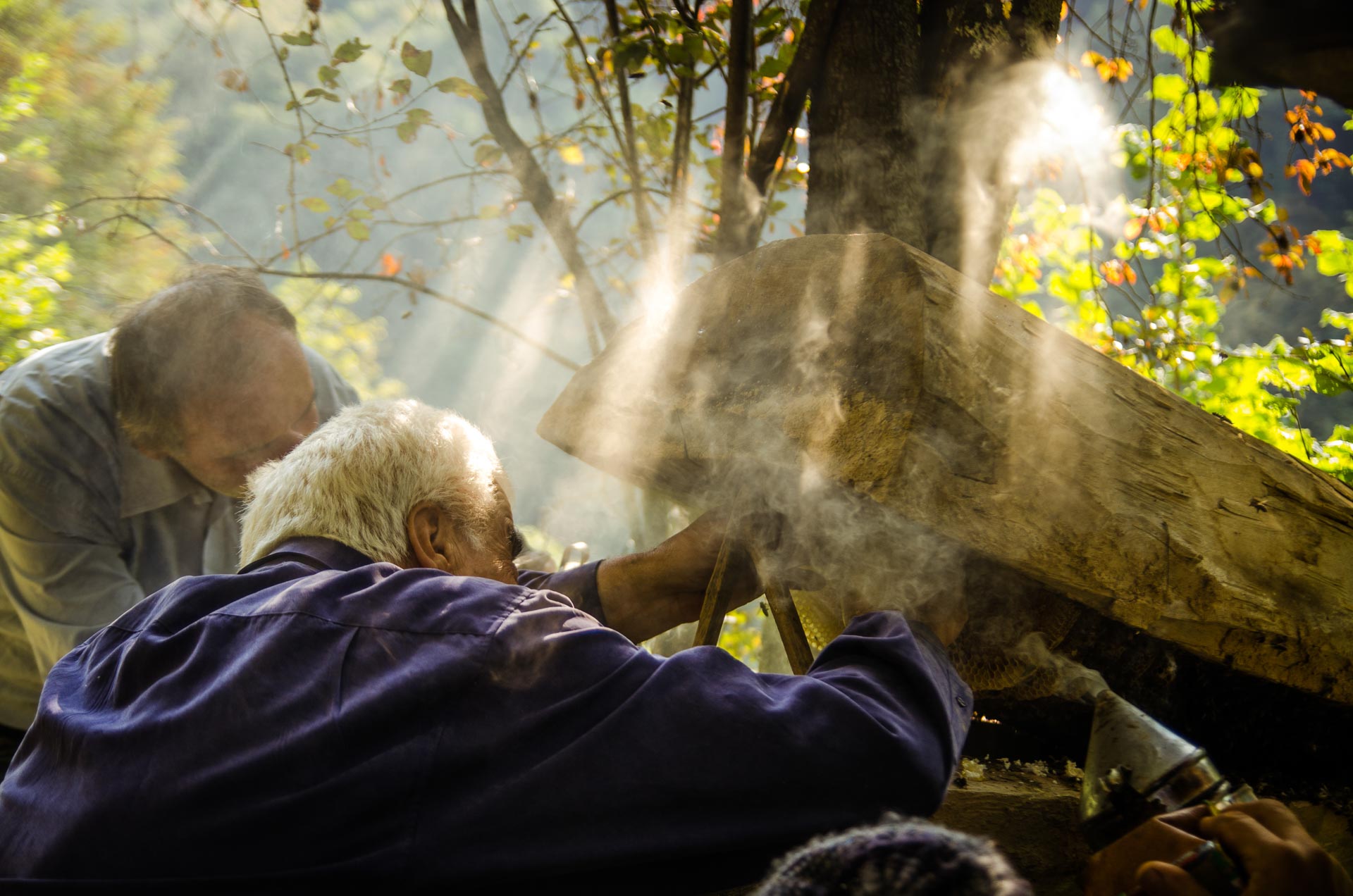
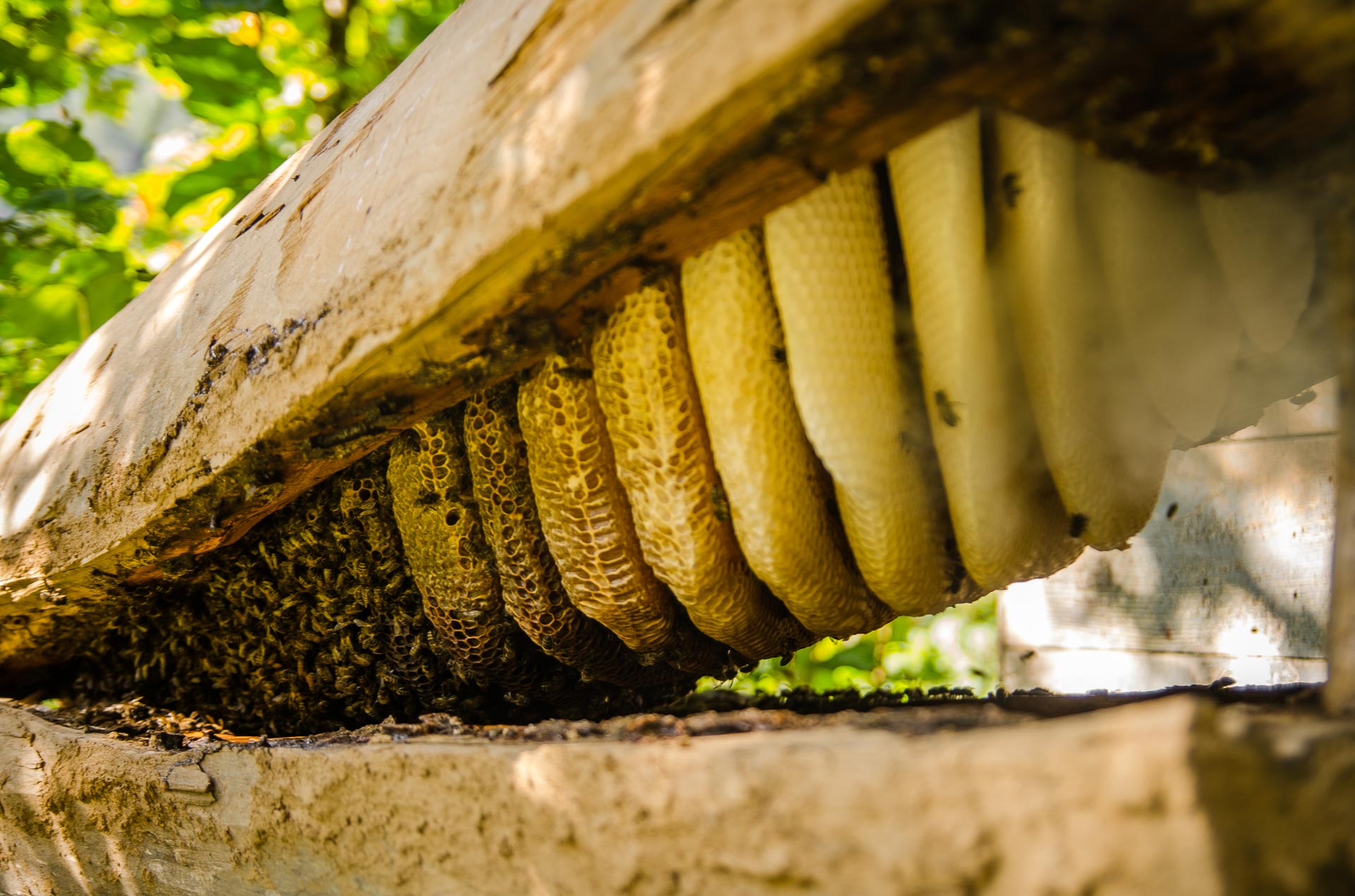
The conversion was relatively simple and certainly achievable as Jara honey is based on the capture of wild swarms and is relatively hands off. Since November 2018, the Jara Beekeepers Association (JBA) has been facilitating training and on-site recommendations; it also provides treatment of hives with a Bio vet medicine and special equipment for the mentioned Jara beekeepers. The beekeepers now follow the bio requirements; including keeping records, better husbandry, use of bio vet medicine. This allowed for smooth journey through the minimum one-year conversion period for certification.
Caucascert, the only organic certification company in Georgia issued the internationally recognized Bio certificates after laboratory results and field checks, which did not show any incompliance.
‘I am very proud that I was able to get Bio certification. It was challenging, as I did not have any kind of information before, but support from the JBA was crucial. I can already see the outcomes, because the process already contributed to minimizing disease risk and increase productivity of a Jara hive by thirty percent’ – Bio certified Jara beekeeper from Keda municipality.
Six more Jara beekeepers, including the Jara apiary in the Goderdzi Alpine Garden, are currently undergoing the certification process and might obtain certification by the end of this year.
The Jara honey mark was registered in February, 2020 and both its production and the market for it, including export is growing. More details on Jara honey to be found on www.jarahoney.com.
Mercy Corps, Alliances KK has contracted “Eco Films” a Georgian independent wildlife film company to create a documentary about shepherds of Kvemo Kartli region. In the film “Two Week to Reach the Clouds” the process of animal movement from winter pastures in Kakheti to summer pastures in Kvemo Kartli will be depicted following a herder family during two-week-long trip from the lowlands to the highlands. The aim of the documentary is to show the cultural-traditional context of Georgian sheep farming based on the example of one sheep farmer family and its herd. The film will also show social as well as economic importance of the sheep migration and associated problems within the context of Georgia’s diversified nature and landscape.
The Feasibility Study for the Animal Movement Rout and animal disease notification and control, two key topics were discussed on the 4th advisory committee on the 29th of March. At the beginning of the meeting the Alliances KK Programme Director Ms. Helen Bradbury provided a brief presentation concerning the interventions of the programme.
These Guidelines for the Application and Implementation of the Law on Gender Equality of Georgia by Local Self Government Bodies was developed with members of the Local Self Governments of Dmanisi, Tsalka and Tetritskaro municipalities in line with an initiative supported by the Regional Government of Kvemo Kartli



