



The Georgian Beekeepers Union (GBU) successfully advocated for permits to be issued for beekeepers allowing them to continue work during the curfew.
The Government of Georgia declared the nationwide curfew on March 30th, 2020 to restrict the spread of the COVID-19 virus, prohibiting any movement from 9:00 PM to 06:00 AM. This posed a serious problem for beekeepers who rely on transhumance predominantly at night.
In Georgia, bee transhumance allows for beekeepers to place hives at different altitudes to capture the flowering of different plants. Starting from late Spring, Georgian beekeepers start to move apiaries to get different types of honey including Acacia,Chestnut, Alpine, Linden. The transhumance of bees significantly increases their honey productivity.
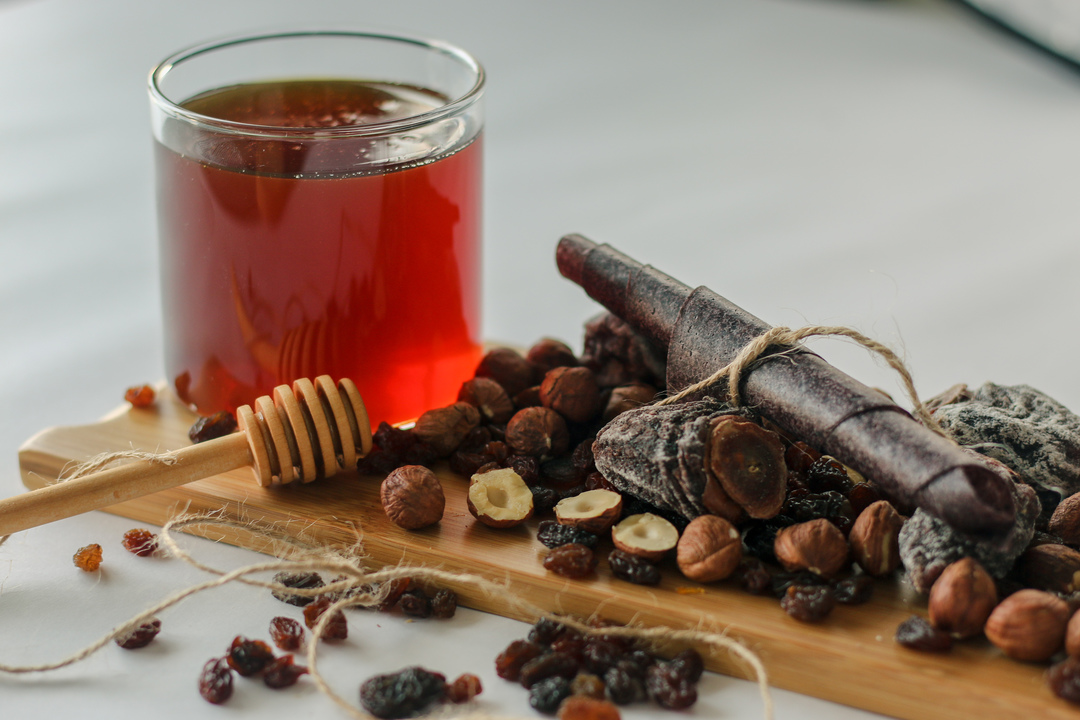
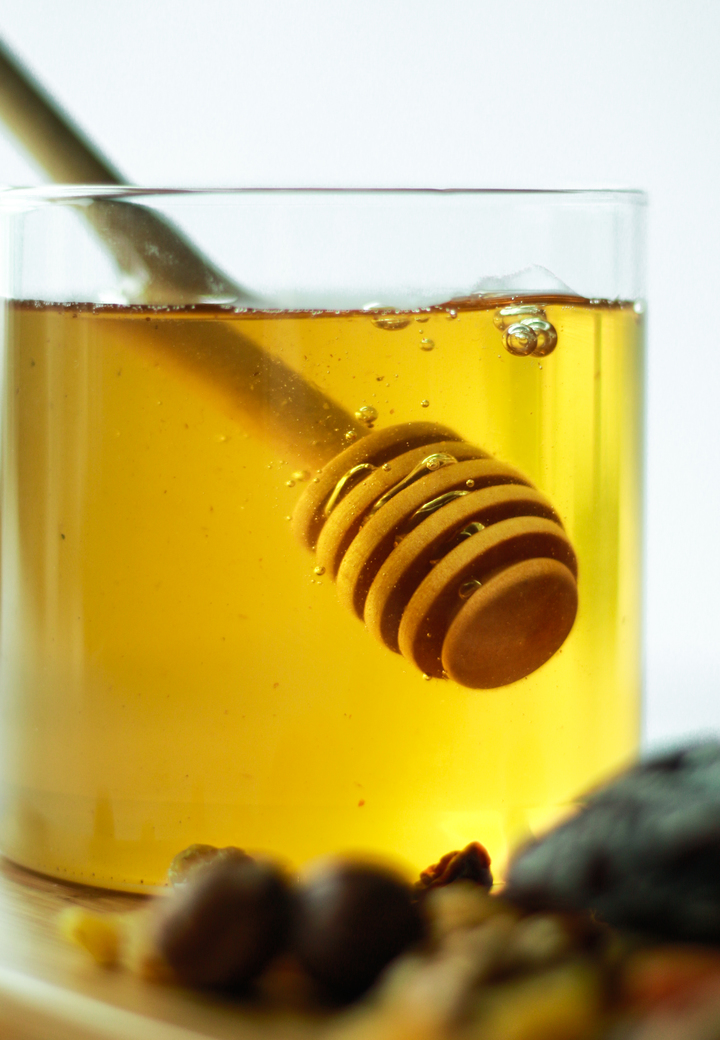
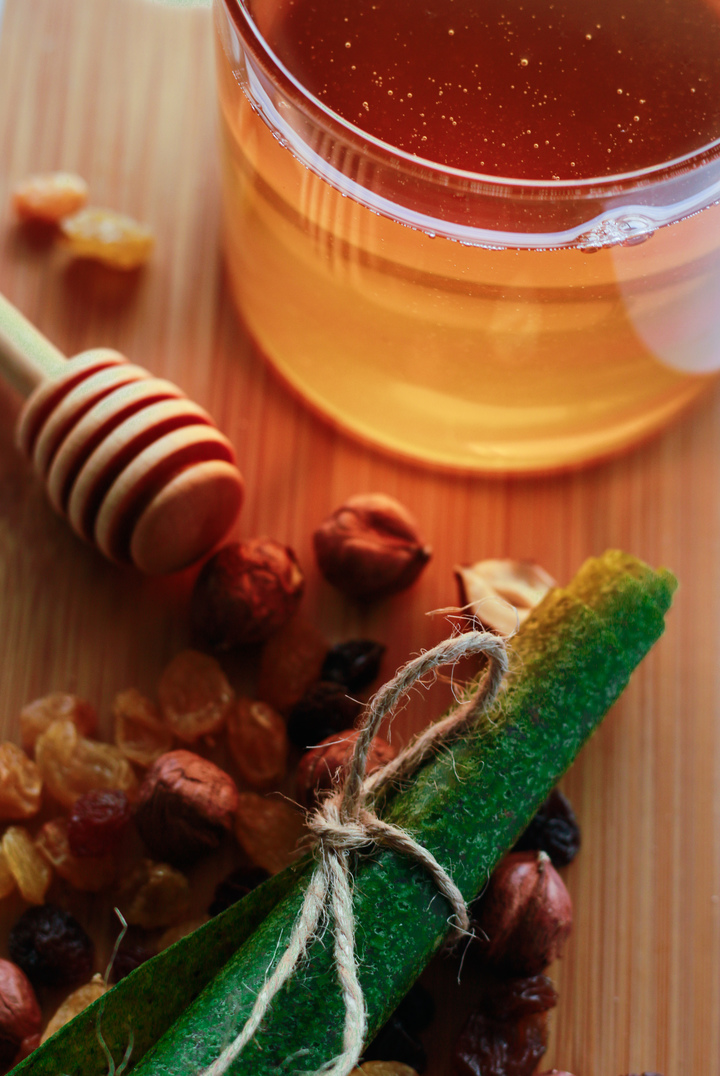
On April 4th, the GBU sent an official letter to the Ministry of Environmental Protection and Agriculture of Georgia (MEPA) asking for the issuing of permission/passes for beekeepers including the guidance it developed for beekeepers during the Covid-19 outbreak.
‘We asked the Minister to mediate with the appropriate agencies to issue special permits, so that beekeepers may access their apiaries and work there, transport beekeeping apiaries for transhumance on pre-determined routes within the curfew conditions.’ – Avksenti Papava, the Director of the GBU.
Up to eight hundred beekeepers have already used permits, who are now able to visit apiaries and carry out vital seasonal treatment and maintenance. Bees are transported at night where possible, because they do not leave a hive during night, which the permit makes possible.
‘I have my apiaries located in the different regions for getting various types of honey. I was very happy to hear about special permit for beekeepers, as it is very active season in beekeeping. I am able to freely move to the locations and do not worry about time limitations’ – Kakhaber Zirakasvili, a beekeeper.
Guidance and contact information on getting permits and the Covid-19 recommendations have been shared by the GBU on its facebook page.
The Georgian Beekeepers Union (www.geobeekeepers.ge) is an umbrella association uniting ten beekeeping associations and three commercial beekeeping companies with more than four thousand Georgian beekeepers. It was established to represent their interests and to promote the health and development of the honey sector in Georgia with the facilitation of the Swiss Agency for Development and Cooperation (SDC) project the Mercy Corps Georgia implemented Alliances Caucasus Programme (ALCP).
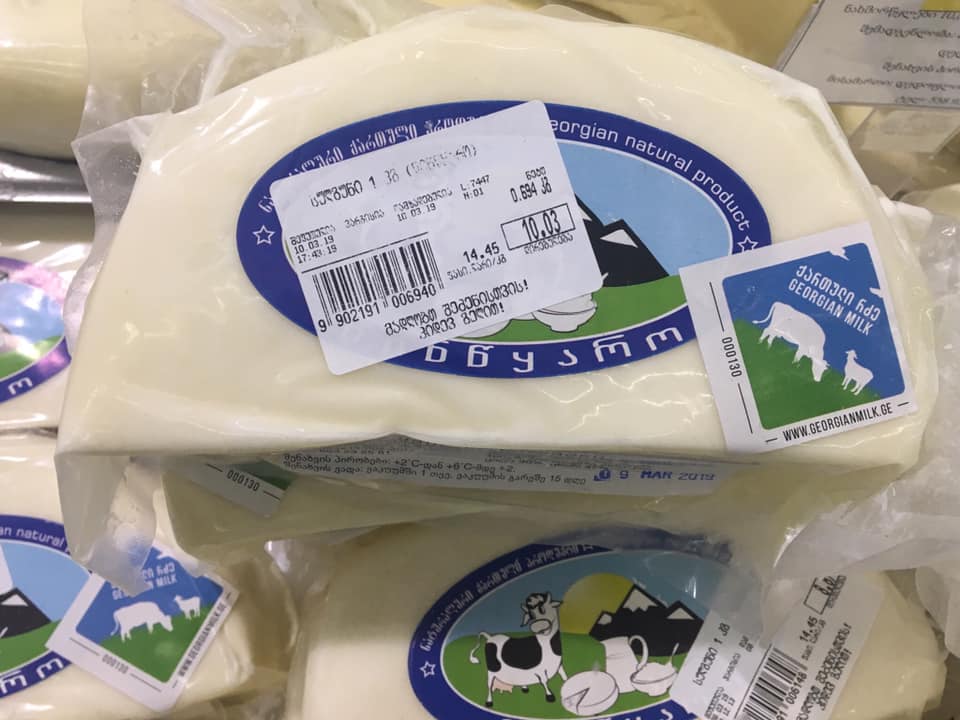
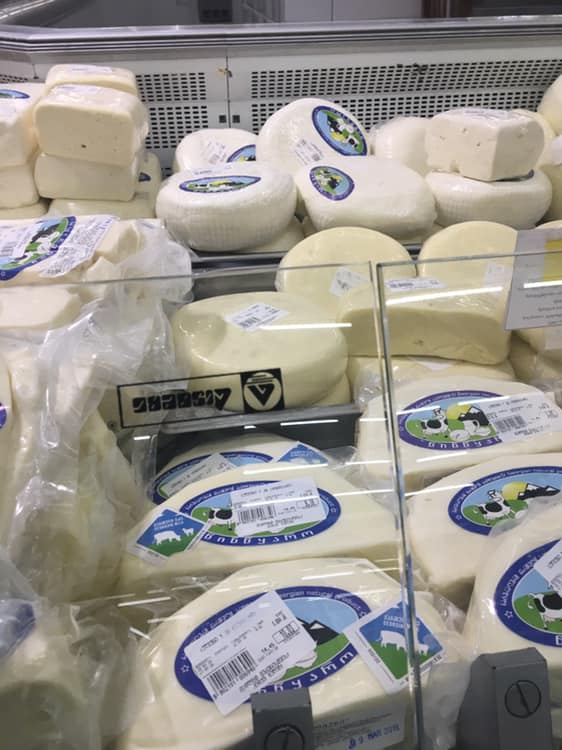
The products with 'Georgian Milk Mark' are now available in the supermarkets of Georgia.
The 'Georgian Milk Mark' is officially registered and serves to distinguish dairy products made from natural milk.
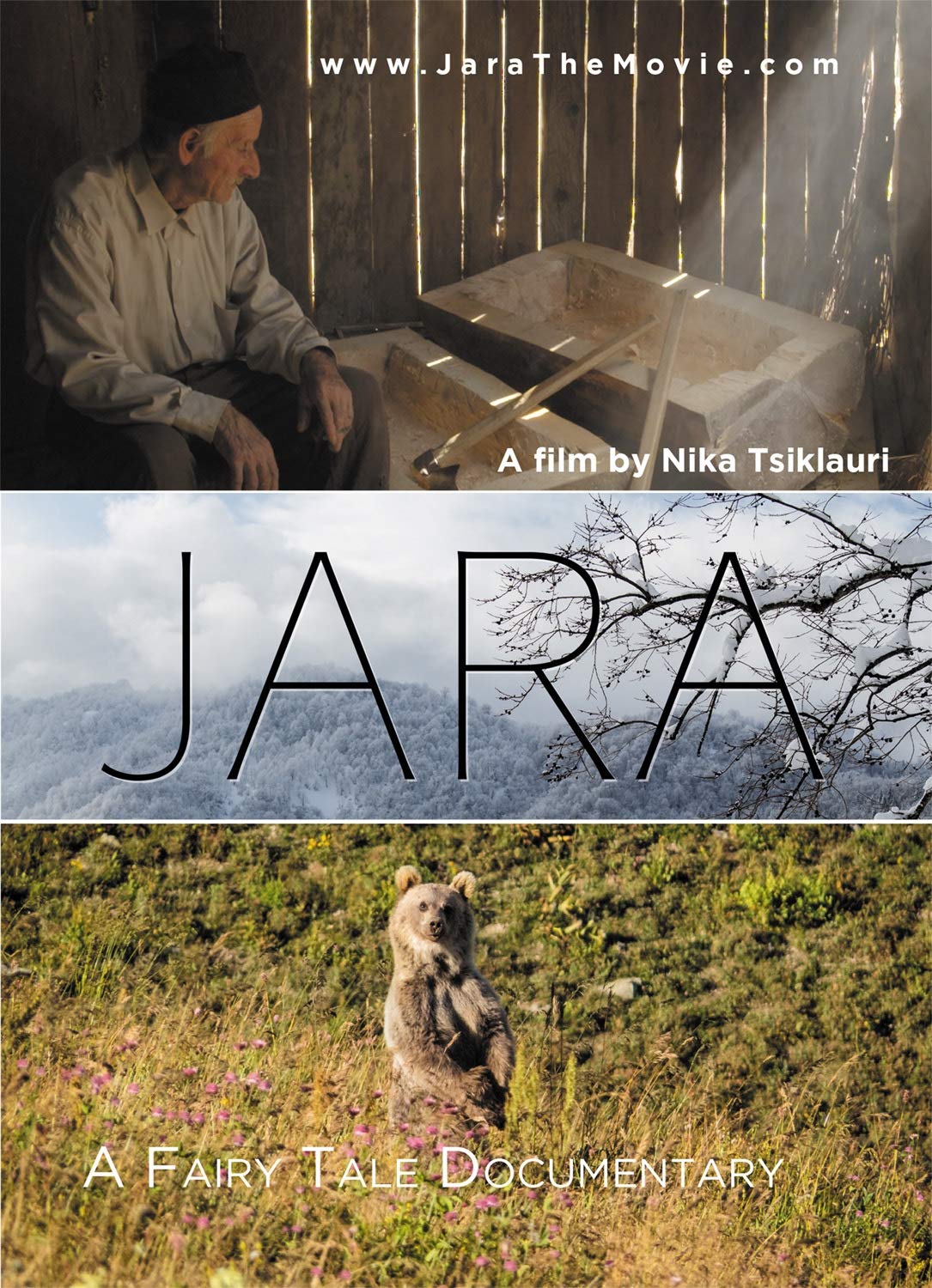
The documentary Jara is now available for sale on amazon.
Jara is a fairy tale journey through one year in the mountains of Ajara. A story of the shifting boundary between human habitat and wild nature, portrays everyday lives in the changing seasons. The wooden jara in the forest and the bees living within it are the fixed point in the story.
The film was named as the best feature film at the Wolves Independent International Film Festival2018 in Lithuania, and won the Golden Green Award 2018 at the Deauville Green Awards International Film Festival in France for the best production in the category of Sustainable Agriculture; the cameramen of the movie received an award from International Festival of TV and Movie Cameramen the Golden Eye 2018 for Best TV Camera Work.
The main backer of Jara is the Swiss Agency for Development and Cooperation (SDC) through the Mercy Corps Georgia implemented Alliances Lesser Caucasus Programme.
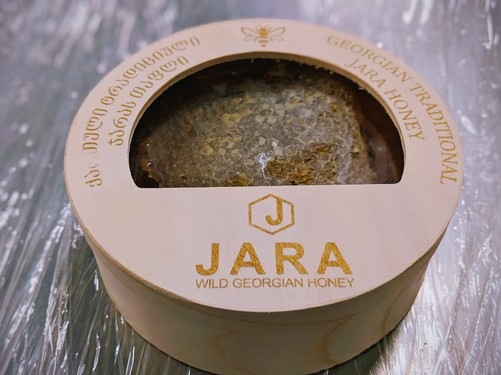
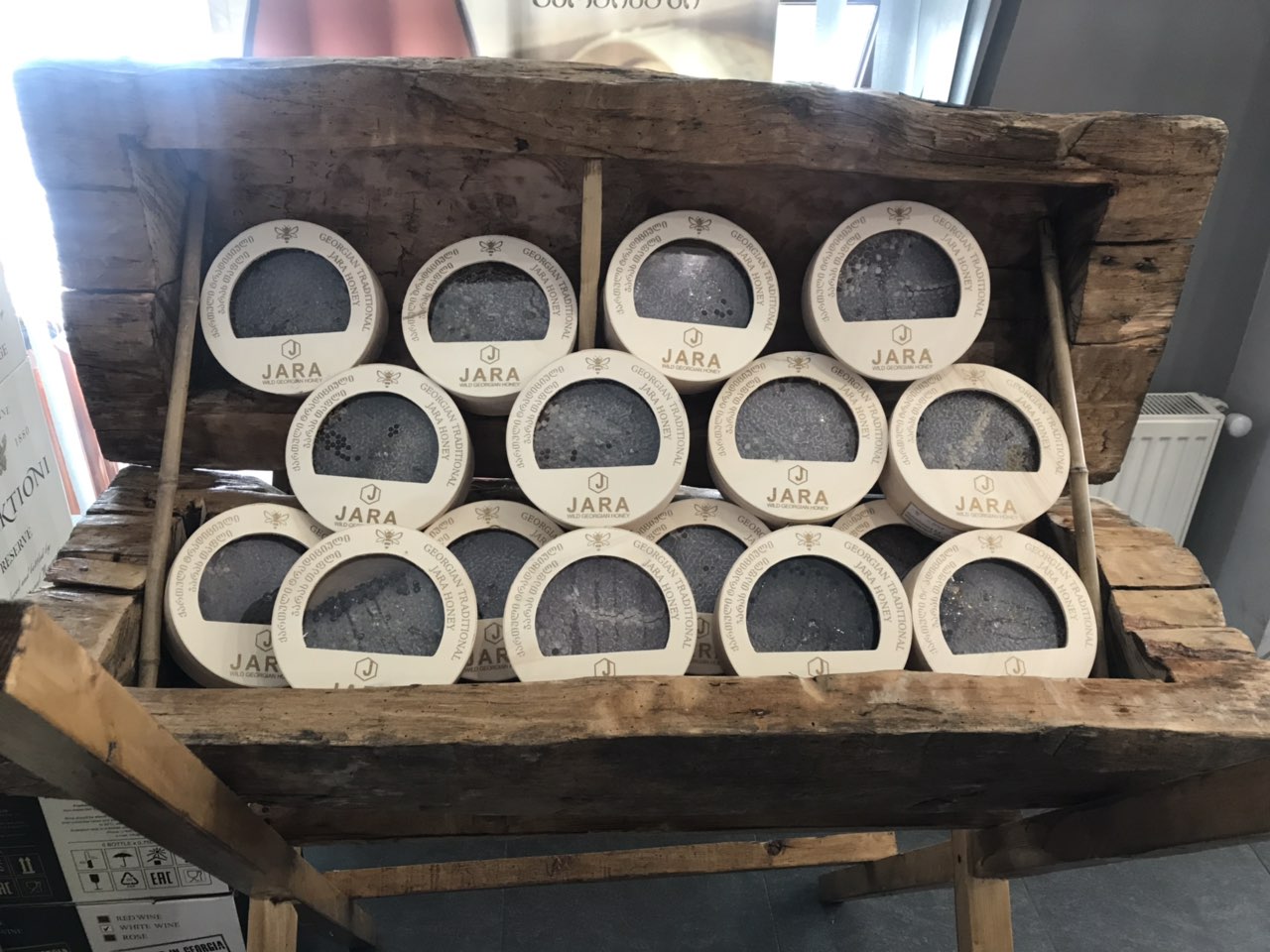
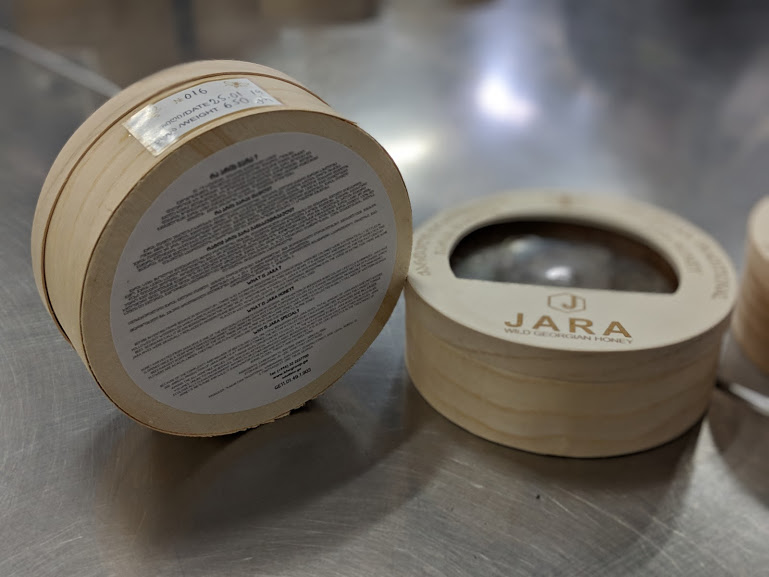
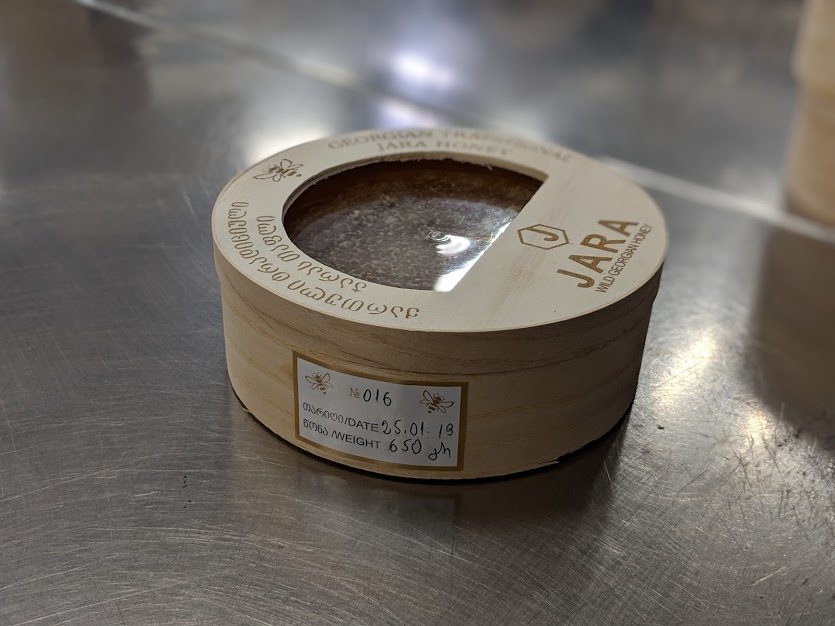
Jara honey, collected from the local beekeepers in Ajara, has been officially branded and packaged for the first time. It is now ready to enter the international markets.
On 8th of November, 2018, the Government of Georgia adopted regulation #525, which forbids registration of the vet drugs containing prohibited antibiotics, like, chloramphenicol, metronidazole, dimetridazole, ronidazole, nitrofuran (including furazolidone) which are widely used in beekeeping. The regulation entered into force on 1st of January, 2019 and was nationally covered by the media outlets. The regulation was proposed by the Veterinary Department of the NFA, after this constraint was raised at the first Honey Sector Advisory Committee on 22nd of June, 2018, which brought together honey stakeholders to discuss tackling the high levels of antibiotic residues in honey which are limiting the development of the honey sector.
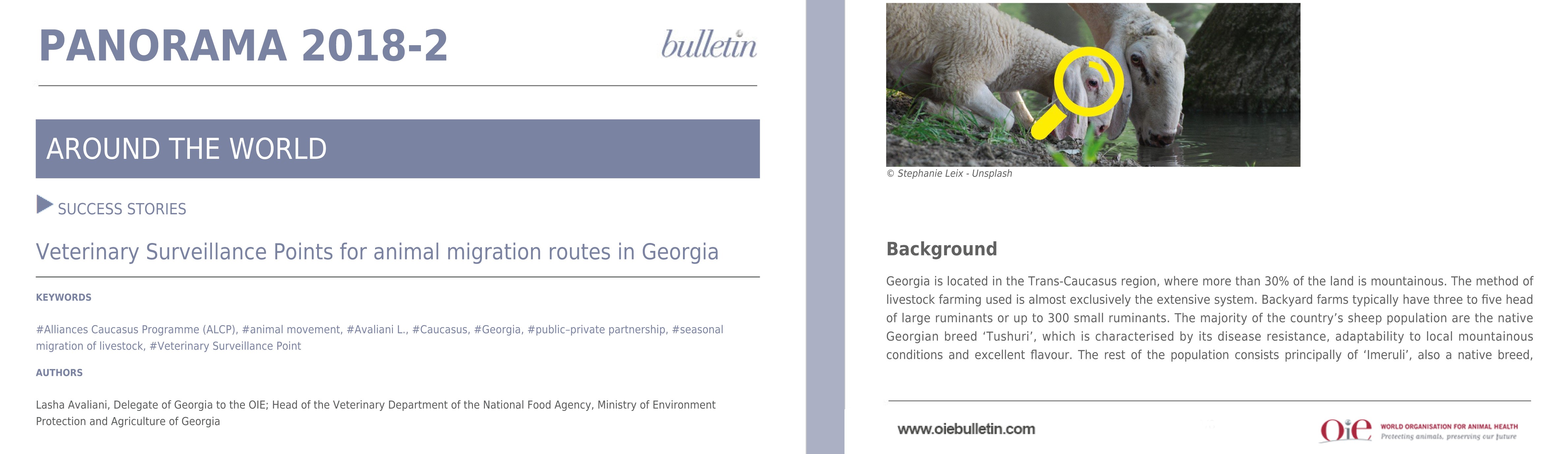
An article about Veterinary Surveillance Points (VSP) has been published in a quarterly bulletin of OIE – the World Organization for Animal Health. The article covers topics on the tradition of livestock seasonal movement in Georgia, the necessity of establishing VSPs and the importance of the points in animal health control throughout the country. The author of the publication is the Head of the Veterinary Department of the National Food Agency and the OIE Delegate of Georgia - Lasha Avaliani.
Please follow the link: Oiebulletin/veterinary-surveillance-points
The ‘Georgian Milk’ mark has been registered in the National Intellectual Property Centre of Georgia - Saqpatenti. The mark is now protected to avoid falsification and strengthen the ownership of Business Institute of Georgia, an independent body which will regularly audit dairies granted license to use the mark.
Eighteen dairy enterprises have already applied to use the mark.
The new ‘Georgian Milk’ mark will distinguish dairy products made from natural raw milk.
Information per enterprise will be published online on a www.georgianmilk.ge website which will come online at beginning of March. This will allow consumers to look up the products they are buying using a unique register number printed on the label.
A national promotion campaign conducted by GMA international marketing company to introduce the mark to the public and retailers will be rolled out from the end of next month.



