



Christmas is a magical time awakening the holiday spirit in us. They say, Christmas is the spirit of giving without a thought of getting.
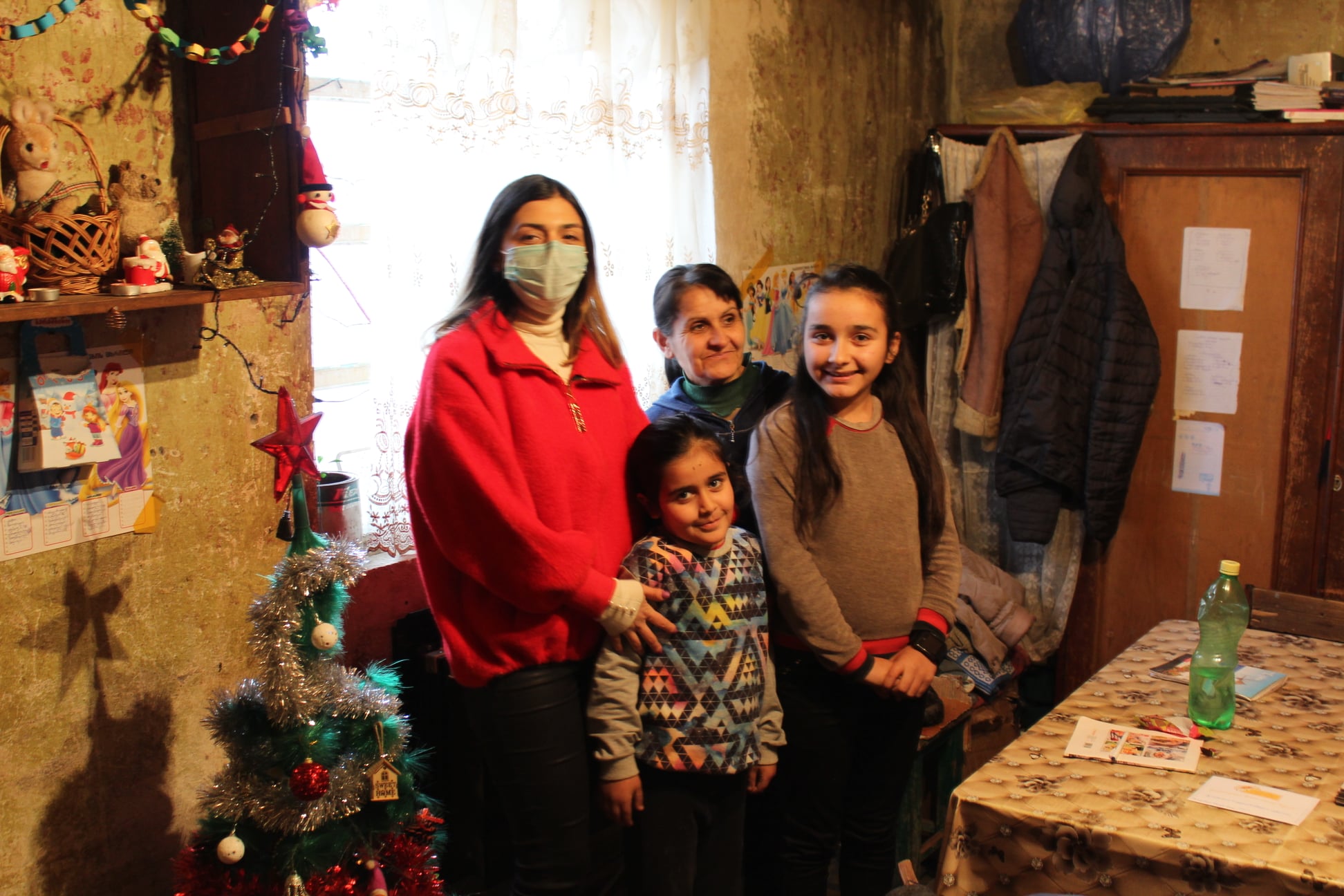
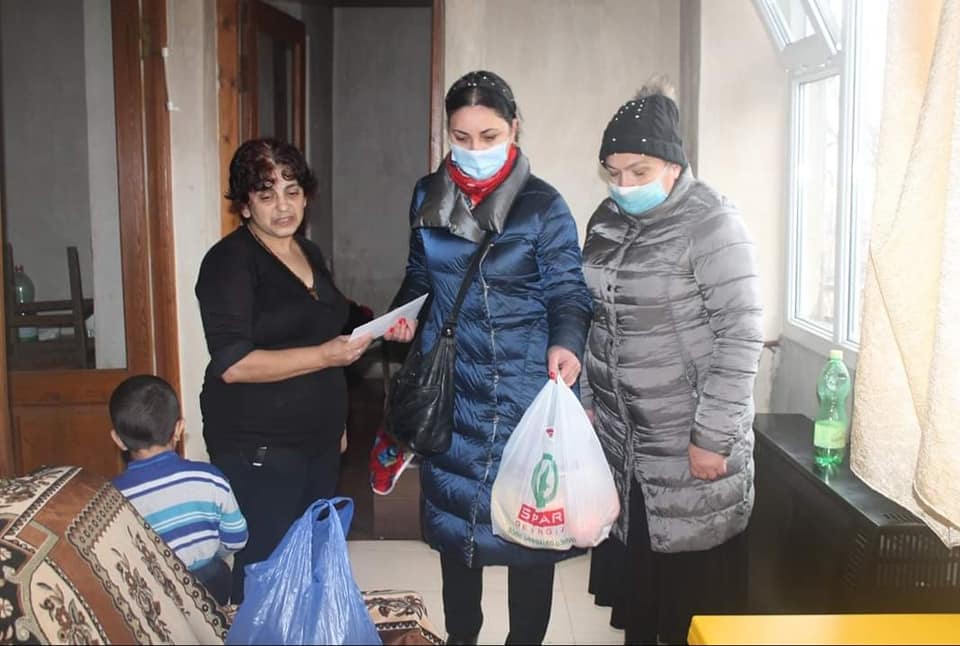
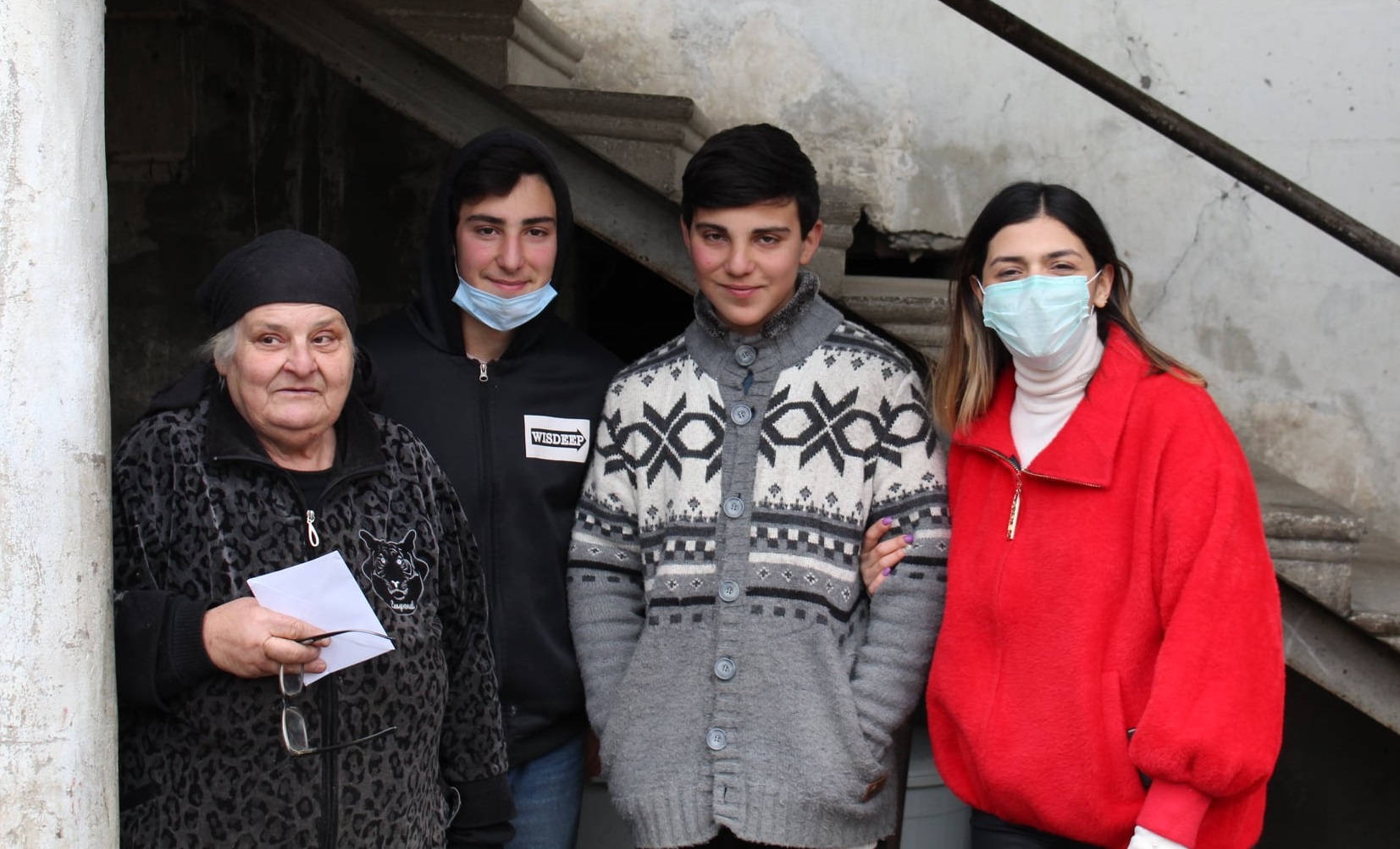
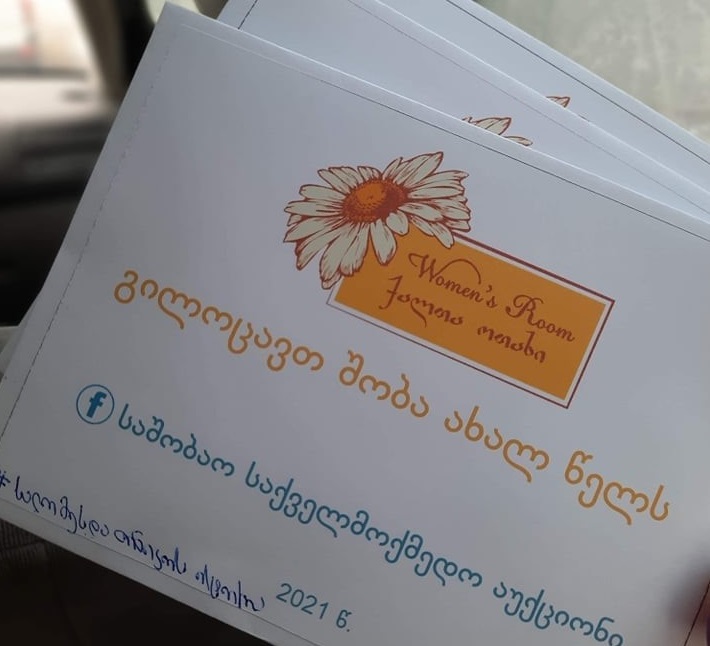
Before Christmas this year, the managers of the municipal Women’s Rooms in Kakheti, who like everyone else have adapted themselves to remote working due to the COVID-19 pandemic, established an online Christmas Charity Auction on Facebook to help families in need affected by the pandemic. The managers selected seven families in need for help. Their stories are heartbreaking; of a single mother, a victim of domestic violence, raising her children by herself, grandparents raising orphans, a child with disabilities and families with many children living in extreme poverty. Up to five hundred people joined in the auction donating or buying things in the auction with the money raised going for donation. The auction raised more than two thousand Gel over two weeks and besides money, the families received sweets, books, gifts; and special food for a girl with Celiac Disease.
The Christmas of the seven families was changed for the better. The Christmas Charity Auction finished on the 7th of January, though the online group on Facebook remains active, as the Women’s Rooms are planning to continue sharing the act of kindness with families in need and are open to anyone willing to contribute to any future auctions.
There are twenty-eight Women's Rooms in twenty-seven municipalities of four regions of Georgia. Find more about Women’s Rooms here.
Armenians have been living in Kvemo Kartli for centuries. According to the 2002 census 31,777 out of 497,530 Kvemo Kartli residents were Armenians. The number of Armenians is highest in Tsalka where 11,484 Armenians live, out of a total population of 20977. The advent of Armenians in Georgia was related to the movement of people during the Arab, Turk-Seljuk, Mongolian, Turkmen, Kizilbash, Ottoman Turk and other invasions. Several major settlements of Armenians took place in 1828-1829, during the Russian-Turkish war
Azerbaijanis living in Kvemo Kartli are Turkic-speaking people representing the legacy of the conquerors that came to this area at different times. in the 1926 Census they were referred to as Azerbaijanis. The Azeri population that settled in Kartli is comprised of two streams of migrants: 1. The Turkish-speaking population that was resettled between 15th-18th centuries; they went through the heaviest psychological and physical stress before they adapted to the new place. 2. Migrants who moved from one place to another to improve living conditions having adapted to the new environment. Currently the Azeri population in Georgia numbers 224,606. They mainly reside in Bolnisi, Dmanisi, Gardabani and Marneuli districts, mostly in district centers apart from in Dmanisi muniiciaplity where there are many Azeri villages. Some live in Tetritskaro and Tsalka districts.
In 1980’s the planned settlement of a large groups of eco-migrant Ajarians and Svanetians started in Tetritskaro and Tsalka municipalities. There were several streams of eco-migration up to 2003. The advent of these incomers has left its mark on Kvemo Kartli. It became richer from an ethnic, religious and language standpoint, however it also gave rise to new problems and challenges for new and old residents alike in seeking to adapt to the new cultural diversity.
The first settlement of Svans into Kvemo Kartli took place in 1987. This is when the Svans from landslide-affected Chviberi (higher Svaneti) were resettled in Dmanisi, in the houses built under a government programme. Svans started to introduce their style of life in Kvemo Kartli and establish strong communities in Kvemo Kartli.
In 2011 Alliances KK facilitated establishment of DRR Municipal Working Groups in Dmanisi, Tsalka and Tetritskaro municipalities. These groups remain to be the main point for planning and implementing of prevention measures to reduce livestock related disaster risks.



