In 1980’s the planned settlement of a large groups of eco-migrant Ajarians and Svanetians started in Tetritskaro and Tsalka municipalities. There were several streams of eco-migration up to 2003. The advent of these incomers has left its mark on Kvemo Kartli. It became richer from an ethnic, religious and language standpoint, however it also gave rise to new problems and challenges for new and old residents alike in seeking to adapt to the new cultural diversity.
Many Adjaran and Svanetian families, eco-migrants from other areas of Georgia live in Tsalka Muniicpality. Nazi Bolkvadze is Ajarian and her house is in Imera Village located a few kilometers on the main road from Tsalka town. It is neat and comfortable with a sofa, armchairs, a carpet and curtains in the livingroom. There is no internal water system and cooking is done on a wood stove. Nazi’s five neighbours — Kseni Khozrevanidze, Pati Shavadze, Mimoza Nakaidze, Pikria Bolkvadze and Mziuri Vanadze — came for the meeting. All migrated from Ajara at different times.
The ladies compared their living conditions in Ajara with what they have now, all of the women are unanimous when they say that things are much better for them in Kvemo Kartli. They no longer face the problems of avalanches and landslides that they had when they lived in the mountains. Another important factor for them is that there is sufficient pasture for cows near the village here and so they do not have to travel far with the cattle in search of grass. In the morning, the cows leave with a cow herd who they pay and then return in the evening. All of the women note that this is very convenient. They also like the fact that there is a nice road from the village and they can travel to Tbilisi any time they wish.
All of the women wore headscarfs. They are Muslim but the topic of faith was not the focus of the meeting. The women have children — two each — and some of them are already grandmothers. They explained that although traditionally women have more children it would be difficult for them to raise more than two due to mainly economic constraints. Five of the six women who took part in the conversation have husbands. The families seem stable with non-drinking and hard-working husbands.
At least, this is how it is for Nazi and Kseni although it was clear from their faces that the women work very hard. Women’s work is hard but they do not always see it as such. The women are optimistic, cheerful and inclined towards joking. Mimoza Nakaidze married at the age of 16 and has two children. Mziuri Vanadze is 38 years old. She married at the age of 15 but only spent a brief period of time with her husband. Right after their marriage, he was drafted into the military and served in China and then died, accidentally, seven years after returning from service. Mziuri has been alone since then. She married off her daughter at the age of 13, when asked about the reason for her getting married at such a young age, she said that things just happened this way. Her daughter is 19 now and has a child of her own.
Milk provides the main source income for these households. Followed by growing potatoes for sale but this depends upon the presence of a land plot and its size. Not everyone has large tracts of land but everyone is able to keep a good number of cows. Nazi and her friends have eight to ten cows. Not all of them are milking cows and include bullocks and female calves as well as pregnant heifers. On average, the women milk six to eight cows each ???. They do not consider this a great difficulty and say that six cows can be milked in an hour and a half. The cows are milked twice a day, in the morning and again in the evening.
The women were asked whether they thought an investment in a milking machine would help them. The women said that they were skeptical of buying a milking machine. The main factor for them was its high cost which is around a thousand Lari (700 US dollars). Nazi’s husband also said that the device would require extra expenses for electricity and Kseni recalled that back during the times when she used to work as a cow milker at a collective farm, such devices were so inefficient that milking cows by hand took considerably less time and had better results. By the end of our conversation, however, the women seemed to be more interested in the idea of a milking device. They liked the idea of f saving time and energy as well as the idea of adding new cows to their herds.
The women do not complain about the heavy work they do but consider it to be as normal. They mention health-related issues such as sore joints as a result of their labour and criticize the local authorities for not having any medical specialists at Tsalka’s polyclinic which means that they have to travel to Tbilisi for any treatments they might need. Pikria Bolkvadze said that her daughter-in-law, who is expecting a baby, will have to deliver the child in Tbilisi which implies an extra cost for the family as well as a loss of time.
We asked about who was in charge of allocating the money in their households. It appeared that women clearly have a say in these matters with expenditures typically being household items and things their children need. They buy furniture, a car, clothing — even satellite dishes for receiving TV programmes, for example — but do not seem to invest in items which could make their work easier such as a pump for a well. The work done by women remains the same unless they insist on change. But in this case as well, according to Pikria, one has to be very persistent for a continued period of time in order to get things moving. Sometimes, she added, it really is easier just to do it by hand, like milking the cows.
Families are optimistic about the future because two milk collection centres belonging to EcoFood and Sante were built nearby a couple of years ago and buy milk from their village. This has resolved the problem of marketing cheese as the women now supply liquid milk and has provided stable income although the prices they pay are not so high, only around 60-70 tetri per litre. However sometimes, the factories delay payment and at other times, collection ceases. During periods when the collection centres do not buy their milk the villagers make their own Sulguni cheese from the accumulated milk of two or three families, to sell to traders who come to the village or they use the cheese in exchange for groceries at the local shop, purchasing machinery services or even buying second hand clothes from a woman who comes to the village specifically for exchanging cheese for clothes. They often work together which makes the process easier and more cost-efficient.
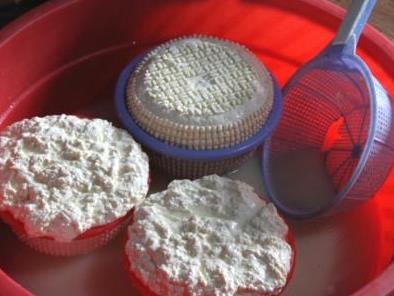
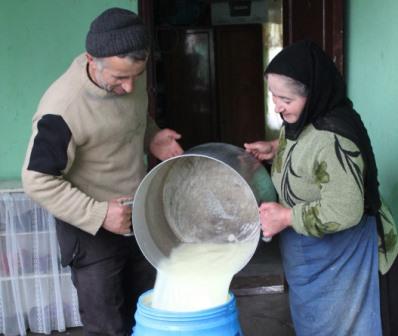
This was the case on the day of our visit with Nazi the families combining their milk and their efforts and making cheese whilst demonstrating the process for us. The large volumes of milk for making the cheese is very heavy. The men carried the milk container to the stove located inside the house and the women then carried out every other step of the process. The milk is brought to the required temperature. The clotting substance, a variety of pectin produced in Turkey is added next and curds start to form. Then the cheese is gathered up in a sieve and pressed to drain. Then the salt-water brine which is used for storing the cheese is prepared and the cheese placed in it.
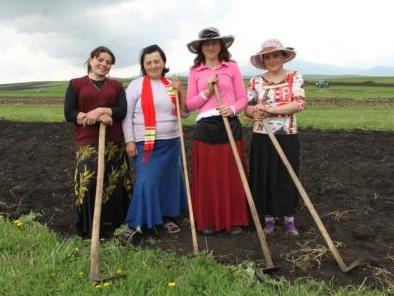
We met another group of Adjarian women who were busy sowing potatoes on Khatuna Kamashidze’s land. She was being helped by three of her friends who are also her neighbours. Khatuna Kamashidze is 25 years old. She is from Adigeni and moved to Kvemo Kartli with her family in search of work. She says that she is ready to work day and night to fulfill her dream of having her own house. Currently, Khatuna’s family lives in a house belonging to Greek owners who migrated back to Greece when it acceded to the EU.
This situation is common in the Tsalka region. Ethnic Greeks return to their historical homeland but they do not wish to sell their houses, at least not immediately. In order to maintain their houses, the owners let internal migrants use them. Before leaving, the house owners leave the keys with trusted fellow villagers. The migrants who are already working here typically bring their family members or other relatives to live there, too. The absentee owners do not charge rent but the tenants cultivate the land and look after the house. These are informal agreements between people who have an empty house and people who need a place to live with state agencies not involved in any way. The whole process has worked well. This practice can on occasions lead to conflict however particularly when owners return after a number of years to the properties as has started to happen recently due to the economic crisis in Greece, however, overall, it continues to be advantageous for both sides and the number of migrants keeps growing.
Khatuna has two children, one aged seven and the other aged eight. Her husband shares her dream of having their own house. At present, he is away on a 20-day job in Turkey. There are seasonal jobs there, picking tea, for which they are paid 50 Lari per day which means that he will be able to earn 1,000 Lari. The balance after paying for travel and meal expenses will be put away for their future house. She is able to save money and believes that she will make her dream of her own house happen.
Seasonal work in Turkey has become quite popular. The men go away, leaving their wives at home to keep things running but the women do not mind and cope well because the men are absent for no longer than a month and this brings some additional income for the family. Esma Iremadze’s husband had also left for a short-term job, together with Khatuna’s husband. Esma is 22 and she has two children. She says that when they are done with Khatuna’s potatoes, they will move to her vegetable plot and then to the plots of Maia and Irma. So, in succession they will work on all their fields. Esma had come to the field with her younger daughter and while Esma is working, the older children, the daughters of the other women, take care of her. Irma Kakaladze is 25 years old. She has been married since the age of 16 and has two children. Maia Ananidze, at 33, is a little older than the other ladies. Her family migrated from Chokhatauri in 2004 and like her friends; she lives in a house which belongs to Greek owners. Maia has a husband and three children. Several years ago her husband had a work accident, injured his hand and was disabled which meant that Maia carries much of the burden of work in the family.
It is evident that the women are friends and trust each other and that they have energy and hope. Through mutual assistance they benefit themselves and each other and are ready to make the most of any opportunity that comes their way.
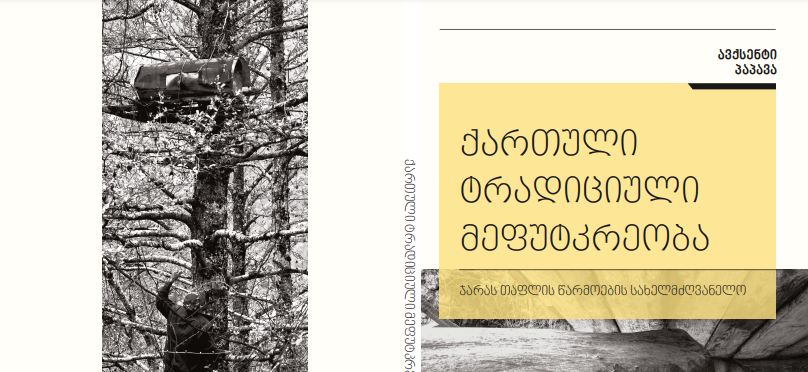
Georgian Traditional Beekeeping: Jara Honey Production is a new textbook now available for VET colleges who include a Jara component in their beekeeping courses. It is part of making the Jara beekeeping course material an accredited component in its own right from September this year.
The author Aleko Papava, who is a competent, reliable and respected beekeeper teacher and Head of the Georgian Beekeepers Union, wrote the book together with education specialists on behalf of the Georgian Beekeepers Union and Jara Beekeepers Association.
The Scientific Research Centre of Agriculture of the Ministry of Environmental Protection and Agriculture reviewed and acknowledged the book positively.
‘The book is written in a highly professional manner, materials meet the demand of the beekeeping sector in terms of bio honey production and provide comprehensive information about all the topics for studying Jara Honey Production’ – says the Centre in their letter sent to the GBU.
In June 2021, thirteen VET college representatives from seven regions of Georgia attended a Training of Trainers in Jara Honey Production and later received jara equipment. Now eight of them are integrating aspects of Jara beekeeping into different subjects of the beekeeping programmes to 106 students. Five more colleges will start soon. This textbook means that Jara Beekeeping will be taught as a separate accredited component of these courses. The newly established Vocational Skills Agency, National Center for Educational Quality Enhancement and sectoral skills organization Agro Duo are all supporting Jara teaching integration in the VET colleges.
Linked resources: Jara Honey Production Handbook; Bio Certification Guidelines for Beekeepers; www.honeyofgeorgia.com; Discover Georgia: The Land of the Oldest Honey.
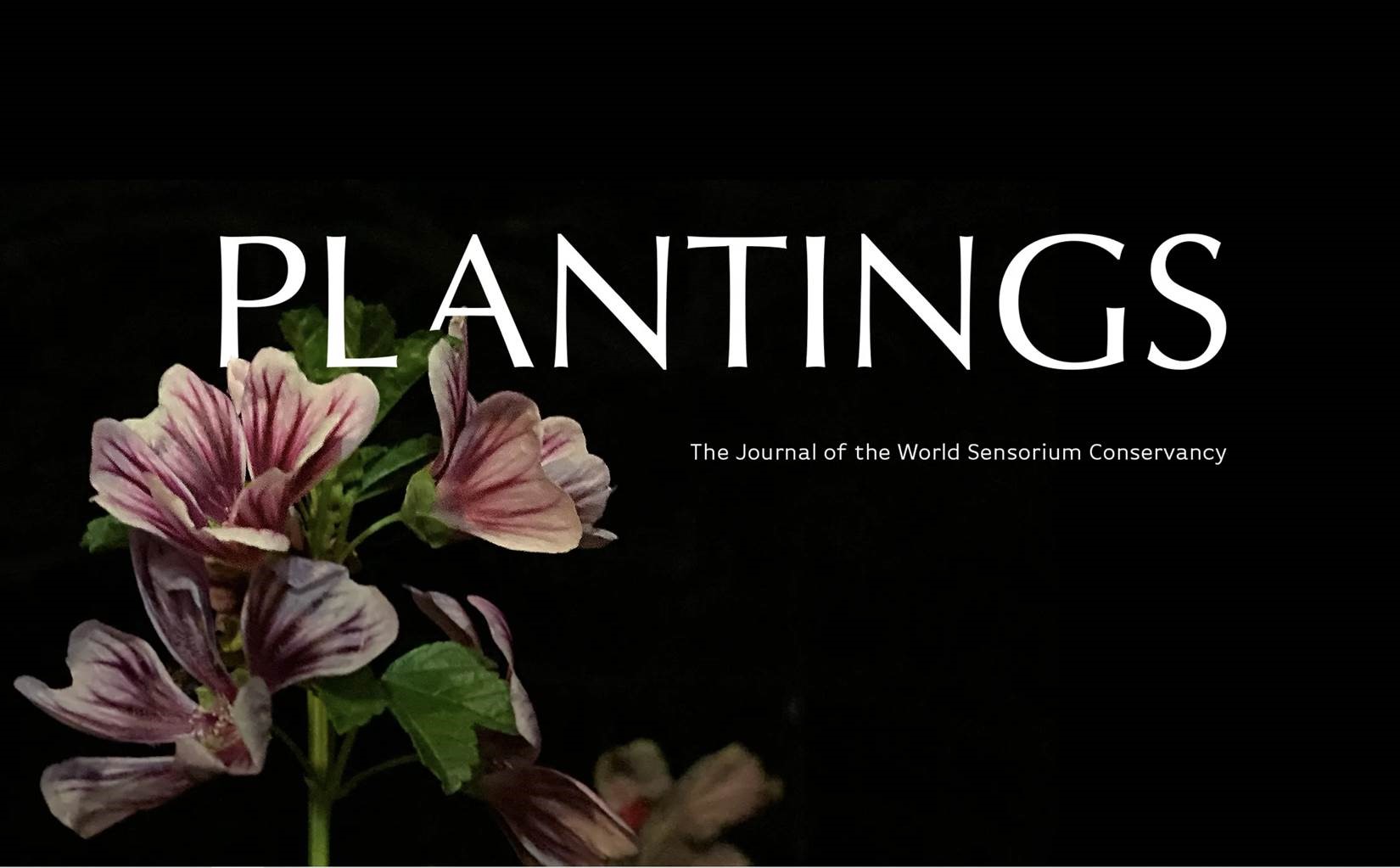
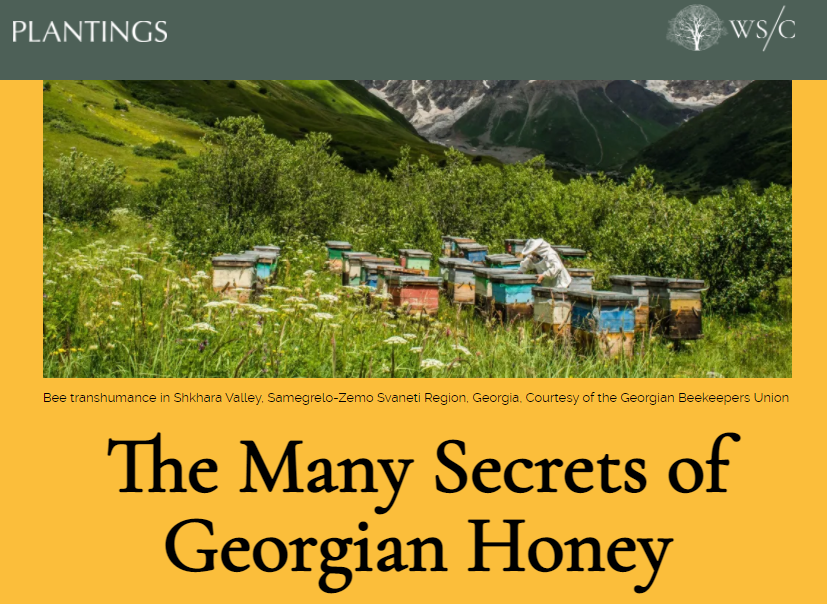
The Many Secrets of Georgian Honey, an article dedicated to the exceptional Georgian honey making, was published in the online journal Plantings by the World Sensorium Conservancy. The journal covers topics relevant to conservation and the intrinsic values of nature. The article was penned by Braden Bjella, an American culture journalist based in Eastern Europe, who takes readers to Georgian beekeeping journey with the help of the Georgian Beekeepers Union (GBU) and the Jara Beekeepers Association (JBA). As he says, “the question of Georgian honey quality is settled; now, it’s only up to the world to discover it".
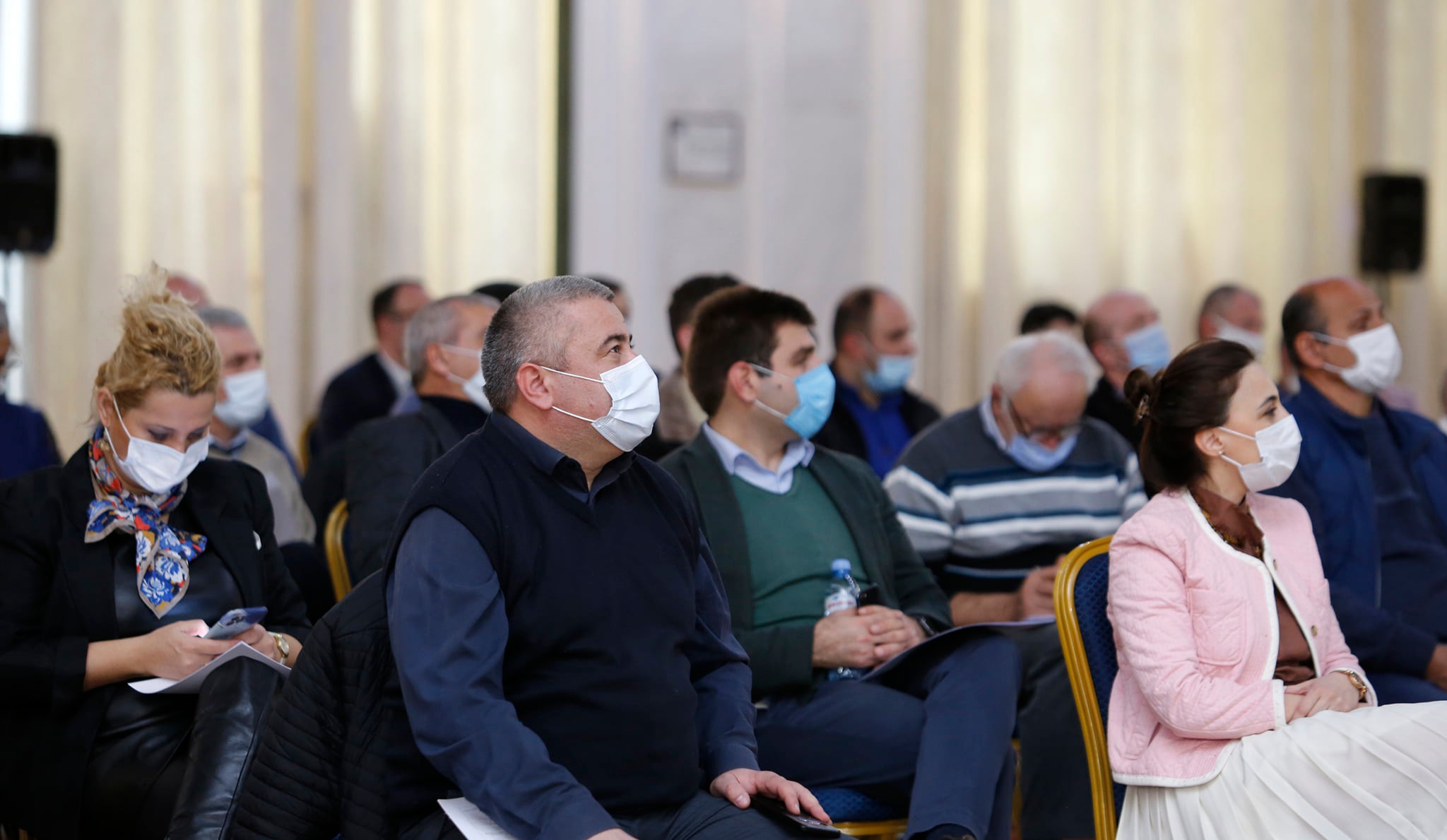
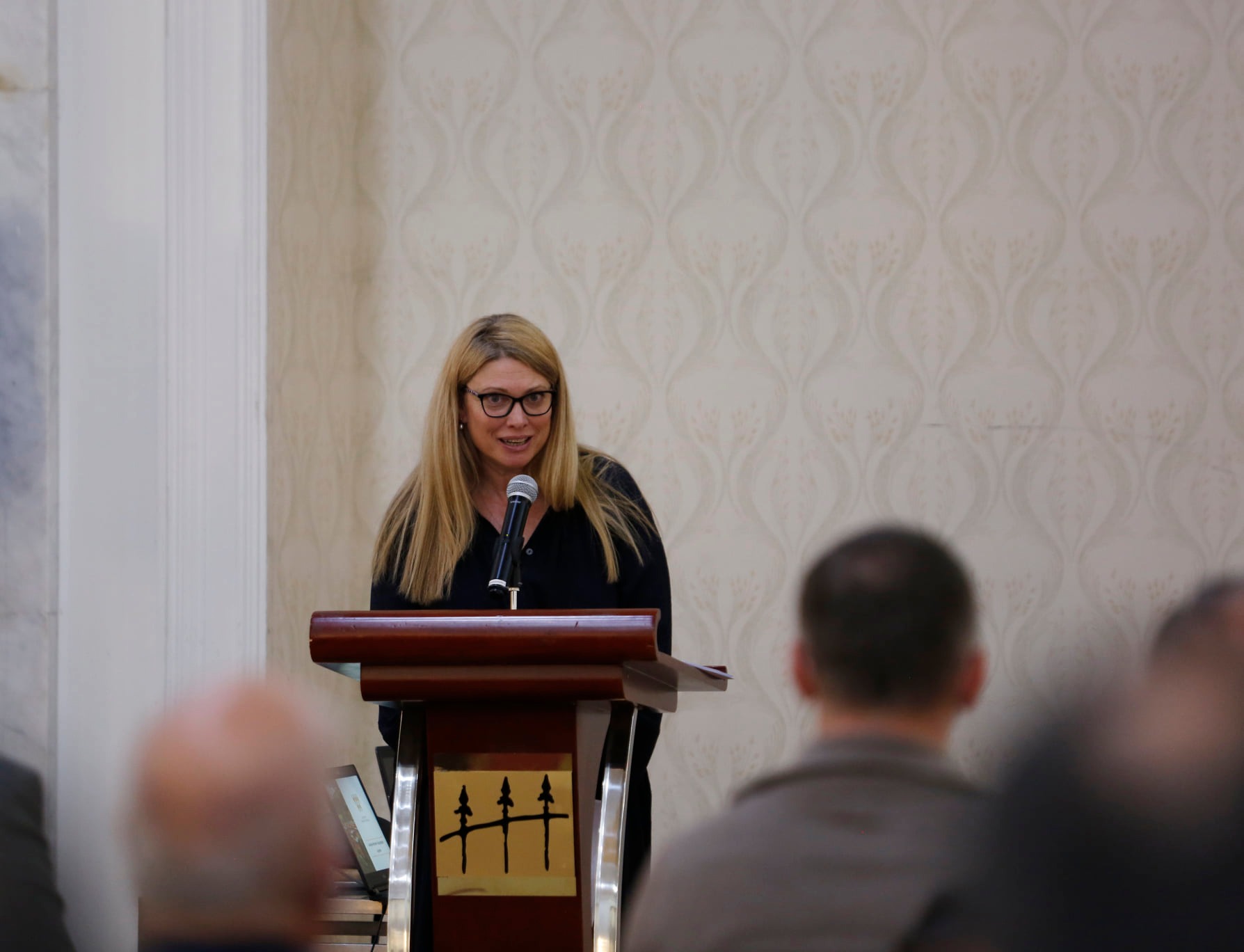
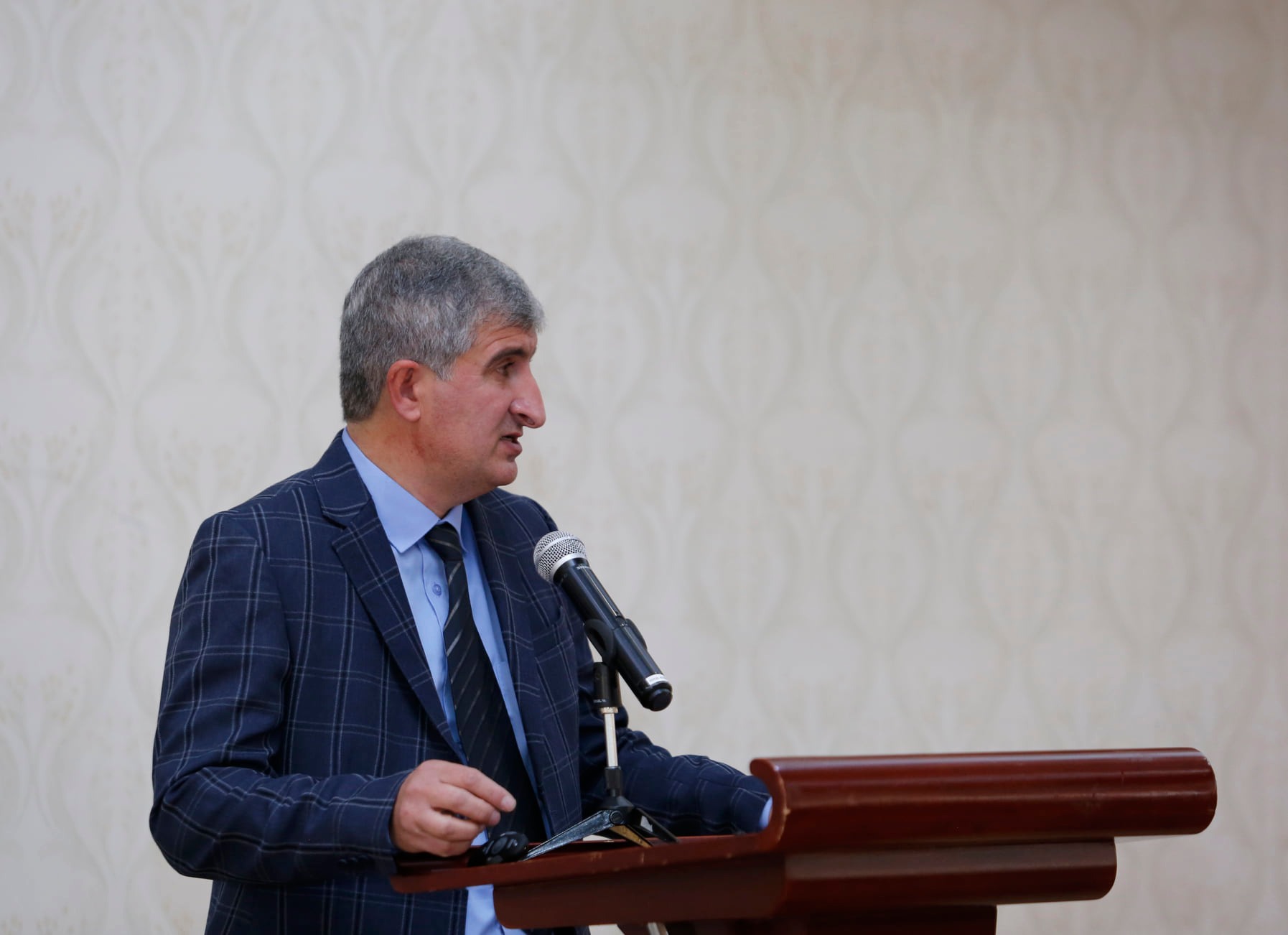
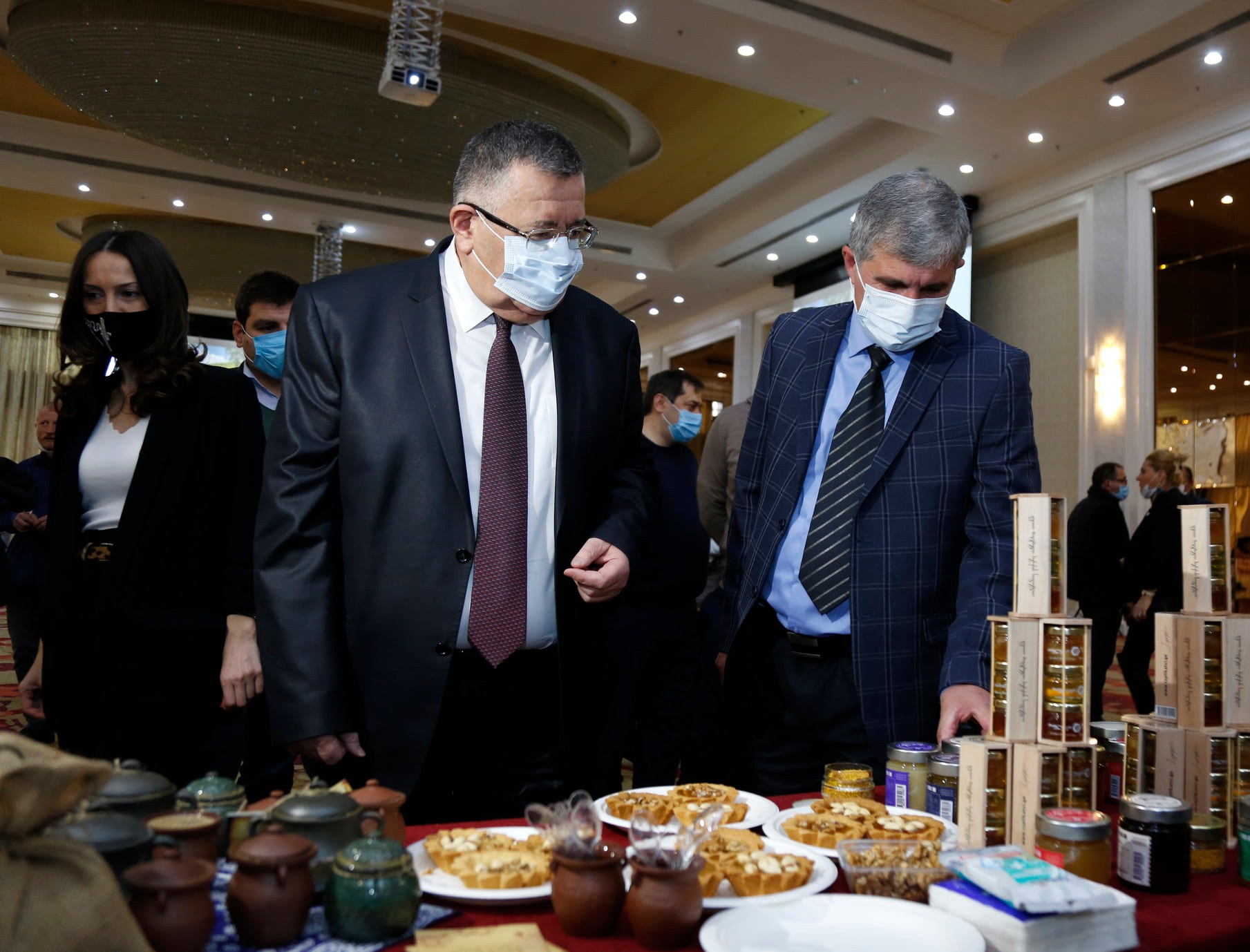
On December 20th, the Georgian Beekeepers Union (GBU) hosted an event to celebrate its third anniversary inviting key honey sector stakeholders to Hualing Tbilisi Sea Plaza.
Since 2018, the honey sector has seen huge gains under the auspices of the GBU, which is leading efforts to remove pervasive constraints to growth such as the widespread use of prohibited antibiotics and performing the role of non-governmental national representative of the honey sector. The GBU’s three years of extensive work resulted in increased honey quality, more effective governmental advocacy, better vocational education in beekeeping, including, Jara teaching, available information and trainings for beekeepers, promotion and improved image of Georgian honey at the Apimondia Congress and London Honey Awards, all that paving way for an increase of honey export.
‘There are some major developments in improving honey testing capacity, increasing awareness of Georgian honey, and opening of new export markets. The comprehensive laboratory analysis, before carried abroad, is now available in Georgia, which resulted in decreasing transaction costs.’ – Giorgi Khanishvili, the First Deputy Minister of the Environmental Protection and Agriculture of Georgia (MEPA).
‘We were able to achieve significant improvements during these three years. We are continuing cooperation with the government and other honey stakeholders to ensure production of safe and quality honey.’ – Aleko Papava, the Executive Director of the GBU.
Photo source: The MEPA
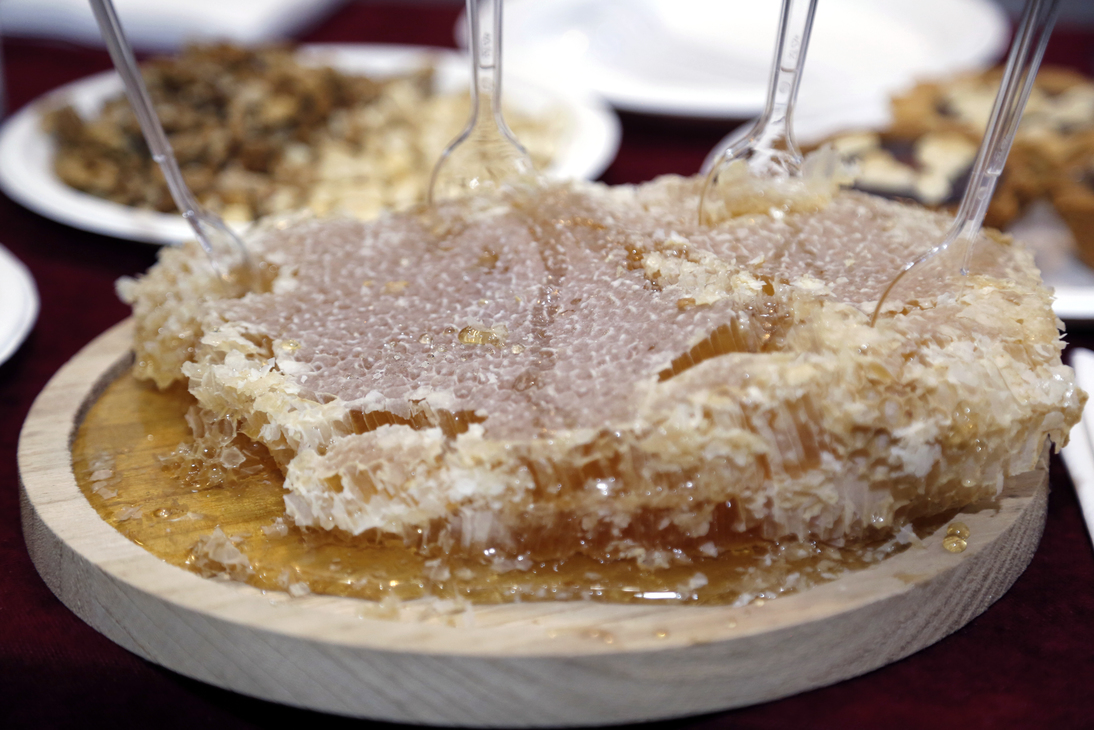
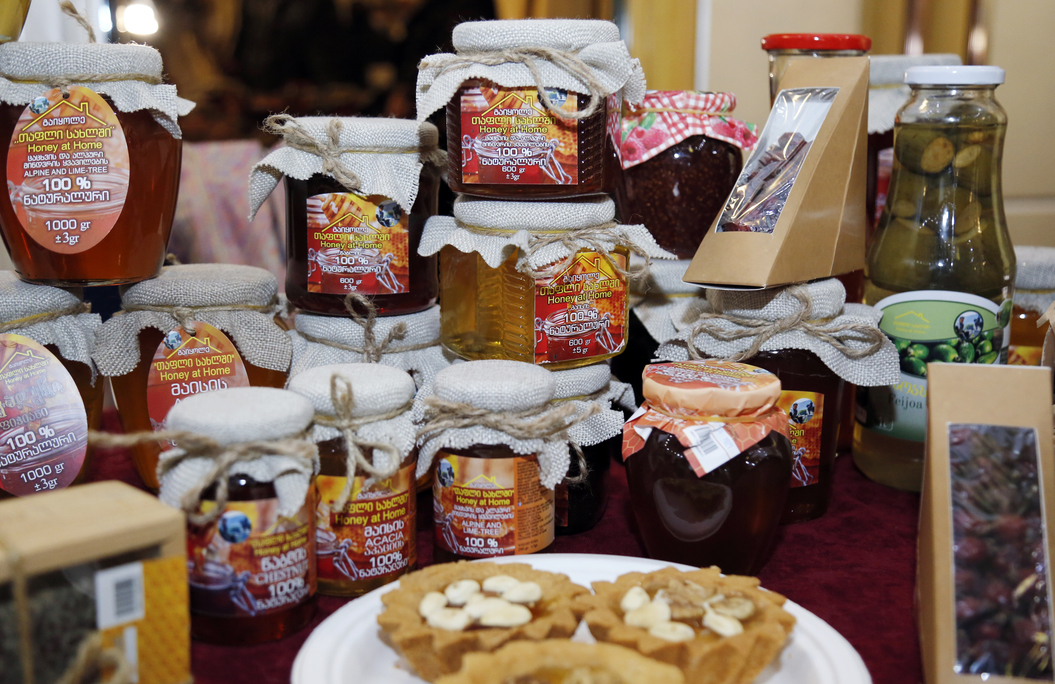
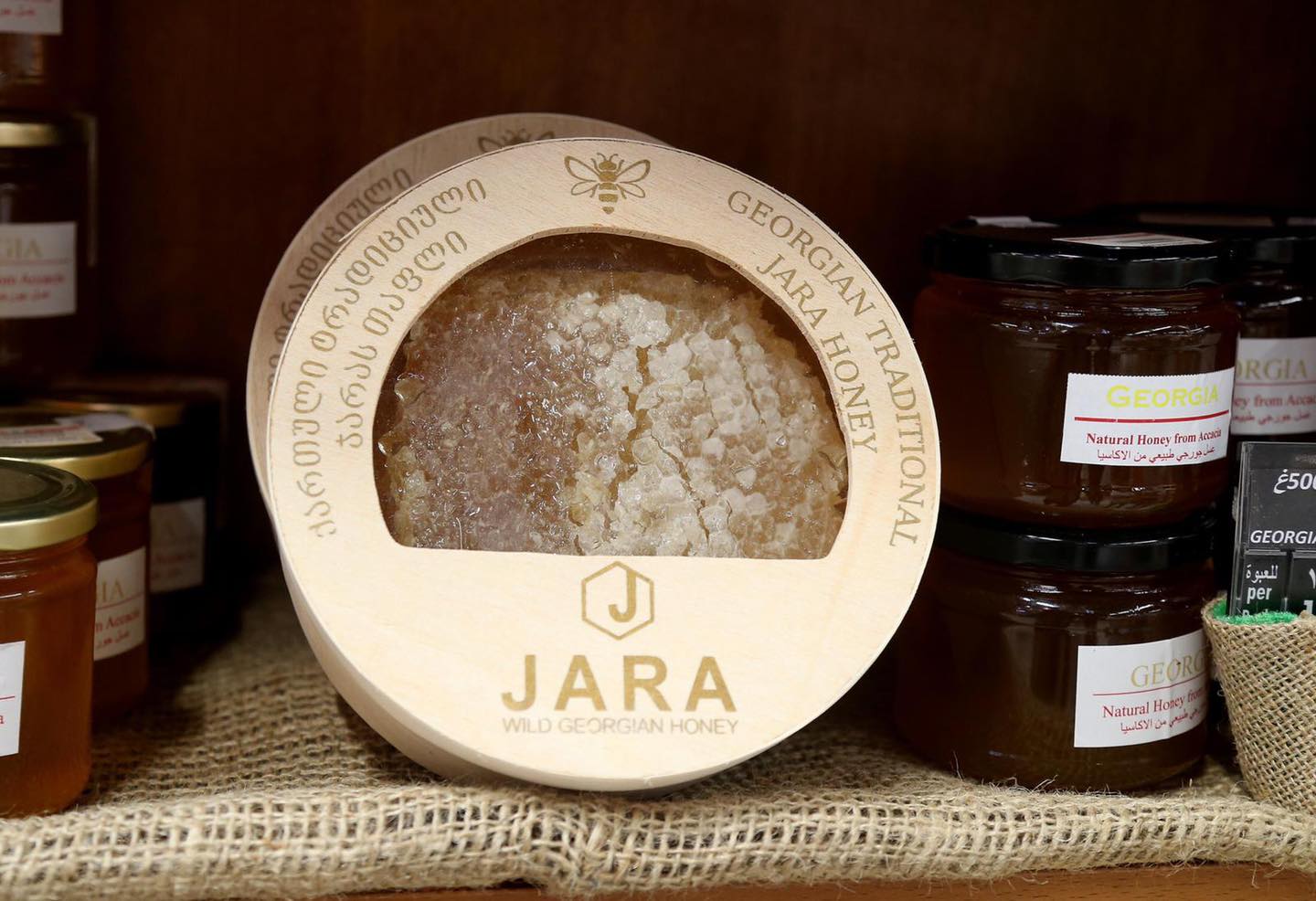
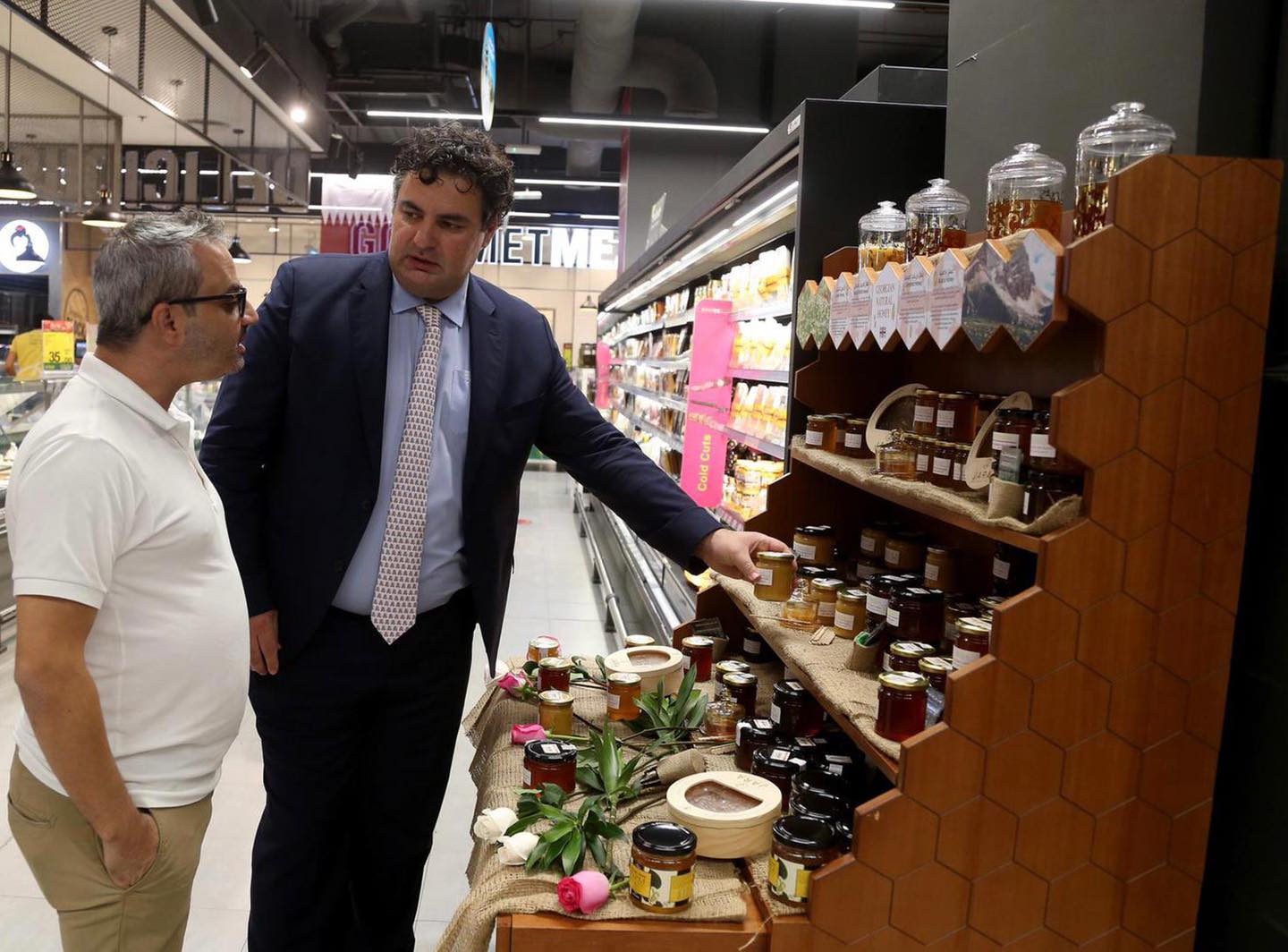
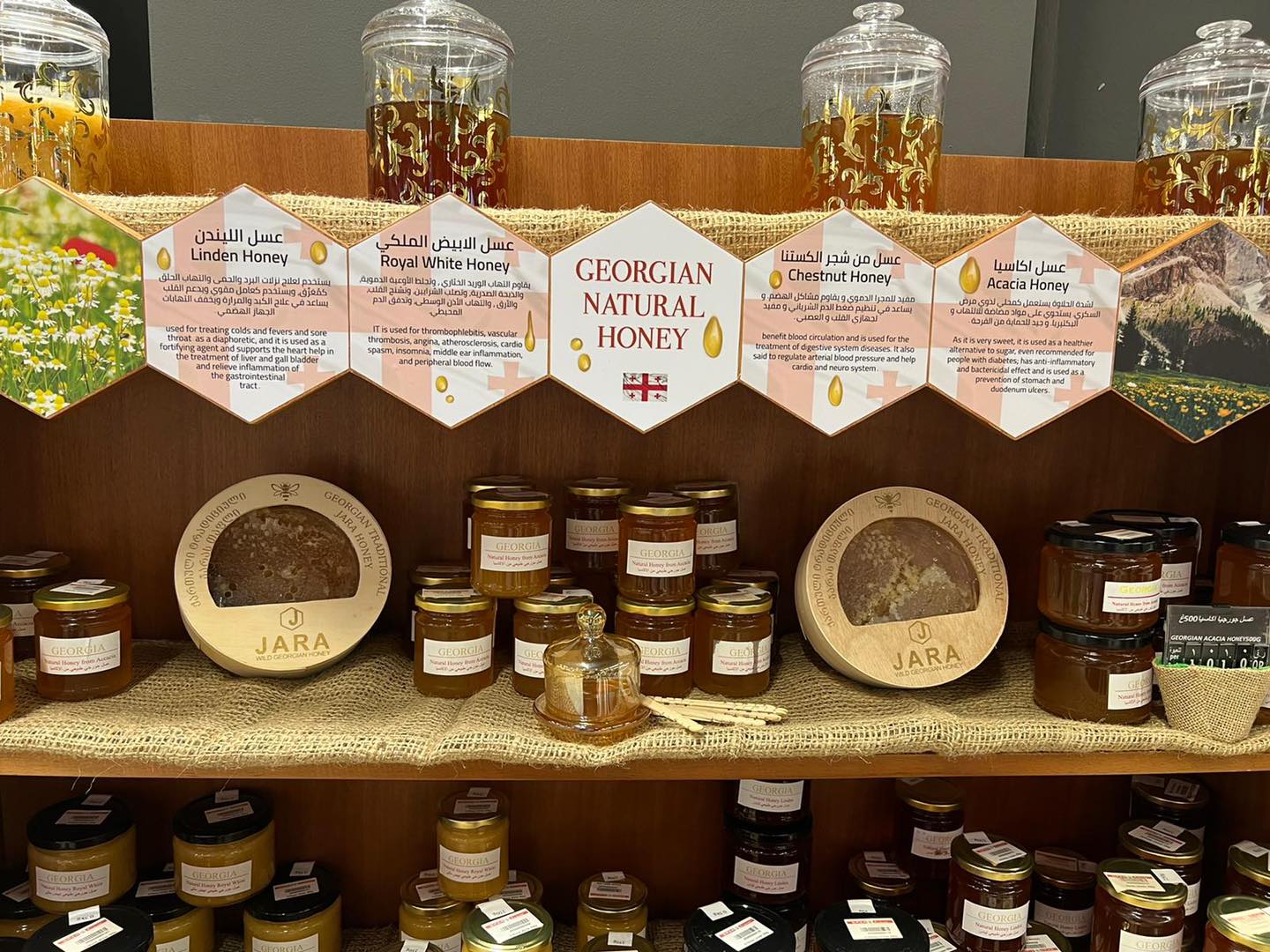
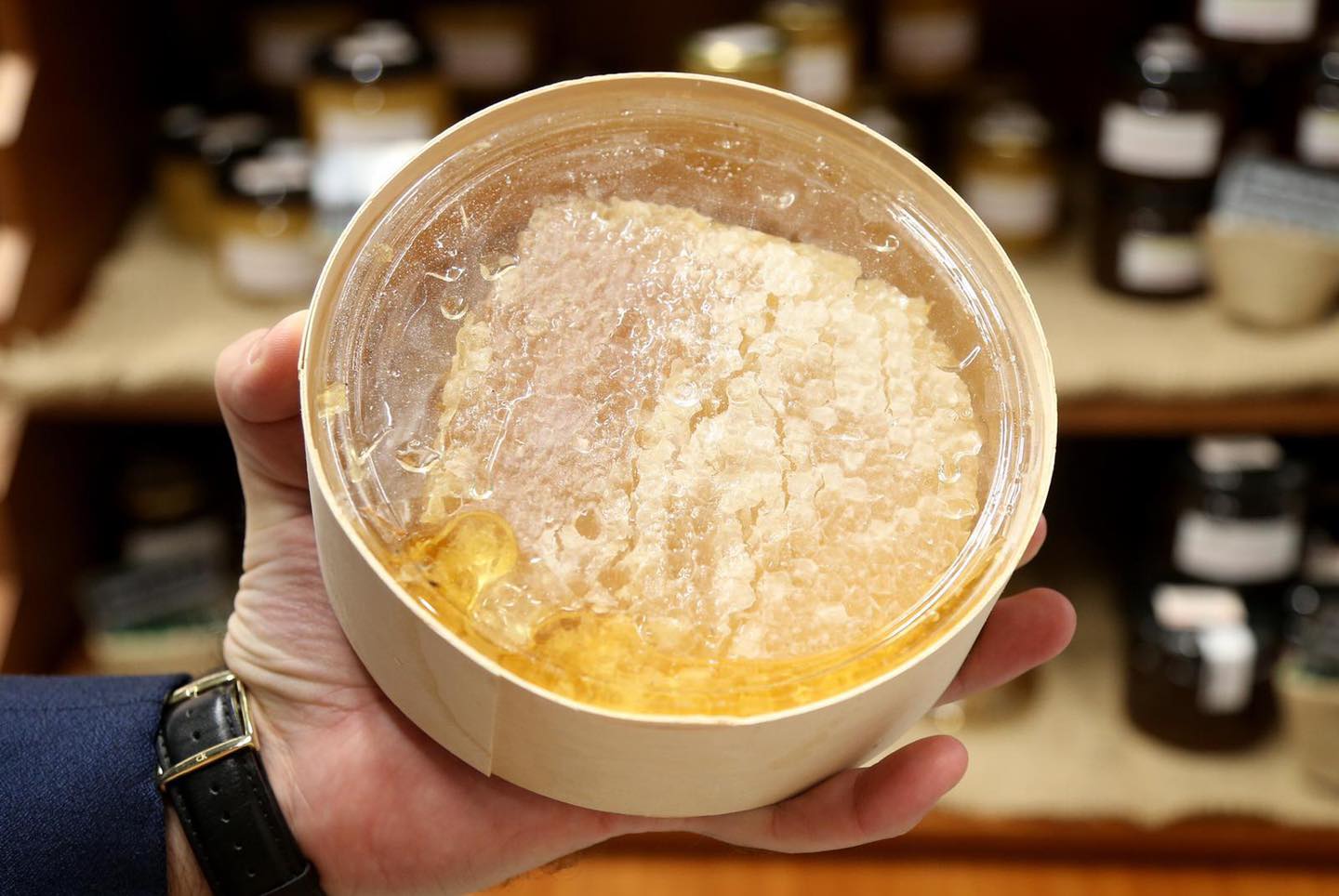
Nena Jara honey, along with other types of Georgian honey, found its place on the Georgian honey corner opened at the SPAR supermarket branch in Tawar Mall, the largest shopping mall in Doha, Qatar. Georgian honey corner will be opened in every branch of the SPAR chain. The process is backed by the Embassy of Georgia to the State of Qatar. The ALCP facilitated the export of Jara honey.
Local influential media AI Raya dedicated a comprehensive article to Georgian honey with a special highlight on Georgian beekeeping characteristics and traditional Jara.
The Qatar market seems promising. The Embassy’s previous facilitation for approval of a VET certificate, an essential requirement for honey export, has contributed to a 255% increase of Georgian honey export to Qatar in 2021 compared to 2020. The same figure saw a 350% boost in 2020.
Photo source: The Embassy of Georgia to the State of Qatar
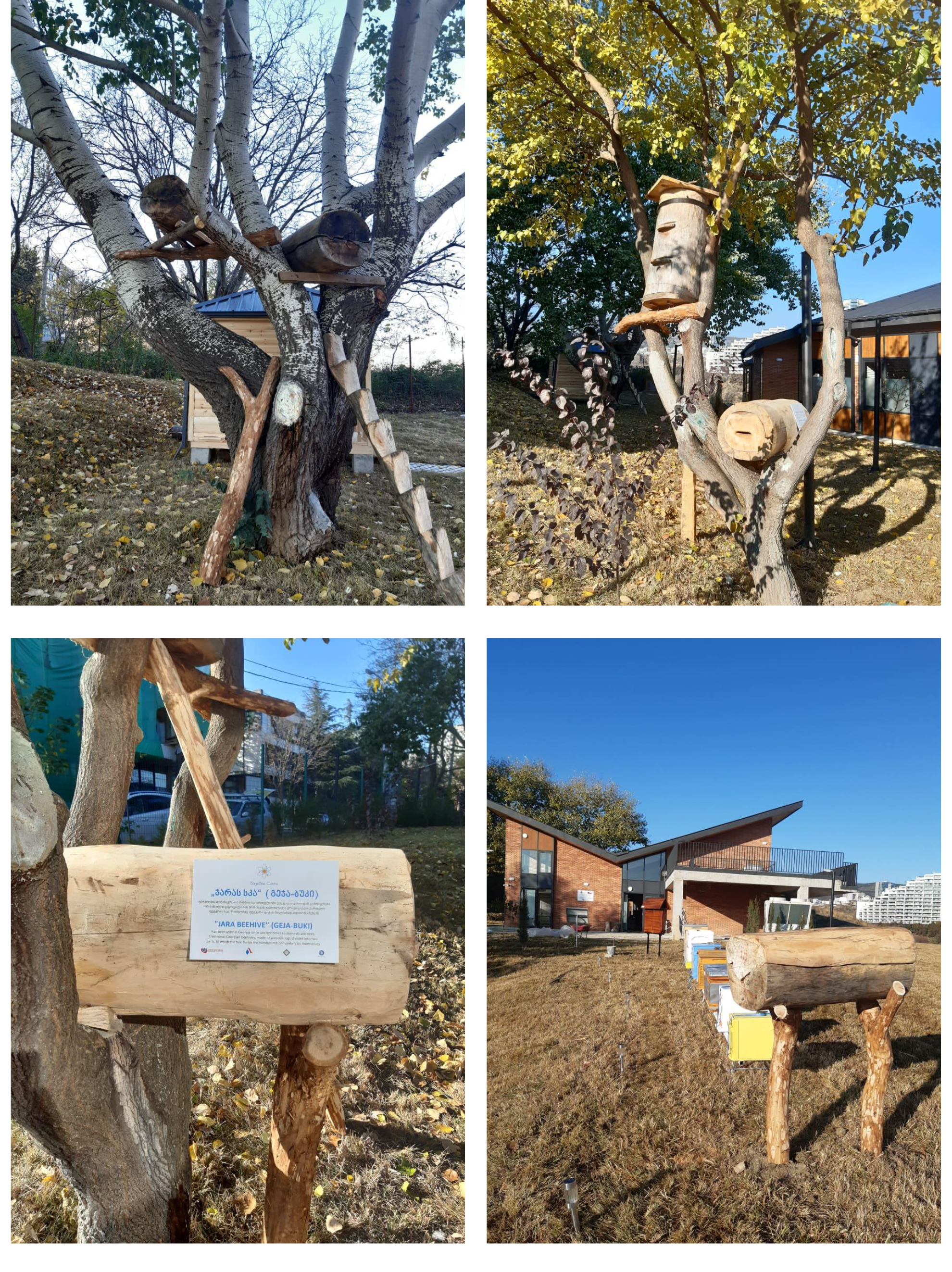
In November 2021 Jara hives took their place at the Beekeeping Regional Center, BageBee in Tbilisi for demonstration and educational purposes with the help of the Jara Beekeepers Association (JBA). The center is highly motivated to integrate Jara teaching in its beekeeping vocational programme now being developed under the project Modernization of Vocational Education and Training (VET) System Related to Agriculture - Work-based Learning. Last week, the JBA presented Jara honey to a wider audience at the Autumn Beekeeping Fair/Event, organized by the BageBee center, which was also attended by the Georgian Beekeepers Union (GBU) board members. Mutual cooperation between the GBU and the center is ongoing. The executive director of the GBU was invited to give a speech at the event and the director of the center was invited to the GBU Weekly Facebook Live meeting to present the center to the GBU member beekeepers.
Beekeeping Regional Center BageBee opened in Tbilisi in July 2021. The idea is to support the rural/urban connectivity, sustainable agriculture, and the vision of Tbilisi as a Green City.Key principles of the centre are environmental appreciation, sustainable resource use and inclusive growth. The BageBee center was built and equipped by the Czech Development Agency in the framework of the project Sustainable Development of Beekeeping in Georgia with a partnership of People in Need, Georgia, Association Agora and Tbilisi City Hall.
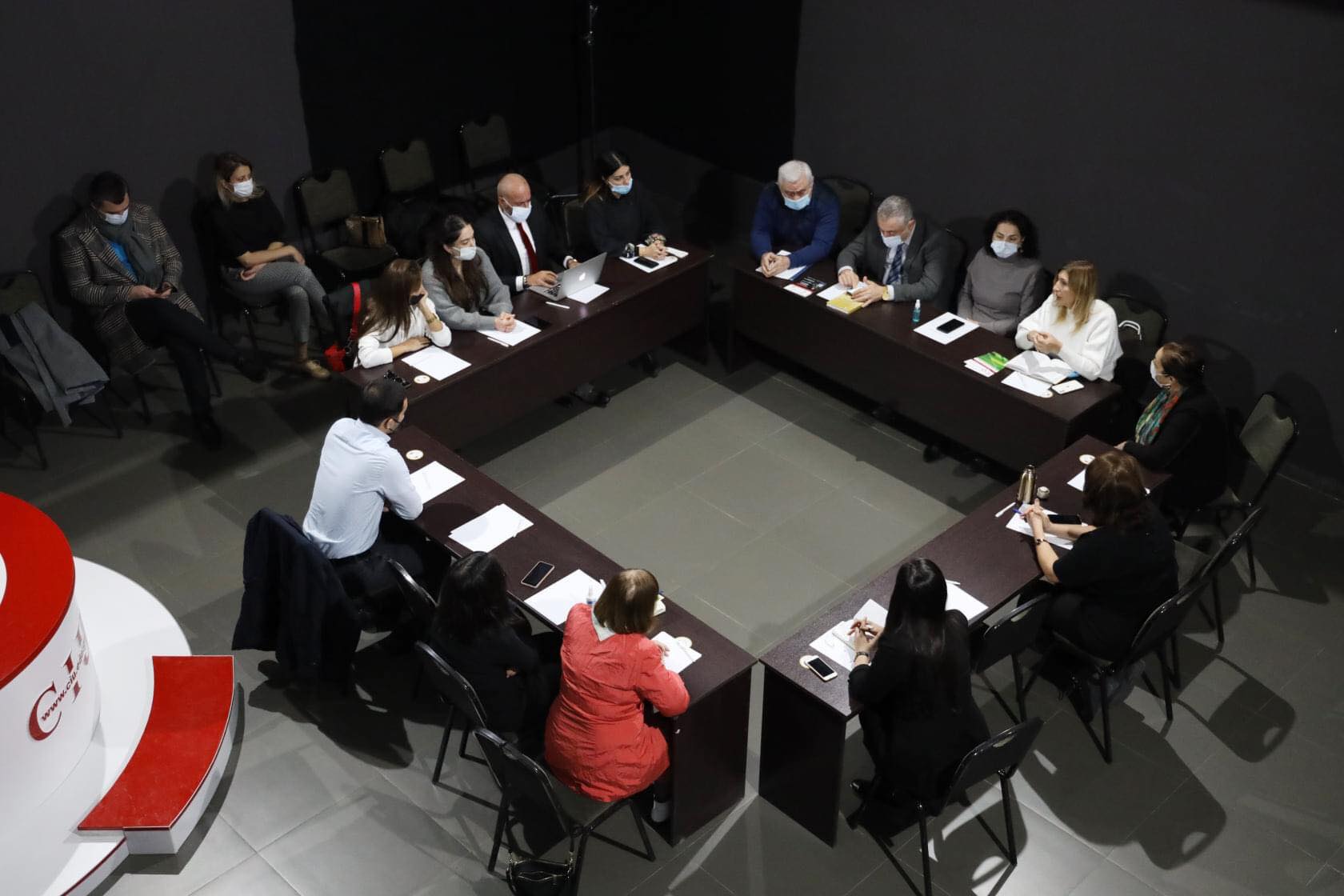
The Journalism Resource Centre (JRC), in partnership with the Society of Women for Rational Development in Azerbaijan (WARD), hosted a study visit of media and educational institution representatives of Azerbaijan.
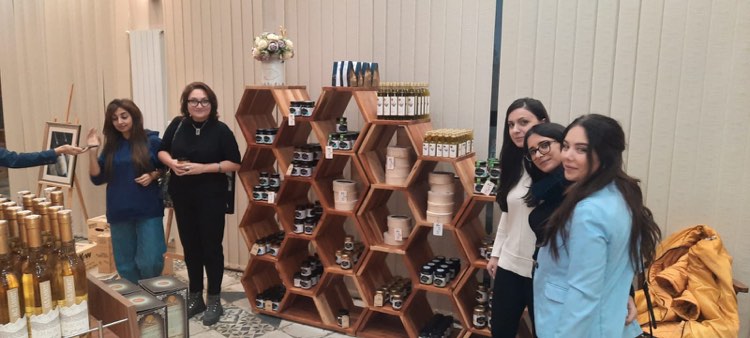
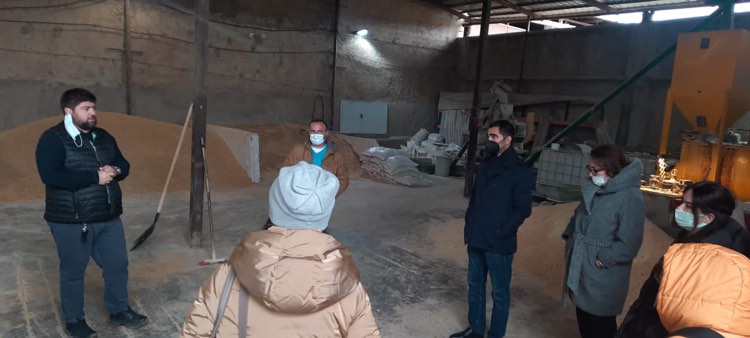
Agri-journalism students and lecturers at Caucasus International University shared agricultural journalism teaching practices. In Kakheti, they visited the farm of Beka Gonashvili, Head of the Georgian Shepherds Association, farmer, and entrepreneur. They also visited Kakhetian Traditional Winemaking to see their Jara honey and wine production and the dairy Leanka in Dedeplitskaro. The importance of education and information for farmers and producers and their cooperation with agricultural media was emphasized.
Beka Gonashvili emphasized the importance of providing quality information to farmers and producers. He is both a blogger and a farmer, so he is regularly publishing useful agriculture-related posts. The female owner of Leanka dairy talked about how the enterprise is ensuring the quality and how media is playing a significant role in this. At Kakhetian Traditional Winemaking Company particpants saw wine and Jara honey production and their export and how the Georgian Beekeepers Union is advocating the interests of honey sector representatives and supporting the awareness raising of beekeepers, such as through the national information campaign - Do’s and Don’ts of Antibiotic Use. Participants also watched a report about Jara Honey by Al Jazeera and Jara the Movie.
‘We will all together will work well for expansion the teaching of agricultural Journalism in Azerbaijan’ – Natia Kuprashvili, the Head of the JRC.
The Society Women for Rational Development (WARD) in partnership with the JRC is going to prepare a course of agricultural communication based on the study visit and share it with educational institutions in Azerbaijan.
Please see the related links: a textbook of Constructive Agricultural Journalism and video lessons added to this textbook.