From the ISET Economist news (http://www.iset.ge/news/?p=4633)
By Eric Livny

The “do no harm” (primum non nocere) principle is well known to students of medical schools. It is one of the most fundamental maxims in medicine, as formulated, for example, in the Epidemics book of the Hippocratic Collection:
“The physician must … have two special objects in view with regard to disease, namely, to do good or to do no harm“.
Doctors are taught that medical interventions are not risk-free. Thus, when facing a “problem” one should consider whether to use a particular procedure (e.g. surgery or chemical treatment) or do NOTHING.
Not surprisingly, this very principle has applications in many fields other than healthcare. And it is high time for this principle to be studied and applied in Georgian policymaking.
THE HARM OF OVERZEALOUS “HARMONIZATION”
Ever since signing the EU Association agreement in June 2014, Georgia has embarked on a spree of initiatives seeking to “harmonize” Georgia’s legislative and regulatory environment with EU’s acquis communautaire. The aim, so it appears, is to instantly transform Georgia into a European nation.
It all started on September 1, 2014, with the introduction of new VISA AND RESIDENCY REQUIREMENTS, modeled – so the Georgian public was told – after the best EU regulations, and intended to meet EU requirements as part of the visa liberalization process.
Within just a few months, several other pieces of legislation have been drafted and submitted to parliament (a few more may be in the pipeline without any knowledge on the part of relevant businesses and civil society stakeholders), allegedly as part of the harmonization effort.
- A new law onLABOR MIGRATION, submitted to the Georgian Parliament in early 2015, sought to prevent trafficking (a goal consistent with Georgia’s obligations under the visa liberalization plan), but also (Article 16) to restrict the ability of Georgian companies to hire badly needed international experts. Hard to imagine, but true! Thanks to a concerted communication effort by the Georgian business community, and goodwill on the part of the Ministry of Economy and Sustainable Development, Article 16 was swiftly removed from the draft law.
- Recent amendments to the Georgian law onBROADCASTING (Article 64 § 2) restrict sponsorships and limit advertising to 12 minutes per hour. The idea to reduce advertising time to somewhat more civilized levels is consistent with EU rules, yet Georgia seems to be in a particular hurry to tick off this harmonization box. Whereas the Association Agreement talks about gradual “approximation” over a period of 3-5 years, Georgian parliamentarians opted to dramatically accelerate the process by making these truly life-saving amendments effective almost immediately (as of April 1, 2015). Instead of creating harmony, this kind of fast-track overzealous approximation does not allow private broadcasters any time for adjustment, jeopardizing their ability to generate income, produce high quality content, and maintain independence. Unfortunately, suggestions by Rustavi 2 and other TV channels to stagger reductions in advertising time over several years have so far fallen on deaf ears.
- Yet another example of rushed legislation that appears to ignore the interests of businesses concerns the recent decision to increase EXCISE TAXES ON ALCOHOL AND TOBACCO as of January 1, 2015. The Government’s official aim was to increase budget revenues while harmonizing Georgia’s regulatory environment with that of the EU. Yet, the manner in which the whole process was rushed raises many questions. Georgian companies were not allowed any time to adjust their investment and production decisions, leaving them with excess capacity and losses. Furthermore, the level of excise taxes on alcohol was set at a level exceeding that of many European nations. This was decided without examining relevant demand elasticities, that is, the extent to which higher taxes will affect sales and budget revenues. In a country with rich traditions in home production of high quality alcoholic drinks (that are not subject to excise taxes), demand for alcohol is likely to be quite a bit more elastic than in most European nations. After all, Georgian consumers can switch to homemade wine or chacha, spelling doom for Georgian government’s plans to raise an extra 100mln GEL in excise tax revenue.
A COMMON PATTERN?
Taken alone, none of these legislative initiatives are particularly damaging for the Georgian economy. Georgian companies would have quickly acquired the ability to handle the extra layer of bureaucracy when bringing foreign experts and workers. Broadcasters will raise per minute prices for advertising and sponsorships, and advertising companies will learn to deliver their marketing messages in fewer seconds. Forced to pay higher excise taxes, Georgians will drink less beer and more wine. Breweries will adjust production volumes or export to Azerbaijan. The Association Agreement will be implemented ahead of schedule. At least on paper.
The problem with all these initiatives is that they represent a pattern of policymaking that is very different from the European ideal which Georgia is supposed to aspire to. And, taken together, they defeat the very purpose they are supposed to serve: bring Georgia into the European family of nations.
First and foremost, the manner in which these new regulation are enacted undermines Georgia’s reputation as a great place to do business. A key consideration for new investors is stability and predictability of the business environment. Countries may certainly change their internal regulations from time to time, but this should be done in coordination with the business community, while listening to companies and allowing them sufficient time to adjust.
Second, Georgian policymakers should learn to do much better homework before coming up with new laws and regulations. To do no harm, doctors may prescribe additional X-ray or blood tests. Policymakers can employ standard tools of applied economics analysis to simulate the impact of proposed regulations on tax revenues, GDP, income and investment levels, as well as evaluate associated corruption risks. While common in Europe, none of these tools are used in Georgia. Yet another good possibility is to move in small steps, conducting policy experiments and assessing their impact.
Third, unless dealing with urgent or complicated technical matters (such as Lari devaluation), Georgia’s policymaking process could benefit from greater participation by interested parties. Practically all EU approximation measures could and should be subjected to a lengthy and inclusive process of public consultations that would increase their chances to be politically accepted. In fact, such consultations are explicitly encouraged by the EU Association Agreement.
Last but not least, the hasty attempts to tick off boxes on EU harmonization may undermine the very process of Europeanization the Georgian government is trying to promote. The use of the Association Agreement as a smokescreen for passing dubious laws not only harms Georgia’s immediate economic interests, but also plays into the hands of those political forces that aspire to bring Georgia back into the Russian fold.
* * *
The other day, I heard Giorgi Kadagidze, the governor of the National Bank of Georgia, speaking about the need for Georgia to grow at a faster pace, and how faster growth is predicated on the government’s ability to implement painful and costly adjustments. The kind of “second-generation” structural reforms envisaged by governor Kadagidze would take time to implement. Until then, however, there are many things the Georgian government could STOP DOING. In this way the government would save taxpayers money, save itself the embarrassment of backtracking and apologizing, and save Georgian businesses the nervous energy and resources that could be put to more productive uses.
It is time for the Georgian policymakers to learn the Hippocratic principle: do no harm!
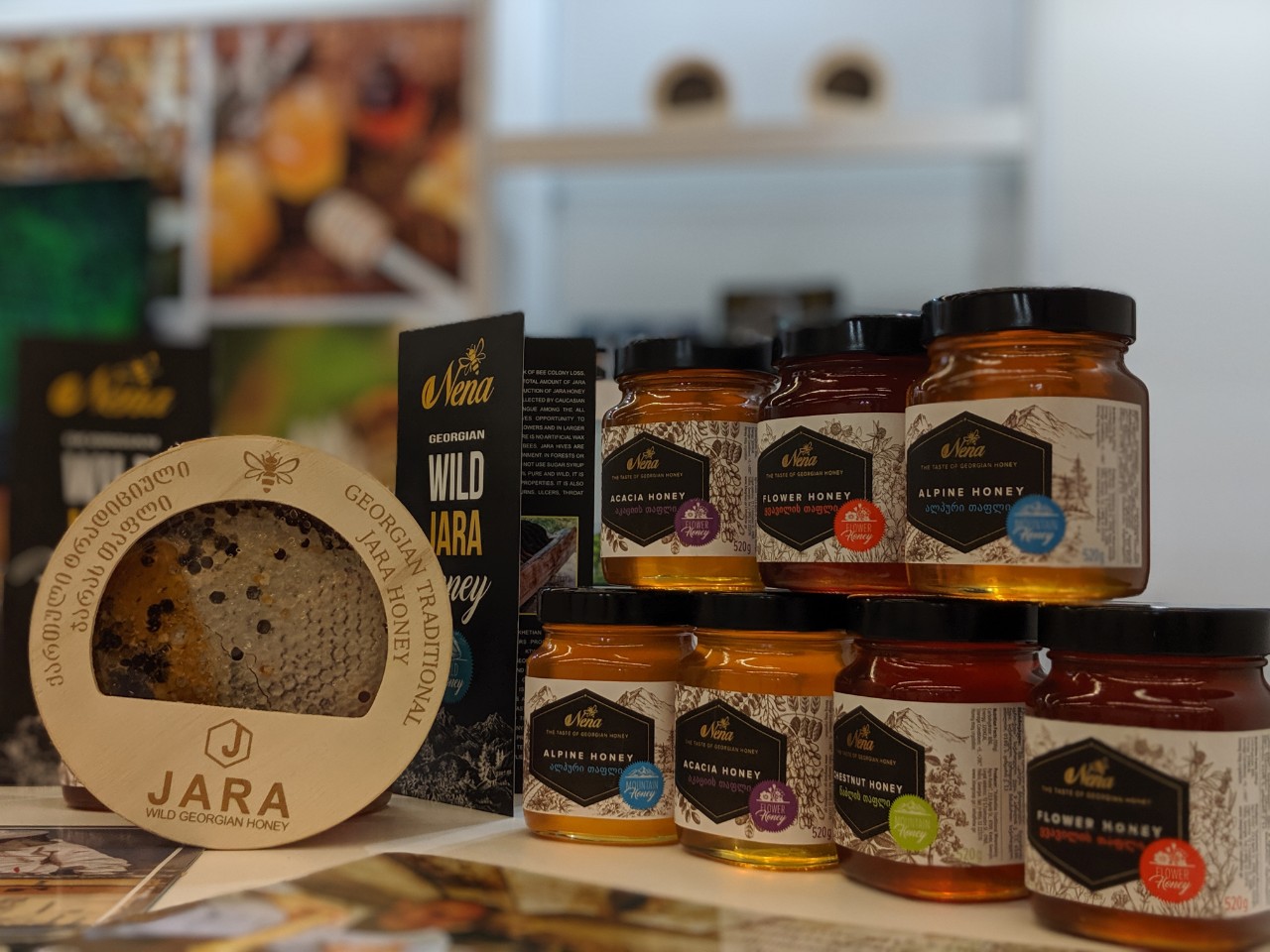
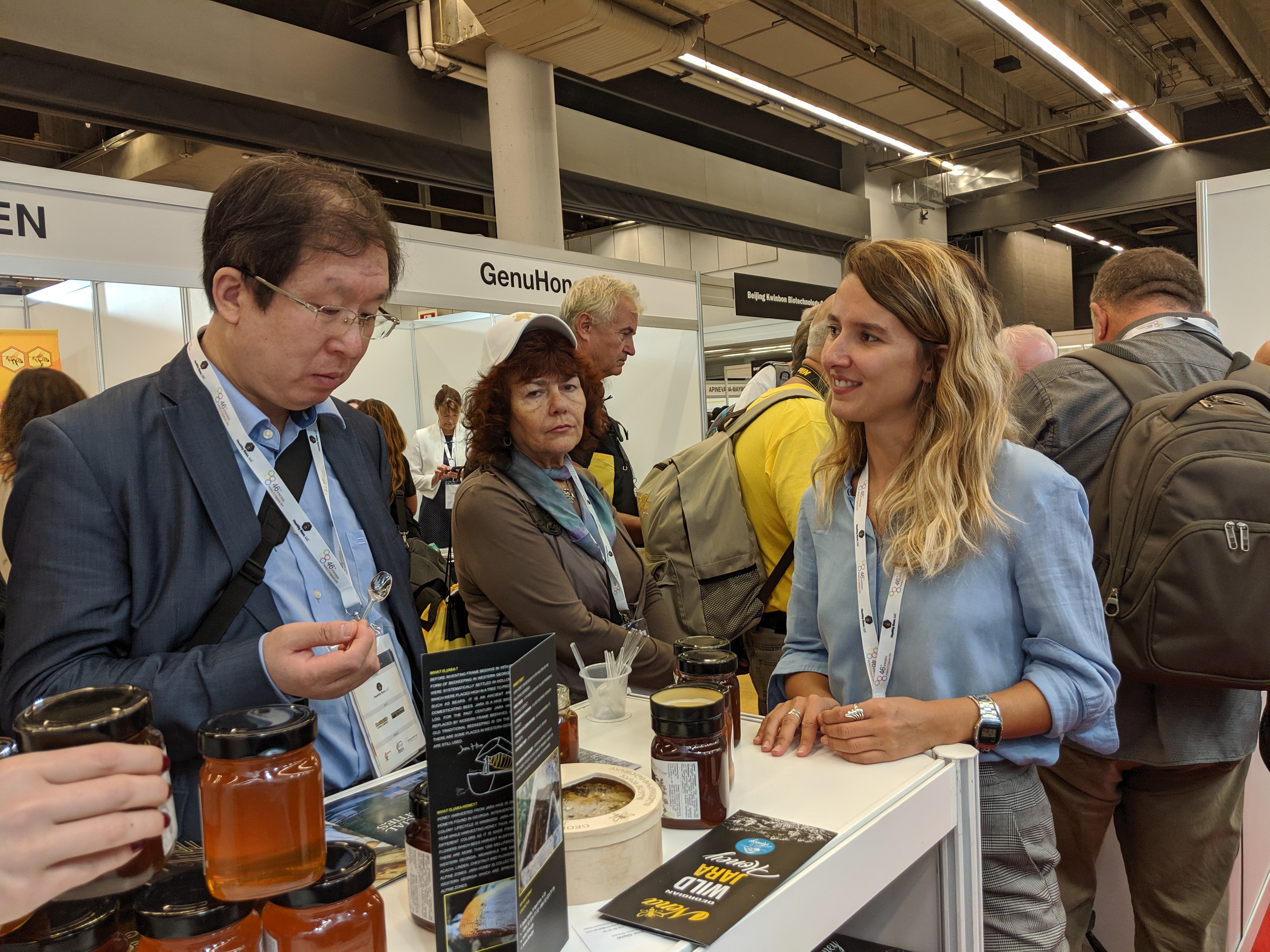
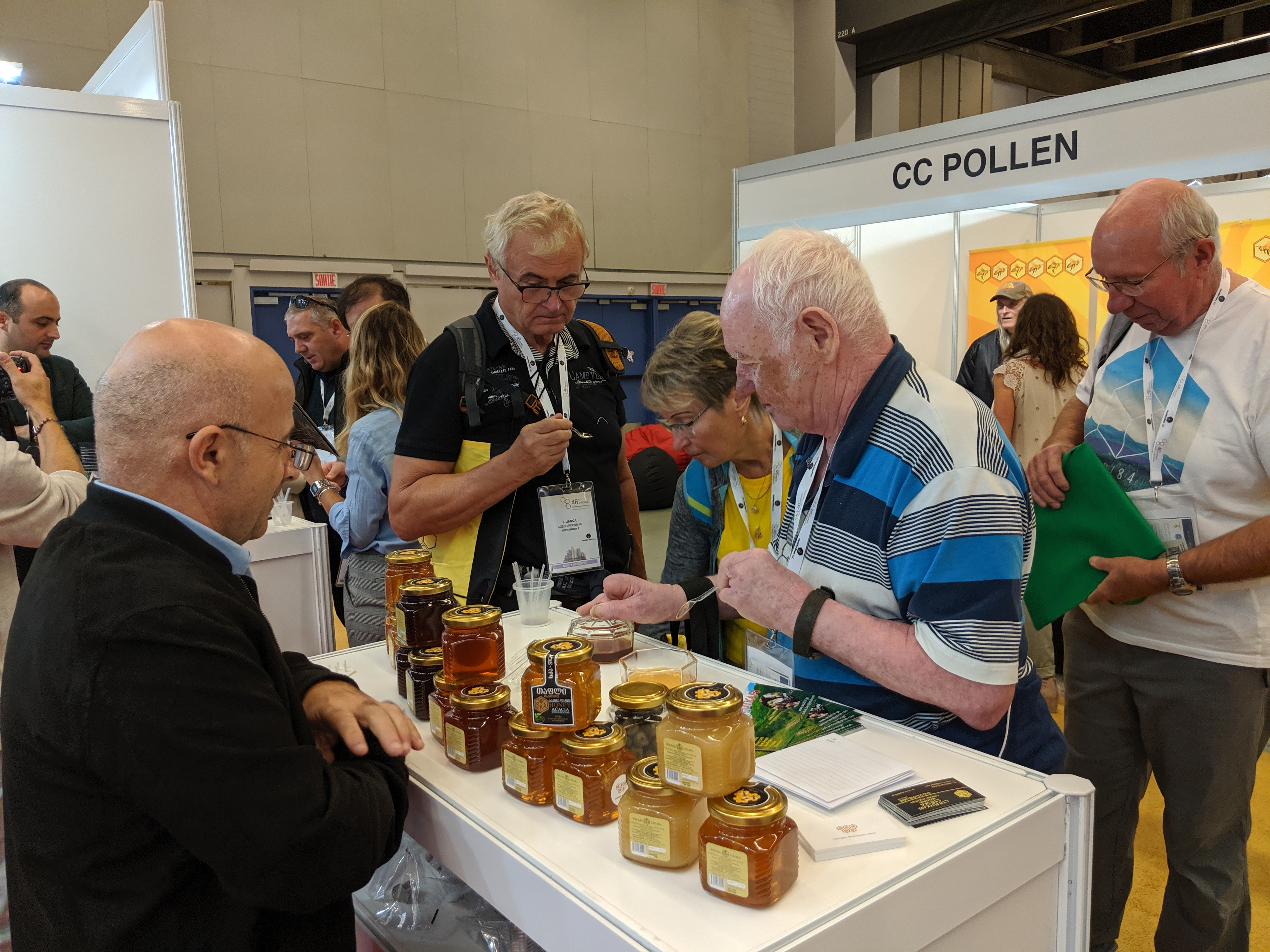
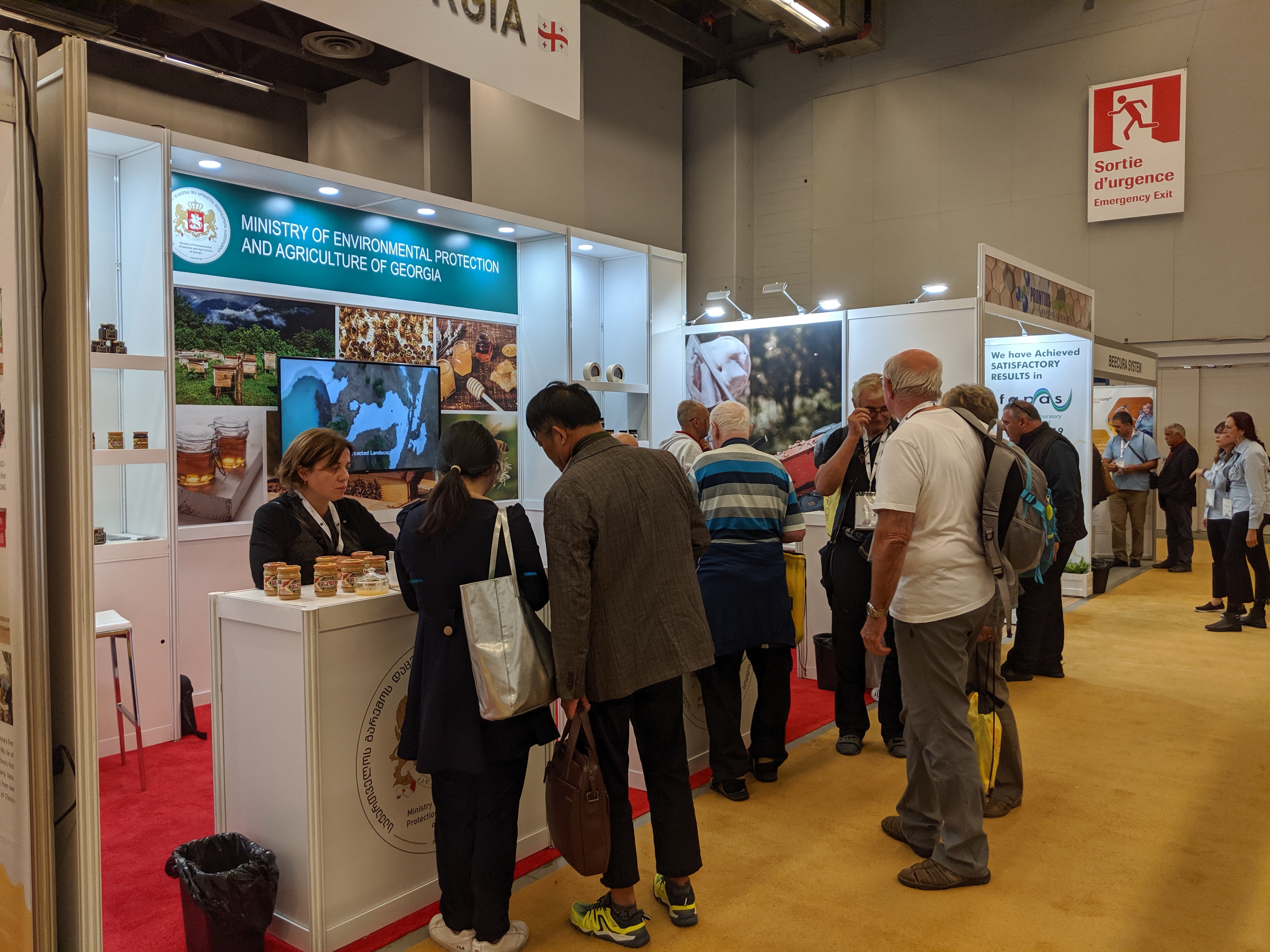
The 46thApimondia Congress 2019, the most significant event in beekeeping worldwide, took place from 9th of September to 12th of September, in Montreal, Canada. For the second time in Apimondia’s hundred years of history, Georgia was at this world forum, represented by the Ministry of Environment Protection and Agriculture (MEPA), the Georgian Beekeepers’ Union (GBU) and Kakhetian Traditional Winemaking company, exhibiting the different types of honey of its members and promoting Georgian honey and beekeeping.
Apimondia promotes scientific, ecological, social and economic apicultural development in all countries and the cooperation of beekeepers' associations, scientific bodies and individuals involved in apiculture all over the world. This event is a unique opportunity for Georgia to promote itself as a honey producer and claim a place next to world leading honey producers. The recent placing of Georgia on the list of third countries for honey only further cements the credibility of Georgia as a viable producer country.
Georgia has been extensively promoted internationally as the birthplace of winemaking. Apimondia provides the opportunity to put energy into a new promotion of Georgia as the homeland of the oldest honey ever discovered, preserver of ancient beekeeping traditions as shown in the Jara movie and producer of a wide variety of artisanal natural honey and bee products fueled by the un-paralleled flora of Georgia’s uniquely bio diverse and unspoiled landscape.
The Georgian Beekeepers Union (2018) as an umbrella association for advocating and representing beekeepers’ interests developed Honey promotion video, websites/catalogues of Jara Honey and Georgian Honey for further promotion of Georgian honey.
The first participation at the congress was facilitated by the Swiss Agency for Development and Cooperation (SDC) project the Mercy Corps Georgia implemented Alliances Caucasus Programme (ALCP) in cooperation with the Ajarian Beekeeping Business Association (ABBA) operating under the Ajara Chamber of Commerce and Industry (ACCI) in Istanbul, Turkey in 2017.
Follow the links on the Apimondia Congress 2019: Interpressnews, Palitranews.ge
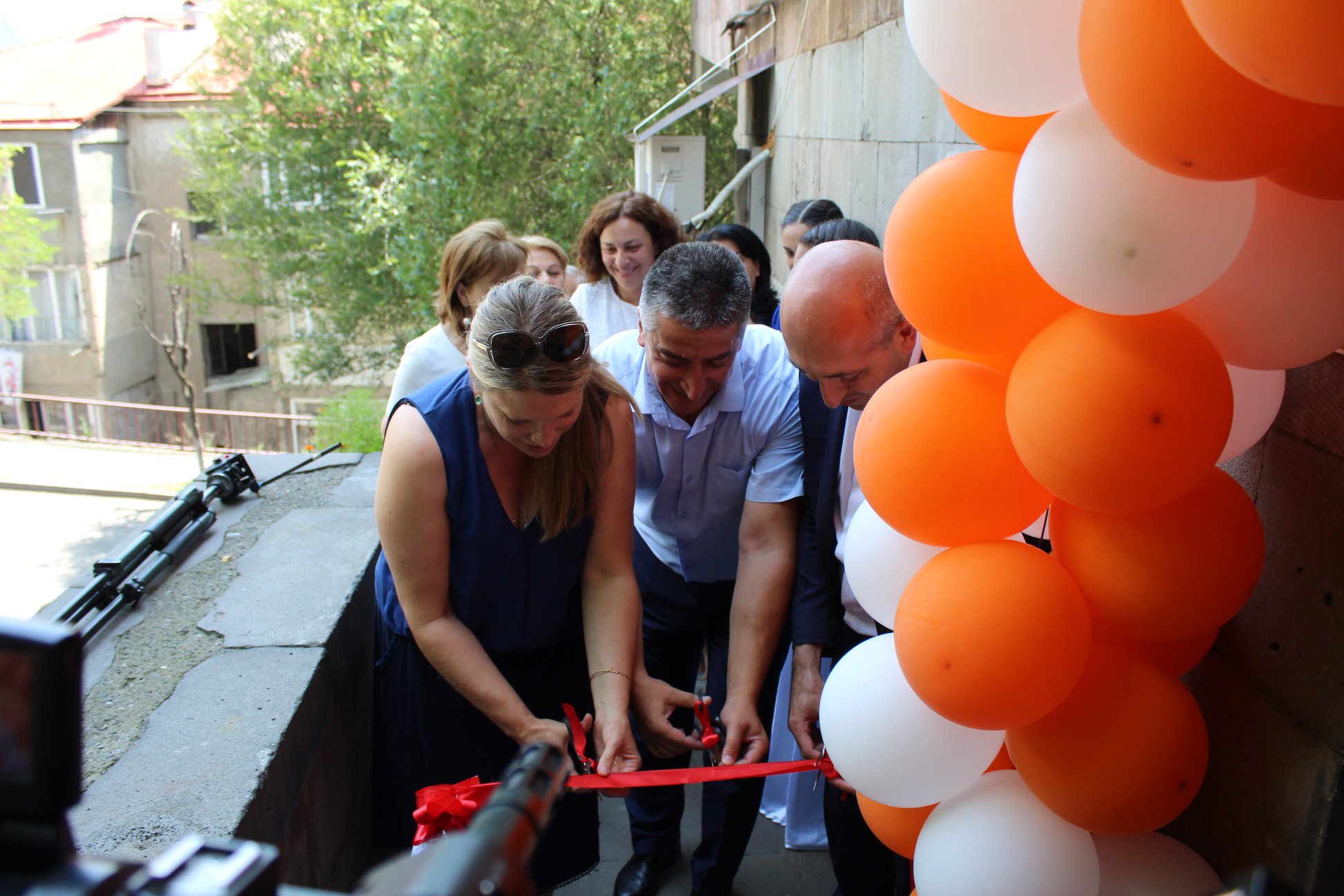
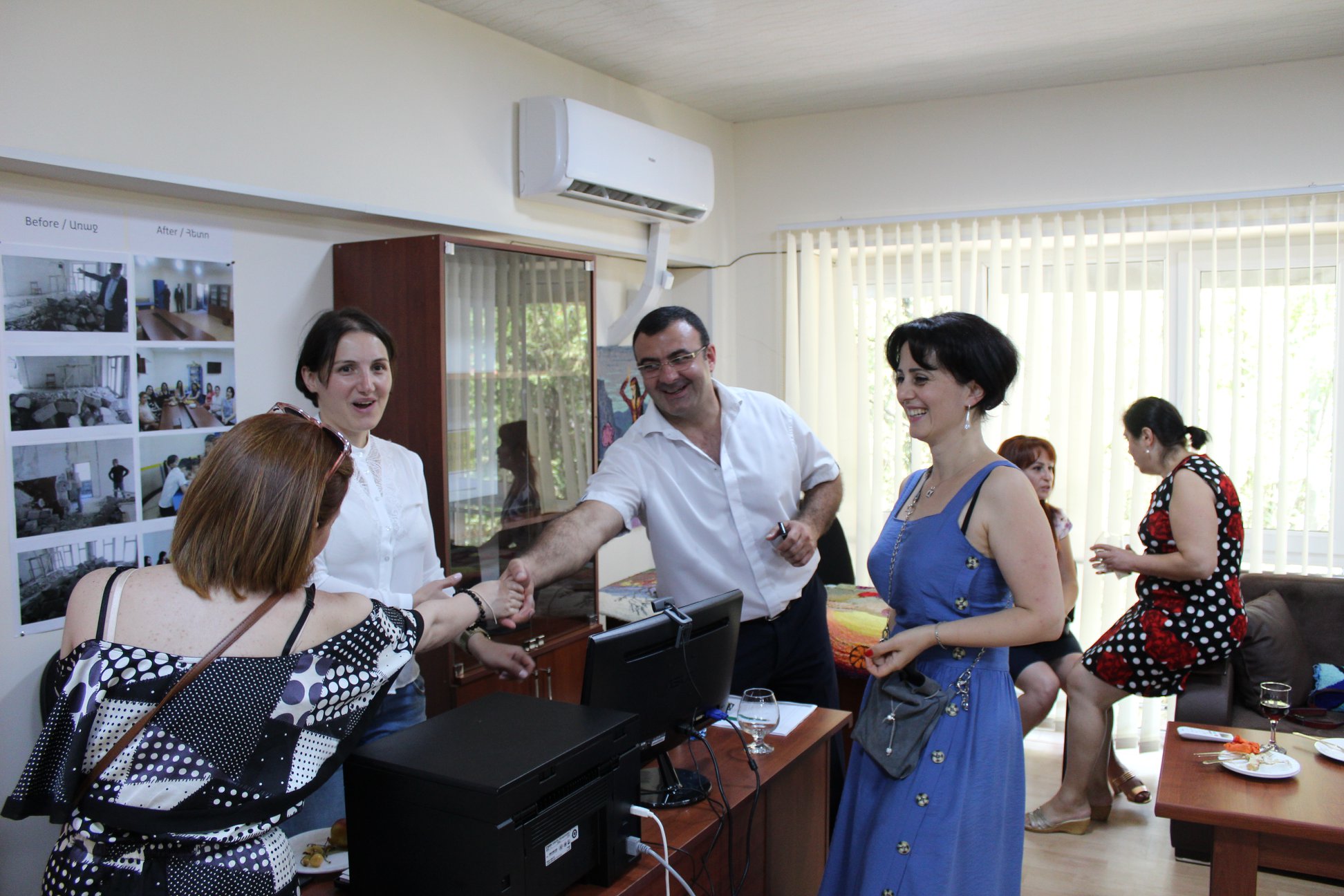
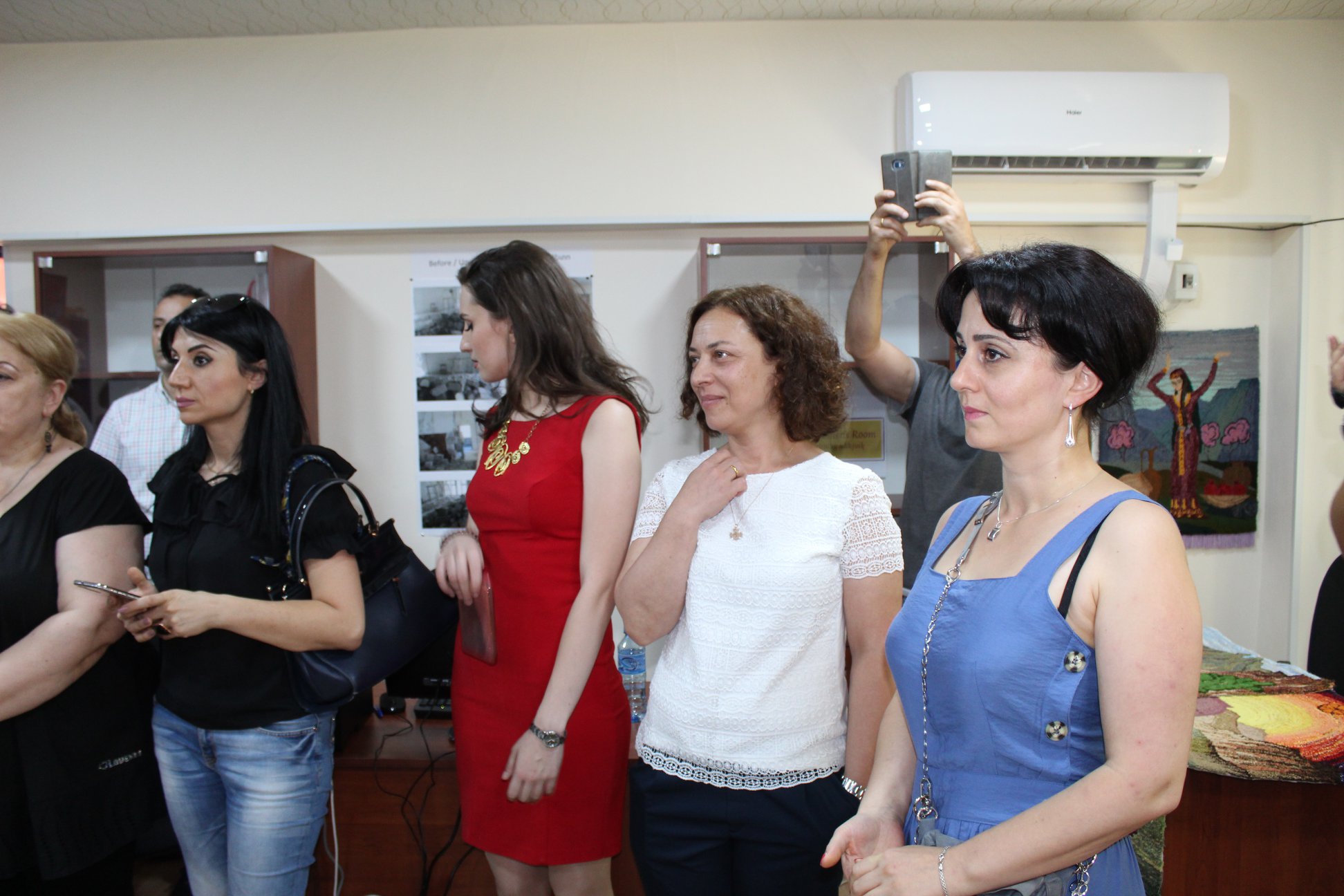
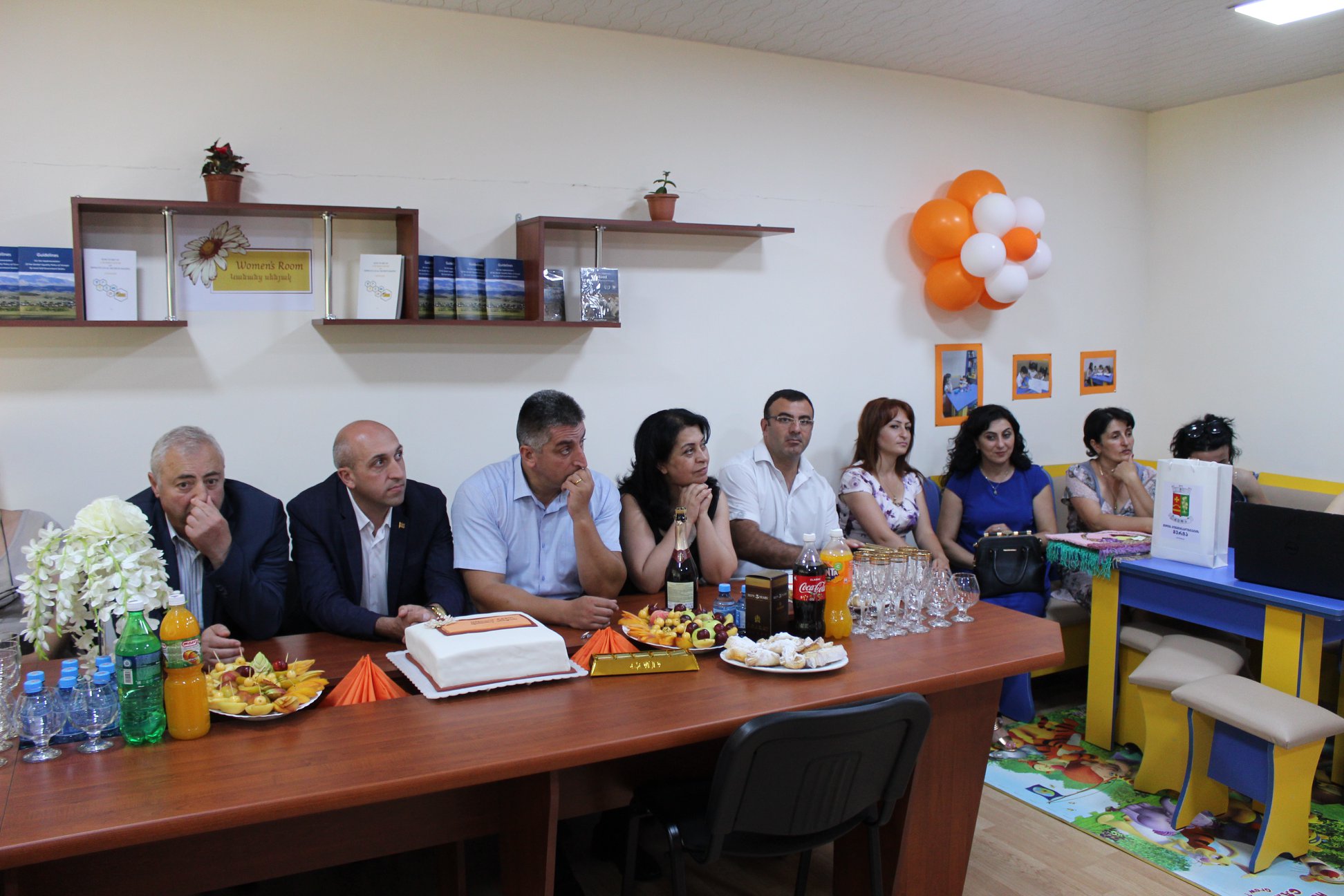
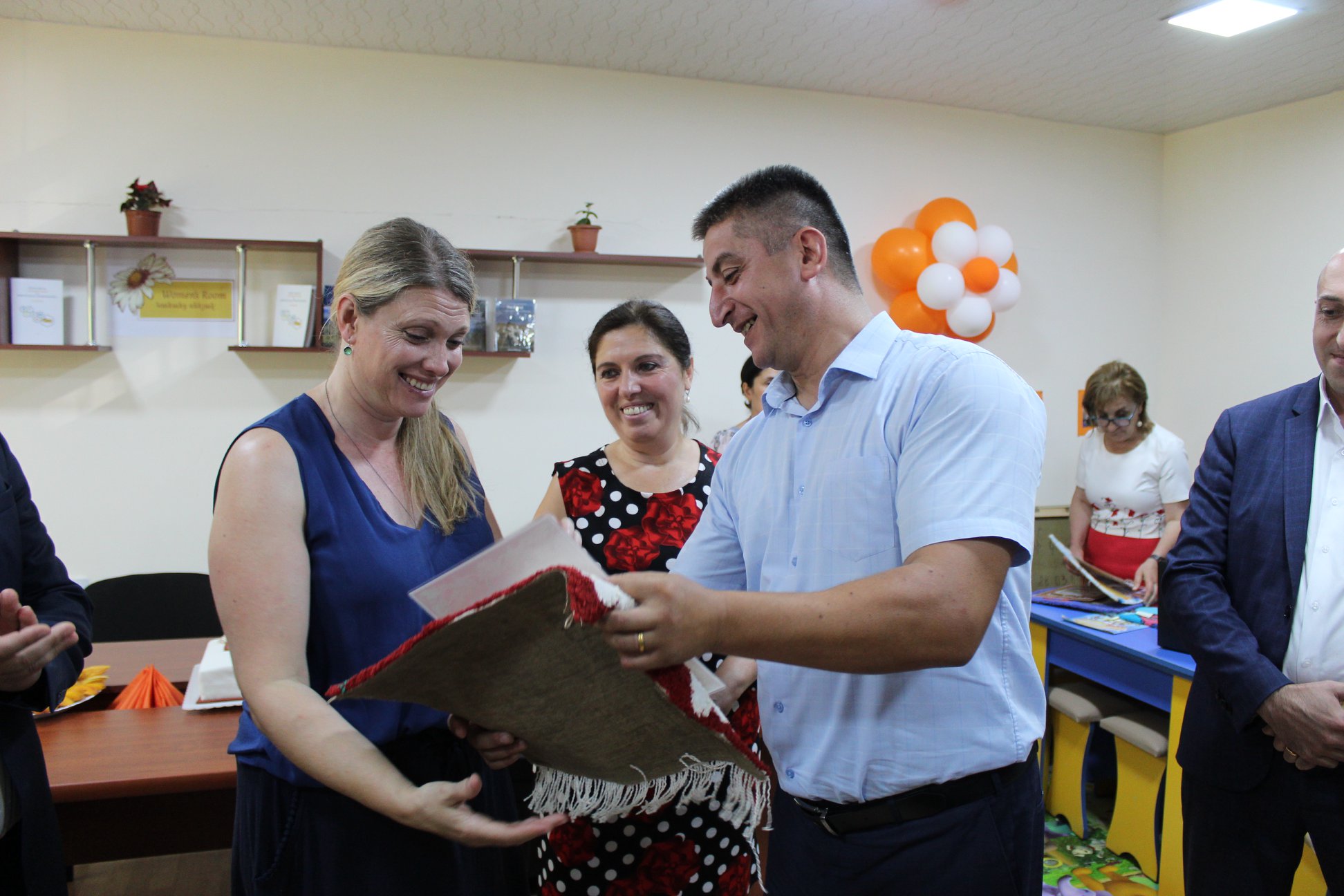
The Women’s Room in Alaverdi municipality, Armenia was officially opened on the 25th of July by the Governor of Lori Province, Andrey Ghukasyan, the Head of Alaverdi Municipality, Sasun Khemuchyan and the ALCP Team Leader, Helen Bradbury. The Head of the Department of Family, Women and Youth of the Ministry of Labour and Social Issues, the Head of the Municipality, the representative of Association of Lawyers, local businesswomen and other guests attended the opening ceremony. The Mayor of Keda Municipality of Ajara region and the Manager of Women’s Room in Keda were invited, representing one of the most successful Women’s Rooms in Georgia. Keda and Alaverdi Municipalities forged links when the representatives of Alaverdi Municipality were invited to the Women's Business Forum held in Batumi, Ajara in March, 2018.
“This service is very important for women and their families to improve their business skills. I would like to thank all of the initiators and supporters of the project and I am ready to discuss the opening of this service in other municipalities as well” - Andrey Ghukasyan, Governor of Lori Province.
“The Idea of the opening of the Women’s Room in Alaverdi came when we visited the Women’s Room in Keda, Ajara region three years ago. The Alliances Caucasus Programme expressed their readiness to share their experience with us how to establish and operate the WR. This service will help women with accessing resources and training to get finances for their businesses. When we help women, we strengthen their families’ Sasun Khemuchyan, the Head of Alaverdi Municipality.
Photo Source: Facebook page of Women's Room in Armenia
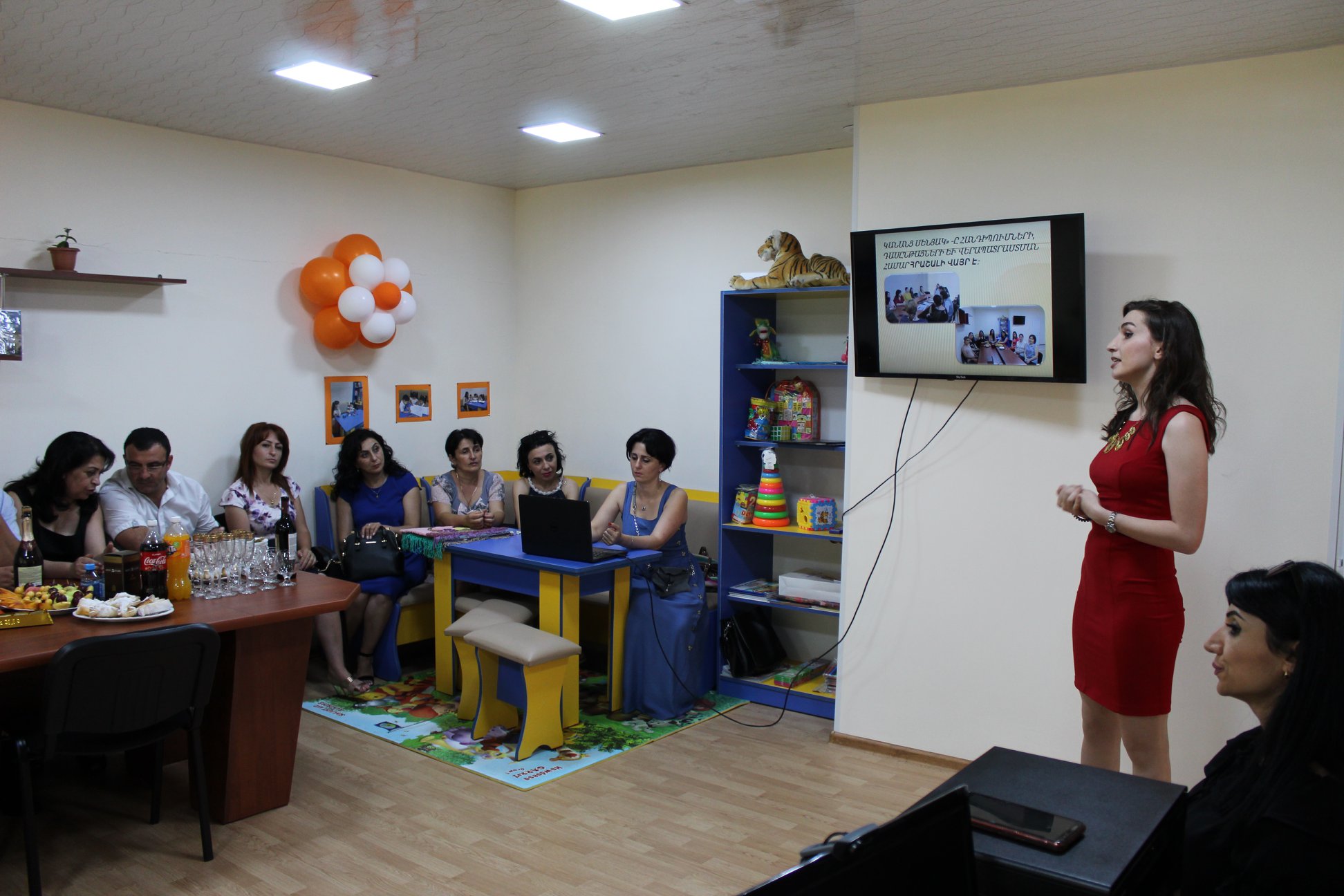
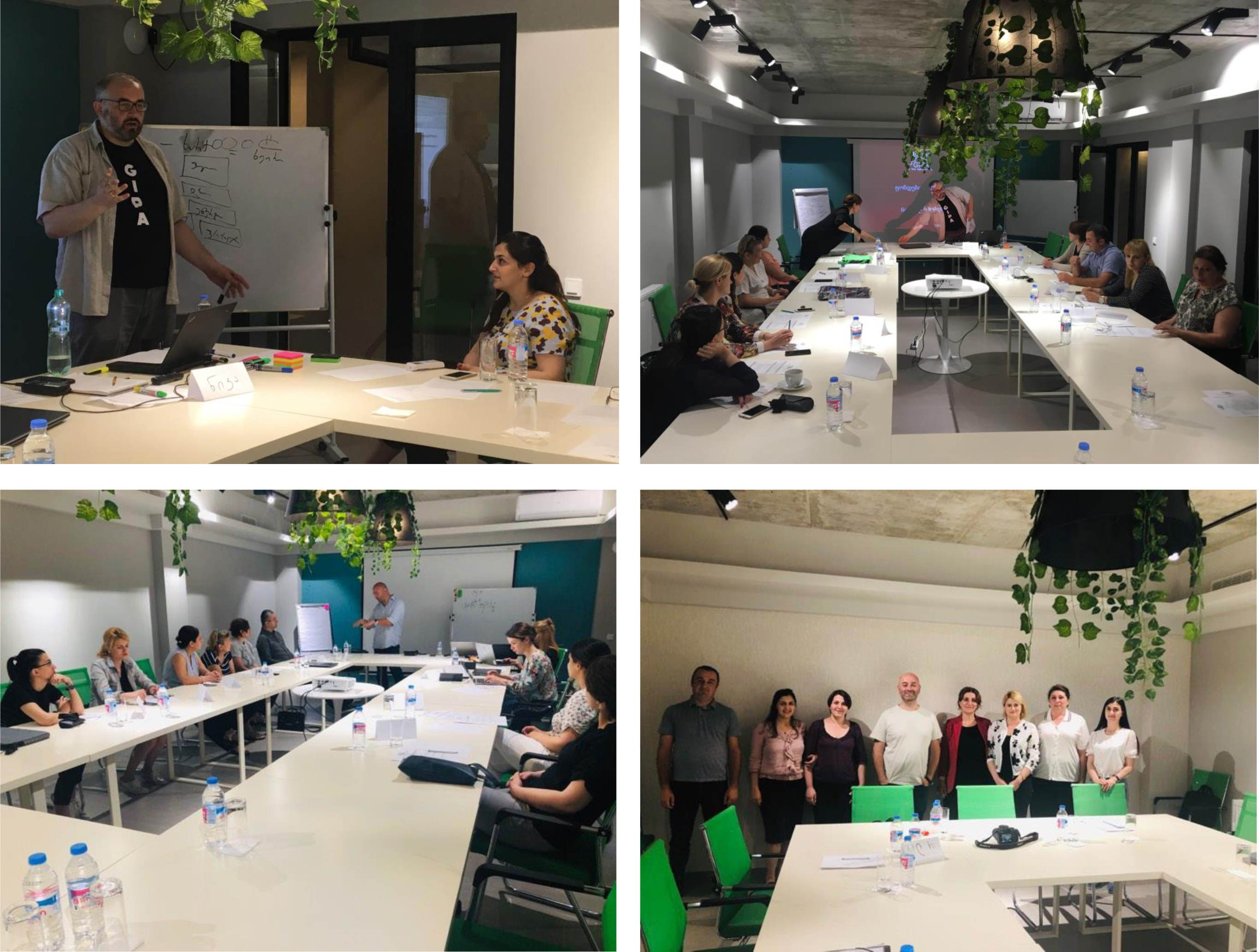
All the managers of the municipal Women’s Rooms and representatives of the Governor’s office in Kakheti region attended a training on Business Plan Writing and Fundraising held by the Georgian Institute of Public Affairs (GIPA) with ALCP facilitation. For three days George Turkia and Nikoloz Abuashvili, full professors of GIPA, explained how to transform ideas into real plans and where to find the money for them.
‘This was the most interesting training I have ever had. A lot of women are coming to my room with business ideas but I cannot provide help because of lack of knowledge. Now I am full of enthusiasm and ready to help them. It is also important for me that helping women with starting businesses in rural areas will be supported by the local government through the Women’s Room. We will make it happen’ – Bela Marukashvili, the Women’s Room Manager in Akhmeta municipality.
Background information: Twenty-eight municipalities of Ajara, Kvemo Kartli, Samtskhe-Javakheti and Kakheti have established free information-consultation spaces - Women’s Rooms to support women’s equal participation at local decision making fora and their economic empowerment. In 2016 the Women’s Rooms in Ajara pioneered to help rural women with applying to the government grant programmes and after a year the model was copied by Kvemo Kartli and Samtskhe-Javakheti as well. To date 88 women business start-ups have been funded through the Women’s Rooms in Georgia.
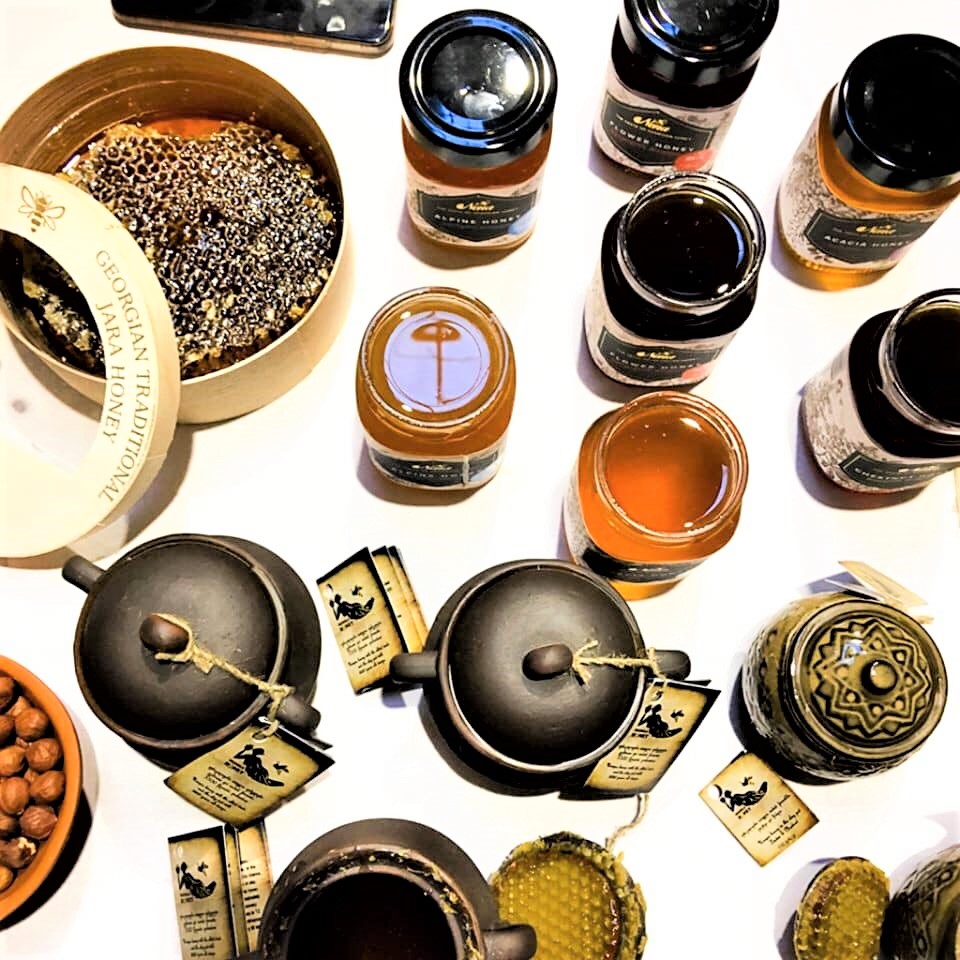
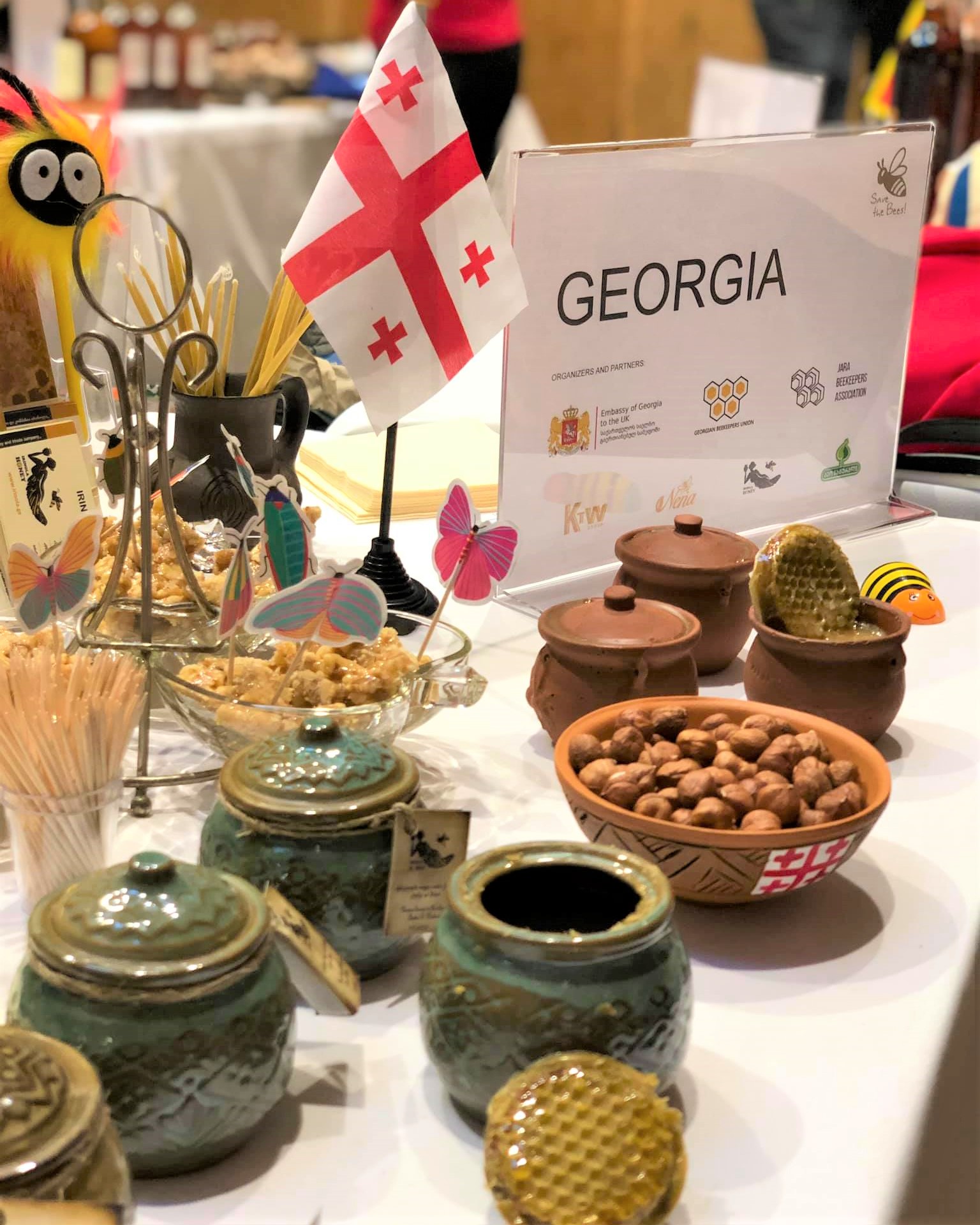
Honey and bee products of four Georgian companies were exhibited at the event WORLD BEE DAY COMES TO LONDON on 21st of May, in the Conway Hall by the initiative of the Embassy of Slovenia to the UK.
The Embassy of Georgia to the UK organized a stand for Georgian companies with the help of the Alliances Caucasus Programme, the Georgian Beekeepers Union, the Jara Beekeepers Association and the Georgia Chamber of Commerce and Industry. Georgian honey was well promoted by the Embassy.
Twenty-seven countries exhibited their bee products. More than 500 guests tasted Georgian honey; Chestnut and Jara honey were one of the favorites.
Photo source: The Embassy of Georgia to the UK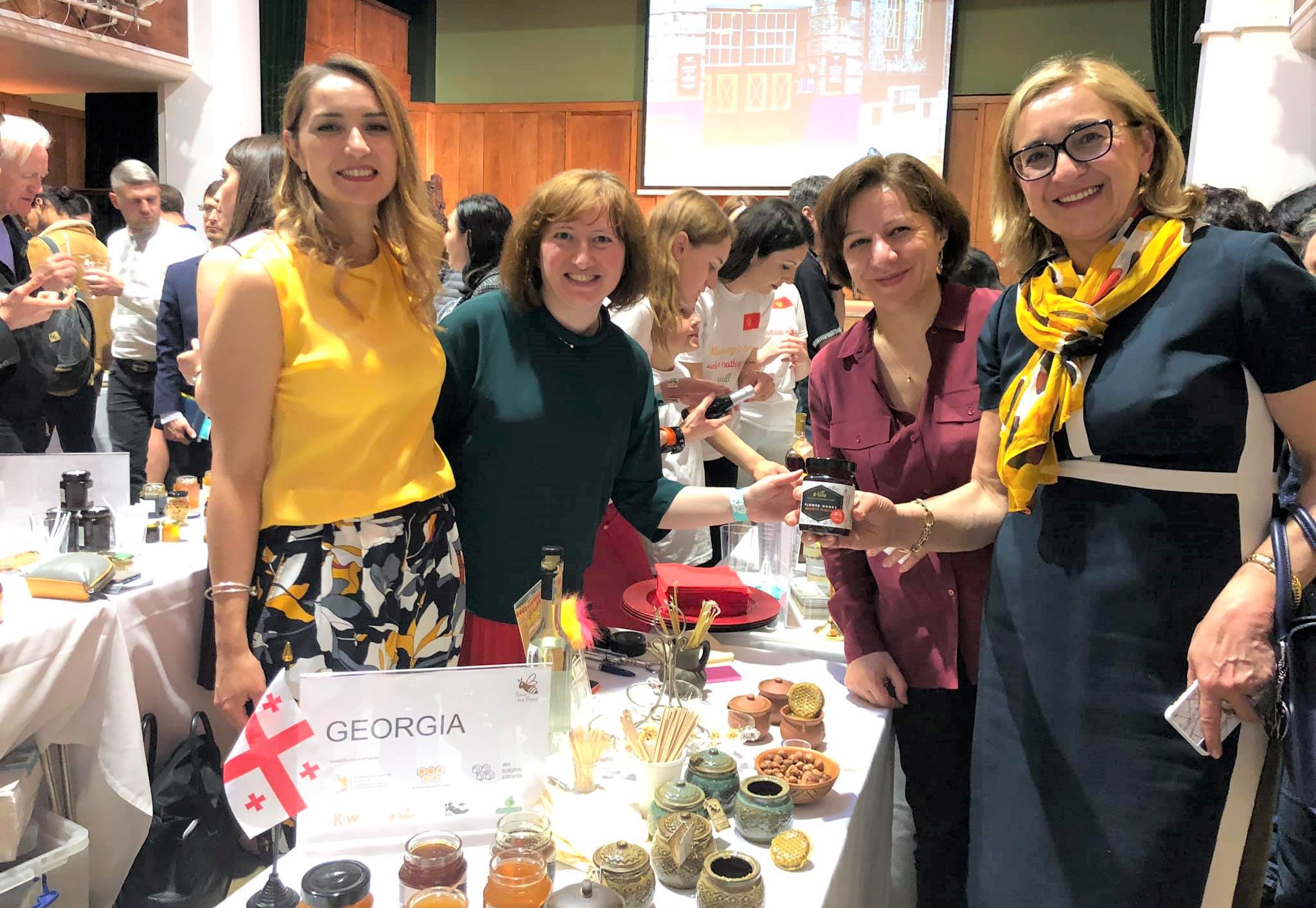
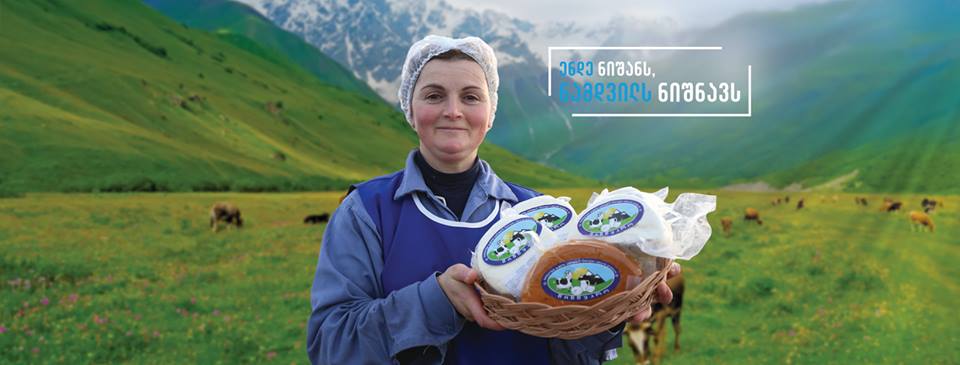
Seven dairy enterprises are using the Georgian Milk Mark: Milkeni Ltd Rustavi, KK; Tsintskaro + Ltd Tetritskaro, KK; Khiza Ltd Akhaltsikhe, SJ; Badri Gogoladze I.E Bolnisi, KK; Gocha Gagashvili I.E Telavi, Kakheti; Tsolak Grigorian I.E Ninotsminda, SJ; Karen Simonian I.E Akhalkalaki, SJ.
Six dairy enterprises are being audited: Imeruli Ltd Marneuli, KK; Zekari Ltd Terjola, Imereti; Tsezari Ltd Khulo, AJ& Tsalka KK; JTA Ltd Tsalka, KK; Ramaz Nazrashvili I.E Gori, Shida Kartli; Tanadgoma Gardabani, KK.
The products with the mark are available in Spar; Nikora; Zgapari; Fresco and Madagoni supermarkets’ chain.
Eleven additional dairy enterprises have already applied to use the mark.
Billboards of the mark are on Tsereteli Avenue, in Vake Tbilisi; Rustavi; Kutaisi and Akhaltsikhe.
Information per enterprise is uploaded on a www.georgianmilk.ge. This allows consumers to look up the products they are buying using a unique register number printed on the label.
GMA international marketing company has been conducting a national promotion campaign to introduce the mark to the public and retailers since the end of March. Facebook of the mark is active with more than 3,000 subscribers/consumers.
The Georgian Milk Mark is officially registered and serves to distinguish dairy products made from natural milk.
Follow the links on the Georgian Milk Mark: Ferma, Agrinews, Imedis Dila, Radio Marneuli, Marneuli TV, Georgiandairy.org, Agrokavkaz.ge, Interpressnews.ge, Ambebi.ge
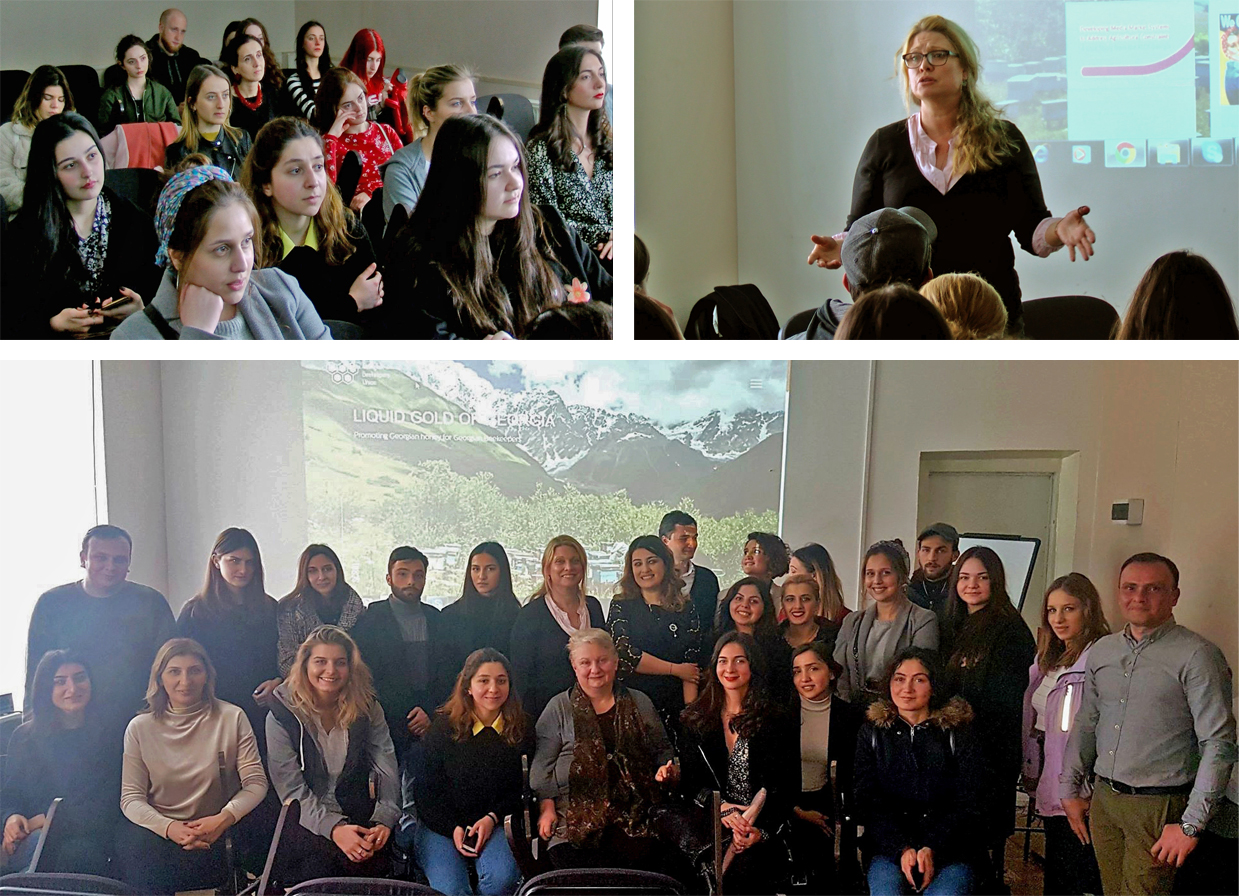
Up to thirty students of the agri journalism course at the journalism department attended a lecture given by the ALCP programme Team Leader Helen Bradbury in the state university. Agriculture and tourism; environmental protection, preservation and biodiversity; the honey, sheep and dairy sectors; Georgia’s rich cultural heritage and its main treasure - people/farmers with their strong traditions were the main themes of the lecture.
All the students highlighted that the lecture was inspirational, they did not know many things, found different perspectives of agriculture and environment and they will report about the themes in the future.
‘Agriculture is about people and you should do your work with your heart if you want people to be opened to you. Try to understand the process and choose your own path. Be different and always find something new that no one else can see.’ - Helen Bradbury, Team Leader of the ALCP programme.
Since spring fifty-three students have been learning agri journalism as a selective module for two hours/week, during the whole semester at the state university.
‘We see more and more reports about agriculture but it is not enough. Reporting about rural life, people and agriculture is very important and it is our and your responsibility to think about it and be more enthusiastic as you are future journalists or media managers.’ - Natia Kuprashvili, Head of the Journalism Resource Center.
Fourteen universities in Georgia, four in Armenia and one in Azerbaijan established or are establishing agri journalism module in their courses. 369 students have already studied the course.