From the ISET Economist news (http://www.iset.ge/news/?p=4633)
By Eric Livny

The “do no harm” (primum non nocere) principle is well known to students of medical schools. It is one of the most fundamental maxims in medicine, as formulated, for example, in the Epidemics book of the Hippocratic Collection:
“The physician must … have two special objects in view with regard to disease, namely, to do good or to do no harm“.
Doctors are taught that medical interventions are not risk-free. Thus, when facing a “problem” one should consider whether to use a particular procedure (e.g. surgery or chemical treatment) or do NOTHING.
Not surprisingly, this very principle has applications in many fields other than healthcare. And it is high time for this principle to be studied and applied in Georgian policymaking.
THE HARM OF OVERZEALOUS “HARMONIZATION”
Ever since signing the EU Association agreement in June 2014, Georgia has embarked on a spree of initiatives seeking to “harmonize” Georgia’s legislative and regulatory environment with EU’s acquis communautaire. The aim, so it appears, is to instantly transform Georgia into a European nation.
It all started on September 1, 2014, with the introduction of new VISA AND RESIDENCY REQUIREMENTS, modeled – so the Georgian public was told – after the best EU regulations, and intended to meet EU requirements as part of the visa liberalization process.
Within just a few months, several other pieces of legislation have been drafted and submitted to parliament (a few more may be in the pipeline without any knowledge on the part of relevant businesses and civil society stakeholders), allegedly as part of the harmonization effort.
- A new law onLABOR MIGRATION, submitted to the Georgian Parliament in early 2015, sought to prevent trafficking (a goal consistent with Georgia’s obligations under the visa liberalization plan), but also (Article 16) to restrict the ability of Georgian companies to hire badly needed international experts. Hard to imagine, but true! Thanks to a concerted communication effort by the Georgian business community, and goodwill on the part of the Ministry of Economy and Sustainable Development, Article 16 was swiftly removed from the draft law.
- Recent amendments to the Georgian law onBROADCASTING (Article 64 § 2) restrict sponsorships and limit advertising to 12 minutes per hour. The idea to reduce advertising time to somewhat more civilized levels is consistent with EU rules, yet Georgia seems to be in a particular hurry to tick off this harmonization box. Whereas the Association Agreement talks about gradual “approximation” over a period of 3-5 years, Georgian parliamentarians opted to dramatically accelerate the process by making these truly life-saving amendments effective almost immediately (as of April 1, 2015). Instead of creating harmony, this kind of fast-track overzealous approximation does not allow private broadcasters any time for adjustment, jeopardizing their ability to generate income, produce high quality content, and maintain independence. Unfortunately, suggestions by Rustavi 2 and other TV channels to stagger reductions in advertising time over several years have so far fallen on deaf ears.
- Yet another example of rushed legislation that appears to ignore the interests of businesses concerns the recent decision to increase EXCISE TAXES ON ALCOHOL AND TOBACCO as of January 1, 2015. The Government’s official aim was to increase budget revenues while harmonizing Georgia’s regulatory environment with that of the EU. Yet, the manner in which the whole process was rushed raises many questions. Georgian companies were not allowed any time to adjust their investment and production decisions, leaving them with excess capacity and losses. Furthermore, the level of excise taxes on alcohol was set at a level exceeding that of many European nations. This was decided without examining relevant demand elasticities, that is, the extent to which higher taxes will affect sales and budget revenues. In a country with rich traditions in home production of high quality alcoholic drinks (that are not subject to excise taxes), demand for alcohol is likely to be quite a bit more elastic than in most European nations. After all, Georgian consumers can switch to homemade wine or chacha, spelling doom for Georgian government’s plans to raise an extra 100mln GEL in excise tax revenue.
A COMMON PATTERN?
Taken alone, none of these legislative initiatives are particularly damaging for the Georgian economy. Georgian companies would have quickly acquired the ability to handle the extra layer of bureaucracy when bringing foreign experts and workers. Broadcasters will raise per minute prices for advertising and sponsorships, and advertising companies will learn to deliver their marketing messages in fewer seconds. Forced to pay higher excise taxes, Georgians will drink less beer and more wine. Breweries will adjust production volumes or export to Azerbaijan. The Association Agreement will be implemented ahead of schedule. At least on paper.
The problem with all these initiatives is that they represent a pattern of policymaking that is very different from the European ideal which Georgia is supposed to aspire to. And, taken together, they defeat the very purpose they are supposed to serve: bring Georgia into the European family of nations.
First and foremost, the manner in which these new regulation are enacted undermines Georgia’s reputation as a great place to do business. A key consideration for new investors is stability and predictability of the business environment. Countries may certainly change their internal regulations from time to time, but this should be done in coordination with the business community, while listening to companies and allowing them sufficient time to adjust.
Second, Georgian policymakers should learn to do much better homework before coming up with new laws and regulations. To do no harm, doctors may prescribe additional X-ray or blood tests. Policymakers can employ standard tools of applied economics analysis to simulate the impact of proposed regulations on tax revenues, GDP, income and investment levels, as well as evaluate associated corruption risks. While common in Europe, none of these tools are used in Georgia. Yet another good possibility is to move in small steps, conducting policy experiments and assessing their impact.
Third, unless dealing with urgent or complicated technical matters (such as Lari devaluation), Georgia’s policymaking process could benefit from greater participation by interested parties. Practically all EU approximation measures could and should be subjected to a lengthy and inclusive process of public consultations that would increase their chances to be politically accepted. In fact, such consultations are explicitly encouraged by the EU Association Agreement.
Last but not least, the hasty attempts to tick off boxes on EU harmonization may undermine the very process of Europeanization the Georgian government is trying to promote. The use of the Association Agreement as a smokescreen for passing dubious laws not only harms Georgia’s immediate economic interests, but also plays into the hands of those political forces that aspire to bring Georgia back into the Russian fold.
* * *
The other day, I heard Giorgi Kadagidze, the governor of the National Bank of Georgia, speaking about the need for Georgia to grow at a faster pace, and how faster growth is predicated on the government’s ability to implement painful and costly adjustments. The kind of “second-generation” structural reforms envisaged by governor Kadagidze would take time to implement. Until then, however, there are many things the Georgian government could STOP DOING. In this way the government would save taxpayers money, save itself the embarrassment of backtracking and apologizing, and save Georgian businesses the nervous energy and resources that could be put to more productive uses.
It is time for the Georgian policymakers to learn the Hippocratic principle: do no harm!
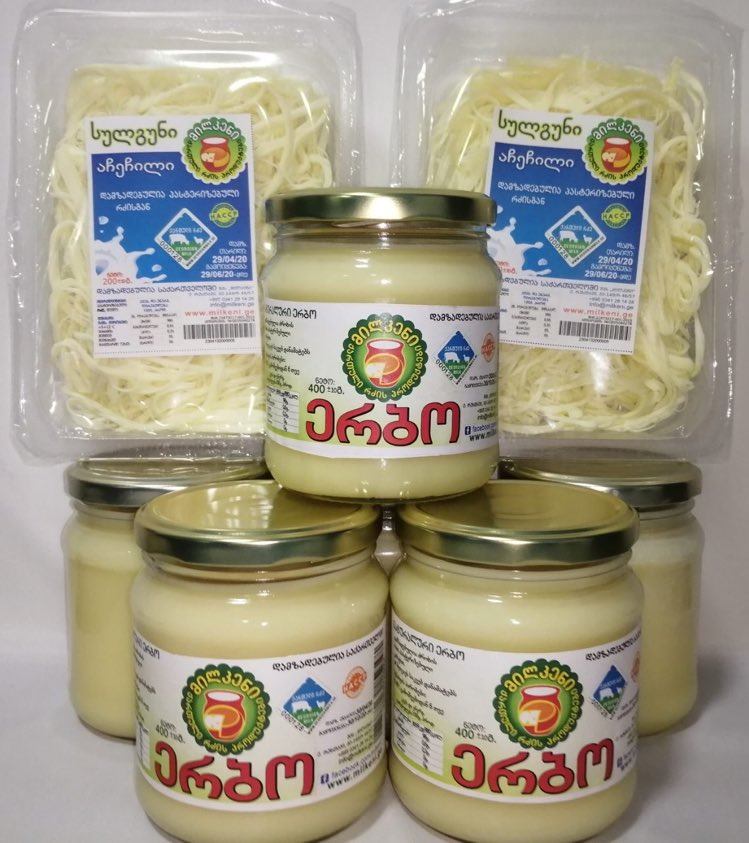
Referred to as Liquid Gold, for its color and perceived health benefits, Erbo the Georgian word for melted butter is a well-kept secret in Georgia. Traditionally made at home Erbo is much used in local traditional cuisines. Butter is an important fat in Georgia, very common in Azeri cuisine and in mountainous regions where both the harsh winter climates and distance from markets increased the importance of butter which can be stored, in communities dependent on dairy farming.
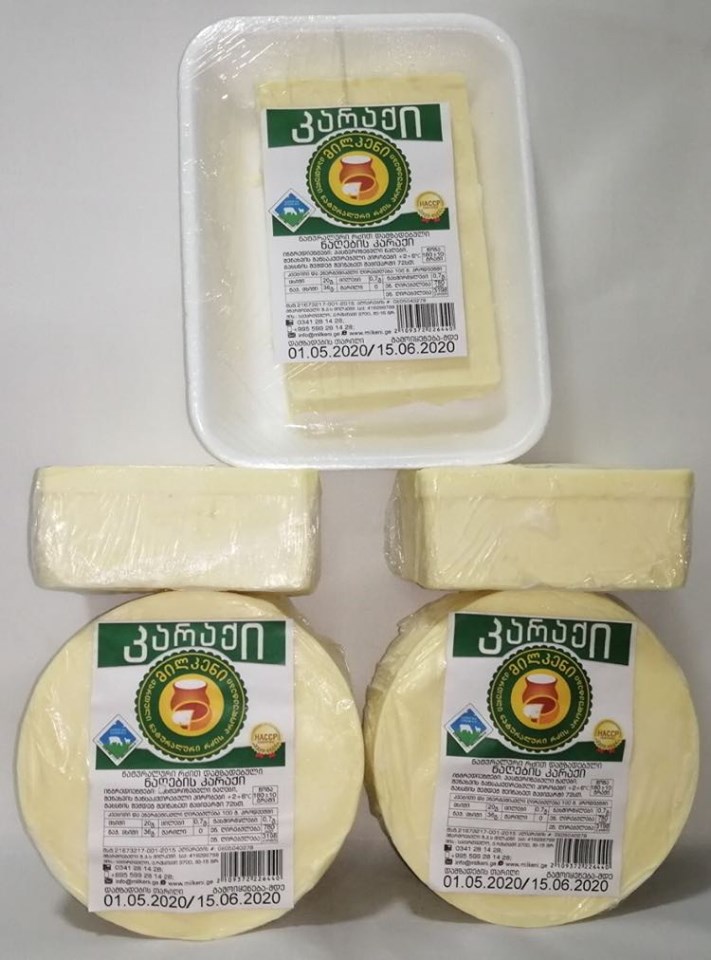
Now thanks to Milkeni Ltd who have started to produce and sell Erbo as part of their products made under the Georgian Milk Mark, quality assured Erbo is now available commercially for the first time in Georgia in Madagoni and Libre supermarkets chains. Interest and demand is growing rapidly.
Of all regions, perhaps Ajara is most famous for its use of Erbo. Most traditional Ajarian dishes contain Erbo. Borano is a dish of melted butter containing traditional Chechili cheese, a dish which been awarded the status of Intangible Cultural Heritage and Khavitsi a sauce made with flour and Erbo.
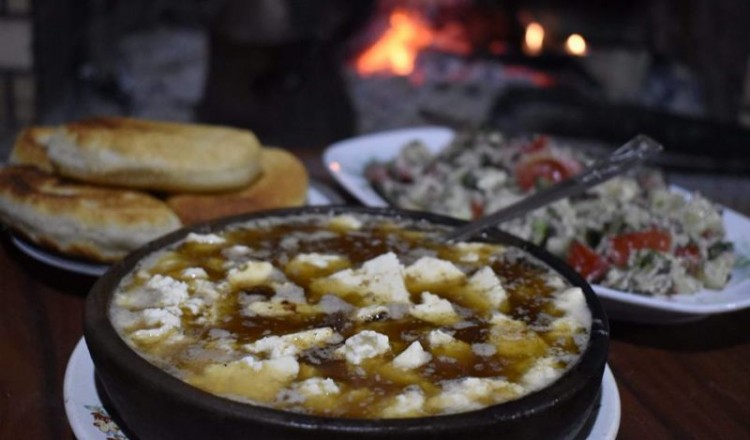
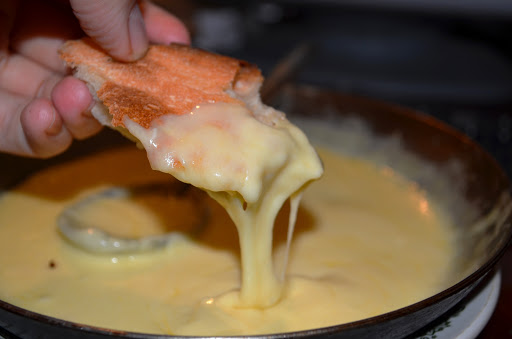
So what is special about Erbo? People believe that it is a healthy fat, processed differently and beneficially in the body and is well absorbed in the human body; it does not contain lactose and casein, so it is recommended for those with lactose intolerance. Mountain people believe Erbo boosts metabolism and energy, improving brain function, memory and their immune system.
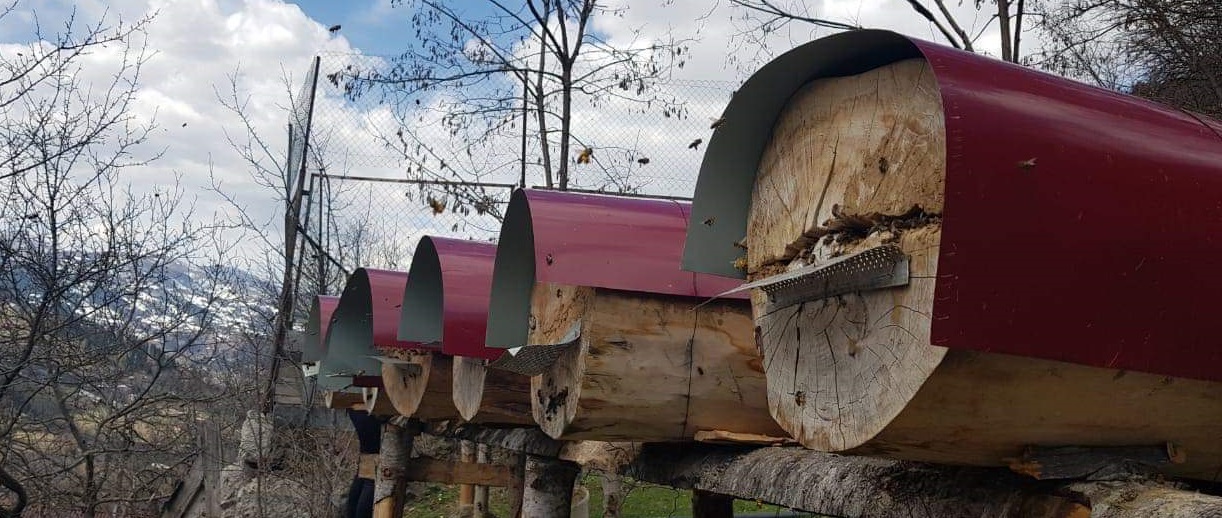
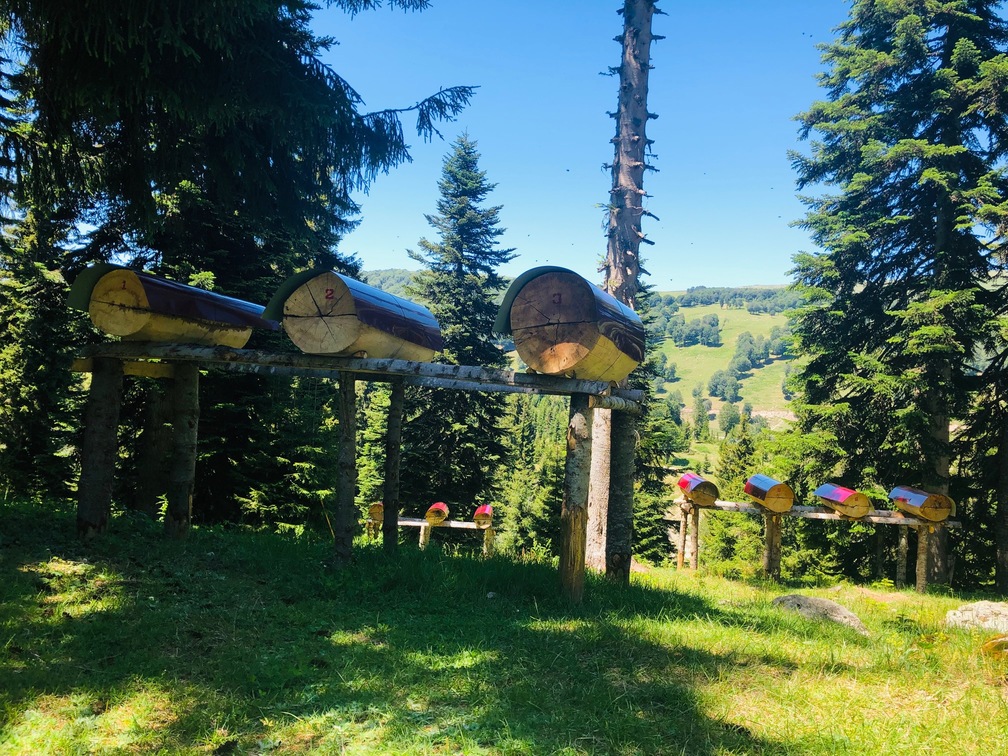
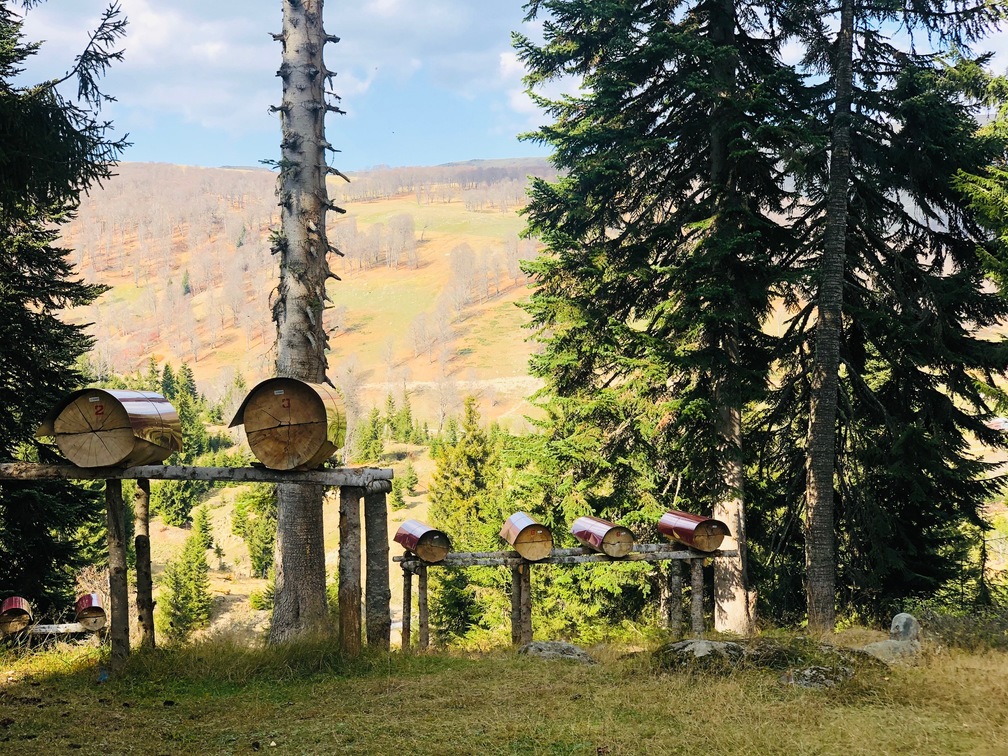
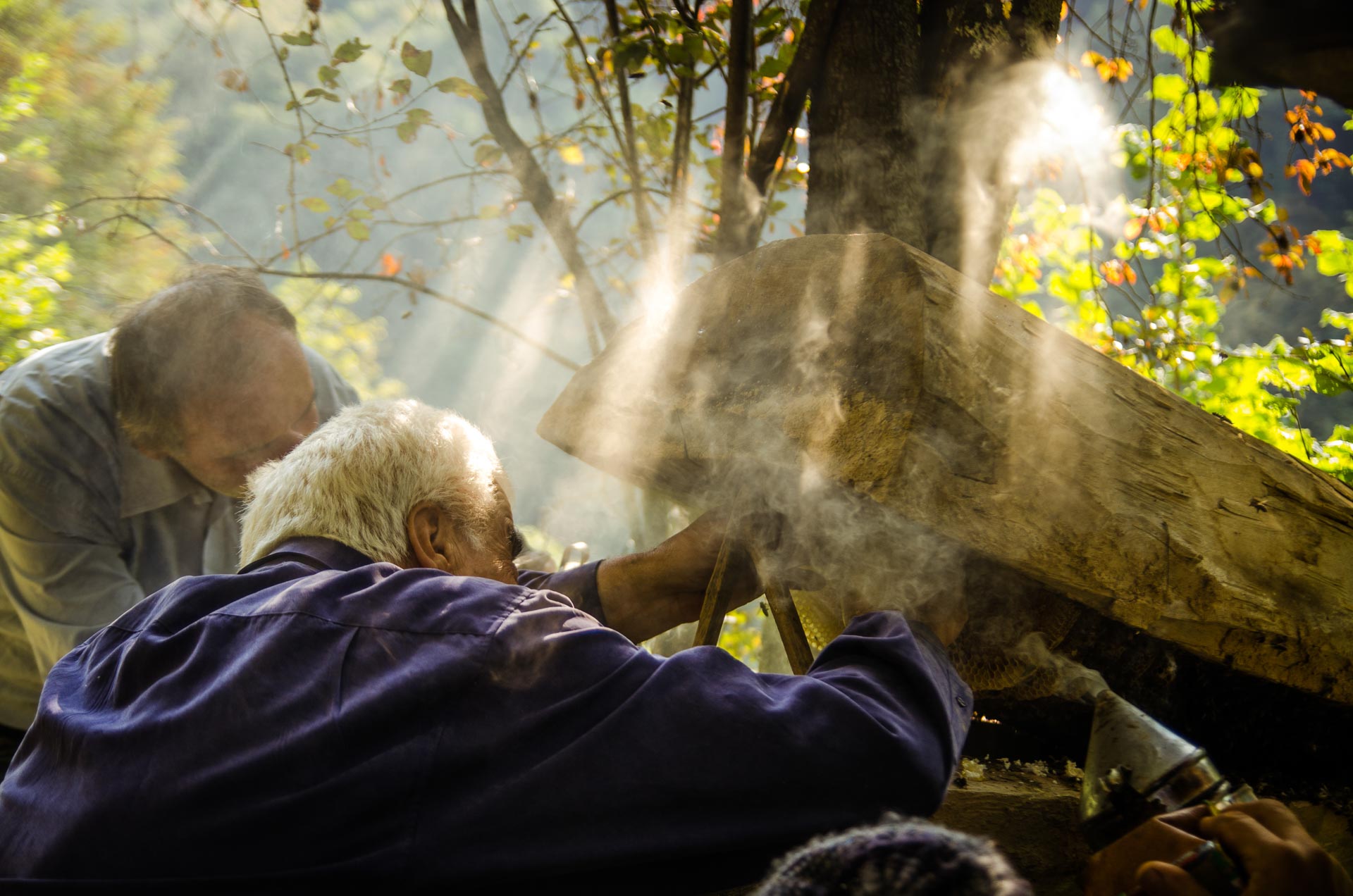
In summer 2019, ten new Jara hives were placed in the Goderdzi Alpine Garden (GAG), Jara Beekeeping area, an area which aims to publicize Jara beekeeping and teach people interested in taking it up. With the help of the Jara Beekeepers Association (JBA) they were moved for wintering to Paksadzeebi Village in Khulo last autumn. Last week, all the hives were checked and fortunately, all the bee colonies are alive and working productively.
This Jara apiary is currently undergoing the Bio certification process and is due to obtain certification in July this year. It will be moved back to the GAG (Goderdzi Pass, 2000m above sea level) in May and be the focal point of Jara beekeeping workshops for school students and garden visitors.
The Goderdzi Alpine Garden is a tourist and environmental hub in the rural part of Ajara, Western Georgia. It involves and develops a sense of ownership for rural inhabitants in the field of biodiversity and environment, showcases the beauty and ecological assets of rural Ajara and generates added value from rural tourism for locals.

The Government of Georgia declared a curfew on March 30th, 2020 to restrict the spread of the COVID-19 virus which imposes restrictions on the movement of transport from 9:00 PM to 06:00 AM. However, producers and distributors of key commodities may apply to the Ministry of Environmental Protection and Agriculture (MEPA) for a permit to continue distribution. The Business Institute of Georgia (BIG) is currently helping GMM dairies to apply for this permission.
To gain permission follow these instructions:
- A producer/distributor should contact the MEPA on the hotline number - 247 01 01 or 1501 - and provide information about their activities and the need for permission.
- The MEPA will send the applicant an email address and an application form to send to this address. The application form requires information about the distribution driver (ID number, name, surname, date of birth, phone number, workplace and title) and distribution car (registration number of vehicle, brand, model, type, ID number of a company who is the owner of a vehicle, a type of business).
- The MEPA will respond to the company about issuing permission.
- After that, the company should call the Emergency Number 112 and check whether the information about the distribution car and driver is listed in the Ministry of Internal Affairs database.

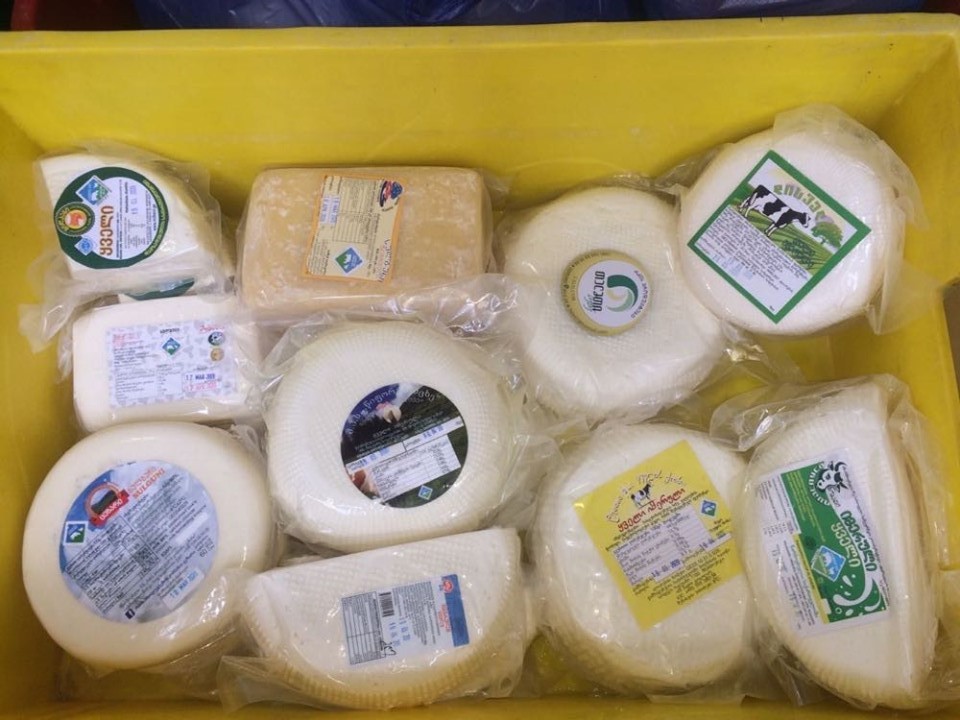
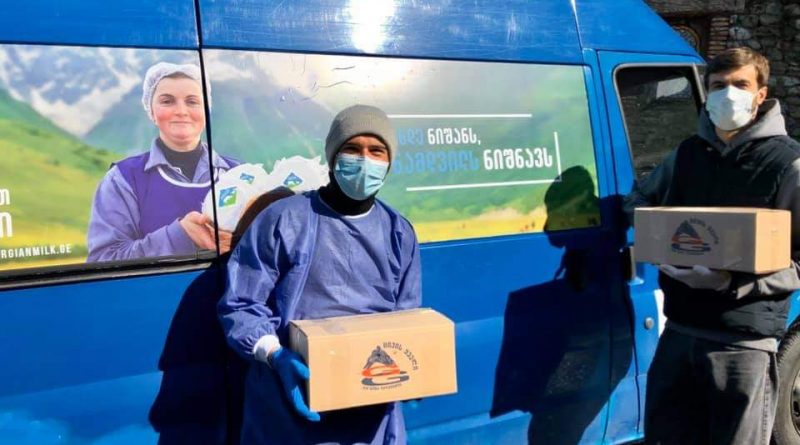
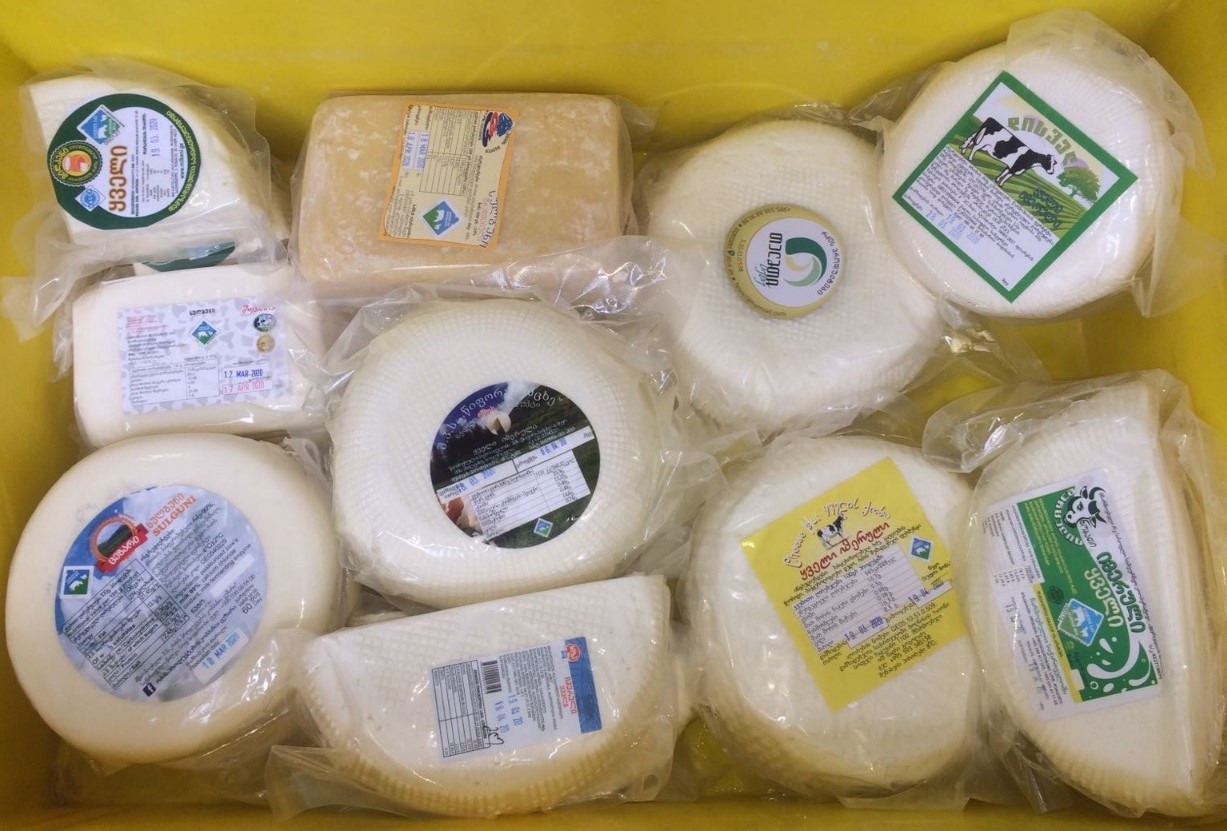
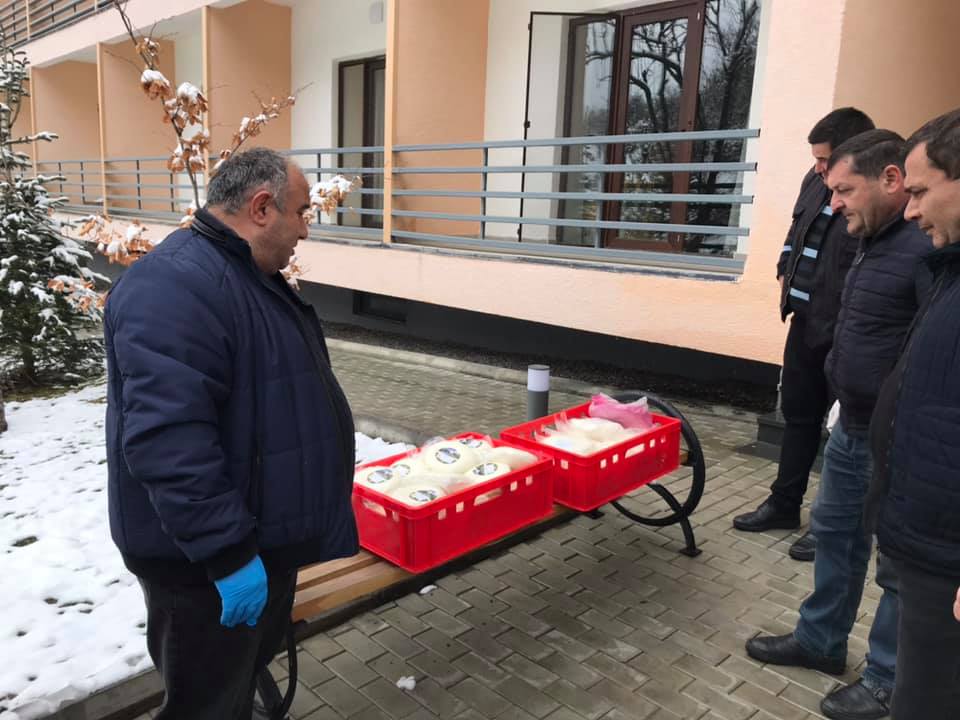
Amidst the negative news and stories of unthinking behaviour, some stories have emerged globally of people and business who have responded to the crisis with kindness and generosity. These stories fill all of us with a sense of hope and comfort in our ability to work together. So we are delighted to be able to share the stories of some of the ALCP clients who have been contributing to the common good over the past week:
Roki Ltd, the largest veterinary input supplier and producer in Georgia, has started the production of a new hand sanitizer Septer as a response to increased demand. Supplies sold out in a day to banks, the Ministry of Education and clinics and there is a new order for four tonnes of Septer from the government. The company closely cooperated with the government in developing the product trying to use its resources for the benefit of all;
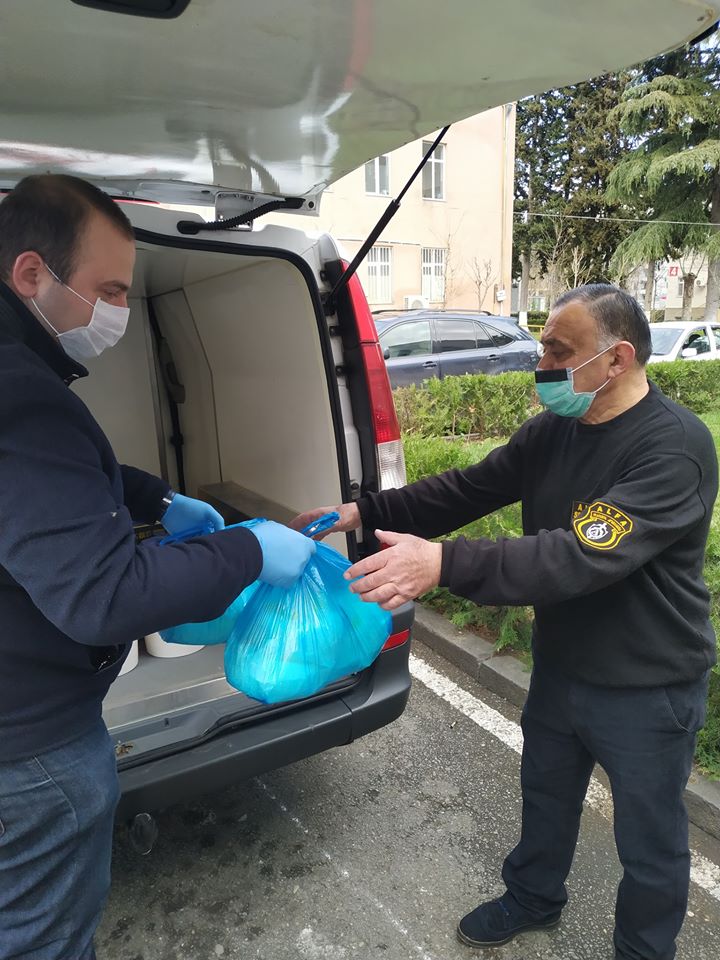
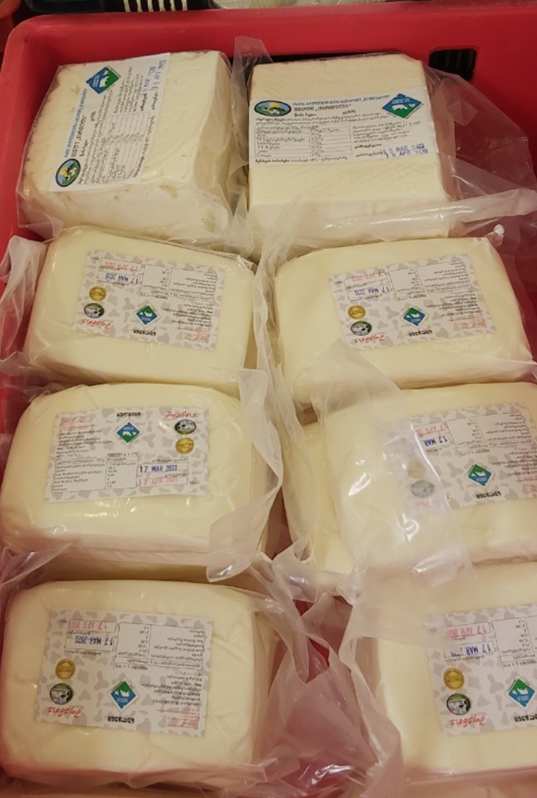
A GMM cheese distributor has organized the collection of cheese from eleven Georgian Milk Mark dairies: Milkeni, Tsintskaro +, Cheese Hut, Shuamta, Tvisis Kveli, Tsifora –Samtkhe, Tsezari, Coop. Khiza, Coop. Disveli, Teleti Ltd, I.E. Hakob Hambaryan and distributed it to theInfectious Diseases and AIDS Center in Tbilisi to support medical staff during the outbreak;
GMM dairy Tsipora Ltd in Samtkhe-Javakheti has supplied cheese to the Abastumani Lung Center.
Tsivis Kveli Ltd Kakheti brought cheese to the hotel Chateau Mere in Kakheti - for those under quarantine;
The Georgian Beekeepers Union initiated the collection of honey from local beekeepers across the country to supply people in vulnerable groups.
The KTW group offered the government the use of their forty-one rooms hotel-complex Akhasheni Wine Resort &Spa, for arranging a quarantine zone in Kakheti region.
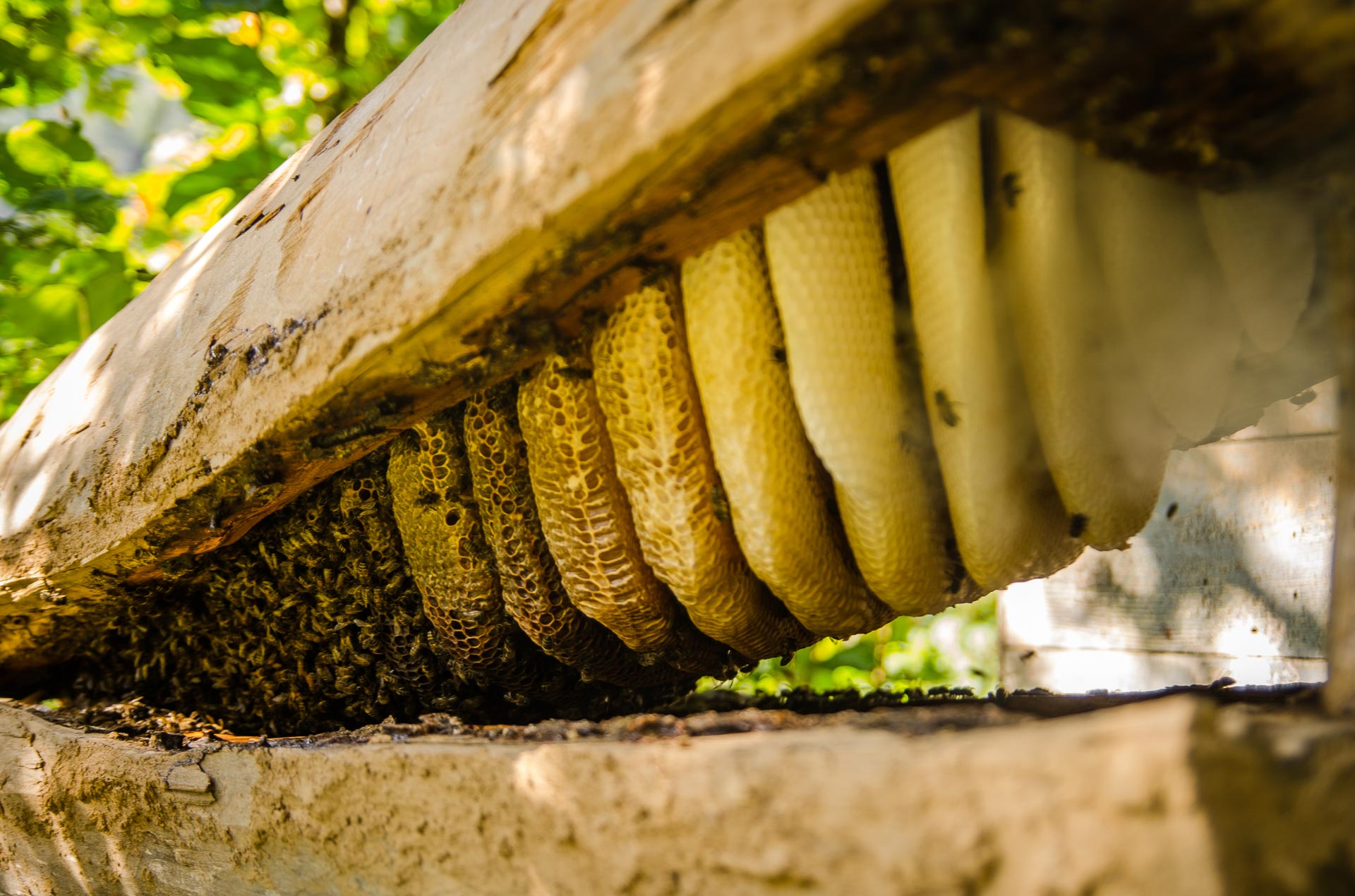
In a country first, eighteen Jara beekeepers in Ajara have received Bio certification. Jara honey was not even commercially harvested and branded until 2018, however the market for the honey has proved its strength so successfully that the beekeepers saw the opportunity to further promote their product through bio certification.
The conversion was relatively simple and certainly achievable as Jara honey is based on the capture of wild swarms and is relatively hands off. Since November 2018, the Jara Beekeepers Association (JBA) has been facilitating training and on-site recommendations; it also provides treatment of hives with a Bio vet medicine and special equipment for the mentioned Jara beekeepers. The beekeepers now follow the bio requirements; including keeping records, better husbandry, use of bio vet medicine. This allowed for smooth journey through the minimum one-year conversion period for certification.
Caucascert, the only organic certification company in Georgia issued the internationally recognized Bio certificates after laboratory results and field checks, which did not show any incompliance.
‘I am very proud that I was able to get Bio certification. It was challenging, as I did not have any kind of information before, but support from the JBA was crucial. I can already see the outcomes, because the process already contributed to minimizing disease risk and increase productivity of a Jara hive by thirty percent’ – Bio certified Jara beekeeper from Keda municipality.
Six more Jara beekeepers, including the Jara apiary in the Goderdzi Alpine Garden, are currently undergoing the certification process and might obtain certification by the end of this year.
The Jara honey mark was registered in February, 2020 and both its production and the market for it, including export is growing. More details on Jara honey to be found on www.jarahoney.com.
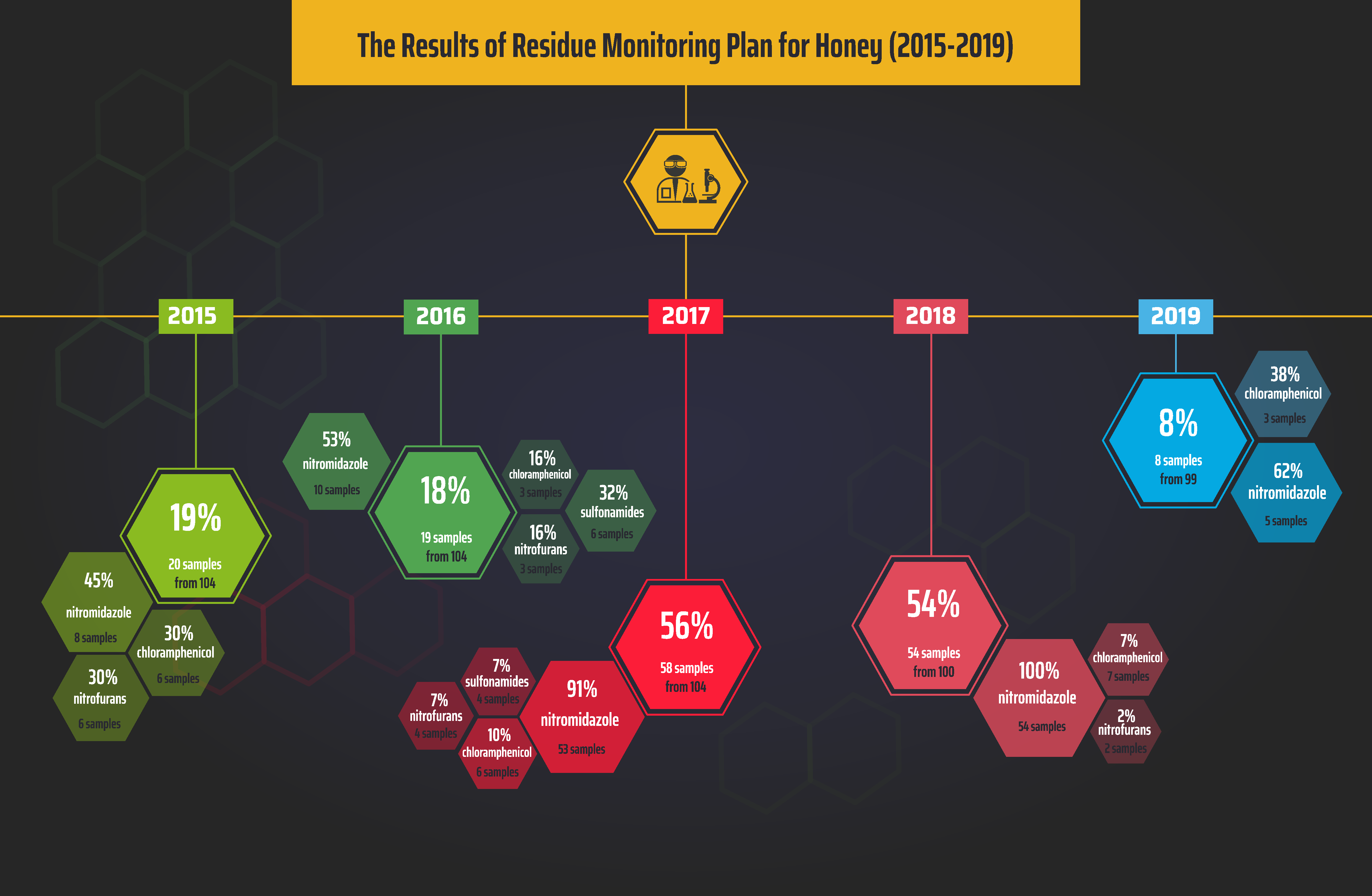
As part of the agreement which allows Georgian Honey to be exported to the EU, the government annually carries out a Residue Monitoring survey. Worryingly high residues of prohibited antibiotics were found in previous years (see infographic below). 2019 however saw national information campaign carried by the Georgian Beekeepers Union, who developed and disseminated Do’s and Don’ts Antibiotic Use Infographic and facilitated breakthrough legislation adopted by the Government of Georgia, which prohibits registration of the beekeeping vet medicines containing restricted antibiotics, among others. As a result, this year, only eight percent of honey samples tested positive for prohibited substances, compared to fifty-four percent of the last year, according to the Residue Monitoring Plan results, made by the National Food Agency in the BIOR laboratory in Riga, Latvia.
It is a significant achievement for Georgian honey export opportunities and expanding markets.