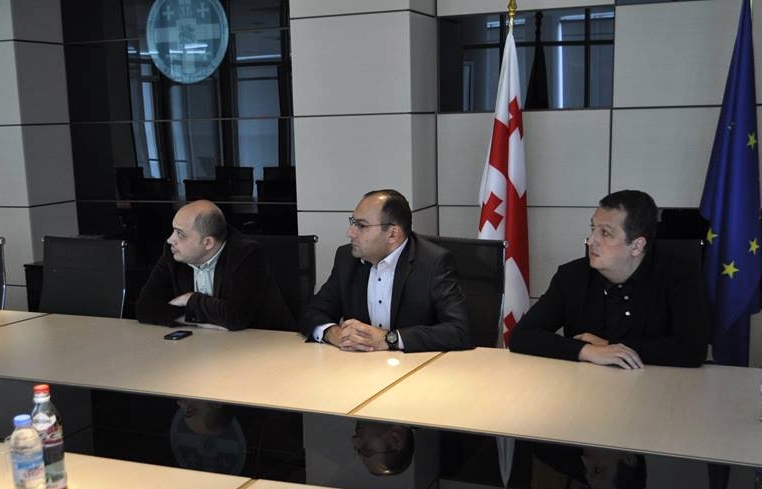
For scaling up DRR facilitation of Local Self Governments by the programme the meeting was held with the Governor of Kvemo Kartli - Ramin Ismailov. In 2012-2014 the programme facilitated creation of Municipal Working Groups on Animal Disease Control and Disaster Risk Reduction in Dmanisi, Tetritskaro and Tsalka municipalities as a mechanism for reducing livestock related disaster risks at municipal level. In the phase II the programme intends to scale up its facilitation regarding DRR by extending this model in three other municipalities of Kvemo Kartli. The purpose of the meeting was to engage the Governor’s office in this process by transforming it into a regional model.
“The Governor’s office now is responsible for imposing the veterinarian quarantines but we don’t have any mechanism to monitor how it is carried out by the local self-governments and the NFA. I think that we could adopt the proposed model and create an Animal disease Control and Disaster Risk Reduction Regional Board which will coordinate the Municipal DRR working groups,” – the Governor stated.
Also at the end of the meeting the Governor raised an issue regarding an increased incidence of rabies cases in Kvemo Kartli.
“Currently we have the problem in regard to frequent cases of rabies in Kvemo Kartli and we will be grateful, if you help us to overcome this problem by providing proper expertise of situation and recommendations,” – he said.
As a result of the meeting the sides agreed that they will continue cooperation by making concrete plan for setting up the Regional Model for disease & disaster notification, control and reporting, which will push in the process of preparation & planning and mitigation at local self-government’s level. Furthermore with facilitation of the programme the Governor’s office will contact the local self-governments in the region for ensuring that above mentioned working groups were established and work properly.
Georgian Honey under Nena brand has successfully entered the Hong Kong market with a repeat order received soon after the first one. Hong Kong is the new market for Nena honey following USA, Canada, Japan and UAE.

Three Georgian honey producers received Silver Quality Award in the quality category at the London International Honey Awards. These companies were supported by the Embassy of Georgia to the UK and the Georgian Beekeepers Union (GBU) to participate in this prestigious competition in London for the first time among 290 honeys from 20 countries.
The purpose of the LONDON HONEY AWARDScompetitions is to inform honey-growers, honey producers, beekeepers, processors, and retailers, who distribute their standardized products legally, to preserve and to ameliorate the quality of their branded product by promoting high-quality honey products in every aspect of the spectrum of its use and consumption.
The awarded Georgian honey producers are Nena Chestnut Honey / KTW, Nena Jara Bio Honey / KTW, Ninotsminda Honey (Alpine) / Cooperative KODY and Chestnut Honey / Rukhi Queen
You can see here the post of the embassy on Facebook.

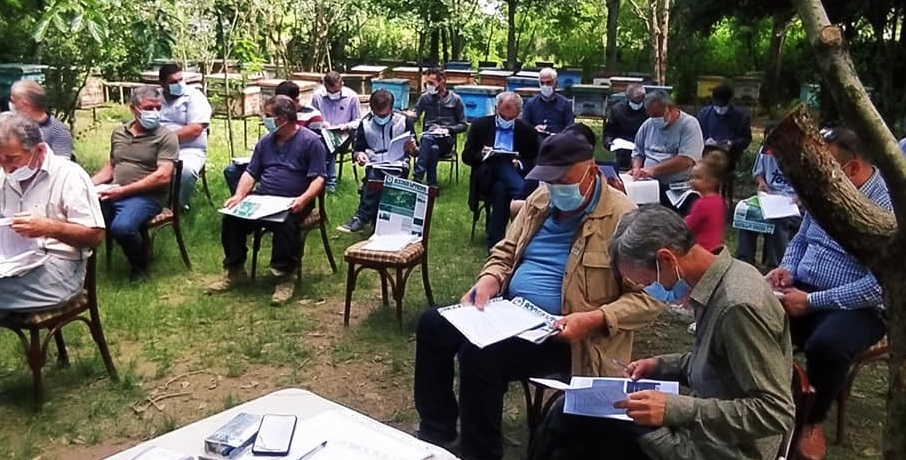
On May 27th-28th, more than two thousand beekeepers in all regions of Georgia attended a training on bee treatment practices as a response to the massive bee colonies collapse this year. The Georgian Beekeepers Union (GBU) initiated and advocated the first nationwide trainings with the Rural Development Agency (RDA) based on the online research data gathered. The GBU developed a trainer’s handbook and Varroa Treatment guideline, which was translated and available for Azerbaijani and Armenian beekeepers; and delivered a Training of Trainers for eighty-five beekeepers.
‘Beekeepers received important information about new methodology how to treat Varroa. This was the first training organized in coordination with the GBU, which is the main actor in the beekeeping sector and our collaboration will continue.’ – Lasha Shalamberidze, the Head of the Regional Relations Department at the RDA.
‘I think, a key outcome of these trainings is that our Union expanded its team across Georgia. We now have the representatives in each municipality and we will continue teaching and delivering important information to the beekeepers.’ – Aleko Papava, the Head of the GBU.
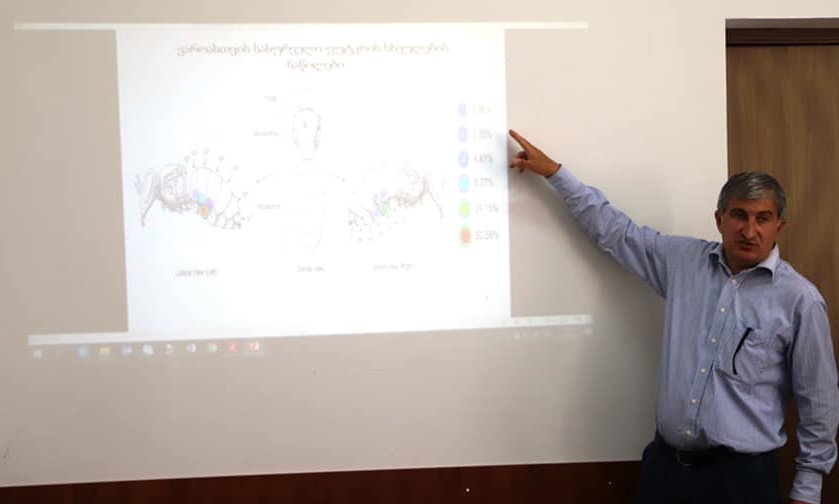
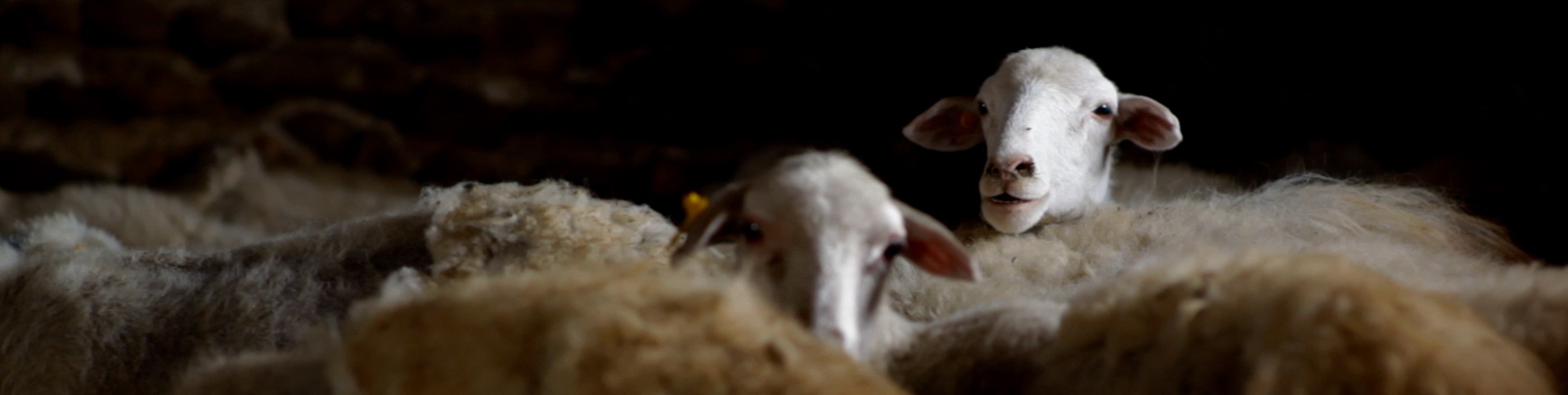
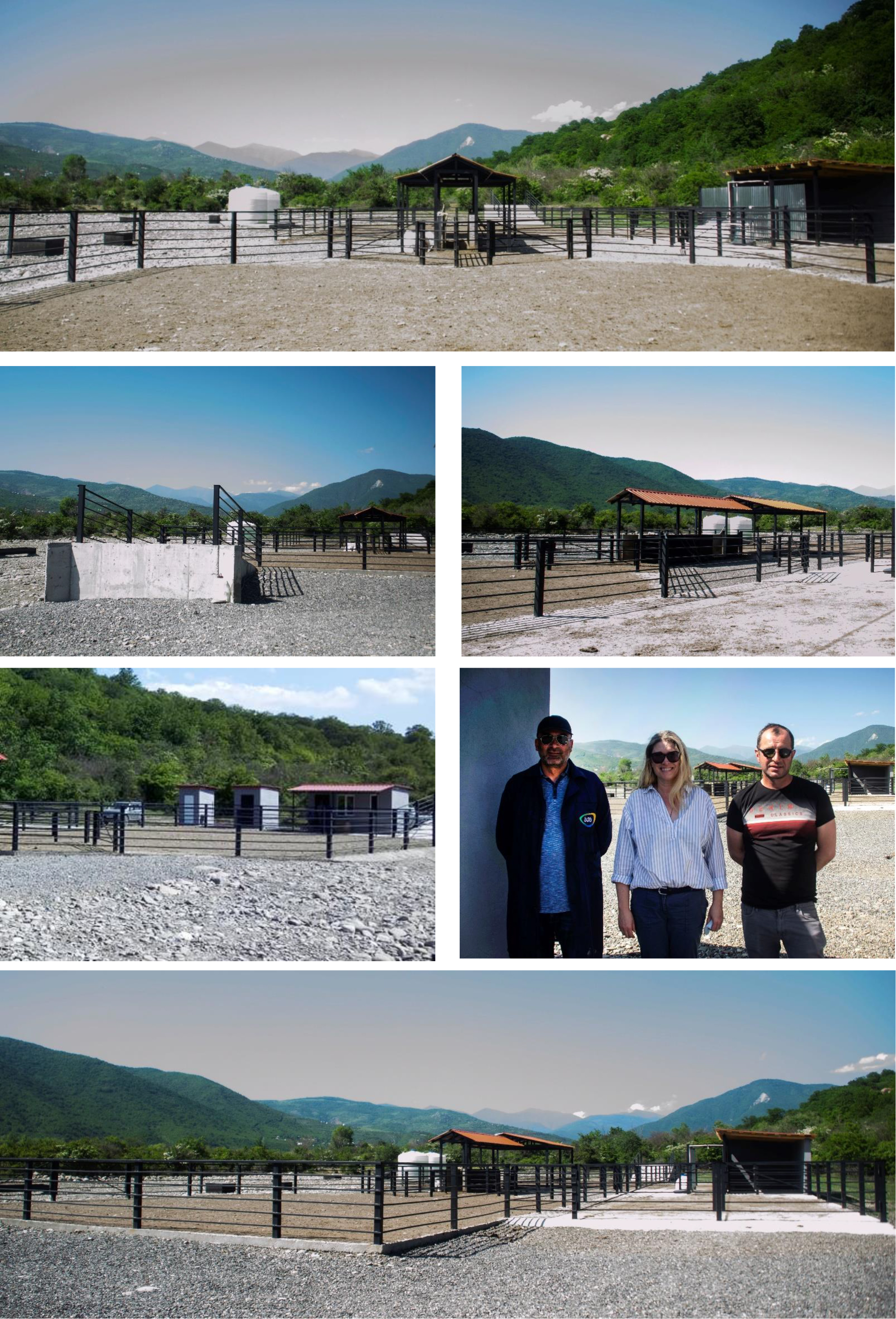
A seventh Veterinary Surveillance Point (VSP) of the National Food Agency (NFA) opened recently in Dusheti municipality to serve nomadic farmers migrating on the north part of the Animal Movement Route of Georgia. This is the first and the only VSP in Mtskheta-Mtianeti region, where disinfection of sheep and cattle against ecto-parasites is provided by the State. Up to 100,000 head of sheep will be dipped there during every transhumance season, free of charge.
The point was constructed by the NFA following the petition of shepherds from the region at the ALCP’s 11th Advisory Committee meeting and was approved by the Minister of Environmental Protection & Agriculture – Levan Davitashvili in March 2019, based on the positive benefits of the existing points.
In 2015 the VSP model was created by the ALCP commissioned British livestock expert Edward Hamer and an MOU was signed between the Ministry of Agriculture, the NFA and the ALCP to construct six VSPs, two of them were financed by the programme and four by the State. In 2016-2018 all six points were finalized and opened. This year additional water points were also opened on the route. The VSP’s record and monitor the nomadic sheep and cattle population and underpin Georgia’s credibility in livestock export markets.
As Dick Whittington found out the London streets are not literally paved with gold. However four Georgian honey companies are participating in a celebration of the liquid kind. The London International Honey Awards held from May 30-31st, have two main award categories: quality and design, and feature honeys from all over the world, from Canada to the Mediterranean to New Zealand and everything in between. Competition is fierce. The four Georgian honey companies, Nena, Rukhi Queen, Honey and Irinola Company and Cooperative Kodi, were supported to participate by the Embassy of Georgia to the UK and the Georgian Beekeepers Union (GBU).

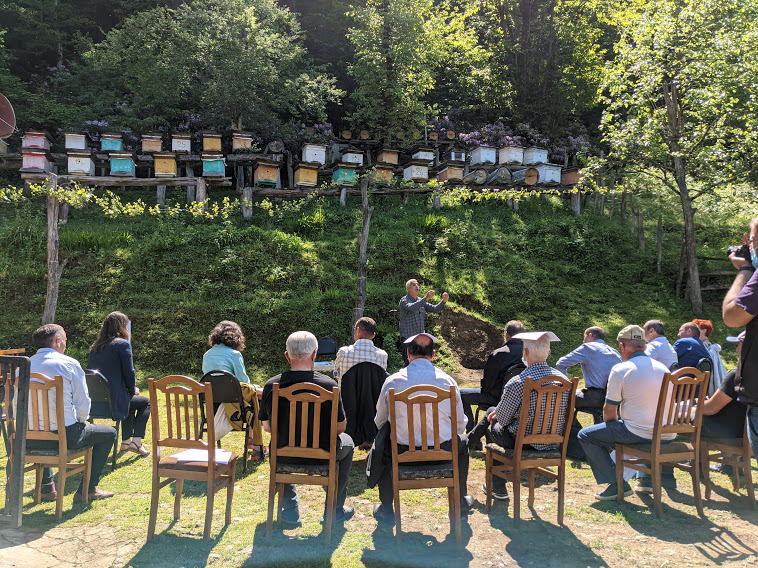
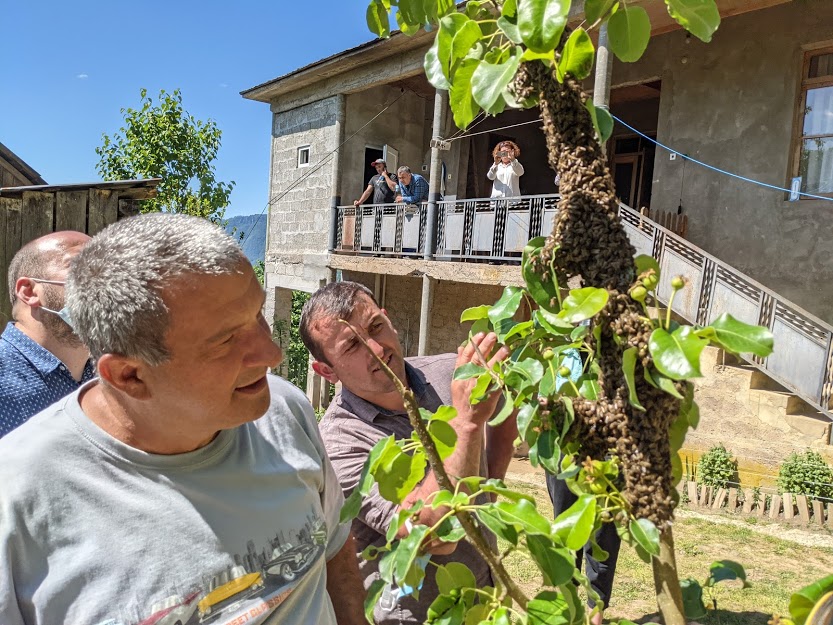
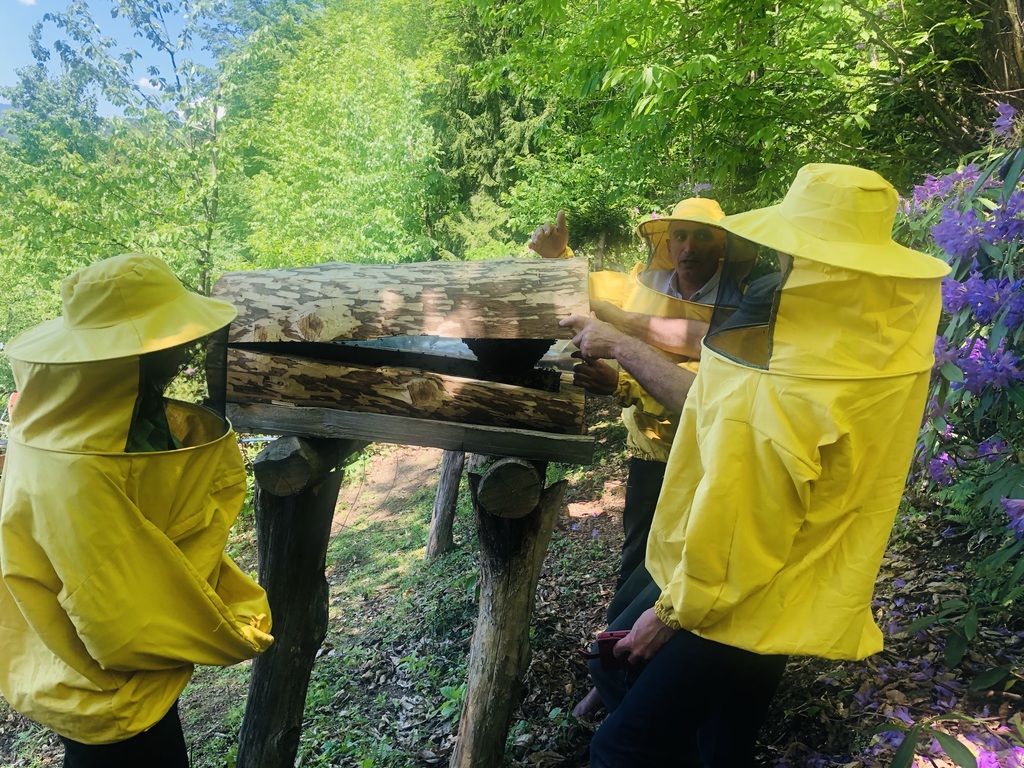
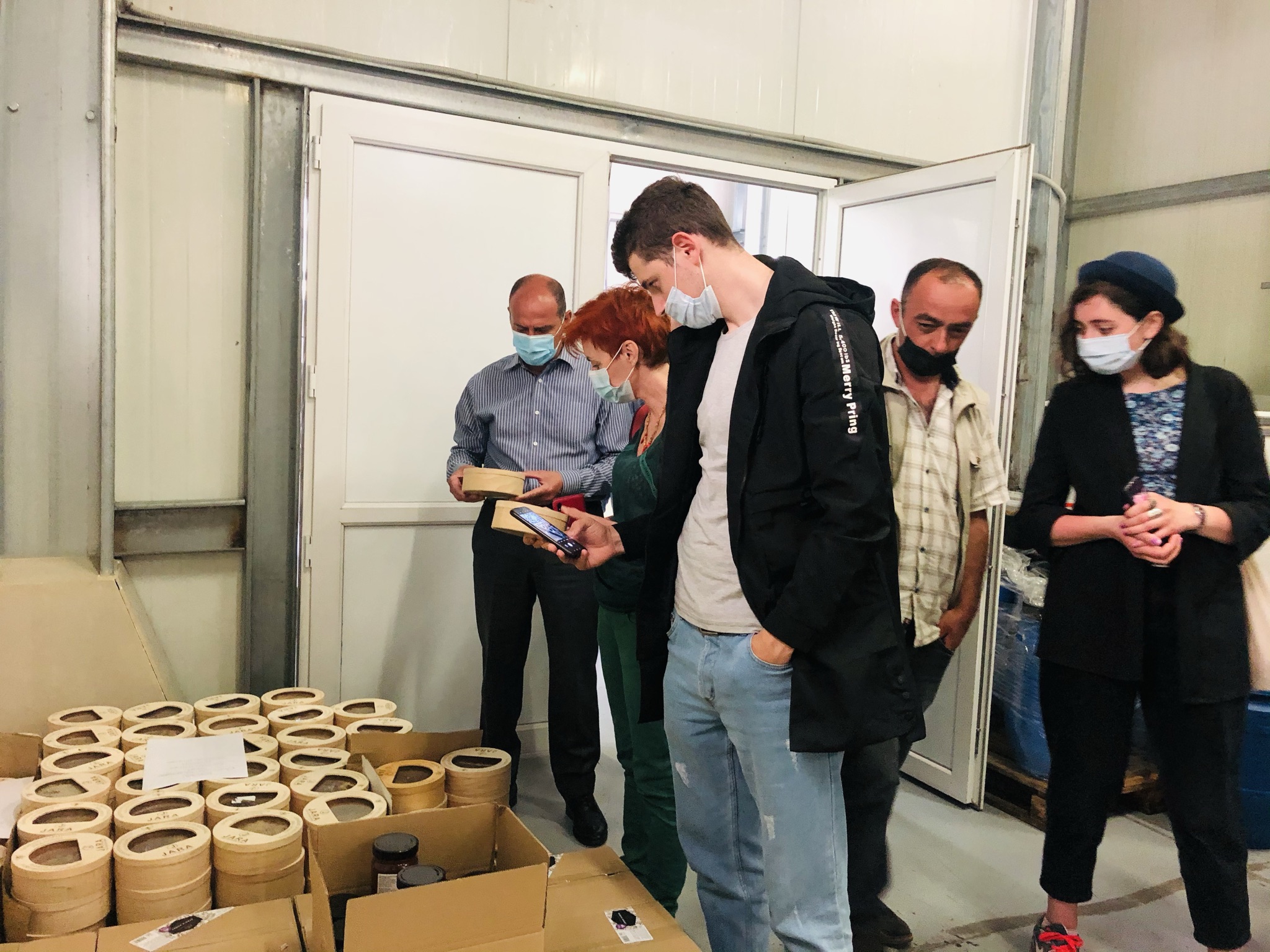
On May 18th-19th, twelve VET college representatives from seven regions of Georgia attended a Training of Trainers in Jara Honey Production hosted by the Georgian Beekeepers Union (GBU) and the Jara Beekeepers Association (JBA) in Keda, Medzibna Village.
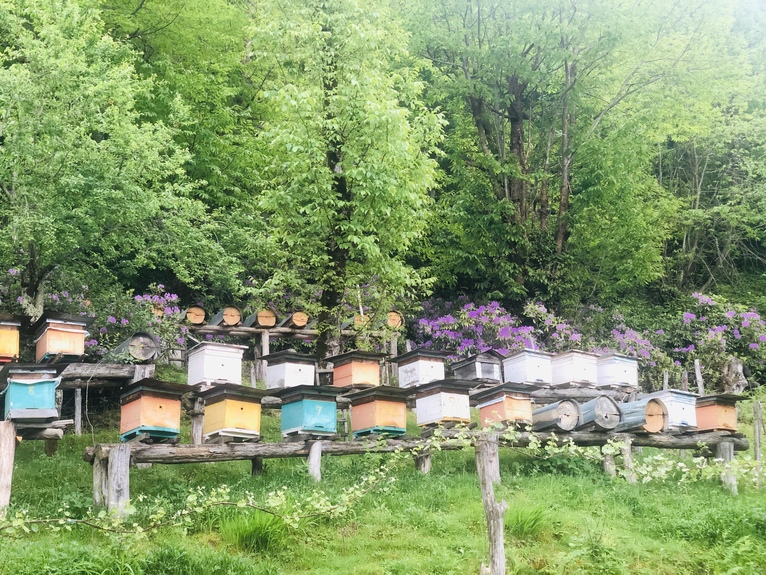
The trainees learnt how to teach beekeeping students Jara honey production and how to obtain Bio certification. They also visited a Bio certified Jara apiary and the Agro-Keda factory to see the process of Jara honey processing and packaging.
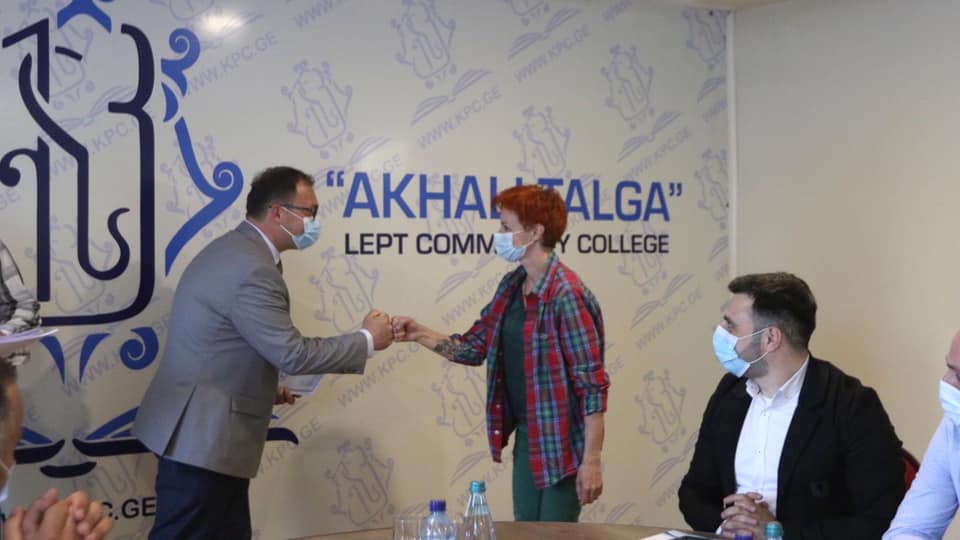
Akhali Talga VET College in Kobuleti and Khulo, who have already integrated the Jara teaching materials into their one-year beekeeping programme since October 2020, also shared their experience of including and teaching Jara production.
‘I am happy to attend this training, as I learned a lot. I am ready to teach Jara beekeeping to my students, because it will make our beekeeping programme even more interesting.’ – Ilia Khazarishvili, a lecturer at the Public College Aisi, Kakheti.
‘I am glad that all of the colleges now acknowledge that Jara teaching is an essential part of Georgian beekeeping programmes. During these two days they heard about a wide range of Jara topics, for example, Bio certification, which was impressive for them. Now they are convinced that Jara teaching has a future and this will help them to attract more students to beekeeping. They also saw the demand from businesses after visiting two Jara honey processing entities.’ - Aleko Papava, the Head of the GBU.
The National Center for Educational Quality Enhancement and sectoral skills organization Agro Duo are supporting Jara teaching integration in the VET colleges.
On June 1st, the GBU is organizing an online event Highlights So Far: Jara in VET, which is bringing together VET colleges, specialists, agro journalists, donors, and public officials to further promote Jara teaching in VET colleges and share reflections on the training.