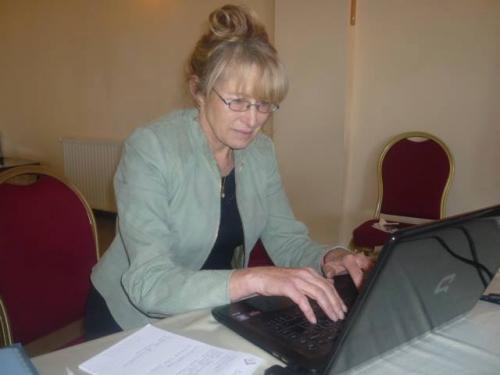
Heather Briggs, agronomist, agro-consultant on plant productivity, international expert on cheese and journalist visited Tbilisi to hold the training for agro-journalists last week. ‘Batumelebi’ newspaper interviewed her.
- Mrs. Briggs, what challenge do you see in Georgian agriculture?
- The first challenge is the perception of farming. I think the farming has to be made more professional and has to be recognized as a profession. People must be proud of what they do.
- The Government has started working on developing cooperatives in Georgia. How possible do you consider to develop cooperative farming in Georgian?
- This is a very difficult question. If people working for cooperatives will manage to work as a team, I think this can be a good idea. But I don’t know how Georgians perceive cooperatives, because they were very badly managed at Soviet time and this experience can influence on the development of cooperative system today.
- What will be your advice for improving farming in Georgia from European experience?
- I thing first of all, the farmer needs to understand some new techniques. The farmer needs to be open for improving and see that from using new technics they can benefit and they can make better living. I do not think that to be a successful a farm has to be a big. The farming should be profit oriented.
- How can traditional farming be transformed into modern farming?
- This takes time. You must give the farmers time to adapt. You must inspire them, so they want to learn.
- Who has to inspire farmers?
- Everyone must work together in Georgia for success. I think, consumers, regulations, but I think the main area of information must come from the press. The role of agricultural press is to do knowledge transfer.
- How long is a process of improving breeds in agriculture and for reaching the good results?
- It takes a long time and this is going to take several generations. What you do not need to do is bringing unsuitable breeds from elsewhere. The breed must be able to thrive in Georgia.
- What can you say about brucellosis, there are lots of cases of this disease identified in Georgia?
- Brucellosis is a disease that requires professional approach from the government of the country: to set up a programme of testing, monitoring and slaughtering animals with brucellosis. Your Minister has mentioned positive steps, including considering some compensation for those people who lose their cattle through brucellosis.
- What about the role of agriculture in the economy, do you think that small farmers can have an impact on economic development?
- Agriculture is vital and has one of the main roles in economic development. Small farmers, big farmers they all contribute in this process. I think one of the main challenges is that farmers need to start planning, they need to know what they are doing and for this they need education, information. One of the main sources of this information and knowledge is agricultural press.
- How do you see Georgian Agriculture from the point of view of politics?
- Politics and Agriculture – they need to work close together. Georgian needs to be one team. Politics, economy, agriculture - if you do not works together you will not get anywhere.
- Considering the reality of Georgia, what is a first thing we should do?
- Consolidate and work together.
The interview is prepared by “Batumelebi" newspaper
February, 2015
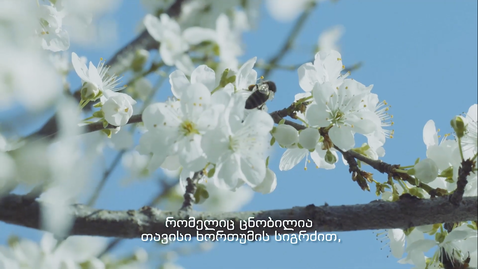
The ALCP facilitated the Georgian Beekeepers Union (GBU) in development of the honey promotion video, depicting the story of Georgia as a land of the oldest honey discovered and unique biodiversity to support awareness raising and promote export potential of Georgian honey and Jara. The video was shared with different stakeholders and social networks.
The Ministry of Foreign Affairs shared it with their internal networks of embassies in Georgia and foreign countries and it was uploaded in a Georgian production section. The video is on Facebook of the Embassy of Switzerland in Georgia. The Georgian National Tourism Agency; The Department of Tourism and Resorts of Ajara; the Ministry of Environmental Protection and Agriculture; and The Agency of Protected Areas are sharing it with their network.
It has reached the highest views on the popular Facebook platforms Marketer.ge and Georgian Wine. To date the video has 185,000 views and 6,000 shares. The majority of the viewers are emphasizing on interesting story mentioned in the video they did not know before and are sharing it for further promotion.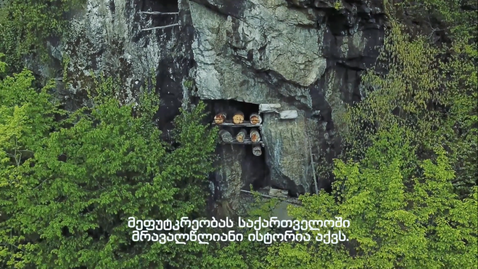
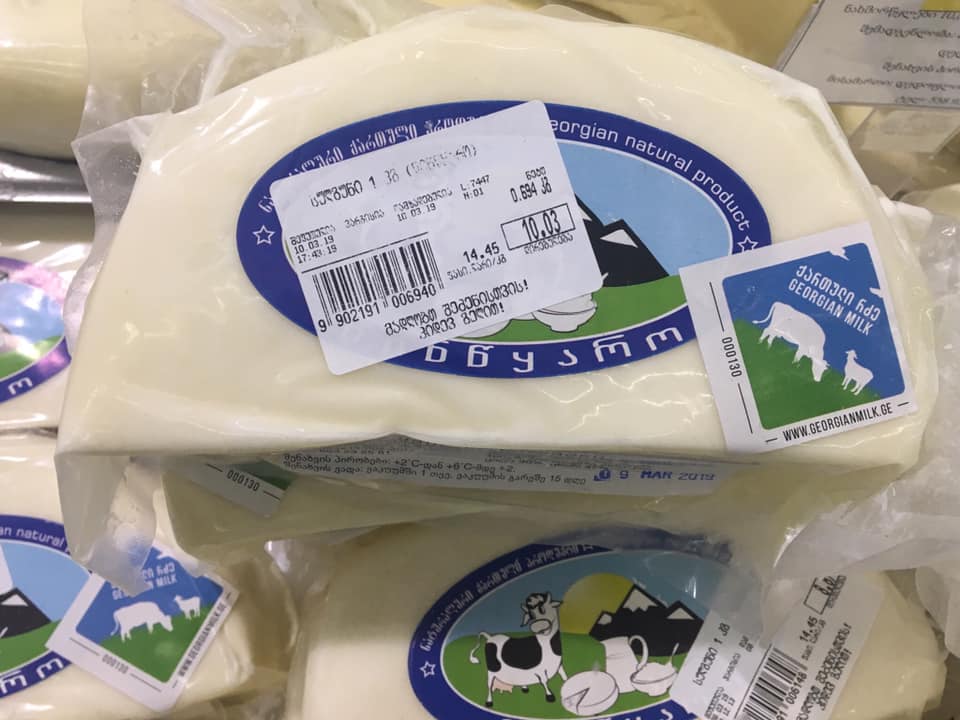
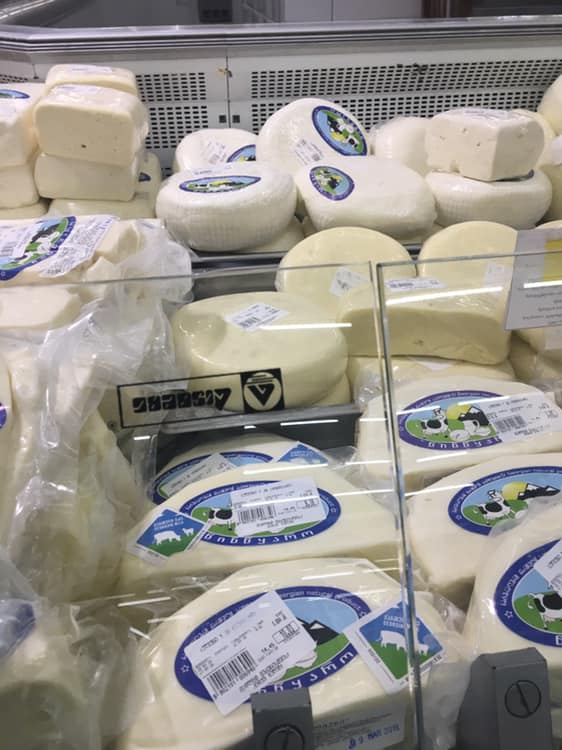
The products with 'Georgian Milk Mark' are now available in the supermarkets of Georgia.
The 'Georgian Milk Mark' is officially registered and serves to distinguish dairy products made from natural milk.
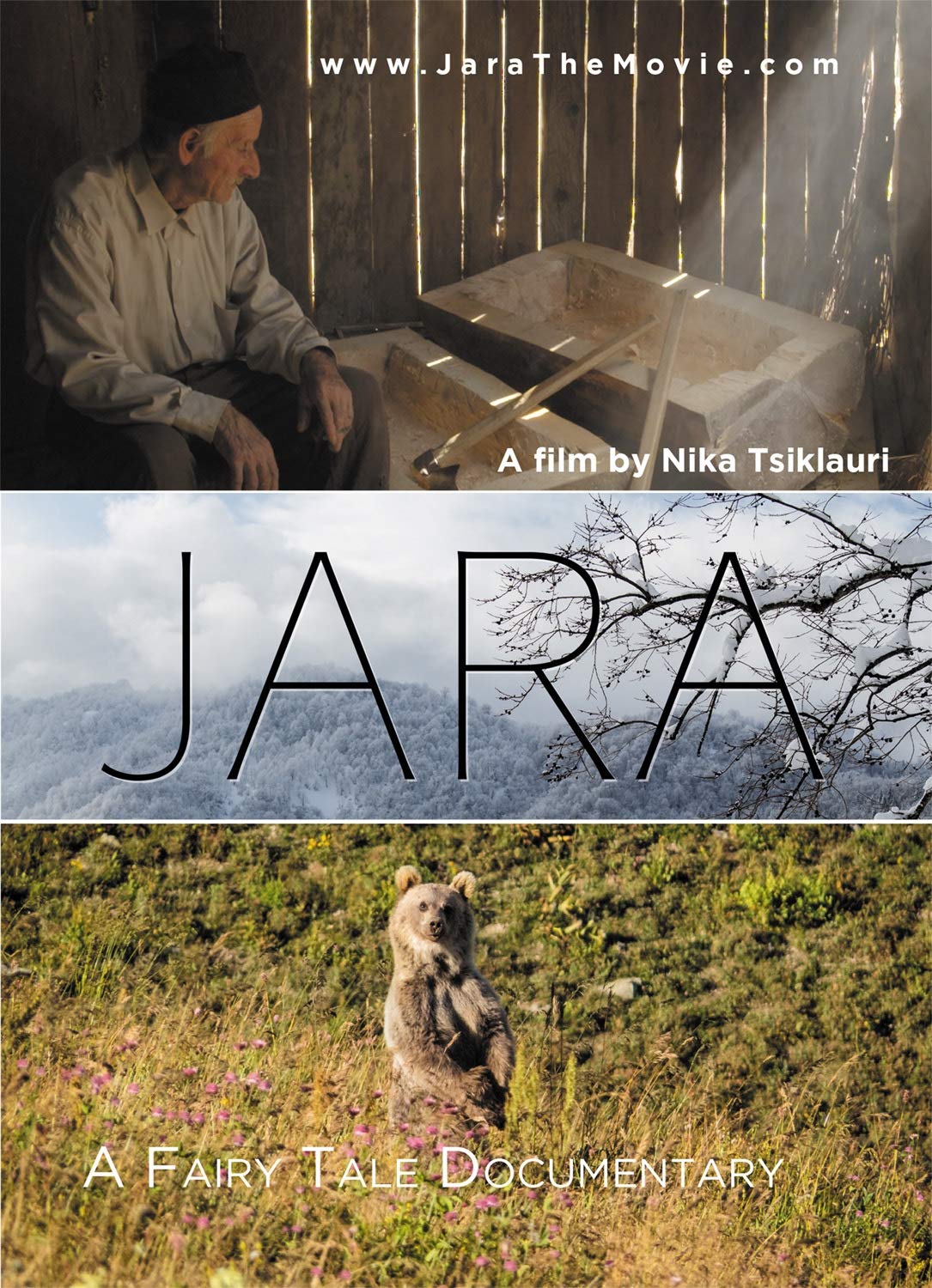
The documentary Jara is now available for sale on amazon.
Jara is a fairy tale journey through one year in the mountains of Ajara. A story of the shifting boundary between human habitat and wild nature, portrays everyday lives in the changing seasons. The wooden jara in the forest and the bees living within it are the fixed point in the story.
The film was named as the best feature film at the Wolves Independent International Film Festival2018 in Lithuania, and won the Golden Green Award 2018 at the Deauville Green Awards International Film Festival in France for the best production in the category of Sustainable Agriculture; the cameramen of the movie received an award from International Festival of TV and Movie Cameramen the Golden Eye 2018 for Best TV Camera Work.
The main backer of Jara is the Swiss Agency for Development and Cooperation (SDC) through the Mercy Corps Georgia implemented Alliances Lesser Caucasus Programme.
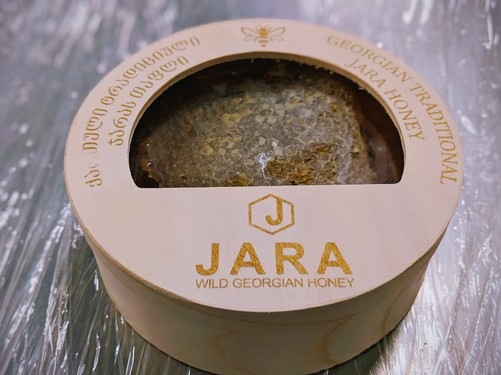
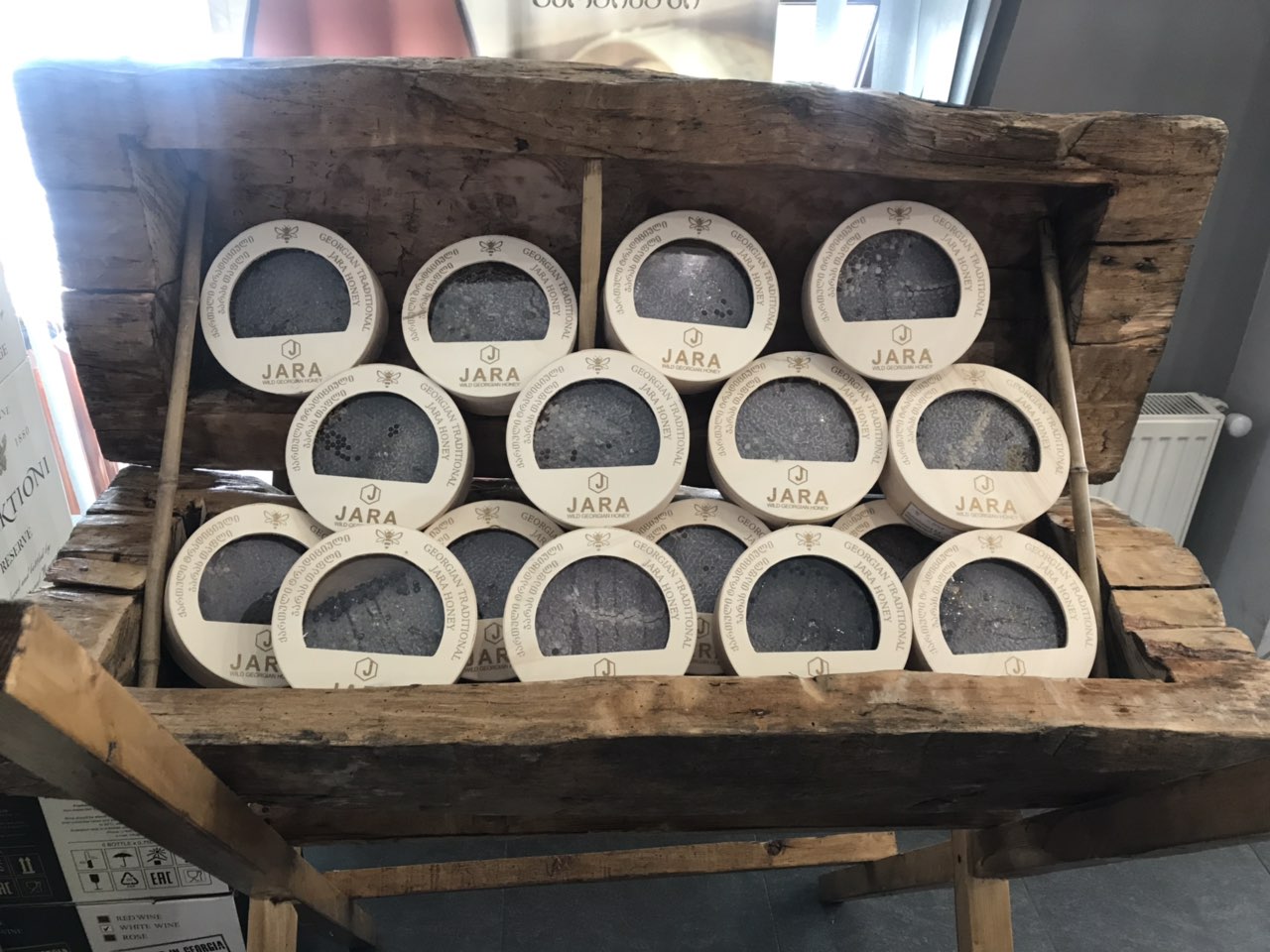
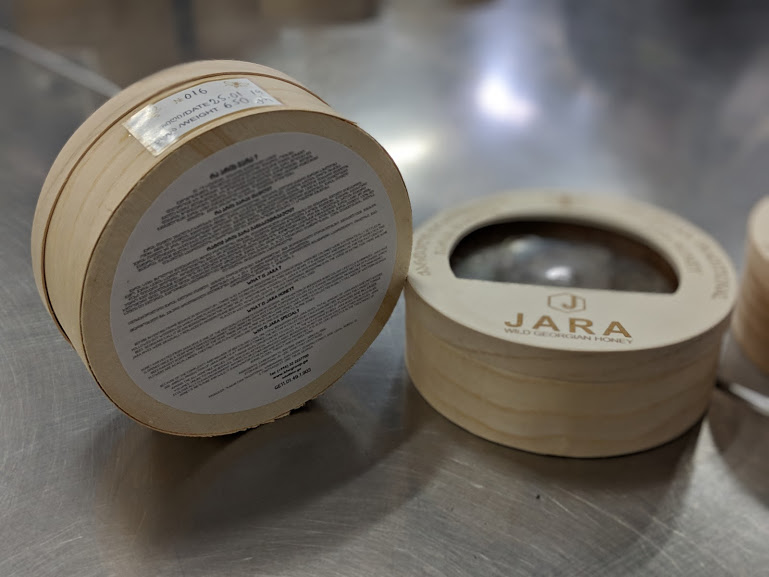
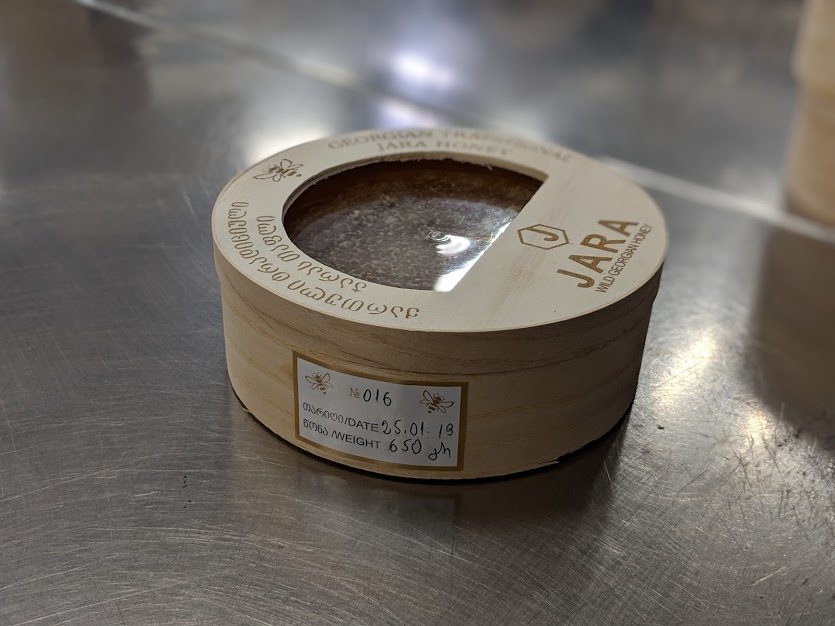
Jara honey, collected from the local beekeepers in Ajara, has been officially branded and packaged for the first time. It is now ready to enter the international markets.
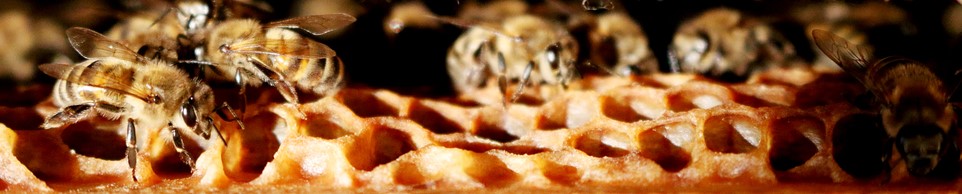
On 8th of November, 2018, the Government of Georgia adopted regulation #525, which forbids registration of the vet drugs containing prohibited antibiotics, like, chloramphenicol, metronidazole, dimetridazole, ronidazole, nitrofuran (including furazolidone) which are widely used in beekeeping. The regulation entered into force on 1st of January, 2019 and was nationally covered by the media outlets. The regulation was proposed by the Veterinary Department of the NFA, after this constraint was raised at the first Honey Sector Advisory Committee on 22nd of June, 2018, which brought together honey stakeholders to discuss tackling the high levels of antibiotic residues in honey which are limiting the development of the honey sector.
An article about Veterinary Surveillance Points (VSP) has been published in a quarterly bulletin of OIE – the World Organization for Animal Health. The article covers topics on the tradition of livestock seasonal movement in Georgia, the necessity of establishing VSPs and the importance of the points in animal health control throughout the country. The author of the publication is the Head of the Veterinary Department of the National Food Agency and the OIE Delegate of Georgia - Lasha Avaliani.
Please follow the link: Oiebulletin/veterinary-surveillance-points