



Posted by Helen Bradbury: Team Leader, Alliances Lesser Caucasus Programme


Rural farmers can only grow their income when they have access to the drugs and veterinary services to keep their animals healthy and growing too. Alliances has partnered with a national veterinary inputs supply company to improve access to drugs, information and vet services for poor farmers in rural Georgia. There are strong signs competitors are seeking to replicate the model, which is also scaling up nationally and in neighbouring countries.
The challenge
Over 2 million people in rural Georgia rely on subsistence farming, typically owning less than one hectare of land. SDC has been funding a series of programmes in Southern Georgia since 2008 to improve the livelihoods of livestock farmers.
During initial surveys, Alliances learned that less than 10 per cent of farmers were accessing veterinary drugs or services in their community, in rural vet pharmacies mainly self-stocked from trips to Tbilisi. Others bought drugs when travelling to the capital. In the rural vet pharmacies a limited range of often improperly stored drugs were sold at high prices due to the resultant transaction costs. Local advice was minimal, unavailable or out of date. This had led to a lack of farmer trust in local veterinary products and services and unwillingness to invest.
Suppliers had failed to grasp the market potential of developing rural distribution, lacking both the information and capital to do so. The uncertainty about whether farmers would buy their products meant the perceived risk held suppliers back from making the first move.
Delivering drugs and services to rural farmers
Alliances’ vision was for farmers to have access to a broad range of quality medicines at a competitive price with advice to go with it. The means to achieve this was for drug manufacturers to invest in improved distribution systems to pharmacies in towns and villages. This included setting up new village-based pharmacies and providing additional training for pharmacists so they could deal with common livestock illnesses and diseases, local veterinarians and farmers to develop the market. This improvement in access and service quality would improve productivity for farmers, increase sales for drug companies, and enable them to self-finance further growth and expansion.
Intervention development and learning
Alliances decided to partner with Roki Ltd. because it was working with more pharmacies than other manufacturers, Roki was also investing in local production of generic medicines of its own, producing 40 per cent of their medicines within Georgia, and provided some limited trainings for vets, pharmacists and farmers. Roki’s vision was aligned with Alliances: it felt that its future development depended on improved management of its distribution systems, customer relations and pharmacist capacity.
Most importantly, however, they were the right people. The chemistry was right, ideas flowed, and they had a strong social ethos towards farmers which aligned with the programme.
Alliances were able to use its market research to demonstrate a large market for drugs amongst farmers in rural regions. The Alliances co-investment equipped the vet pharmacies whilst the company invested in drug distribution. Specifically Roki supported high potential pharmacies with wholesale rates for drugs, advertising for vet products an expanded set of trainings and a hotline service for vets and pharmacists.
Women’s economic empowerment was core to programme strategy, with gender disaggregated research data and training and advertising designed to reach women, however early results showed that the majority of the customers reached by these pharmacies were male. To respond, Alliances worked with Roki to create a new model of satellite veterinary pharmacies. These were closer to villages and accessible by women who rarely travel to town centres.
Drugs and services for 70,000 farmers
With support from Alliances, Roki has facilitated the opening of 44 new pharmacies, leading to increased access to veterinary drugs and services for over 70,000 farmers. Roki has expanded the model to include 284 further veterinary pharmacies in other parts of Georgia, and 11 other vet pharmacies have copied the model, resulting in over 250,000 Georgian farmers having access to veterinary services.
In Georgia, a key competitor in the supply of vet drugs is starting to replicate the business model, by importing identical medicines, creating an identical distribution chain and offering training to its pharmacies. In Azerbaijan Roki has partnered with Real Vet a company with outreach to 350 vet pharmacies. Drugs are being exported to Armenia and Turkmenistan. Roki now produces 70 per cent of its own medicines at its now HACCP and ISO compliant factory in Tbilisi and has become a founder member and advocate in industry related fora in an increasingly burgeoning sector.
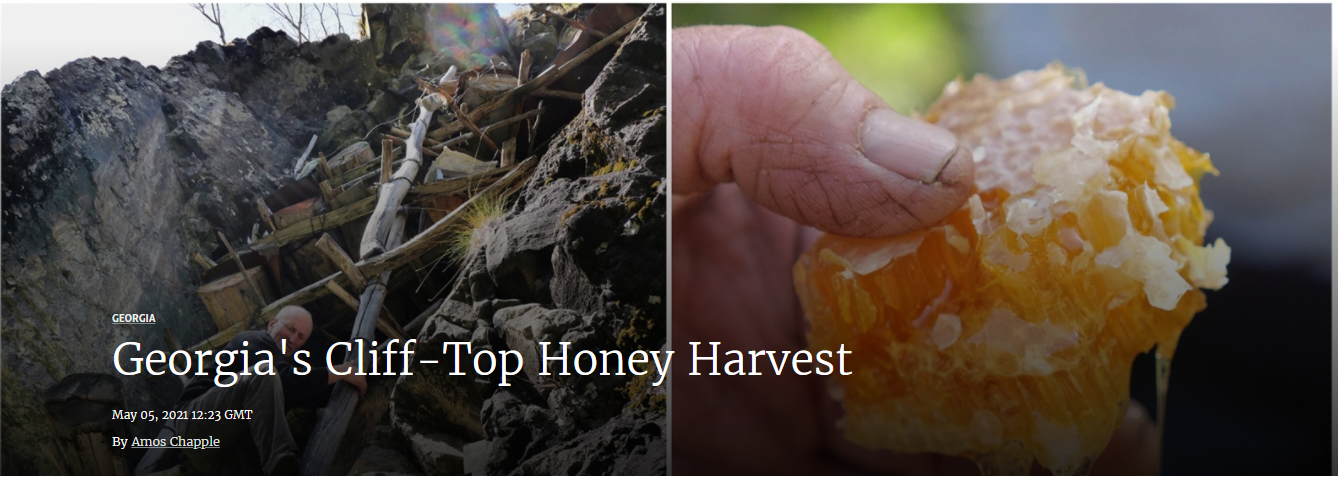
Radio Free Europe/Radio Liberty, an international media organization broadcasting in twenty-seven languages in twenty-three countries, published an article about Jara: Georgia’s Cliff-Top Honey Harvest by an international photographer/journalist Amos Chapple. He reached out to the Jara Beekeepers Association (JBA) and travelled to Ajara to see Jara beekeepers climbing heights for Jara honey harvest. Radio Tavisupleba (Radio Liberty Georgia) also put a Georgian version of the article on its website.
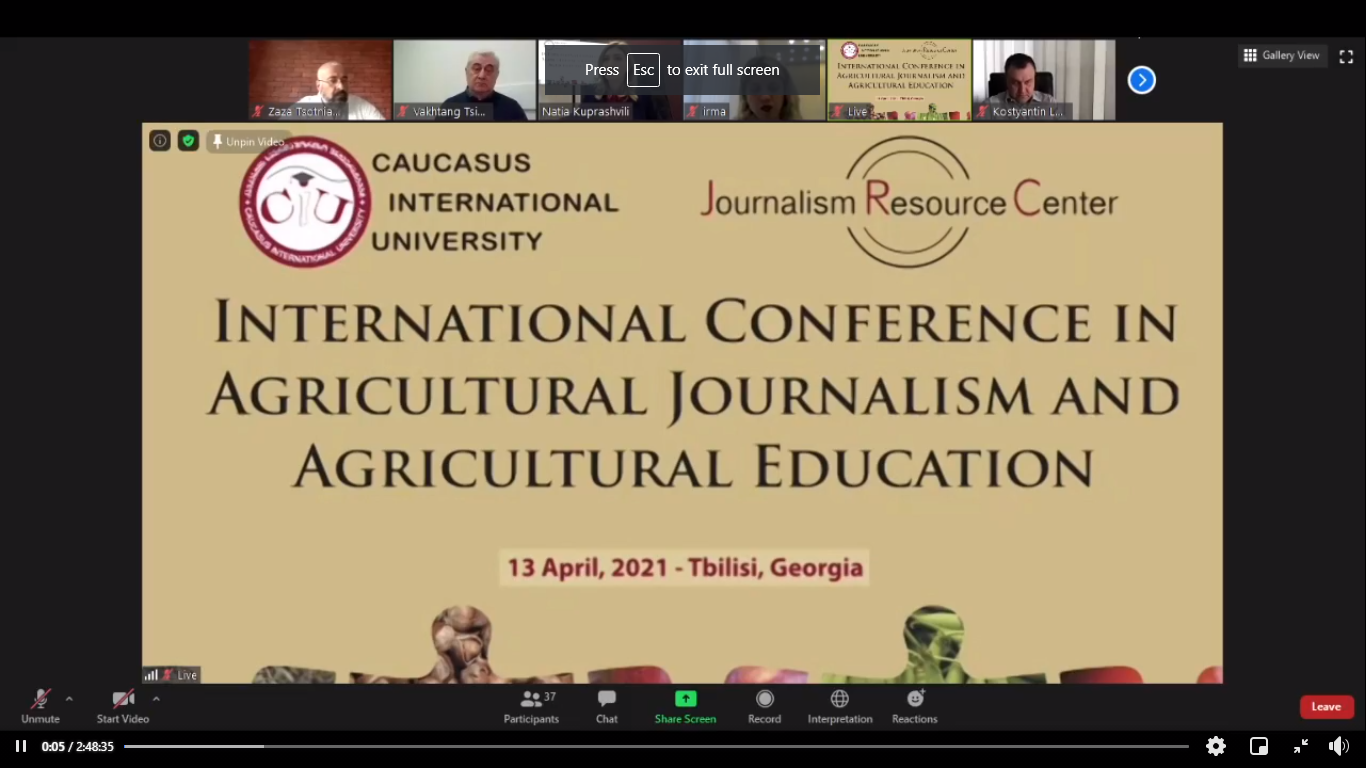
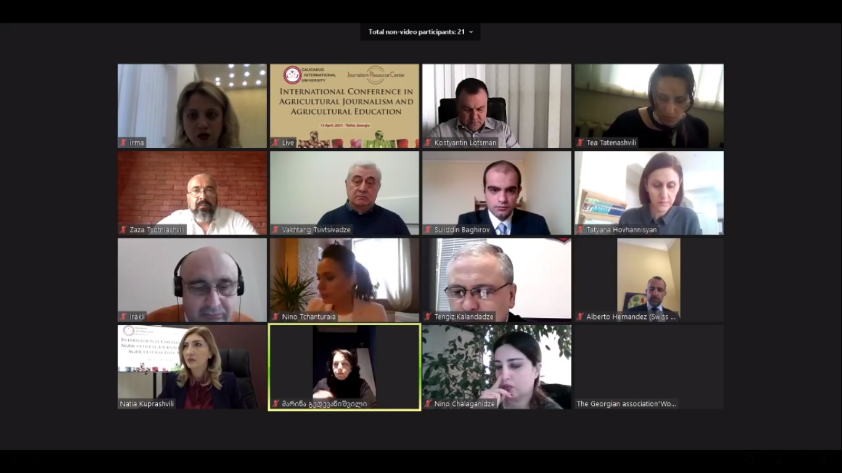
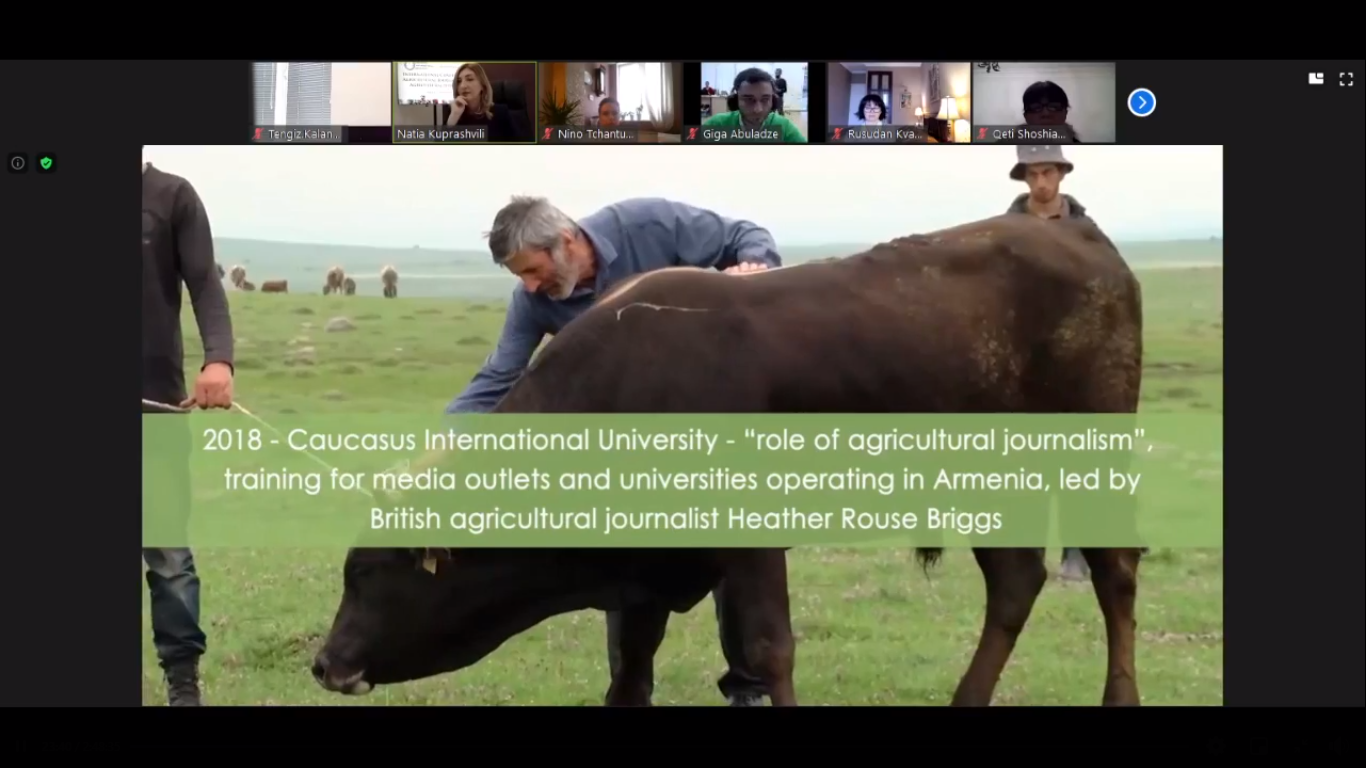
On April 13th, an online event of the Journalism Resource Center (JRC) International Conference in Agricultural Journalism and Agricultural Education brought together regional academic and media representatives from Georgia, Armenia, Azerbaijan, Moldova and Ukraine. The enthusiasm for, dedication towards and interest in agri journalism and its importance for people and youth were striking.
The Deputy Regional Director of the Swiss Cooperation Office (SCO) did the opening speech. The representatives from Georgia showed that they understand the demand for and are fully engaged in the media market for agri journalism.
‘Agri journalism is an integrated course for bachelor’s students. After Training of Trainers for lecturers we will develop a separate course. We also see the demand from students. Cooperation with media and government agencies is crucial in this regard.’ - A representative from Brusov State University in Armenia.
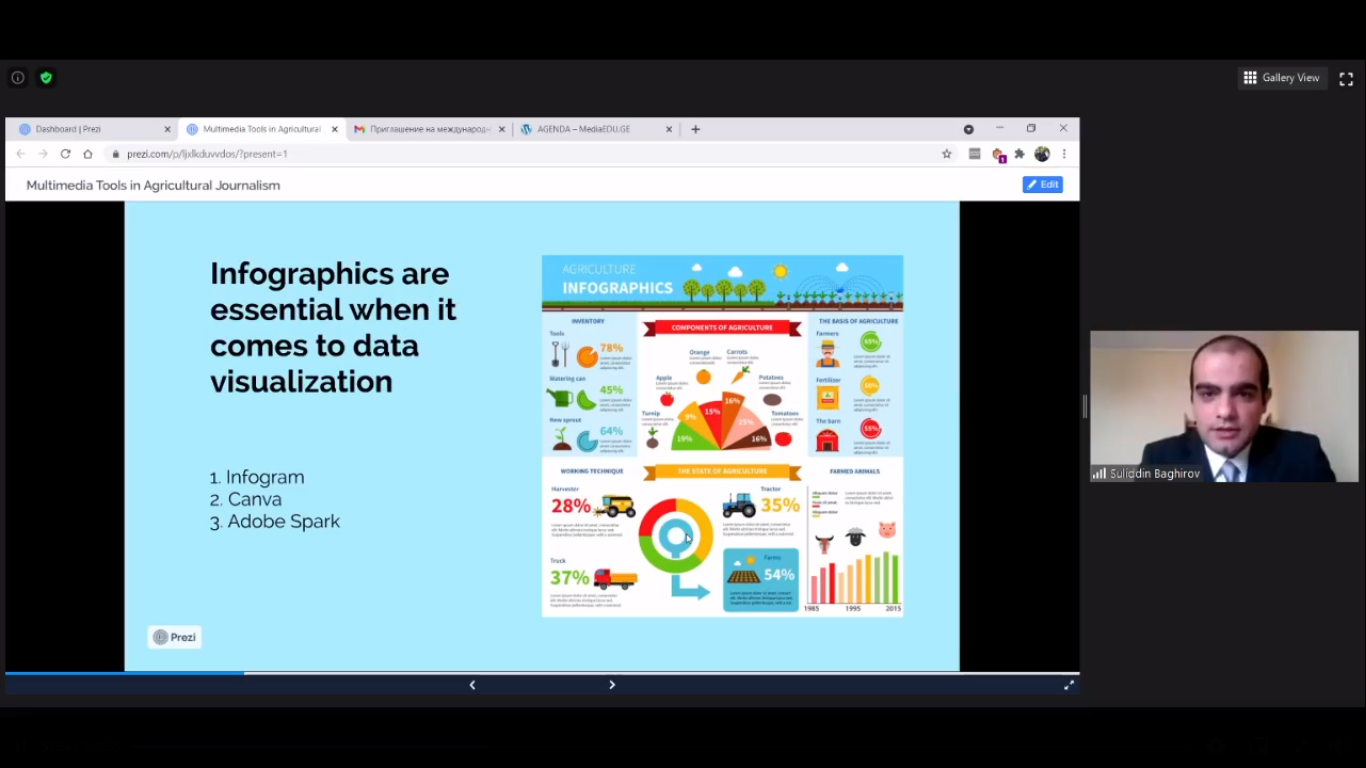
A freelance journalist from Baku talked about the usage of multimedia tools in agri journalism. The field of agri journalism is attractive but seems difficult to attain to media representatives from Moldova and Ukraine. A Producer of Volinsk Branch of National Public TV and Radio Company of Ukraine expressed his willingness to co-operate with the JRC to copy some activities related to agri journalism.
‘I am surprised by hearing about Georgia and Armenia, where agricultural education works so well’. - The LikTV Founder in Moldova, who empathized with the difficulties expressed by the representative of Ukraine and stated that universities in Moldova need to work on establishing agricultural journalism.
The ALCP Team Leader spoke about the programme support for agri journalism development in an interview on Agrogaremo TV. An agri journalism course alumni shared his experience and motivation with the JRC. A short documentary video by the JRC tells us a story about agri journalism development.
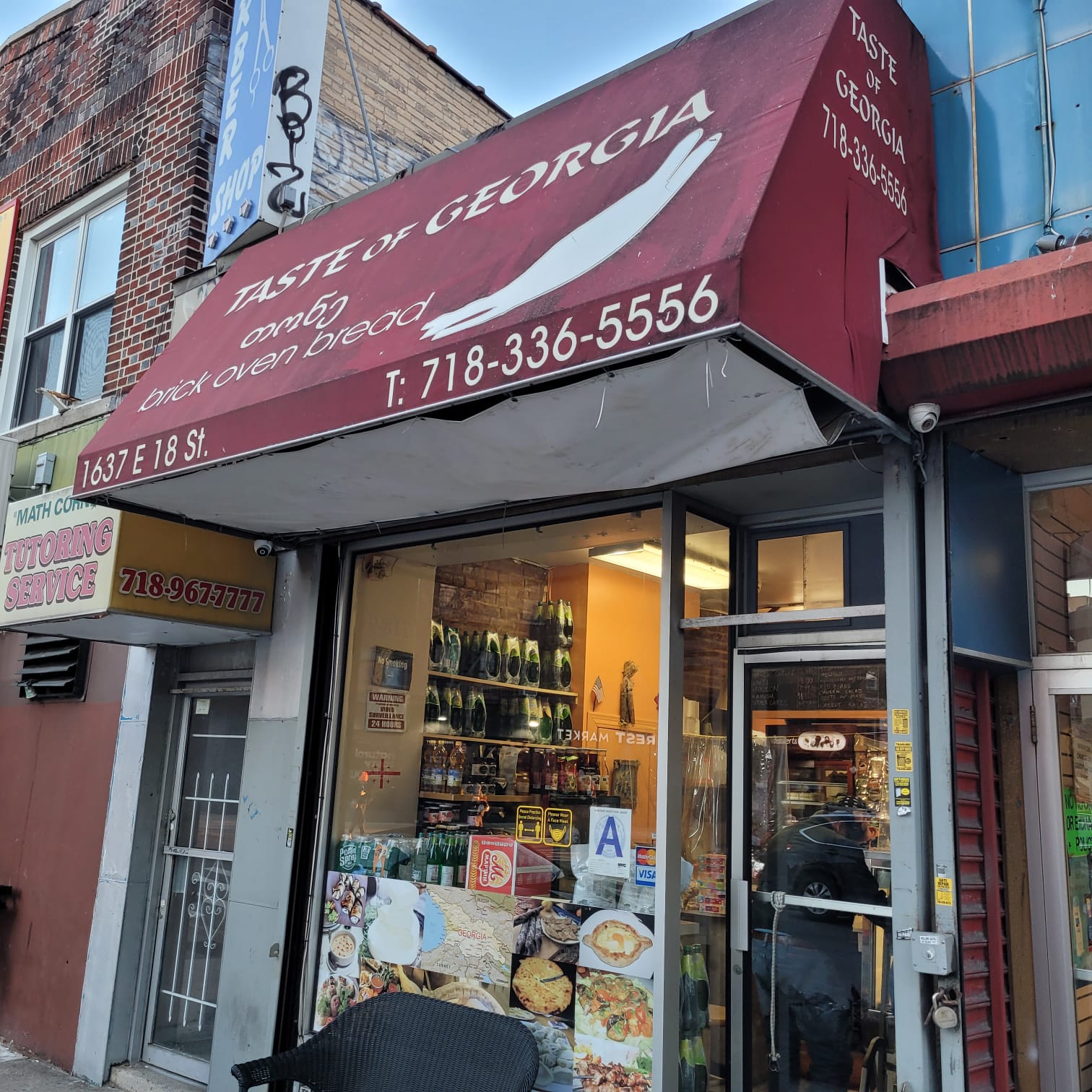
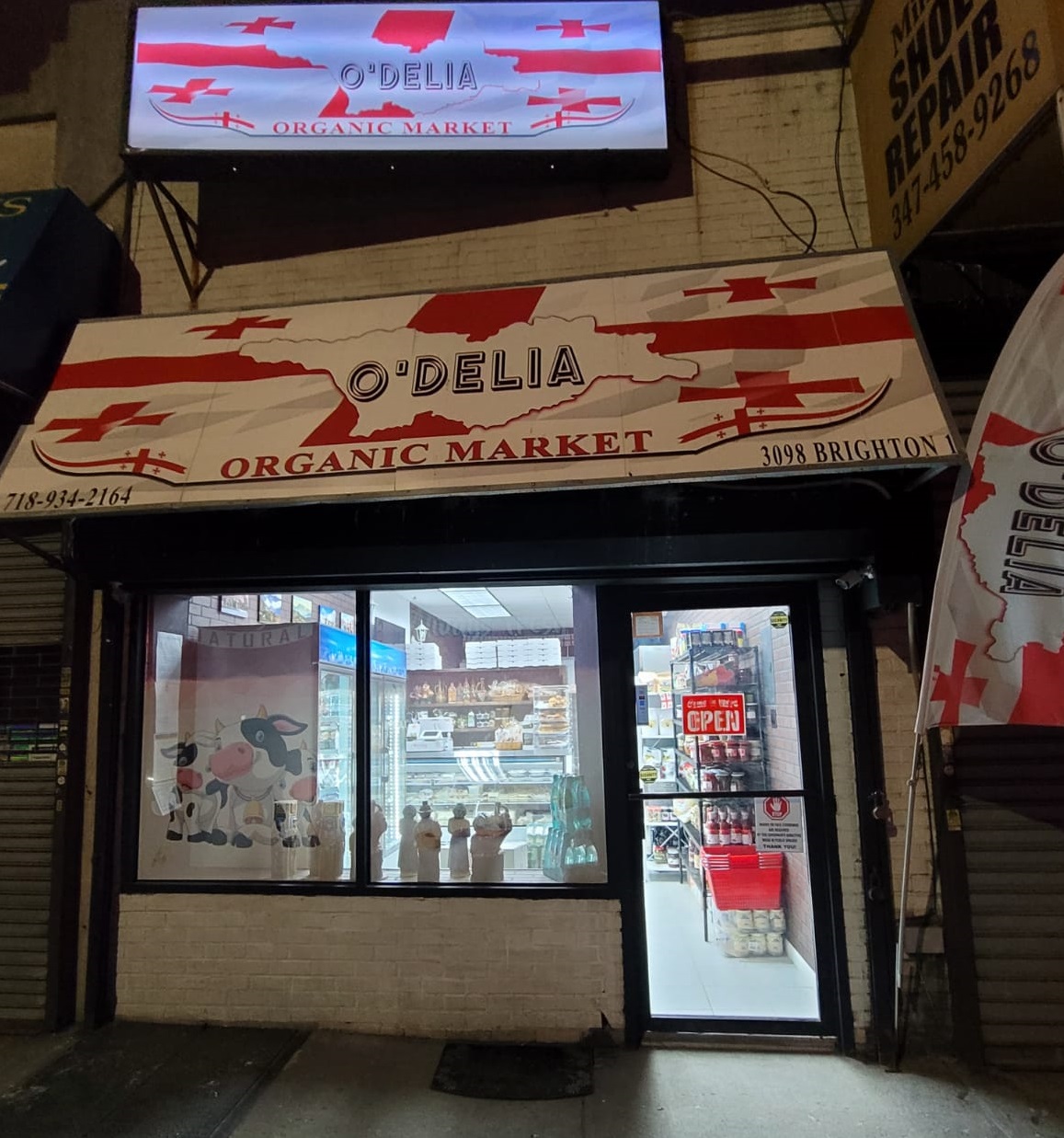
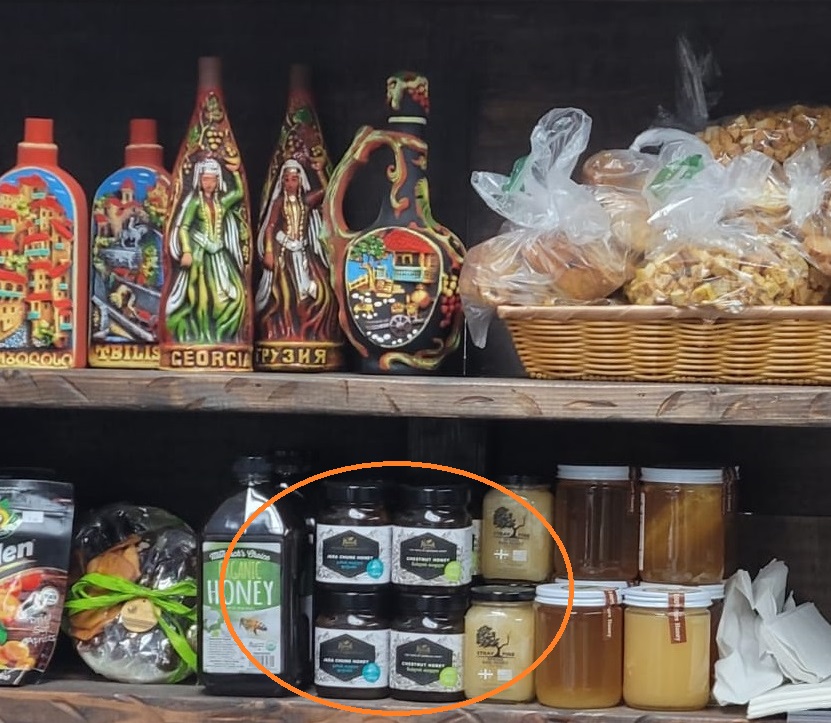
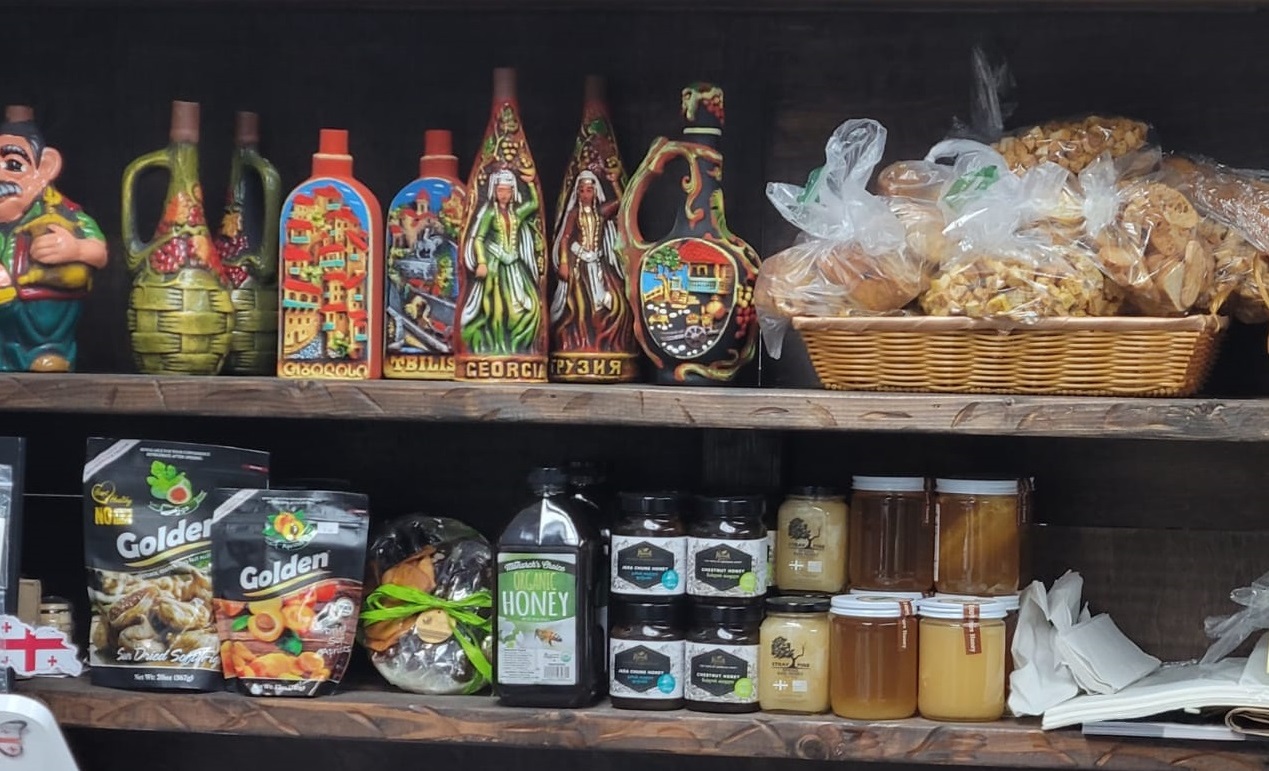
Nena a honey export company has been exporting since 2019. Chestnut and Jara honey have been sold in twenty shops in New York, Pennsylvania and New Jersey from January, 2021. Nena also exported Jara honey to Japan. And by the end of February, Bio Jara honey, a new product will be exported to the USA. Canada is a promising market and has repeated its order for the fourth time.
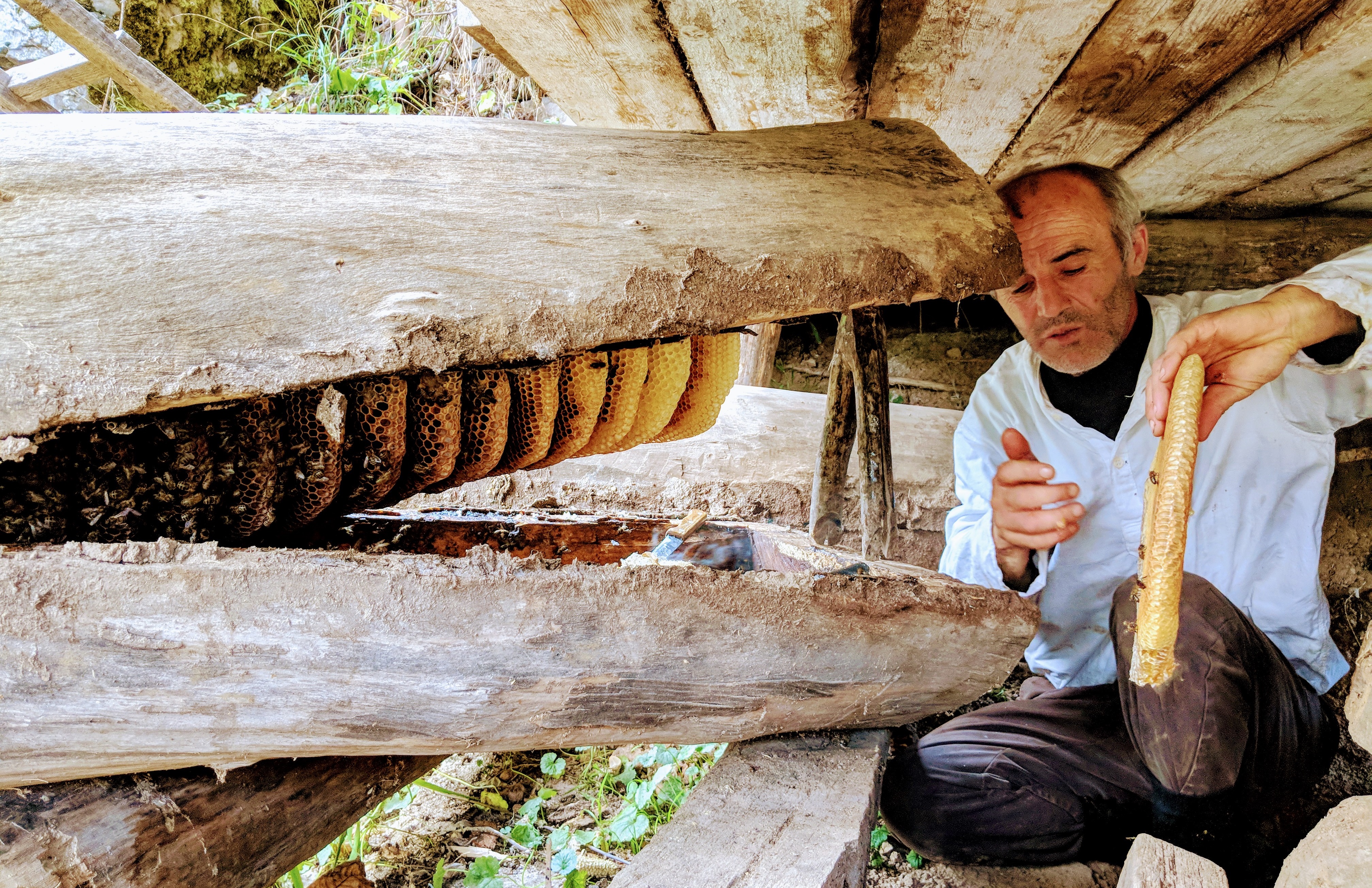
Producing honey in Jara hives has officially been granted Intangible Cultural Heritage status by the National Agency for Cultural Heritage Preservation of Georgia. The Jara Beekeepers Association (JBA) applied to the Agency back in 2020.
Jara is traditional wild beekeeping, a practice which almost died out but which has since 2014 begun a slow revival with the facilitation of the ALCP. The ancient tradition with strong roots in traditional agriculture, culture represents a unique way of life. The status recognizes Jara’s need to be preserved for future generations earning a place amongst other honourable Georgian traditions, including, Qvevri wine-making and Georgian song and dances. This status and will contribute to its further preservation and promotion.
It also brings hope and feeling of pride to those beekeepers who are continuing or are now taking Jara beekeeping up.
Jara has been on a fascinating journey since 2014. This journey includes The first commercial harvesting, registering the Jara honey mark, being promoted at the international exhibitions, first Bio certification, being taught at the VET college and reaching export markets in the US and Canada. And we can be sure, more things are on their way.
Christmas is a magical time awakening the holiday spirit in us. They say, Christmas is the spirit of giving without a thought of getting.
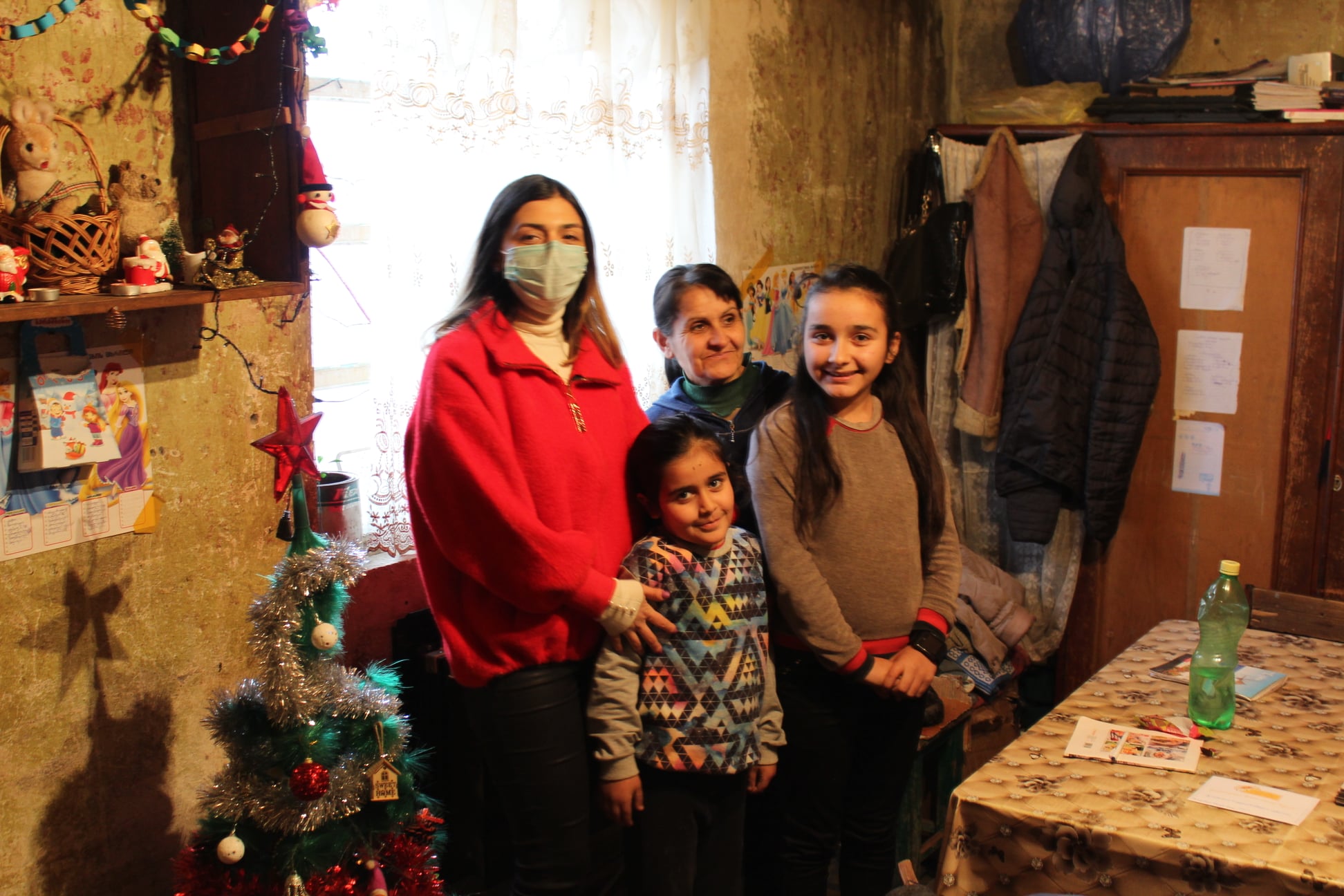
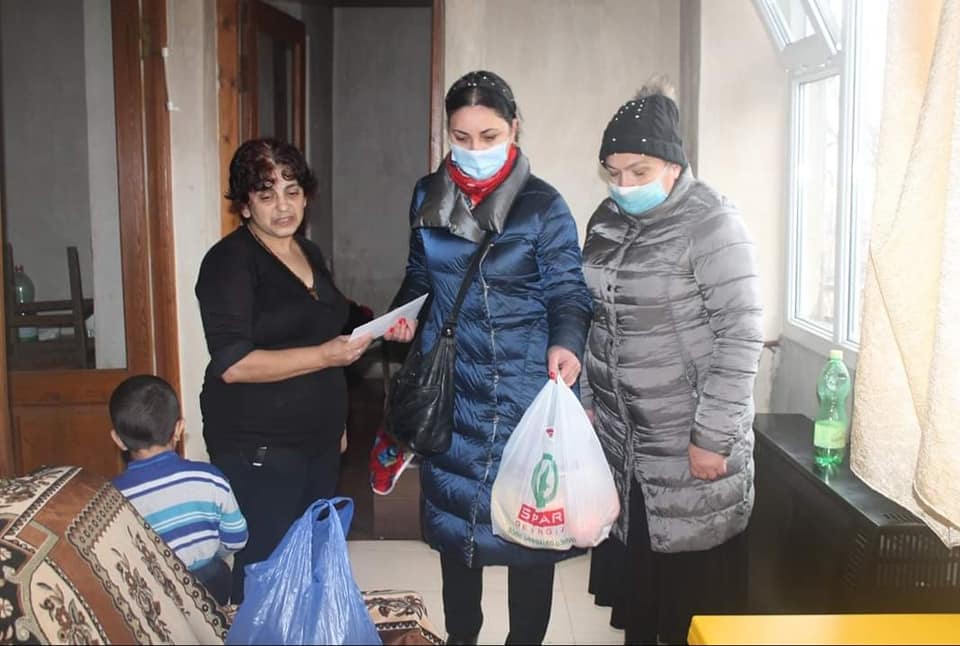
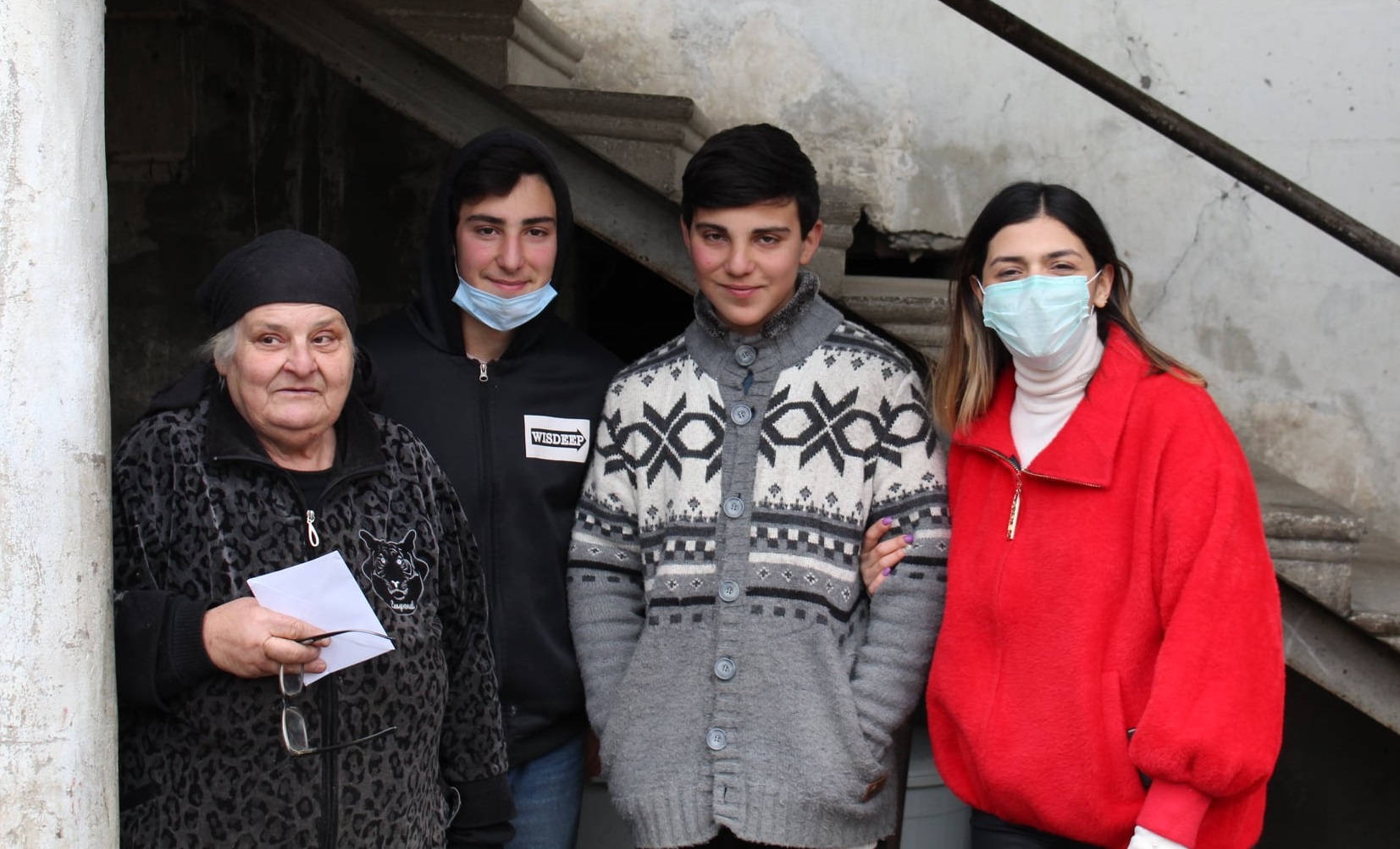
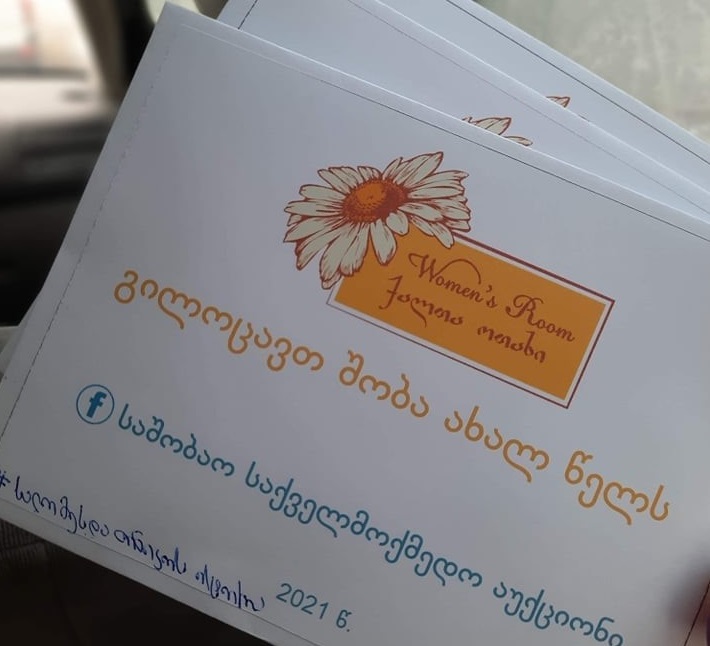
Before Christmas this year, the managers of the municipal Women’s Rooms in Kakheti, who like everyone else have adapted themselves to remote working due to the COVID-19 pandemic, established an online Christmas Charity Auction on Facebook to help families in need affected by the pandemic. The managers selected seven families in need for help. Their stories are heartbreaking; of a single mother, a victim of domestic violence, raising her children by herself, grandparents raising orphans, a child with disabilities and families with many children living in extreme poverty. Up to five hundred people joined in the auction donating or buying things in the auction with the money raised going for donation. The auction raised more than two thousand Gel over two weeks and besides money, the families received sweets, books, gifts; and special food for a girl with Celiac Disease.
The Christmas of the seven families was changed for the better. The Christmas Charity Auction finished on the 7th of January, though the online group on Facebook remains active, as the Women’s Rooms are planning to continue sharing the act of kindness with families in need and are open to anyone willing to contribute to any future auctions.
There are twenty-eight Women's Rooms in twenty-seven municipalities of four regions of Georgia. Find more about Women’s Rooms here.
An article Challenges Emerge for Women Entrepreneurs as a Result of the Covid-19 Pandemic has been published on Civil Society Portal in Georgia as part of an essay competition. The woman entrepreneur-Zeinab in the article is the Director of the dairy enterprise Tsintskaro+Ltd in Tetritskaro, Georgia. The Alliances Programme, an SDC and ADA project implemented by Mercy Corps Georgia, has been facilitating this dairy since 2016. Zeinab wrote this article by herself and won the Civil Society Portal essay competition. The article comes at the right time. We all need this kind of encouraging information during the pandemic period.
You might be interested in information on how businesses in Georgia are dealing with challenges caused by COVID-19 and can check our report COVID-19 Effects on the ALCP Clients Businesses.



