Posted by Helen Bradbury: Team Leader, Alliances Lesser Caucasus Programme


Rural farmers can only grow their income when they have access to the drugs and veterinary services to keep their animals healthy and growing too. Alliances has partnered with a national veterinary inputs supply company to improve access to drugs, information and vet services for poor farmers in rural Georgia. There are strong signs competitors are seeking to replicate the model, which is also scaling up nationally and in neighbouring countries.
The challenge
Over 2 million people in rural Georgia rely on subsistence farming, typically owning less than one hectare of land. SDC has been funding a series of programmes in Southern Georgia since 2008 to improve the livelihoods of livestock farmers.
During initial surveys, Alliances learned that less than 10 per cent of farmers were accessing veterinary drugs or services in their community, in rural vet pharmacies mainly self-stocked from trips to Tbilisi. Others bought drugs when travelling to the capital. In the rural vet pharmacies a limited range of often improperly stored drugs were sold at high prices due to the resultant transaction costs. Local advice was minimal, unavailable or out of date. This had led to a lack of farmer trust in local veterinary products and services and unwillingness to invest.
Suppliers had failed to grasp the market potential of developing rural distribution, lacking both the information and capital to do so. The uncertainty about whether farmers would buy their products meant the perceived risk held suppliers back from making the first move.
Delivering drugs and services to rural farmers
Alliances’ vision was for farmers to have access to a broad range of quality medicines at a competitive price with advice to go with it. The means to achieve this was for drug manufacturers to invest in improved distribution systems to pharmacies in towns and villages. This included setting up new village-based pharmacies and providing additional training for pharmacists so they could deal with common livestock illnesses and diseases, local veterinarians and farmers to develop the market. This improvement in access and service quality would improve productivity for farmers, increase sales for drug companies, and enable them to self-finance further growth and expansion.
Intervention development and learning
Alliances decided to partner with Roki Ltd. because it was working with more pharmacies than other manufacturers, Roki was also investing in local production of generic medicines of its own, producing 40 per cent of their medicines within Georgia, and provided some limited trainings for vets, pharmacists and farmers. Roki’s vision was aligned with Alliances: it felt that its future development depended on improved management of its distribution systems, customer relations and pharmacist capacity.
Most importantly, however, they were the right people. The chemistry was right, ideas flowed, and they had a strong social ethos towards farmers which aligned with the programme.
Alliances were able to use its market research to demonstrate a large market for drugs amongst farmers in rural regions. The Alliances co-investment equipped the vet pharmacies whilst the company invested in drug distribution. Specifically Roki supported high potential pharmacies with wholesale rates for drugs, advertising for vet products an expanded set of trainings and a hotline service for vets and pharmacists.
Women’s economic empowerment was core to programme strategy, with gender disaggregated research data and training and advertising designed to reach women, however early results showed that the majority of the customers reached by these pharmacies were male. To respond, Alliances worked with Roki to create a new model of satellite veterinary pharmacies. These were closer to villages and accessible by women who rarely travel to town centres.
Drugs and services for 70,000 farmers
With support from Alliances, Roki has facilitated the opening of 44 new pharmacies, leading to increased access to veterinary drugs and services for over 70,000 farmers. Roki has expanded the model to include 284 further veterinary pharmacies in other parts of Georgia, and 11 other vet pharmacies have copied the model, resulting in over 250,000 Georgian farmers having access to veterinary services.
In Georgia, a key competitor in the supply of vet drugs is starting to replicate the business model, by importing identical medicines, creating an identical distribution chain and offering training to its pharmacies. In Azerbaijan Roki has partnered with Real Vet a company with outreach to 350 vet pharmacies. Drugs are being exported to Armenia and Turkmenistan. Roki now produces 70 per cent of its own medicines at its now HACCP and ISO compliant factory in Tbilisi and has become a founder member and advocate in industry related fora in an increasingly burgeoning sector.
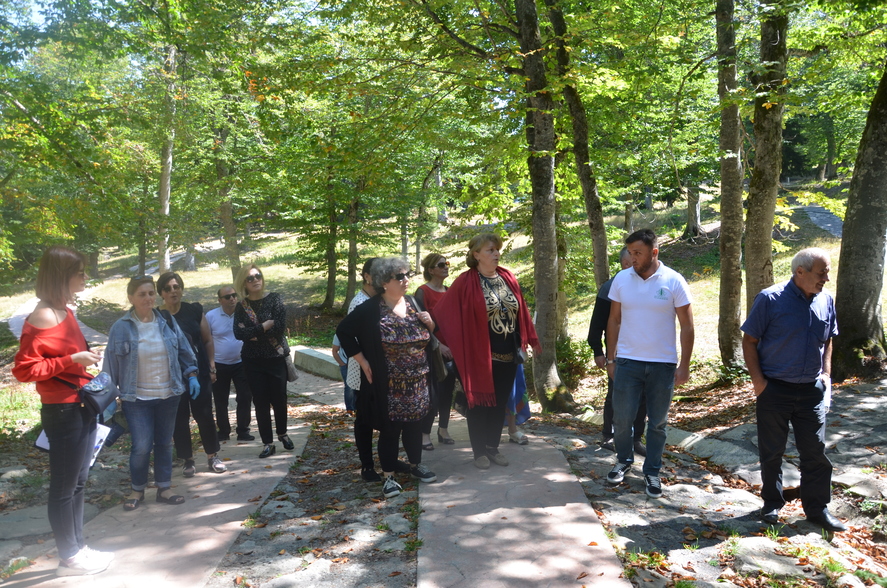
Manana Dumbadze was one of fifteen guesthouse owners from Keda, Shuakhevi and Khulo invited to attend an educational seminar hosted by the Goderdzi Alpine Garden (GAG) on September 18th on how biodiversity, conversation and Jara beekeeping can be used for business promotion and attracting more tourists.
‘The seminar was interesting and will motivate me to generate new ideas. I am arranging a garden in front of my house and I received information about plants. The GAG promised to help me to do it. I have beehives but I’m thinking of switching to Jara beekeeping, because it will be more interesting to our visitors, as it carries a traditional value.’ Manana Dumbadze, a guesthouse owner.
The seminar participants agreed on further coordination and information dissemination among others.
‘I am planning to have a Jara apiary from the next year. I will also include the GAG on our tour. I have a small cottage on the Goderdzi Pass, and I am planning to have visitors there.’ Nodar Shervashidze, a guesthouse owner.
Representatives of the Batumi Botanical Garden (BBG) and specialists from the BBG’s Local Flora and Conservation Department will continue educational seminars for teachers and school students in the upcoming year. The GAG is developing its role in wild flora conservation and eco-education with seminars and a beekeeping area, aiming to publicize the value conservation and traditional Jara beekeeping can have for sustainable local development and teach people interested in taking it up.
Officially opened in July, 2020, the GAG has already attracted sixteen thousand visitors since the opening, making it the prominent tourist destination in mountainous Ajara.
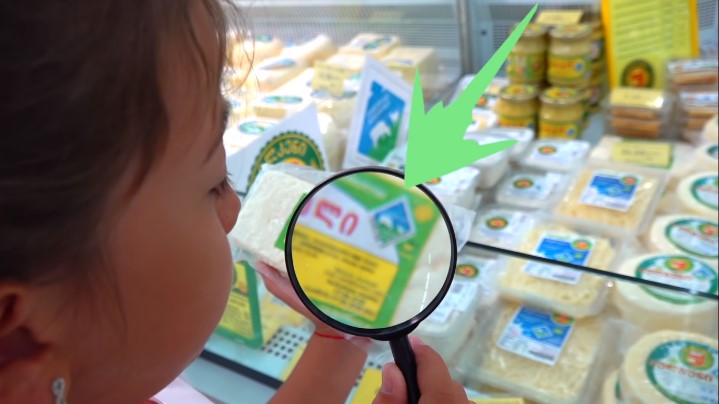
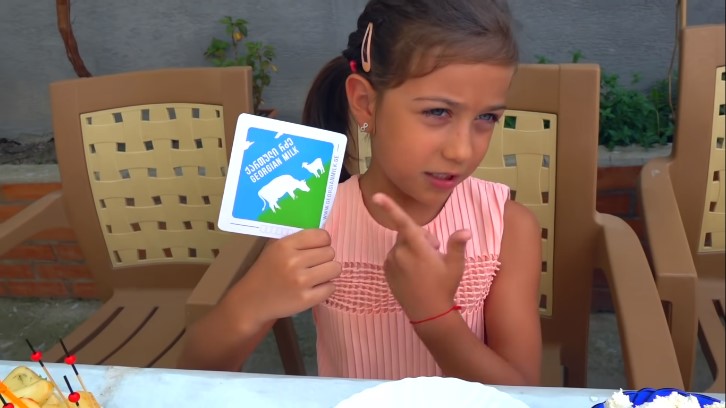
Emili is a young girl who has become an internet sensation in Georgia. Her YouTube channels Emili TV and Emili Family TV reach 708,000 subscribers. She regularly shares educational and entertainment content, including films about products she likes, many parents and their children watch her shows and follow her recommendations. Through ALCP facilitation, she (and her production team) decided to ‘investigate’ the Georgian Milk Mark.
The Georgian Milk Mark (GMM) films (on Emili TV and Emili Family TV) have reached 360,000 views just in two weeks.
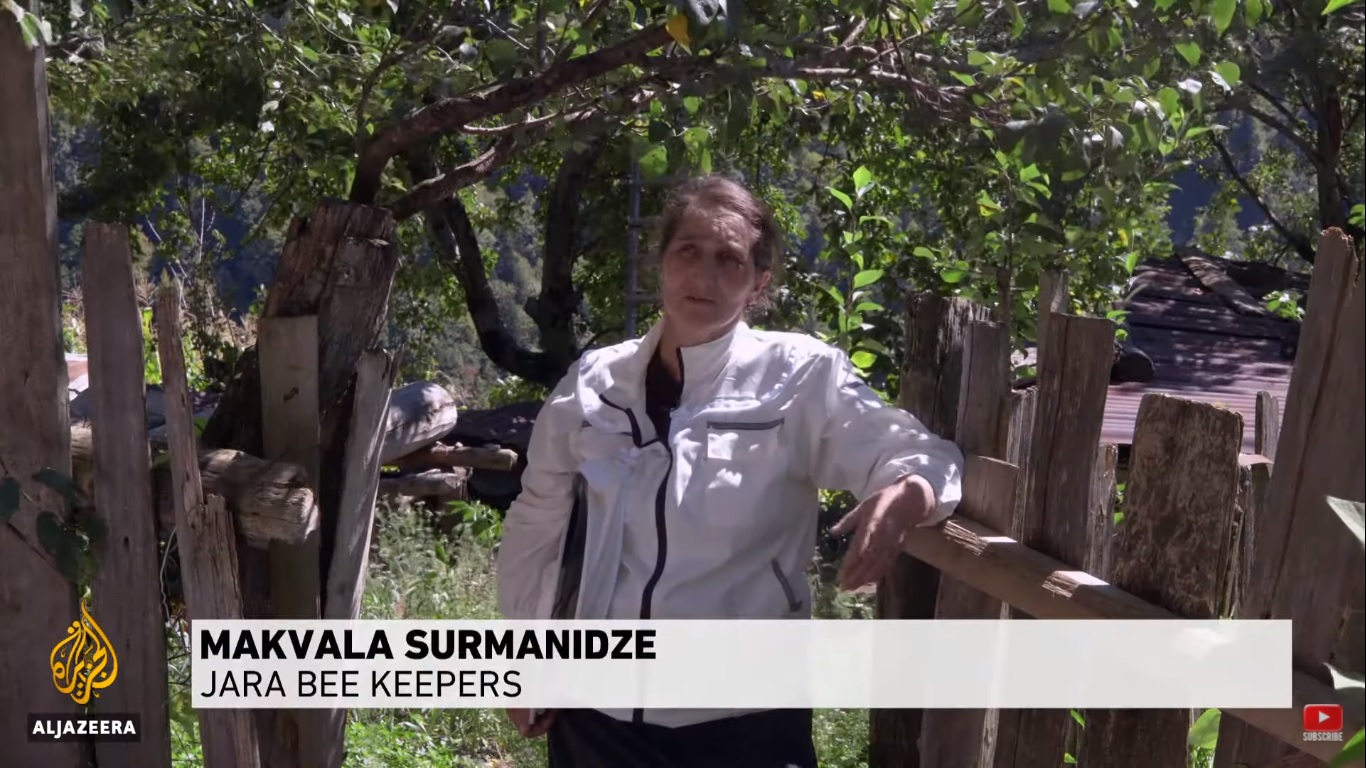
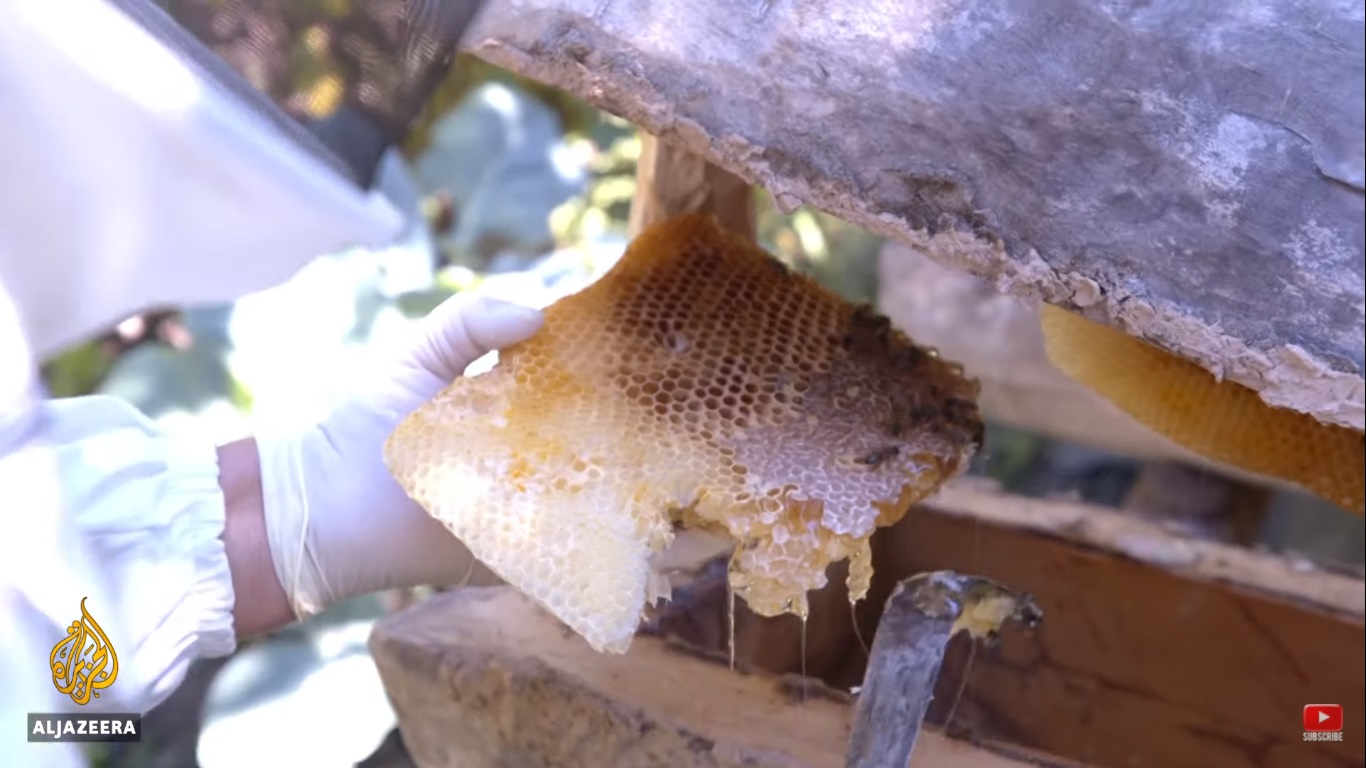
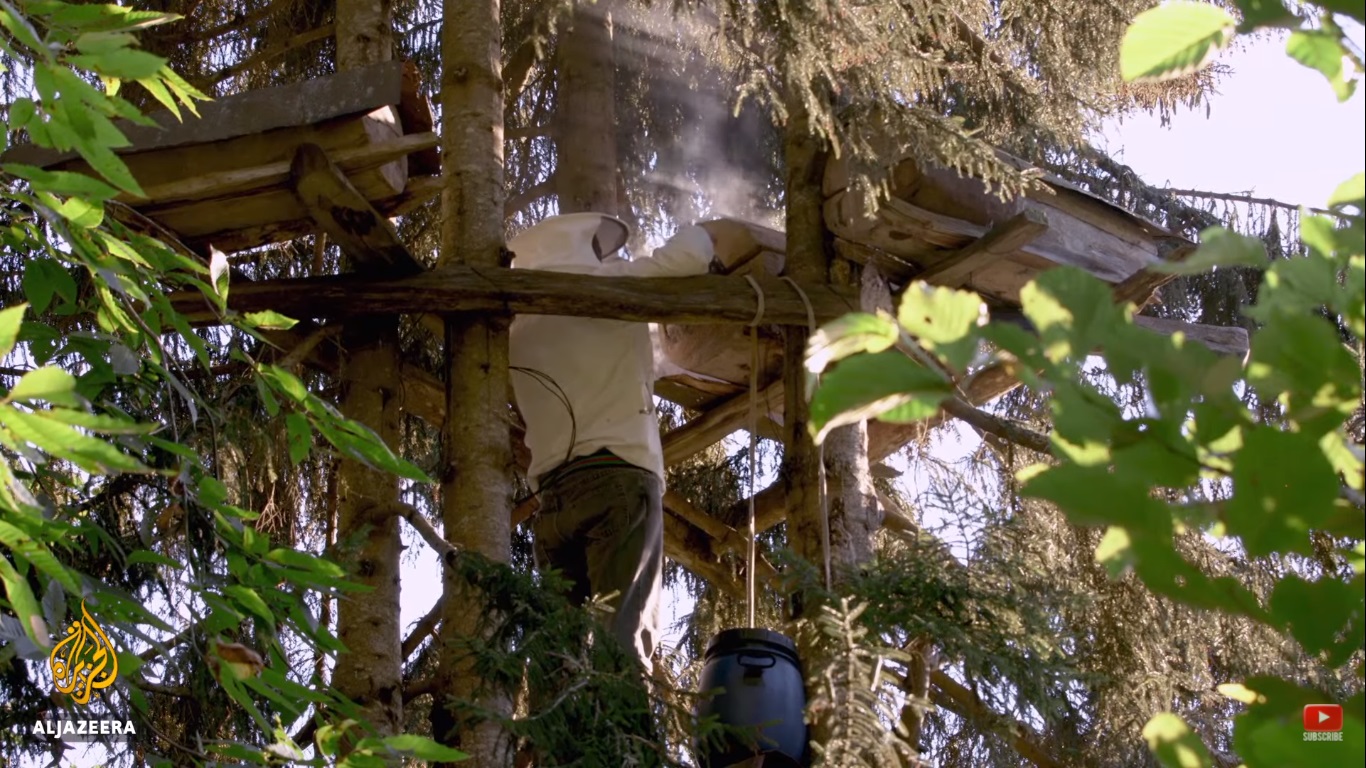
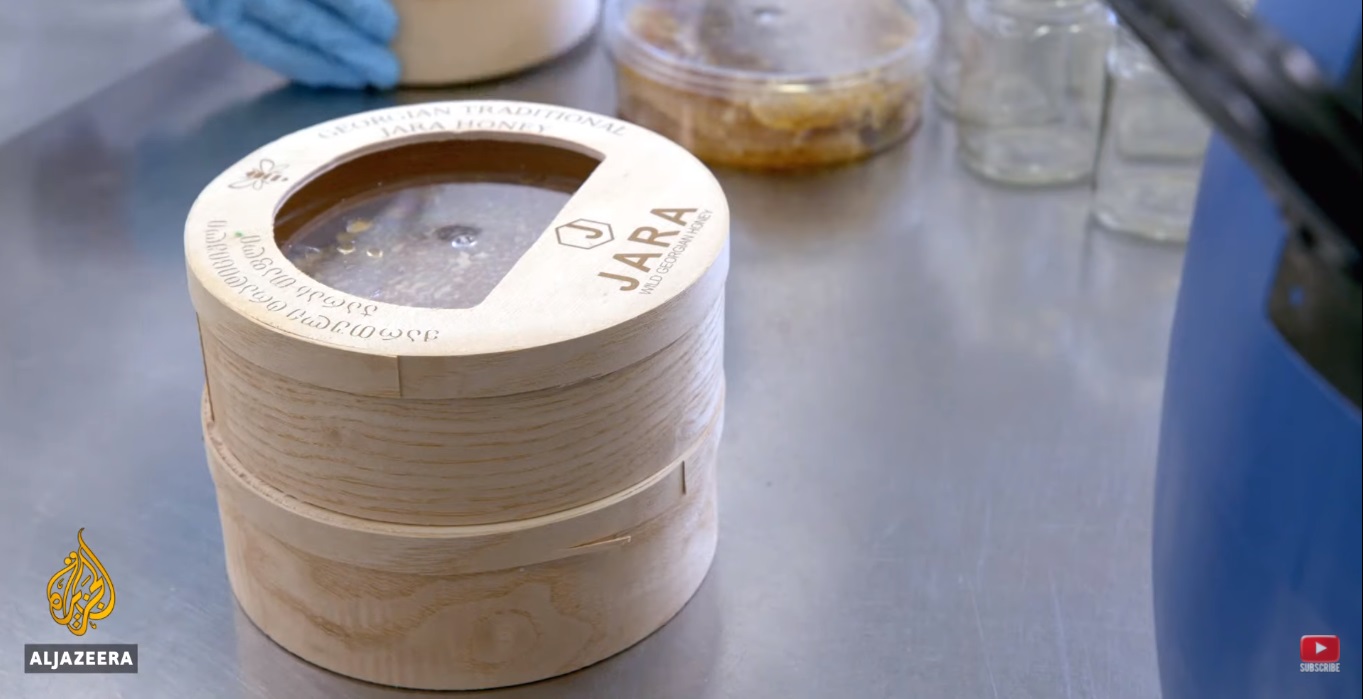
Traditional Jara beekeeping has reached a new audience through a report on Al Jazeera English and its Youtube Channel, with an audience of forty million in Gulf States alone. The report was developed in Ajara with assistance of the Jara Beekeepers Association (JBA), telling stories of female and male Jara beekeepers, emphasizing commercialization and future opportunities for Jara honey.
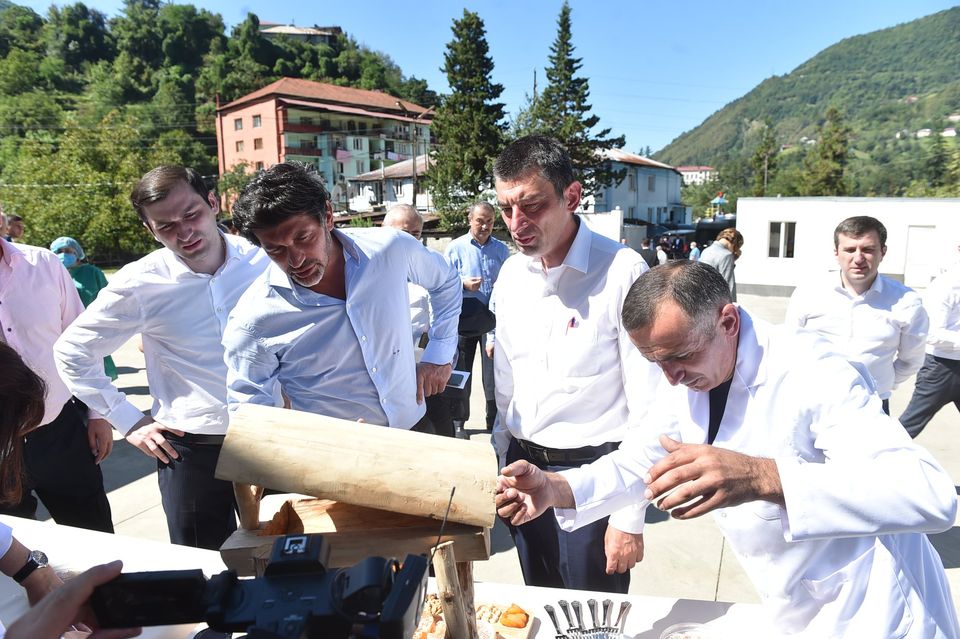
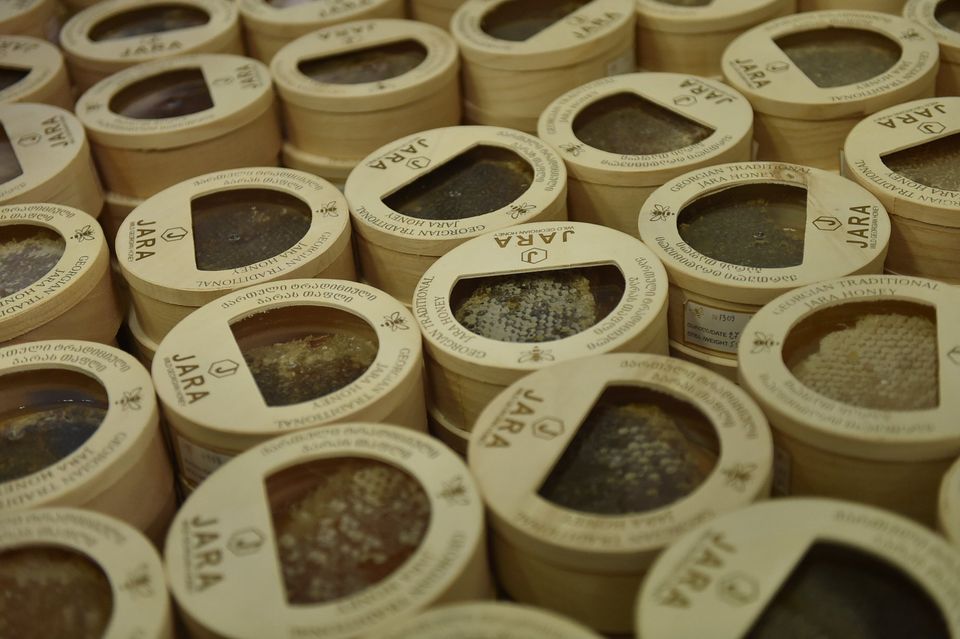
The Prime Minister of Georgia, the Chairman of the Ajara Autonomous Republic, the Mayor of Tbilisi City, and other government officials visited the Agro-Keda factory in Keda to see the honey production and packaging process, along with other Nena production. The honey showcase, Jara hive, different types of Nena produced honey for tasting, and honey catalogues were their favorites. The Prime Minister asked questions related to honey export and took the catalogues to find more details about honey.
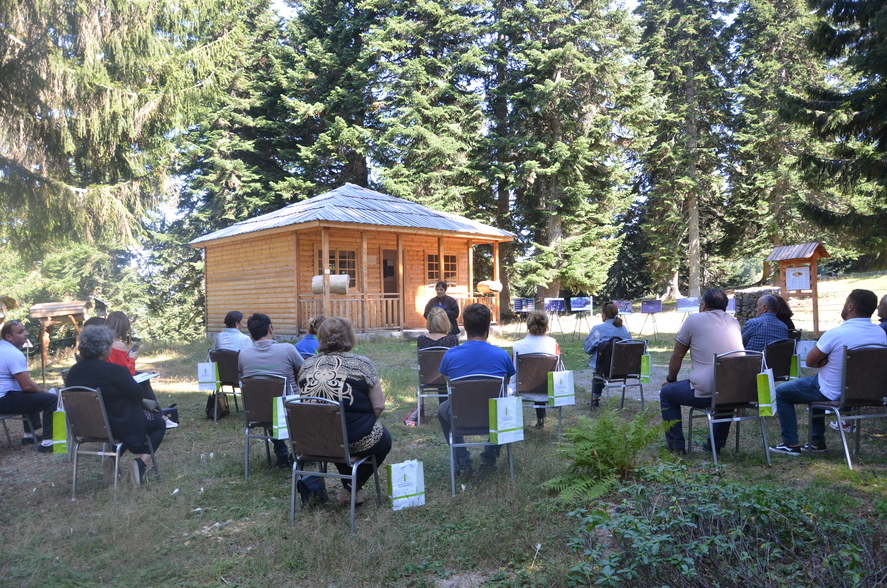
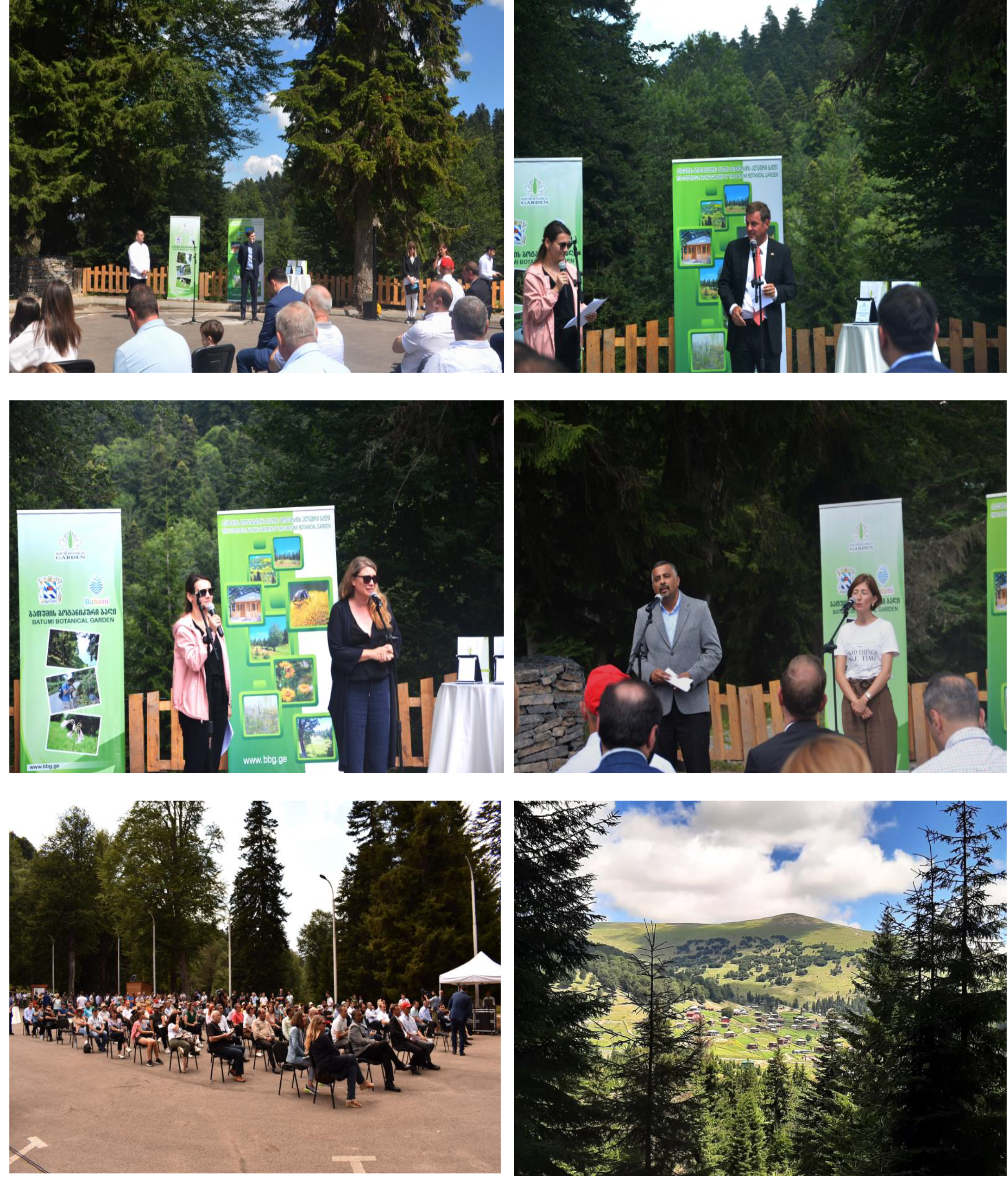
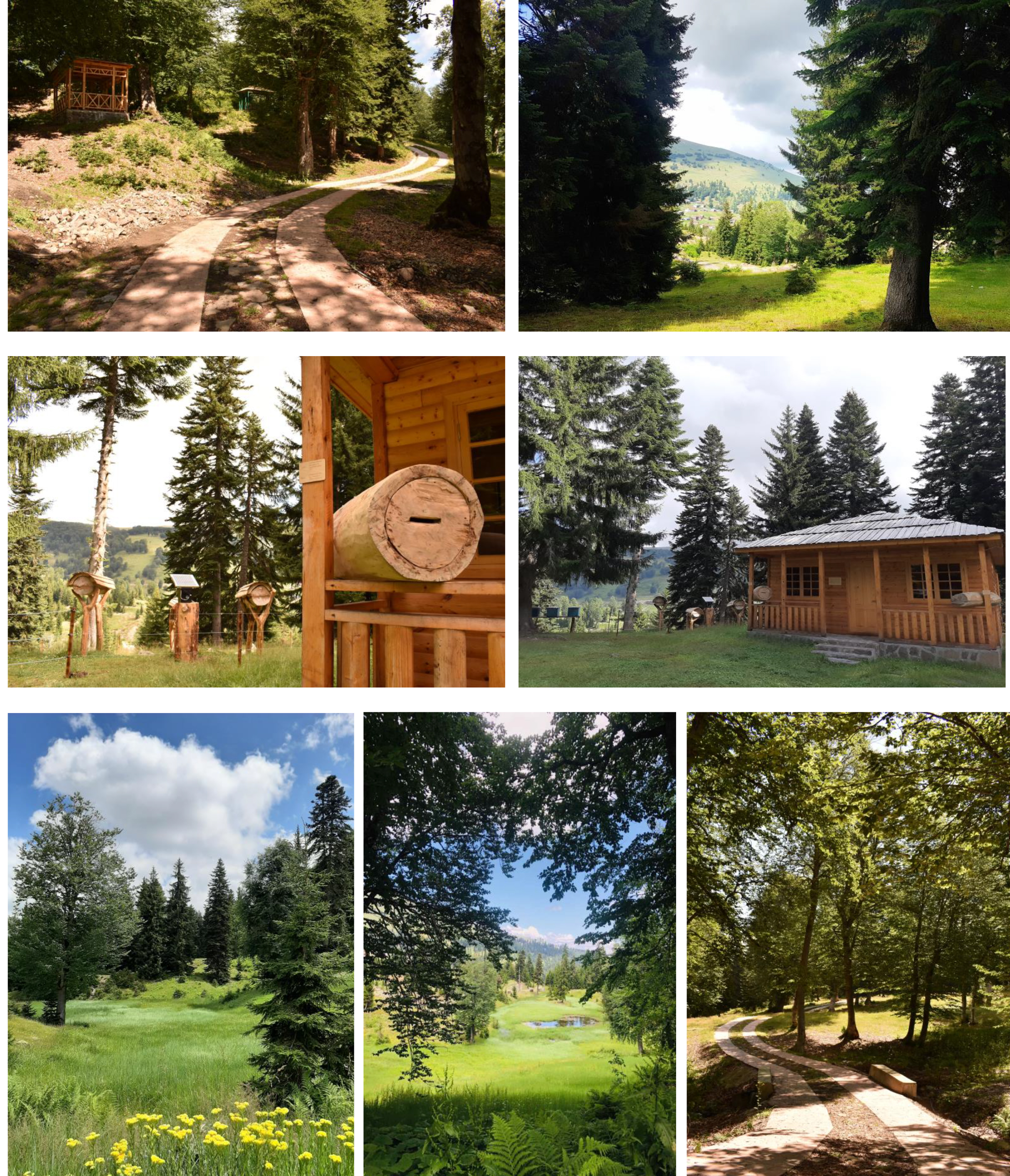
Located in Khulo, Ajara at 2000m above sea level, the Goderdzi Alpine Garden is now open. On Thursday, two hundred guests from government, municipal agencies, non-governmental and international organizations, travel agencies, scientists and botanists attended the opening ceremony.
Huge government support was there.
‘Opening of this natural monument will help Khulo municipality with further growth. We are working on the development of the local infrastructure. Those works together are increasing income for locals. My Special thanks to the Swiss Development and Cooperation Agency, Adjaristskalli LLC, and other organizations for making this project happen.’ – Tornike Rijvadze, the Chairman of the Ajara Autonomous Republic.
The Swiss Ambassador highlighted how natural treasure can positively impact local habitants, the means of quality-oriented tourism.
‘From the very beginning, we acknowledged the importance of the Goderdzi Alpine Garden not only for the region but also for Georgia at large. It is the initiative where eco-friendly tourism and agriculture are forcing each other for the benefit of rural settlers of the mountainous Ajara. It is also helping market with locally produced cheese, wild Jara honey and other local product.’ – Patric Franzen, Ambassador Extraordinary and Plenipotentiary of Switzerland to Georgia.
The Goderdzi Alpine Garden is an example of public-private cooperation.
‘Important thing about this is the sharing. We had a vision, we went to the Batumi Botanical Garden and shared this vision of taking this beauty and using it in the countryside so that all the people living here can also enjoy this vision. The opening of this garden is a symbol of positivity in a very negative time globally, a symbol of people getting together for something good.’ – Helen Bradbury, the ALCP Team Leader.
The main backer of the Goderdzi Alpine Garden is the Swiss Agency for Development and Cooperation (SDC) through the Mercy Corps Georgia implemented Alliances Caucasus Programme (ALCP). The project is supported by the Hydropower Company Adjaristskali and the Government of Ajara Autonomous Republic. The garden is being developed with the backstopping of Munich and Lautaret Botanic Gardens.
Follow the links on the opening of the Goderdzi Alpine Garden: Ajara TV, Imedi TV, Ajara Government FB, Ajara Tourism Department FB.
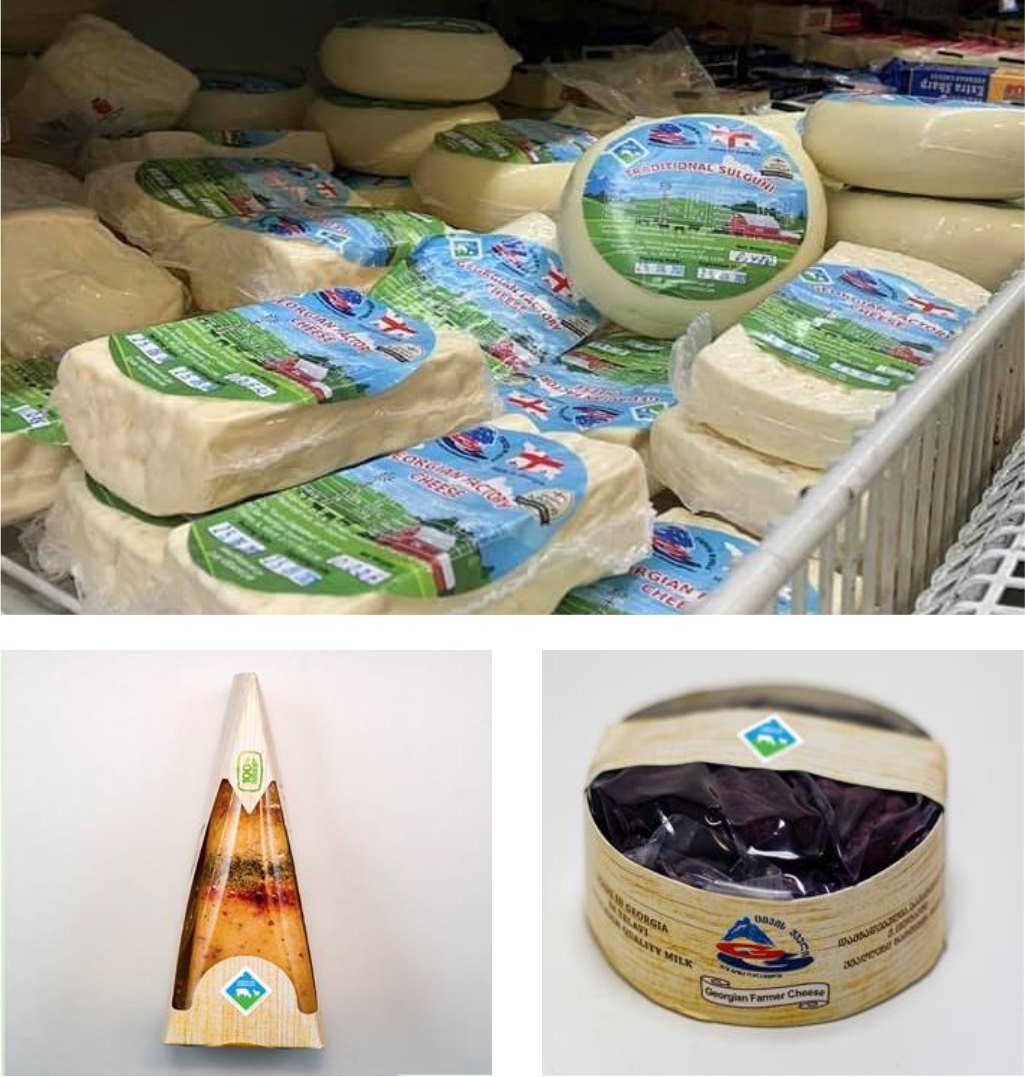
Last week, Tsivis Kveli Ltd in Kakheti distributed 250 kg different types of GMM cheese through the distribution company Georgian Imports in hypermarkets and cafés throughout Chicago. The dairy is now planning the next export in a few weeks.