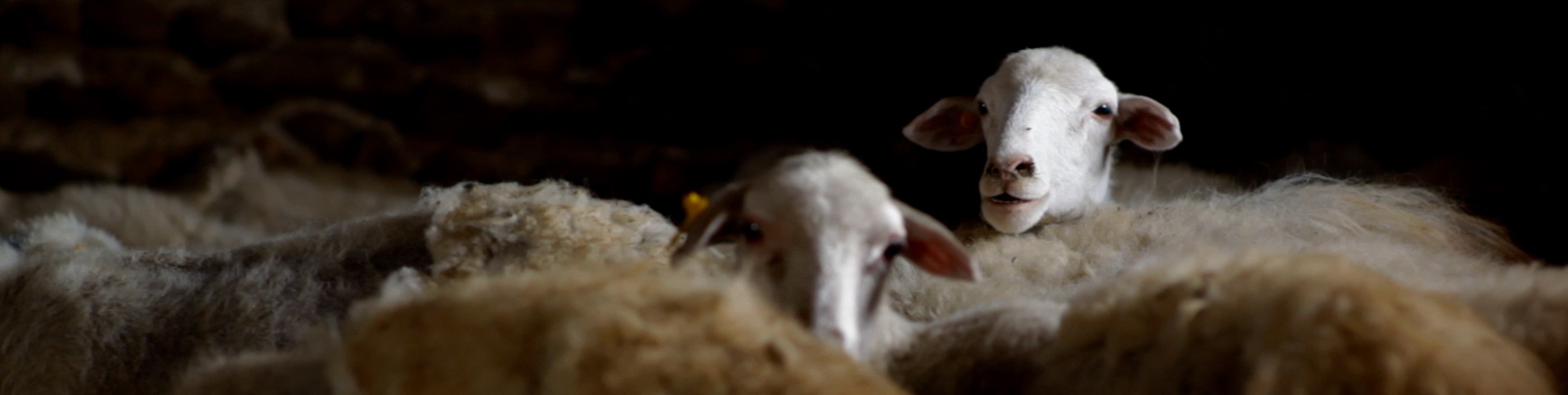
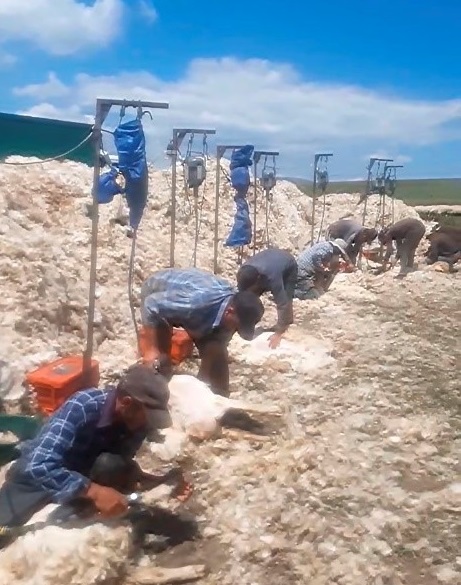
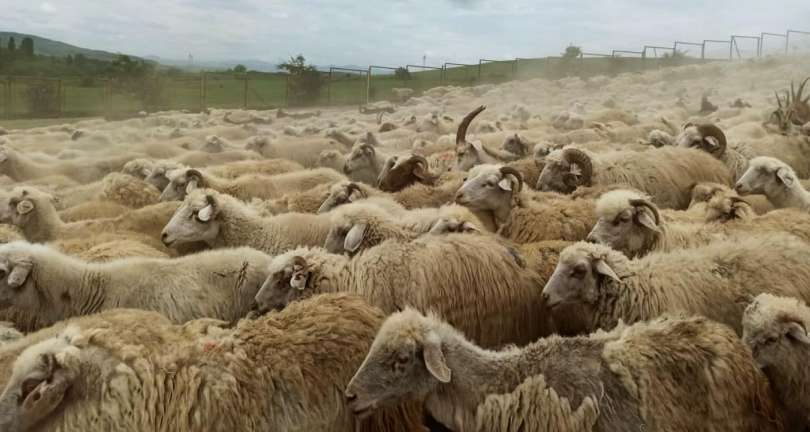
In 2018, while thinking about improving the quality of supplied wool, the Georgian Wool Company purchased twelve sheep shearing machines and trained a group of twelve shepherds, to provide a shearing service to sheep farmers. The service is available on the pastures at the beginning of spring and at the end of summer, when sheep are usually sheared in Georgia. This year, up to five-hundred farmers were served, with hundred thousand sheep sheared.
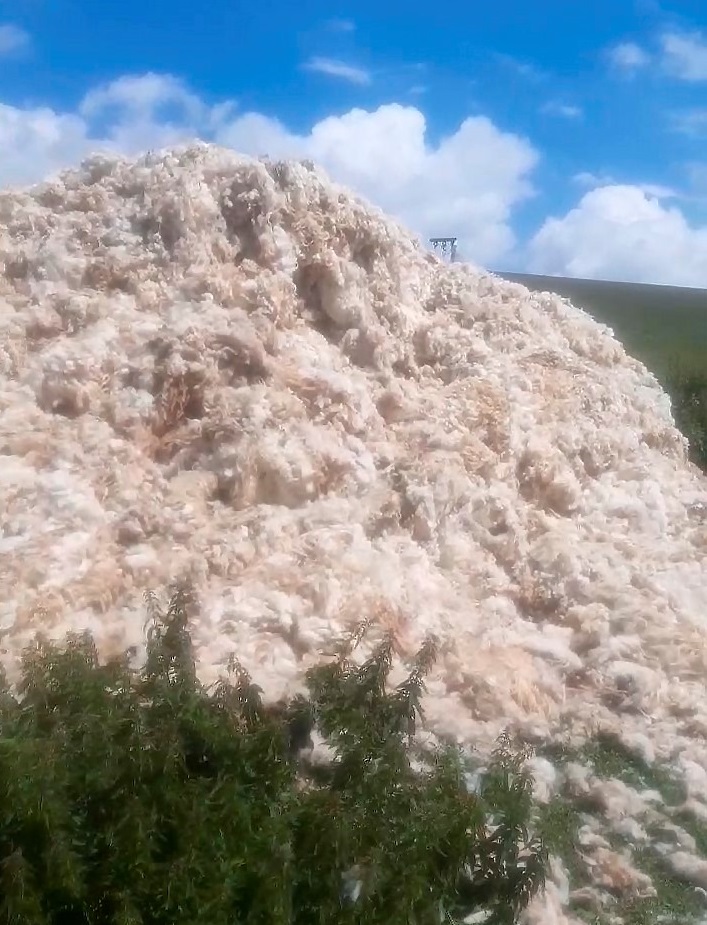
Before, the wool suppliers of the company sheared sheep by hand, which damaged wool fiber and the quality of wool was poor. It took time with only up to thirty sheep sheared a day. The sheep farmers had to ensure the workforce for shearing by hand, they also had to arrange wool storage space in pastures and transportation of wool from pastures to wool collection centers. Incompliant shearing and storage was decreasing the quality of wool and causing about a ten percent loss (up to thirty kilos), which was usually left on pastures polluting the local environment.
Now, the sheep shearing machines prevent damaging of wool fiber and respectively, the quality of wool has been improved. The company’s sheep shearing machine service includes storage and transportation of wool from pastures to the company`s warehouse in Tbilisi. Sheep shearing is now time-efficient with up to hundred sheep/day sheared by one trained shepherd. While shearing of thousand sheep by hand took at least three days, now the same is done just in one day. For the company it means a stable supply of wool in better, cleaner quality; For farmers it translates into reduced transaction costs, time and about 0.7 Gel saved per sheep.
The Georgian Wool Company first exported wool to the United Kingdom back in 2016. Ukraine, Kazakhstan, India, Afghanistan are now among top wool export destinations. Along with growing demand, improving quality has become a particular interest of the company.
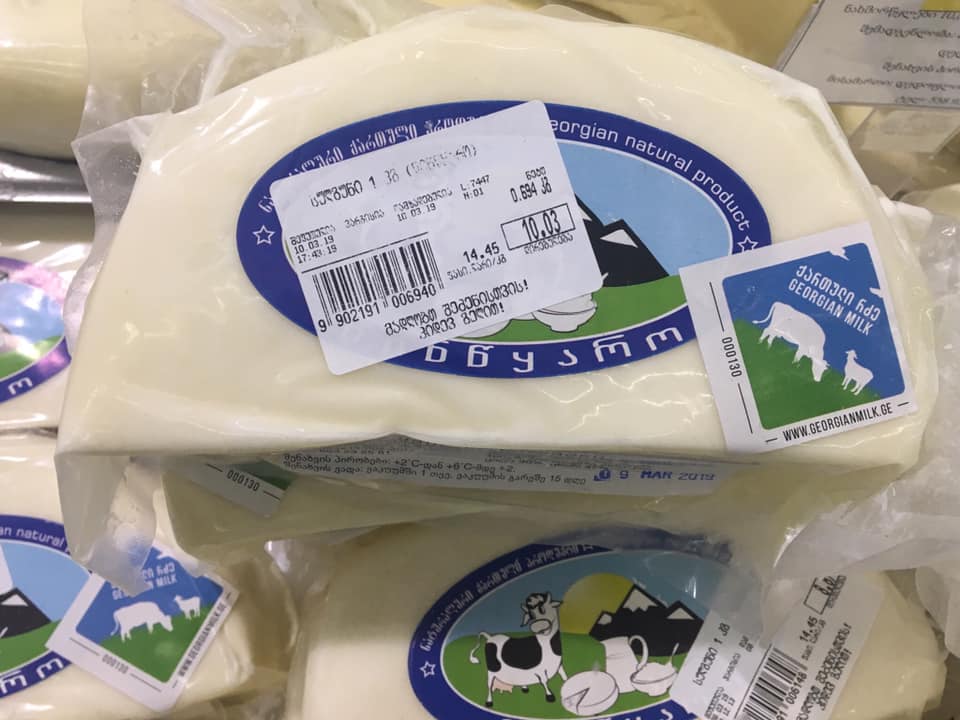
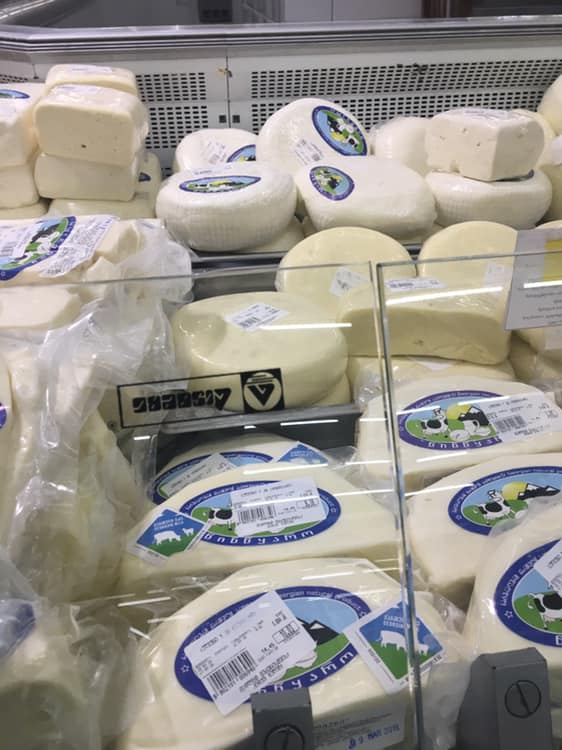
The products with 'Georgian Milk Mark' are now available in the supermarkets of Georgia.
The 'Georgian Milk Mark' is officially registered and serves to distinguish dairy products made from natural milk.
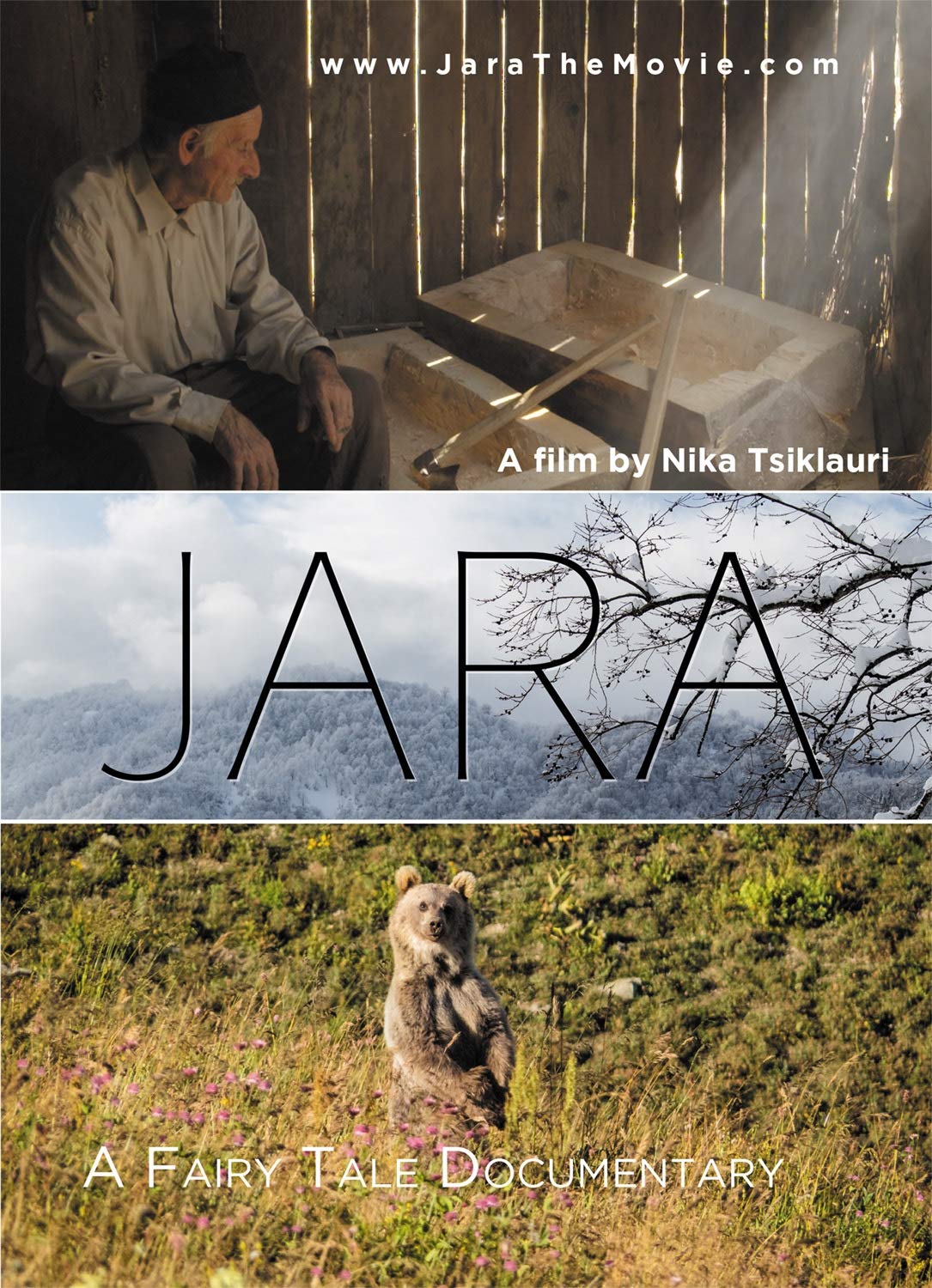
The documentary Jara is now available for sale on amazon.
Jara is a fairy tale journey through one year in the mountains of Ajara. A story of the shifting boundary between human habitat and wild nature, portrays everyday lives in the changing seasons. The wooden jara in the forest and the bees living within it are the fixed point in the story.
The film was named as the best feature film at the Wolves Independent International Film Festival2018 in Lithuania, and won the Golden Green Award 2018 at the Deauville Green Awards International Film Festival in France for the best production in the category of Sustainable Agriculture; the cameramen of the movie received an award from International Festival of TV and Movie Cameramen the Golden Eye 2018 for Best TV Camera Work.
The main backer of Jara is the Swiss Agency for Development and Cooperation (SDC) through the Mercy Corps Georgia implemented Alliances Lesser Caucasus Programme.
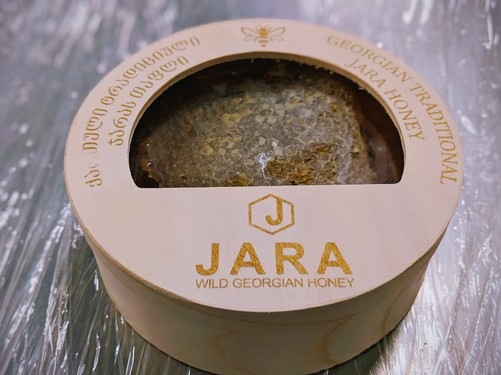
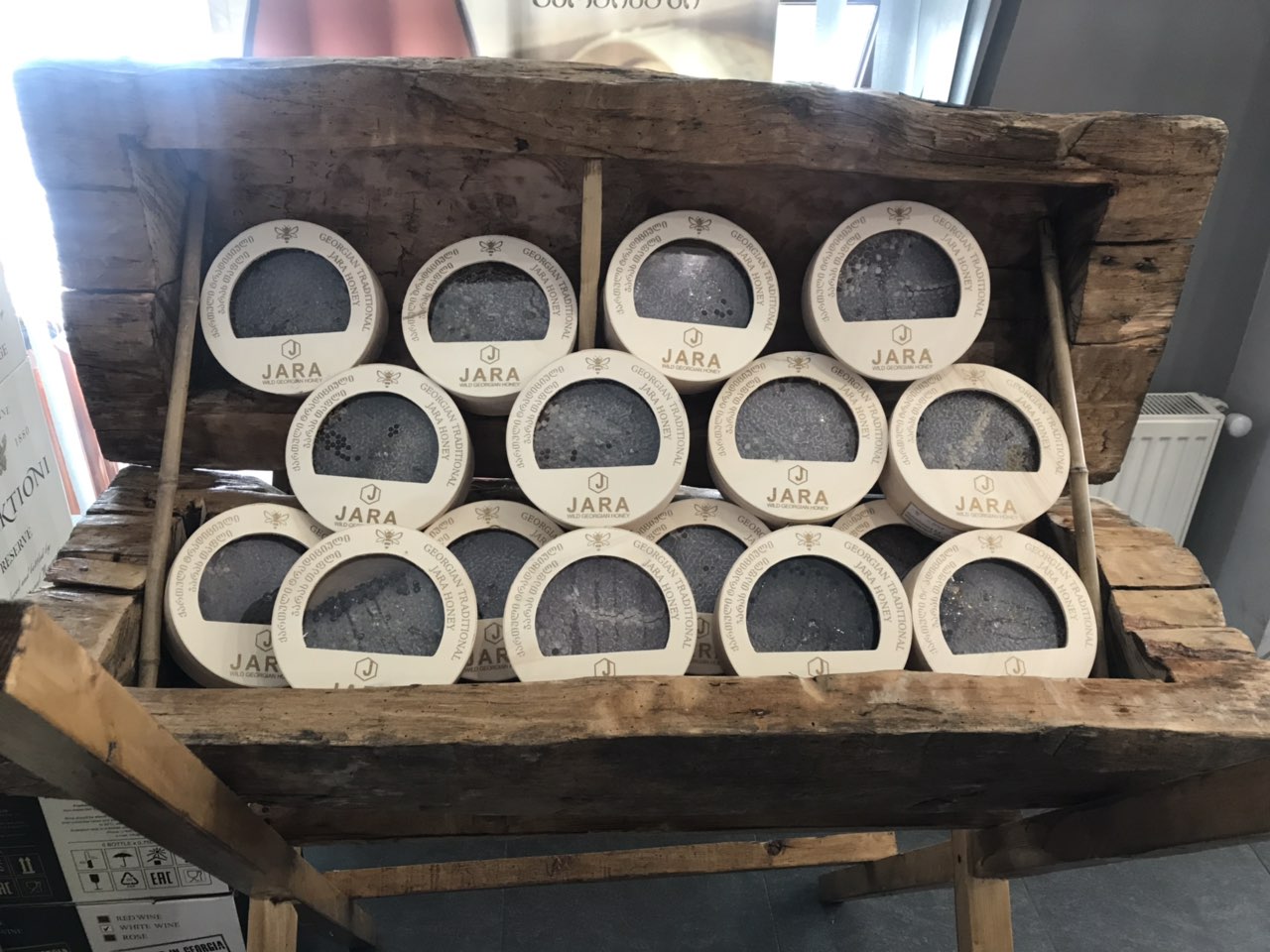
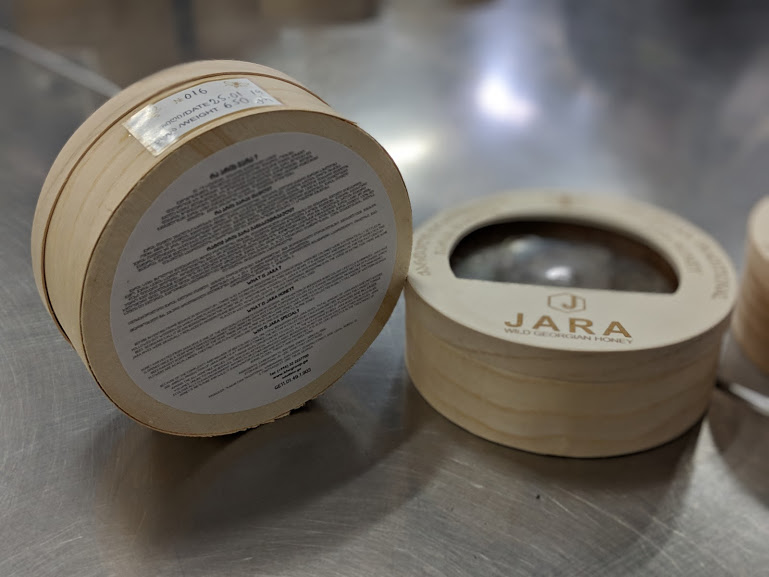
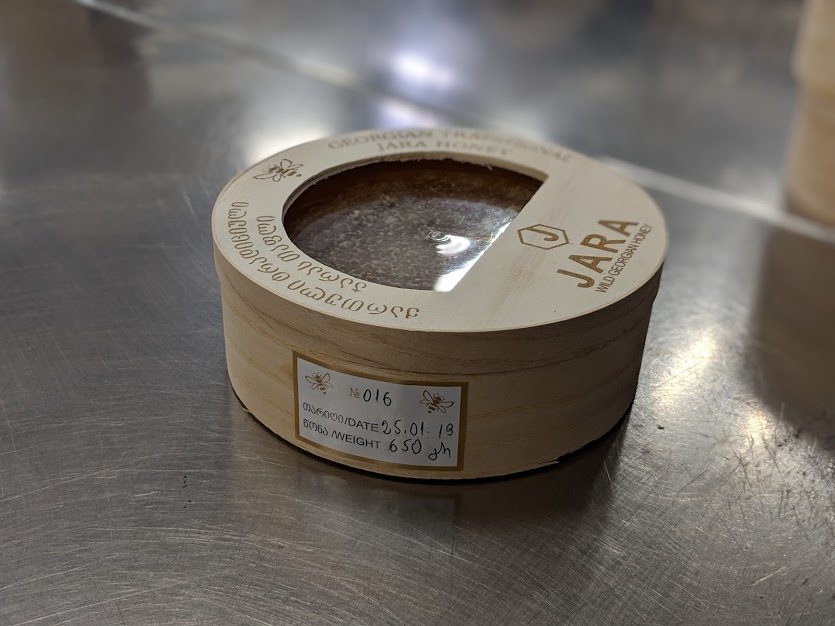
Jara honey, collected from the local beekeepers in Ajara, has been officially branded and packaged for the first time. It is now ready to enter the international markets.
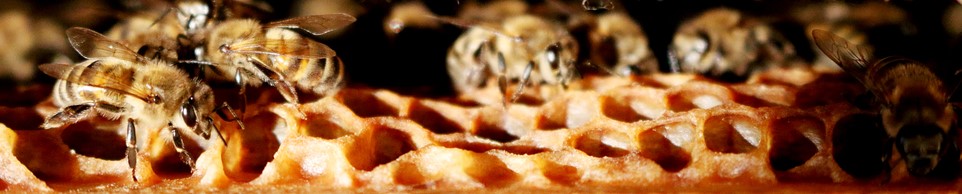
On 8th of November, 2018, the Government of Georgia adopted regulation #525, which forbids registration of the vet drugs containing prohibited antibiotics, like, chloramphenicol, metronidazole, dimetridazole, ronidazole, nitrofuran (including furazolidone) which are widely used in beekeeping. The regulation entered into force on 1st of January, 2019 and was nationally covered by the media outlets. The regulation was proposed by the Veterinary Department of the NFA, after this constraint was raised at the first Honey Sector Advisory Committee on 22nd of June, 2018, which brought together honey stakeholders to discuss tackling the high levels of antibiotic residues in honey which are limiting the development of the honey sector.
An article about Veterinary Surveillance Points (VSP) has been published in a quarterly bulletin of OIE – the World Organization for Animal Health. The article covers topics on the tradition of livestock seasonal movement in Georgia, the necessity of establishing VSPs and the importance of the points in animal health control throughout the country. The author of the publication is the Head of the Veterinary Department of the National Food Agency and the OIE Delegate of Georgia - Lasha Avaliani.
Please follow the link: Oiebulletin/veterinary-surveillance-points
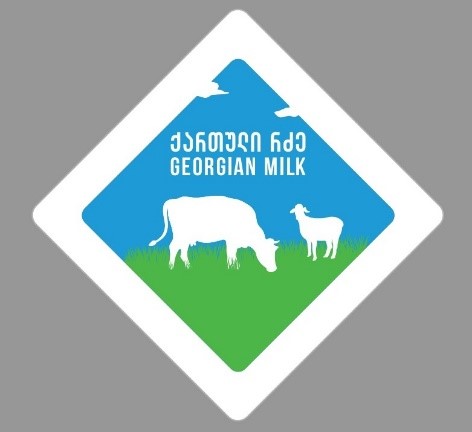
The ‘Georgian Milk’ mark has been registered in the National Intellectual Property Centre of Georgia - Saqpatenti. The mark is now protected to avoid falsification and strengthen the ownership of Business Institute of Georgia, an independent body which will regularly audit dairies granted license to use the mark.
Eighteen dairy enterprises have already applied to use the mark.
The new ‘Georgian Milk’ mark will distinguish dairy products made from natural raw milk.
Information per enterprise will be published online on a www.georgianmilk.ge website which will come online at beginning of March. This will allow consumers to look up the products they are buying using a unique register number printed on the label.
A national promotion campaign conducted by GMA international marketing company to introduce the mark to the public and retailers will be rolled out from the end of next month.