Rebounding in spite of the pandemic, export markets for Georgian honey are beginning to flow and the volume of honey is growing rapidly. In the first eight months of 2021, 117 tonnes of honey were exported to eleven countries; France, Bulgaria, USA, Canada, Hong Kong, Japan, Kazakhstan, Azerbaijan, UAE, Qatar, and Saudi Arabia. Five times more than the 21.7 tonnes of honey, exported to six countries in 2020.
A major recent development has been the establishment of a contract for wholesale bulk honey between Api Geo Ltd in Samtredia and Naturalim France Miel a large honey company in France. In September, forty-three tonnes of honey was shipped to France. A second order is now being prepared for shipment. Strict testing in France and Germany and a new factory and equipment capable of homogenizing 20t of honey at a time mean that the company is the first in Georgia to able to reliably service such a market.
‘This is just a start; we hope to export at least 100 tonnes of Georgian honey to France this year. We want to supply from smaller-scale beekeepers which will help them with selling their honey, which has been a problem for years in Georgia.’ - Gia Ioseliani, Founder of Api Geo Ltd.
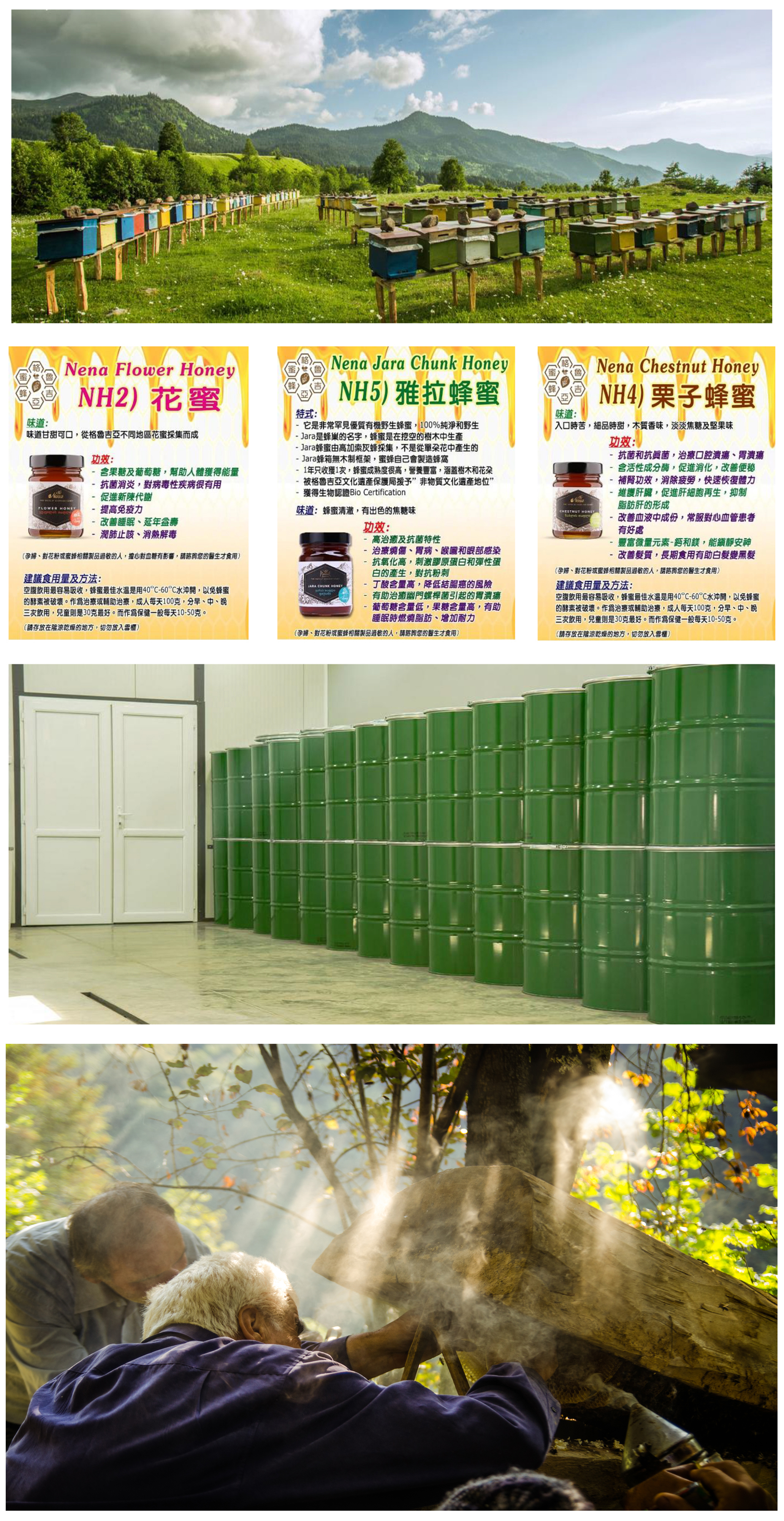
September was also a fortunate month for Kakhetian Traditional Winemaking (KTW) producers of the Nena Honey brand which includes the first Bio-certified Jara honey in Georgia. The company has just shipped a second large order of six types of Nena honey to Hong Kong, including chestnut, blossom, alpine, linden, Jara and honey with nuts including Bio Jara honey. Nena Bio Jara honey is also on its way to Doha, Qatar. Overall, since January 2021, the company has increased the volume of honey exported by 110%, compared to 2020, to markets in Canada, USA, Hong Kong, Japan, Azerbaijan and Qatar.
Bio certification of Jara honey in Ajara is receiving considerable governmental backing.
‘We are proud that export markets for bio-certified Jara honey are growing and now it is being exported to countries like Japan, the USA, and Canada. We started to support Bio-certification of the Jara Beekeepers Association in 2021 to continue to supply diverse export markets for such a flagship product.’ - Giorgi Surmanidze, Minister of Agriculture of Ajara.
The Jara Beekeepers Association is consolidating its entry into the Japanese market in partnership with MF Company Ltd. In September they exported honey to be shown at an exhibition in Tokyo in October, after which the next order will be placed.
‘Japanese consumers are loving Jara honey, some of them told us that it helps them with stomach problems. We believe that this exhibition in Tokyo will open up new opportunities for the Jara Beekeepers Association.’ - William Pratt, Co-founder of MF Company Ltd.
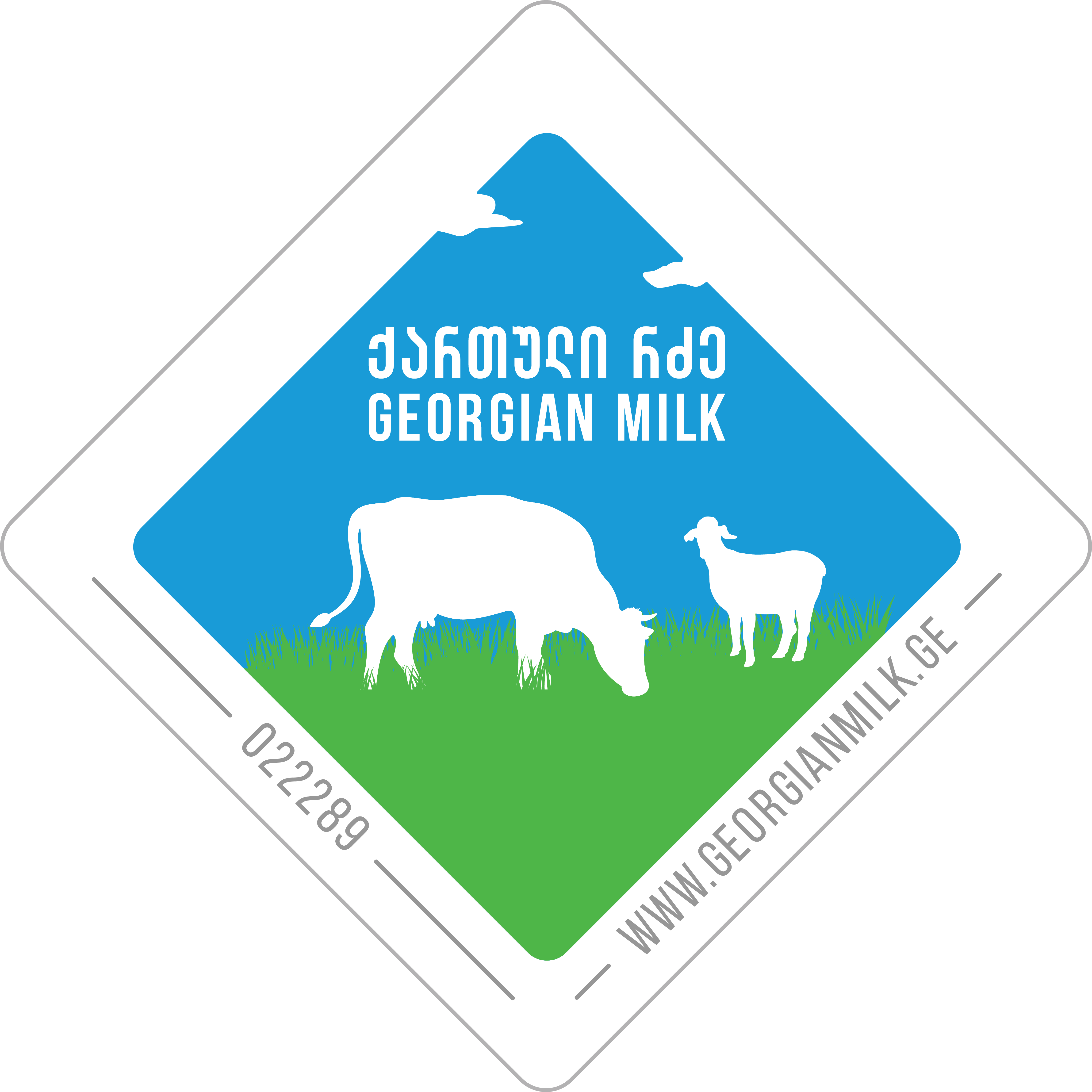
A presentation of a new ‘Georgian Milk’ mark was held on the 22nd of January at Hotels & Preference Hualing Tbilisi.
Up to 150 dairy enterprises and representatives of supermarkets, agri markets, sectoral associations and Government Agencies participated in the meeting.
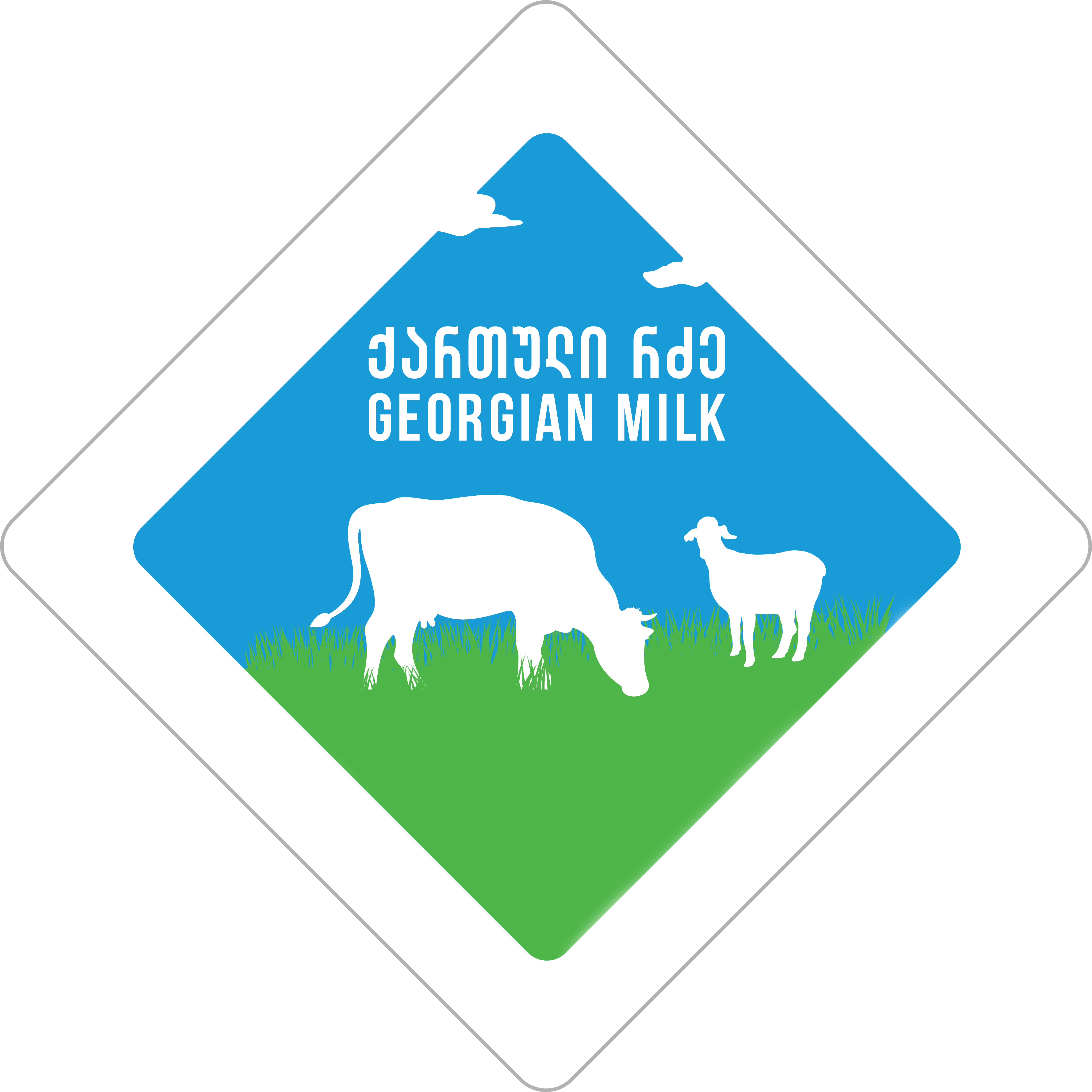
The new ‘Georgian Milk’mark will distinguish dairy products made from natural raw milk. The ‘Georgian Milk’ mark will be found only on dairy products produced from Georgian natural raw milk and which do not contain milk powder and/or any vegetable oils. The purpose of the mark is to promote products made from Georgian natural raw milk, which will help consumers make informed decisions while buying milk and other dairy products. A recent large national consumer survey by the Caucasus Research Resource Centre of urban consumers across Georgia showed that consumers want to be able to buy ‘ecologically clean’ dairy products, meaning clean milk that comes from healthy grass fed cattle and dairy products produced in clean regulated enterprises. The research found that the majority of consumers had difficulty in identifying or being able to buy such products as these products are currently undifferentiated in shops. The ‘Georgian Milk’ mark will therefore solve this problem.
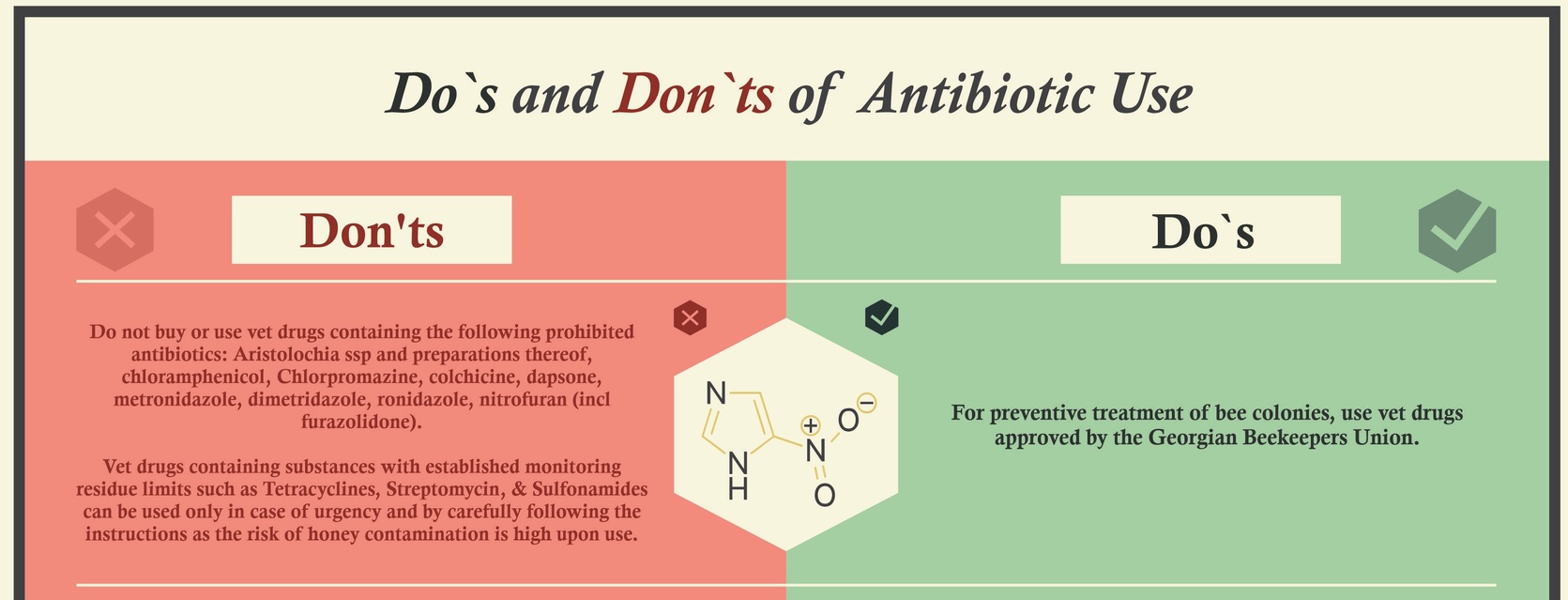
The ALCP facilitated the Georgian Beekeepers Union to develop infographic regards Do’s and Don’ts of Antibiotic Use, providing guidelines for the beekeepers on proper usage of antibiotics and preventing honey and beeswax from contamination with the antibiotics. The full version of the infographic is available here.
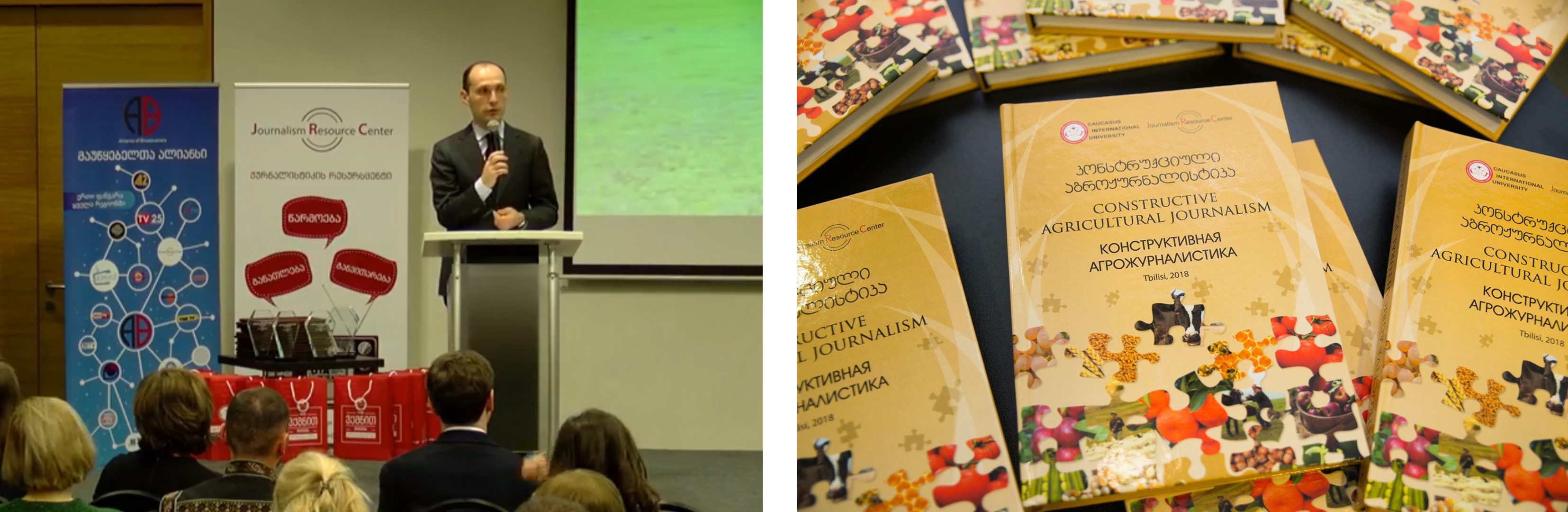
On December 26th, the Journalism Resource Centre presented its second edition of the agri journalism module. About hundred guests from the government, business and academic sphere attended the event.
The Minister of Environmental Protection and Agriculture of Georgia, Levan Davitashvili stated: ‘I am very glad to hear about all the initiatives related to agri journalism. Education is very important in agriculture for ensuring information dissemination for farmers. The door of the Minister of Agriculture is open for you at any time and our partnership with regional media is very important.’
The agri module was created for inclusion in BA in journalism degrees. Now, ten universities across Georgia have the agri journalism module established in their curriculum, lasting one semester with a total of 15 credit hours. Four more universities are about to do the same this year. 369 students have undergone the course in Georgia to date. Now those initiatives are ready for transfer to Armenia and Azerbaijan.
During the event, the Journalism Resource Centre awarded farmers and specialists within the agricultural sector. The Best Female Farmer of the Year award was given to beekeeper Mariam Kiladze; the Best Vet of the Year was Giorgi Tcikhelashvili from Dmanisi, he is 25 years-old who graduated from the Vet Department at Agrarian University and went back to Dmanisi and is working as a vet. The Best Male Farmer award was given to shepherd Giorgi Imerlishvili. Credo and the EBRD were recognized as financial institutions that supports agriculture, and SDC Project Mercy Corps Alliances Caucasus Programme for supporting agri media journalism.
At the end of the event, the Journalism Resource Centre announced the establishment of the Agro Guild, which unites journalists and media organizations, businesses, farmers, public officials, and universities and sets up annual or bi-annual advisory committees. The members of media associations and the JRC also announced that they are planning to establish an Agri TV program, the pilot of which will start in three months.
Follow this link for additional news regarding the event.
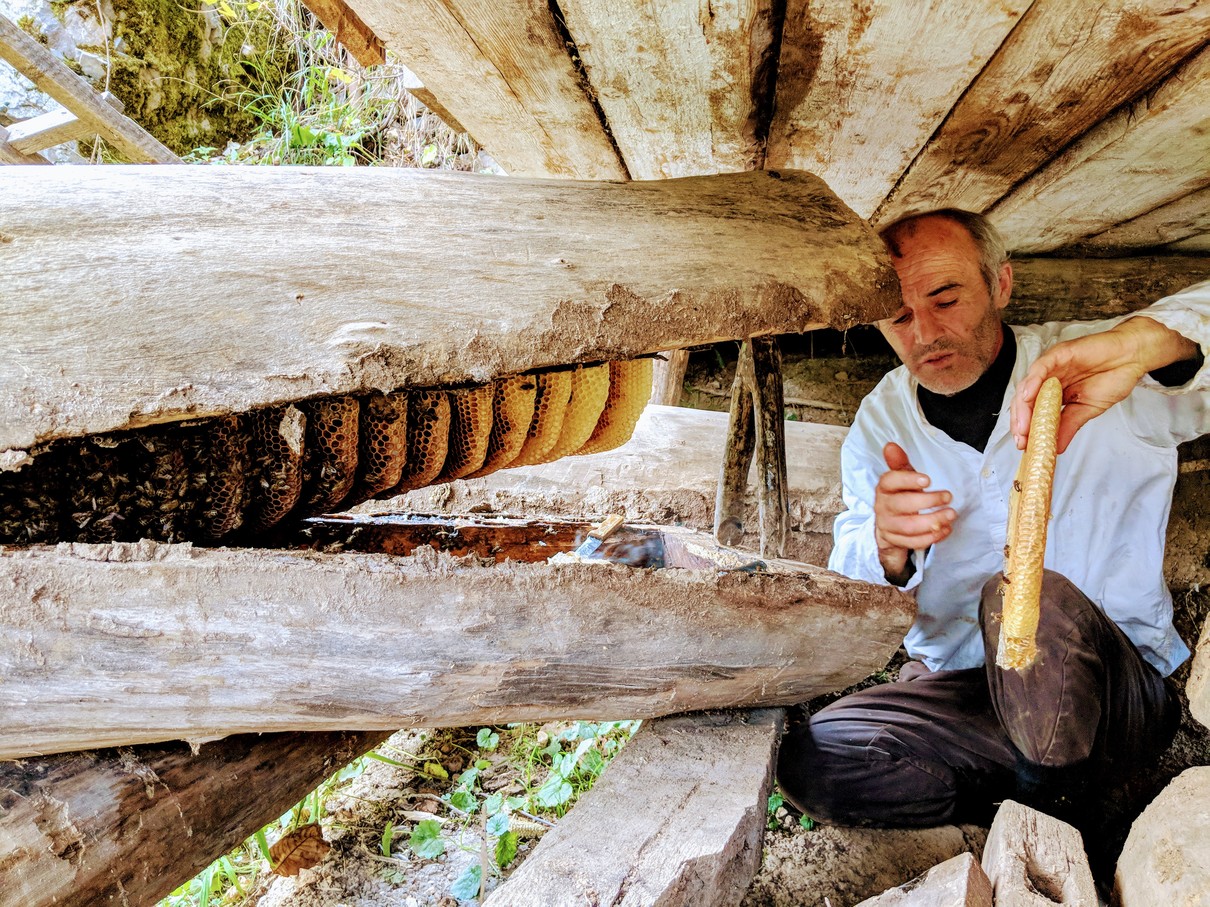
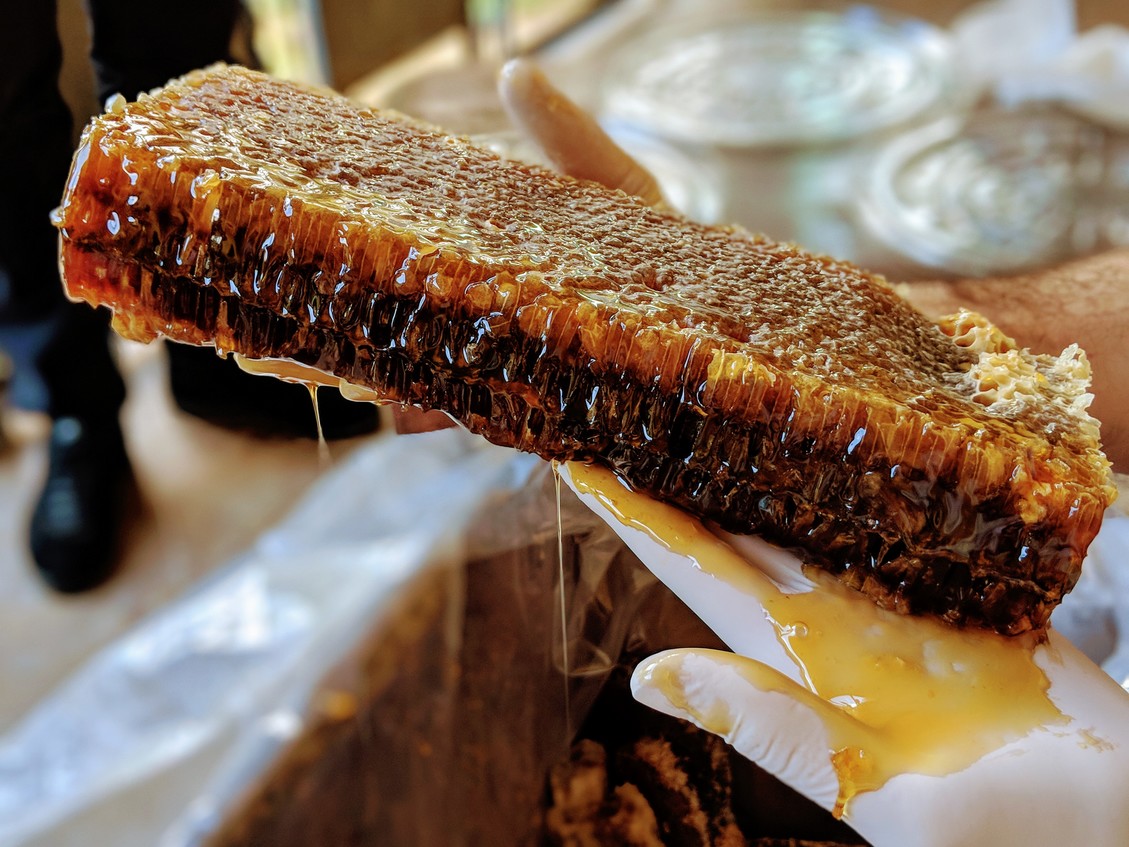
For the first time ever, twenty Jara producers have sold their entire crop of Jara to a commercial enterprise. Jara honey will soon be available in shops in Georgia.
See photos below.
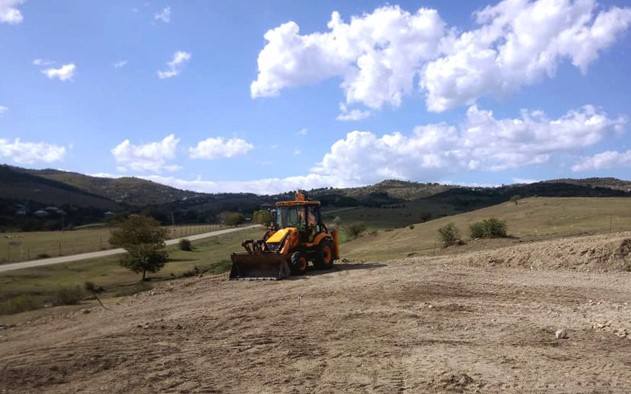
The construction of a new Veterinary Surveillance Point has recently started in Bolnisi municipality. The works will be finished in December 2018. The point will be the six and final point in the Veterinary Surveillance network throughout the Animal Movement Route.
During five transhumance seasons in 2016-2018 total 1.4 million heads of sheep and cattle were treated against ecto-parasites free of charge at all operational Veterinary Surveillance Points in Rustavi, Marneuli, Signagi, Dedoplistskaro and Kvareli municipalities.

The Georgian documentary Jara was named as the Best Feature Film at the Wolves Independent International Film Festival 2018. Nature, heritage, environment, history, culture, ethnography, adventure, wildlife, indigenous cultures and social issues are the main themes of the festival which takes place in Lithuania.
It is the second award for Jara following Golden Green Award 2018 at the Deauville Green Awards International Film Festival, for the best production in the category of Sustainable Agriculture
Jara was premiered by EcoFilms in Tbilisi in 2017. The main backer of Jara was the Swiss Agency for Development and Cooperation (SDC) through the Mercy Corps Georgia implemented Alliances Caucasus Programme (ALCP) within a consortium of public bodies and conservation organizations including World Wildlife Fund and Caucasus Nature Fund.