From the ISET Economist news (http://www.iset.ge/news/?p=3056)
By Tim Stewart
As Georgia embarks on an ambitious program to develop farmer organizations, it is worth considering both the positive and negative lessons from the experience of similar initiatives, both in Georgia and elsewhere in the developing/transition context. The piece by Tim Stewart, originally published on www.springfieldcentre.com, identifies some of the main reasons for the failure of start-up farmer organizations. The challenge for Georgia is to learn from these mistakes in planning and implementation, and ensure improved coordination among the many cooks involved (the newly created Agency for the Development of Agricultural Cooperatives, the Ministry of Agriculture, international donors, NGOs, and farmer associations).

A village in the Zestafoni area. It is a picturesque landscape, but the farms are not operating very efficiently. (Photo: Nikoloz Pkhakadze)
Someone once told me that I couldn’t be a real agriculturalist until I had at least one failed chicken project under my belt, illustrating both their ubiquity and propensity to flop. The same can be said of projects that seek to establish farmer groups (farmer organisations, cooperatives etc.) and for much the same reasons – although I believe we should learn from failure, not repeat patterns that lead to it.
Conventional programmes working in agricultural markets often include a component of forming and supporting farmer groups in their various guises. Their justification for this is the perceived benefits to small farmers that can accrue from economies of scale of production (assets, labour and inputs), marketing (reduced transaction costs and bigger volumes) and voice (representation to government etc.). My concern is that farmer group formation and support is frequently a waste of effort and money because they overwhelmingly fail, and there is little honest recognition of, let alone learning from, that awkward reality.
Literature drawn mainly from projects supports farmer group formation and strengthening as a panacea for agricultural advancement, and often backs up the case for intense external resourcing. It suggests that farmers in groups are more likely to adopt technologies than those who aren’t, or are more likely to grow project-supported crops. Proponents also highlight their significance to the supply of inputs into food production and of food to the market. Indeed, the FAO estimates that nearly 40% of Brazil’s agricultural GDP is produced through cooperatives while in Europe, 60% of agricultural produce and 50% of inputs are marketed through one.
However a glance at the 2012 “Exploring the Cooperative Economy” report from the World Cooperative Monitor, reveals an almost total cooperative vacuum in Africa and, to a lesser degree, Asia. More directly, in my work I am frequently confronted with the reality of failed farmer groups that evaporate once the project ends, with unused equipment rusting in the corner of a field, an image, which has become a cliché of dysfunctional development in the popular press. And for many people engaged in development, farmer groups are a byword for failure.
Yet as far as I can establish (and I have searched), there have been few honest and objective ex-post reviews of farmer group formation components of projects to look at failure and the reasons for failure. (If I’m wrong and there are real data on groups’ success and sustainability, please send it to me!) Failures, if reported, are attributed to external “unforeseen challenges” and written up as “lessons learned”. Farmers groups have become a prime example of the development industry’s “emperor’s new clothes syndrome”, where official views are positive and glowing and formal research and evidence are at odds with what we know to be common (naked!) reality. So, in that context, I would argue that farmer group formation is a poor way to improve the lot of farmers positively and sustainably. How much more money needs to be spent; how many more pet Farmer Field School projects do we need to implement; how many more constitutions do we need to write; how many MOUs do we need to sign or how many ‘Farming as a Business’ trainings do we need to subject farmers to, before we understand that this form of development is not working?
The factors leading to the failure of farmer groups (rapid decline post-project) are numerous, but broadly they fail because they were formed for the wrong reasons, by the wrong people and/or in the wrong way.
THE WRONG REASONS TO FORM FARMER GROUPS
Agencies often form farmer groups because it helps them – the agency – achieve economies of scale of delivering services, assets or grants to them. In addition some may feel more comfortable ethically with the transfer of expensive assets or technical assistance to a group rather than an individual. The ethos of communal ownership to cosiness of the collective is pervasive in certain quarters of the development industry, even in the face of the common observation of poorly managed group-owned assets. Farmer group membership is also too often a pre-condition for farmers to receive giveaways from agencies. Groups therefore become entities built on artificial incentives created by agencies wanting an easy repository for their resources and buying short-term transitory impact.
Clearly then, ill-conceived or self-serving reasons are the wrong ones for forming farmer groups.
THE WRONG PEOPLE TO FORM FARMER GROUPS
Agribusinesses often face problems interfacing with small farmers because of high transaction costs, small transaction sizes, poor organisation and communications and a general lack of understanding of them. Farmers are often observed to face challenges finding markets for their products or face poor terms of trade. The absence of institutions (like groups) and services which would help them overcome these challenges (supporting group formation) is often justification enough for agencies to intervene impulsively by stepping in on behalf of small farmers – telling and selling the narrative of the “farmer being exploited by the middleman”.
The problem here is not only do agencies avoid addressing the root causes of the problem that lies beyond the farmer-trader interface, but in stepping into this space by performing “farmer group services” they undermine the possibility that it will ever be solved. Rather than solutions cemented firmly and sustainably in the market system, emerging “farmer group services” are seen as a development agency space. Thus it becomes a self-fulfilling prophecy: farmers are disadvantaged in markets because of weak vertical and horizontal linkages and there are no services to address this market failure: justification enough for agencies to step in and undermine the market further…
Development agencies are also the wrong people to offer farmer group services because, typically, they are poor at business:
- They are not market based, they are subsidised and non-commercial and their success/failure isn’t dependent on a viable offer but on continued support from their donor.
- Their incentives are therefore aligned to the agendas of the donor and their own HQ, not the market.
- They are not cost-effective, indeed they are prohibitively expensive if the true cost of delivery is taken into account (drivers, cooks, HQ fund-raising etc.).
Development agencies are therefore the wrong people to form farmer groups because they are not long-term players in the market, undermine legitimate market players if they attempt to do so, and, put simply, are usually bad at business.
THE WRONG WAY TO FORM FARMER GROUPS
Agencies form farmer groups on the basis of an abstract, theoretical notion of potential benefits, or experience in distant contexts of limited relevance. Seldom do they ask the more grounded starting question: if groups are such an obviously “good thing”, why aren’t farmers forming groups already? Understanding the answer to this question would lead to understanding and addressing systemic problems in the market, or simply not wasting resources by attempting to do something that would be unsuccessful. The reasons that farmers don’t form groups are many, but often related to a lack of incentives or capacity.
Incentives: It may be that additional income does not accrue by aggregation, or that which is created may not be sufficient to overcome other issues such as distrust of others in financial matters. Other actors may be able to provide incentives that induce group formation such as a commodity buyer that provides inputs on credit. There may also be disincentives related to the wider political economy such as additional tax or administrative burdens to formal groups.
Capacity: There may be other obstacles to forming groups such as inefficient business registration procedures, weak advisory services, or a lack of adequately available information that would allow farmers to make an informed decision to form a group. This shouldn’t be seen as an open justification for agency intervention to address these directly for example through business services and setting up one-stop-shops for business registration etc. Rather it should lead to enquiry into who could and should be delivering these and why they are not.
The wrong way to form farmer groups is therefore to do it without understanding the central market failures that prevent farmers from forming them.
WHAT TO DO ABOUT IT
The problem for an agriculturalist and development practitioner like myself, is that working with farmers is fun and endlessly fascinating: it’s one of the things I got into the business for! However instead of being drawn to act impulsively on behalf of the small farmer, I think agencies would serve them better by doing more of the following three things.
Firstly, go in with their eyes and minds open, conducting ex-ante market analysis rather than making unsubstantiated assumptions about what farmers need. Don’t arrive with a farmer group solution pre-prepared and engineer an analysis to justify this. Establish the reasons that farmers are not cohesive, what incentives are shaping their behaviour and what capacities may be lacking. Get a valid answer to the key question: why isn’t the market system working?
Secondly, build and don’t undermine. Guided by the above analysis, work with relevant, long-term market players (private and public) to address the issues underlying farmers’ poor performance and low incomes.
Thirdly, be honest about and learn from failure. This is not especially difficult or time consuming to do, but I suspect is a place where many fear to tread.
My argument is not that farmer groups cannot be beneficial to farmers. Rather, by adopting a systemic approach aimed at fostering the conditions for self-organisation among market players, agencies have a far better chance of supporting small farmers – which may or may not involve farmer groups.
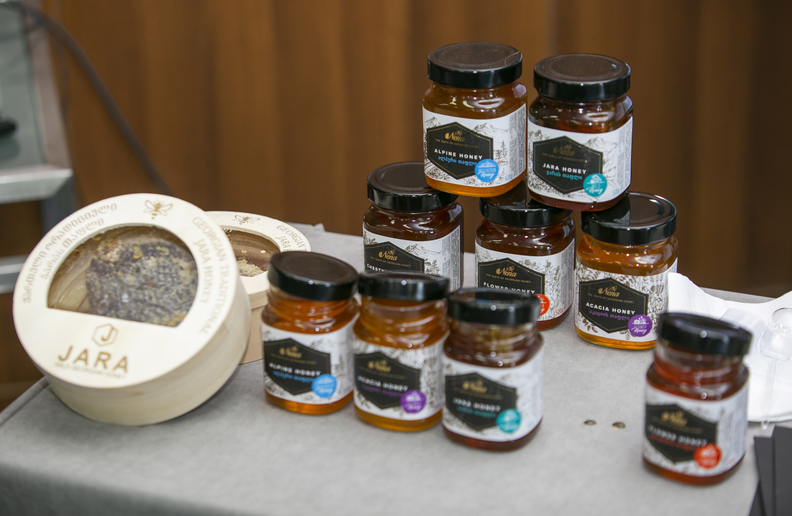
The Jara Beekeepers Association (JBA) has registered the Jara honey mark in the National Intellectual Property Centre of Georgia - Sakpatenti.
The mark ensures the protection of Jara honey from falsification and represents a quality compliance guarantee verified by the JBA who are dedicated to preserving traditional beekeeping practices based on Quality Assurance Standards developed by the JBA last year.
In 2018, Jara honey was commercially harvested and packaged according to the standards for the first time. This year it was exported to the United Arab Emirates and the export market is growing.
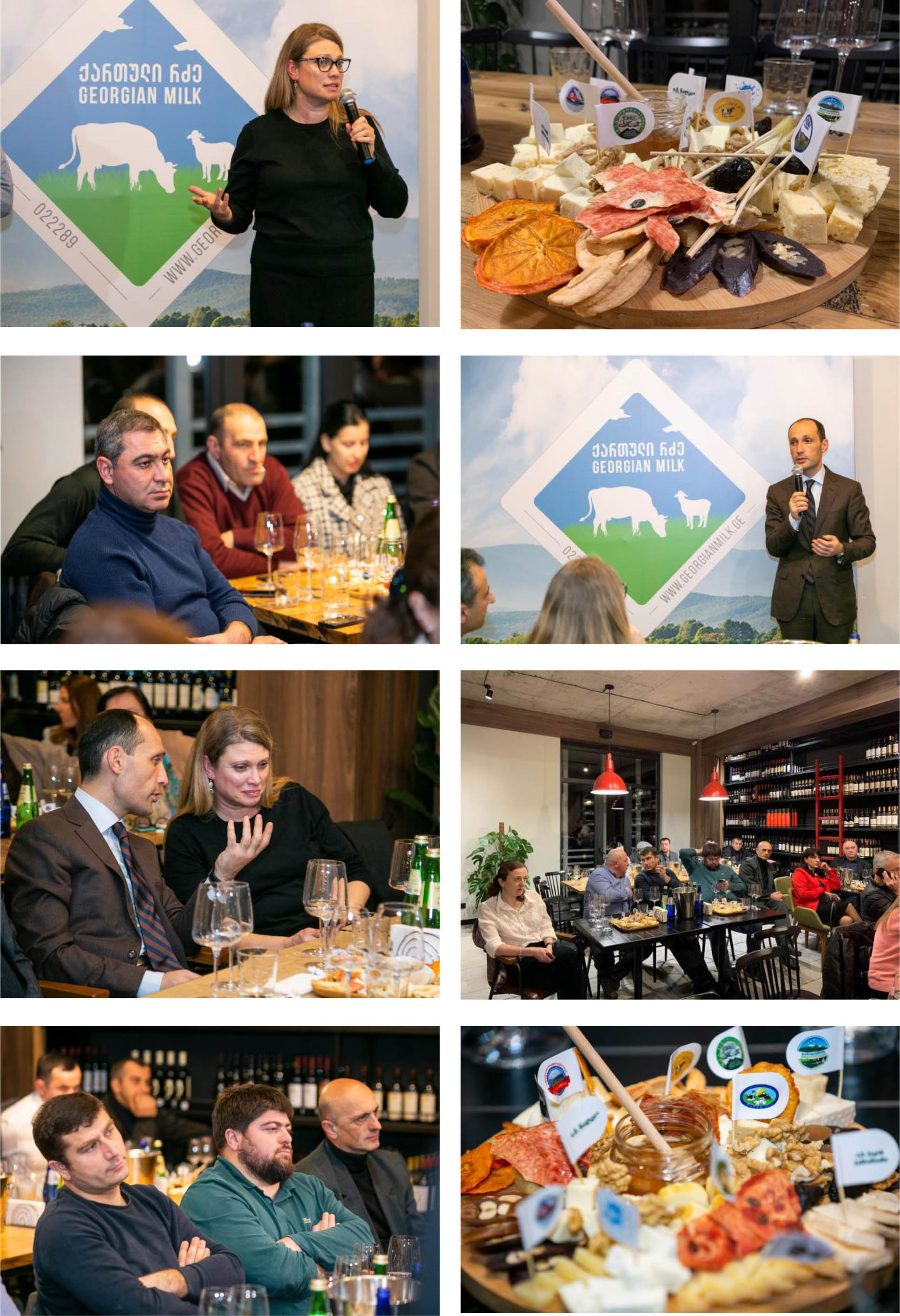
On 16th of December 2019, the Georgian Milk mark organized a Georgian Cheese and Wine evening at 8000 Vintages to introduce cheese with Georgian Milk mark (GMM) to the supermarkets and encouraged them to pass information on the advantages of GMM cheese to consumers. Cheese with Georgian Milk mark does not contain milk powder or any vegetable oils, it has laboratory analysis and is produced in the enterprises which are HACCP certified.
The Guests had the opportunity to taste different types of cheese made from natural raw milk produced by thirteen enterprises: Milken Ltd, Tsintskaro + Ltd, I.E Hakob Hambaryan, I.E Karen Simonyan, I.E Tsolak Grigoryan, Tsifora –Smatskhe Ltd, Tsalka +Ltd, Dairy Products Company Tsezari Ltd, Gocha Gagashvili – brand name Tsivis Kveli, Levan Bejanishvili-brand name Shuamta, Badri Gogoladze – brand name Cheese Hut, Coop. Tanadgoma, Coop. Disvelli. The Information per enterprise is available on www.georgianmilk.ge. The website allows consumers to look up the products they are buying using a unique register number printed on a label.
The evening of Georgian Cheese and Wine was attended by Mr. Levan Davitashvili, the Minister of Environment Protection and Agriculture of Georgia, by the Swiss Agency for Development and Cooperation Project Alliances Caucasus Program (ALCP) implemented by Mercy Corps, Georgian Milk Mark Project Administrator - Business Institute of Georgia and Marketing Company GMA Representative, the supermarkets and the dairies using the Georgian Milk mark.
The evening was headed by Zaza Grigalashvili, an '8000 Vintages' Sommelier, who spoke about Georgian cheese and wine pairing.
Helen Bradbury, ALCP Team Leader: ‘We have private sector cheese enterprises in the room from different regions, these are a real dairy businesses operating for years and years. It is very important that this is Georgian Milk from Georgian cows who eat Georgian grass. Consumers want to eat natural, healthy, good country food which comes from this beautiful land, from this beautiful clean water, from happy cows and are made in communities living in countryside. Today we are at 8000 Vintages and we all know the history of wine. If you want ‘Qvevri’ wine or European style wine we know from where it comes from its name and the consumer can choose according wine value and its good for the producer, they can add more value and then this value goes back to the jobs, factories in the communities. So in the dairy sector it is going to be the same: as cheese will have the name, taste, value, style and its started to develop, the money supporting these factories goes back to women who are supplying milk, their families, they are putting money to their children education and investing in their life'.
Levan Davitashvili, The Minister of MEPA: ‘I think the most difficult sector in Georgia is adairy sector and we have a lot to do together. A good presentation of a final product the market and how we bring cheese to the consumer is very important. We can say that competition between the enterprises is unfair, but we work on this via new the regulations to change the situation in the sector, we also empower our laboratories to have better quality and safe products. Today we have Georgian Milk mark presentation which is a very good idea for providing information to the consumers about dairy products, which also gives advantages to producer'.
The Products with the mark are available in Madagoni, Spar, Ori Nabiji, Nikora, Zgapari, Fresco, Carrefour, and Goodwill supermarket chains.
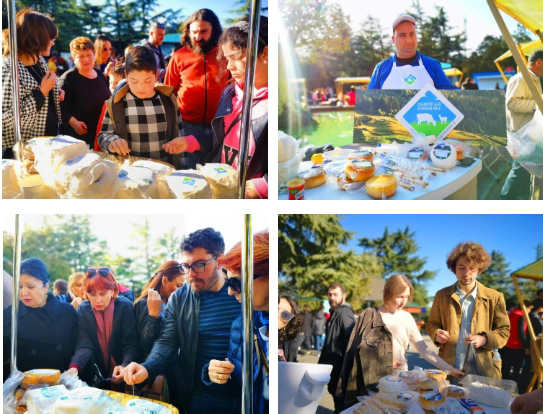
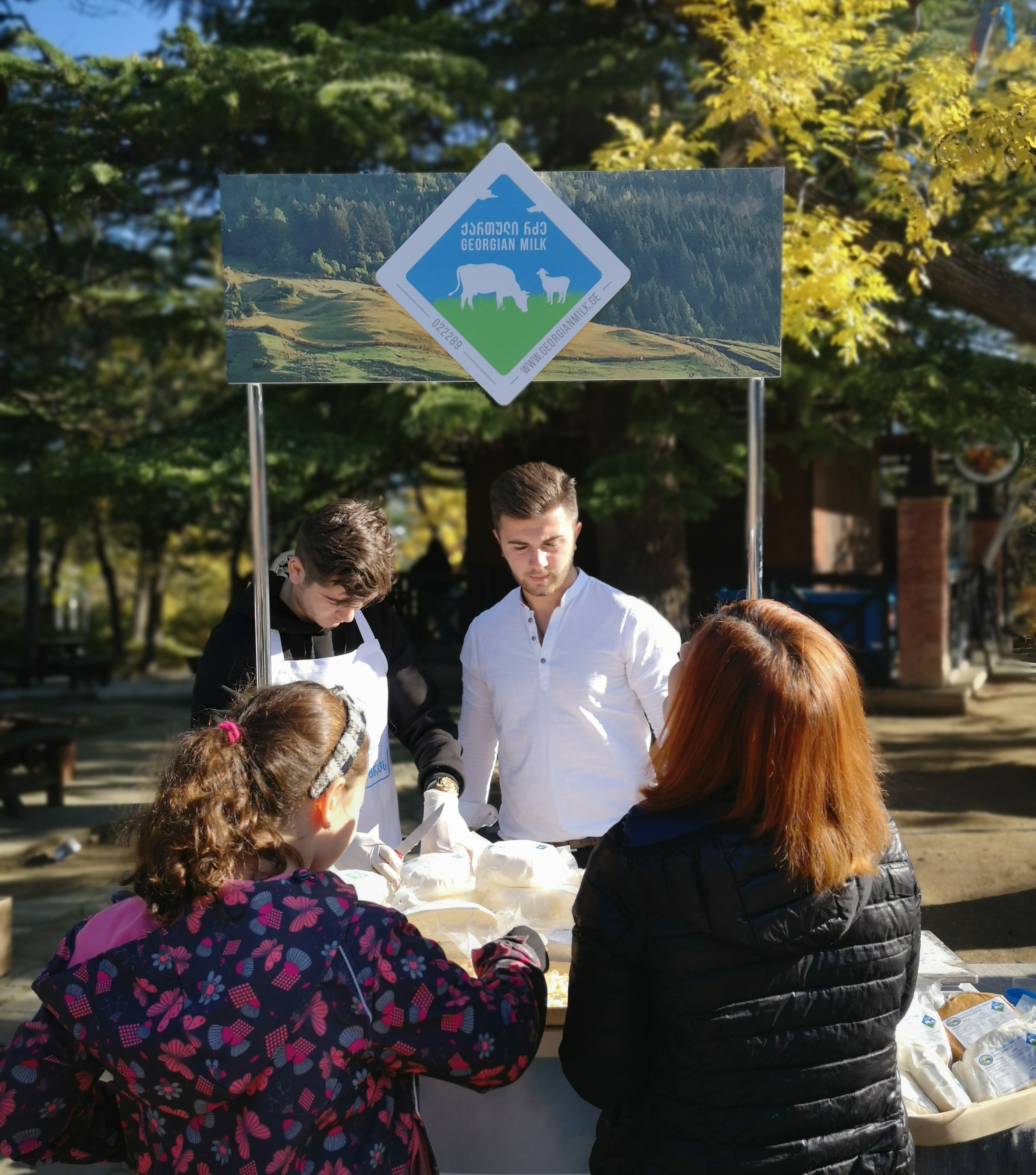
Tsintskaro + and Tsipora-Samtskhe dairy products with the Georgian Milk Mark were introduced at the Cheese and Hot Drinks Festival organized by Anna Mikadze – Chikvaidze, the Head of Cheese Producers Guild and held at the Mtatsminda Park on 10th of November, 2019. The visitors tasted cheese and received information about the Georgian Milk mark.
‘What makes this festival important is to introduce cheese with the Georgian Milk mark, which says to consumers that cheese is made from natural raw milk’ - stated Anna Mikadze - Chikvaidze.
Currently seven dairy enterprises are using the Georgian Milk mark: Milkeni; Tsintskaro +; Tsipora –Samtskhe; Cheese Hut; Tsezari; Tsivis Kveli; Shuamta.
Products with the mark are available in Madagoni, Spar, Ori Nabiji, Nikora, Zgapari, Fresco, Carrefour, and Goodwill supermarket chains.
Information per enterprise is uploaded on www.georgianmilk.ge. This allows consumers to look up the products they are buying using a unique register number printed on the label.
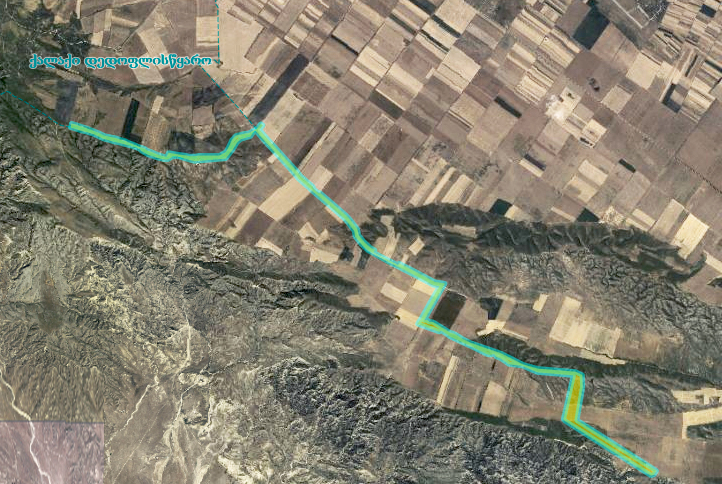
A 22 km route in Shiraki pastures, Dedoplistskaro municipality has received the status of becoming part of the official Animal Movement Route (AMR) last week. The unofficial route, which had been used for livestock seasonal migration for decades, had not been officially registered as the AMR before. As a result of a joint effort between the ALCP the Shepherds Association, The Ministry of Environmental Protection and Agriculture (MEPA), the National Agency of State Property and the Ministry of Economy & Sustainable Development, the route and297 ha land, is now officially registered as the AMR by National Agency of Public Registry of Georgia.
The section of the route is now protected from saleas according current regulations, AMR land is not allowed to be sold or rented. A water point located in this area will be restored soon as well, within the planned Water Point’s project of the ALCP and MEPA.
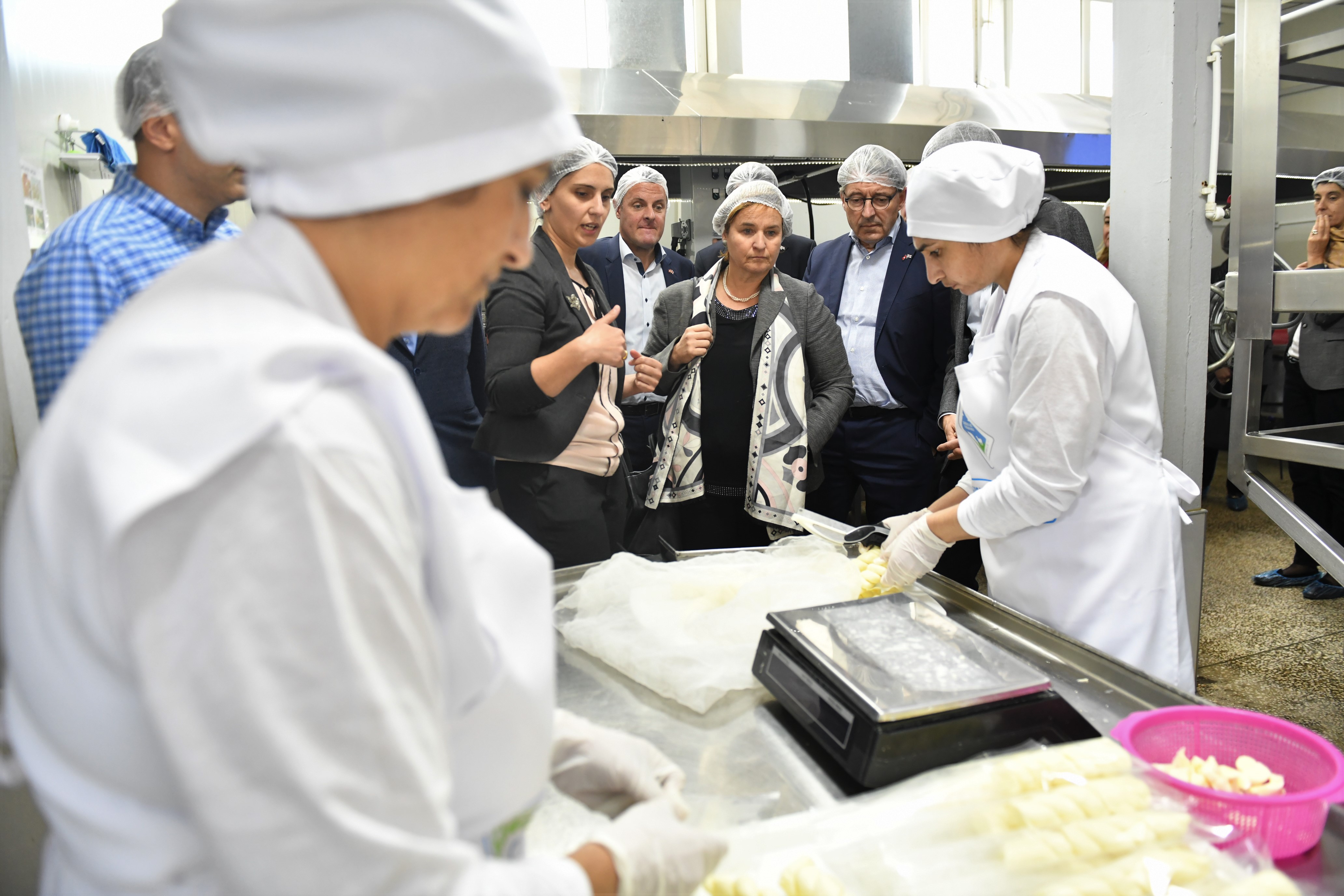
On October 29th, theSwiss Agency for Development and Cooperation (SDC) project the Mercy Corps Georgia implemented Alliances Caucasus Programme (ALCP) hosted the President of the Swiss National Council Marina Carobbio Guscetti, First Vice President of the National Council Isabelle Moret, Second Vice President of the National Council Heinz Brand, Secretary General of the Federal Assembly at Swiss Parliament Philippe Schwab, Ambassador of Switzerland to Georgia Patric Franzen, Deputy Head of Embassy of Switzerland in Georgia Alvaro Borghi, and the Regional Director of the Swiss Cooperation Office in Georgia, Danielle Mewly Monteleone. The Mayor of Marneuli, MP’s of Marneuli and Rustavi and the Deputy Governor of Kvemo Kartli region were also present. The visit was part of an official visit of Swiss officials to Georgia, to open the new Swiss Embassy in Tbilisi, celebrate sixty years of UNICEF Switzerland, highlight the importance of the Swiss role in mediation and representation between Georgia and Russia and visit some of the outcomes of the significant investment through SDC in economic development in Georgia.
The delegation was introduced to the ALCP’s work in Georgia and the programme’s regional outreach in Armenia and Azerbaijan, emphasizing equitable impact and women’s economic empowerment in the dairy and honey sector’s and the regional programme of vocational agri-journalism trainings in fourteen universities in Georgia, Armenia and Azerbaijan. The delegation visited the Women’s Room in Marneuli municipality highlighting gender sensitive budgeting training delivered through UN Women and the projects for and started by women through funding facilitated by the Women's Room. They then visited Milkeni Cheese Factory in Rustavi where the importance of sustainable community based enterprises supplied by local farmers was emphasized, as was the growing influence of the new dairy quality assurance mark, the Georgian Milk Mark www.Georgianmilk.ge/Milkeni.
To date, the ALCP has facilitated thirty-two cheese factories, creating a regular market for 23,000 farmers, seventy percent of whom are women; the Women’s Room Municipal Service is now operating in twenty-eight municipalities of Georgia with more than 17,000 regular rural women users, facilitating to date $2.4 million USD in government, civil and private funding for women’s initiatives and projects.
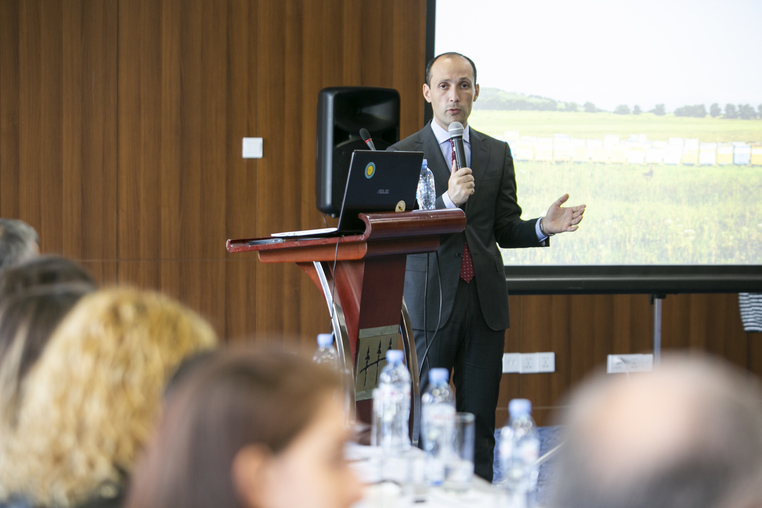
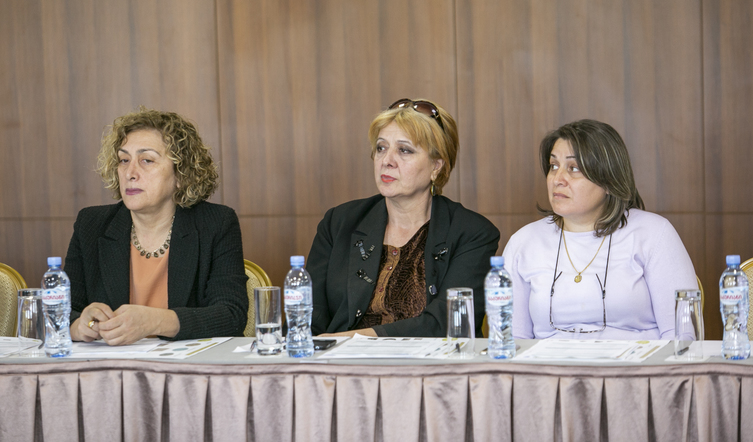
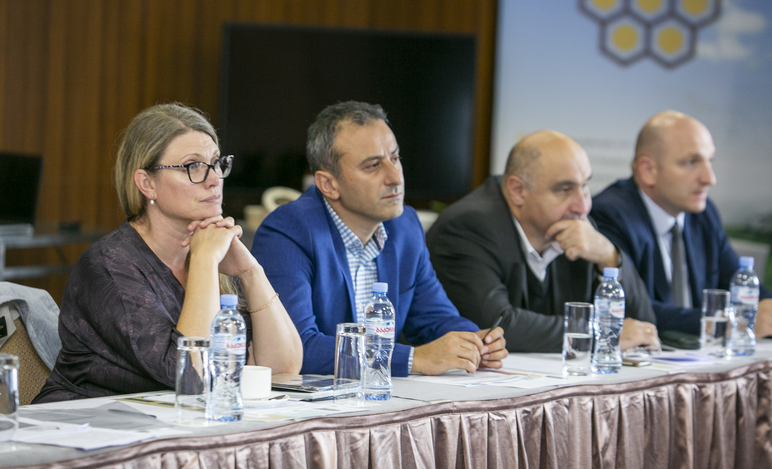
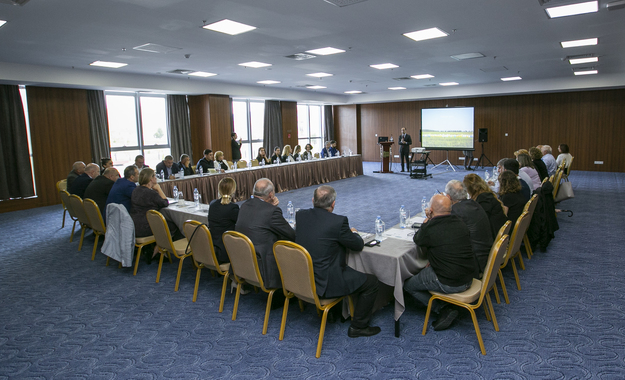
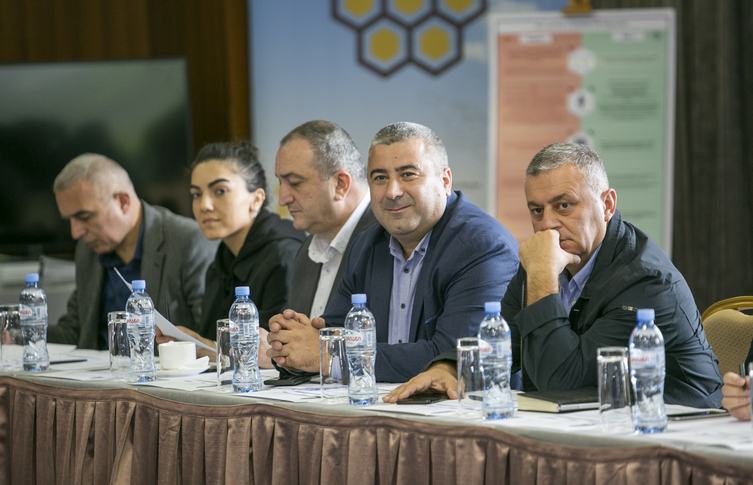
Honey testing requirements for export and laboratory testing capability and reality in Georgia were the main topics of the ALCP Second Honey Sector Advisory Committee meeting on 9th of October, 2019. The meeting gathered up to forty key stakeholders of the sector, including the Georgian Beekeepers Union (GBU), the Minister and Deputy Minister of Environment Protection and Agriculture of Georgia, Head of the National Food Agency, the Laboratory of Ministry of Agriculture (LMA), private laboratories, a honey exporter company Kakhetian Traditional Winemaking KTW.
A laboratory service subsidy scheme was presented at the meeting, that serves for supporting honey export development through creating accessible and affordable laboratory testing services for the Georgian beekeepers and honey exporters, which still remains as one of the key constrains for exporting Georgian honey abroad.
“For me, the honey sector is one of the most complex sectors in agriculture and I think the format of this meeting helps us with finding the best solutions to keep the sector going. I am pleased that today’s topic concerns honey laboratory testing, as we are determined to make honey as an export product. We have already made some important steps, like, participation in Apimondia 2019 and other important events for honey promotion. I think we can elaborate and agree on a future working model” – Levan Davitashvili, the Minister of Environment Protection and Agriculture of Georgia.
“Access to affordable laboratory services will not only decrease prime cost of honey, but will ensure quality honey to be sold at local and international markets” – stated Mikheil Tetruashvili, the GBU board member.
The Minster of Environment Protection and Agriculture of Georgia appointed a focal point in the Ministry to improve communication with beekeepers. The meeting participants agreed to continue work on the topic together with the MEPA and NFA.
The meeting was facilitated by the Swiss Agency for Development and Cooperation (SDC) project the Mercy Corps Georgia implemented the Alliances Caucasus Programme (ALCP).
Photo Source: The Ministry of Environment Protection and Agriculture of Georgia