
From the ISET Economist news (http://www.iset.ge/news/?p=3871)
By Eric Livny
Democracy and Freedom Watch reported October 9, that “Georgia’s controversial new immigration law may be changed”. The law, writes DFW, “has caused a wave of confusion and irritation in the country’s expat community. Prime Minister Irakli Gharibashvili … told journalists that if any defects become apparent after the enactment of the new law, ‘we’ll surely correct it.’”

Just a month earlier, confusion, irritation and public outrage were caused by another piece of Georgian legislation – a law greatly limiting the sales of non-prescription drugs (see Florian Biermann’s post). The outrage was caused by the fact that many of the drugs affected by the new law, e.g. plain painkillers, were in extremely wide use. As a result, less than two weeks after coming into force on September 11, the law was amended by the health minister, Davit Sergeenko, allowing 772 medicines to be sold over the counter, without a prescription.
One could perhaps say, as the Germans do, ende gut, alles gut. But, alles is nicht gut. The fact that such REALLY BIG MISTAKES are allowed to occur in the first place suggests that something is deeply flawed in the Georgian policymaking machine. One obvious concern is the lack of due “public policy” process. Indeed, there was nothing particularly urgent about either piece of legislation; both could have benefited from a proper technical review, “stakeholder consultations” and a public debate.
Second, and very importantly, these grand failures suggest that Georgian lawmakers lack a proper understanding as to the role of regulation in an economy, and how much of it a country like Georgia needs (or can afford).
THE BENEFITS OF PROCRASTINATION AND DEBATE
Any discussion of regulations can easily get politicized, sparking seemingly futile and lengthy political exchanges. Left-wing intellectuals would argue that regulations are there to address market failures (such as drug addiction and overconsumption of antibiotics) or protect the weak and vulnerable (e.g. by securing their jobs and providing income support). The libertarians among us would argue that the market can correct itself, and that, in any case, state paternalism is not a solution to any problem. Rather, it creates unnecessary red tape and leads to unintended consequences such as laziness, corruption, illicit economic activities (“black market”) and smuggling. State failures, according to the enlightened libertarian view, are as much of a problem as market failures.
Such a clash of ideas is quite legitimate, and – if conducted in a civil and constructive manner – should be welcome in any community and polity. For one thing, it would provide legislators with a better understanding of the “problem” they are trying to solve (if there is a problem), such as:
the incidence of antibiotic resistance among Georgians;
immigrants competing with (or creating jobs for) low-skilled Georgian workers;
the extent of land grabbing (as well as investment and job creation) by Punjabi farmers.
Ultimately, whether liberal immigration regime (or free access to medications) is to be recognized as a “problem” is about politics rather than science. Still, having some evidence to consider before rushing with regulatory “solutions” would be a good step forward. It may well be the case that, while generating “killer” headlines, a “problem” is ridiculously small in magnitude or does not even exist.
Secondly, when faced with the need to publicly defend their proposals, proponents of regulations would be forced to analyze alternative solutions while taking into account the cost factor, effectiveness in terms of actually solving the problem at hand, related corruption risks, and other types of collateral damage.
DON’T BITE OFF MORE THAN YOU CAN CHEW!
But perhaps the most ideology-free criterion of evaluating the feasibility of regulations is whether a country has the requisite human capacities and skills. Even a relatively simple regulation, such as traffic lights, may be counterproductive if not properly planned and executed. First, there is the basic question of how to regulate a given intersection (traffic lights are effective only when traffic intensity exceeds a certain threshold level, which is almost never reached at night). Second, traffic lights have to be properly timed to maximize intersection capacity and minimize delays). Poorly planned traffic lights – hello, Tbilisi! – are not only a drag on traffic but also a safety hazard.
What is true about traffic, is equally true for extremely complex regulations such as anti-trust, labor, and food safety, which Georgia has subscribed to as part of the Association Agreement with the EU. For instance, it will take years – maybe even generations – to build the necessary professional capacities within the Georgian parliament and judiciary, the competition watchdog, the economics, legal and management professions in order to implement Swedish-style anti-trust law in the Georgian context. Thankfully, for now Georgia is paying lip service to some its EU-related commitments (e.g. by creating a competition agency and copy-pasting anti-trust legislation without caring to enforce it).
The botched attempts to rewrite immigration and pharmaceuticals laws suggest that professional skills are in extremely scarce supply throughout Georgia’s bureaucracy. After all, the Georgian state is one of the youngest in the world; Georgia’s educated urban elite is a tiny sliver of the population; and even this sliver has been impoverished by many years of brain drain and outmigration. In this situation, the Georgian state should not attempt to bite off more than it can chew. It should avoid complex regulations, even when these are theoretically desirable or required by its international partners. It should certainly avoid thoughtlessly copy-pasting regulations that have been designed for other times and other places.
* * *
A short story by Leo Tolstoy titled “How much land does a man need” describes the fate of a land-hungry Russian peasant, Pakhom, who is promised as much land as he can walk around from sunrise till sunset. One condition is attached: he has to make a full circle and return to the point origin by the end of the day. To maximize his future land holdings, Pakhom sets on a rather ambitious circular route, and is too late to realize that he cannot make it back on time. He runs as fast as he can and, exhausted from the effort, drops dead at the point of origin. His servant buries him in a grave only two meters long, thus ironically answering the question posed in the title.
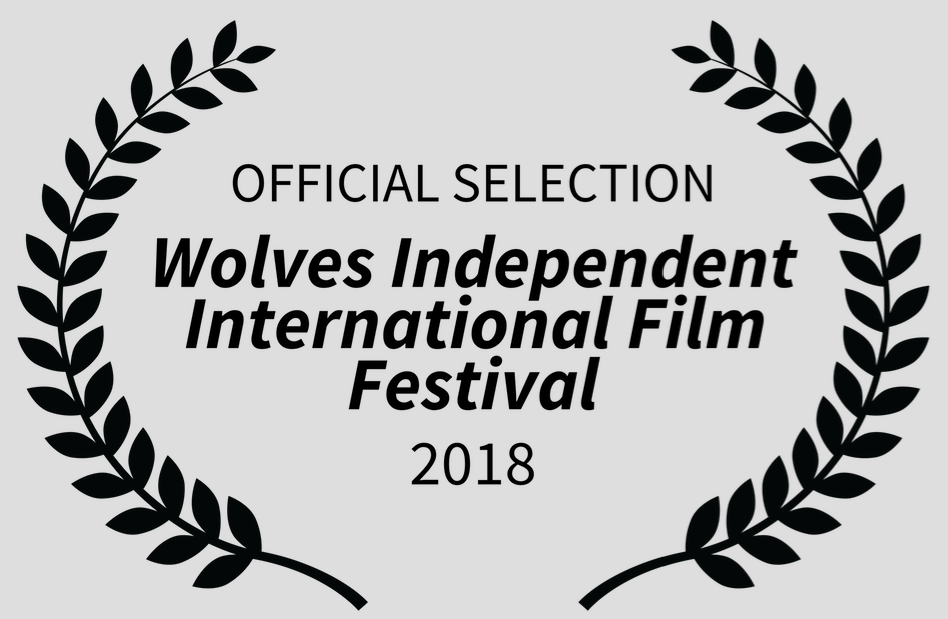
The Georgian documentary Jara was named as the Best Feature Film at the Wolves Independent International Film Festival 2018. Nature, heritage, environment, history, culture, ethnography, adventure, wildlife, indigenous cultures and social issues are the main themes of the festival which takes place in Lithuania.
It is the second award for Jara following Golden Green Award 2018 at the Deauville Green Awards International Film Festival, for the best production in the category of Sustainable Agriculture
Jara was premiered by EcoFilms in Tbilisi in 2017. The main backer of Jara was the Swiss Agency for Development and Cooperation (SDC) through the Mercy Corps Georgia implemented Alliances Caucasus Programme (ALCP) within a consortium of public bodies and conservation organizations including World Wildlife Fund and Caucasus Nature Fund.

The annual Honey Festival was opened for the fourth time on August 11th on Batumi Boulevard and closed on August 12th in Batumi Botanical Garden. Up to 45 beekeepers from across Georgia once again presented their honey and by products for the festival visitors. Honey themed activities were held for children’s entertainment; visitors could see the ancient beehive at the special corner for jara beekeepers from Ajara and could taste different kind of honey from different parts of Georgia. Batumi Botanical Garden promoted Goderdzi Alpine Garden; live music kept the celebration spirit all day.
“Beekeeping is our family business. We started participating in the festival from the very beginning and it became a tradition. Each year we promote our products and each year we find new clients. This annual festival helps us to make our products more visible and popular” - Shorena Kezheradze, Khelvachauri municipality, Ajara.
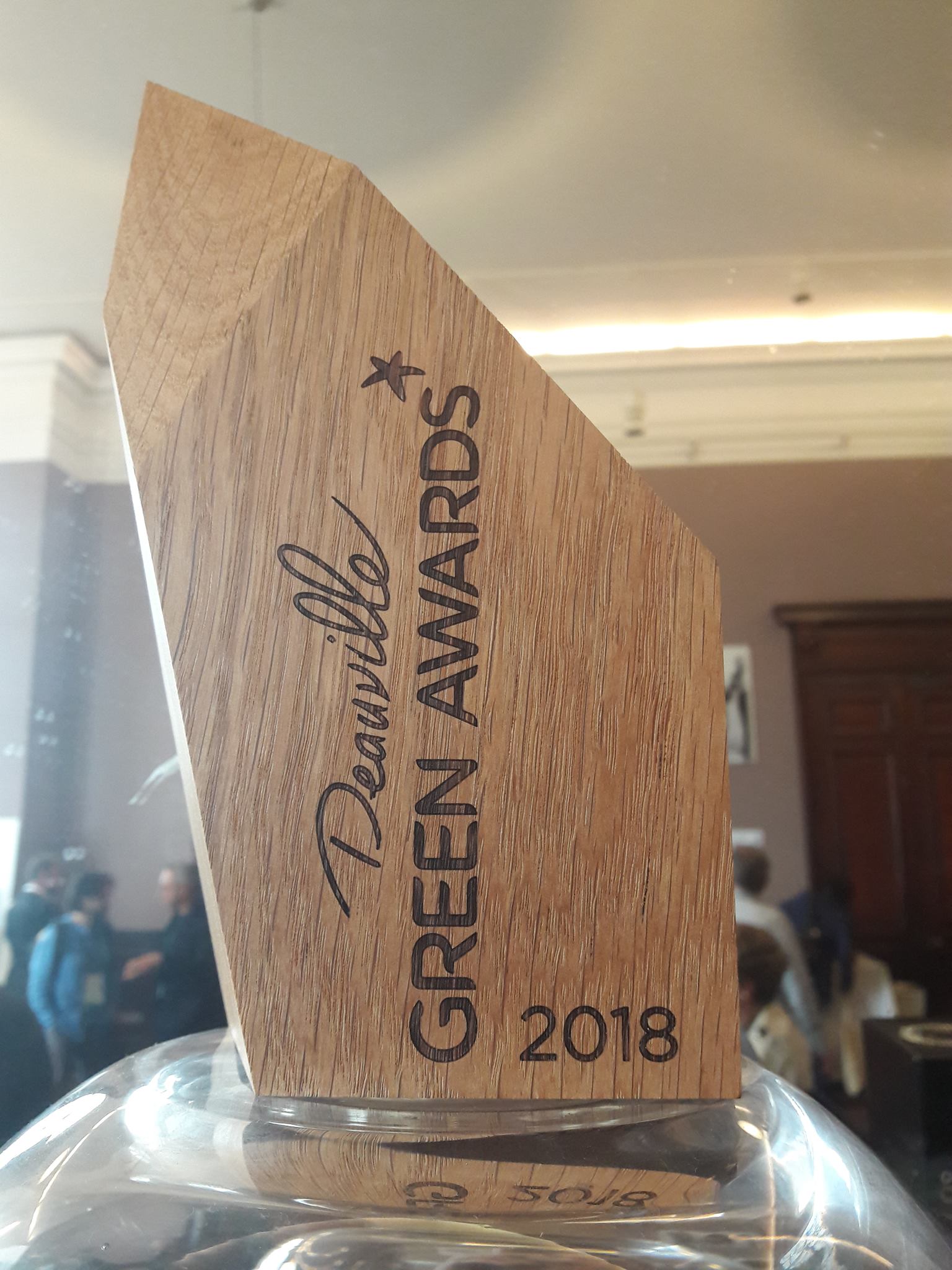
The Georgian documentary Jara has just won the Golden Green Award 2018 at the Deauville Green Awards International Film Festival, for the best production in the category of Sustainable Agriculture, the International jury selected the finalists in fourteen categories from four hundred and fifteen films produced worldwide. Jara was screened during the festival in Deauville in the presence of the professionals and the press.
The Deauville Green Awards is one of the most prestigious festivals in Green Film Production worldwide launched in 2012. For the last seven years, the festival’s mission has been to enhance information films, spots and documentaries on sustainability, eco-innovations and social responsibility. Furthering public understanding and education. Each year the festival draws five hundred films from five continents, with four hundred professionals of film in attendance.
On Saturday, June 9 representatives of the ALCP team (www.alcp.ge) and a wool processor Tamar Tsikarishvili from Akhaltsikhe, Georgia attended the Sheep
Shearing Festival after being invited by SDC sister project SDA Armenia which took place in Syunik Animal Market, Syunik region. The festival aimed to promote sheep, local produce, traditions and culture of Syunik and Vayots Dzor regions (Please see the Link).
The festival included guest sheep shearer Danny Wilson from Great Britain who conducted master classes for festival participants and visitors.
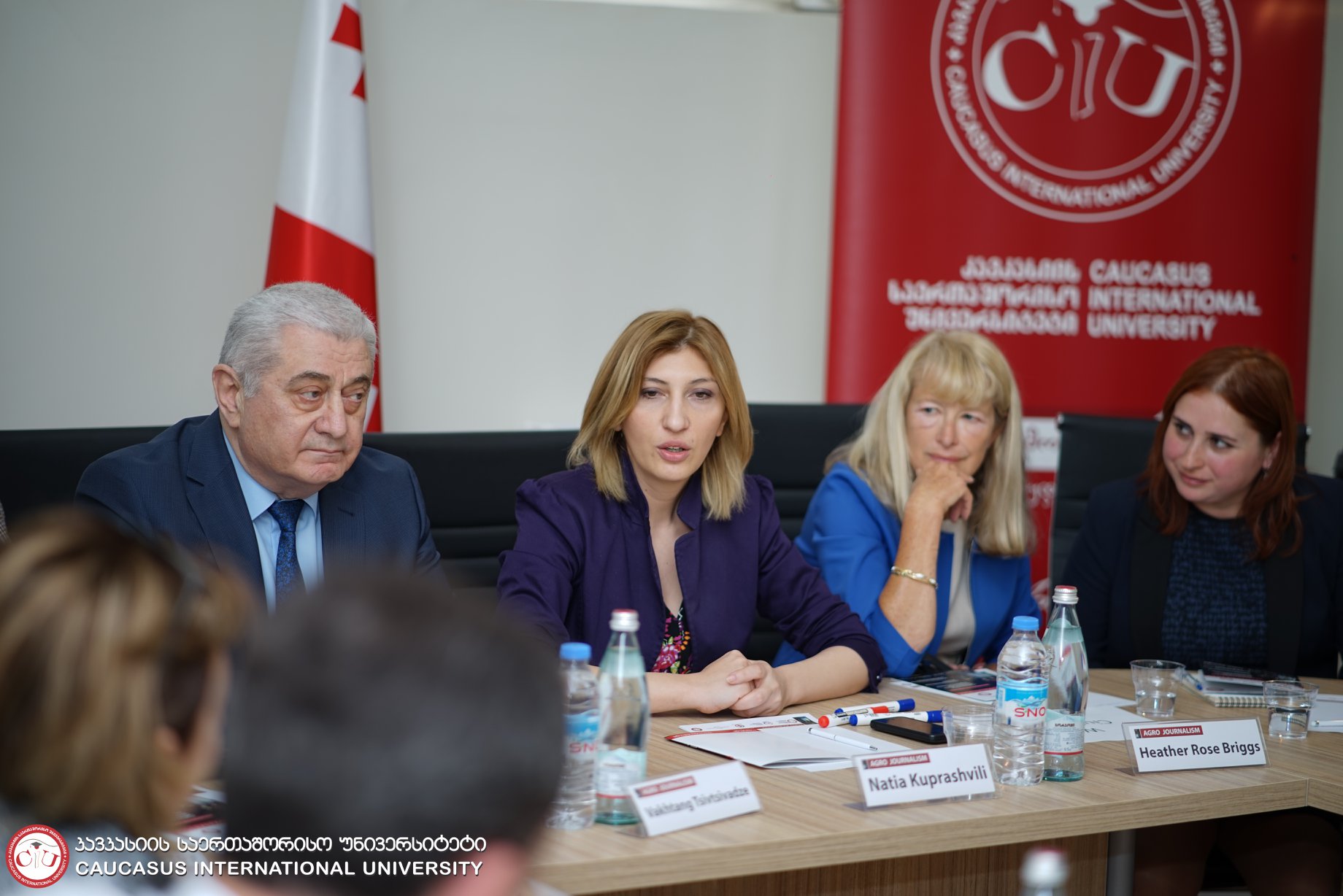
Knowledge is a power and the ALCP is committed to facilitating high quality agri information transfer to rural farmers strengthening the field of journalism in Georgia and Armenia.
On 25th-29th of April an international agricultural journalist was commissioned to deliver trainings to 11 Armenian TV and press journalists and 2 heads of the Department of Journalism of Armenian universities in the Caucasus International University in Tbilisi.
Follow the link of Imedi TV news on the event.
On April 16th-20th, 2018 the Alliances Caucasus Programme (www.alcp.ge) funded by the Swiss Agency for Development and Cooperation SDC and implemented by Mercy Corps in Georgia, hosted a study tour from the Arab Women’s Enterprise Fund (AWEF). The tour included Jordan Municipality Mayors, WEE coordinators and representatives from the Ministry of Agriculture of Jordan to share ALCP’s experience on Women Economic Empowerment integration through M4P approach and best practices used.