From the ISET Economist news (http://www.iset.ge/news/?p=3871)
By Eric Livny
Democracy and Freedom Watch reported October 9, that “Georgia’s controversial new immigration law may be changed”. The law, writes DFW, “has caused a wave of confusion and irritation in the country’s expat community. Prime Minister Irakli Gharibashvili … told journalists that if any defects become apparent after the enactment of the new law, ‘we’ll surely correct it.’”

Just a month earlier, confusion, irritation and public outrage were caused by another piece of Georgian legislation – a law greatly limiting the sales of non-prescription drugs (see Florian Biermann’s post). The outrage was caused by the fact that many of the drugs affected by the new law, e.g. plain painkillers, were in extremely wide use. As a result, less than two weeks after coming into force on September 11, the law was amended by the health minister, Davit Sergeenko, allowing 772 medicines to be sold over the counter, without a prescription.
One could perhaps say, as the Germans do, ende gut, alles gut. But, alles is nicht gut. The fact that such REALLY BIG MISTAKES are allowed to occur in the first place suggests that something is deeply flawed in the Georgian policymaking machine. One obvious concern is the lack of due “public policy” process. Indeed, there was nothing particularly urgent about either piece of legislation; both could have benefited from a proper technical review, “stakeholder consultations” and a public debate.
Second, and very importantly, these grand failures suggest that Georgian lawmakers lack a proper understanding as to the role of regulation in an economy, and how much of it a country like Georgia needs (or can afford).
THE BENEFITS OF PROCRASTINATION AND DEBATE
Any discussion of regulations can easily get politicized, sparking seemingly futile and lengthy political exchanges. Left-wing intellectuals would argue that regulations are there to address market failures (such as drug addiction and overconsumption of antibiotics) or protect the weak and vulnerable (e.g. by securing their jobs and providing income support). The libertarians among us would argue that the market can correct itself, and that, in any case, state paternalism is not a solution to any problem. Rather, it creates unnecessary red tape and leads to unintended consequences such as laziness, corruption, illicit economic activities (“black market”) and smuggling. State failures, according to the enlightened libertarian view, are as much of a problem as market failures.
Such a clash of ideas is quite legitimate, and – if conducted in a civil and constructive manner – should be welcome in any community and polity. For one thing, it would provide legislators with a better understanding of the “problem” they are trying to solve (if there is a problem), such as:
the incidence of antibiotic resistance among Georgians;
immigrants competing with (or creating jobs for) low-skilled Georgian workers;
the extent of land grabbing (as well as investment and job creation) by Punjabi farmers.
Ultimately, whether liberal immigration regime (or free access to medications) is to be recognized as a “problem” is about politics rather than science. Still, having some evidence to consider before rushing with regulatory “solutions” would be a good step forward. It may well be the case that, while generating “killer” headlines, a “problem” is ridiculously small in magnitude or does not even exist.
Secondly, when faced with the need to publicly defend their proposals, proponents of regulations would be forced to analyze alternative solutions while taking into account the cost factor, effectiveness in terms of actually solving the problem at hand, related corruption risks, and other types of collateral damage.
DON’T BITE OFF MORE THAN YOU CAN CHEW!
But perhaps the most ideology-free criterion of evaluating the feasibility of regulations is whether a country has the requisite human capacities and skills. Even a relatively simple regulation, such as traffic lights, may be counterproductive if not properly planned and executed. First, there is the basic question of how to regulate a given intersection (traffic lights are effective only when traffic intensity exceeds a certain threshold level, which is almost never reached at night). Second, traffic lights have to be properly timed to maximize intersection capacity and minimize delays). Poorly planned traffic lights – hello, Tbilisi! – are not only a drag on traffic but also a safety hazard.
What is true about traffic, is equally true for extremely complex regulations such as anti-trust, labor, and food safety, which Georgia has subscribed to as part of the Association Agreement with the EU. For instance, it will take years – maybe even generations – to build the necessary professional capacities within the Georgian parliament and judiciary, the competition watchdog, the economics, legal and management professions in order to implement Swedish-style anti-trust law in the Georgian context. Thankfully, for now Georgia is paying lip service to some its EU-related commitments (e.g. by creating a competition agency and copy-pasting anti-trust legislation without caring to enforce it).
The botched attempts to rewrite immigration and pharmaceuticals laws suggest that professional skills are in extremely scarce supply throughout Georgia’s bureaucracy. After all, the Georgian state is one of the youngest in the world; Georgia’s educated urban elite is a tiny sliver of the population; and even this sliver has been impoverished by many years of brain drain and outmigration. In this situation, the Georgian state should not attempt to bite off more than it can chew. It should avoid complex regulations, even when these are theoretically desirable or required by its international partners. It should certainly avoid thoughtlessly copy-pasting regulations that have been designed for other times and other places.
* * *
A short story by Leo Tolstoy titled “How much land does a man need” describes the fate of a land-hungry Russian peasant, Pakhom, who is promised as much land as he can walk around from sunrise till sunset. One condition is attached: he has to make a full circle and return to the point origin by the end of the day. To maximize his future land holdings, Pakhom sets on a rather ambitious circular route, and is too late to realize that he cannot make it back on time. He runs as fast as he can and, exhausted from the effort, drops dead at the point of origin. His servant buries him in a grave only two meters long, thus ironically answering the question posed in the title.
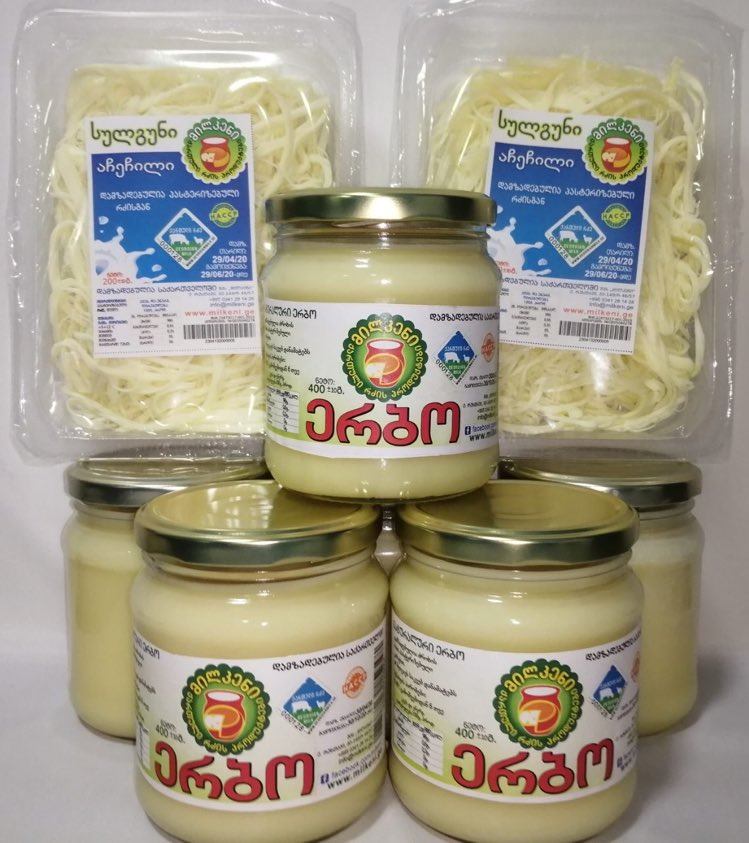
Referred to as Liquid Gold, for its color and perceived health benefits, Erbo the Georgian word for melted butter is a well-kept secret in Georgia. Traditionally made at home Erbo is much used in local traditional cuisines. Butter is an important fat in Georgia, very common in Azeri cuisine and in mountainous regions where both the harsh winter climates and distance from markets increased the importance of butter which can be stored, in communities dependent on dairy farming.
Now thanks to Milkeni Ltd who have started to produce and sell Erbo as part of their products made under the Georgian Milk Mark, quality assured Erbo is now available commercially for the first time in Georgia in Madagoni and Libre supermarkets chains. Interest and demand is growing rapidly.
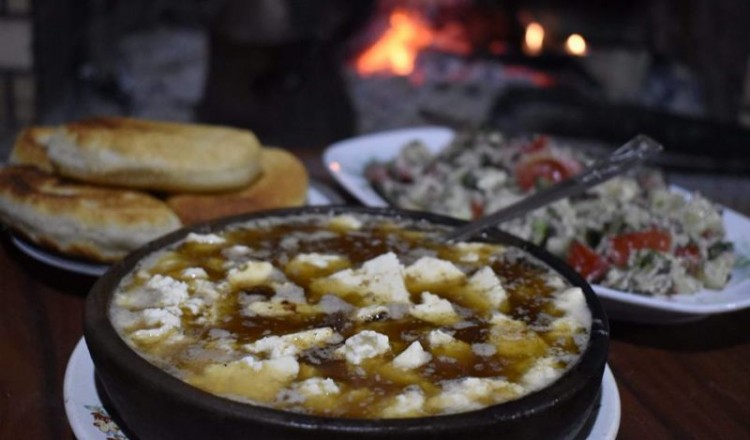
Of all regions, perhaps Ajara is most famous for its use of Erbo. Most traditional Ajarian dishes contain Erbo. Borano is a dish of melted butter containing traditional Chechili cheese, a dish which been awarded the status of Intangible Cultural Heritage and Khavitsi a sauce made with flour and Erbo.

So what is special about Erbo? People believe that it is a healthy fat, processed differently and beneficially in the body and is well absorbed in the human body; it does not contain lactose and casein, so it is recommended for those with lactose intolerance. Mountain people believe Erbo boosts metabolism and energy, improving brain function, memory and their immune system.
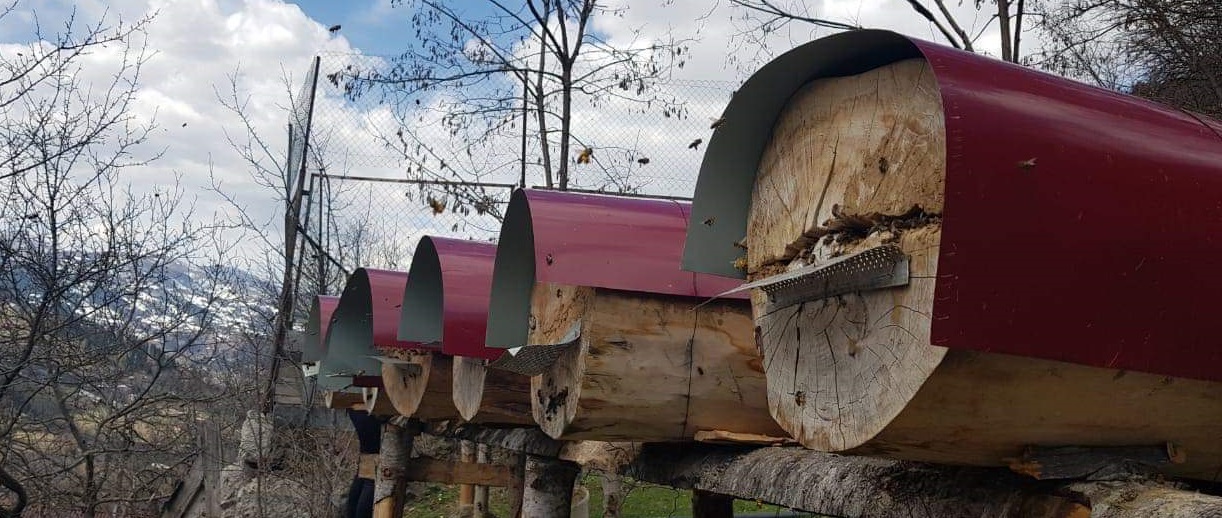
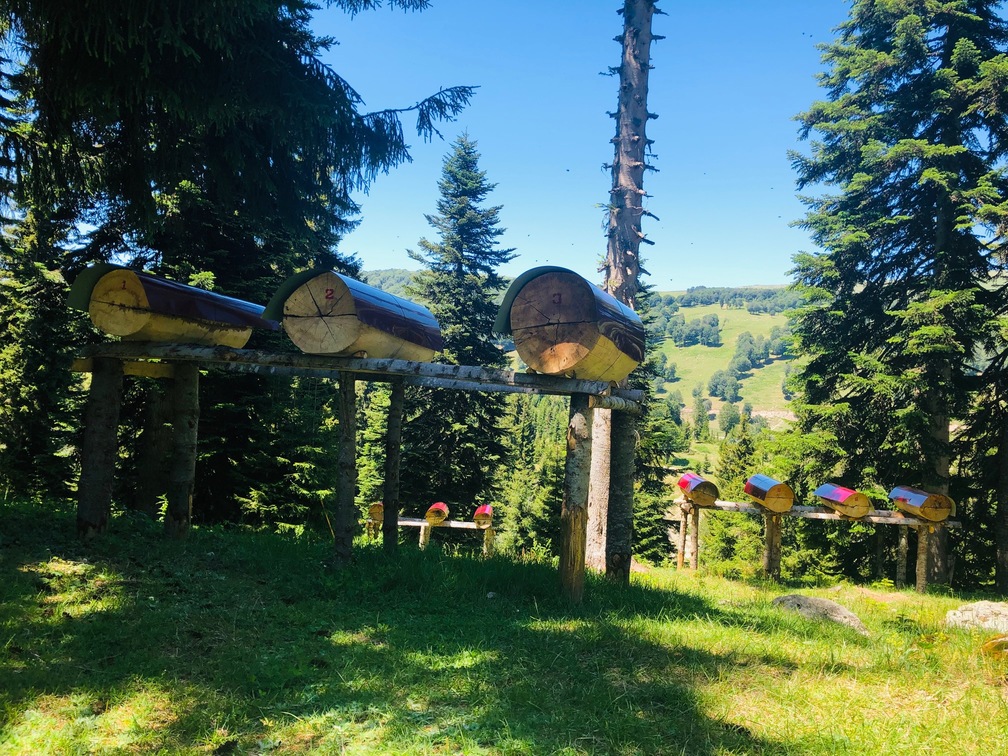
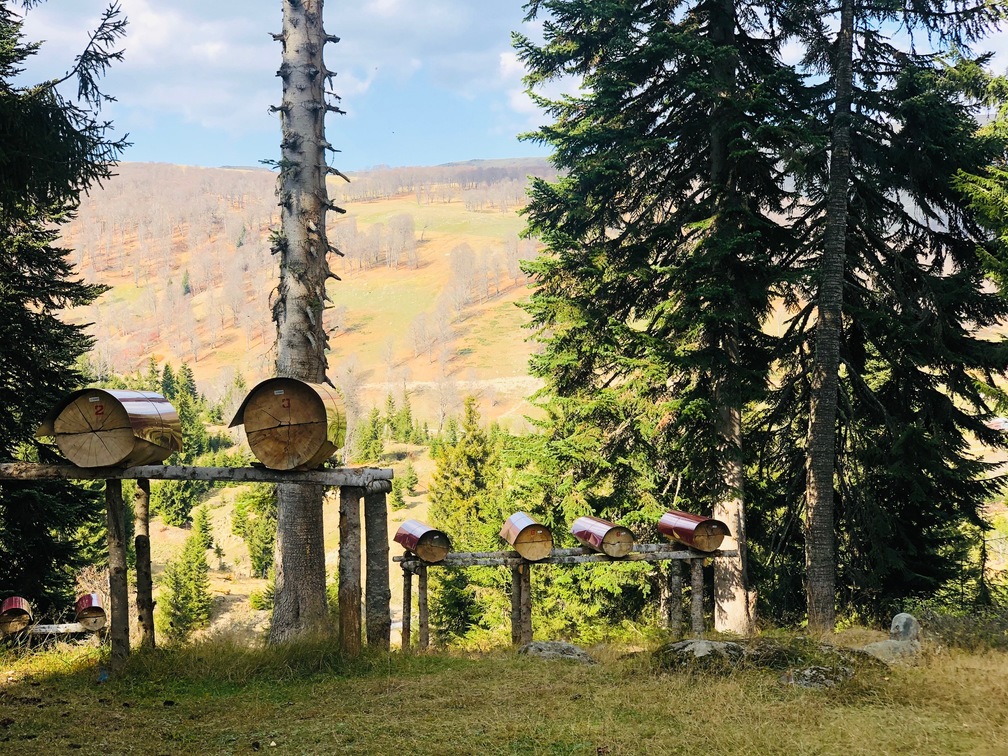
In summer 2019, ten new Jara hives were placed in the Goderdzi Alpine Garden (GAG), Jara Beekeeping area, an area which aims to publicize Jara beekeeping and teach people interested in taking it up. With the help of the Jara Beekeepers Association (JBA) they were moved for wintering to Paksadzeebi Village in Khulo last autumn. Last week, all the hives were checked and fortunately, all the bee colonies are alive and working productively.
This Jara apiary is currently undergoing the Bio certification process and is due to obtain certification in July this year. It will be moved back to the GAG (Goderdzi Pass, 2000m above sea level) in May and be the focal point of Jara beekeeping workshops for school students and garden visitors.
The Goderdzi Alpine Garden is a tourist and environmental hub in the rural part of Ajara, Western Georgia. It involves and develops a sense of ownership for rural inhabitants in the field of biodiversity and environment, showcases the beauty and ecological assets of rural Ajara and generates added value from rural tourism for locals.

The Government of Georgia declared a curfew on March 30th, 2020 to restrict the spread of the COVID-19 virus which imposes restrictions on the movement of transport from 9:00 PM to 06:00 AM. However, producers and distributors of key commodities may apply to the Ministry of Environmental Protection and Agriculture (MEPA) for a permit to continue distribution. The Business Institute of Georgia (BIG) is currently helping GMM dairies to apply for this permission.
To gain permission follow these instructions:
- A producer/distributor should contact the MEPA on the hotline number - 247 01 01 or 1501 - and provide information about their activities and the need for permission.
- The MEPA will send the applicant an email address and an application form to send to this address. The application form requires information about the distribution driver (ID number, name, surname, date of birth, phone number, workplace and title) and distribution car (registration number of vehicle, brand, model, type, ID number of a company who is the owner of a vehicle, a type of business).
- The MEPA will respond to the company about issuing permission.
- After that, the company should call the Emergency Number 112 and check whether the information about the distribution car and driver is listed in the Ministry of Internal Affairs database.

Amidst the negative news and stories of unthinking behaviour, some stories have emerged globally of people and business who have responded to the crisis with kindness and generosity. These stories fill all of us with a sense of hope and comfort in our ability to work together. So we are delighted to be able to share the stories of some of the ALCP clients who have been contributing to the common good over the past week:
Roki Ltd, the largest veterinary input supplier and producer in Georgia, has started the production of a new hand sanitizer Septer as a response to increased demand. Supplies sold out in a day to banks, the Ministry of Education and clinics and there is a new order for four tonnes of Septer from the government. The company closely cooperated with the government in developing the product trying to use its resources for the benefit of all;
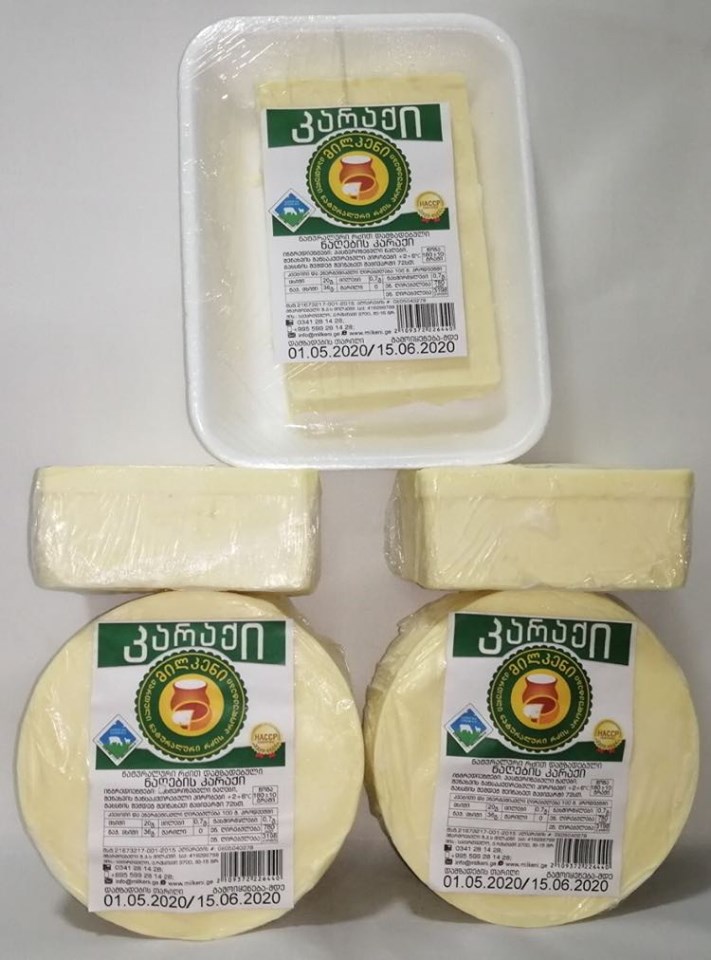
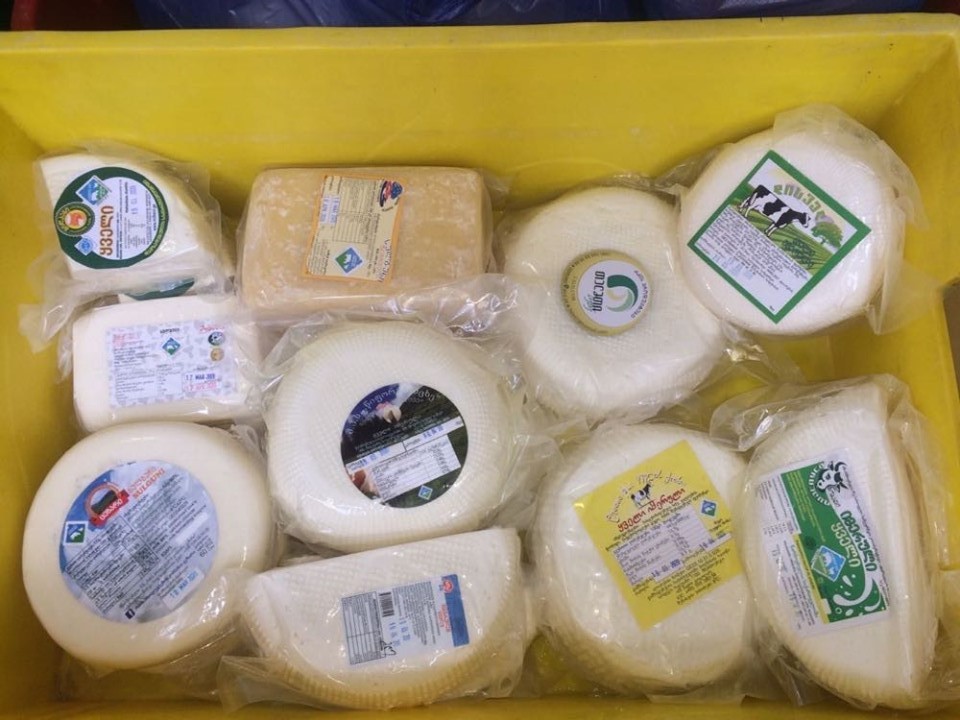
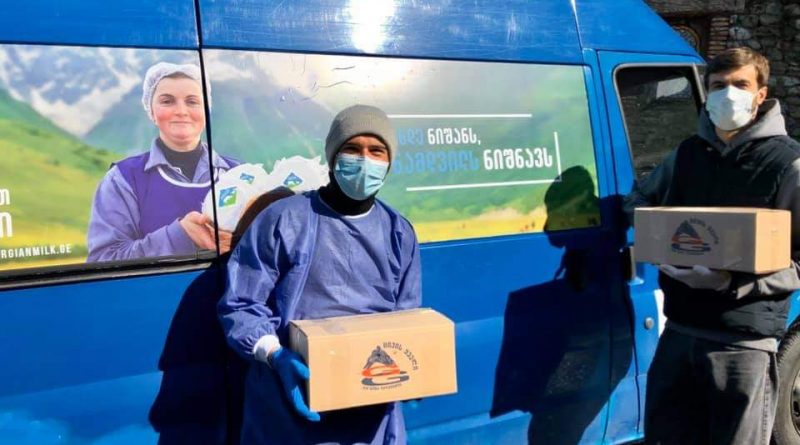
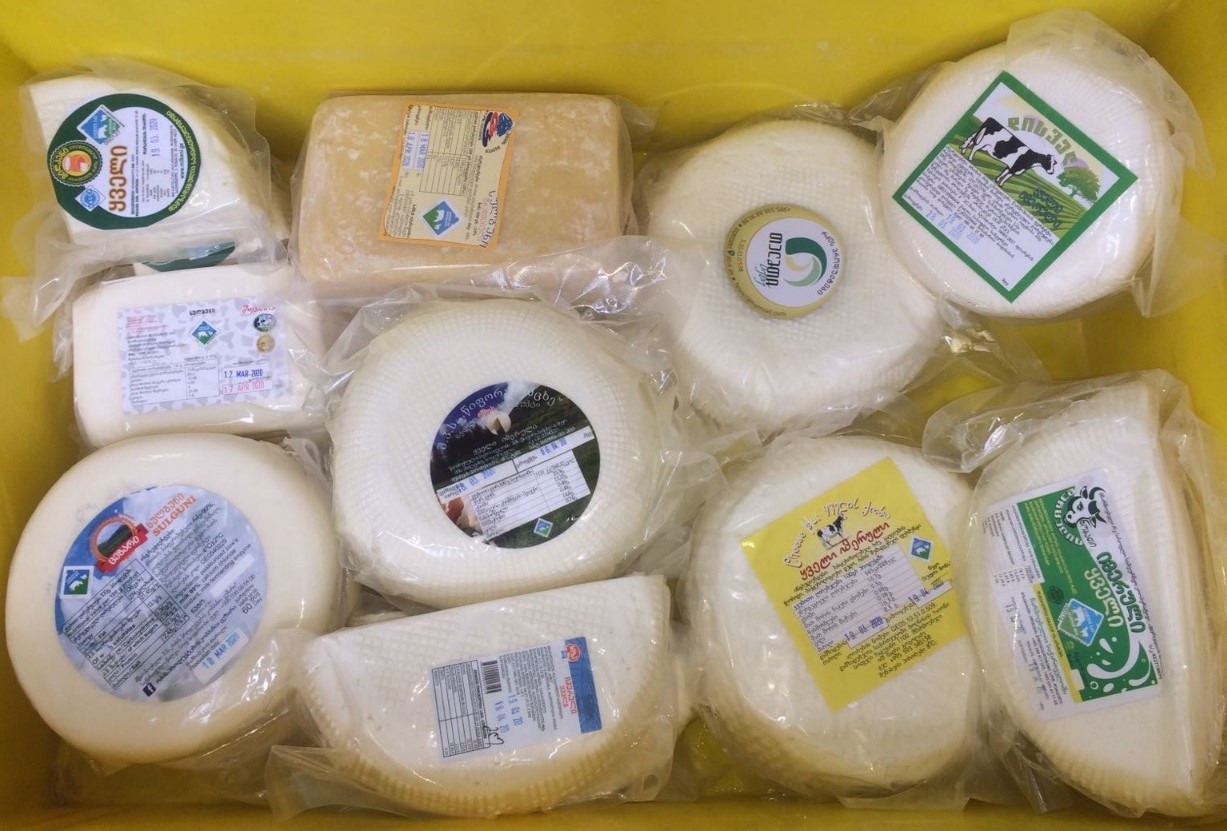
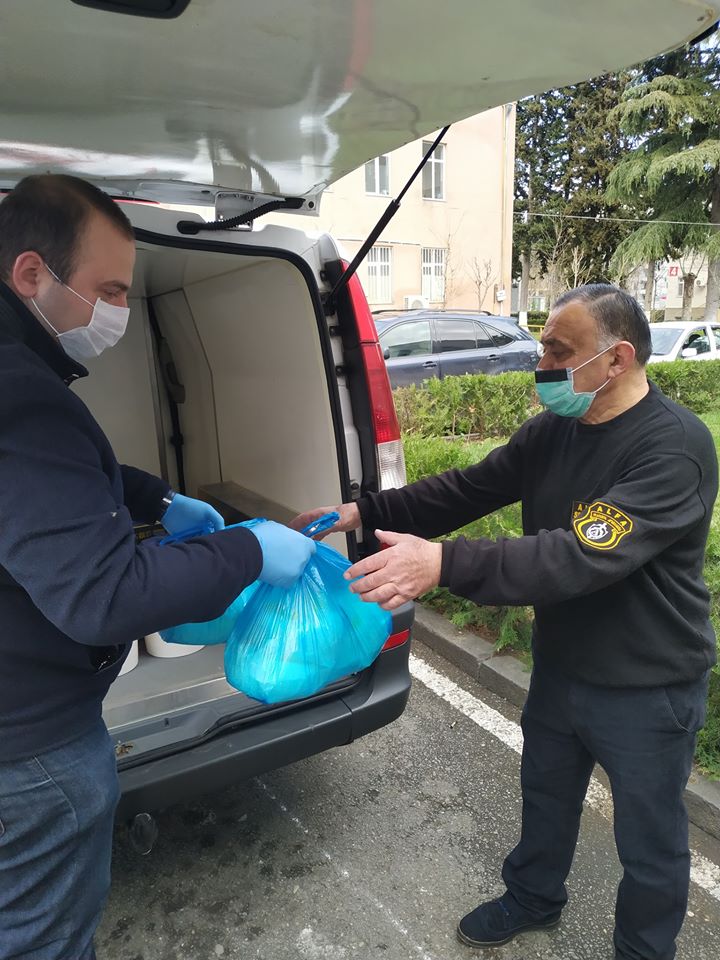
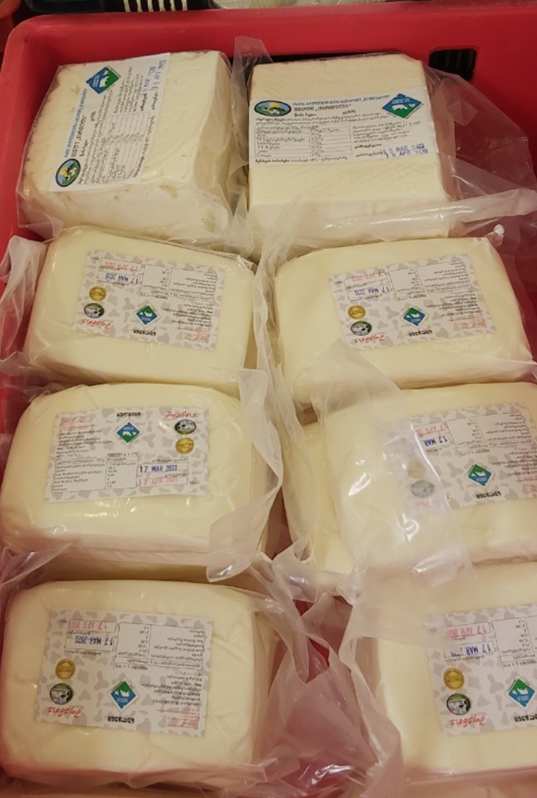
A GMM cheese distributor has organized the collection of cheese from eleven Georgian Milk Mark dairies: Milkeni, Tsintskaro +, Cheese Hut, Shuamta, Tvisis Kveli, Tsifora –Samtkhe, Tsezari, Coop. Khiza, Coop. Disveli, Teleti Ltd, I.E. Hakob Hambaryan and distributed it to theInfectious Diseases and AIDS Center in Tbilisi to support medical staff during the outbreak;
GMM dairy Tsipora Ltd in Samtkhe-Javakheti has supplied cheese to the Abastumani Lung Center.
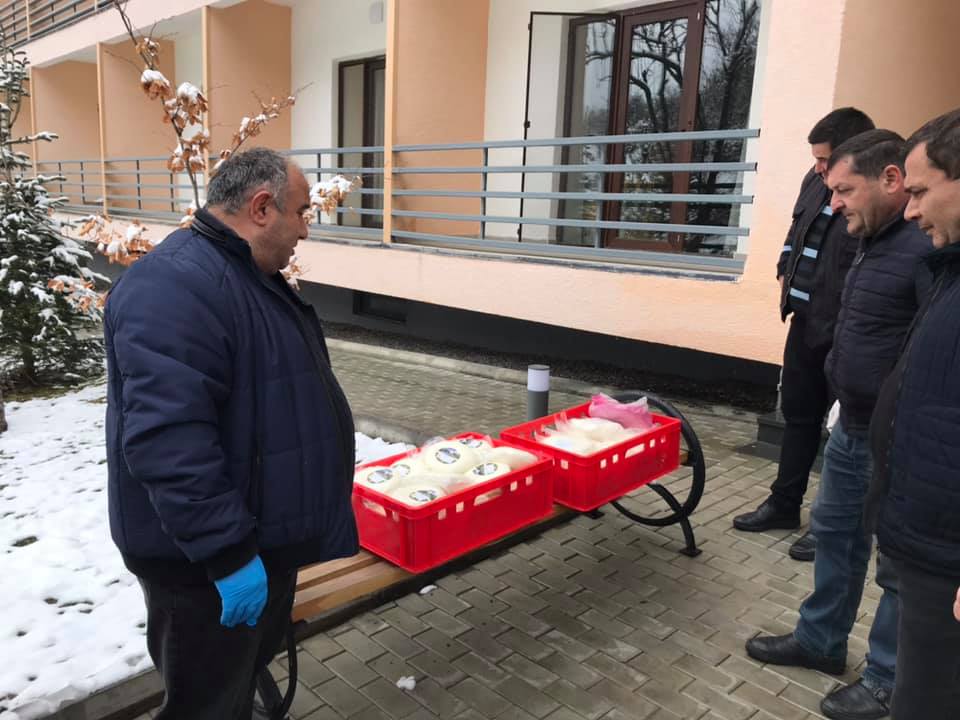
Tsivis Kveli Ltd Kakheti brought cheese to the hotel Chateau Mere in Kakheti - for those under quarantine;
The Georgian Beekeepers Union initiated the collection of honey from local beekeepers across the country to supply people in vulnerable groups.
The KTW group offered the government the use of their forty-one rooms hotel-complex Akhasheni Wine Resort &Spa, for arranging a quarantine zone in Kakheti region.
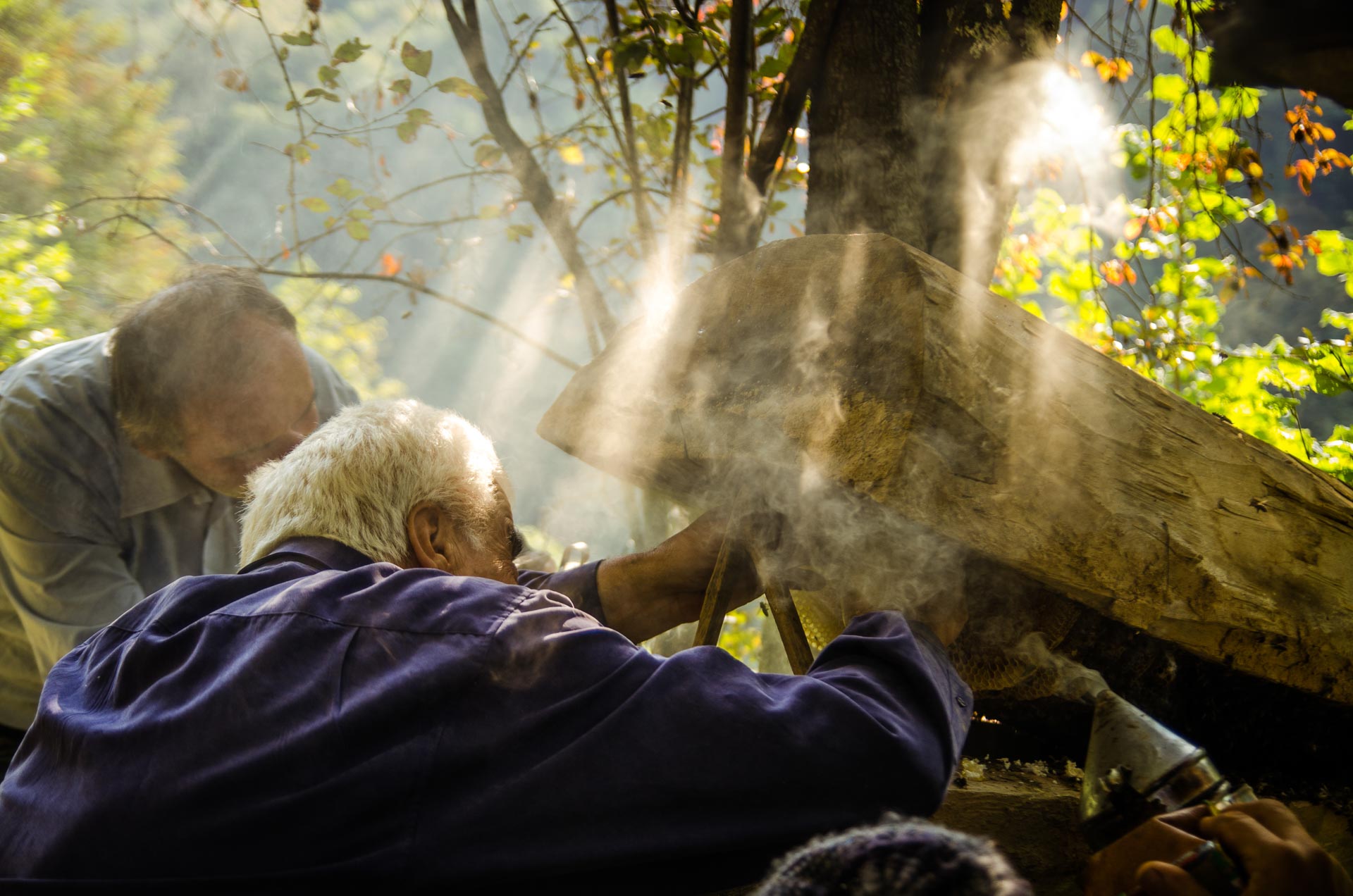
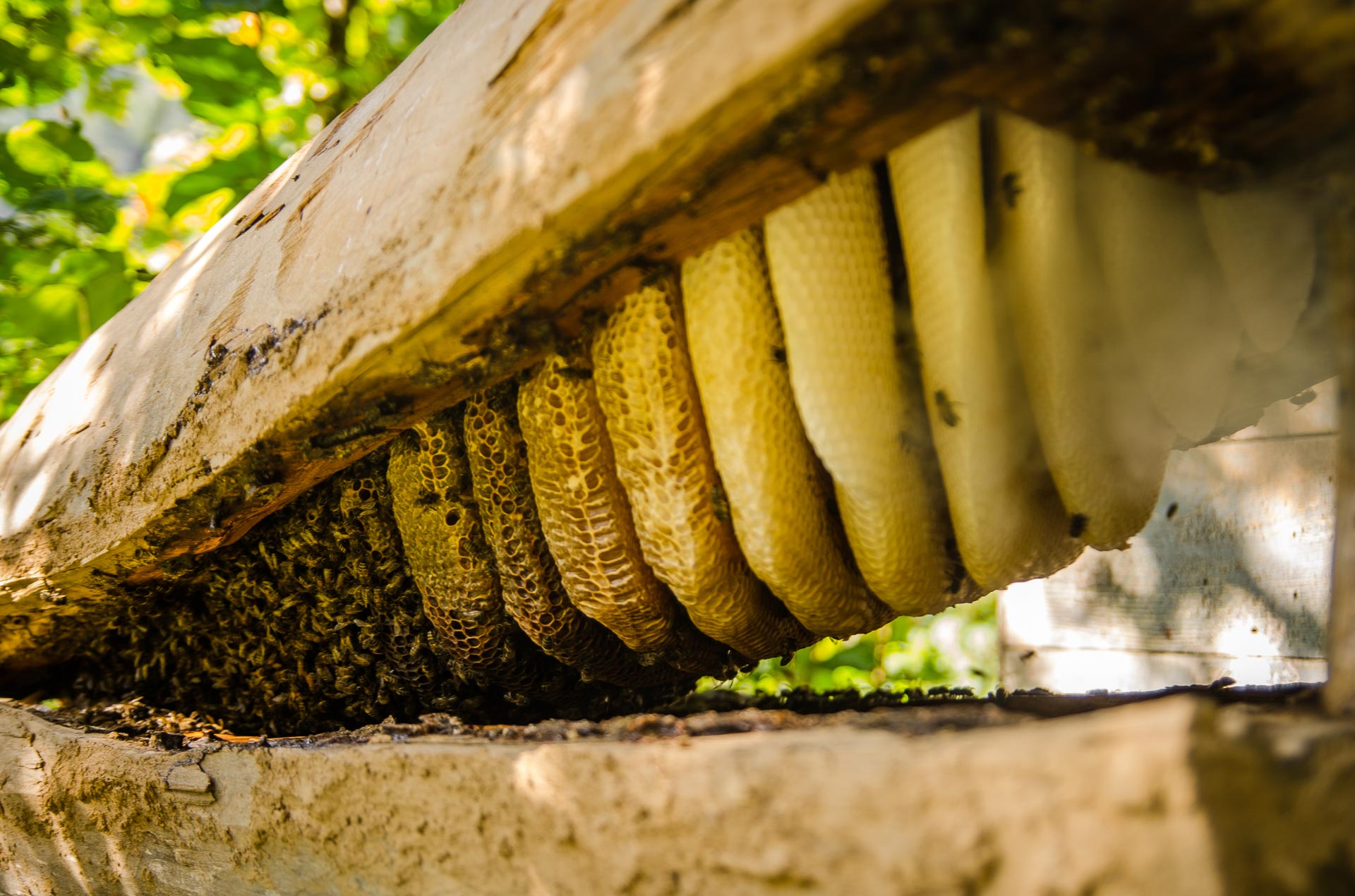
In a country first, eighteen Jara beekeepers in Ajara have received Bio certification. Jara honey was not even commercially harvested and branded until 2018, however the market for the honey has proved its strength so successfully that the beekeepers saw the opportunity to further promote their product through bio certification.
The conversion was relatively simple and certainly achievable as Jara honey is based on the capture of wild swarms and is relatively hands off. Since November 2018, the Jara Beekeepers Association (JBA) has been facilitating training and on-site recommendations; it also provides treatment of hives with a Bio vet medicine and special equipment for the mentioned Jara beekeepers. The beekeepers now follow the bio requirements; including keeping records, better husbandry, use of bio vet medicine. This allowed for smooth journey through the minimum one-year conversion period for certification.
Caucascert, the only organic certification company in Georgia issued the internationally recognized Bio certificates after laboratory results and field checks, which did not show any incompliance.
‘I am very proud that I was able to get Bio certification. It was challenging, as I did not have any kind of information before, but support from the JBA was crucial. I can already see the outcomes, because the process already contributed to minimizing disease risk and increase productivity of a Jara hive by thirty percent’ – Bio certified Jara beekeeper from Keda municipality.
Six more Jara beekeepers, including the Jara apiary in the Goderdzi Alpine Garden, are currently undergoing the certification process and might obtain certification by the end of this year.
The Jara honey mark was registered in February, 2020 and both its production and the market for it, including export is growing. More details on Jara honey to be found on www.jarahoney.com.
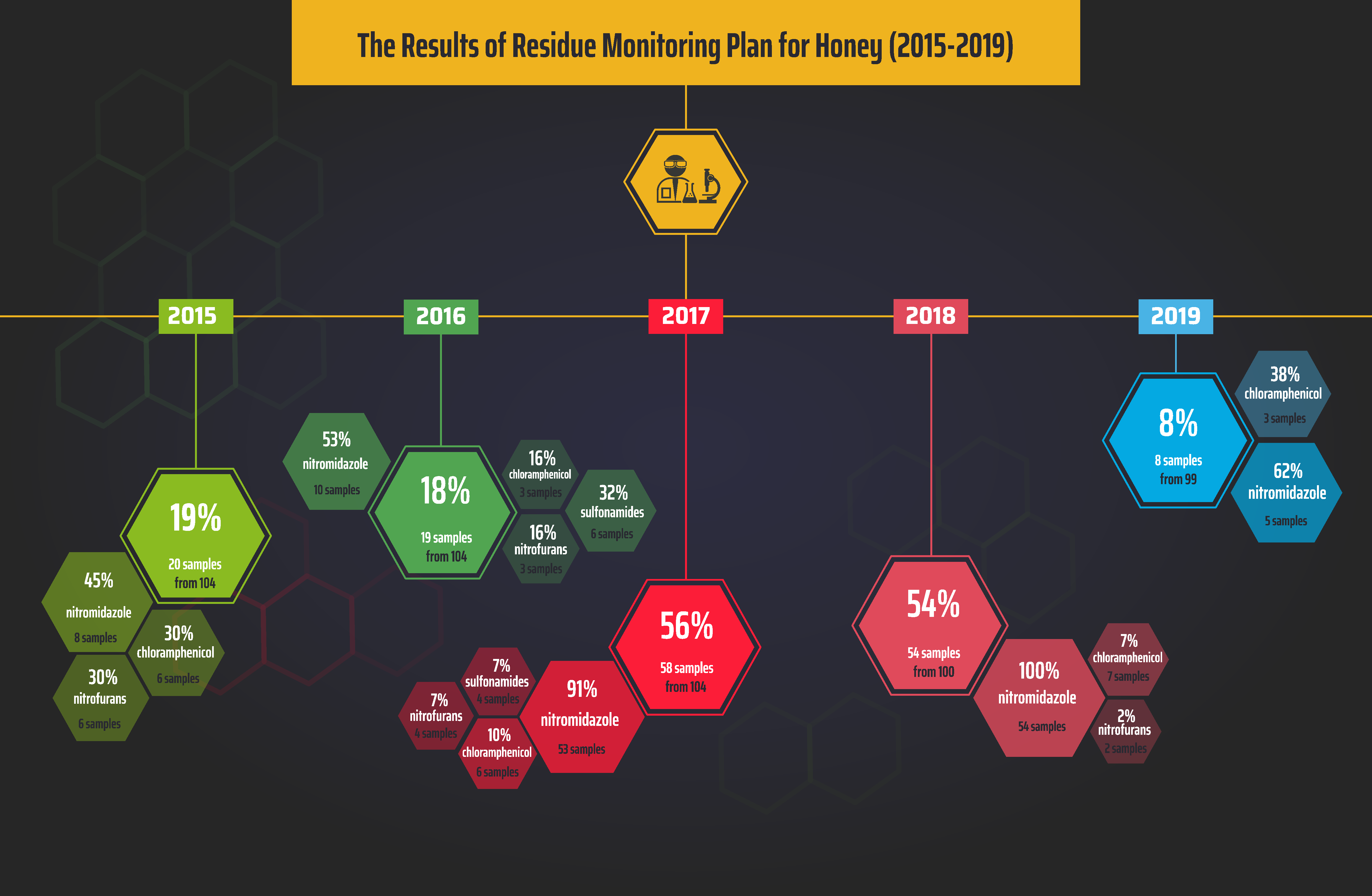
As part of the agreement which allows Georgian Honey to be exported to the EU, the government annually carries out a Residue Monitoring survey. Worryingly high residues of prohibited antibiotics were found in previous years (see infographic below). 2019 however saw national information campaign carried by the Georgian Beekeepers Union, who developed and disseminated Do’s and Don’ts Antibiotic Use Infographic and facilitated breakthrough legislation adopted by the Government of Georgia, which prohibits registration of the beekeeping vet medicines containing restricted antibiotics, among others. As a result, this year, only eight percent of honey samples tested positive for prohibited substances, compared to fifty-four percent of the last year, according to the Residue Monitoring Plan results, made by the National Food Agency in the BIOR laboratory in Riga, Latvia.
It is a significant achievement for Georgian honey export opportunities and expanding markets.