By Helen Bradbury: Team Leader, Alliances Lesser Caucasus Programme
We are in an interesting conundrum. Gender in most places has been written-in to law. Bar a few notable exceptions, every country in the world, has varying degrees of success in applying universal suffrage. Fifty countries are signed up to the CEDAW convention (the UN’s Convention on the Elimination of all forms of Discrimination Against Women). On the CEDAW world map of Discrepant Government Behaviour Concerning Women, the countries shaded dark green which denotes ‘virtually no enforcement of laws consonant with CEDAW or such laws do not even exist’, are where you expect them to be and in fact they are relatively few. It is the next two categories which disturb, covering the vast majority of the globe, the mid and lighter green, where laws are partly or fully consonant with CEDAW but there is little effective enforcement or spotty enforcement of them and the issue is low priority or hit and miss. After the gains, the laws and ratifications of the last centuries it seems that we must tread very carefully indeed for we must counteract indifference, in which inertia and inactivity stop us moving forward.
In Britain in 1913 Emily Davison threw herself under the kings horse at the Epson Derby, women were in and out of prison under the cat and mouse act where they were let out to gain in strength after their relentless hunger striking and brutal force-feeding and then put back in again. They engaged in arson, attacked works of art. This was the fight for the vote for women in Britain, visible, violent and vehement. In 1928 they got franchaise equal to men. Whether you were fighting for or against, agreed or not, you cared, passionately.
Those of us who interest ourselves in activities concerning the development of equitable solutions to development problems, who are concerned with ensuring that both women and men benefit from strategies designed to impact the poor, have probably at some time in our dealings experienced a certain phenomenon. I was vastly reassured recently, if not slightly depressed, to see that even Hillary Clinton, one of the most powerful women in the world, had experienced it:
“I have been championing the rights of women and girls around the world and here at home for many years,” “and I got tired of seeing...foreign leaders, business executives, even senior officials in our own government...smile and nod when I raised these issues… ‘Oh right, I knew she was going to raise women and girls, I will just sit here and smile, it will pass, and then we’ll talk about really important things."
Hillary Clinton, Data2X Press Event, New York, January 12, 2015
Being Hillary Clinton probably guaranteed the smiles, in my dealings, in the course of programming and most notably with all levels of government, I have experienced some less sanguine reactions, but most often a shrug, an intake of breath, a glazing over, a good time to check the cell phone and a knowledge as she rightly points out that it will pass fairly soon, being as it is, as everyone has figured out, an add on. It is insidious in its passivity, there is no heat in the exchange as we are all of course in agreement, and the issue slips away, dissolves in inactivity.
How then do we keep it alive? How do we stop it being an add-on and counteract indifference? How do we make it real in a constructive way? How do we make sure it gets done?
Equitable solutions and women’s economic empowerment (WEE) which is what we work for on the ALCP, require hard work and they are difficult to do, but not because the means to achieve the solutions are complicated, they are in fact extremely simple, but they do require coordination, commitment, cooperation, and most of all persistence. Tools, procedures, operating mechanisms and strategy for ensuring women’s economic empowerment must be built in to the programme structure, adhered to and carried out every day as normal. They must be operationalized. The issue of indifference here noted in government could equally be applied to development. Not in ethos and intent, but in practice. In a recent literature review of measuring women’s economic empowerment, of the thirty projects reviewed only eleven had an indicator to measure the most basic of all WEE measurements; access to services. The primary recommendation in the review for projects to improve their WEE performance was to collect gender disaggregated data. This is just the bottom line.
We talk of complex issues, change pathways, negotiating ancient customs of how to measure agency over household income. Just doing the basics would be a great start and essential first step. Hillary Clinton is of course once more on the button with Data2X—a joint project, with the Clinton & Gates foundations, UN and others, to gather and start a gender data revolution, which will allow policymakers to recognize problems more clearly and create more informed policy. The first step is clear, we all know what to do, we just need to do it and keep doing it.
For more on operationalizing WEE in Alliances see: DCED Webinar Measuring Women's Economic Empowerment
Measuring Women's Economic Empowerment in Private Sector
Helen Bradbury is a development professional with a career spanning market system approaches to solving problems ranging from the welfare of working horses in Ethiopia to early economic recovery in post-tsunami Indonesia. She now manages Mercy Corps' flagship market systems development SDC funded Alliances programme in Georgia, and advises on M4P and women's economic empowerment. See www.aclp.ge for more details.
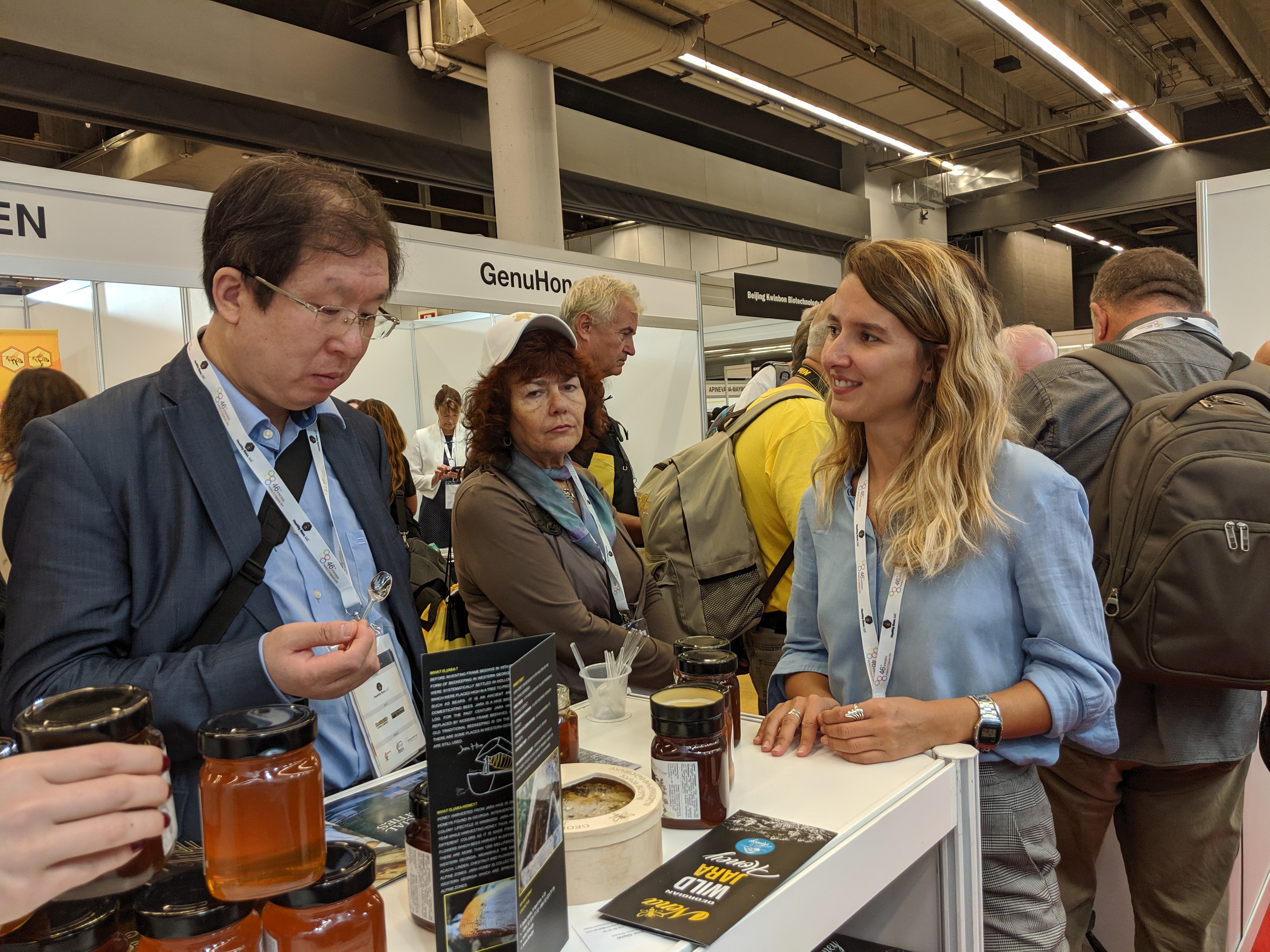
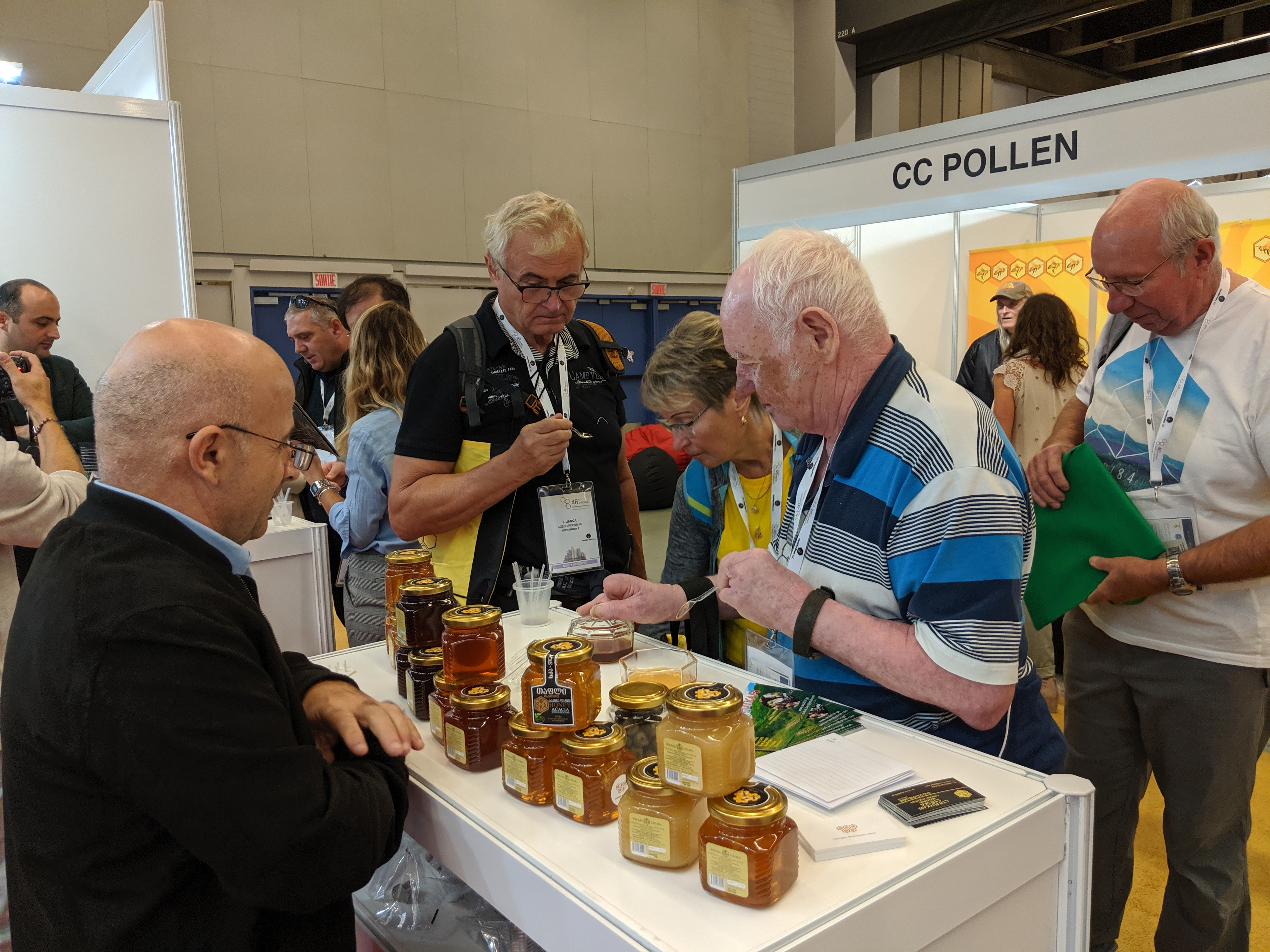
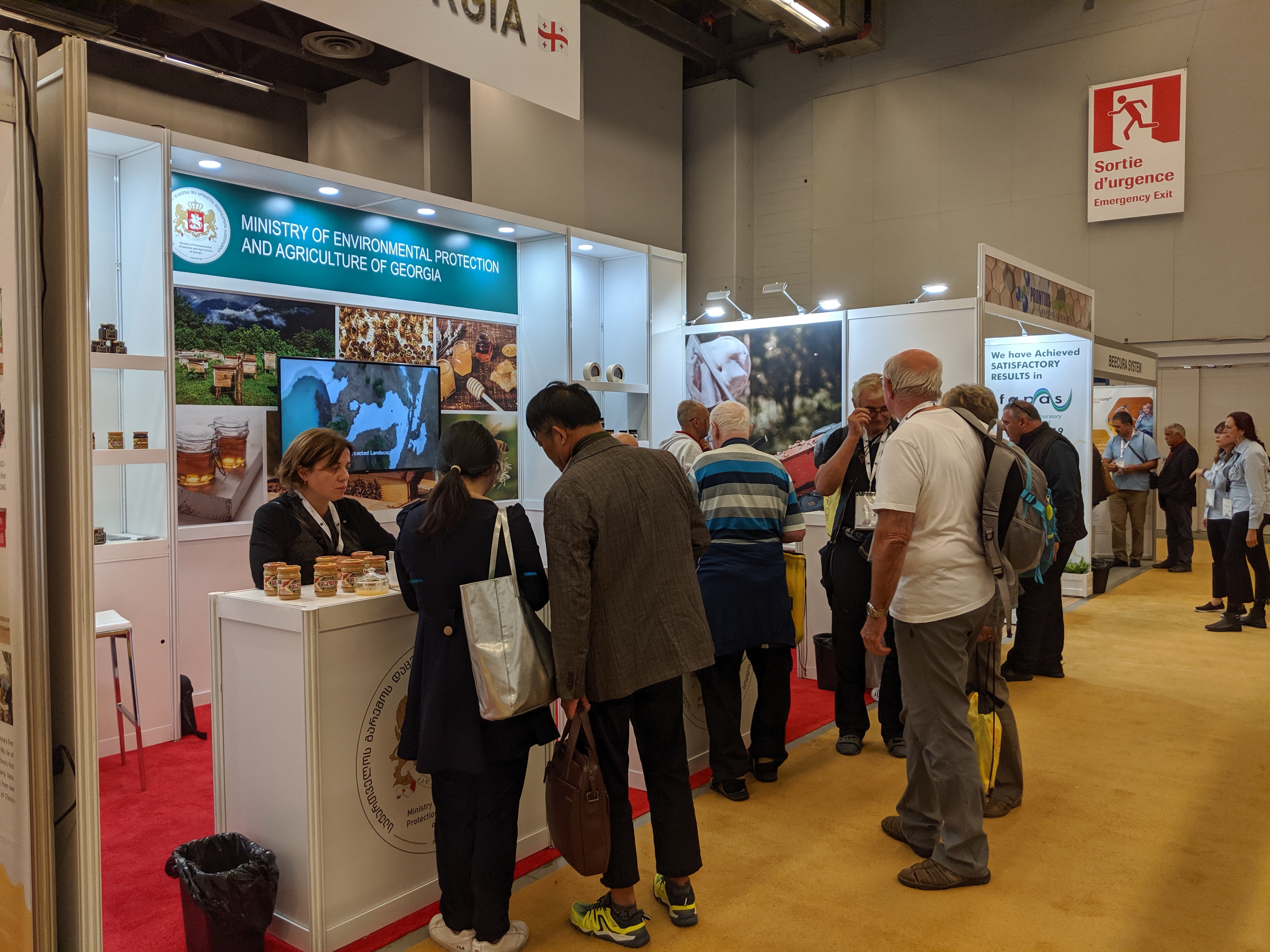
The 46thApimondia Congress 2019, the most significant event in beekeeping worldwide, took place from 9th of September to 12th of September, in Montreal, Canada. For the second time in Apimondia’s hundred years of history, Georgia was at this world forum, represented by the Ministry of Environment Protection and Agriculture (MEPA), the Georgian Beekeepers’ Union (GBU) and Kakhetian Traditional Winemaking company, exhibiting the different types of honey of its members and promoting Georgian honey and beekeeping.
Apimondia promotes scientific, ecological, social and economic apicultural development in all countries and the cooperation of beekeepers' associations, scientific bodies and individuals involved in apiculture all over the world. This event is a unique opportunity for Georgia to promote itself as a honey producer and claim a place next to world leading honey producers. The recent placing of Georgia on the list of third countries for honey only further cements the credibility of Georgia as a viable producer country.
Georgia has been extensively promoted internationally as the birthplace of winemaking. Apimondia provides the opportunity to put energy into a new promotion of Georgia as the homeland of the oldest honey ever discovered, preserver of ancient beekeeping traditions as shown in the Jara movie and producer of a wide variety of artisanal natural honey and bee products fueled by the un-paralleled flora of Georgia’s uniquely bio diverse and unspoiled landscape.
The Georgian Beekeepers Union (2018) as an umbrella association for advocating and representing beekeepers’ interests developed Honey promotion video, websites/catalogues of Jara Honey and Georgian Honey for further promotion of Georgian honey.
The first participation at the congress was facilitated by the Swiss Agency for Development and Cooperation (SDC) project the Mercy Corps Georgia implemented Alliances Caucasus Programme (ALCP) in cooperation with the Ajarian Beekeeping Business Association (ABBA) operating under the Ajara Chamber of Commerce and Industry (ACCI) in Istanbul, Turkey in 2017.
Follow the links on the Apimondia Congress 2019: Interpressnews, Palitranews.ge
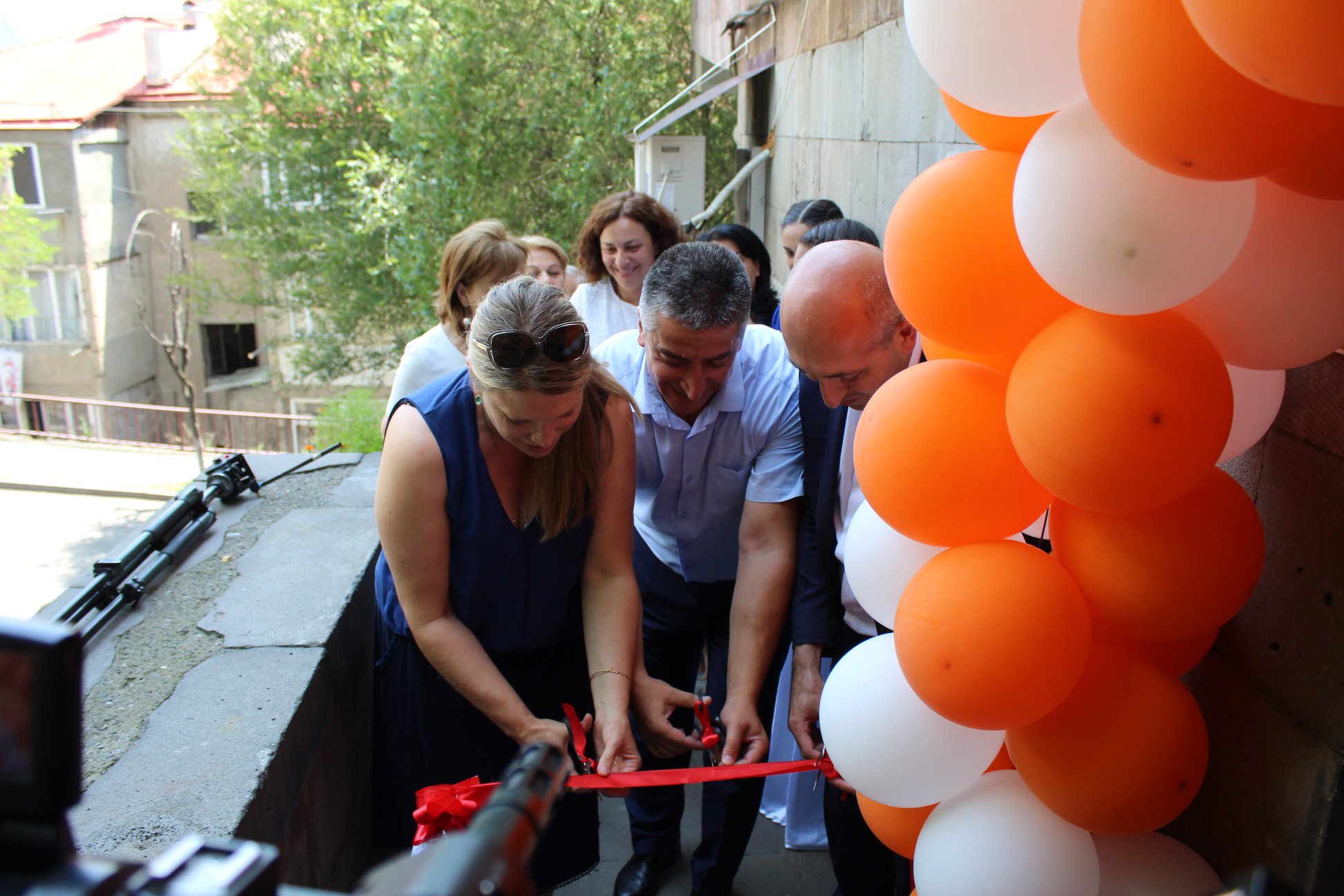
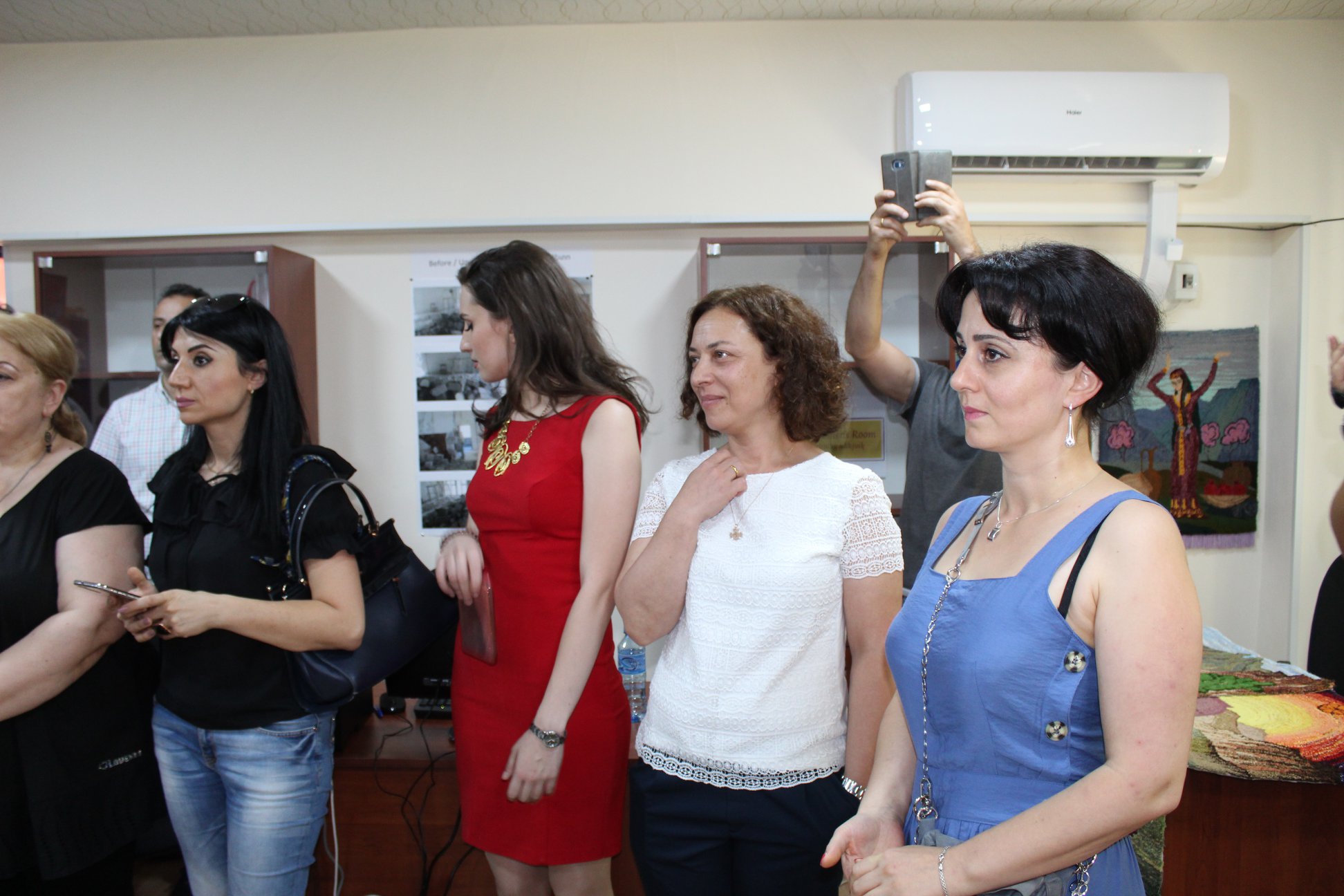
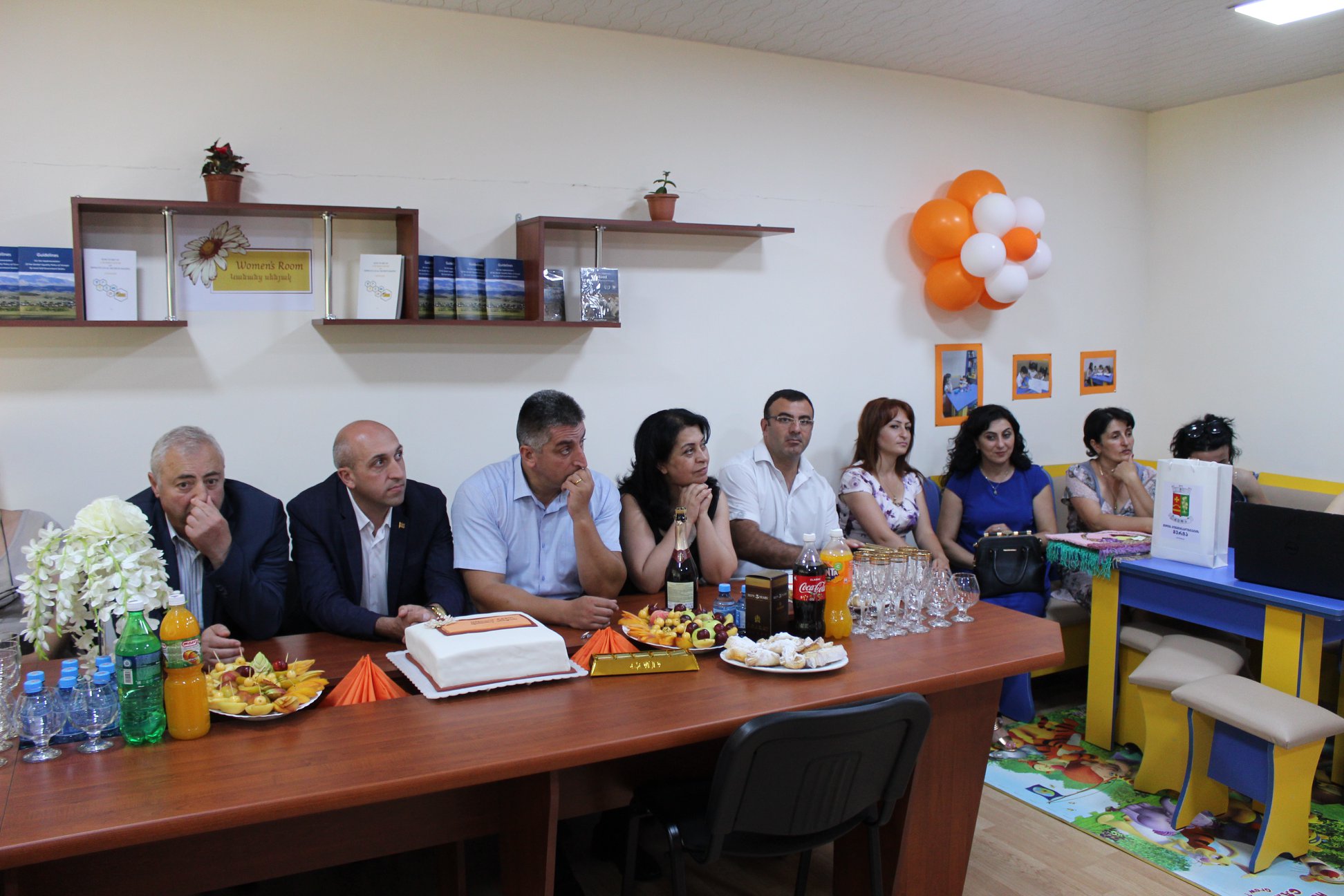
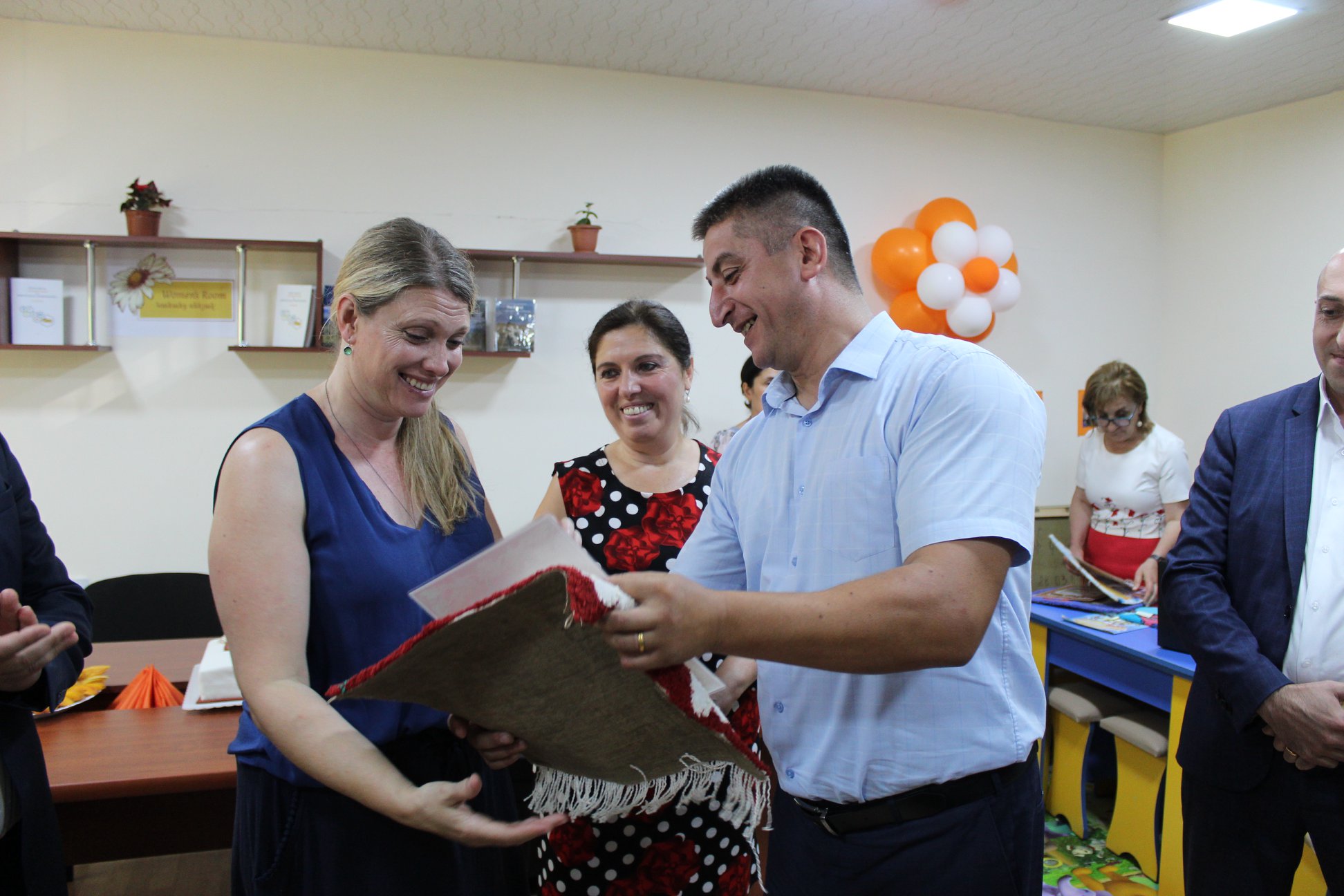
The Women’s Room in Alaverdi municipality, Armenia was officially opened on the 25th of July by the Governor of Lori Province, Andrey Ghukasyan, the Head of Alaverdi Municipality, Sasun Khemuchyan and the ALCP Team Leader, Helen Bradbury. The Head of the Department of Family, Women and Youth of the Ministry of Labour and Social Issues, the Head of the Municipality, the representative of Association of Lawyers, local businesswomen and other guests attended the opening ceremony. The Mayor of Keda Municipality of Ajara region and the Manager of Women’s Room in Keda were invited, representing one of the most successful Women’s Rooms in Georgia. Keda and Alaverdi Municipalities forged links when the representatives of Alaverdi Municipality were invited to the Women's Business Forum held in Batumi, Ajara in March, 2018.
“This service is very important for women and their families to improve their business skills. I would like to thank all of the initiators and supporters of the project and I am ready to discuss the opening of this service in other municipalities as well” - Andrey Ghukasyan, Governor of Lori Province.
“The Idea of the opening of the Women’s Room in Alaverdi came when we visited the Women’s Room in Keda, Ajara region three years ago. The Alliances Caucasus Programme expressed their readiness to share their experience with us how to establish and operate the WR. This service will help women with accessing resources and training to get finances for their businesses. When we help women, we strengthen their families’ Sasun Khemuchyan, the Head of Alaverdi Municipality.
Photo Source: Facebook page of Women's Room in Armenia
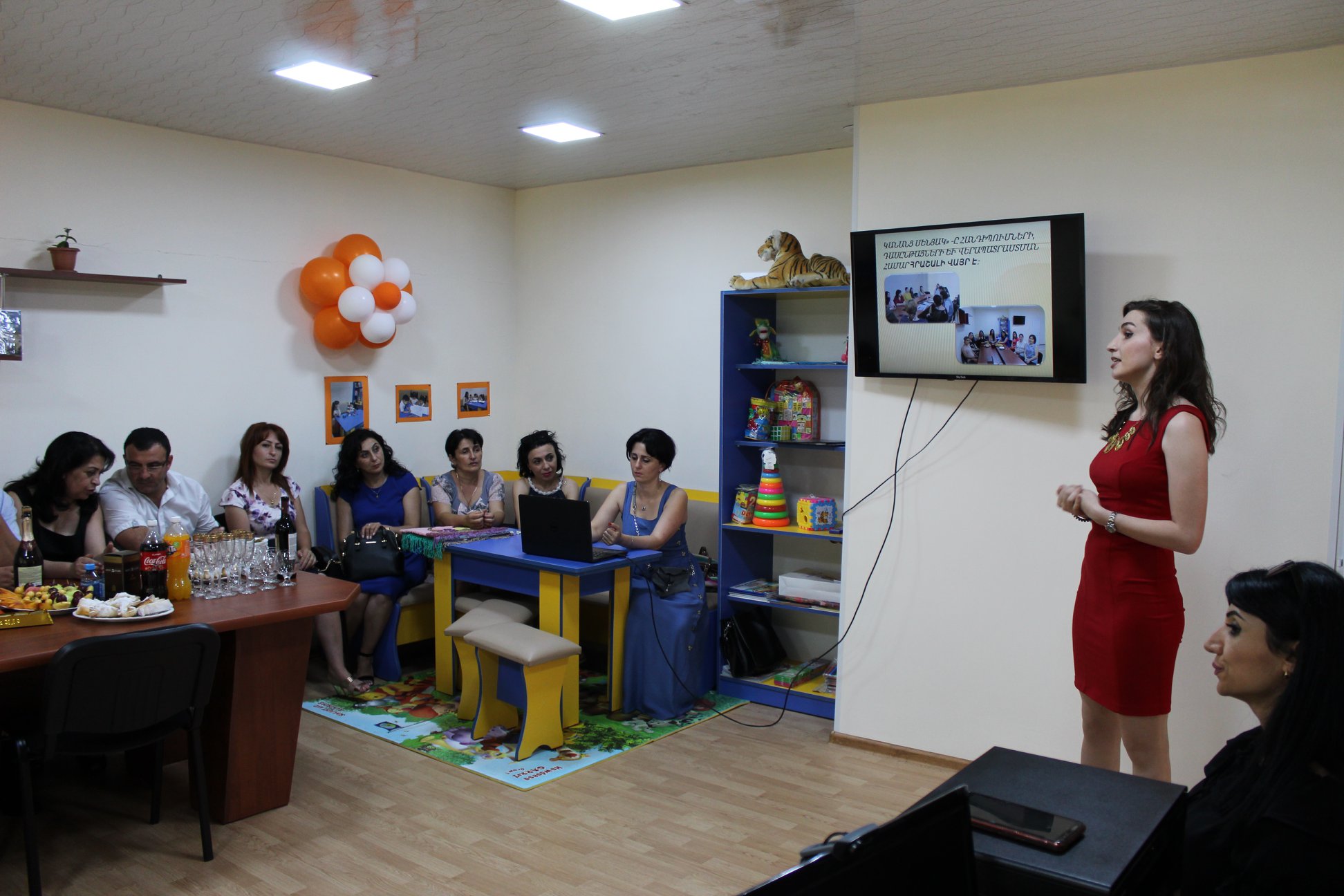
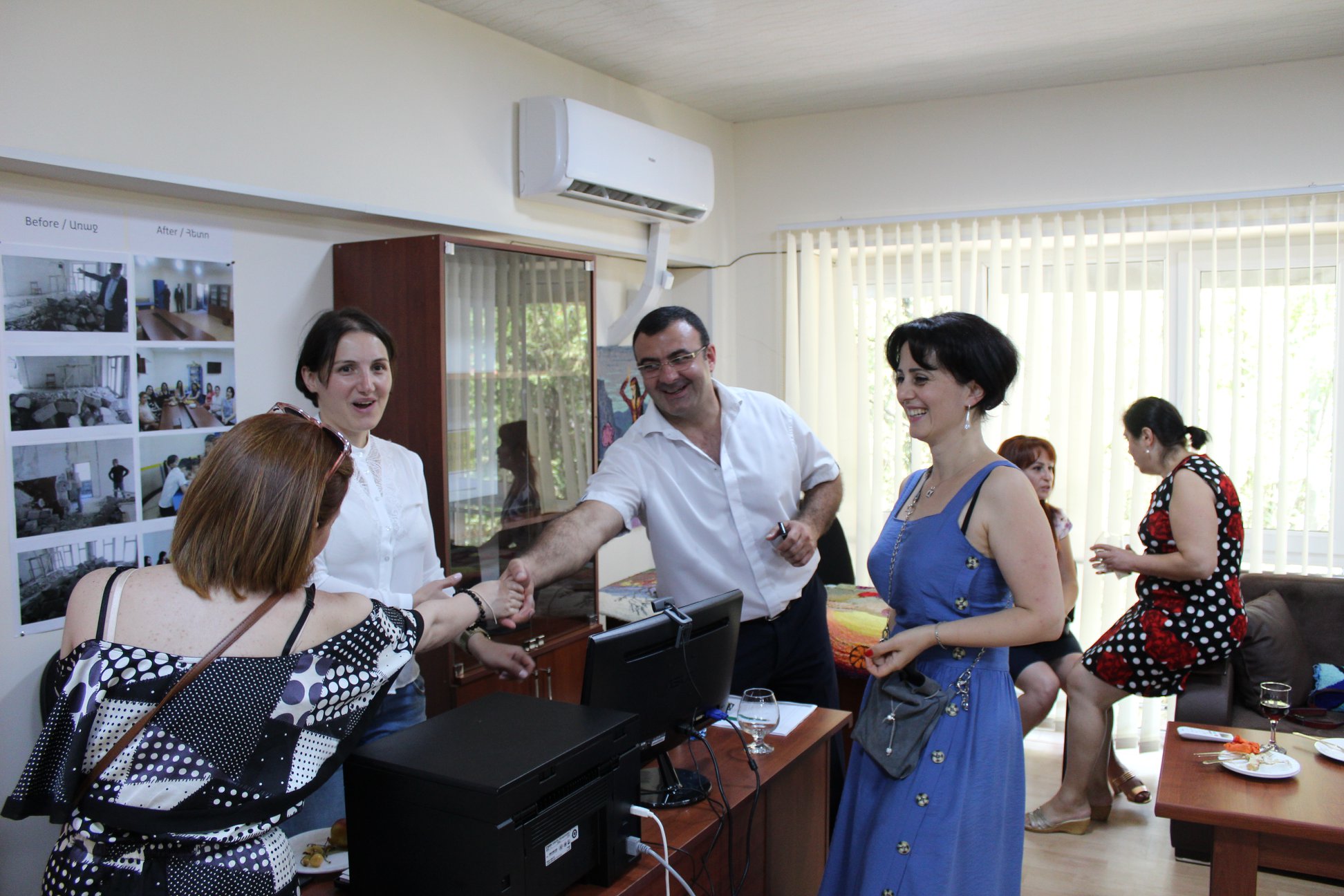
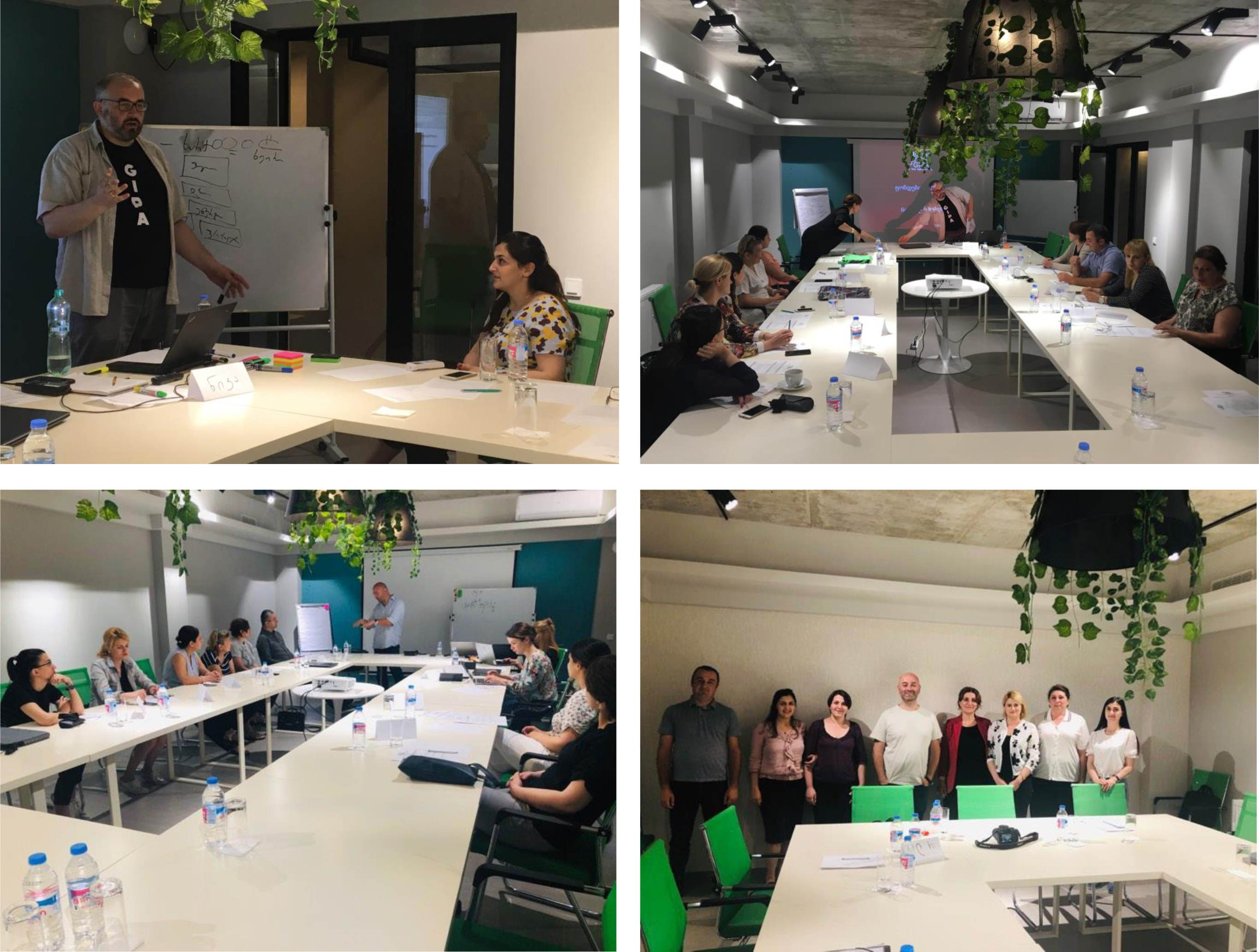
All the managers of the municipal Women’s Rooms and representatives of the Governor’s office in Kakheti region attended a training on Business Plan Writing and Fundraising held by the Georgian Institute of Public Affairs (GIPA) with ALCP facilitation. For three days George Turkia and Nikoloz Abuashvili, full professors of GIPA, explained how to transform ideas into real plans and where to find the money for them.
‘This was the most interesting training I have ever had. A lot of women are coming to my room with business ideas but I cannot provide help because of lack of knowledge. Now I am full of enthusiasm and ready to help them. It is also important for me that helping women with starting businesses in rural areas will be supported by the local government through the Women’s Room. We will make it happen’ – Bela Marukashvili, the Women’s Room Manager in Akhmeta municipality.
Background information: Twenty-eight municipalities of Ajara, Kvemo Kartli, Samtskhe-Javakheti and Kakheti have established free information-consultation spaces - Women’s Rooms to support women’s equal participation at local decision making fora and their economic empowerment. In 2016 the Women’s Rooms in Ajara pioneered to help rural women with applying to the government grant programmes and after a year the model was copied by Kvemo Kartli and Samtskhe-Javakheti as well. To date 88 women business start-ups have been funded through the Women’s Rooms in Georgia.
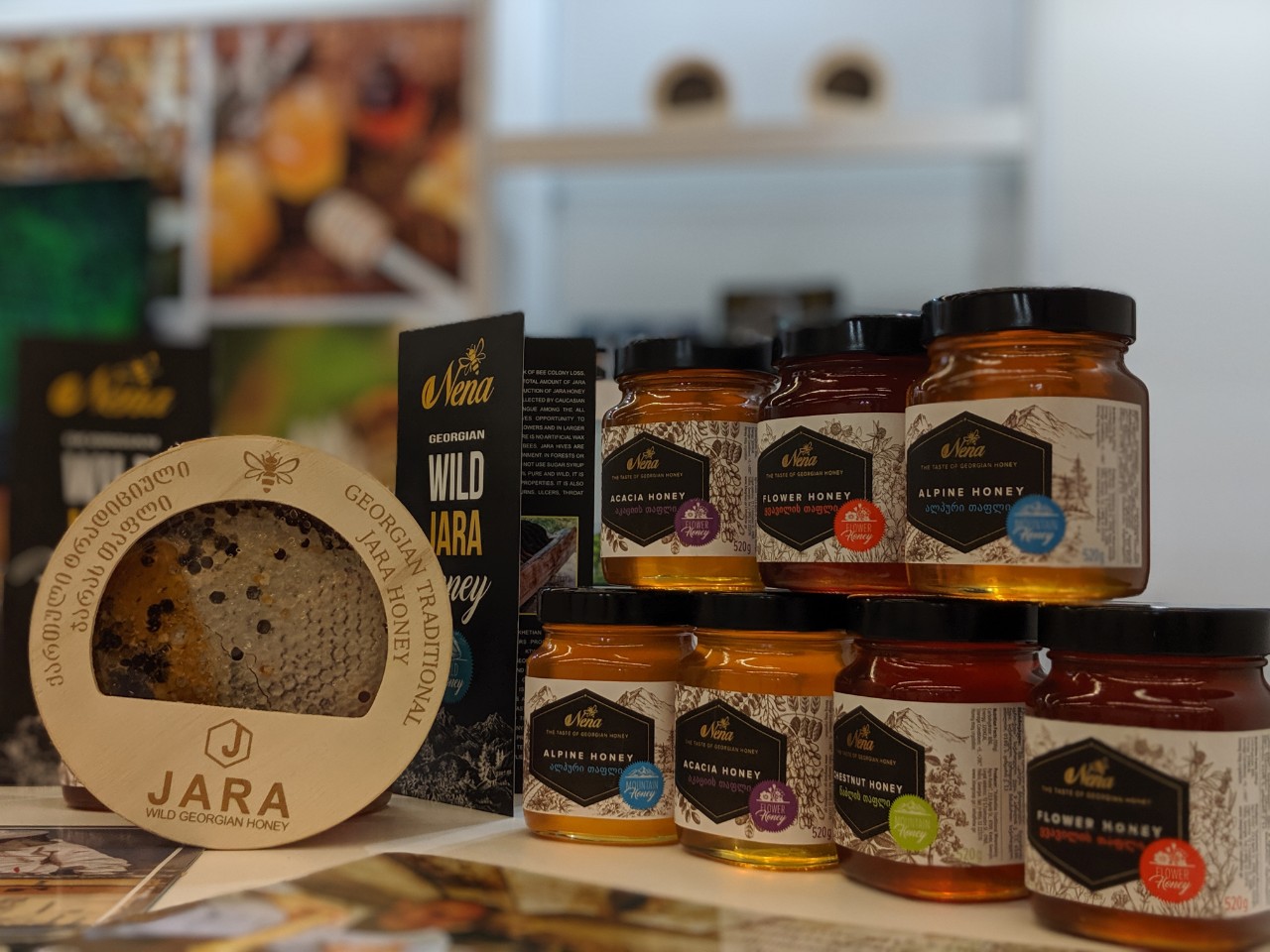
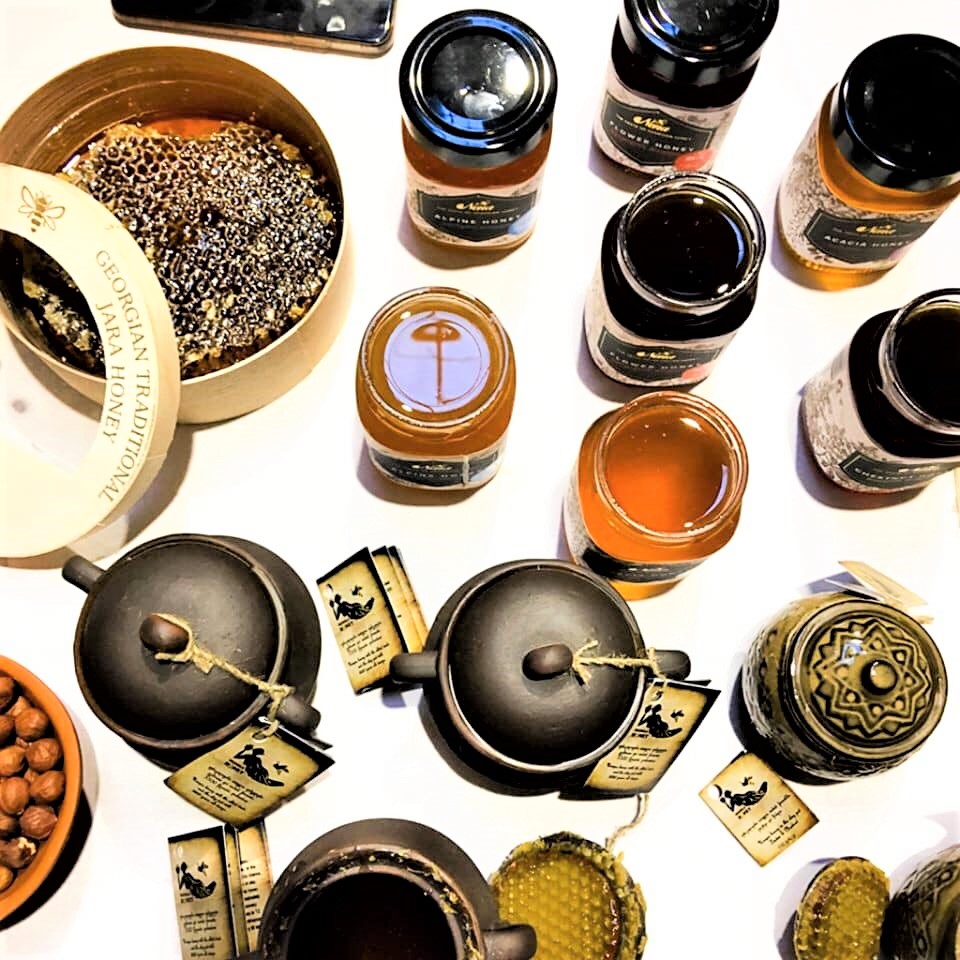
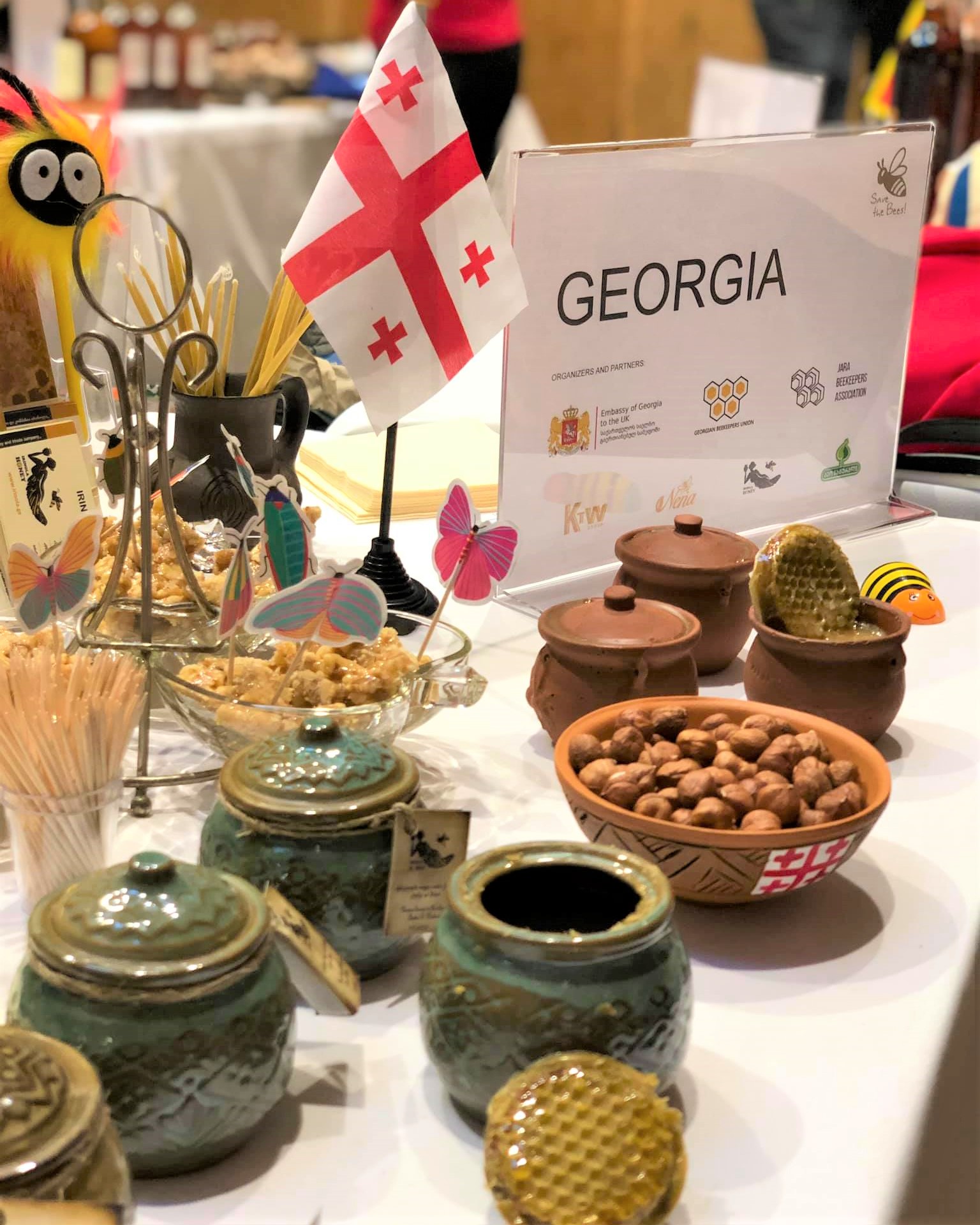
Honey and bee products of four Georgian companies were exhibited at the event WORLD BEE DAY COMES TO LONDON on 21st of May, in the Conway Hall by the initiative of the Embassy of Slovenia to the UK.
The Embassy of Georgia to the UK organized a stand for Georgian companies with the help of the Alliances Caucasus Programme, the Georgian Beekeepers Union, the Jara Beekeepers Association and the Georgia Chamber of Commerce and Industry. Georgian honey was well promoted by the Embassy.
Twenty-seven countries exhibited their bee products. More than 500 guests tasted Georgian honey; Chestnut and Jara honey were one of the favorites.
Photo source: The Embassy of Georgia to the UK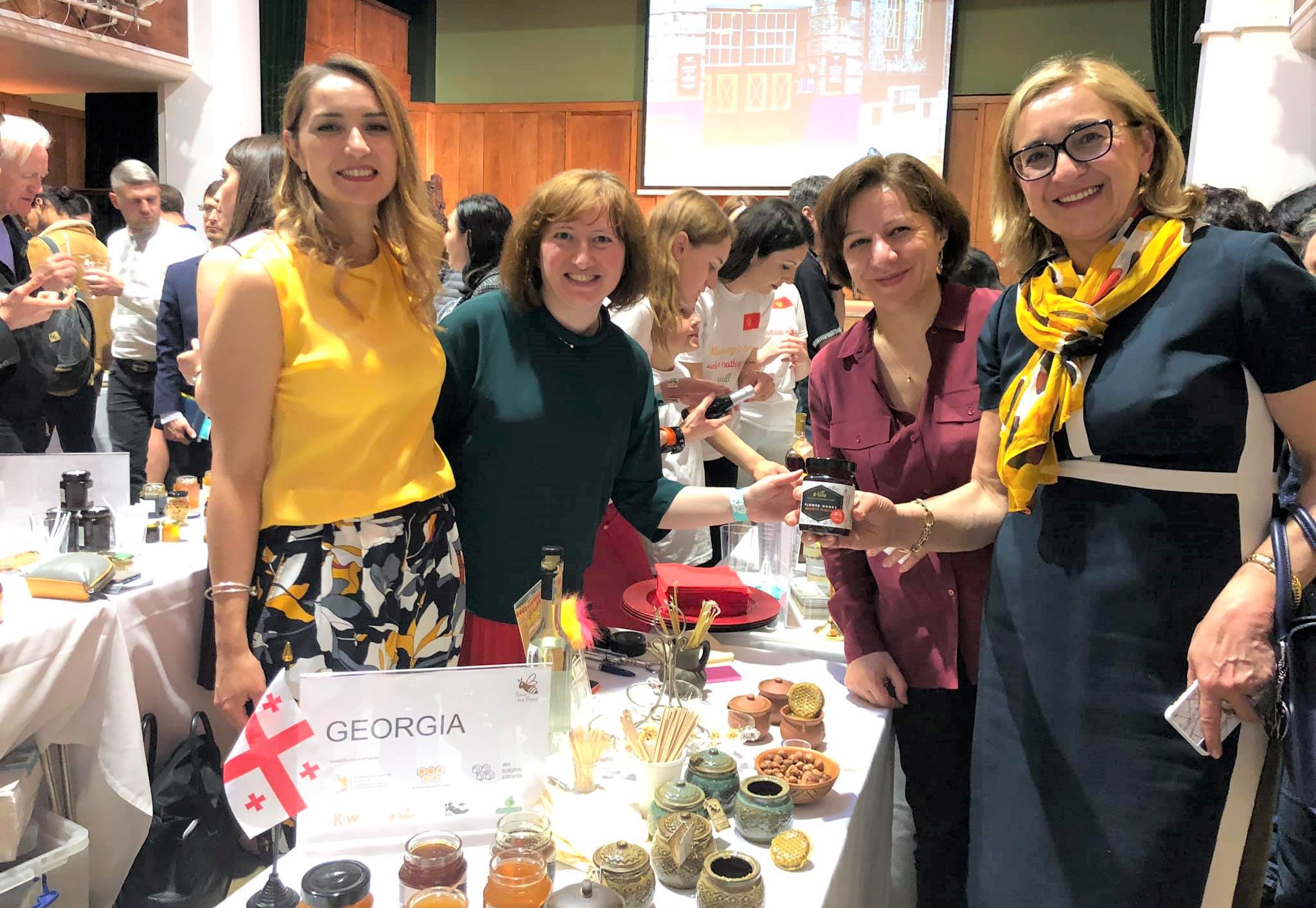
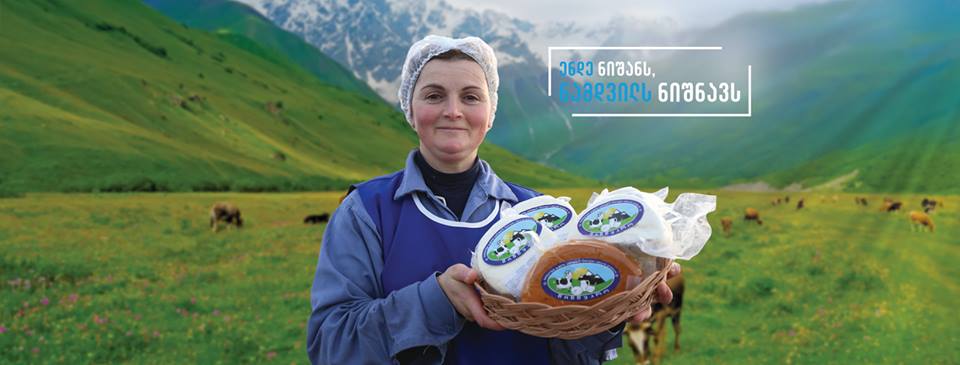
Seven dairy enterprises are using the Georgian Milk Mark: Milkeni Ltd Rustavi, KK; Tsintskaro + Ltd Tetritskaro, KK; Khiza Ltd Akhaltsikhe, SJ; Badri Gogoladze I.E Bolnisi, KK; Gocha Gagashvili I.E Telavi, Kakheti; Tsolak Grigorian I.E Ninotsminda, SJ; Karen Simonian I.E Akhalkalaki, SJ.
Six dairy enterprises are being audited: Imeruli Ltd Marneuli, KK; Zekari Ltd Terjola, Imereti; Tsezari Ltd Khulo, AJ& Tsalka KK; JTA Ltd Tsalka, KK; Ramaz Nazrashvili I.E Gori, Shida Kartli; Tanadgoma Gardabani, KK.
The products with the mark are available in Spar; Nikora; Zgapari; Fresco and Madagoni supermarkets’ chain.
Eleven additional dairy enterprises have already applied to use the mark.
Billboards of the mark are on Tsereteli Avenue, in Vake Tbilisi; Rustavi; Kutaisi and Akhaltsikhe.
Information per enterprise is uploaded on a www.georgianmilk.ge. This allows consumers to look up the products they are buying using a unique register number printed on the label.
GMA international marketing company has been conducting a national promotion campaign to introduce the mark to the public and retailers since the end of March. Facebook of the mark is active with more than 3,000 subscribers/consumers.
The Georgian Milk Mark is officially registered and serves to distinguish dairy products made from natural milk.
Follow the links on the Georgian Milk Mark: Ferma, Agrinews, Imedis Dila, Radio Marneuli, Marneuli TV, Georgiandairy.org, Agrokavkaz.ge, Interpressnews.ge, Ambebi.ge
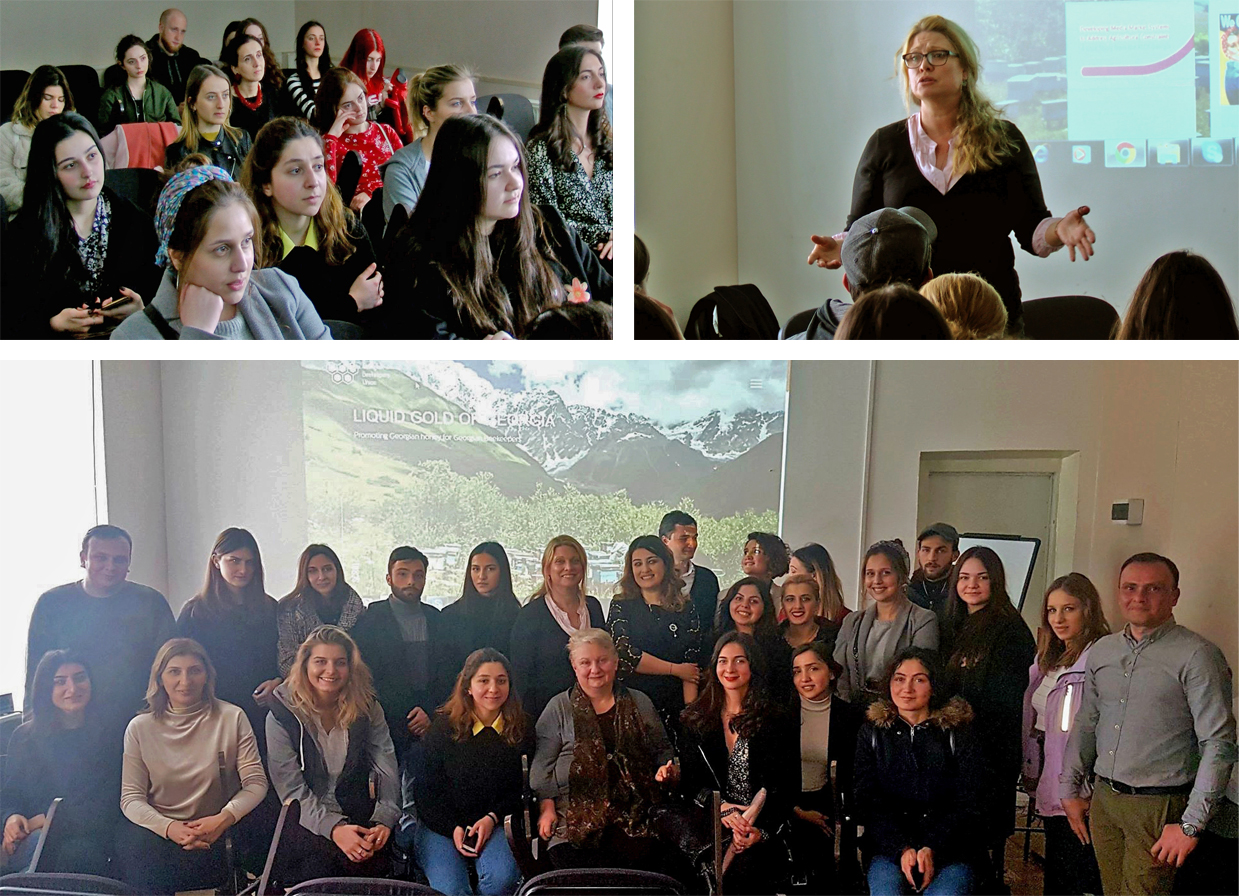
Up to thirty students of the agri journalism course at the journalism department attended a lecture given by the ALCP programme Team Leader Helen Bradbury in the state university. Agriculture and tourism; environmental protection, preservation and biodiversity; the honey, sheep and dairy sectors; Georgia’s rich cultural heritage and its main treasure - people/farmers with their strong traditions were the main themes of the lecture.
All the students highlighted that the lecture was inspirational, they did not know many things, found different perspectives of agriculture and environment and they will report about the themes in the future.
‘Agriculture is about people and you should do your work with your heart if you want people to be opened to you. Try to understand the process and choose your own path. Be different and always find something new that no one else can see.’ - Helen Bradbury, Team Leader of the ALCP programme.
Since spring fifty-three students have been learning agri journalism as a selective module for two hours/week, during the whole semester at the state university.
‘We see more and more reports about agriculture but it is not enough. Reporting about rural life, people and agriculture is very important and it is our and your responsibility to think about it and be more enthusiastic as you are future journalists or media managers.’ - Natia Kuprashvili, Head of the Journalism Resource Center.
Fourteen universities in Georgia, four in Armenia and one in Azerbaijan established or are establishing agri journalism module in their courses. 369 students have already studied the course.