From the ISET Economist news (http://www.iset.ge/news/?p=4633)
By Eric Livny

The “do no harm” (primum non nocere) principle is well known to students of medical schools. It is one of the most fundamental maxims in medicine, as formulated, for example, in the Epidemics book of the Hippocratic Collection:
“The physician must … have two special objects in view with regard to disease, namely, to do good or to do no harm“.
Doctors are taught that medical interventions are not risk-free. Thus, when facing a “problem” one should consider whether to use a particular procedure (e.g. surgery or chemical treatment) or do NOTHING.
Not surprisingly, this very principle has applications in many fields other than healthcare. And it is high time for this principle to be studied and applied in Georgian policymaking.
THE HARM OF OVERZEALOUS “HARMONIZATION”
Ever since signing the EU Association agreement in June 2014, Georgia has embarked on a spree of initiatives seeking to “harmonize” Georgia’s legislative and regulatory environment with EU’s acquis communautaire. The aim, so it appears, is to instantly transform Georgia into a European nation.
It all started on September 1, 2014, with the introduction of new VISA AND RESIDENCY REQUIREMENTS, modeled – so the Georgian public was told – after the best EU regulations, and intended to meet EU requirements as part of the visa liberalization process.
Within just a few months, several other pieces of legislation have been drafted and submitted to parliament (a few more may be in the pipeline without any knowledge on the part of relevant businesses and civil society stakeholders), allegedly as part of the harmonization effort.
- A new law onLABOR MIGRATION, submitted to the Georgian Parliament in early 2015, sought to prevent trafficking (a goal consistent with Georgia’s obligations under the visa liberalization plan), but also (Article 16) to restrict the ability of Georgian companies to hire badly needed international experts. Hard to imagine, but true! Thanks to a concerted communication effort by the Georgian business community, and goodwill on the part of the Ministry of Economy and Sustainable Development, Article 16 was swiftly removed from the draft law.
- Recent amendments to the Georgian law onBROADCASTING (Article 64 § 2) restrict sponsorships and limit advertising to 12 minutes per hour. The idea to reduce advertising time to somewhat more civilized levels is consistent with EU rules, yet Georgia seems to be in a particular hurry to tick off this harmonization box. Whereas the Association Agreement talks about gradual “approximation” over a period of 3-5 years, Georgian parliamentarians opted to dramatically accelerate the process by making these truly life-saving amendments effective almost immediately (as of April 1, 2015). Instead of creating harmony, this kind of fast-track overzealous approximation does not allow private broadcasters any time for adjustment, jeopardizing their ability to generate income, produce high quality content, and maintain independence. Unfortunately, suggestions by Rustavi 2 and other TV channels to stagger reductions in advertising time over several years have so far fallen on deaf ears.
- Yet another example of rushed legislation that appears to ignore the interests of businesses concerns the recent decision to increase EXCISE TAXES ON ALCOHOL AND TOBACCO as of January 1, 2015. The Government’s official aim was to increase budget revenues while harmonizing Georgia’s regulatory environment with that of the EU. Yet, the manner in which the whole process was rushed raises many questions. Georgian companies were not allowed any time to adjust their investment and production decisions, leaving them with excess capacity and losses. Furthermore, the level of excise taxes on alcohol was set at a level exceeding that of many European nations. This was decided without examining relevant demand elasticities, that is, the extent to which higher taxes will affect sales and budget revenues. In a country with rich traditions in home production of high quality alcoholic drinks (that are not subject to excise taxes), demand for alcohol is likely to be quite a bit more elastic than in most European nations. After all, Georgian consumers can switch to homemade wine or chacha, spelling doom for Georgian government’s plans to raise an extra 100mln GEL in excise tax revenue.
A COMMON PATTERN?
Taken alone, none of these legislative initiatives are particularly damaging for the Georgian economy. Georgian companies would have quickly acquired the ability to handle the extra layer of bureaucracy when bringing foreign experts and workers. Broadcasters will raise per minute prices for advertising and sponsorships, and advertising companies will learn to deliver their marketing messages in fewer seconds. Forced to pay higher excise taxes, Georgians will drink less beer and more wine. Breweries will adjust production volumes or export to Azerbaijan. The Association Agreement will be implemented ahead of schedule. At least on paper.
The problem with all these initiatives is that they represent a pattern of policymaking that is very different from the European ideal which Georgia is supposed to aspire to. And, taken together, they defeat the very purpose they are supposed to serve: bring Georgia into the European family of nations.
First and foremost, the manner in which these new regulation are enacted undermines Georgia’s reputation as a great place to do business. A key consideration for new investors is stability and predictability of the business environment. Countries may certainly change their internal regulations from time to time, but this should be done in coordination with the business community, while listening to companies and allowing them sufficient time to adjust.
Second, Georgian policymakers should learn to do much better homework before coming up with new laws and regulations. To do no harm, doctors may prescribe additional X-ray or blood tests. Policymakers can employ standard tools of applied economics analysis to simulate the impact of proposed regulations on tax revenues, GDP, income and investment levels, as well as evaluate associated corruption risks. While common in Europe, none of these tools are used in Georgia. Yet another good possibility is to move in small steps, conducting policy experiments and assessing their impact.
Third, unless dealing with urgent or complicated technical matters (such as Lari devaluation), Georgia’s policymaking process could benefit from greater participation by interested parties. Practically all EU approximation measures could and should be subjected to a lengthy and inclusive process of public consultations that would increase their chances to be politically accepted. In fact, such consultations are explicitly encouraged by the EU Association Agreement.
Last but not least, the hasty attempts to tick off boxes on EU harmonization may undermine the very process of Europeanization the Georgian government is trying to promote. The use of the Association Agreement as a smokescreen for passing dubious laws not only harms Georgia’s immediate economic interests, but also plays into the hands of those political forces that aspire to bring Georgia back into the Russian fold.
* * *
The other day, I heard Giorgi Kadagidze, the governor of the National Bank of Georgia, speaking about the need for Georgia to grow at a faster pace, and how faster growth is predicated on the government’s ability to implement painful and costly adjustments. The kind of “second-generation” structural reforms envisaged by governor Kadagidze would take time to implement. Until then, however, there are many things the Georgian government could STOP DOING. In this way the government would save taxpayers money, save itself the embarrassment of backtracking and apologizing, and save Georgian businesses the nervous energy and resources that could be put to more productive uses.
It is time for the Georgian policymakers to learn the Hippocratic principle: do no harm!
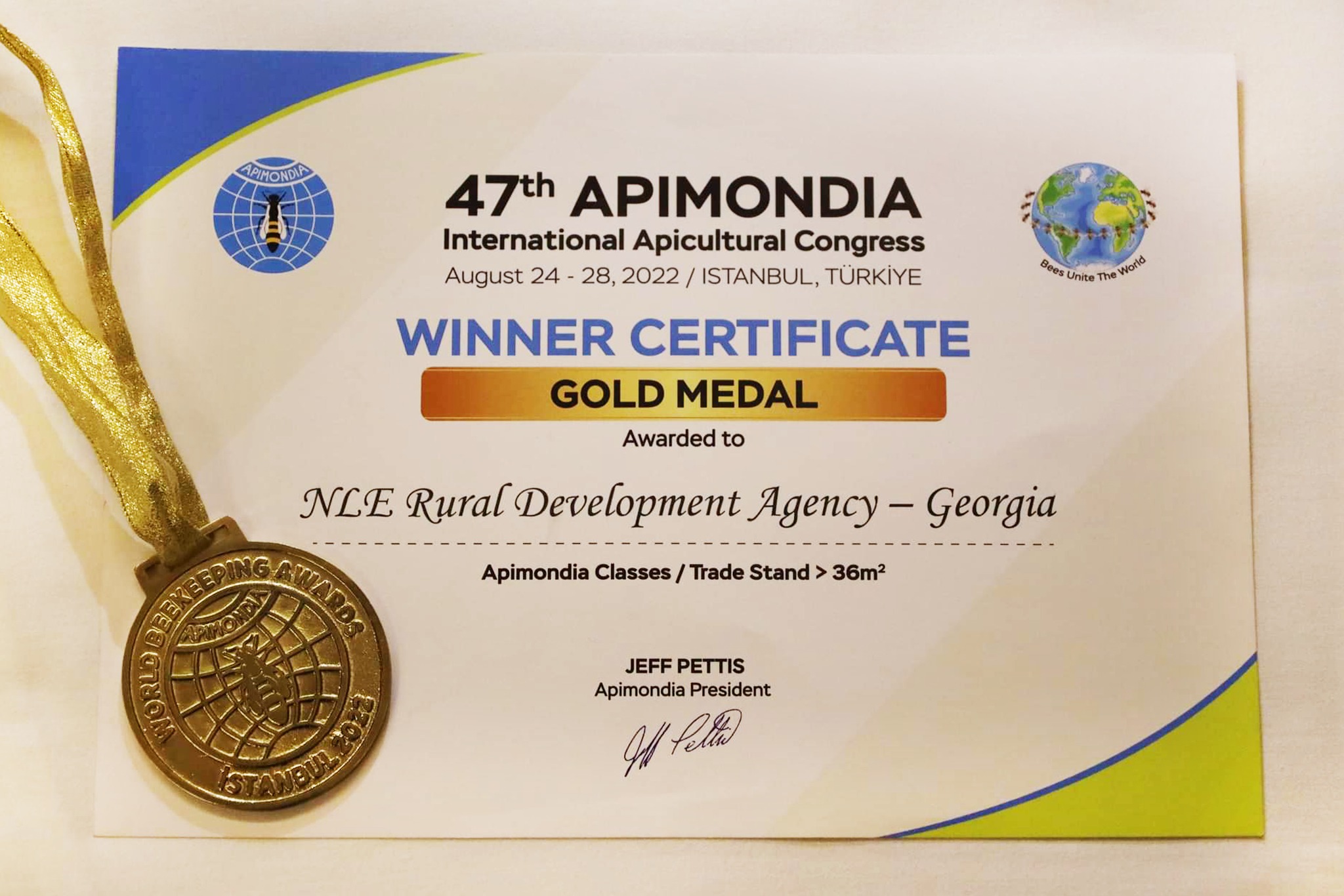
The Rural Development Agency (RDA), representing Georgia at the 47th Apimondia Congress 2022 in Istanbul, Turkey, was awarded a Gold Medal for outstanding design of a trade stand in the 36 square meters category. Georgia was selected from among twelve other nominees.
This year was distinguished by the strongest ever representation of Georgian beekeeping at the Apimondia Congress. Now it is the third time that Georgia has attended. Eight honey producing and exporting companies exhibited on the winning Georgia stand, showcasing honey, queen bees, and other beekeeping products including cosmetics.
The congress proved highly profitable for the Georgian representatives in establishing linkages, potential partnerships and experience sharing with beekeeping associations the Beekeeping Association of Slovenia, the Slovak Beekeepers Association and the Turkey Beekeepers’ Association. The potential for Jara honey to apply for Fairtrade certification was discussed with Fairtrade International representatives. Representatives and judges of the London Honey Awards also visited the Georgian stand. A few Georgian companies have won silver and bronze at the award in 2022. A strong representation to the third London Honey Awards in 2023 by the Georgian Beekeepers Union members will be facilitated by the programme.

The 47th Apimondia Congress 2022, the most significant event in beekeeping worldwide, will take place from 24th to 28th August in Istanbul, Turkey. For the third time and with the strongest representation to date, the Georgian Beekeepers Union (GBU) and eight member companies will showcase the Georgian honey sector with the full financial sponsorship of the Rural Development Agency (RDA) under the Ministry of Environmental Protection and Agriculture of Georgia (MEPA).
The eight honey producing and exporting companies who will exhibit different types of Georgian honey, including, bio Jara honey are: KTW Agro Keda, Rukhi Queen, Geo Natural, Cooperative Racha Natural Products, Api Geo, Tapli Sakhlshi, Cooperative Ska, Ska-Kodala.
A short movie on Georgian beekeeping produced for the event will be showing in the Georgian booth. An e-poster presentation in the Beekeeping Economy section in the academic conference side of the Expo entitled A Revival of Georgian Traditional Beekeeping – Jara Beekeeping will be showcased as well.
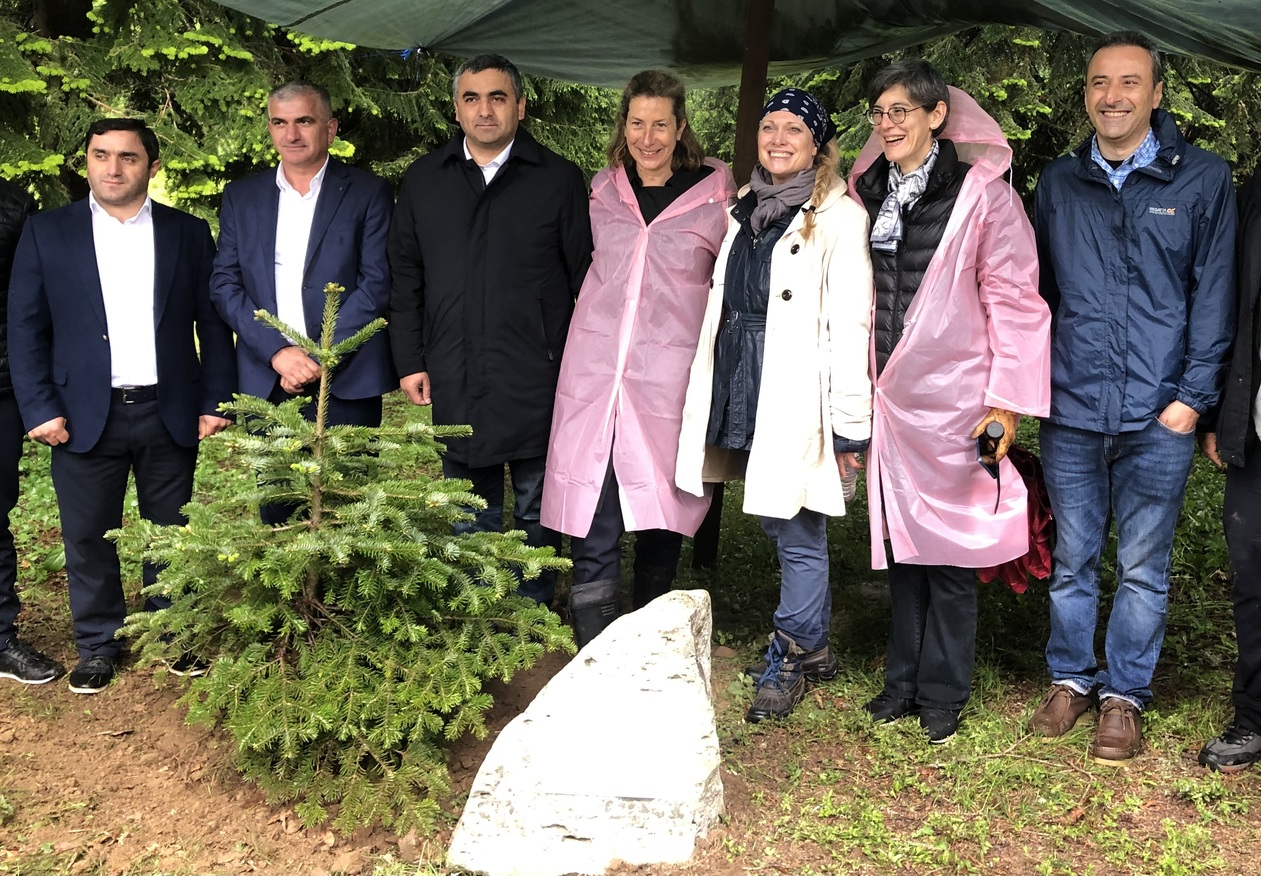
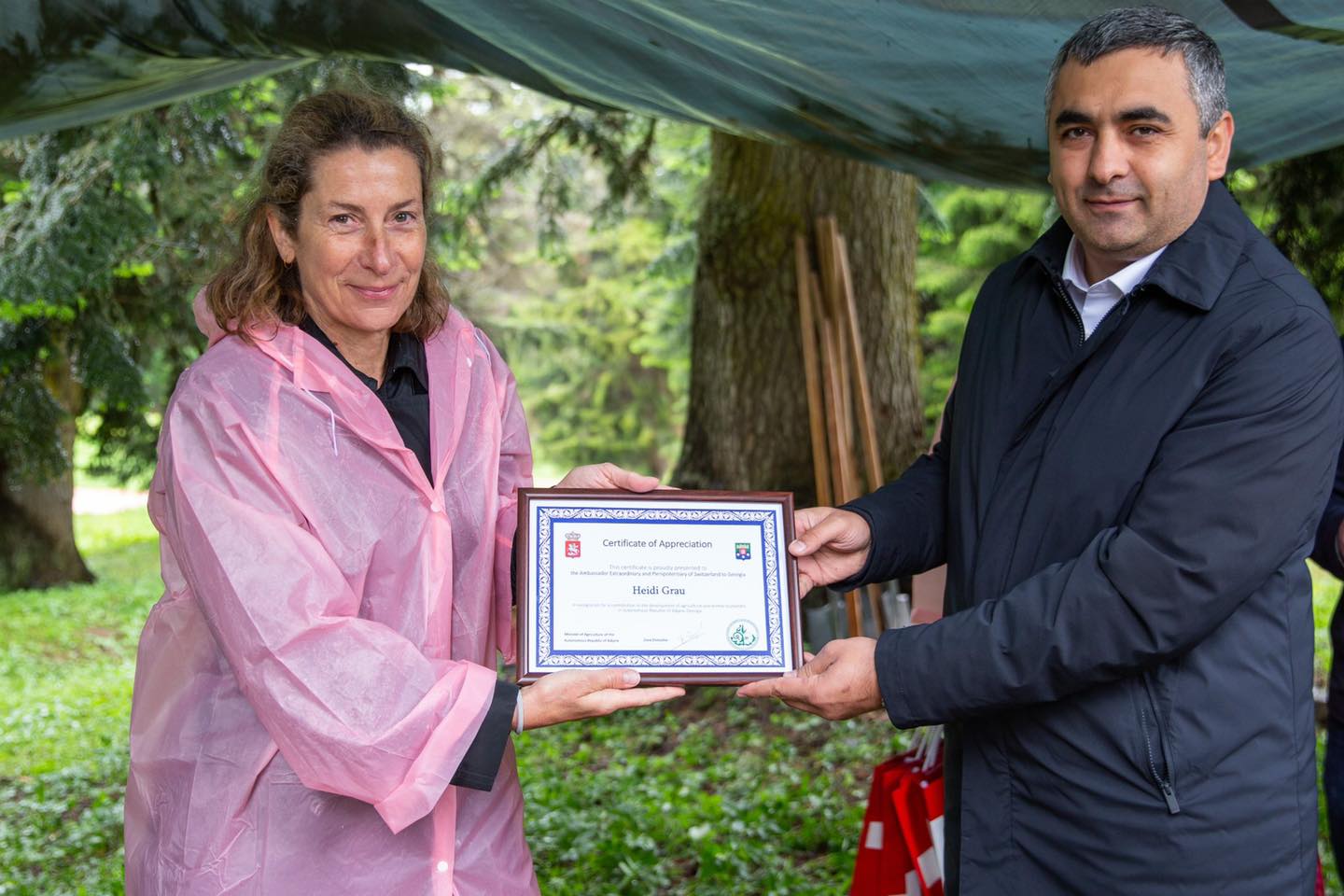
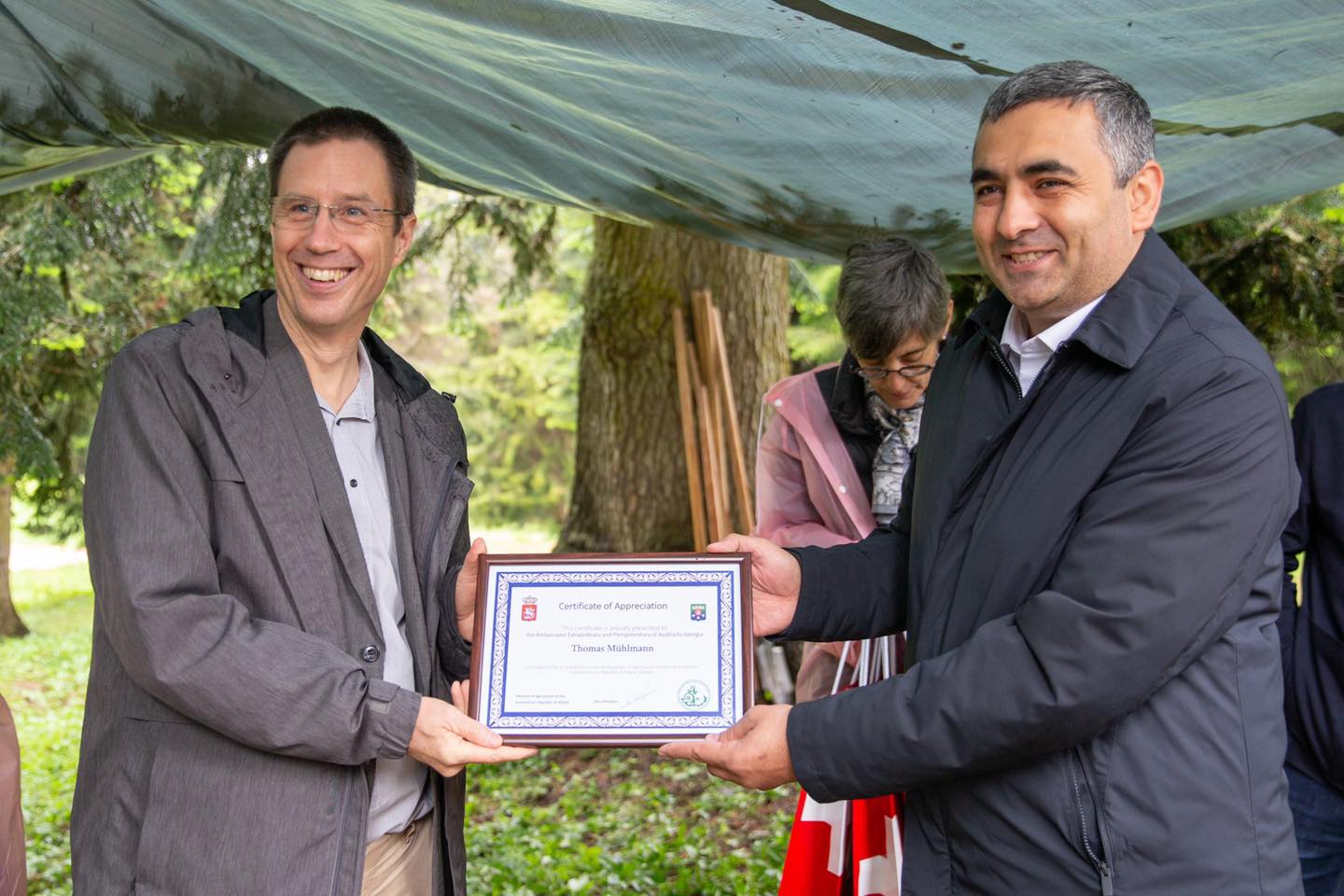
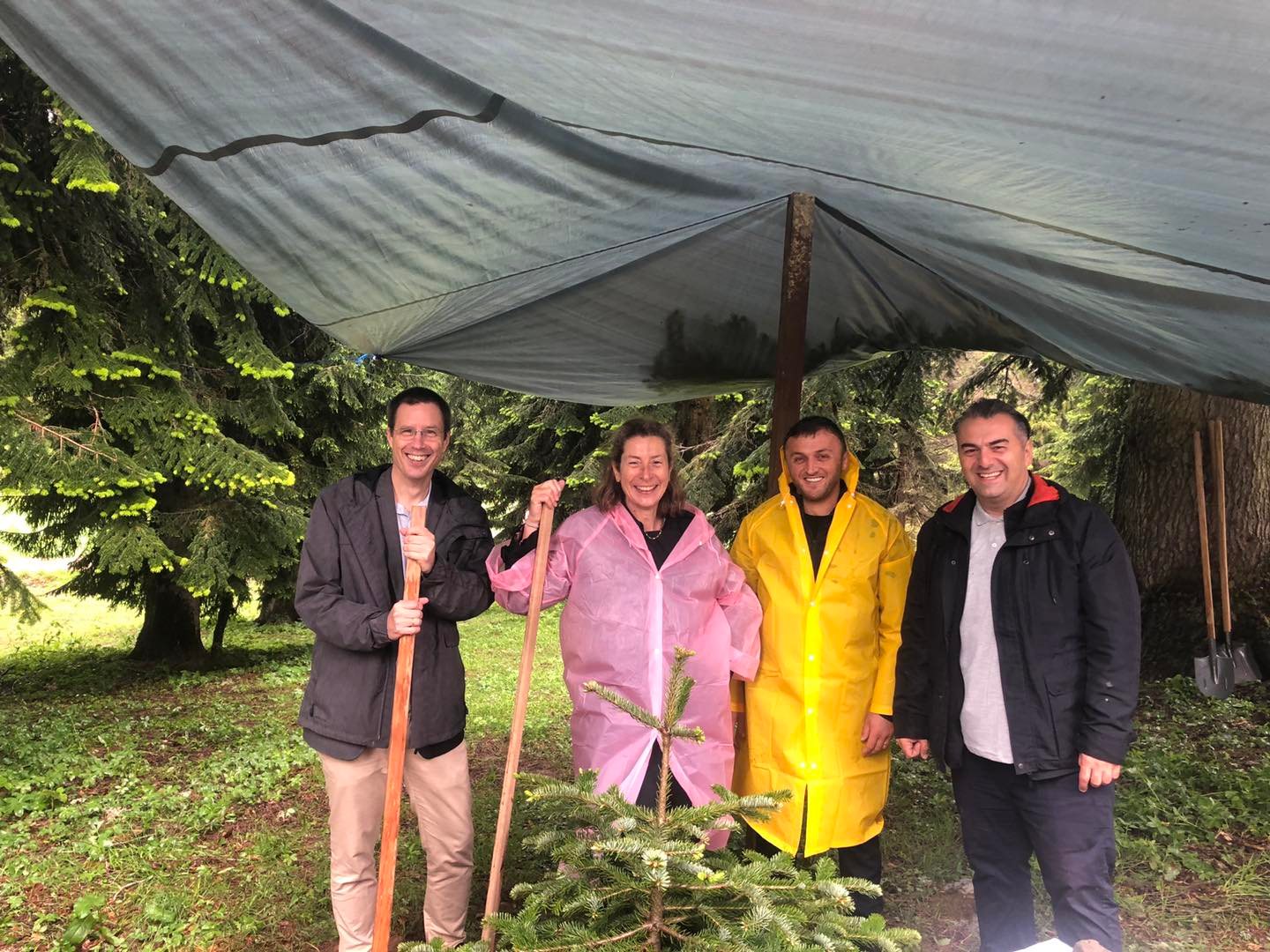
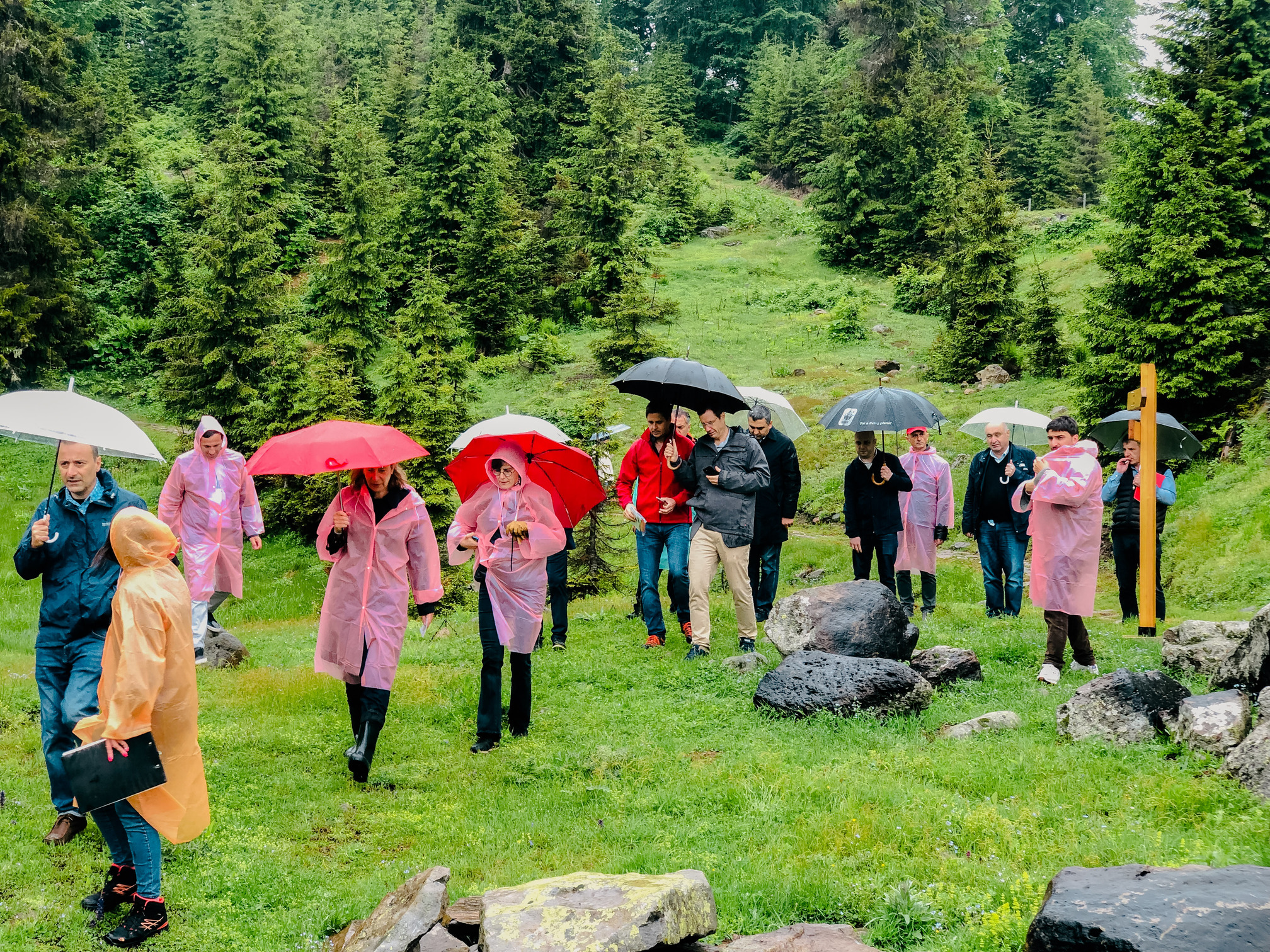
On June 22nd, On the occasion of the 30th Anniversary of Diplomatic Relations between Switzerland and Georgia, as well as Austria with Georgia, Ambassador of Switzerland to Georgia, H. E. Heidi Grau and Ambassador of Austria to Georgia, H. E. Thomas Muehlmann planted a tree in the Goderdzi Alpine Garden. The Minister of Agriculture of Ajara AR, Zaza Shavadze and the Deputy Mayor of Khulo, Nadim Vasadze joined the event. The Goderdzi Alpine Garden is an important tourist destination in mountainous Ajara and a testimony of biodiversity and cultural richness of the region.
Both ambassadors picked up on the theme of needing to balance development with sustainability and care for nature and that the garden is an excellent example of this. While the Director of Batumi Botanical Garden, Irakli Archaia emphasized the importance of the garden and initiated the idea of copying the model of the garden in other municipalities. The minister of Agriculture of Ajara, Zaza Shavadze stated thatcreating and supporting new opportunities for rural development is the key goal of the strategic framework of relations of Switzerland and Austria with Ajara region.
H.E. Heidi Grau noted the excellent results achieved by ALCP in creating job and income opportunities for the rural population, including by supporting the production of Jara honey, and was pleased to announce that
‘Switzerland is engaging in a new phase of the ALCP project, together with Austria and joined by Sweden, until 2026, with a total budget of USD 6.5 million. This will allow to further facilitate production in beekeeping, dairy and meat, wild botanicals and silk, as well as support the development of the Goderdzi Botanical Garden, for the benefit of women and men living in mountainous regions,’ Ambassador of Switzerland to Georgia, H. E. Heidi Grau said.
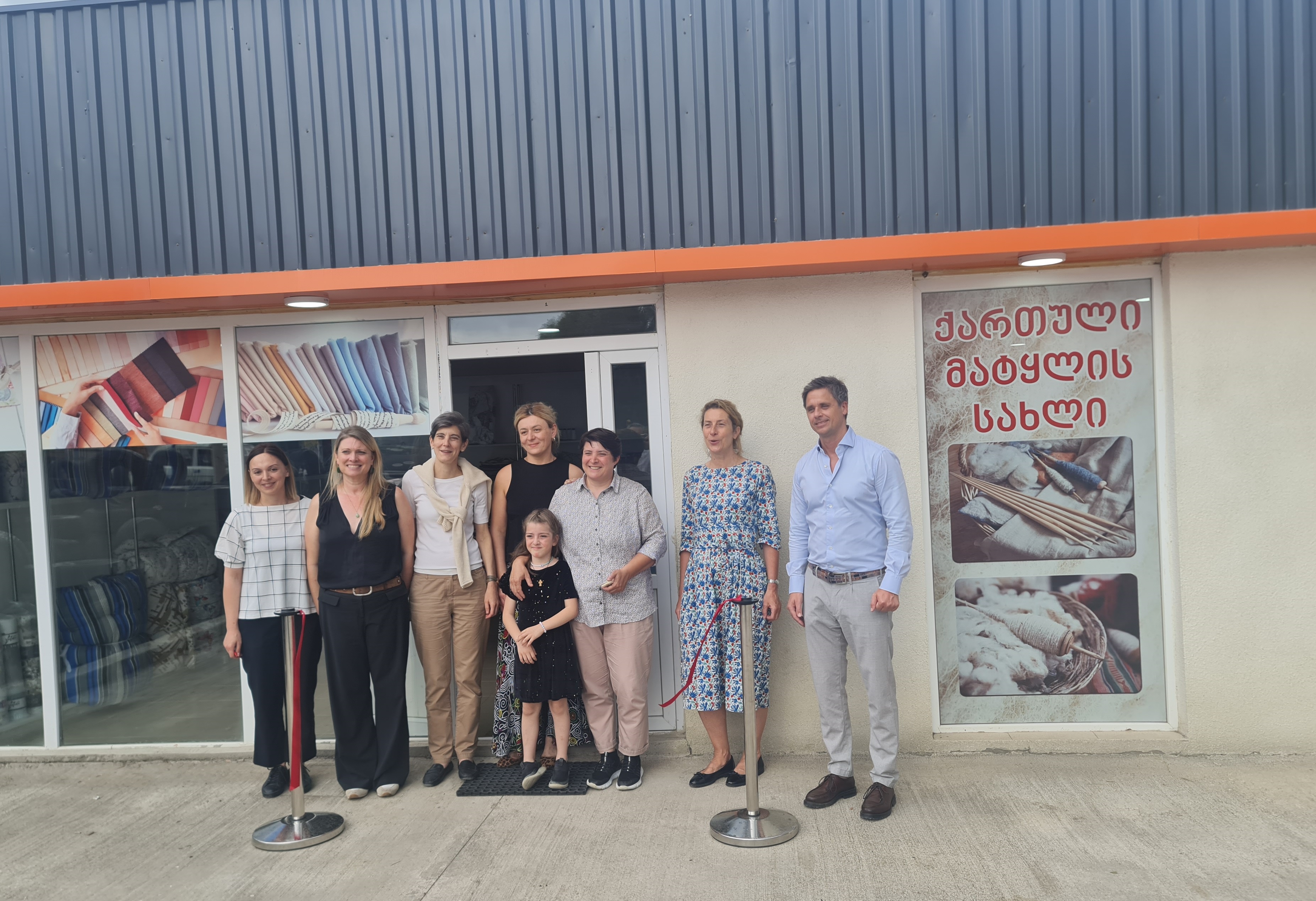
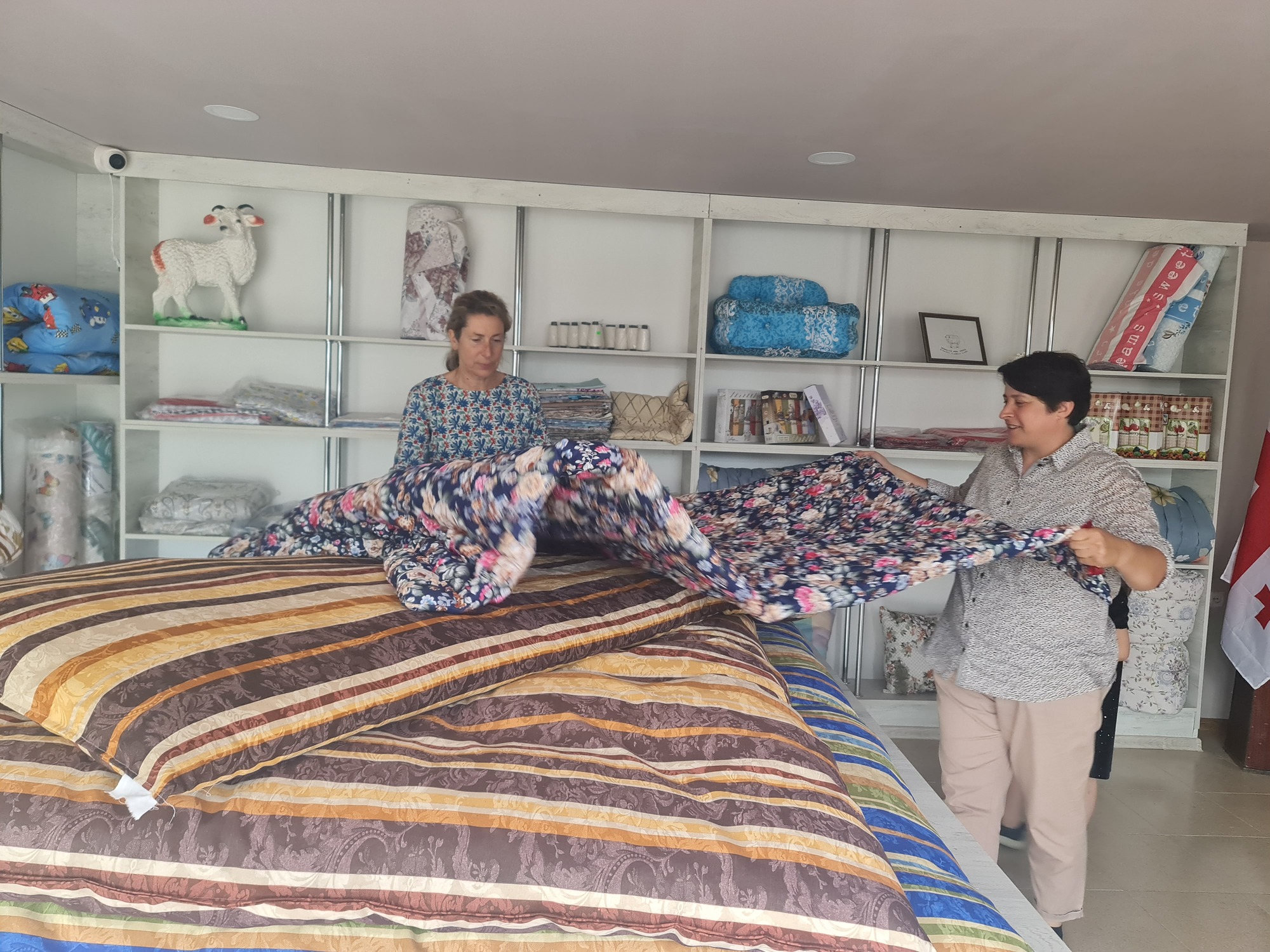
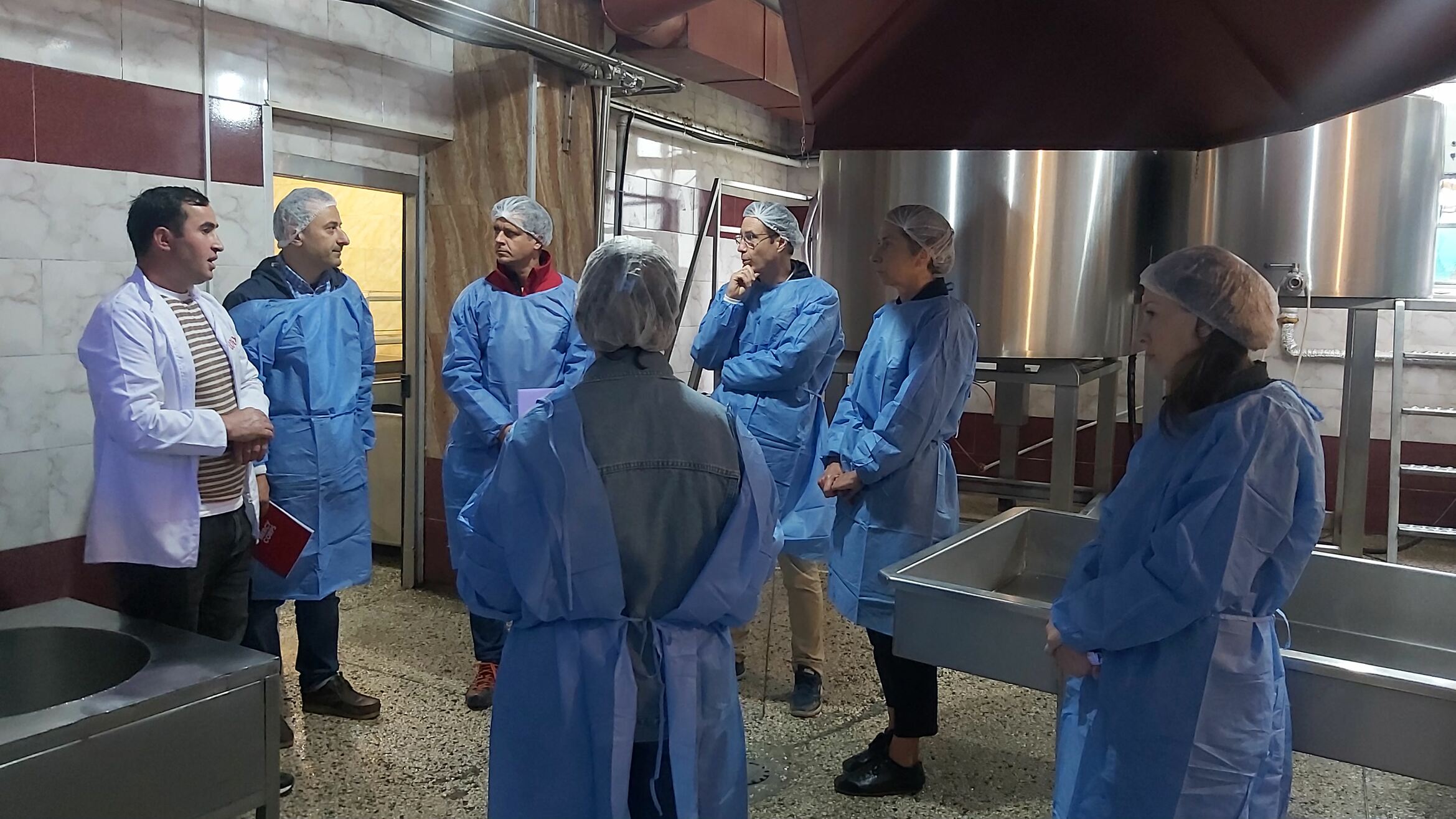
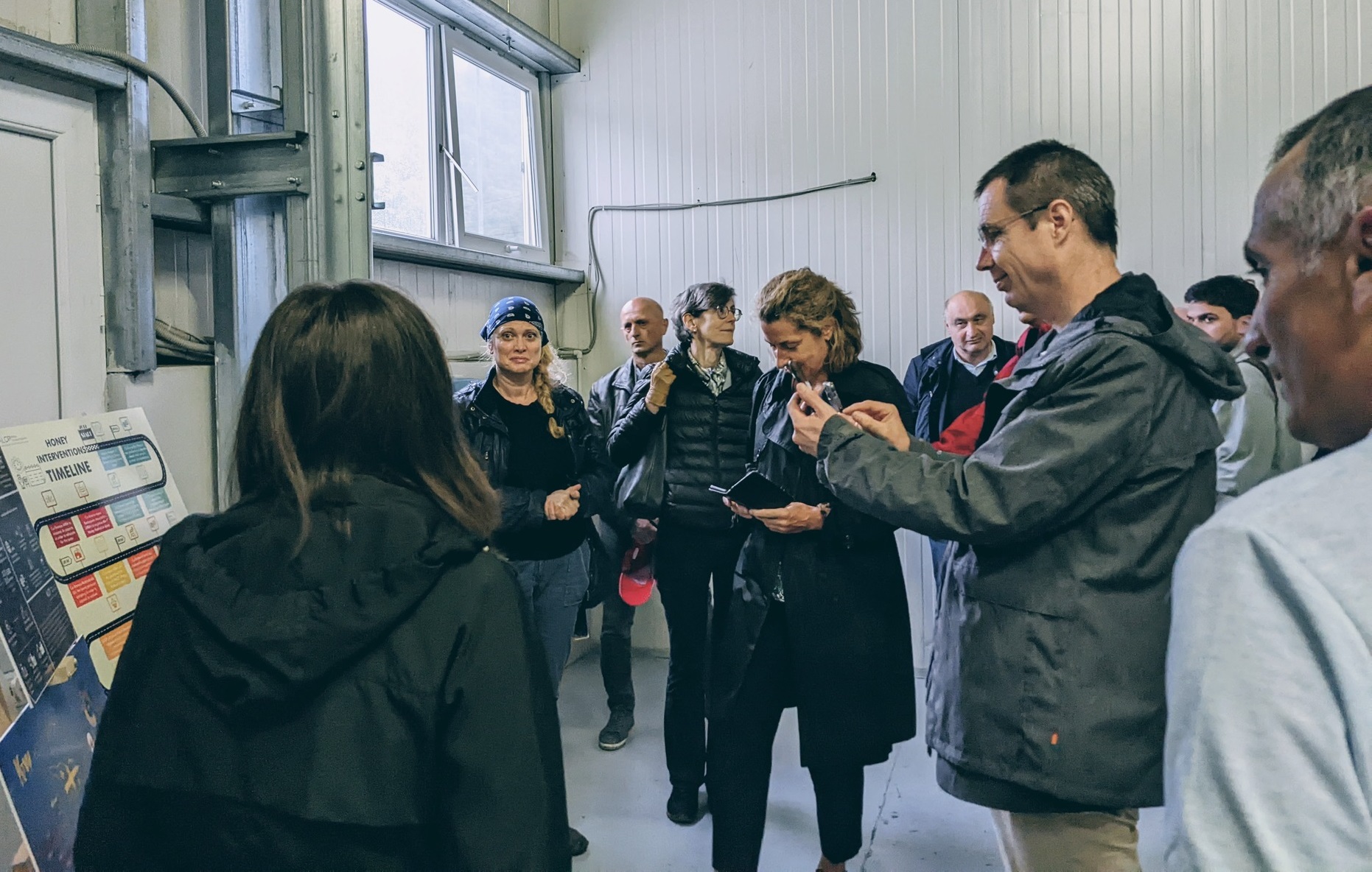
The delegation visited Wool House in Klde Village, Samtskhe-Javakheti, the Georgian Milk Mark dairy enterprise, Natural Produktsia Ltd in Dioknisi Village, Khulo and honey processing factory, Agro Keda Ltd.
The Austrian Ambassador H.E. Thomas Muehlmann underlined, that support in further development of the wool sector, as well as support in uniting the voices of beekeepers through support to their professional union created new opportunities for development for the rural population.
‘Support to rural and local development is a key aim of the new framework strategy of Austria with Georgia. We believe, that with joint efforts European countries will bring more experience and novelties to Georgia, which will trigger further development of the country,’ Austrian Ambassador H.E. Thomas Muehlmann said.
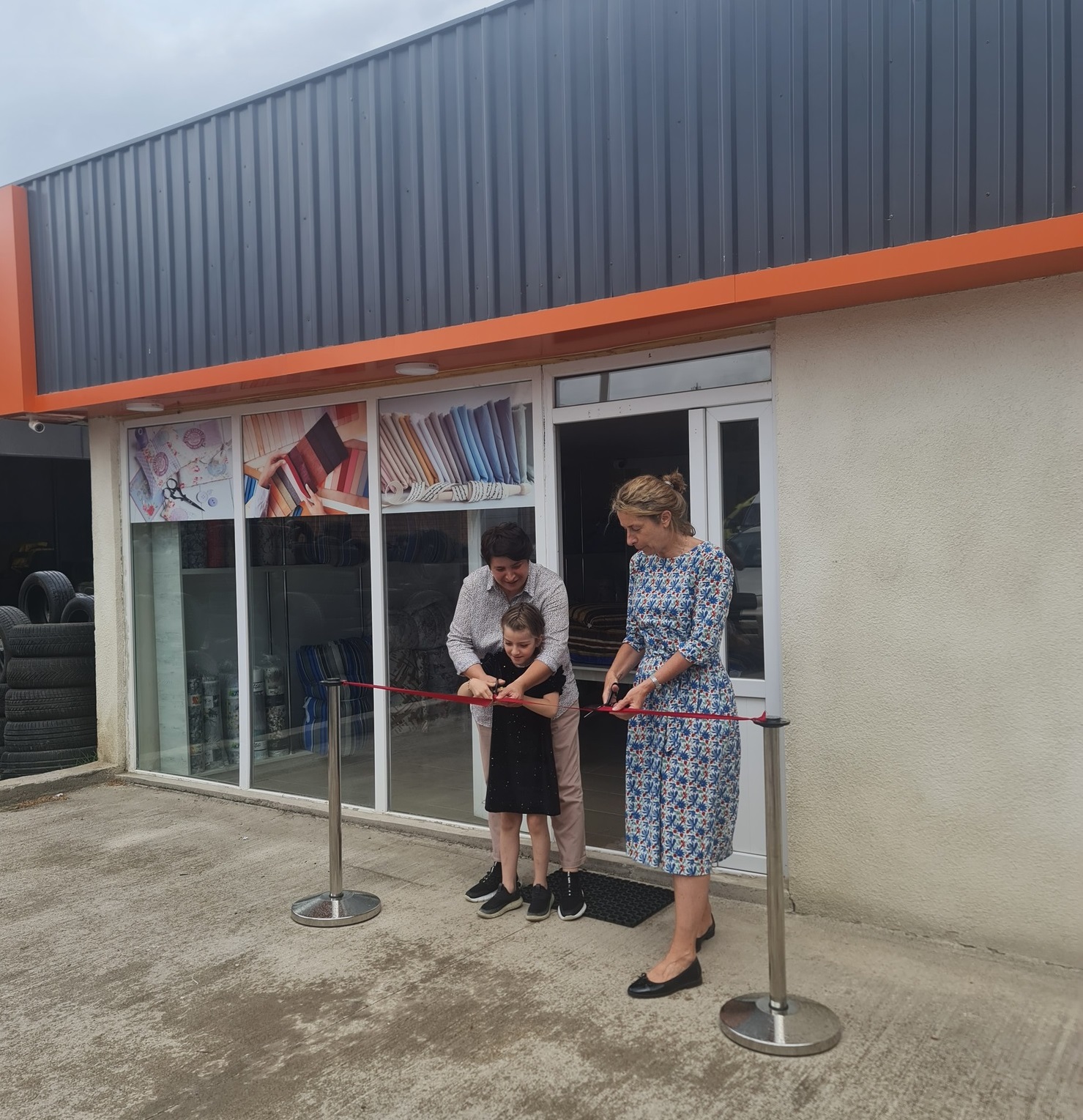
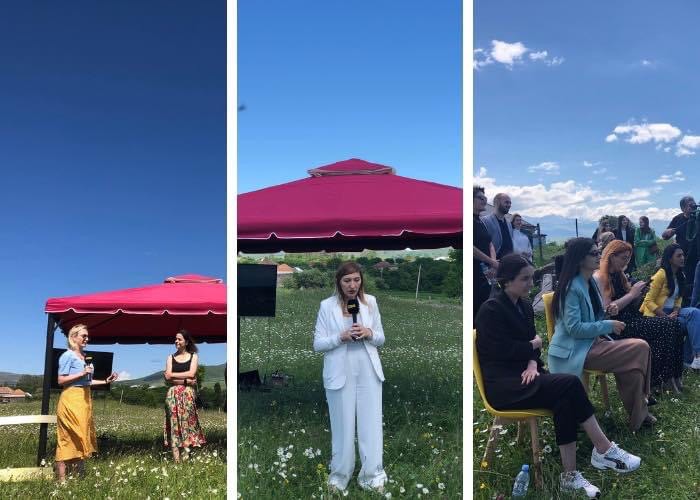
On June 16th the Journalism Resource Centre celebrated the opening of the first local TV media TOK TV in Tsalka municipality. Three local journalists attended journalism courses on reporting for one month. As Tsalka is a multiethnic municipality the journalists represent Georgian, Azerbaijani and Armenian communities.
‘We will report on the issues that are important in increasing transparency and accountability among the general population and local officials. Reports related to agricultural issues will be one of the main topics for our work. Local people will be engaged in the decision-making around ongoing local development. Especially, this is important after the newly opened tourist attraction in Dashbashi Canyon.’ - Local Journalist Nazi Meshveliani said.
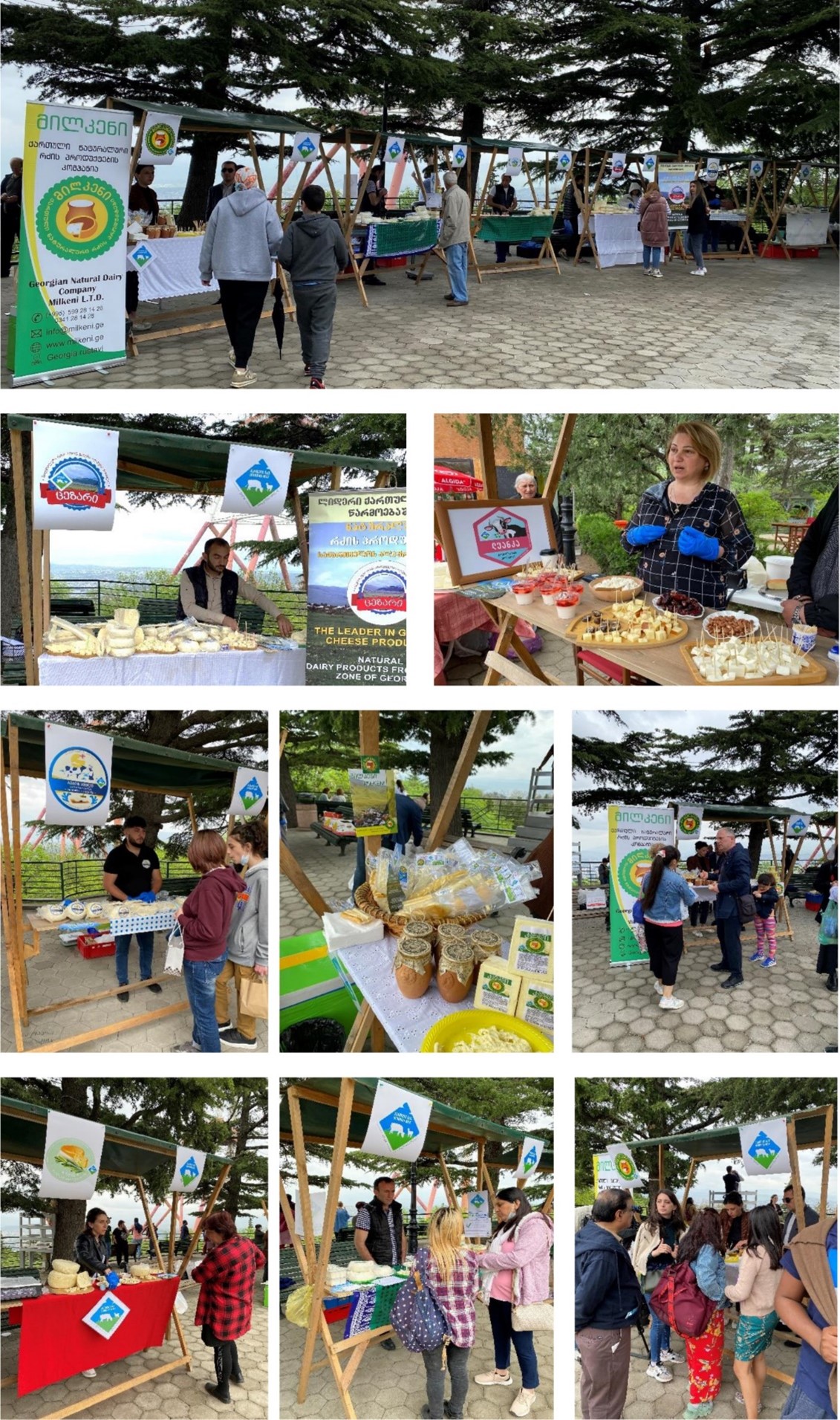
The Cheese and Tea Exhibition showcasing Georgian traditional, as well as foreign produce was held at Mtatsminda Park on May 1st, 2022. Ten dairies with the Georgian Milk Mark (GMM) - Milkeni, Tsintskaro +, Meskhuri Gemo, Bebo’s Kveli, Suamta, Leanka, Alpuri Javakheti, Dertseli’s Nobati, Naturaluri Rdzis Gemo, Tsezari presented their products at the event organized by Anna Mikadze-Chikvaidze, the Head of the Cheese Producers Guild. Visitors tasted cheese and got to know about the GMM. Butter with spices, a new product by Milkeni, was their favourite.
‘The GMM contributed a lot to make this event happen. I am thankful to them for giving me an opportunity to discover amazing products, like butter with spices. I am glad that the GMM promotes raw milk production’ - Event founder Anna Mikadze-Chikvaidze praised the development of the GMM in her Facebook posts.
Created in 2019, the GMM has twenty dairies currently using the mark. The GMM products are available in Madagoni, Spar, Tserti, Magniti, Smart, Ori Nabiji, Nikora, Zgapari, Fresco, Carrefour, Goodwill, Daily, Billion and Willmart supermarket chains.
A comprehensive online portal www.georgianmilk.ge provides a profile per enterprise allowing consumers to look up the products they are buying using a unique registration number printed on the label.
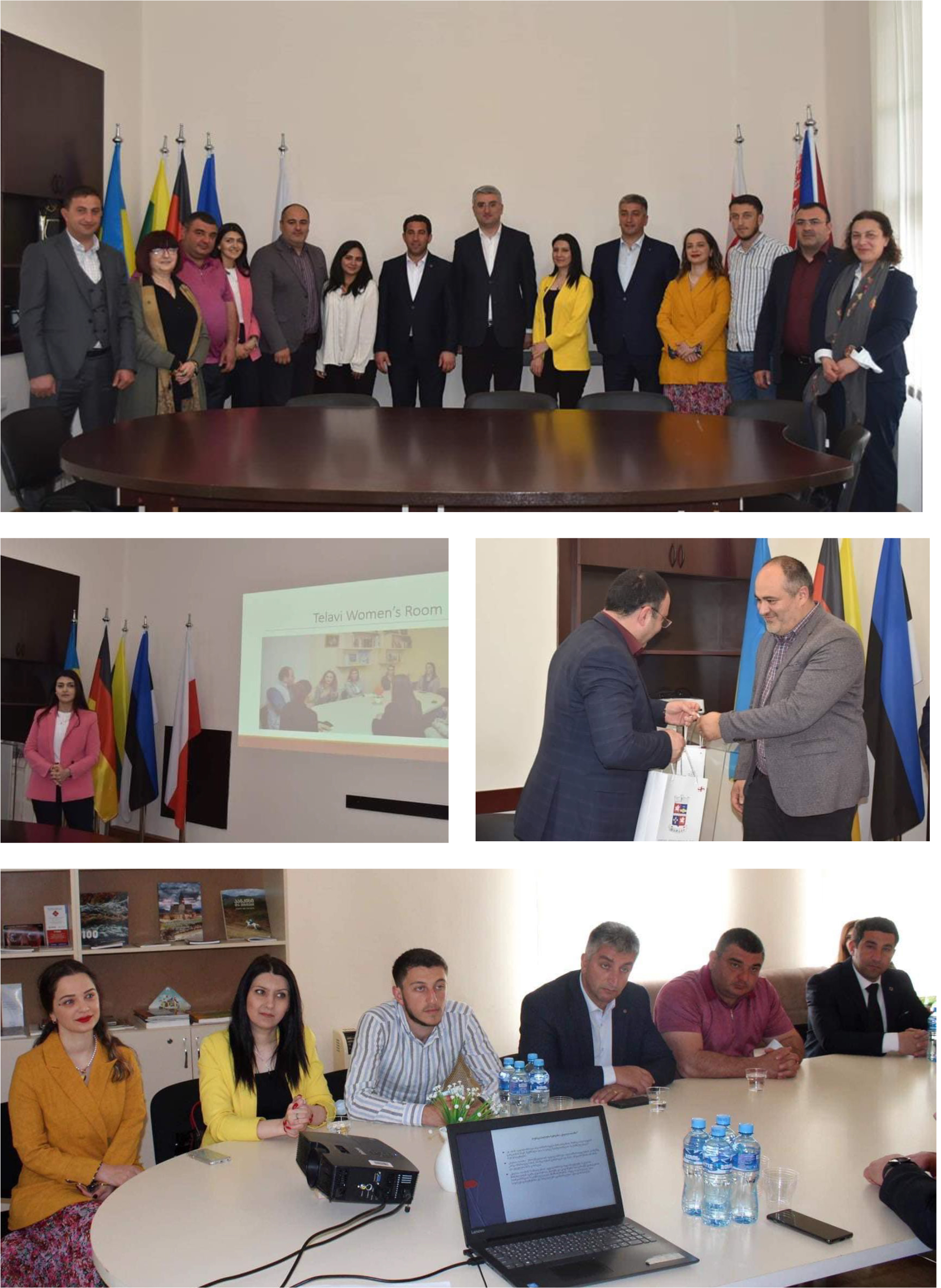
For three days from 11-14 April, the Women’s Rooms Union of Georgia NGO hosted an Armenian delegation of the Mayors of Alaverdi, Tumanyan and Tashir municipalities of Armenia, their three Women’s Rooms managers, representatives of Lori Region Governor’s office and the Association of Lawyers Community NGO. These three municipalities in Armenia have now all instituted Women’s Rooms and were in Georgia to learn more about their operation and potential and to strengthen links in the region.
They met the mayors and deputy mayors of Akhmeta and Telavi municipalities, and a representative of Kakheti Governor’s office and visited the rooms. The Women’s Room managers of both municipalities did presentations on their work.
‘It was a very interesting and useful visit. We have just established the Women’s Room service in our municipality and, as we’ve copied the Georgian model, it was necessary for us to see how this it works here,’ – Suren Tumanyan, the mayor of Tumanyan municipality said.
‘After this visit we clearly see how to use our Women’s Rooms and make sure that our women and girls are involved in local decision making through the Women’s Room as it was done in Georgia,’ – Edgar Arshakyan, the mayor of Tashir municipality said.
One of the main goals of the municipal Women’s Rooms in Georgia is to support women’s entrepreneurship by helping them write business proposals, connect with other women entrepreneurs and access the trainings and information. Participants visited social enterprise Skhivi, where women are making traditional enamel jewelry and accessories, the shop of entrepreneur Tamar Mikeladze, who is making handmade soaps and candles under the brand name Kumpa, and a local female beekeeper.
‘We are impressed with the results of Georgian Women’s Rooms regarding women’s economic empowerment. The managers here had business plan writing and fundraising trainings to help local women to start their own businesses. We are looking forward to doing the same in Armenia,’ – Sasun Khechumyan, the mayor of Alaverdi said.
‘In Lori region there are five municipalities in total, out of which three municipalities have already opened the Women’s Rooms. We are ready to support the opening of this service in the other two municipalities as well,’ – Alik Sahakyan, the representative of Lori Governor’s office said.
This study tour has laid the foundation for future cooperation between Georgian and Armenian municipalities. Alaverdi and Akhmeta municipalities have decided to become twin towns and the Women’s Rooms Union is going to continue cooperation with these Armenia municipalities.
Background information: From 2011 to date the SDC and ADA funded Mercy Corps implemented Alliances Caucasus Programme has been facilitating the establishment and scaling up the municipal Women’s Rooms in Georgia and Armenia. 32 Women’s Rooms in Georgia and three Women’s Rooms in Armenia have been opened so far. The Women’s Rooms are owned by local governments and are used to facilitate access to public decision making, goods and economic opportunities. The Women’s Rooms Union was formed in 2021 to represent the rooms and facilitate their interests.
The information about the visit was posted on a Facebook pages of Telavi and Akhmeta City Halls.
Local TV Tanamgzavri made two news items about the visit. Please, follow the links below:
Meeting at Telavi City Hall * Visiting Local Women Entrepreneurs
Follow the link to watch The Women’s Rooms Promo Video