Name: Natural Produktsia Ltd
Place: Dioknisi Village, Khulo Municipality
Type of business: Cheese Factory
Product: Imeruli Cheese
Suppliers: about 450 women from 13 villages of Khulo
Current production per day: 5 tons of milk (700 kg of cheese)
The Problem
The 450 women now selling milk directly to the milk collectors of the Natural Produktsia Ltd Factory in Dioknisi, Khulo used to make cheese from their milk. Women are responsible for milking the household cattle and making the cheese, butter, sour cream and cottage cheese which is then sold as an important part of the family’s livelihood.
Selling these products however is hard and uncertain. The journey by marshutka to Batumi Agrarian Market can take up to 4 hours on bad roads. It is taken to the market by husbands or other male family members or sent with the driver and met by a relative who then tries to sell it. There is no guarantee of a sale and often the family is forced to accept a low price from the market vendors rather than take it home again.
The Idea
The idea for the factory came from a member of an old Khulo farming family, Arcadi. His brother, Tsezari was already in the dairy business in Tsalka with his mother, where, hoping to escape the lack of opportunity in Khulo they moved to Kvemo Kartli and started a small cheese factory in a cowshed. This cowshed is now a purpose built factory with its Sulguni cheese supplying Carrefour and the 5 star hotels of Batumi. Alliances KK had helped them do it. Arcadi was already selling his brother’s Sulguni cheese from the familiy’s distribution outlet in Batumi Market, but Sulguni only makes up 20% of the market the other 80% is for Imeruli. When Alliances opened in Ajara in 2014, Arcadi saw his chance. He proposed a small factory collecting milk from the upper mountain villages making Imeruli cheese. The gamble was that Imeruli sells for 2 lari less per kilo than Sulguni and you have to make and sell a lot more of it to make a profit.
The Solution
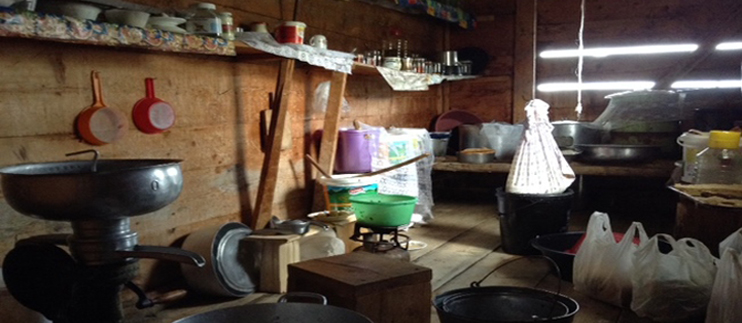
450 women are now selling milk directly to the milk collectors of the Natural Produktsia Ltd Factory in Dioknisi, Khulo. The building which opened in September 2015 is compliant with the new food safety and hygiene requirements and equipped with, with new modern dairy equipment.
Milk collectors from the factory collect the milk daily from the women in their houses. The women were specially trained by a food safety consultant in producing clean milk. The women save two hours a day from not having to make cheese, they save the costs of wood or gas for heating the milk to make it and other materials such as pepsin. The family is saved the costs and time and worry of having to get to Batumi and sell the cheese.
The End and the Beginning
The programme and Arcadi were unsure of how much milk there would be. People had said how poor the little red Ajaran cow was, how despairing the rural population. Ajara however has a magic, special even to Georgia, when the news went out that the factory was open the villagers decided en masse to sell. Overnight more milk than anyone imagined was available. The factory is processing 5 tonnes of milk about 700kg of cheese a day at a time of year when many dairy factories are thinking of shutting down for the winter as milk supply dwindles until the following spring. They have turned milk away as they have yet the capacity to process more. Expansion is already on the cards. Of the cheese itself the fat content is high and the milk itself from the high mountain pastures of pristine Ajara. The cheese moreover is delicious. The queues out the door of Aracadi’s distribution outlet in Batumi Market and the fact it’s sold out by midday testify to that.
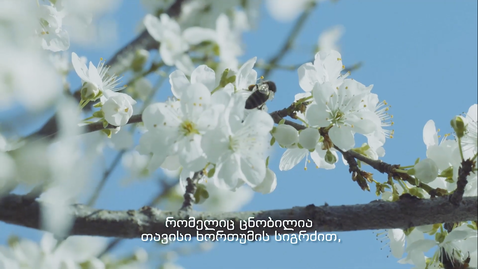
The ALCP facilitated the Georgian Beekeepers Union (GBU) in development of the honey promotion video, depicting the story of Georgia as a land of the oldest honey discovered and unique biodiversity to support awareness raising and promote export potential of Georgian honey and Jara. The video was shared with different stakeholders and social networks.
The Ministry of Foreign Affairs shared it with their internal networks of embassies in Georgia and foreign countries and it was uploaded in a Georgian production section. The video is on Facebook of the Embassy of Switzerland in Georgia. The Georgian National Tourism Agency; The Department of Tourism and Resorts of Ajara; the Ministry of Environmental Protection and Agriculture; and The Agency of Protected Areas are sharing it with their network.
It has reached the highest views on the popular Facebook platforms Marketer.ge and Georgian Wine. To date the video has 185,000 views and 6,000 shares. The majority of the viewers are emphasizing on interesting story mentioned in the video they did not know before and are sharing it for further promotion.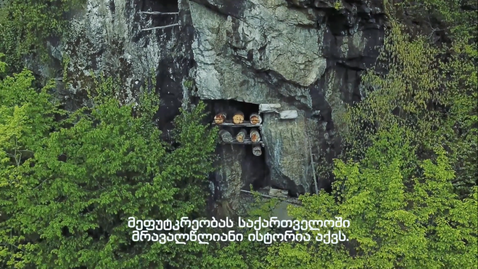
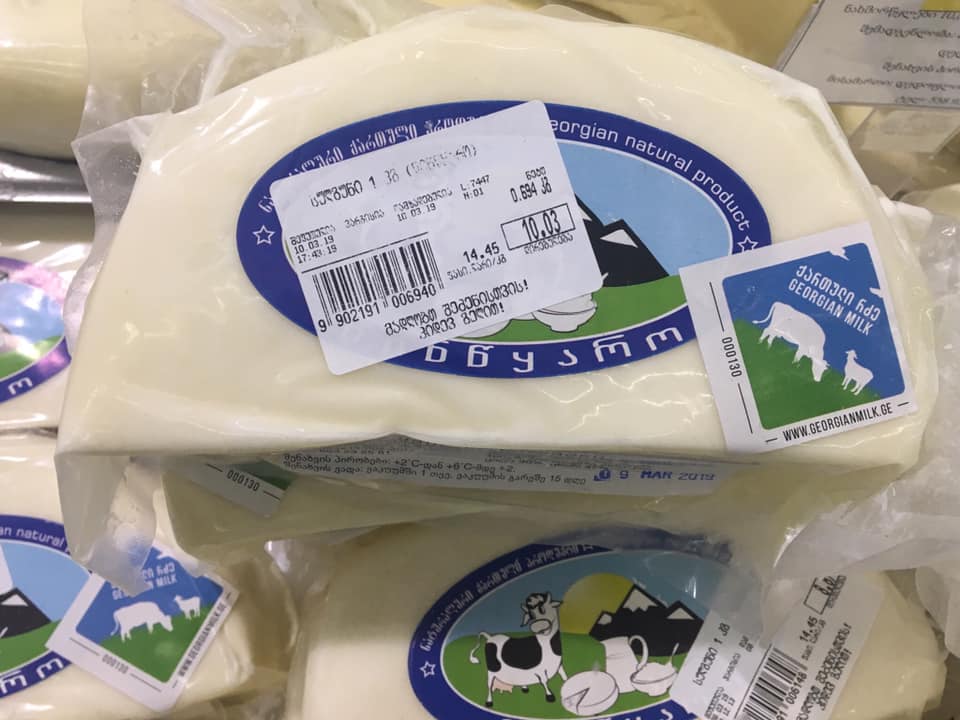
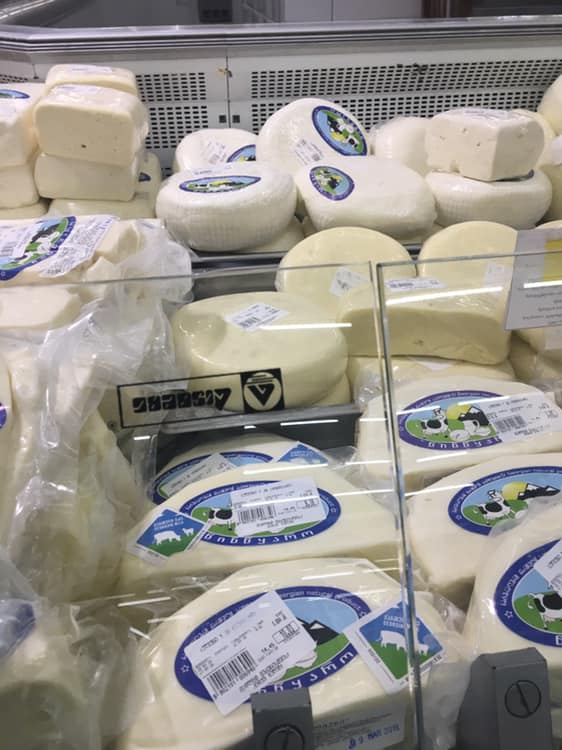
The products with 'Georgian Milk Mark' are now available in the supermarkets of Georgia.
The 'Georgian Milk Mark' is officially registered and serves to distinguish dairy products made from natural milk.
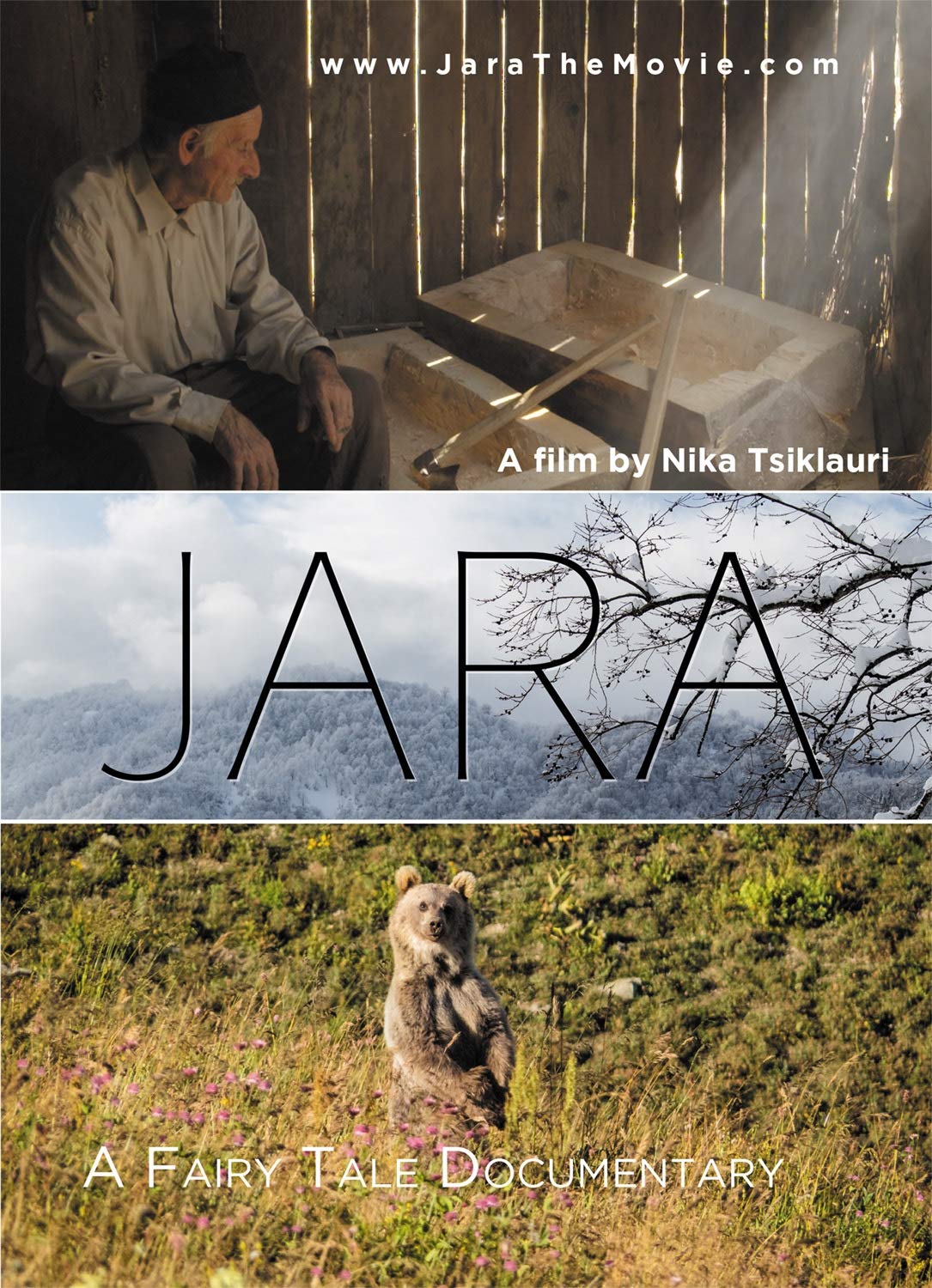
The documentary Jara is now available for sale on amazon.
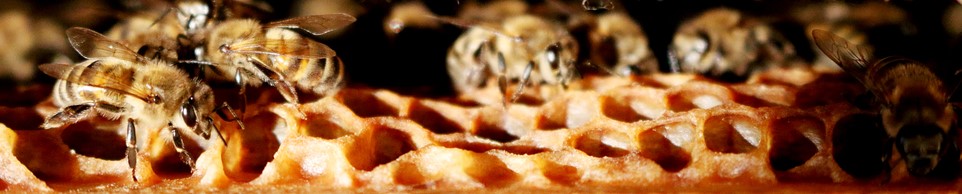
Jara is a fairy tale journey through one year in the mountains of Ajara. A story of the shifting boundary between human habitat and wild nature, portrays everyday lives in the changing seasons. The wooden jara in the forest and the bees living within it are the fixed point in the story.
The film was named as the best feature film at the Wolves Independent International Film Festival2018 in Lithuania, and won the Golden Green Award 2018 at the Deauville Green Awards International Film Festival in France for the best production in the category of Sustainable Agriculture; the cameramen of the movie received an award from International Festival of TV and Movie Cameramen the Golden Eye 2018 for Best TV Camera Work.
The main backer of Jara is the Swiss Agency for Development and Cooperation (SDC) through the Mercy Corps Georgia implemented Alliances Lesser Caucasus Programme.
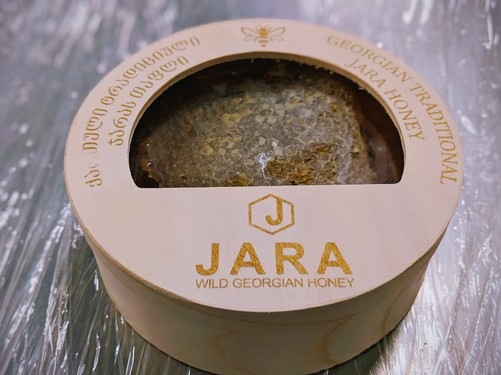
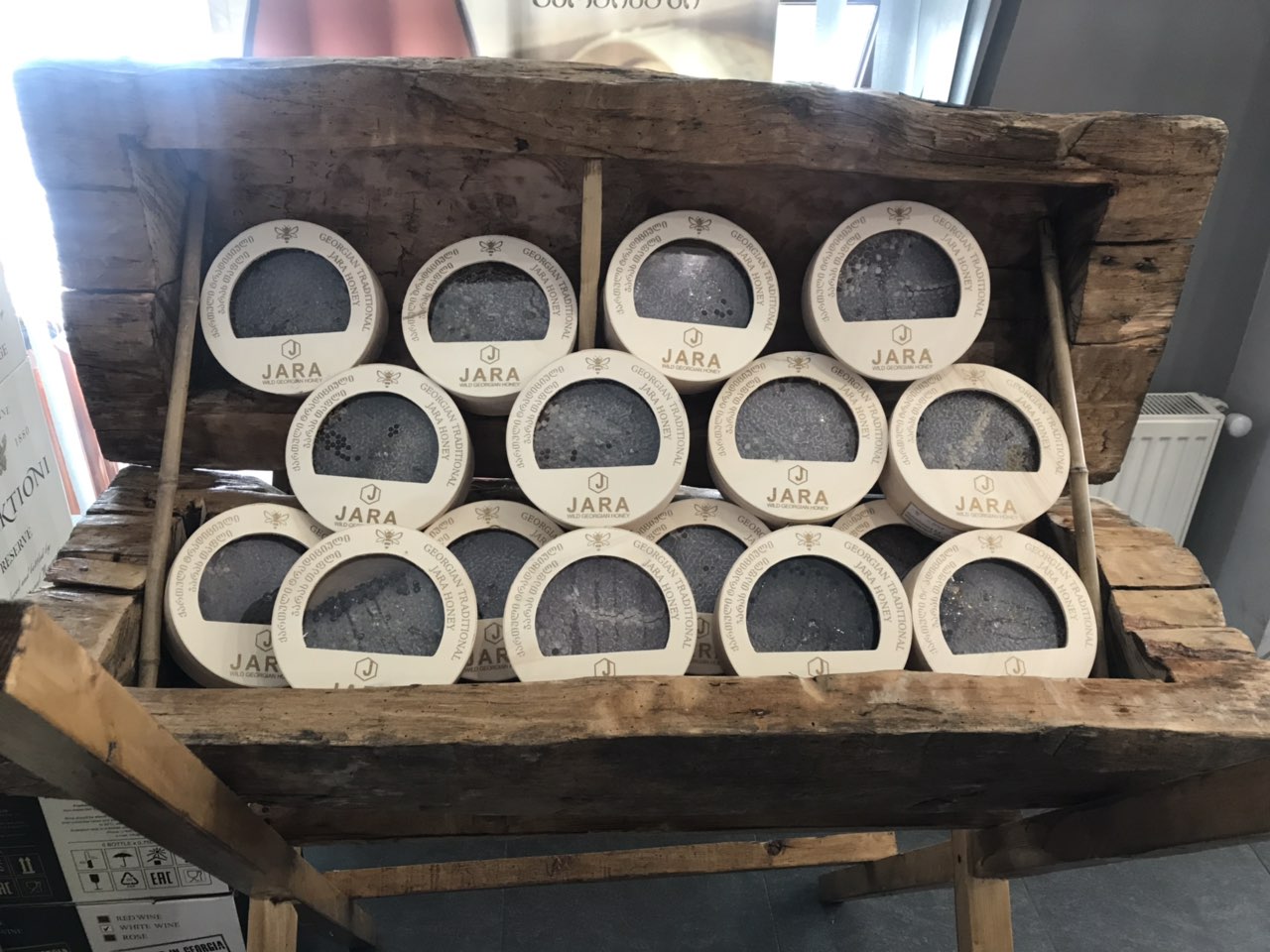
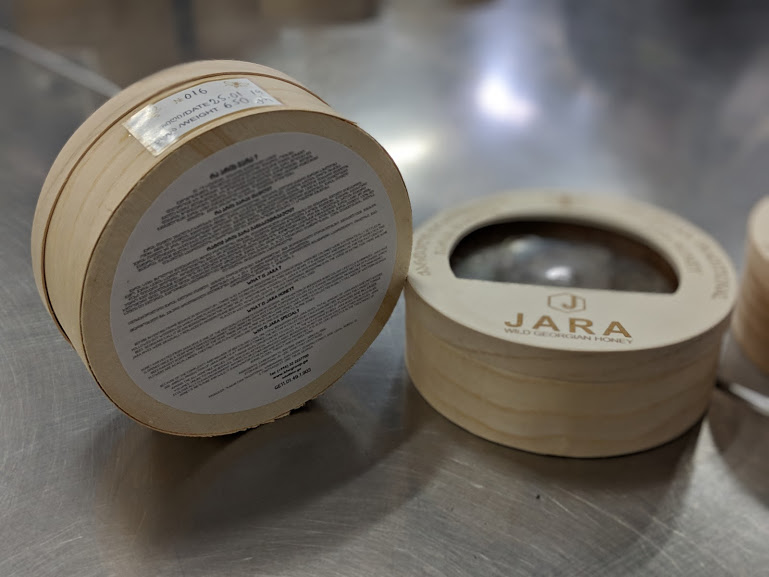
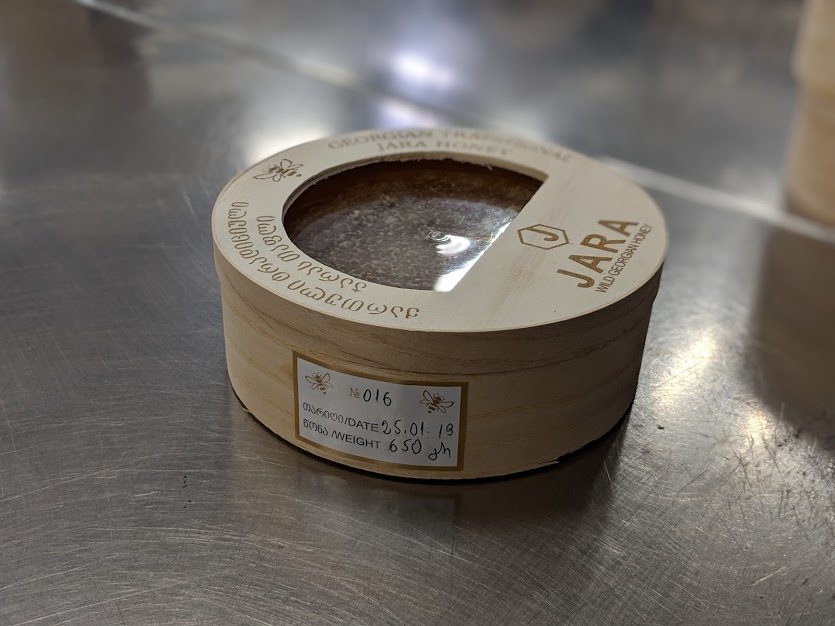
Jara honey, collected from the local beekeepers in Ajara, has been officially branded and packaged for the first time. It is now ready to enter the international markets.
On 8th of November, 2018, the Government of Georgia adopted regulation #525, which forbids registration of the vet drugs containing prohibited antibiotics, like, chloramphenicol, metronidazole, dimetridazole, ronidazole, nitrofuran (including furazolidone) which are widely used in beekeeping. The regulation entered into force on 1st of January, 2019 and was nationally covered by the media outlets. The regulation was proposed by the Veterinary Department of the NFA, after this constraint was raised at the first Honey Sector Advisory Committee on 22nd of June, 2018, which brought together honey stakeholders to discuss tackling the high levels of antibiotic residues in honey which are limiting the development of the honey sector.
An article about Veterinary Surveillance Points (VSP) has been published in a quarterly bulletin of OIE – the World Organization for Animal Health. The article covers topics on the tradition of livestock seasonal movement in Georgia, the necessity of establishing VSPs and the importance of the points in animal health control throughout the country. The author of the publication is the Head of the Veterinary Department of the National Food Agency and the OIE Delegate of Georgia - Lasha Avaliani.
Please follow the link: Oiebulletin/veterinary-surveillance-points