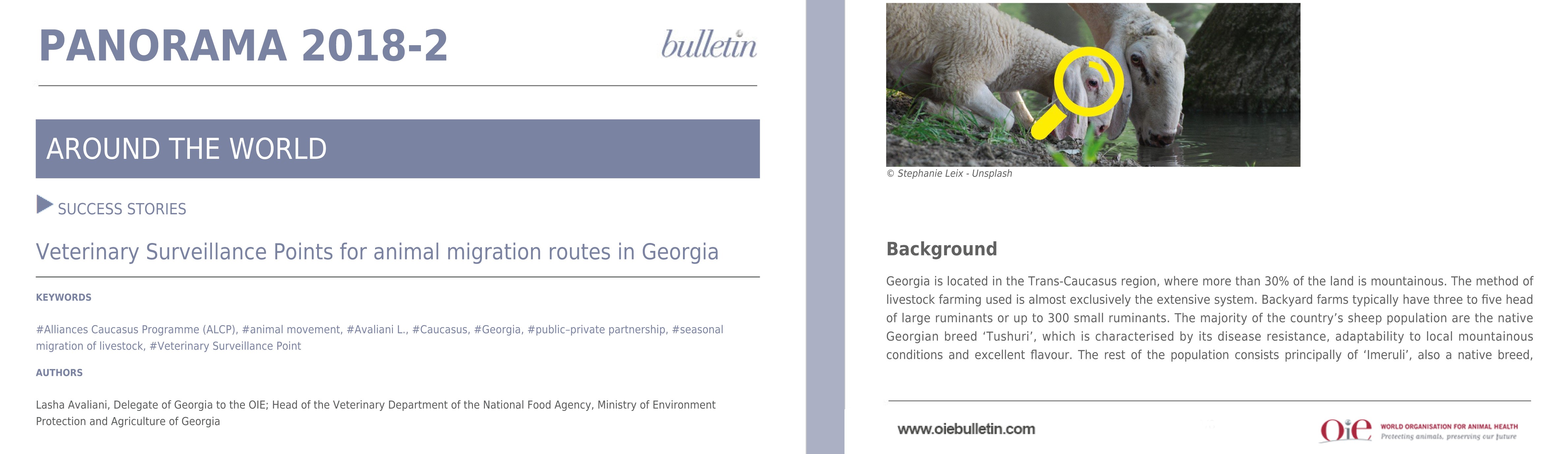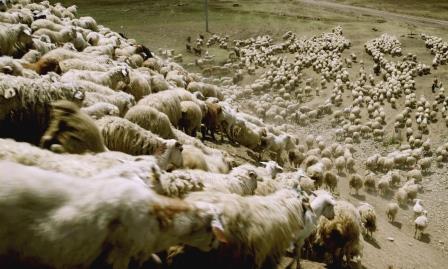
The villagers of Tsintskaro village have suffered for years from the twice yearly flow of more than 100,000 sheep, cattle, goats, donkeys, horses and shepherd dogs straight past their gates. The problem has been in impasse for years with no real ownership of the issue by the myriad actors involved. Now, the local government has spearheaded the movement to solve the problem calling together support from a group including the MOA, MOE, the Regional Government and Shepherds Association which has been working for three years to improve coordination and bring the matter of the Animal Movement Route to public attention.
Transhumance is a major part of the livestock system for sheep and to a lesser extent cattle in Georgia. Approximately 300,000 animals move twice yearly, up to summer pasture and back down to winter pasture on long established routes in spring and early autumn. For residents of Tsintskaro Village, Tetritskaro municipality this has meant living with a three week long flood of animals moving through the village. The route usually passes around settlements but a rocky ravine has meant that there was no access for the flocks other than the main road through the village. The obstruction, noise and dirt makes life intolerable for the villagers who can barely leave their homes and it is far from pleasant for the Shepherds and animals themselves as they are harassed by beeping cars as they move through flock after flock as quickly as they can.
The issue was recently publicized in the Eco Films Documentary ‘The Road’ (please follow the link) which has further publicized the plight of the village, the problems encountered by the Shepherds and the importance of the route and the movement of animals for the agricultural sector in Georgia. Luckily excellent coordination, the result of years of facilitation between local government, regional government, relevant Ministries, the private sector and the Shepherds Association through a regional Advisory Committee, has led to the commencement of work on a 4150 meters long, bypass route.
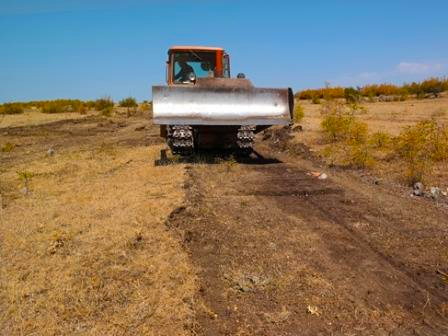
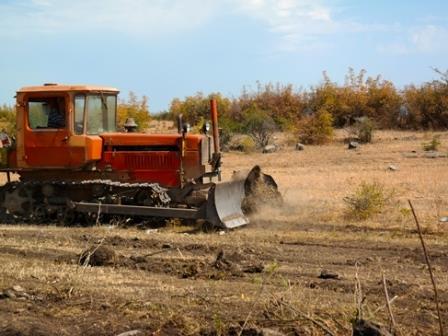
The work will include removing vegetation and establishing a road through the rocky ravine as well as signposting the route and fencing crop land to protect it from the herds. The work is expected to be completed by early October hopefully in time for the winter migration back down from the high pastures. An opening ceremony will be held to which media and all those involved in making the project happen will be invited. The solution to the Tsinskaro Problem which was considered for years one of the most intractable problems in the wider context of the AMR will give hope to many and marks the beginning of a regeneration of the AMR, a vital lifeline of the livestock system in Georgia.
The ALCP facilitated the Georgian Beekeepers Union (GBU) in development of the honey promotion video, depicting the story of Georgia as a land of the oldest honey discovered and unique biodiversity to support awareness raising and promote export potential of Georgian honey and Jara. The video was shared with different stakeholders and social networks.
The Ministry of Foreign Affairs shared it with their internal networks of embassies in Georgia and foreign countries and it was uploaded in a Georgian production section. The video is on Facebook of the Embassy of Switzerland in Georgia. The Georgian National Tourism Agency; The Department of Tourism and Resorts of Ajara; the Ministry of Environmental Protection and Agriculture; and The Agency of Protected Areas are sharing it with their network.
It has reached the highest views on the popular Facebook platforms Marketer.ge and Georgian Wine. To date the video has 185,000 views and 6,000 shares. The majority of the viewers are emphasizing on interesting story mentioned in the video they did not know before and are sharing it for further promotion.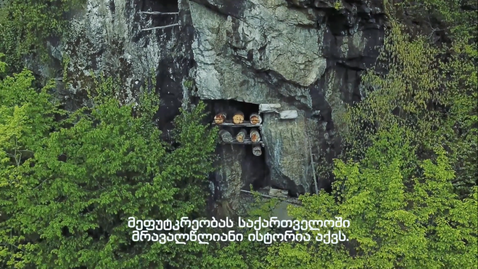

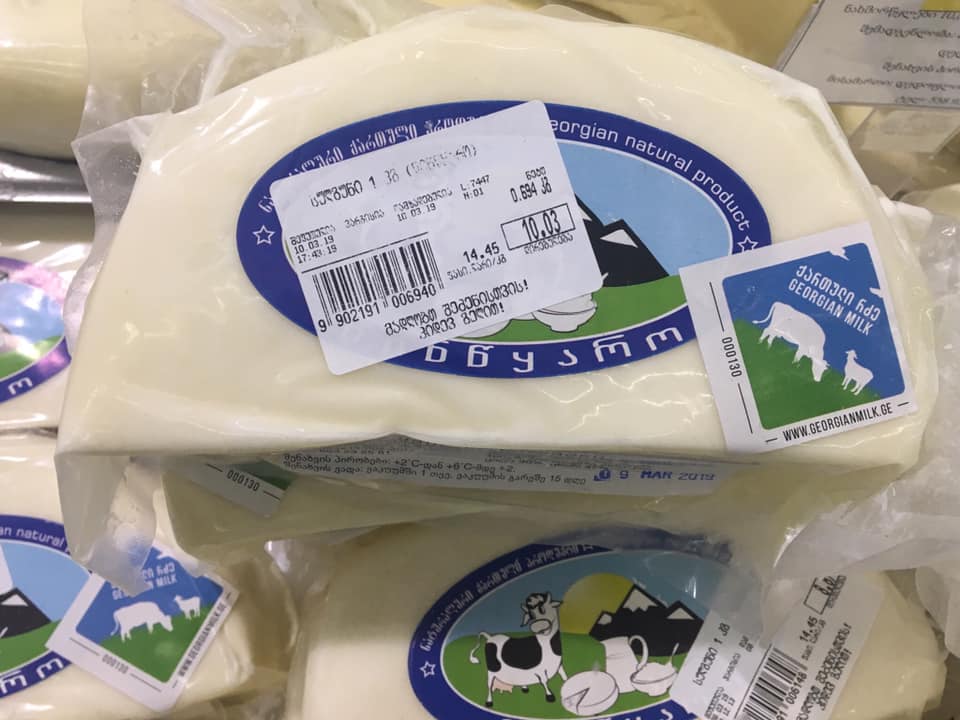
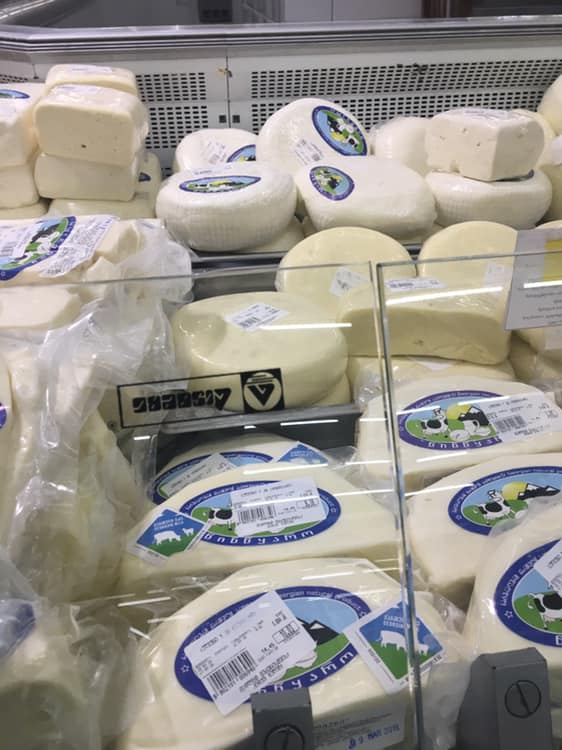
The products with 'Georgian Milk Mark' are now available in the supermarkets of Georgia.
The 'Georgian Milk Mark' is officially registered and serves to distinguish dairy products made from natural milk.
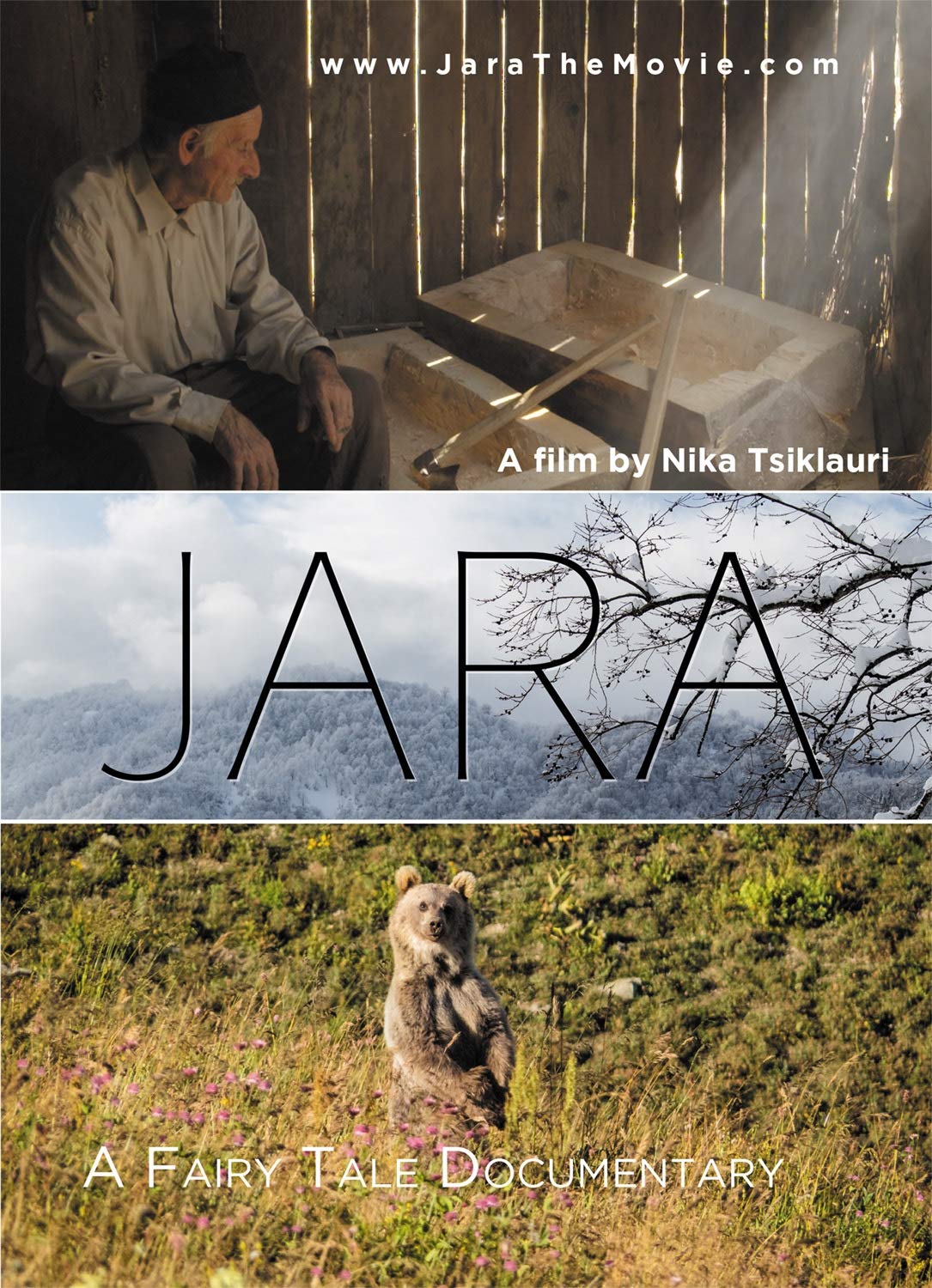
The documentary Jara is now available for sale on amazon.
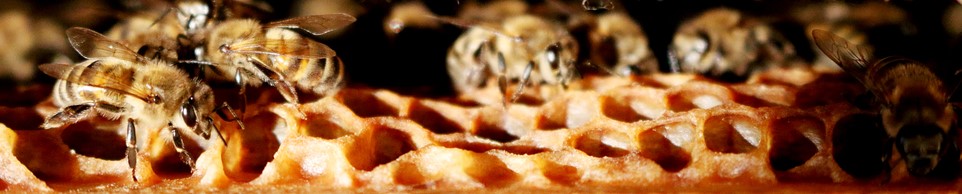
Jara is a fairy tale journey through one year in the mountains of Ajara. A story of the shifting boundary between human habitat and wild nature, portrays everyday lives in the changing seasons. The wooden jara in the forest and the bees living within it are the fixed point in the story.
The film was named as the best feature film at the Wolves Independent International Film Festival2018 in Lithuania, and won the Golden Green Award 2018 at the Deauville Green Awards International Film Festival in France for the best production in the category of Sustainable Agriculture; the cameramen of the movie received an award from International Festival of TV and Movie Cameramen the Golden Eye 2018 for Best TV Camera Work.
The main backer of Jara is the Swiss Agency for Development and Cooperation (SDC) through the Mercy Corps Georgia implemented Alliances Lesser Caucasus Programme.
Jara honey, collected from the local beekeepers in Ajara, has been officially branded and packaged for the first time. It is now ready to enter the international markets.
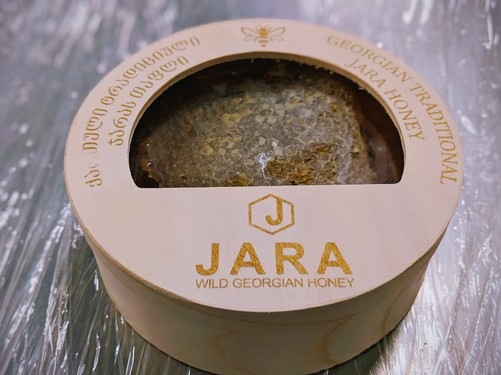
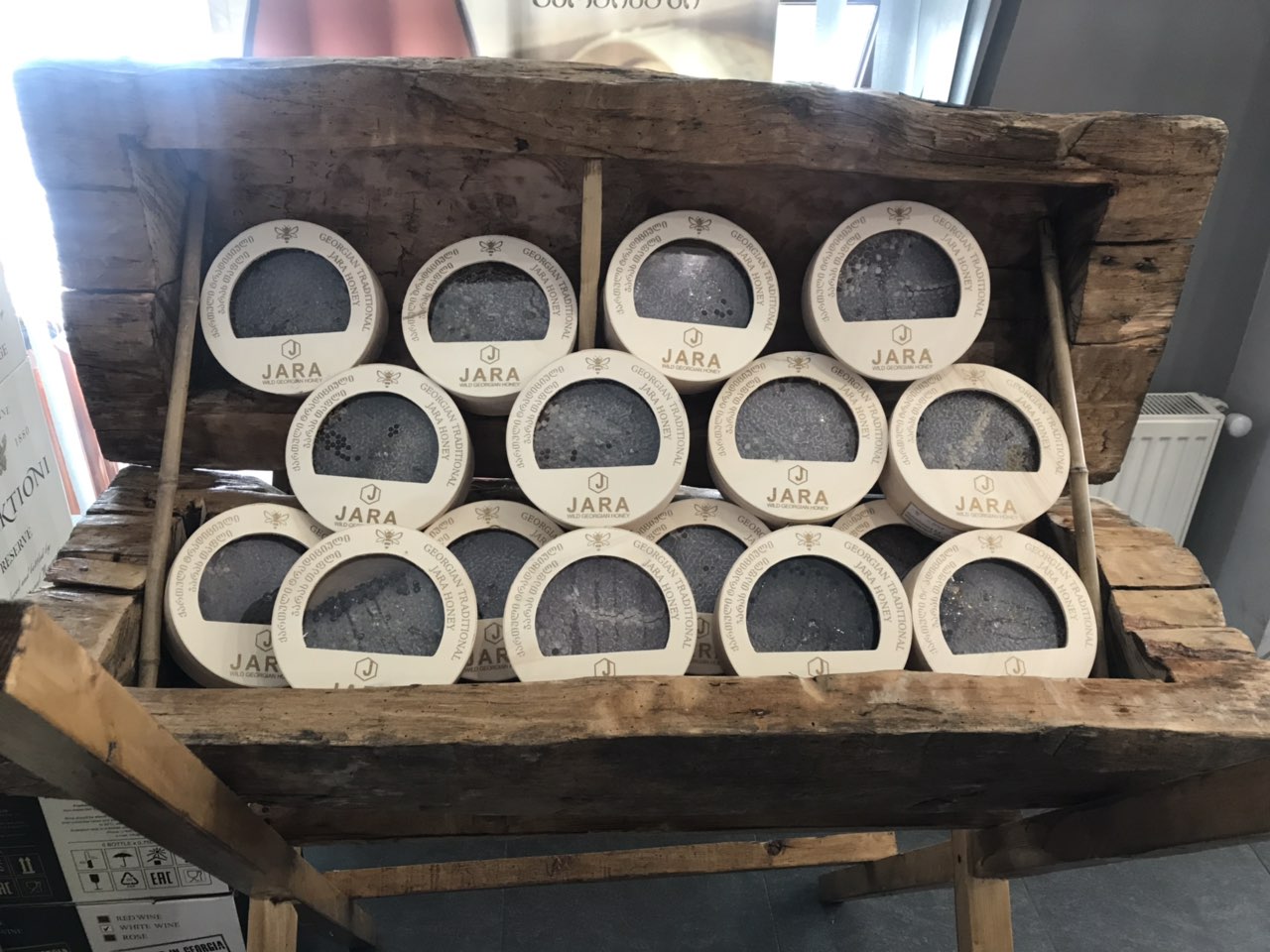
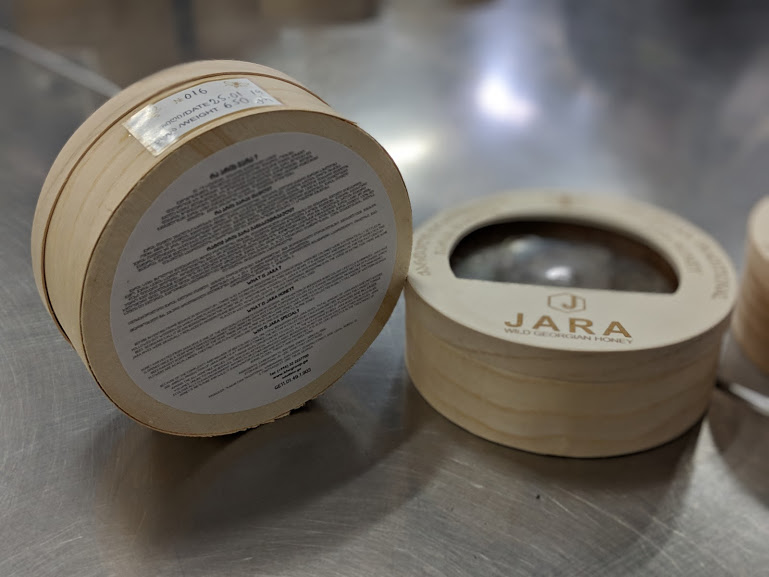
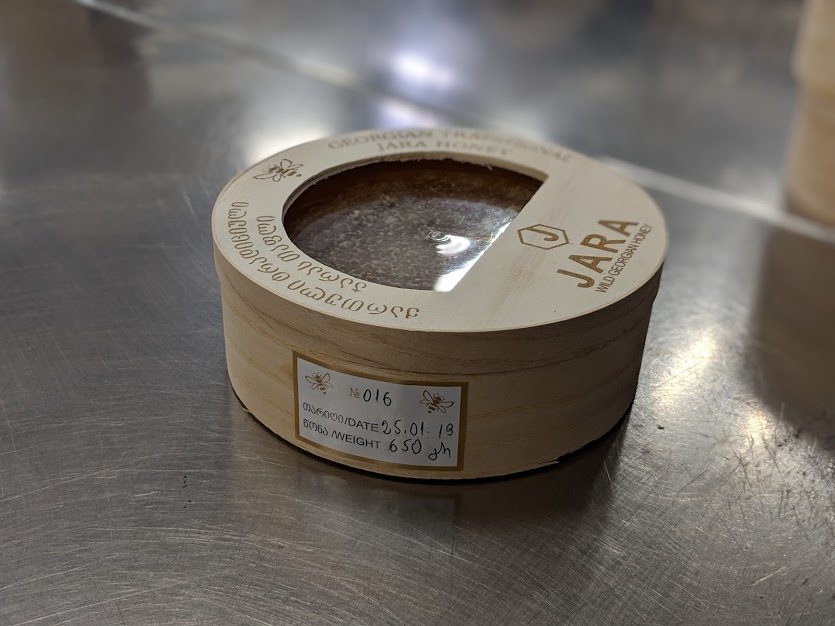
On 8th of November, 2018, the Government of Georgia adopted regulation #525, which forbids registration of the vet drugs containing prohibited antibiotics, like, chloramphenicol, metronidazole, dimetridazole, ronidazole, nitrofuran (including furazolidone) which are widely used in beekeeping. The regulation entered into force on 1st of January, 2019 and was nationally covered by the media outlets. The regulation was proposed by the Veterinary Department of the NFA, after this constraint was raised at the first Honey Sector Advisory Committee on 22nd of June, 2018, which brought together honey stakeholders to discuss tackling the high levels of antibiotic residues in honey which are limiting the development of the honey sector.
An article about Veterinary Surveillance Points (VSP) has been published in a quarterly bulletin of OIE – the World Organization for Animal Health. The article covers topics on the tradition of livestock seasonal movement in Georgia, the necessity of establishing VSPs and the importance of the points in animal health control throughout the country. The author of the publication is the Head of the Veterinary Department of the National Food Agency and the OIE Delegate of Georgia - Lasha Avaliani.
Please follow the link: Oiebulletin/veterinary-surveillance-points