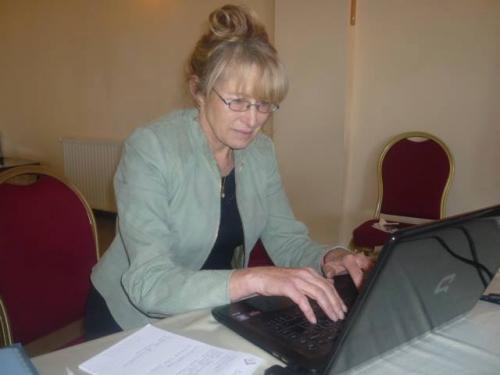
Heather Briggs, agronomist, agro-consultant on plant productivity, international expert on cheese and journalist visited Tbilisi to hold the training for agro-journalists last week. ‘Batumelebi’ newspaper interviewed her.
- Mrs. Briggs, what challenge do you see in Georgian agriculture?
- The first challenge is the perception of farming. I think the farming has to be made more professional and has to be recognized as a profession. People must be proud of what they do.
- The Government has started working on developing cooperatives in Georgia. How possible do you consider to develop cooperative farming in Georgian?
- This is a very difficult question. If people working for cooperatives will manage to work as a team, I think this can be a good idea. But I don’t know how Georgians perceive cooperatives, because they were very badly managed at Soviet time and this experience can influence on the development of cooperative system today.
- What will be your advice for improving farming in Georgia from European experience?
- I thing first of all, the farmer needs to understand some new techniques. The farmer needs to be open for improving and see that from using new technics they can benefit and they can make better living. I do not think that to be a successful a farm has to be a big. The farming should be profit oriented.
- How can traditional farming be transformed into modern farming?
- This takes time. You must give the farmers time to adapt. You must inspire them, so they want to learn.
- Who has to inspire farmers?
- Everyone must work together in Georgia for success. I think, consumers, regulations, but I think the main area of information must come from the press. The role of agricultural press is to do knowledge transfer.
- How long is a process of improving breeds in agriculture and for reaching the good results?
- It takes a long time and this is going to take several generations. What you do not need to do is bringing unsuitable breeds from elsewhere. The breed must be able to thrive in Georgia.
- What can you say about brucellosis, there are lots of cases of this disease identified in Georgia?
- Brucellosis is a disease that requires professional approach from the government of the country: to set up a programme of testing, monitoring and slaughtering animals with brucellosis. Your Minister has mentioned positive steps, including considering some compensation for those people who lose their cattle through brucellosis.
- What about the role of agriculture in the economy, do you think that small farmers can have an impact on economic development?
- Agriculture is vital and has one of the main roles in economic development. Small farmers, big farmers they all contribute in this process. I think one of the main challenges is that farmers need to start planning, they need to know what they are doing and for this they need education, information. One of the main sources of this information and knowledge is agricultural press.
- How do you see Georgian Agriculture from the point of view of politics?
- Politics and Agriculture – they need to work close together. Georgian needs to be one team. Politics, economy, agriculture - if you do not works together you will not get anywhere.
- Considering the reality of Georgia, what is a first thing we should do?
- Consolidate and work together.
The interview is prepared by “Batumelebi" newspaper
February, 2015
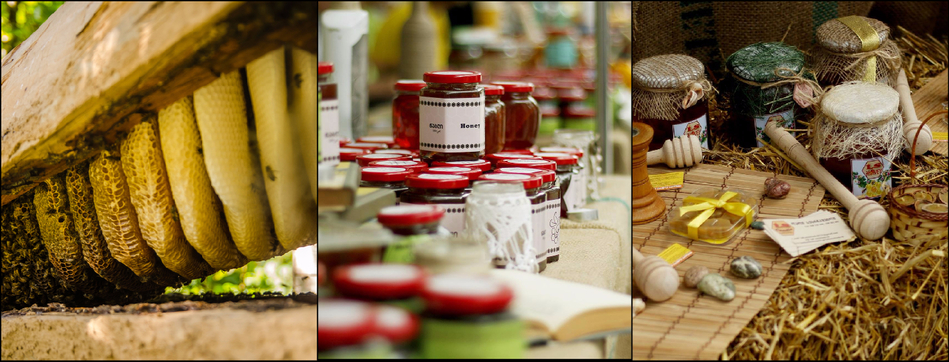
The 45th Apimondia Congress 2017, the most significant event in beekeeping worldwide, will take place from 29th of September to 4th of October, in Istanbul, Turkey. For the first time in Apimondia’s hundred years of history, Georgia will be at this world forum, represented by the Ajarian Beekeeping Business Association (ABBA), exhibiting the different types of honey of its members and promoting Georgian honey and beekeeping.
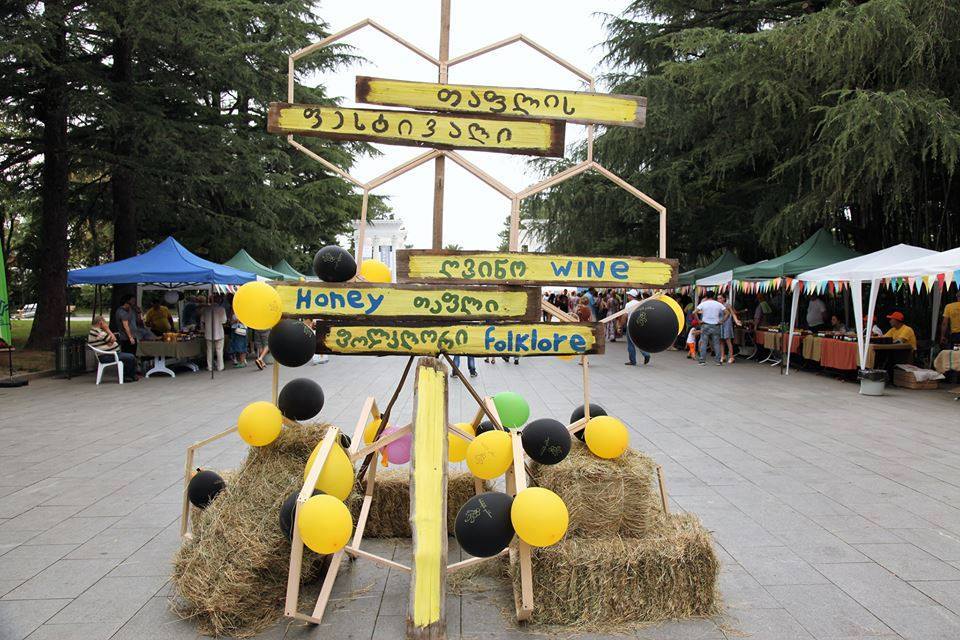
It now has become a tradition of Batumi’s Summer to hold the sweetest festival of the year. The annual Honey Festival was held for the third time on August 12th on Batumi Boulevard. Up to 40 beekeepers from across Georgia who once again presented their honey and by products for the festival visitors. Honey themed entertainment activities for children, including face-painting, games; live music from folk ensembles and rock band were laid on, keeping the celebration spirit all day.
“I’m participating in the festival for the third time, as it helped me to get income and find new clients for honey. I think it is very important event in promotion of the beekeeping sector in Ajara, which is one of the leading honey producer regions” – Revaz Katamadze, the beekeeper from Kobuleti Municipality.
On 18th of July, six Women’s Rooms (WRs) of Ajara region have expanded their linkages by signing a Memorandum of Understanding (MOU) with the Ministry of Health and Social Affairs of Ajara Autonomous Republic. The Ministry will use the Women’s Rooms to reach the rural population though disseminating information and organizing meeting on the health-care programs implemented by the Ministry via WRs.
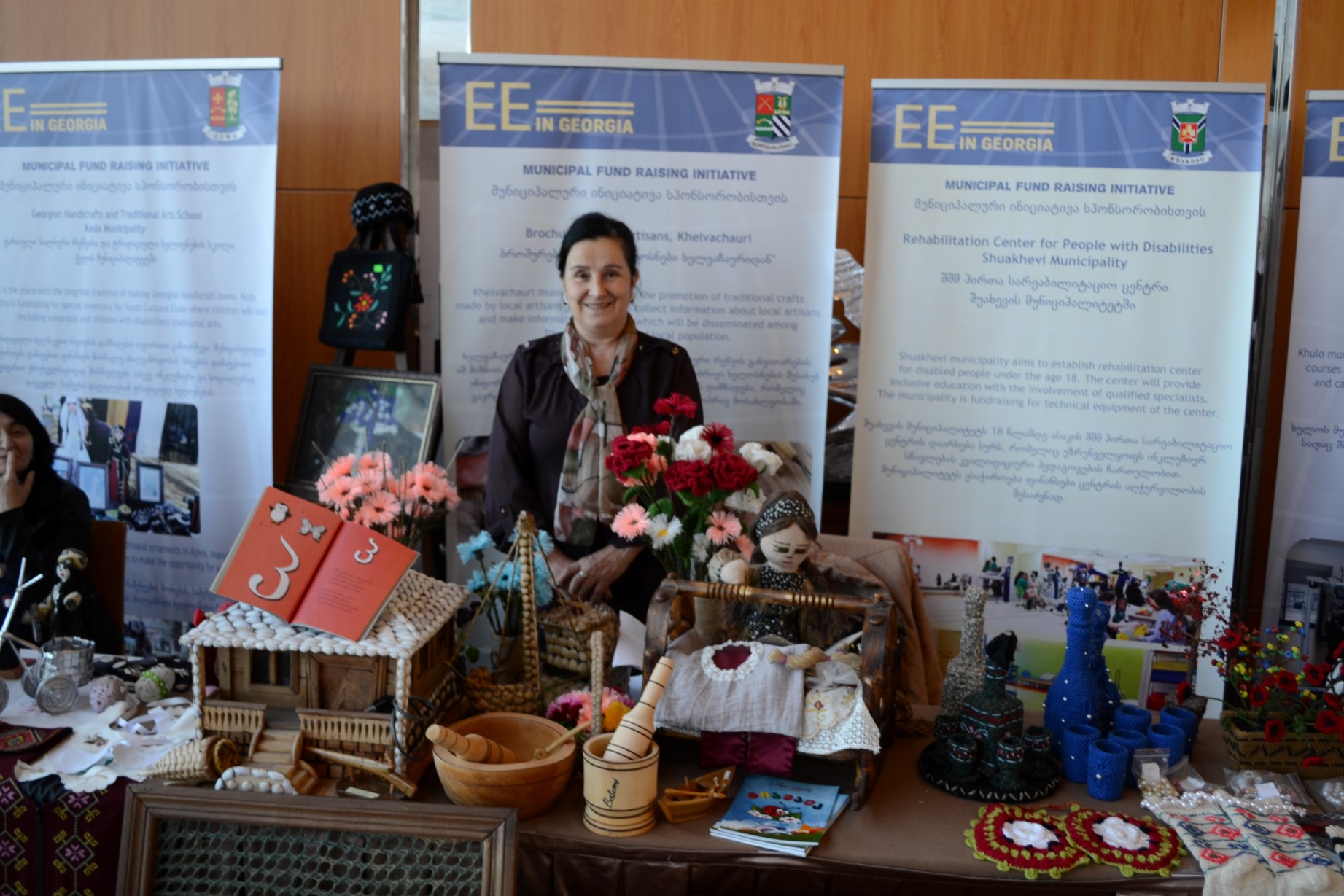
Shuakhevi municipality will have a Rehabilitation Center for the People with Disabilities soon to serve people with the special needs living in Shuakhevi, Khulo and Keda municipalities. The Government of Ajara Autonomous Republic has recently supported and financed the initiative with 196 000 Gel for its construction works.
4 months ago the municipality displayed the idea, which has been floating for years, on EEG Event for fundraising. The Deputy Gamgebeli of Shuakhevi municipality, Rusudan Shavadze, trained on the project writing, transferred the idea to the real project and the municipality was able to start attracting the funds for the implementation. After the EEG, the Association For Each Otherconducted the survey on the people with disabilities in the municipalities (Khulo, Shuakhevi, Keda) with the involvement of the local people; the Adjaristskali Georgia LLC expressed interest to make the contribution to the project; other organizations, like USAID and Embassy of France also are ready to contribute with providing training for inclusive education specialists, who will teach in the center. The contribution from each side is under discussion and will be known within month.
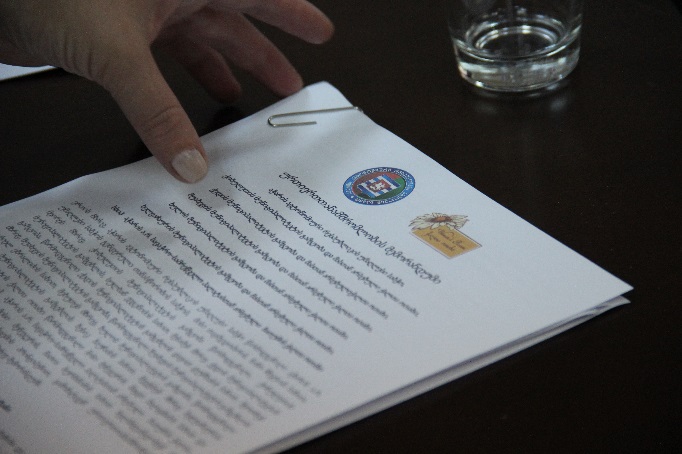
On 7th of July, a Memorandum of Understanding (MOU) was signed between the Women’s Rooms and the Gender Equality Council of Supreme Council of Ajara Autonomous Republic. According to the MOU, the Council will work with municipalities through the WRs to raise public awareness of gender and increase women’s participation in the decision-making processes. The Gamgebelis and other municipality representatives attended the ceremony and supported the idea.
“The Women’s Rooms have become one of the main powers in ensuring gender equality in the municipalities. The MOU aims to continue and strengthen our cooperation with the WRs and fulfill the mission of increasing women’s participation in the public sector”- Nino Chkhetia, the Chairwoman of the Gender Equality Council.
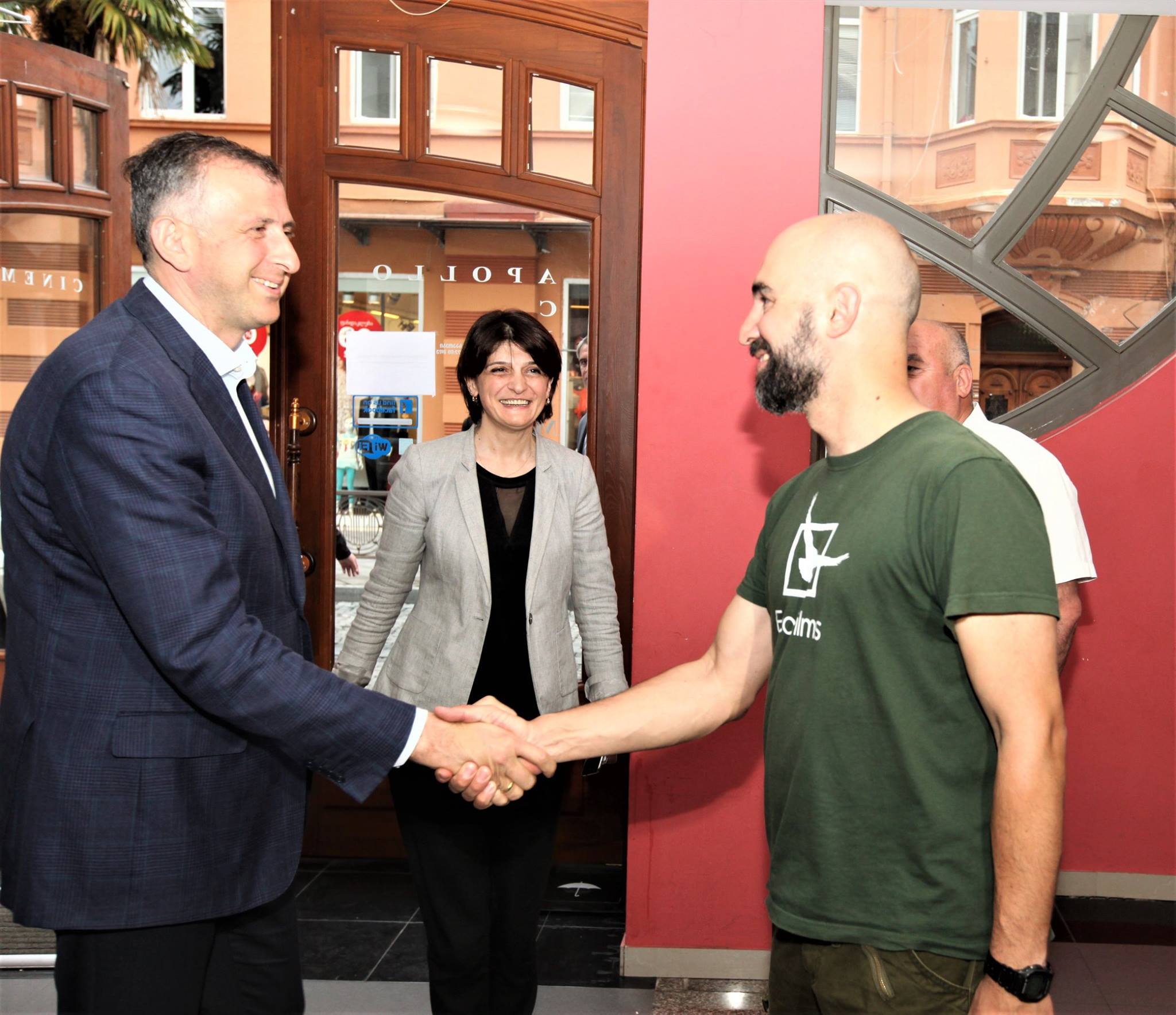
On 16th of June, the premiere of Jara was held in Batumi for the local governmental and non-governmental sector, funded and organized by the Ministry of Education, Culture and Sport of Ajara Autonomous Republic. The decision-makers of the region attended the screening: the Chairman of the Ajara Autonomous Republic, the local Ministers of Agriculture, Education and Health; the Mayor of Batumi, the representatives of Department of Tourism and Resorts of Ajara, municipalities and international organizations.
The film was received with great interest and applauses. Two main actors of the movie, who are also local residents and beekeepers themselves, were gifted with the modern honey extractor by the Minister of Agriculture.