



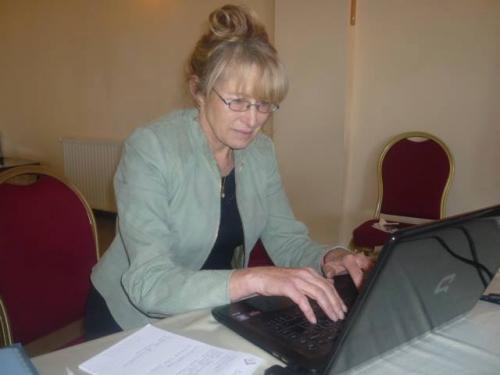
Heather Briggs, agronomist, agro-consultant on plant productivity, international expert on cheese and journalist visited Tbilisi to hold the training for agro-journalists last week. ‘Batumelebi’ newspaper interviewed her.
- Mrs. Briggs, what challenge do you see in Georgian agriculture?
- The first challenge is the perception of farming. I think the farming has to be made more professional and has to be recognized as a profession. People must be proud of what they do.
- The Government has started working on developing cooperatives in Georgia. How possible do you consider to develop cooperative farming in Georgian?
- This is a very difficult question. If people working for cooperatives will manage to work as a team, I think this can be a good idea. But I don’t know how Georgians perceive cooperatives, because they were very badly managed at Soviet time and this experience can influence on the development of cooperative system today.
- What will be your advice for improving farming in Georgia from European experience?
- I thing first of all, the farmer needs to understand some new techniques. The farmer needs to be open for improving and see that from using new technics they can benefit and they can make better living. I do not think that to be a successful a farm has to be a big. The farming should be profit oriented.
- How can traditional farming be transformed into modern farming?
- This takes time. You must give the farmers time to adapt. You must inspire them, so they want to learn.
- Who has to inspire farmers?
- Everyone must work together in Georgia for success. I think, consumers, regulations, but I think the main area of information must come from the press. The role of agricultural press is to do knowledge transfer.
- How long is a process of improving breeds in agriculture and for reaching the good results?
- It takes a long time and this is going to take several generations. What you do not need to do is bringing unsuitable breeds from elsewhere. The breed must be able to thrive in Georgia.
- What can you say about brucellosis, there are lots of cases of this disease identified in Georgia?
- Brucellosis is a disease that requires professional approach from the government of the country: to set up a programme of testing, monitoring and slaughtering animals with brucellosis. Your Minister has mentioned positive steps, including considering some compensation for those people who lose their cattle through brucellosis.
- What about the role of agriculture in the economy, do you think that small farmers can have an impact on economic development?
- Agriculture is vital and has one of the main roles in economic development. Small farmers, big farmers they all contribute in this process. I think one of the main challenges is that farmers need to start planning, they need to know what they are doing and for this they need education, information. One of the main sources of this information and knowledge is agricultural press.
- How do you see Georgian Agriculture from the point of view of politics?
- Politics and Agriculture – they need to work close together. Georgian needs to be one team. Politics, economy, agriculture - if you do not works together you will not get anywhere.
- Considering the reality of Georgia, what is a first thing we should do?
- Consolidate and work together.
The interview is prepared by “Batumelebi" newspaper
February, 2015
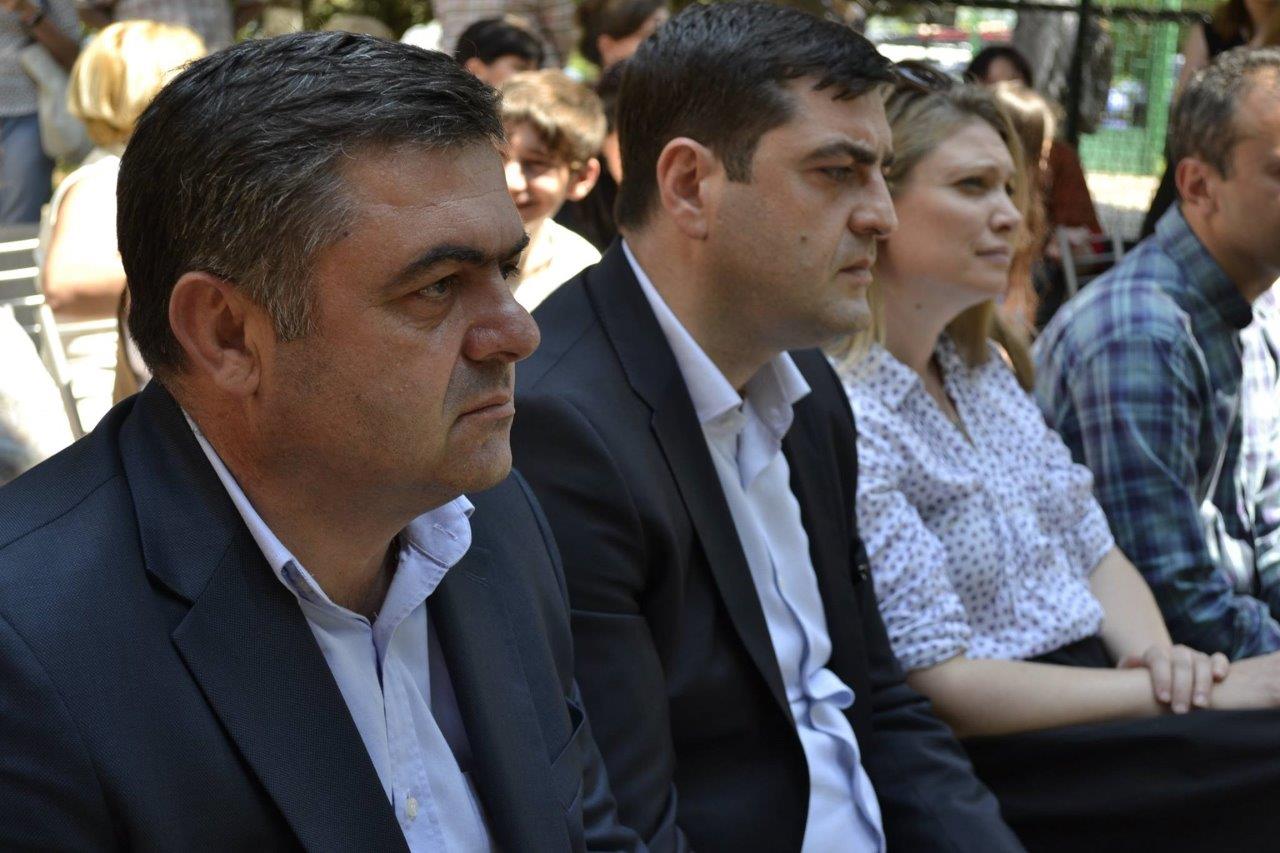
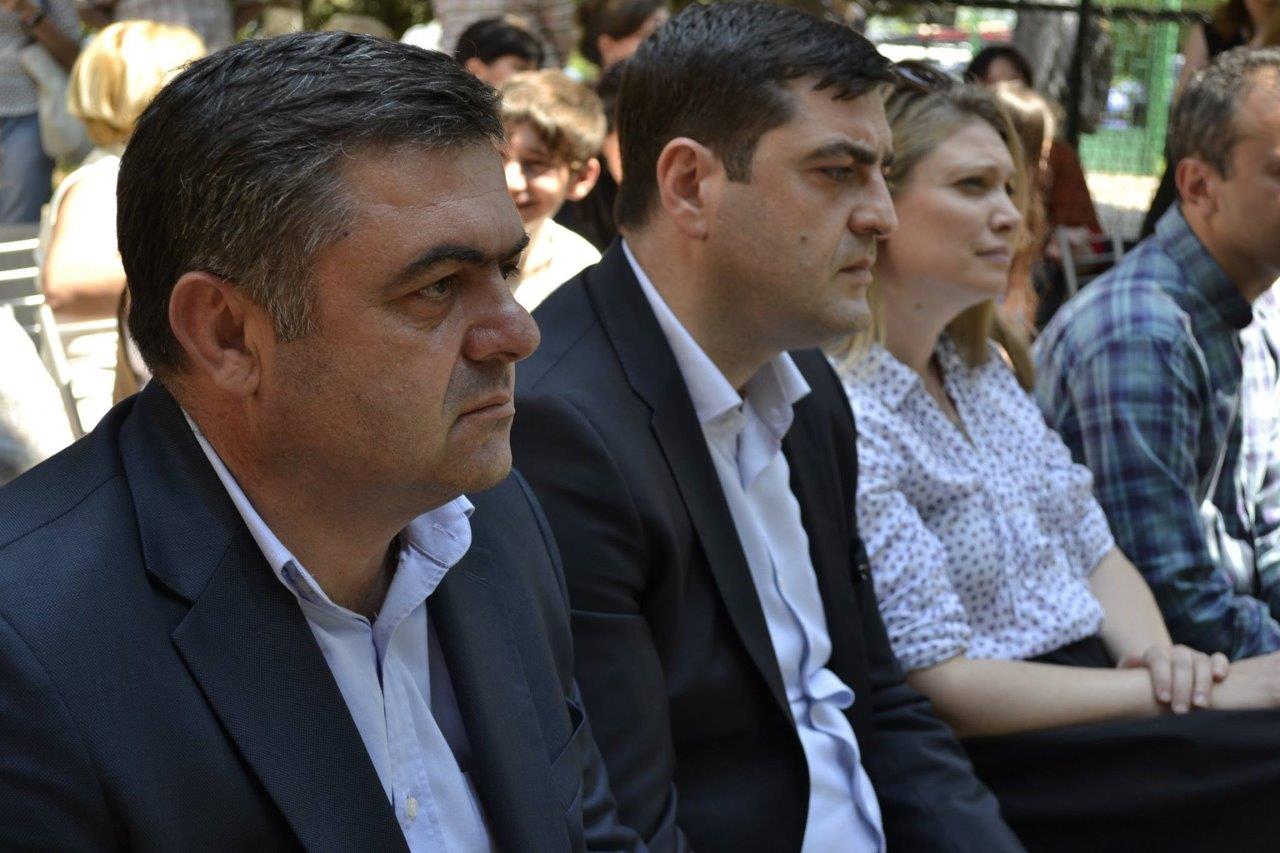
The First Lady of Georgia Maka Chichua visited Bolnisi municipality’s educational- rehabilitation center for children with disabilities. While there she also received information about Bolnisi’s Municipally run Women’s Room, a service providing consultation and linkages to resources for local rural inhabitants. The First Lady was hosted by the Governor of Kvemo Kartli Grigol Nemsadze and the Gamgebeli of Bolnisi Municipality Davit Sherazadishvili. The Alliances Caucasus Programme who facilitated the inception of the rooms now present in 17 rural municipalities and two cities in Georgia was invited and highlighted the pertinence of the service to the supporting the initiative of the First Lady.
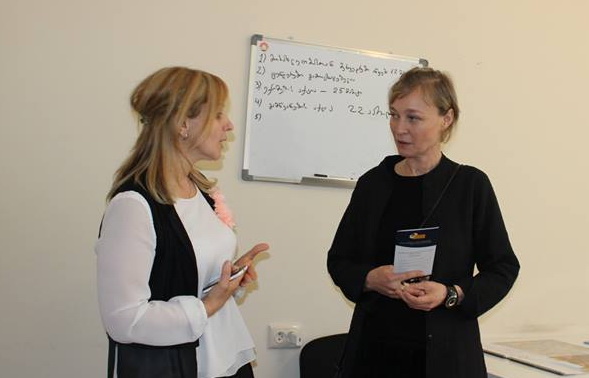
Three local women have been employed by the Association for Each Other through Keda municipality Women’s Room. The women will conduct a survey about the people with disabilities in every administrative unit and village of the municipality.
“The Women’s Room has given me an opportunity to get my own income. It’s temporary, but I think it will be the beginning of my active social life. This experience will give me new skills and become more involved in the local activities, I want to use this chance and make new linkages“. – says Mari Baramidze, one of the employed wom
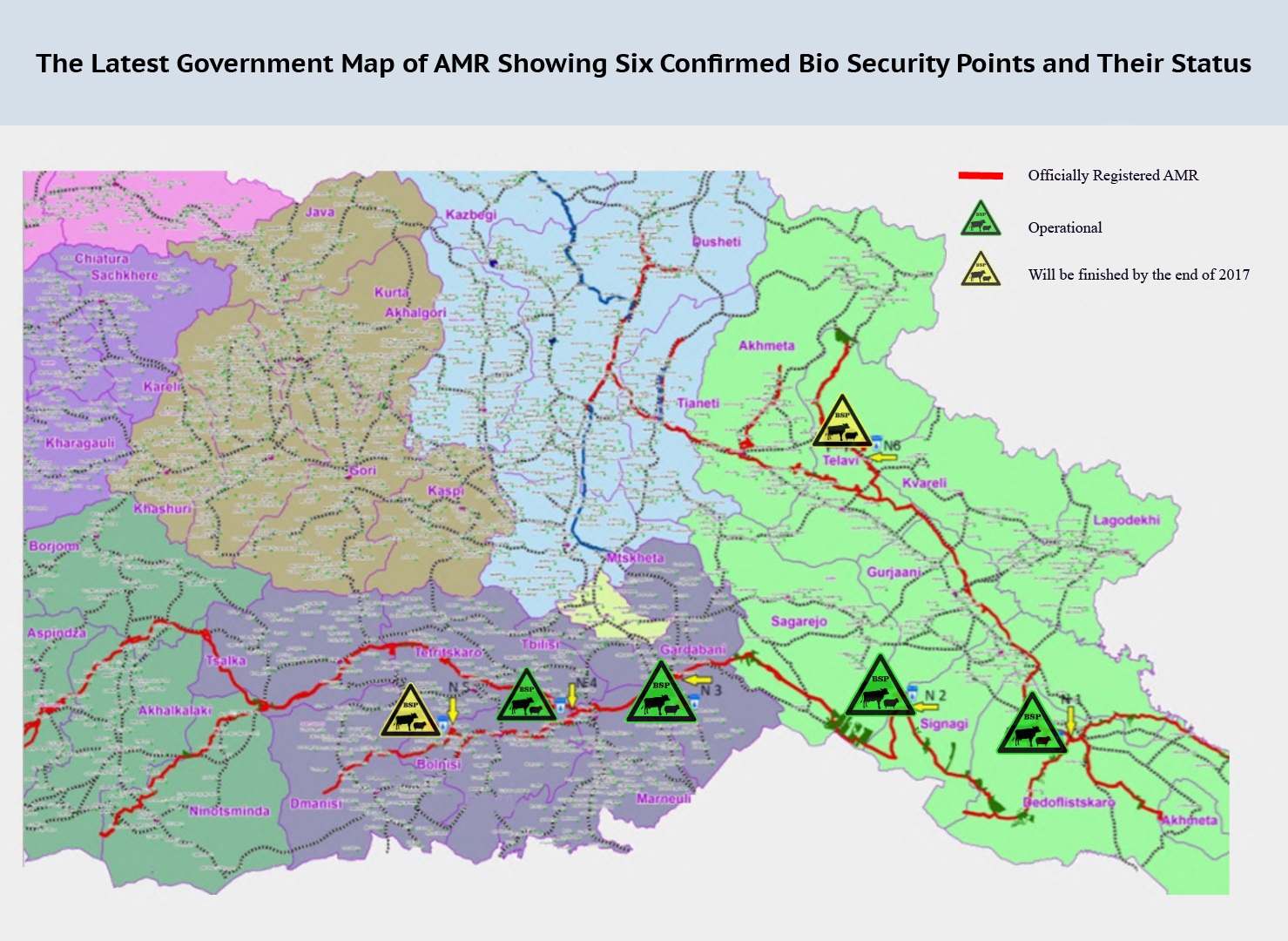
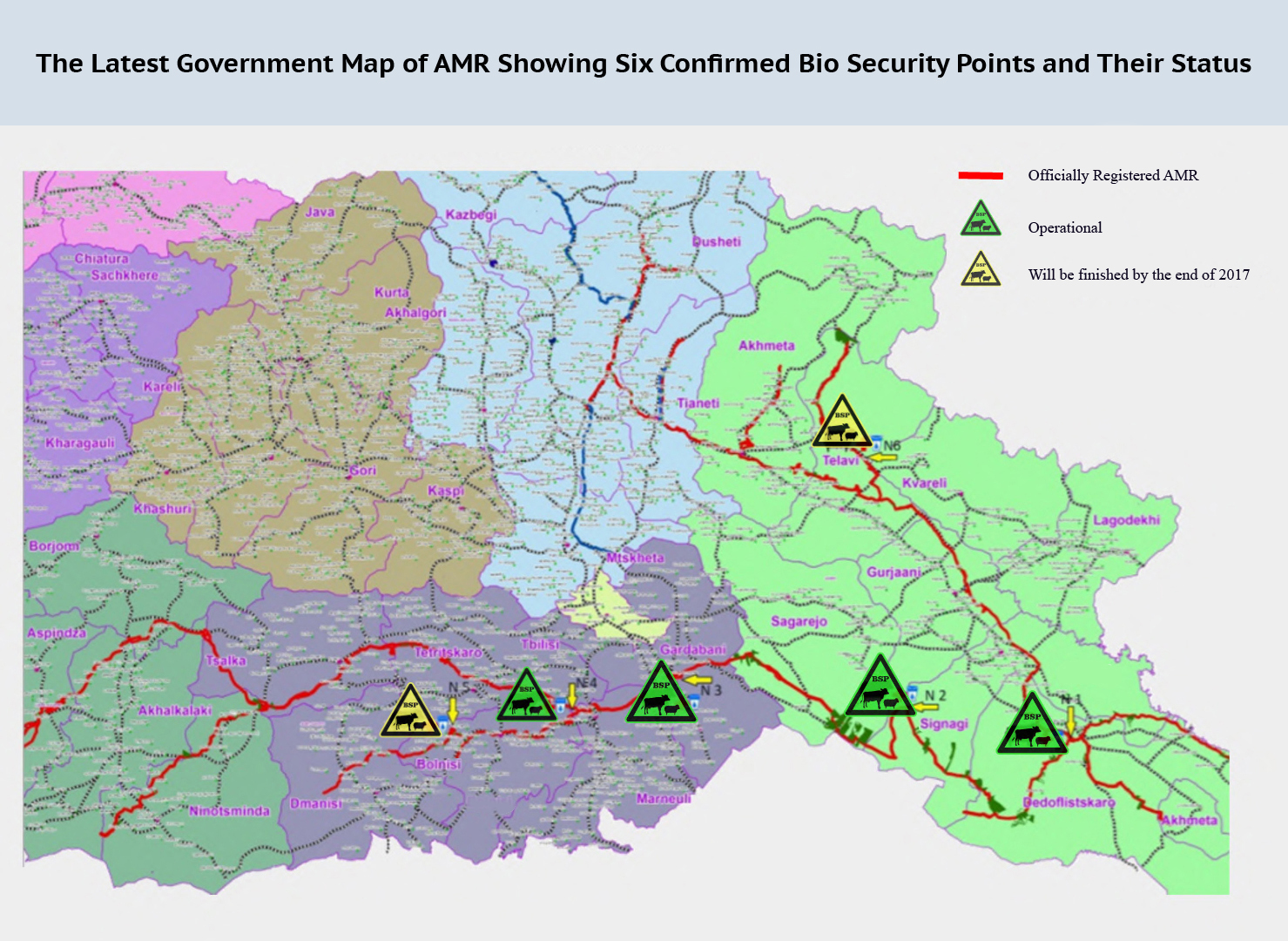
The Spring transhumance of the annual movement million heads of livestock has recently started. Georgian Shepherds will benefit from two new Bio Security Points in Dedoplistskaro and Signagi in addition to existing points in Marneuli and Rustavi municipalities. All four BSPs are in full operational mode ready to serve nomadic farmers. EU standard infrastructure, duly equipped specialists hired by the NFA and the special chemicals for treating animals against parasites - are in place to ensure health control of migrated livestock. A special certificate is also issued for farmers proving the livestock was treated against external parasites.
Two more BSPs in Telavi and Bolnisi municipalities funded by the government of Georgia are now underway and will be finished by the end of 2017.
'Jara' has been premiered on 30th of March with great success. More than 400 representatives from the regional and central government, the non-governmental sector, the donor organizations gave standing ovations and applauses to the film makers and artists.
‘The film is shot in a professional manner. It is astonishing and wild to see. I have no idea how the crew has managed to shoot the bears and wolves. The special tribute should be paid to the composer of the film’s original soundtracks. It should be seen by as many people as possible: melancholy of the season changings, music and just amazing views of the wild nature, never seen in the daily lives’ – Dima Pursanov.
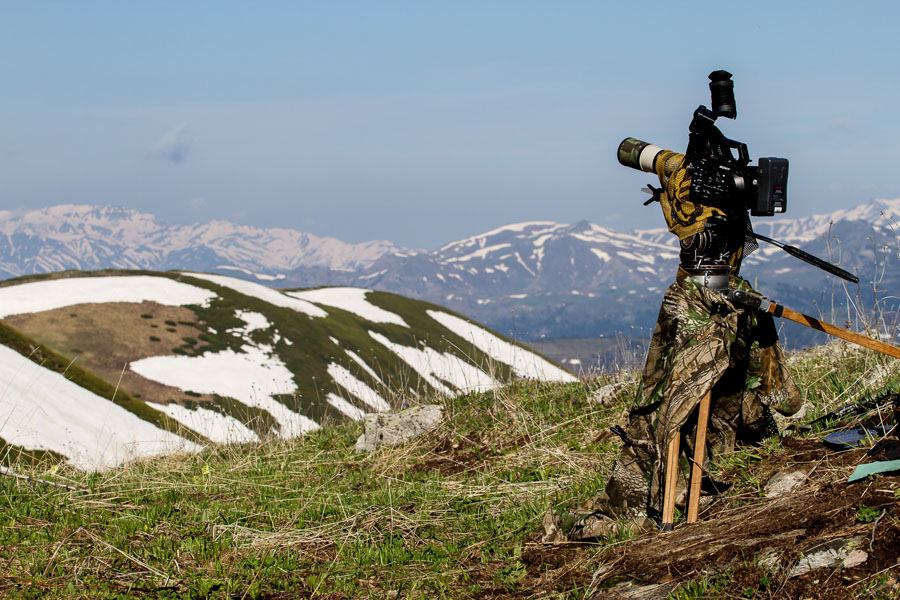
The promotion of Ajara as a world class ecological hotspot and eco-tourism destination is soon set for a massive boost. Filming on the ALCP facilitated Eco Films production ‘Jara’, a 52 minutes, a half-wildlife, half-human story observational documentary about mountains of one specific region of Republic of Georgia – Ajara, has been completed and the premiere will be held at Amirani Cinema on the 30th of March. The film has brought together various conservation stakeholders World Wildlife Fund Georgia, Caucasus Nature Fund, Eco Tours Georgia, Environmental Association Psovi, to produce what will be a stunning showcase of the beauty, nature and unique livelihoods of the rural inhabitants of Ajara.
The programme has already worked with EcoTours Ltd on developing Ajara as a destination for rural tourism based on nature and people. View their promotional video here and visit their website where they offer tailor-made tours to help you unlock the beauty of the region.

Equitable Empowerment in Georgia, an event celebrating community responses to equitable local government initiatives empowering women and men in communities of three regions of Georgia, will be held at Hualing Hotel in Tbilisi on the 17th of March, under the patronage of the Gender Equality Council of the Parliament of Georgia.
Please see the event website www.eeg.ge.
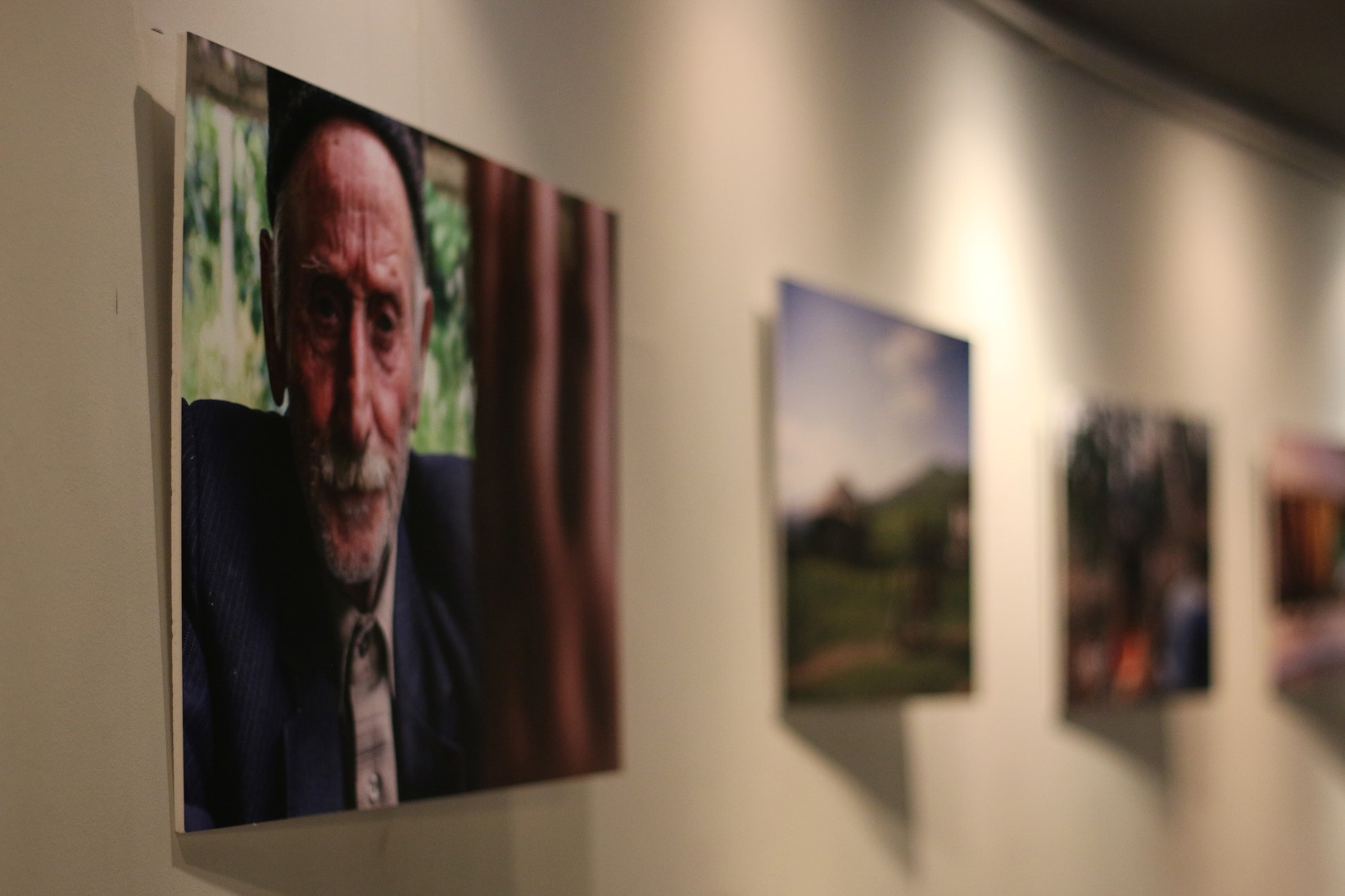
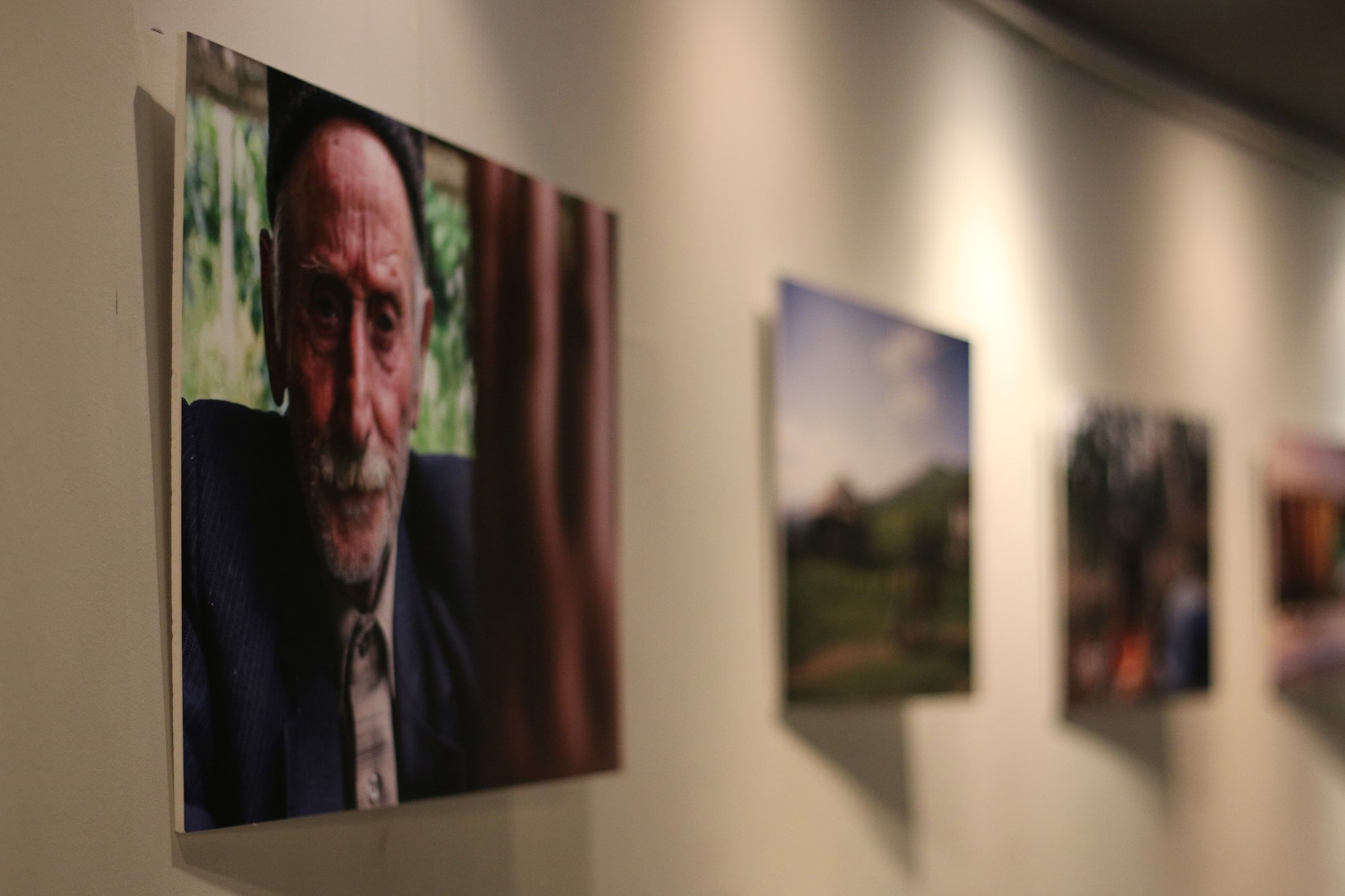
Up to 500 delegates - National, Regional and Local Government decision-makers, Women's Rooms managers and villages representatives, civil society and private sector and the women and men of the communities themselves - will present their motivations, methods and achievements. Likeminded people from the worlds of sport, culture, business and entertainment who seek to enrich the lives of women and men and boys and girls in Georgia in their work will speak and share their view about why this matters. Showcase stands from communities, enterprises, private sector, media and civil society will add colour and interest framed by the photographs of the municipal photo competition.
The event has been facilitated through the Alliances Lesser Caucasus Programme funded by the Swiss Agency for Development and Cooperation and implemented by Mercy Corps Georgia.



