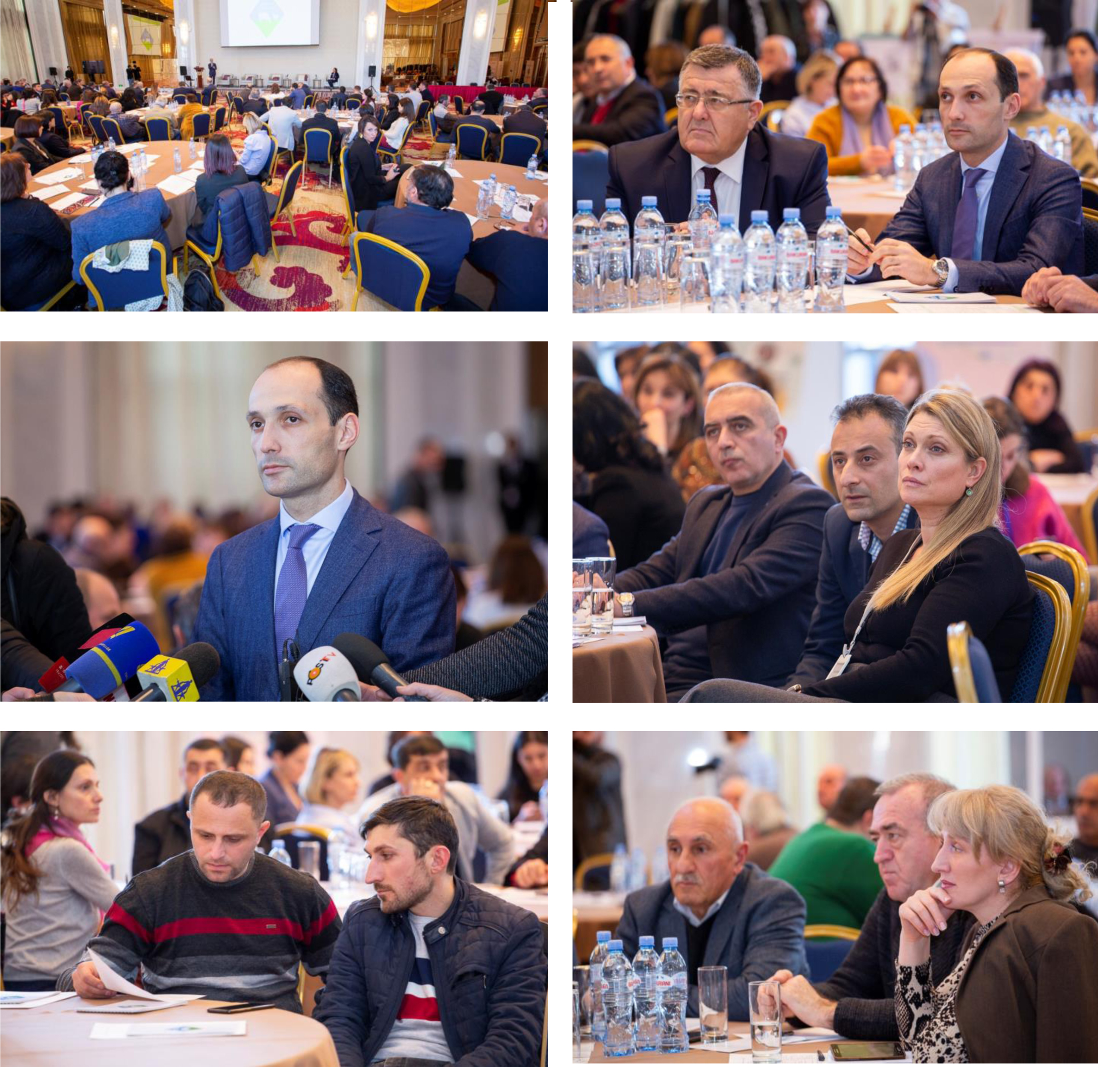
A presentation of a new ‘Georgian Milk’ mark was held on the 22nd of January at Hotels & Preference Hualing Tbilisi.
Up to 150 dairy enterprises and representatives of supermarkets, agri markets, sectoral associations and Government Agencies participated in the meeting.
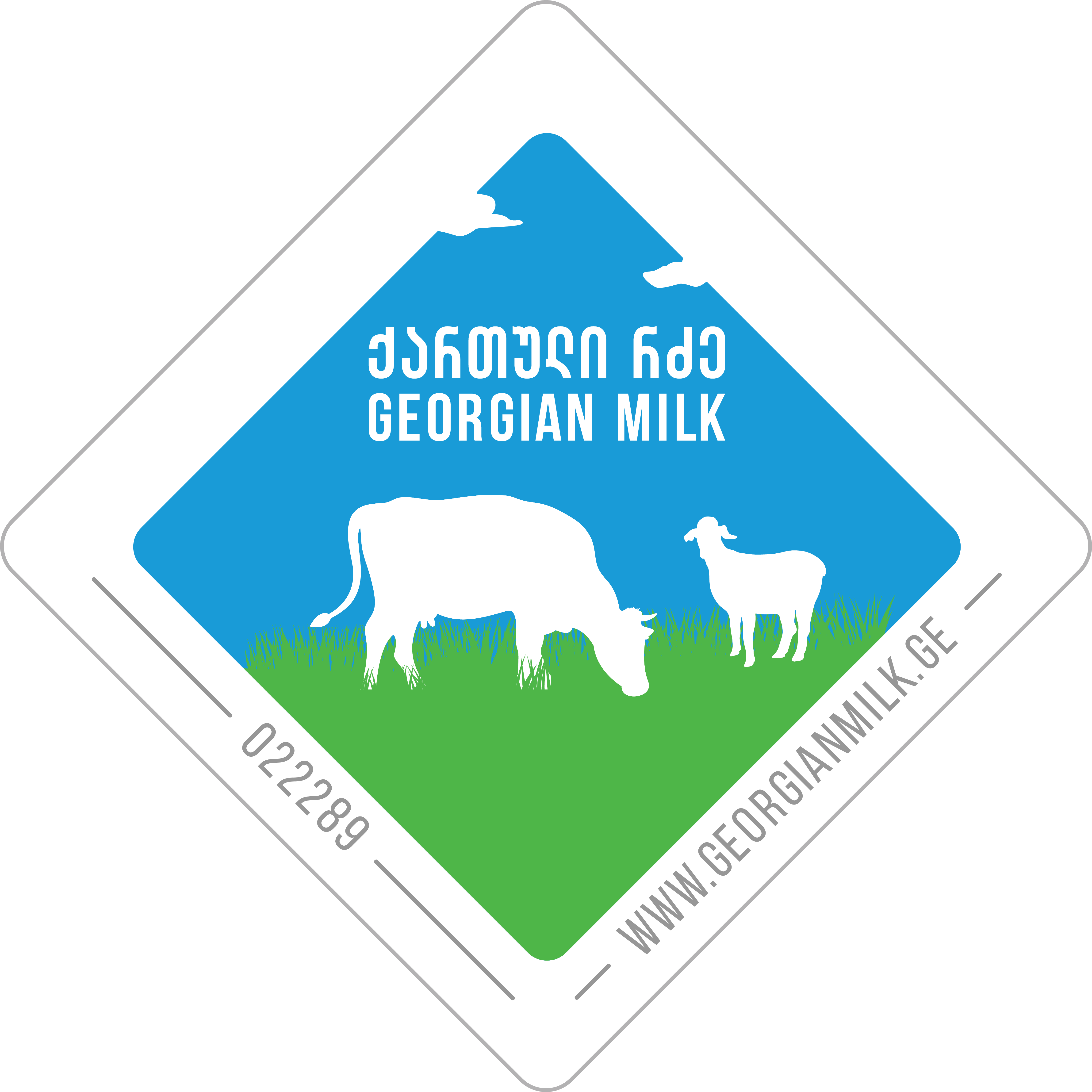
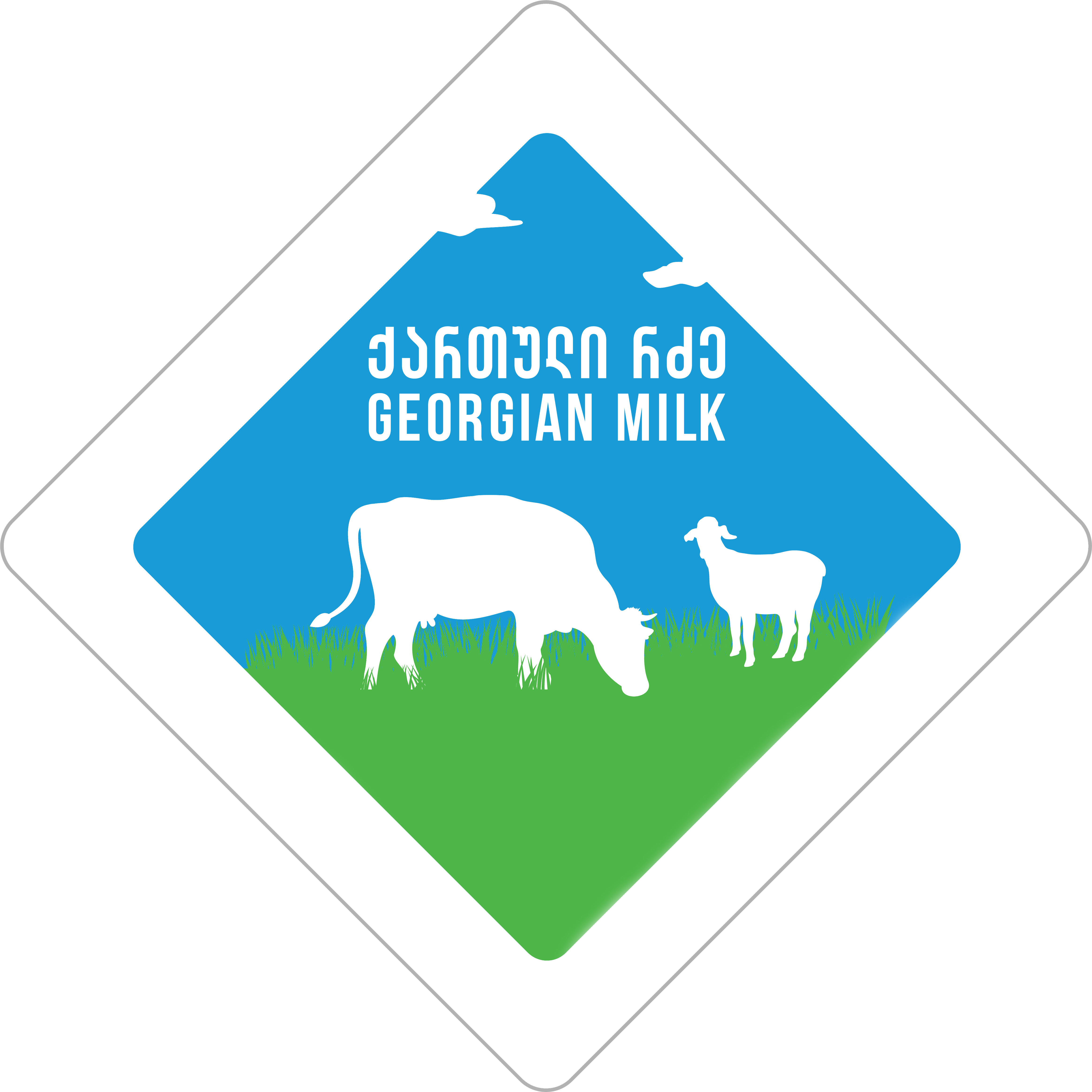
The new ‘Georgian Milk’mark will distinguish dairy products made from natural raw milk. The ‘Georgian Milk’ mark will be found only on dairy products produced from Georgian natural raw milk and which do not contain milk powder and/or any vegetable oils. The purpose of the mark is to promote products made from Georgian natural raw milk, which will help consumers make informed decisions while buying milk and other dairy products. A recent large national consumer survey by the Caucasus Research Resource Centre of urban consumers across Georgia showed that consumers want to be able to buy ‘ecologically clean’ dairy products, meaning clean milk that comes from healthy grass fed cattle and dairy products produced in clean regulated enterprises. The research found that the majority of consumers had difficulty in identifying or being able to buy such products as these products are currently undifferentiated in shops. The ‘Georgian Milk’ mark will therefore solve this problem.
‘We should disseminate information among local consumers about the importance of Georgian milk. The ‘Georgian Milk’ mark will promote natural raw milk products and the Ministry supports this great initiative, which will increase trust and promote quality production’ – Levan Davitashvili, the Minister of Environmental Protection and Agriculture of Georgia.
Eighteen dairy enterprises have already applied to get the mark. All registered and HACCP certified dairies have the right to apply to use the ‘Georgian Milk’ mark if they produce dairy products using natural raw milk that meets the criteria of the mark. These dairies will then be regularly audited by an independent body and transparent results and enterprise data published online on a www.georgianmilk.ge website which will come online at beginning of March. Ultimately this will help enterprises to overcome unfair competition arising from dairy products produced from milk powder.
‘The current dairy market is saturated with the dairy products produced from powdered milk, that are not differentiated. This mark allows consumers to distinguish between dairy products made from raw milk and powdered milk. This is a great initiative and I am sure it will be a huge step forward to promote clean production in the country and help milk supplier farmers.” – Merab Dzirkvadze, Manager of Thisntskaro + ltd dairy enterprise.
A national promotion campaign conducted by GMA international marketing company will be roll out from the end of next month.
The event is supported by the Ministry of Environmental Protection and Agriculture of Georgia and organized by the Swiss Development and Cooperation (SDC) project, the Alliances Caucasus Programme implemented by Mercy Corps Georgia.
For more details please follow the links:
Agenda.ge
Imedis Dila
The Ministry of Environmental Protection and Agriculture of Georgia
Post TV
Maestro TV
Kvira.ge
Armenians have been living in Kvemo Kartli for centuries. According to the 2002 census 31,777 out of 497,530 Kvemo Kartli residents were Armenians. The number of Armenians is highest in Tsalka where 11,484 Armenians live, out of a total population of 20977. The advent of Armenians in Georgia was related to the movement of people during the Arab, Turk-Seljuk, Mongolian, Turkmen, Kizilbash, Ottoman Turk and other invasions. Several major settlements of Armenians took place in 1828-1829, during the Russian-Turkish war
Azerbaijanis living in Kvemo Kartli are Turkic-speaking people representing the legacy of the conquerors that came to this area at different times. in the 1926 Census they were referred to as Azerbaijanis. The Azeri population that settled in Kartli is comprised of two streams of migrants: 1. The Turkish-speaking population that was resettled between 15th-18th centuries; they went through the heaviest psychological and physical stress before they adapted to the new place. 2. Migrants who moved from one place to another to improve living conditions having adapted to the new environment. Currently the Azeri population in Georgia numbers 224,606. They mainly reside in Bolnisi, Dmanisi, Gardabani and Marneuli districts, mostly in district centers apart from in Dmanisi muniiciaplity where there are many Azeri villages. Some live in Tetritskaro and Tsalka districts.
In 1980’s the planned settlement of a large groups of eco-migrant Ajarians and Svanetians started in Tetritskaro and Tsalka municipalities. There were several streams of eco-migration up to 2003. The advent of these incomers has left its mark on Kvemo Kartli. It became richer from an ethnic, religious and language standpoint, however it also gave rise to new problems and challenges for new and old residents alike in seeking to adapt to the new cultural diversity.
The first settlement of Svans into Kvemo Kartli took place in 1987. This is when the Svans from landslide-affected Chviberi (higher Svaneti) were resettled in Dmanisi, in the houses built under a government programme. Svans started to introduce their style of life in Kvemo Kartli and establish strong communities in Kvemo Kartli.
In 2011 Alliances KK facilitated establishment of DRR Municipal Working Groups in Dmanisi, Tsalka and Tetritskaro municipalities. These groups remain to be the main point for planning and implementing of prevention measures to reduce livestock related disaster risks.