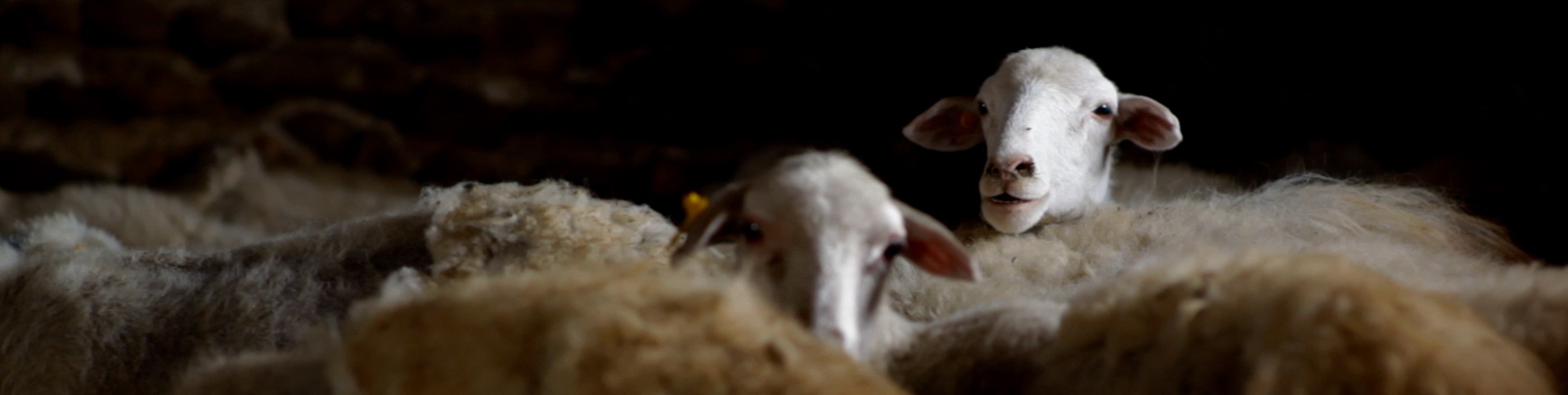
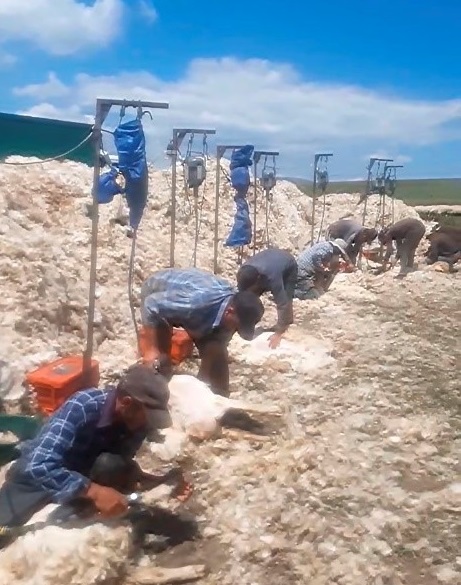
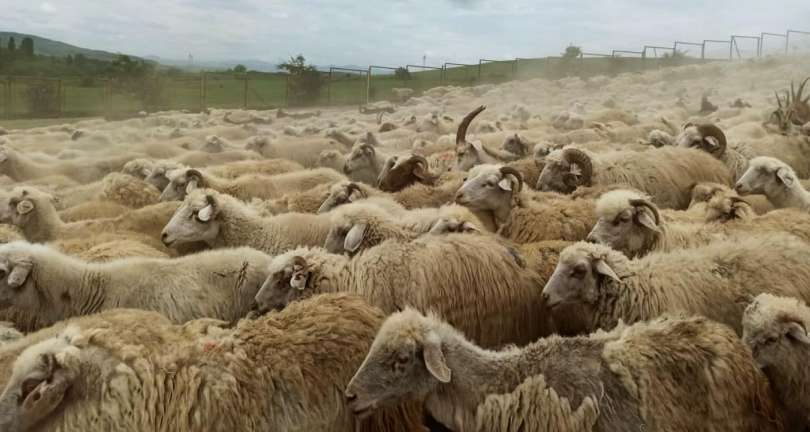
In 2018, while thinking about improving the quality of supplied wool, the Georgian Wool Company purchased twelve sheep shearing machines and trained a group of twelve shepherds, to provide a shearing service to sheep farmers. The service is available on the pastures at the beginning of spring and at the end of summer, when sheep are usually sheared in Georgia. This year, up to five-hundred farmers were served, with hundred thousand sheep sheared.
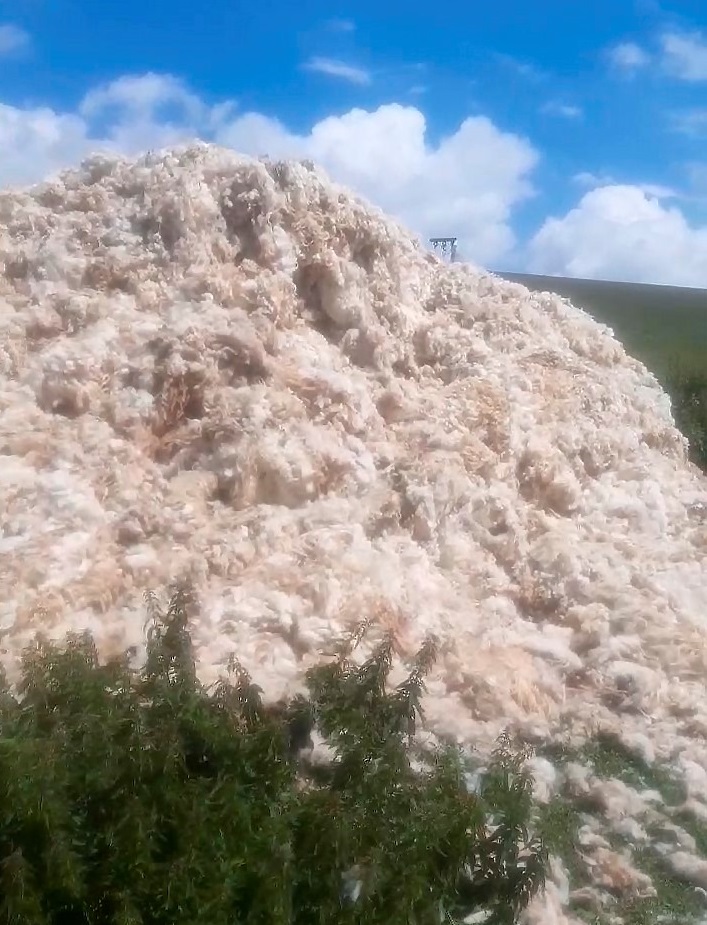
Before, the wool suppliers of the company sheared sheep by hand, which damaged wool fiber and the quality of wool was poor. It took time with only up to thirty sheep sheared a day. The sheep farmers had to ensure the workforce for shearing by hand, they also had to arrange wool storage space in pastures and transportation of wool from pastures to wool collection centers. Incompliant shearing and storage was decreasing the quality of wool and causing about a ten percent loss (up to thirty kilos), which was usually left on pastures polluting the local environment.
Now, the sheep shearing machines prevent damaging of wool fiber and respectively, the quality of wool has been improved. The company’s sheep shearing machine service includes storage and transportation of wool from pastures to the company`s warehouse in Tbilisi. Sheep shearing is now time-efficient with up to hundred sheep/day sheared by one trained shepherd. While shearing of thousand sheep by hand took at least three days, now the same is done just in one day. For the company it means a stable supply of wool in better, cleaner quality; For farmers it translates into reduced transaction costs, time and about 0.7 Gel saved per sheep.
The Georgian Wool Company first exported wool to the United Kingdom back in 2016. Ukraine, Kazakhstan, India, Afghanistan are now among top wool export destinations. Along with growing demand, improving quality has become a particular interest of the company.
The OLMA trade show – a Swiss Agricultural and Food Fair has been held every year since 1943 in St. Gallen, Switzerland. The year’s 74th exhibition was held from 8-18 of October. 623 exhibitors and 375000 visitors attended the show.
The Swiss Agency for Development and Cooperation (SDC) was the one of the exhibitors this year. The SDC created 8 country stands including that of the Swiss Cooperation Office for the South Caucasus.
Name: Natural Produktsia Ltd
Place: Dioknisi Village, Khulo Municipality
Type of business: Cheese Factory
Product: Imeruli Cheese
Suppliers: about 450 women from 13 villages of Khulo
Current production per day: 5 tons of milk (700 kg of cheese)
The Problem
The 450 women now selling milk directly to the milk collectors of the Natural Produktsia Ltd Factory in Dioknisi, Khulo used to make cheese from their milk. Women are responsible for milking the household cattle and making the cheese, butter, sour cream and cottage cheese which is then sold as an important part of the family’s livelihood.
Selling these products however is hard and uncertain. The journey by marshutka to Batumi Agrarian Market can take up to 4 hours on bad roads. It is taken to the market by husbands or other male family members or sent with the driver and met by a relative who then tries to sell it. There is no guarantee of a sale and often the family is forced to accept a low price from the market vendors rather than take it home again.
The NFA announced a tender on September 28th for the construction of two further Bio Security Points of the same design in Dedoplistskaro and Sighnaghi municipalities. The tender winner company was identified on October 5th.
For the first time in Georgia 6 universities will soon offer specialized courses on agricultural journalism.
The universities in Batumi, Kutaisi, Gori, Telavi, Akhaltcikhe and Caucasus International Universities in Tbilisi who already offer academic programmes on journalism, mass communications and agricultural education will now add agro journalism. The course prospective tutors have just had Training of Trainers for two days.
Following work in KK and SJ the Women’s Room model is being replicated in Ajara region, where Ajara Chamber of Commerce and Industry (ACCI) is proving an invaluable partner by opening the first Women’s Room at the Association of Business Women of Ajara (ABWA).
The “Women’s Room” will open up opportunities for the ABWA in terms of coordinating activities, trainings, advocacy raising meetings and information sharing. All these will contribute into stimulating women’s entrepreneurship and economic empowerment and attracting more women members to the association.
The Ministry of Agriculture through the National Food Agency has posted details of the construction of the six Bio Security Points on the Animal Movement Route, the construction of two of which have started this month.
Minister of Agriculture Otar Danelia stated.
“It is very important that concrete steps toward the development of the livestock sector have been taken. Rehabilitation and modernization of the Animal Movement Route has started. Building modern standard Bio Security Points will promote animal health protection and will reduce the spread of animal disease” – he said.