Rebounding in spite of the pandemic, export markets for Georgian honey are beginning to flow and the volume of honey is growing rapidly. In the first eight months of 2021, 117 tonnes of honey were exported to eleven countries; France, Bulgaria, USA, Canada, Hong Kong, Japan, Kazakhstan, Azerbaijan, UAE, Qatar, and Saudi Arabia. Five times more than the 21.7 tonnes of honey, exported to six countries in 2020.
A major recent development has been the establishment of a contract for wholesale bulk honey between Api Geo Ltd in Samtredia and Naturalim France Miel a large honey company in France. In September, forty-three tonnes of honey was shipped to France. A second order is now being prepared for shipment. Strict testing in France and Germany and a new factory and equipment capable of homogenizing 20t of honey at a time mean that the company is the first in Georgia to able to reliably service such a market.
‘This is just a start; we hope to export at least 100 tonnes of Georgian honey to France this year. We want to supply from smaller-scale beekeepers which will help them with selling their honey, which has been a problem for years in Georgia.’ - Gia Ioseliani, Founder of Api Geo Ltd.
September was also a fortunate month for Kakhetian Traditional Winemaking (KTW) producers of the Nena Honey brand which includes the first Bio-certified Jara honey in Georgia. The company has just shipped a second large order of six types of Nena honey to Hong Kong, including chestnut, blossom, alpine, linden, Jara and honey with nuts including Bio Jara honey. Nena Bio Jara honey is also on its way to Doha, Qatar. Overall, since January 2021, the company has increased the volume of honey exported by 110%, compared to 2020, to markets in Canada, USA, Hong Kong, Japan, Azerbaijan and Qatar.
Bio certification of Jara honey in Ajara is receiving considerable governmental backing.
‘We are proud that export markets for bio-certified Jara honey are growing and now it is being exported to countries like Japan, the USA, and Canada. We started to support Bio-certification of the Jara Beekeepers Association in 2021 to continue to supply diverse export markets for such a flagship product.’ - Giorgi Surmanidze, Minister of Agriculture of Ajara.
The Jara Beekeepers Association is consolidating its entry into the Japanese market in partnership with MF Company Ltd. In September they exported honey to be shown at an exhibition in Tokyo in October, after which the next order will be placed.
‘Japanese consumers are loving Jara honey, some of them told us that it helps them with stomach problems. We believe that this exhibition in Tokyo will open up new opportunities for the Jara Beekeepers Association.’ - William Pratt, Co-founder of MF Company Ltd.
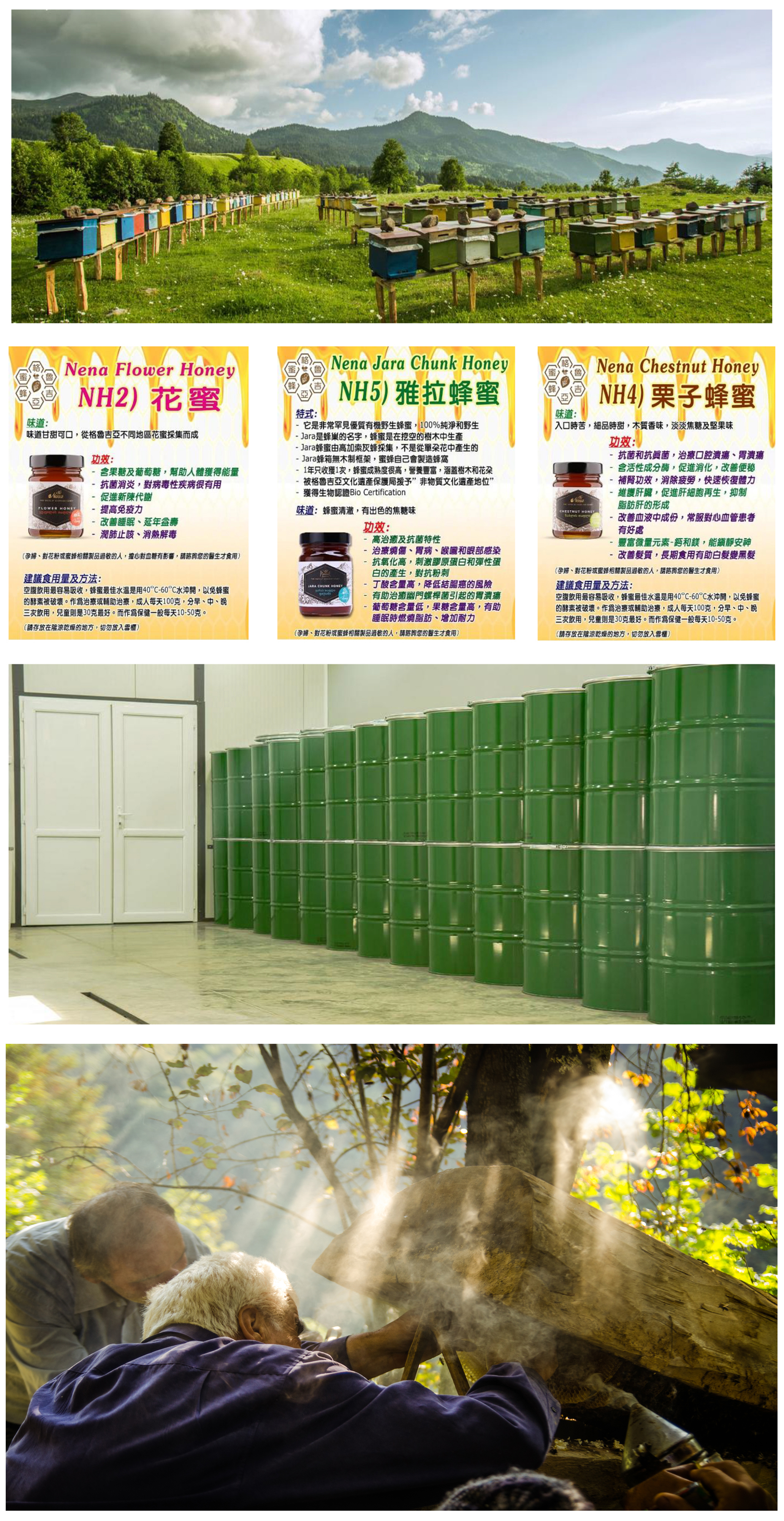
Livestock transhumance will no longer disturb Tsintskaro Village population in Tetritskaro Municipality. The local Municipal DRR Working Group initiated a new infrastructure project which will solve the problems related to the seasonal transhumance in this particular village.
From the ISET Economist news (http://www.iset.ge/news/?p=3311)
By Eric Livny
(Summary of a debate hosted by ISET as part of SDC-supported Inclusive Growth Dialog series.)
There are many reasons to love the concept of farmer cooperation (and cooperation more generally). To begin with, there is a great aesthetic value in seeing people coming together, sharing resources and helping each other. After all, instinctive collectivism was the basic condition of human existence from time immemorial. But, there are also powerful economic reasons for farmer cooperation.
The Road – a beautifully shot documentary capturing the reality and dichotomies of the people who use the ancient transhumance route; the lifeline of livestock in Georgia
A Memorandum of Understanding has been signed between the Ministry of Regional Development and Infrastructure (MRDI) and the Swiss Development Cooperation project the Mercy Corps Georgia implemented, Alliances Lesser Caucasus Programme (ALCP) in Kvemo Kartli, The aim of the memorandum is to support the ongoing outreach at local government level of practical implementation of the 2010 Georgian Gender Equality Law which will greatly aid in the general development of rural Georgian municipalities.
From the ISET Economist news (http://www.iset.ge/news/?p=3056)
By Tim Stewart
As Georgia embarks on an ambitious program to develop farmer organizations, it is worth considering both the positive and negative lessons from the experience of similar initiatives, both in Georgia and elsewhere in the developing/transition context. The piece by Tim Stewart, originally published on www.springfieldcentre.com, identifies some of the main reasons for the failure of start-up farmer organizations. The challenge for Georgia is to learn from these mistakes in planning and implementation, and ensure improved coordination among the many cooks involved (the newly created Agency for the Development of Agricultural Cooperatives, the Ministry of Agriculture, international donors, NGOs, and farmer associations).

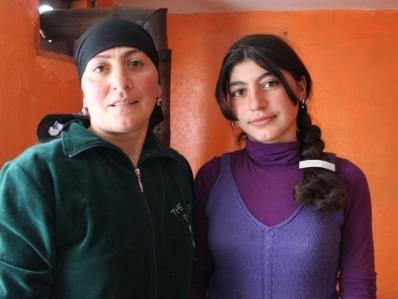
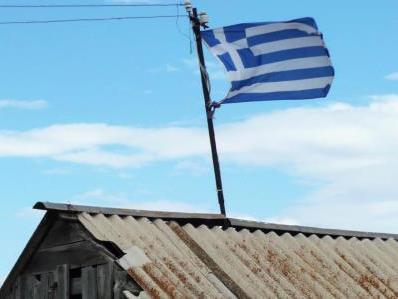
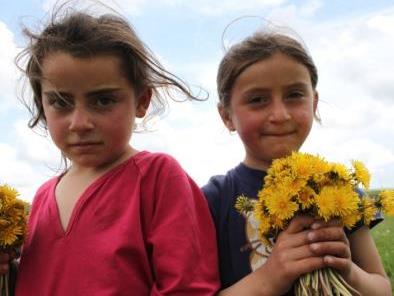
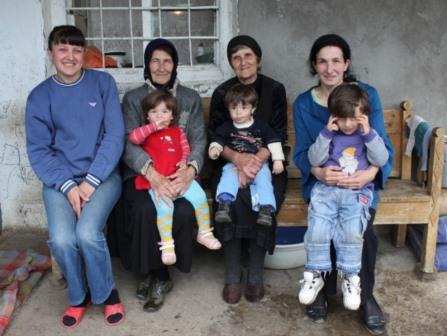
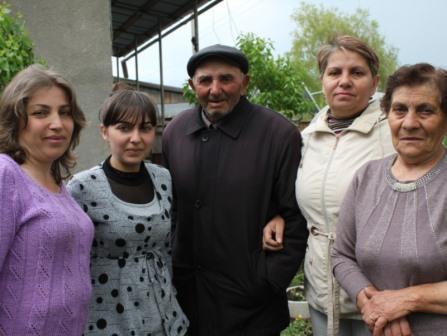
Publishing the following series of stories is an attempt to highlight the ethnic diversity of Kvemo Kartli. We are going to tell you the stories of five women living in various parts of Kvemo Kartli; these women have different lifestyles and represent different cultures, but they still have a lot in common. This is their history in stories. Stories of work, endurance, taboos, restriction, dignity, honesty and womanhood. You will not see figures and percentages here; this is not a quantitative survey. These are stories that allow us to build on those figures and percentages and enable us to develop profiles of Ajarian, Svan, Azeri, Armenian, Greek and local Georgian women’s lives, to understand their complexities and areas of commonality and to reflect this in our work as a programme.
Kvemo Kartli is one of the most ethnically diverse regions of Georgia. Ethnic diversity has developed over centuries and many contrasts and cultural differences have accumulated in this region; the study and management of these contrasts and differences and the development of models for peaceful cohabitation is not an easy task. Cultural, ethnic and language differences can be seen in every detail of life. Differences are present in rural and urban areas, in highlands and lowlands, in methods of doing business. Our objective in recording these stories was to attempt to create a profile of these women, to listen to them and build the picture of their lives, to understand the effects that culture and ethnic origin have on their lives, to see what opportunities they have and how they use or fail to use these opportunities, if they have them at all.
 |
|
|
|
|