Azerbaijanis living in Kvemo Kartli are Turkic-speaking people representing the legacy of the conquerors that came to this area at different times. in the 1926 Census they were referred to as Azerbaijanis. The Azeri population that settled in Kartli is comprised of two streams of migrants: 1. The Turkish-speaking population that was resettled between 15th-18th centuries; they went through the heaviest psychological and physical stress before they adapted to the new place. 2. Migrants who moved from one place to another to improve living conditions having adapted to the new environment. Currently the Azeri population in Georgia numbers 224,606. They mainly reside in Bolnisi, Dmanisi, Gardabani and Marneuli districts, mostly in district centers apart from in Dmanisi muniiciaplity where there are many Azeri villages. Some live in Tetritskaro and Tsalka districts.
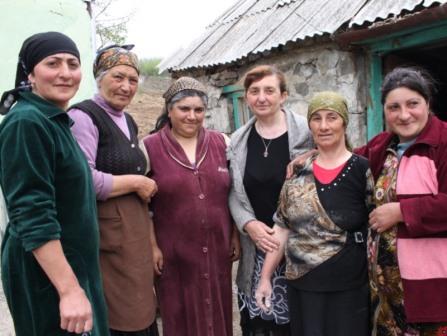
The village of Kamarlo is located next to the picturesque Lake Yaguflo. A worn-down road leads to the village located eight kilometres from the town of Dmanisi. According to the last census in Georgia performed in 2002, the population of the village was 713 people; all of them ethnic Azeris. Pikria Abdulaeva is amongst the village’s residents. She belongs to both cultures. She is an Azeri from her father’s side and Georgian from her mother’s. Azeri is the language of the village. Pikria speaks Georgian and served as the interpreter for our visit. Our arrival in the village caused a stir and the women invited by Pikria started arriving at the home of Phanura Kurbanova. In the garden the women explained how they make kizyak or fuel for winter. First, cow manure is leveled to the same thickness and is left to dry. Later, it is cut into pieces with a shovel. The pieces are then stacked in a sunny and ventilated place where they will be left to dry through summer and autumn, until the cold weather begins. This process turns the material into fuel. Kizyak is often made by women and children. The women then listed every activity they had performed that day from making bread to tending cattle to putting up wallpaper. Shoes were removed to enter the house.
The women recounted their memory of state farms. “Now it is easier, because there are no state farms. We used to work from morning until night and then come home and continue working in the house. In autumn, sometimes they would give ten tons of potatoes to each family and we had to manage this ourselves, carrying them, drying them, loading them, selling them or storing them for winter”. But for others, the state farms are associated with better times. Guliaz Gajieva is over 100 years old. she herself asserts she is 112. “We worked a lot but it was good work. I was even invited into the Central Committee of the Party as a leading worker, once”. Guliaz used to milk cows.
The women were enjoying the conversation. First, they maintained the attitude that “everything is good” and did not talk about problems. Gradually, however, they opened up. Out of the ten women who articipated in the conversation, four were divorced, half of them had lost husbands or sons, two women were married at the age of 14 and one of them had been bride-kidnapped. Often, women are complicit in these kidnappings. Gulazar was kidnapped as a bride for Pikria’s (her now mother in law’s) cousin. She was 14 and the groom was 26. Now Gulazar and Pikria share the same last name and are on good terms with each other, despite Pikria’s involvement in the kidnapping 17 years ago. Gulazar gave birth when she was 17. She had the baby in Baku and told the doctor about the circumstances surrounding her marriage. The Doctor sent a message to the village, saying “one of your young girls was forced into marriage at the age of 14! Take some measures!” The young husband could easily have been brought to justice for the forced marriage but they managed to avoid this through the help of some acquaintances in the right places. “Why didn’t you spare the girl?”, we asked Pikria. “Why?”, she answers. “Now, she has such a handsome husband who is the representative of the rural council”. Gulazar, who was listening, laughed along with the story as well.
The other women related stories of their marriages. Kheyala had not been bride-kidnapped but, rather, was matched with her husband when she was 14. She lived in the neighbouring village of Salamalik where there only was an elementary school which did not take her beyond the fourth grade. Before marrying, she lived with her parents where she looked after the household. She says, “If we had had a better school, then maybe they would not have married me off at such early age”. Kheyala has three children and added that three children are enough and that she will not let her daughter marry before she turns 19 or 20.
The issue with daughters is a critical one. On the one hand, the mothers do not want their daughters to have the same lives they did. On the other, they see that it is not easy to change the situation.
Alida Nasibova is 42 years old. She related the hard story of her divorce ten years ago. Alida is now raising her only child, a daughter. Her ex-husband has since died. Alida works as a teacher of the lower grades in the village school and provides every incentive she can to her daughter to study. She has big hopes that she will be able to change her life by getting an education. Pikria works at the village school as a teacher of Georgian. She says that the attendance of younger students is much better than the attendance of the older ones. Pikria says that her son is the only graduate who is continuing his education in Tbilisi. The majority of school graduates do not continue their studies.
 |
 |
Villagers travel to Baku fairly often, not for education but to visit relatives or for short-term work. Migration within Georgia is hampered by the language barrier which means that they do not travel much to other districts in Georgia. Phanura is a widow of over a year and wears a mourning kerchief and almost never smiles but she is quick, responsive and open and does everything quickly and silently. For her guests she made khinkali which consisted of thinly rolled boiled dough with butter and a sauce made from sour milk with herbs and spices. Sakna Gajieva is Phanura’s neighbour who came to speak with us briefly before getting back to baking bread at her house. She gave us hot bread for the way back and Phanura gave us some cheese as well. We were very touched by their hospitality, help and openness.
The first Women’s Business Forum was held on the 31st of January, in Batumi, Ajara, the event hosted by the Association of Businesswomen of Ajara (ABWA) of the Ajara Chamber of Commerce and Industry (ACCI) in partnership with the Women’s Rooms municipal service. For the first time in Ajara, 140 representatives of local, regional and central government and private sector have gathered to share their experience and look for business growth opportunities.
For more information on the event's impression here .
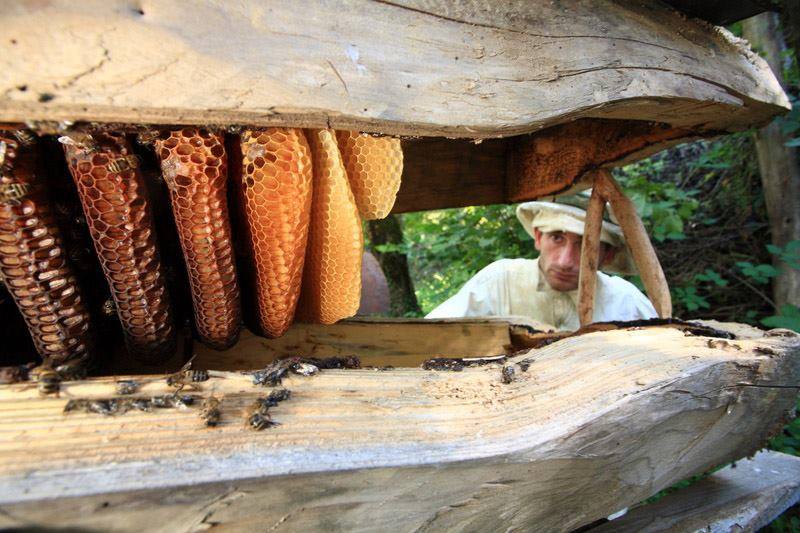
The dream of many pop brands is to ‘make it in America’. Tsalka producer Tsezari Cheese Company, has started to do just that. Sun Breath Corps a Georgian distribution company based in New York contacted Tsezari through contacts related to the programme to export the cheese. Beginning in June1,200 kgs of Smoked Sulguni has so far been exported to New York, US. Tsezari who is HACCP certified and has been a main supplier of Sulguni cheese to the Carrefour chain in Georgia for over two years, can guarantee quality and a regular supply which is vital for successful export.
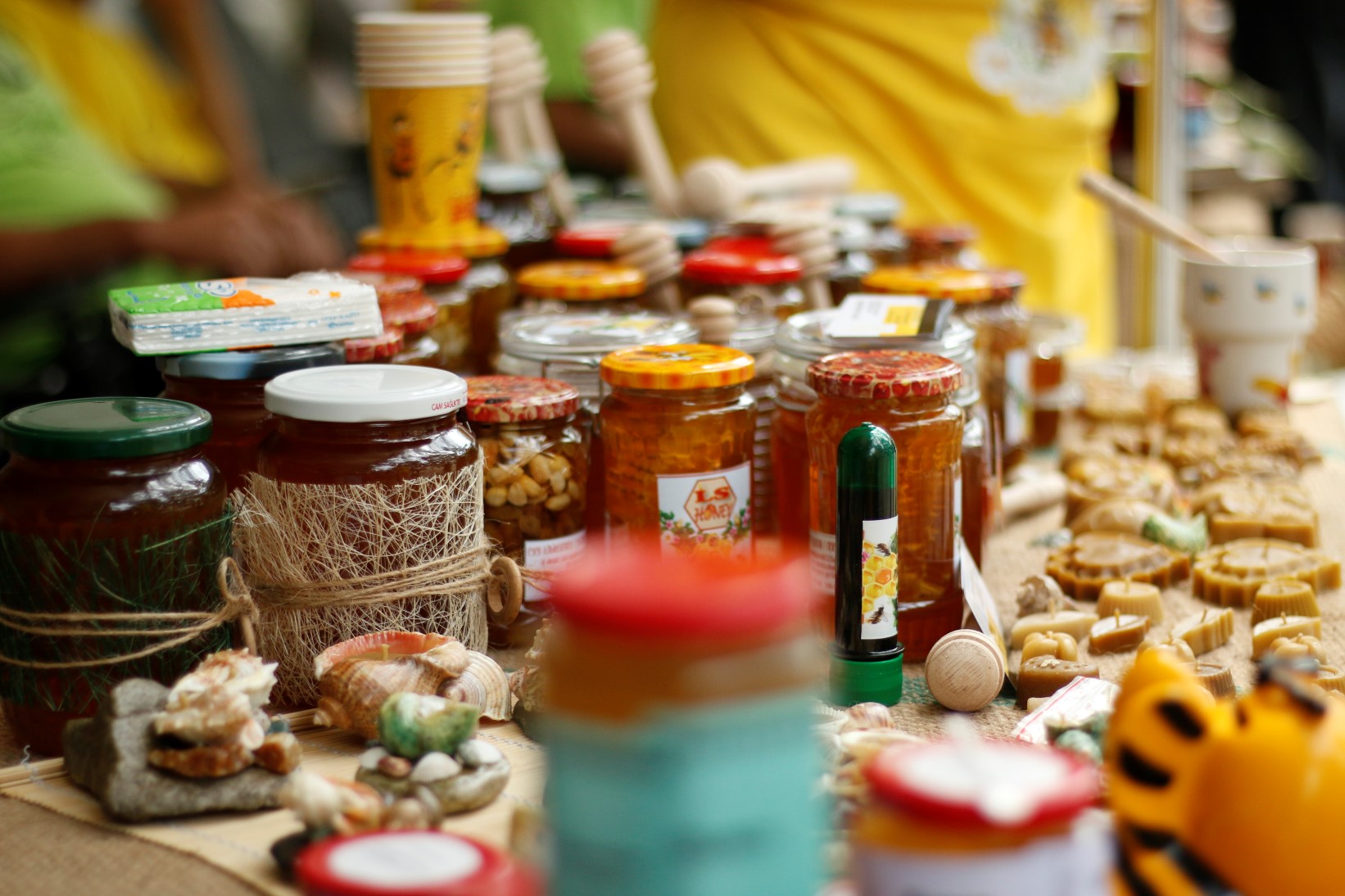
Batumi Boulevard is still buzzing from this summer’s sweetest festival, Honey Festival 2016. Organized for the second time by the Ajara Beekeepers Business Association on 13th of August. Last year’s debut festival was so impressive that this year’s festival had the support of governmental bodies Agroservice Center and the Cultural Heritage Preservation Agency of Ajara, who wanted to contribute to the festival and promote local honey production. Thus the festival was larger in scale this time, with activities taking place over two days, starting in Batumi Boulevard and closing in Gonio Fortress on 16th of August.
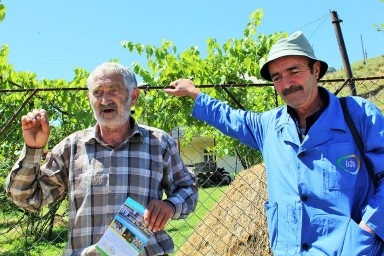
Informational leaflets on Animal Identification-Registration were distributed to the farmers of Samtskhe-Javakheti, Kvemo Kartli and Ajara regions by NFA representatives. These leaflets will serve to increase awareness of the compulsory EU regulation for preventing animal diseases, ensuring the health of animals and traceability that contributes to safe selling of meat, protecting consumers` rights and Georgia’s image as a country of high export potential. The NFA has also been providing vaccination for Foot and Mouth and blood tests for Brucellosis on the site. According to the latest data, 1 939 674 livestock and 140 466 small ruminants have been identified, and in total 994 058 animals have been registered.
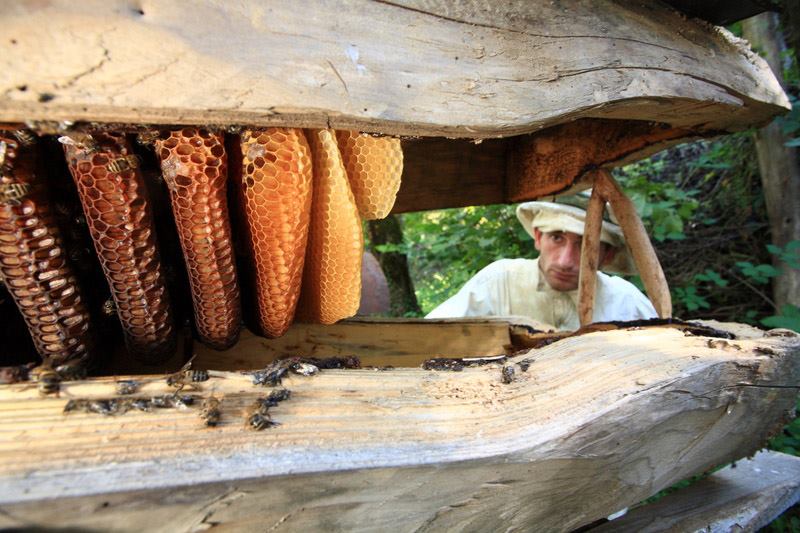
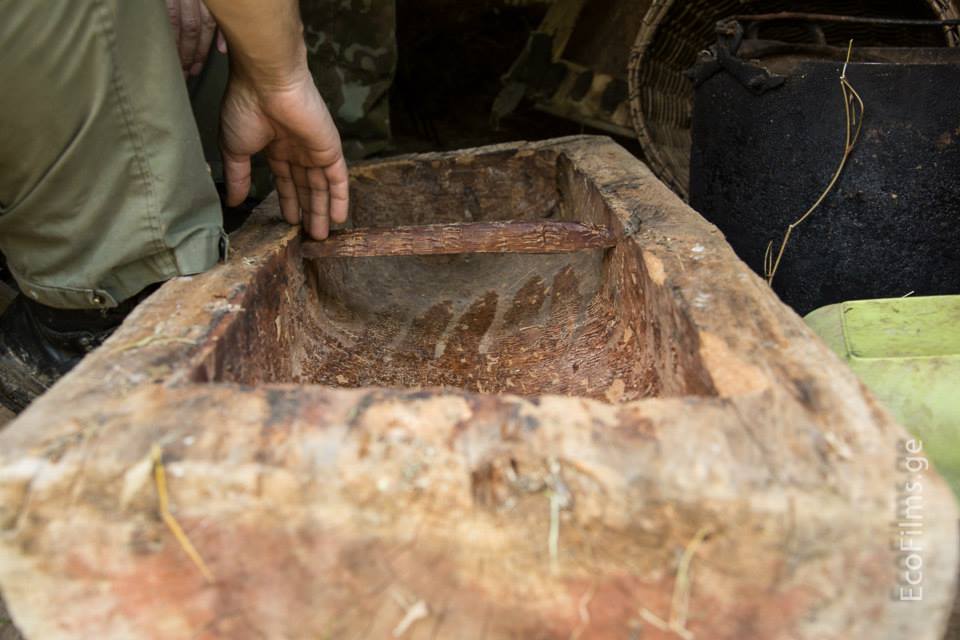
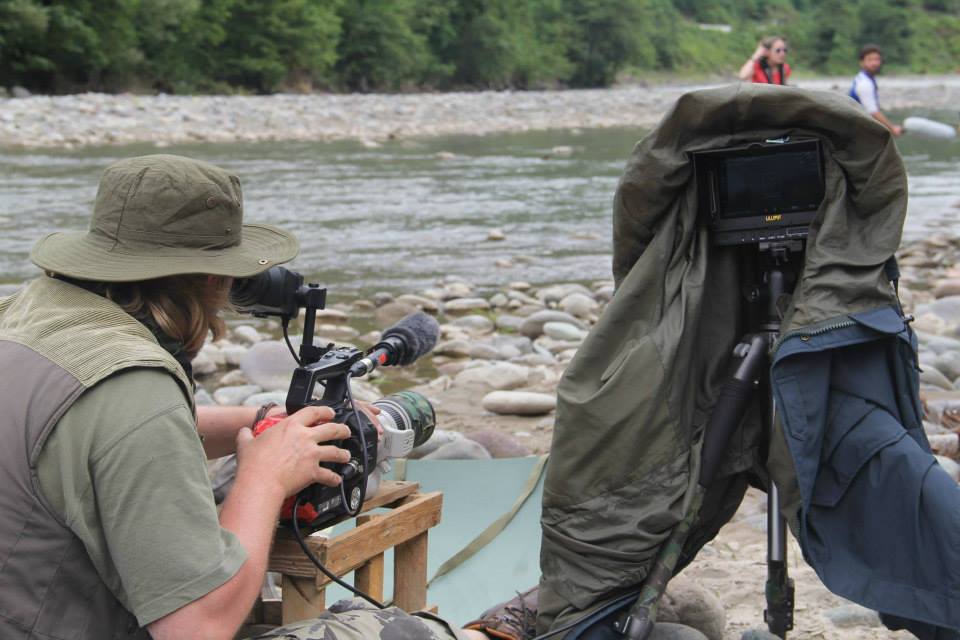
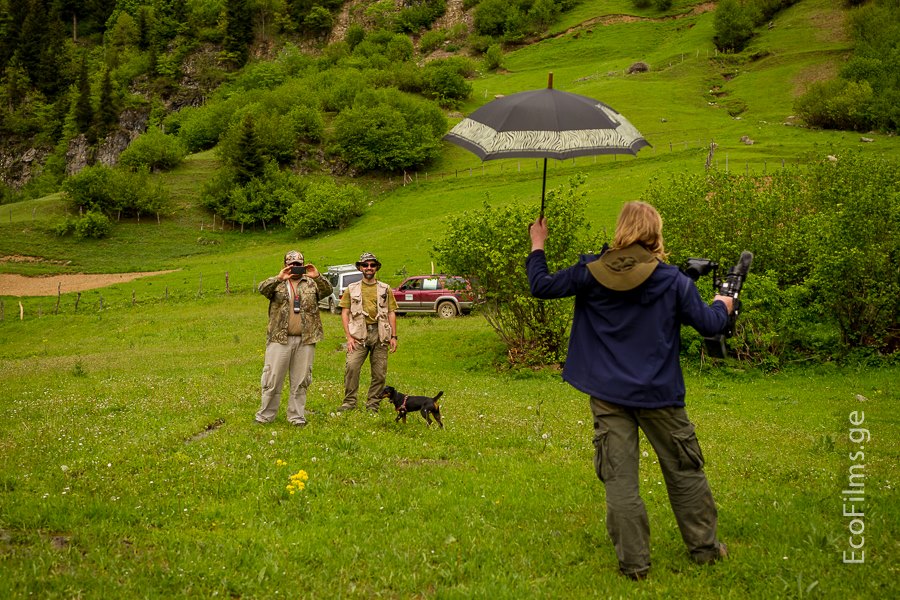
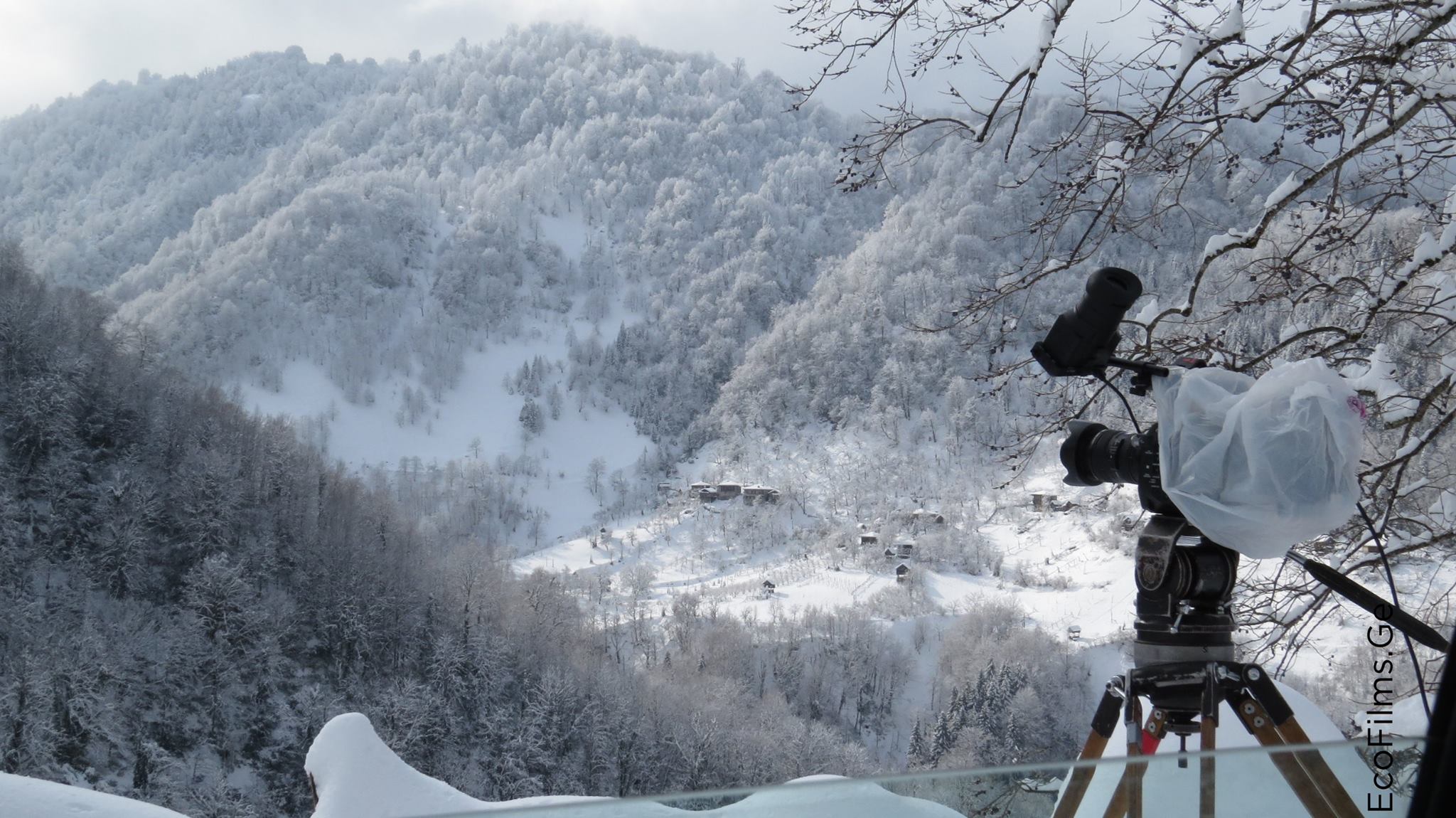
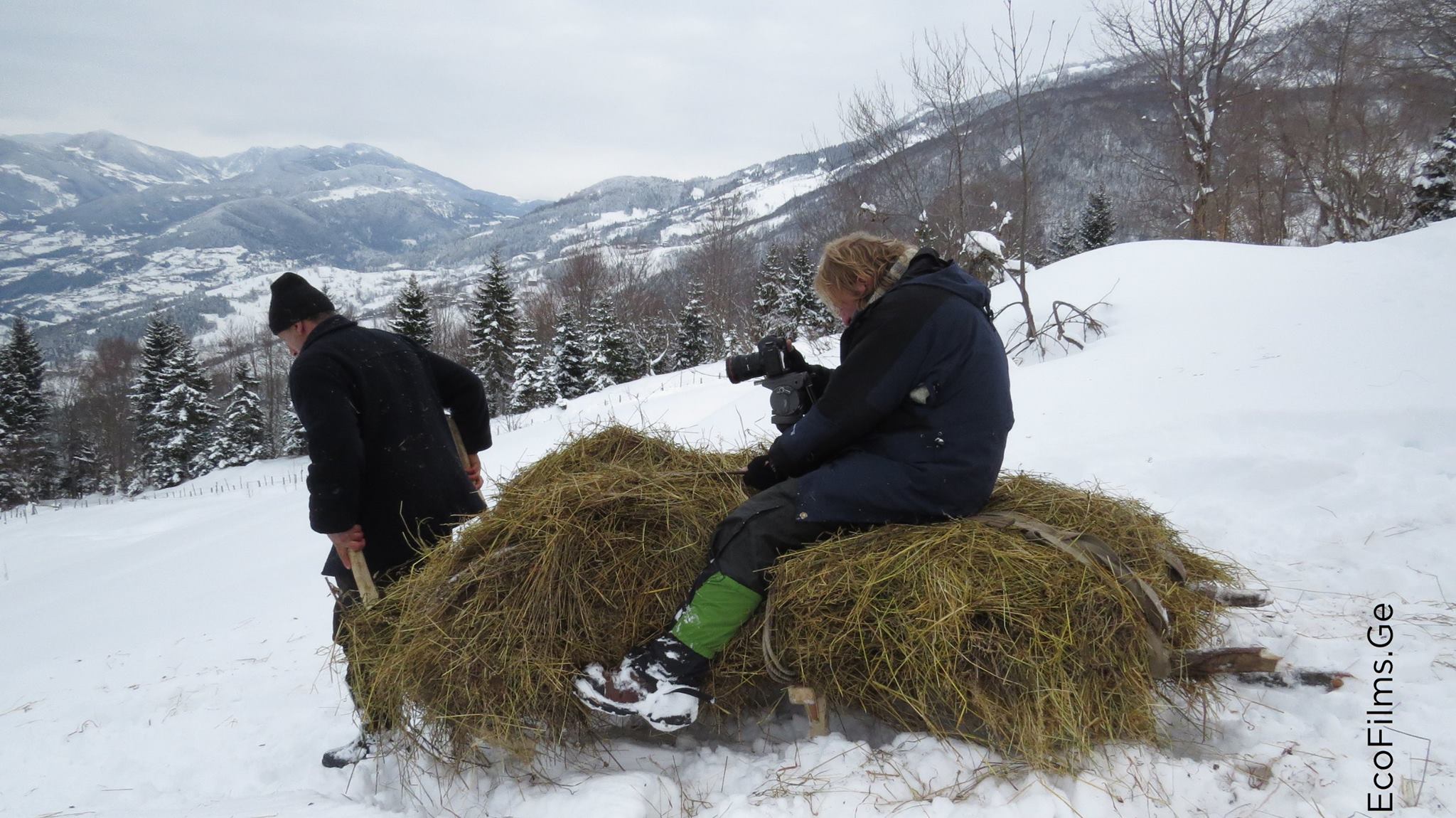
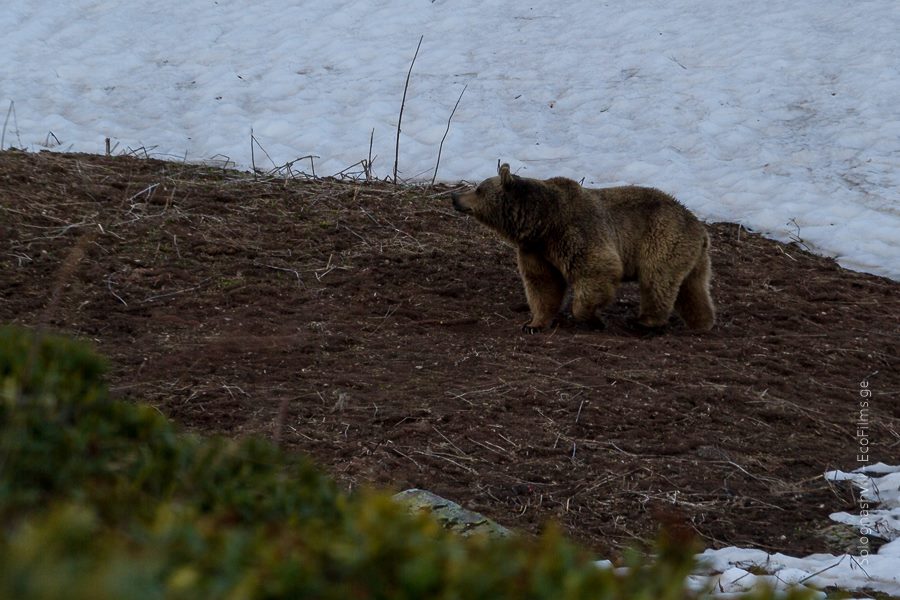
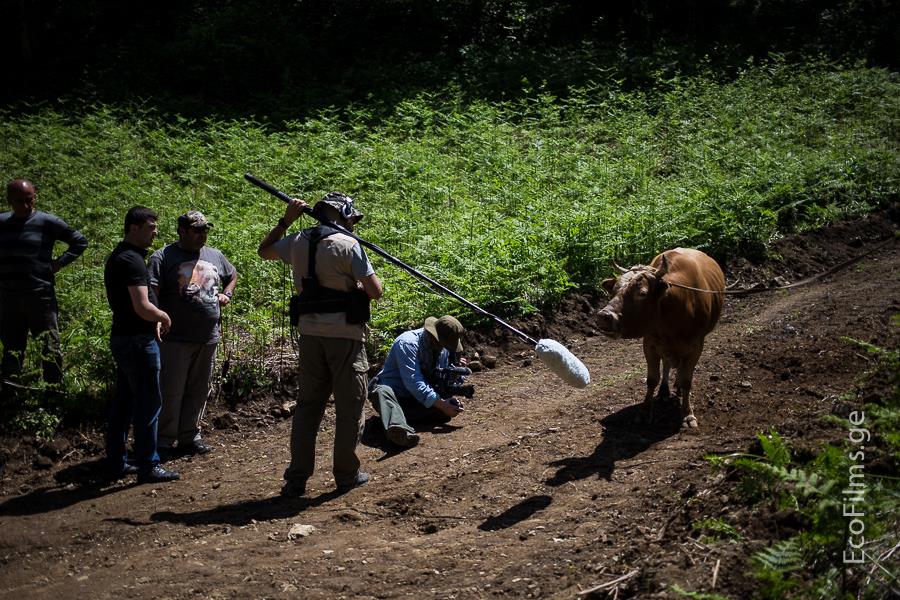
The promotion of Ajara as a world class ecological hotspot and eco-tourism destination is soon set for a massive boost. Filming on the ALCP facilitated Eco Films production ‘Jara’, a 52 minutes, a half-wildlife, half-human story observational documentary about mountains of one specific region of Republic of Georgia – Ajara, is nearly complete and the production to bring together the material is now ongoing. The film has brought together various conservation stakeholders World Wildlife Fund Georgia, Caucasus Nature Fund, Eco Tours Georgia, Environmental Association Psovi, to produce what will be a stunning showcase of the beauty, nature and unique livelihoods of the rural inhabitants of Ajara.
The programme has already worked with EcoTours Ltd on developing Ajara as a destination for rural tourism based on nature and people. View their promotional video here and visit their website where they offer tailor-made tours to help you unlock the beauty of the region.
Source of Photos: Jara Documentary Film