From the ISET Economist news (http://www.iset.ge/news/?s=survival&lang=en)
By Nino Mosiashvili
The conclusion of the Association Agreement (AA) with the European Union was euphorically acclaimed by Georgian media as well as political and economic decision makers. Part of the AA is the Deep and Comprehensive Free Trade Agreement (DCFTA). The DCFTA is intended to liberalize trade between Georgia and the EU by lowering tariffs and reducing non-tariff barriers. For agriculture, the most relevant changes relate to food safety (bacterial contaminants, pesticides, inspection, and labeling) as well as animal and plant health (phytosanitation). For the manufacturing sector, the removal of so-called “technical barriers to trade” is similarly important, with the goal being to prevent the usage of technical standards as a means to protect domestic markets from foreign competition. “If regulations are set arbitrarily, they could be used as an excuse for protectionism”, states the World Trade Organization on its homepage.

It is clear that all these agreements require unilateral adjustment of Georgian regulations to European standards. Georgia is economically too small to impose its preferences on Europe. This is stated quite frankly in the AA, when it says that it aims to “support the efforts of Georgia to develop its economic potential via international cooperation, also through the approximation of its legislation to that of the European Union”.
Whether these unilateral adjustments are beneficial for Georgia is not generally clear. European regulations do not necessarily reflect “best international practice”. In democracies, laws and regulations come about through the lobbying efforts of political interest groups much more than through rational planning. In the future, internal political decisions made in the European Union will be relevant for Georgia much more than they were previously, and it will be more difficult to pursue policies tailored to the specific situation of Georgia.
Yet Georgia hopes that the convergence to European standards will make it easier for Georgian firms to access the European market. Most critical in this respect is Georgian agriculture, as it is the sector employing the bulk of the Georgian labor force, while it is at the same time dramatically lagging behind European productivity levels. In 2013, Georgia’s agriculture accounted for only 9.3% of the Georgian gross domestic product but employed about half of the labor force. Thus, one of the benchmarks for evaluating the usefulness of the DCFTA will be its impact on Georgian agriculture.
THROWN INTO THE WATER – WILL IT SWIM?
The impacts of the DCFTA for Georgia were assessed in a report with the lengthy title Trade Sustainability Impact Assessment in support of negotiations of a DCFTA between the EU and Georgia and the Republic of Moldova. It was written by a consortium consisting of the Dutch consulting company Ecorys and the The Center for Social and Economic Research (CASE), a Warsaw-based think tank. On a broad level, the report estimates that due to trade liberalization with the EU the national income of Georgia will increase by 291.9 million euro in the long run, corresponding to a GDP growth of 4.3%. This goes along with an increase in Georgian exports and imports by 12% and 7.5%, respectively, leading to an improvement of the Georgian trade balance. But what about agriculture?
According to the study, the DCFTA will have different effects on different agricultural products, and the overall picture is very ambivalent. The output of some product categories will increase, namely vegetable oils and fats (+6.7%), vegetables, fruits, nuts, and oilseeds(+3.4%), and animal products (+3.1%), while for many other products, the output is expected to shrink, e.g. livestock and meat products (-14.8%), other processed foods (-8.8%),beverages and tobacco (-4.0%), sugar (-2.4%), and other crops (-2.0%). The report attributes the increases to reductions of EU tariffs on Georgian exports and the decreases to the reduction of Georgian tariffs on goods imported from the EU. These numbers, if they say something about the true developments, suggest that parts of Georgia’s agricultural sector will get under severe pressure due to increased competition with European producers.
ECONOMIC DARWINISM
What are the implications for Georgian agricultural policy? Some of the producers will benefit from the integration into the European market, as they can stand the pressure and even expand in this highly competitive environment. Other producers are likely to run into essentially insoluble problems. One particularly beneficial category in this respect is vegetables, fruits, nuts, and oilseeds, because some of the products in that category (e.g. hazelnuts) are labor intensive and serve niche markets. This implies that more people can be employed in the production of these goods, making the transformation to a modern, efficient agriculture less painful, and it means that competition is lower and margins are higher. If policy recognizes these advantages, producers in that category might become “national champions”.
Currently, vegetables, fruits and nuts are in Georgia primarily produced by small and medium sized farmers. Due to lack of greenhouses the production is seasonal. Yet farms can be consolidated and technical equipment can be upgraded. In the end, it will be relevant that Georgia has fundamental advantages in the production of goods in that category, namely clean soils, little usage of chemicals, a relatively large amount of available land for cultivation, and a long tradition in vegetable and fruit production.
Moreover, about half of Georgia’s current export of vegetables, fruits, and nuts already goes to the EU, which means that Georgian producers already have “a foot in the door”. Currently, the exports almost entirely consist of hazelnuts (there are no tariffs, as hazelnuts are already covered by the GSP+ regime, and hazelnuts easily satisfy sanitary and phyto-sanitary standards). Thus, while the DCFTA may not change Georgia’s hazelnuts export to the EU significantly, there may be other niche products in this category, like berries and other kinds of nuts, which may benefit from the DCFTA, for example through adjustments of Georgian regulations regarding product packaging.
It will be important that policy will subscribe to what one might call “Economic Darwinism” – do not try to keep those producers alive that are incapable of surviving, but instead create good circumstances for those that have a future in Georgia.
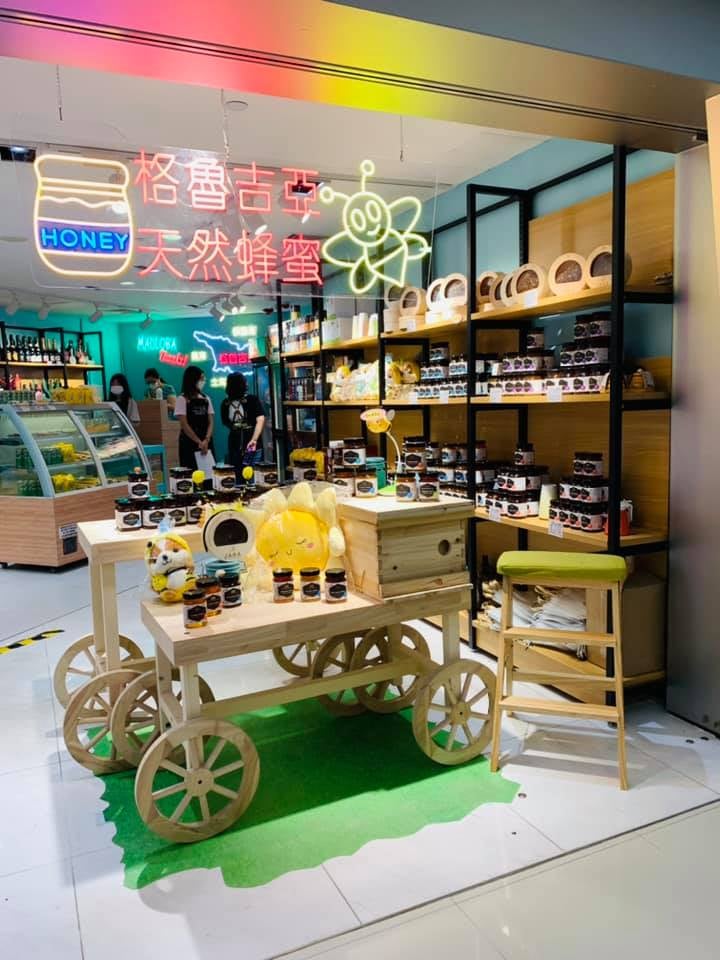
Georgian Honey under Nena brand has successfully entered the Hong Kong market with a repeat order received soon after the first one. Hong Kong is the new market for Nena honey following USA, Canada, Japan and UAE.
Three Georgian honey producers received Silver Quality Award in the quality category at the London International Honey Awards. These companies were supported by the Embassy of Georgia to the UK and the Georgian Beekeepers Union (GBU) to participate in this prestigious competition in London for the first time among 290 honeys from 20 countries.
The purpose of the LONDON HONEY AWARDScompetitions is to inform honey-growers, honey producers, beekeepers, processors, and retailers, who distribute their standardized products legally, to preserve and to ameliorate the quality of their branded product by promoting high-quality honey products in every aspect of the spectrum of its use and consumption.
The awarded Georgian honey producers are Nena Chestnut Honey / KTW, Nena Jara Bio Honey / KTW, Ninotsminda Honey (Alpine) / Cooperative KODY and Chestnut Honey / Rukhi Queen
You can see here the post of the embassy on Facebook.

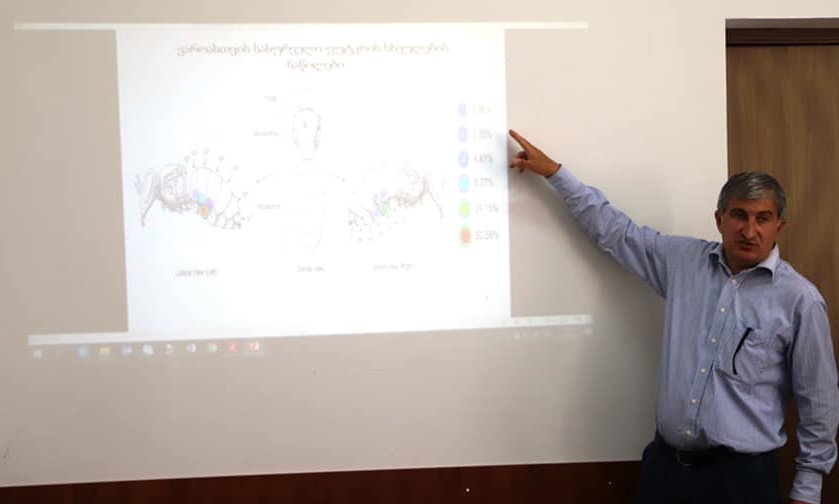
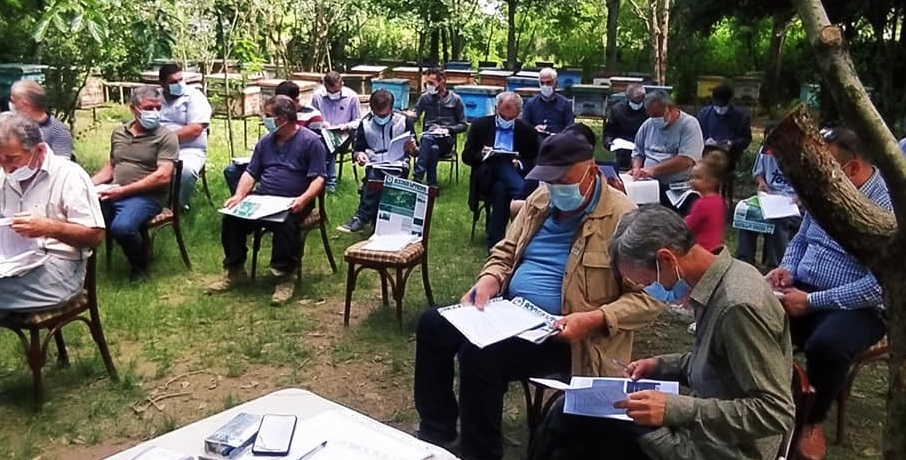
On May 27th-28th, more than two thousand beekeepers in all regions of Georgia attended a training on bee treatment practices as a response to the massive bee colonies collapse this year. The Georgian Beekeepers Union (GBU) initiated and advocated the first nationwide trainings with the Rural Development Agency (RDA) based on the online research data gathered. The GBU developed a trainer’s handbook and Varroa Treatment guideline, which was translated and available for Azerbaijani and Armenian beekeepers; and delivered a Training of Trainers for eighty-five beekeepers.
‘Beekeepers received important information about new methodology how to treat Varroa. This was the first training organized in coordination with the GBU, which is the main actor in the beekeeping sector and our collaboration will continue.’ – Lasha Shalamberidze, the Head of the Regional Relations Department at the RDA.
‘I think, a key outcome of these trainings is that our Union expanded its team across Georgia. We now have the representatives in each municipality and we will continue teaching and delivering important information to the beekeepers.’ – Aleko Papava, the Head of the GBU.
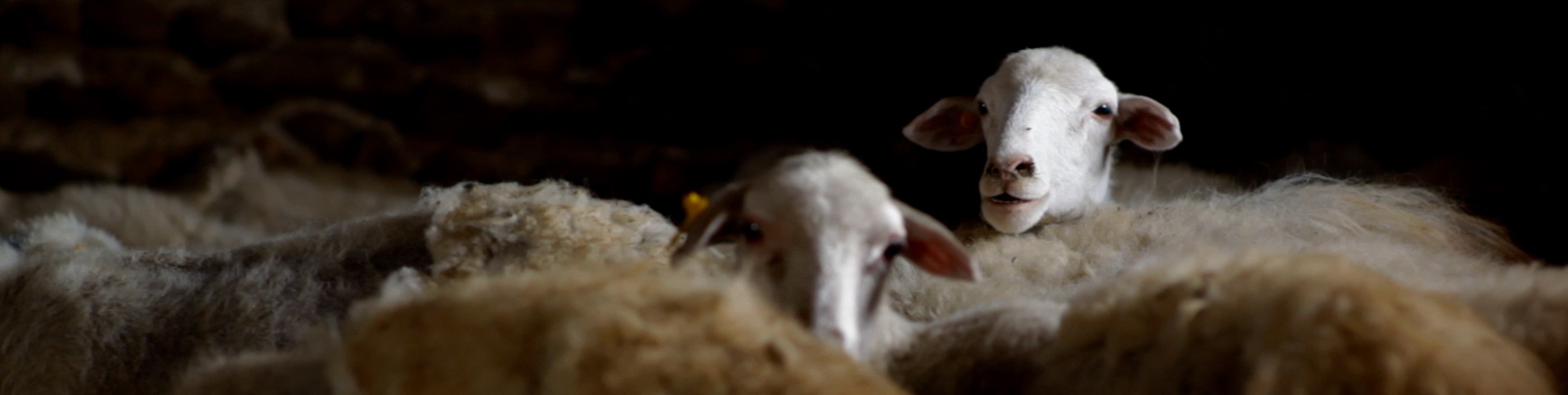
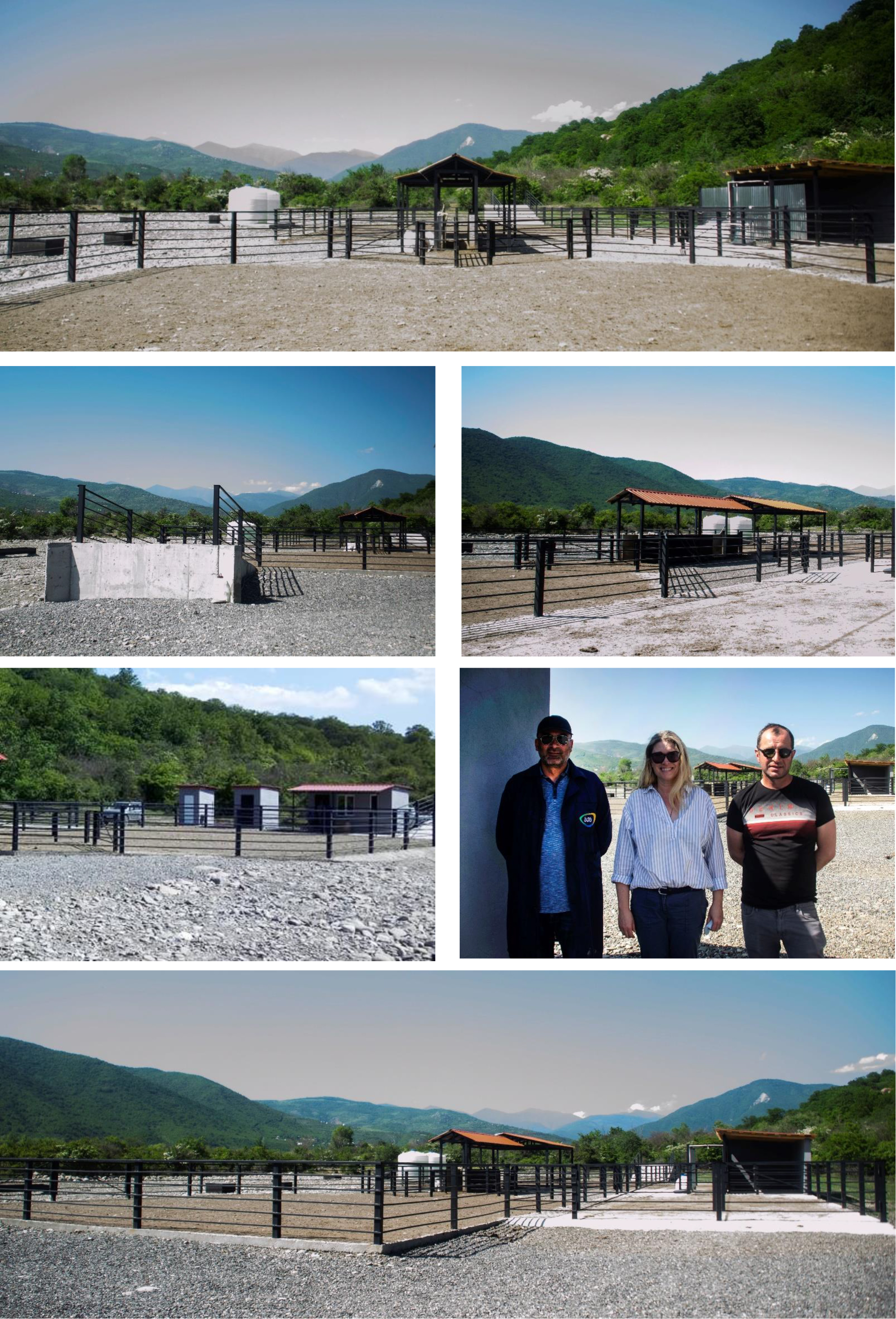
A seventh Veterinary Surveillance Point (VSP) of the National Food Agency (NFA) opened recently in Dusheti municipality to serve nomadic farmers migrating on the north part of the Animal Movement Route of Georgia. This is the first and the only VSP in Mtskheta-Mtianeti region, where disinfection of sheep and cattle against ecto-parasites is provided by the State. Up to 100,000 head of sheep will be dipped there during every transhumance season, free of charge.
The point was constructed by the NFA following the petition of shepherds from the region at the ALCP’s 11th Advisory Committee meeting and was approved by the Minister of Environmental Protection & Agriculture – Levan Davitashvili in March 2019, based on the positive benefits of the existing points.
In 2015 the VSP model was created by the ALCP commissioned British livestock expert Edward Hamer and an MOU was signed between the Ministry of Agriculture, the NFA and the ALCP to construct six VSPs, two of them were financed by the programme and four by the State. In 2016-2018 all six points were finalized and opened. This year additional water points were also opened on the route. The VSP’s record and monitor the nomadic sheep and cattle population and underpin Georgia’s credibility in livestock export markets.
As Dick Whittington found out the London streets are not literally paved with gold. However four Georgian honey companies are participating in a celebration of the liquid kind. The London International Honey Awards held from May 30-31st, have two main award categories: quality and design, and feature honeys from all over the world, from Canada to the Mediterranean to New Zealand and everything in between. Competition is fierce. The four Georgian honey companies, Nena, Rukhi Queen, Honey and Irinola Company and Cooperative Kodi, were supported to participate by the Embassy of Georgia to the UK and the Georgian Beekeepers Union (GBU).

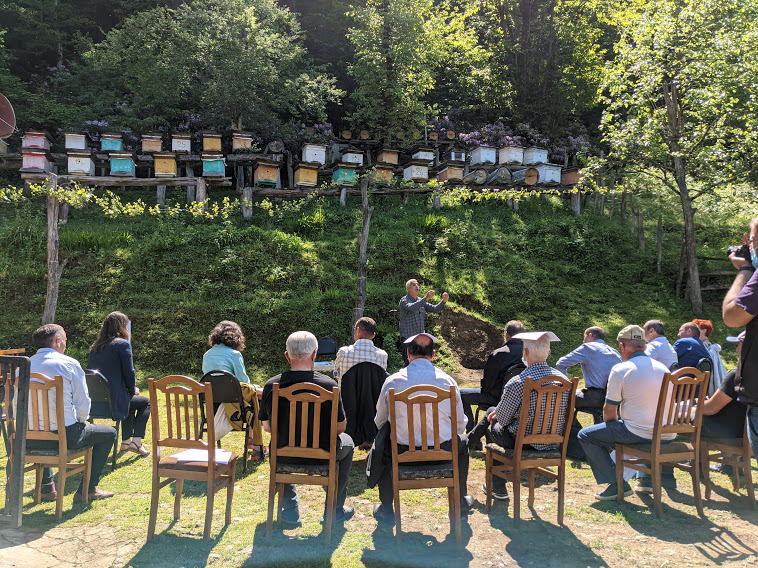
On May 18th-19th, twelve VET college representatives from seven regions of Georgia attended a Training of Trainers in Jara Honey Production hosted by the Georgian Beekeepers Union (GBU) and the Jara Beekeepers Association (JBA) in Keda, Medzibna Village.
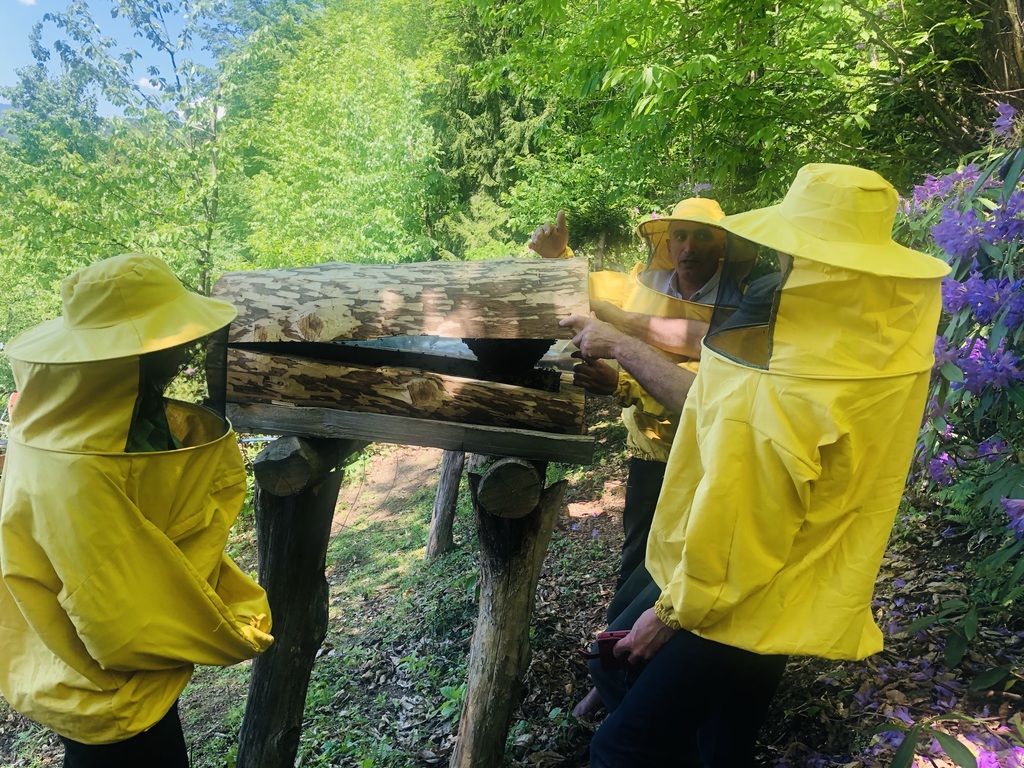
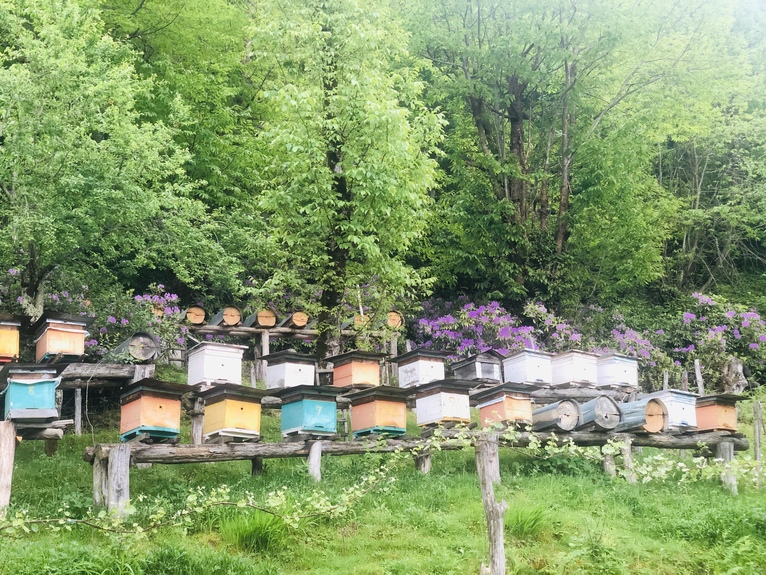
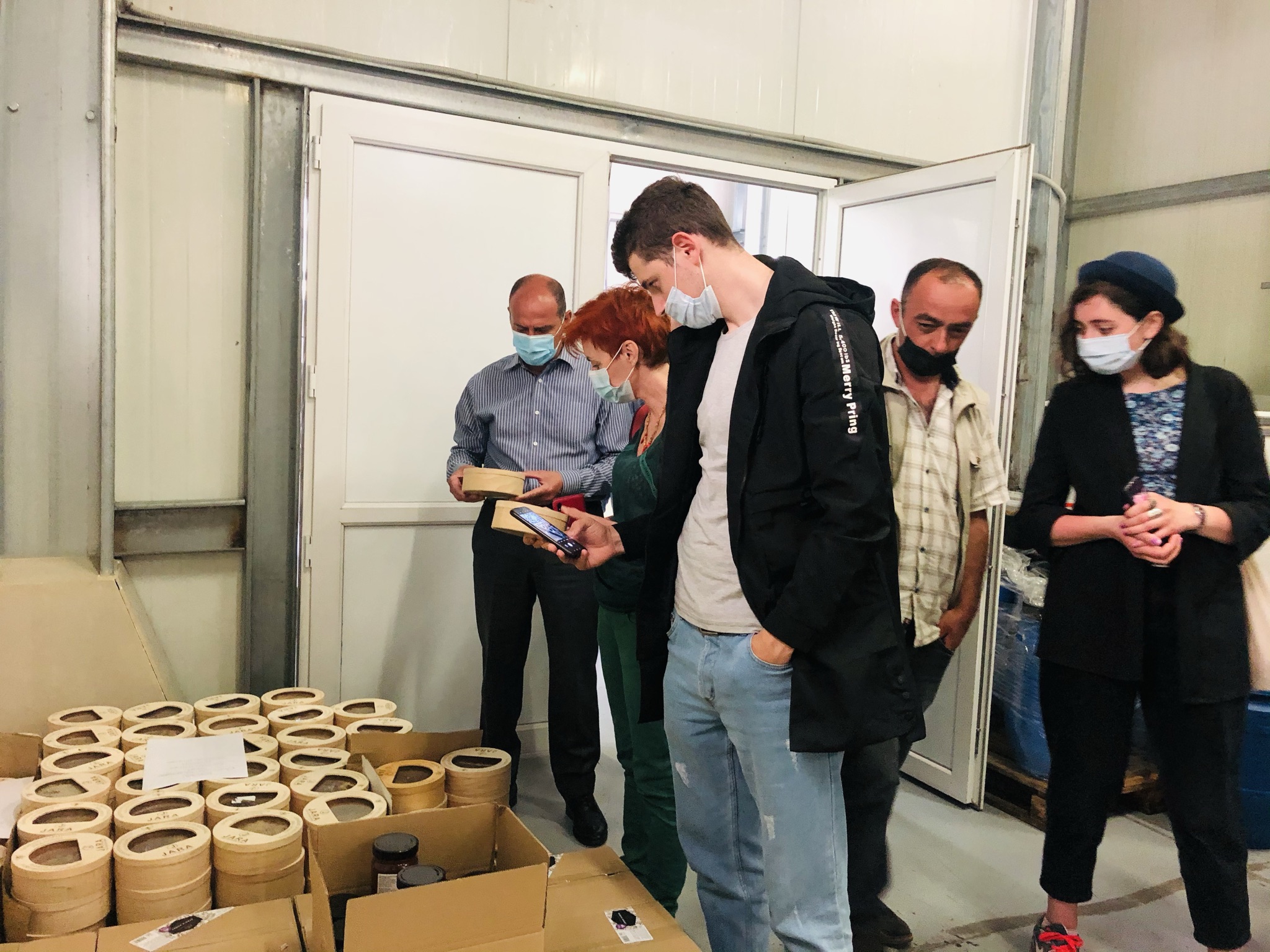
The trainees learnt how to teach beekeeping students Jara honey production and how to obtain Bio certification. They also visited a Bio certified Jara apiary and the Agro-Keda factory to see the process of Jara honey processing and packaging.
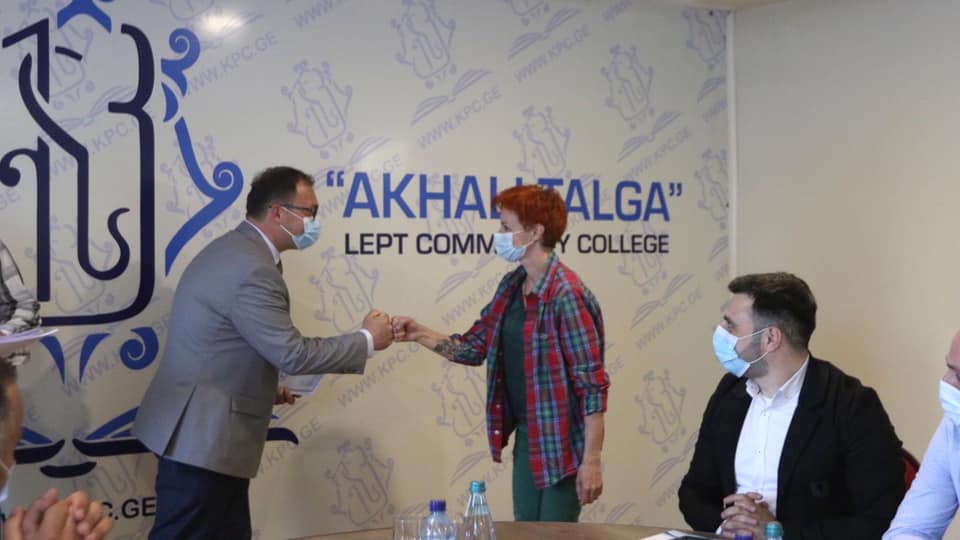
Akhali Talga VET College in Kobuleti and Khulo, who have already integrated the Jara teaching materials into their one-year beekeeping programme since October 2020, also shared their experience of including and teaching Jara production.
‘I am happy to attend this training, as I learned a lot. I am ready to teach Jara beekeeping to my students, because it will make our beekeeping programme even more interesting.’ – Ilia Khazarishvili, a lecturer at the Public College Aisi, Kakheti.
‘I am glad that all of the colleges now acknowledge that Jara teaching is an essential part of Georgian beekeeping programmes. During these two days they heard about a wide range of Jara topics, for example, Bio certification, which was impressive for them. Now they are convinced that Jara teaching has a future and this will help them to attract more students to beekeeping. They also saw the demand from businesses after visiting two Jara honey processing entities.’ - Aleko Papava, the Head of the GBU.
The National Center for Educational Quality Enhancement and sectoral skills organization Agro Duo are supporting Jara teaching integration in the VET colleges.
On June 1st, the GBU is organizing an online event Highlights So Far: Jara in VET, which is bringing together VET colleges, specialists, agro journalists, donors, and public officials to further promote Jara teaching in VET colleges and share reflections on the training.