From the ISET Economist news (http://www.iset.ge/news/?s=survival&lang=en)
By Nino Mosiashvili
The conclusion of the Association Agreement (AA) with the European Union was euphorically acclaimed by Georgian media as well as political and economic decision makers. Part of the AA is the Deep and Comprehensive Free Trade Agreement (DCFTA). The DCFTA is intended to liberalize trade between Georgia and the EU by lowering tariffs and reducing non-tariff barriers. For agriculture, the most relevant changes relate to food safety (bacterial contaminants, pesticides, inspection, and labeling) as well as animal and plant health (phytosanitation). For the manufacturing sector, the removal of so-called “technical barriers to trade” is similarly important, with the goal being to prevent the usage of technical standards as a means to protect domestic markets from foreign competition. “If regulations are set arbitrarily, they could be used as an excuse for protectionism”, states the World Trade Organization on its homepage.

It is clear that all these agreements require unilateral adjustment of Georgian regulations to European standards. Georgia is economically too small to impose its preferences on Europe. This is stated quite frankly in the AA, when it says that it aims to “support the efforts of Georgia to develop its economic potential via international cooperation, also through the approximation of its legislation to that of the European Union”.
Whether these unilateral adjustments are beneficial for Georgia is not generally clear. European regulations do not necessarily reflect “best international practice”. In democracies, laws and regulations come about through the lobbying efforts of political interest groups much more than through rational planning. In the future, internal political decisions made in the European Union will be relevant for Georgia much more than they were previously, and it will be more difficult to pursue policies tailored to the specific situation of Georgia.
Yet Georgia hopes that the convergence to European standards will make it easier for Georgian firms to access the European market. Most critical in this respect is Georgian agriculture, as it is the sector employing the bulk of the Georgian labor force, while it is at the same time dramatically lagging behind European productivity levels. In 2013, Georgia’s agriculture accounted for only 9.3% of the Georgian gross domestic product but employed about half of the labor force. Thus, one of the benchmarks for evaluating the usefulness of the DCFTA will be its impact on Georgian agriculture.
THROWN INTO THE WATER – WILL IT SWIM?
The impacts of the DCFTA for Georgia were assessed in a report with the lengthy title Trade Sustainability Impact Assessment in support of negotiations of a DCFTA between the EU and Georgia and the Republic of Moldova. It was written by a consortium consisting of the Dutch consulting company Ecorys and the The Center for Social and Economic Research (CASE), a Warsaw-based think tank. On a broad level, the report estimates that due to trade liberalization with the EU the national income of Georgia will increase by 291.9 million euro in the long run, corresponding to a GDP growth of 4.3%. This goes along with an increase in Georgian exports and imports by 12% and 7.5%, respectively, leading to an improvement of the Georgian trade balance. But what about agriculture?
According to the study, the DCFTA will have different effects on different agricultural products, and the overall picture is very ambivalent. The output of some product categories will increase, namely vegetable oils and fats (+6.7%), vegetables, fruits, nuts, and oilseeds(+3.4%), and animal products (+3.1%), while for many other products, the output is expected to shrink, e.g. livestock and meat products (-14.8%), other processed foods (-8.8%),beverages and tobacco (-4.0%), sugar (-2.4%), and other crops (-2.0%). The report attributes the increases to reductions of EU tariffs on Georgian exports and the decreases to the reduction of Georgian tariffs on goods imported from the EU. These numbers, if they say something about the true developments, suggest that parts of Georgia’s agricultural sector will get under severe pressure due to increased competition with European producers.
ECONOMIC DARWINISM
What are the implications for Georgian agricultural policy? Some of the producers will benefit from the integration into the European market, as they can stand the pressure and even expand in this highly competitive environment. Other producers are likely to run into essentially insoluble problems. One particularly beneficial category in this respect is vegetables, fruits, nuts, and oilseeds, because some of the products in that category (e.g. hazelnuts) are labor intensive and serve niche markets. This implies that more people can be employed in the production of these goods, making the transformation to a modern, efficient agriculture less painful, and it means that competition is lower and margins are higher. If policy recognizes these advantages, producers in that category might become “national champions”.
Currently, vegetables, fruits and nuts are in Georgia primarily produced by small and medium sized farmers. Due to lack of greenhouses the production is seasonal. Yet farms can be consolidated and technical equipment can be upgraded. In the end, it will be relevant that Georgia has fundamental advantages in the production of goods in that category, namely clean soils, little usage of chemicals, a relatively large amount of available land for cultivation, and a long tradition in vegetable and fruit production.
Moreover, about half of Georgia’s current export of vegetables, fruits, and nuts already goes to the EU, which means that Georgian producers already have “a foot in the door”. Currently, the exports almost entirely consist of hazelnuts (there are no tariffs, as hazelnuts are already covered by the GSP+ regime, and hazelnuts easily satisfy sanitary and phyto-sanitary standards). Thus, while the DCFTA may not change Georgia’s hazelnuts export to the EU significantly, there may be other niche products in this category, like berries and other kinds of nuts, which may benefit from the DCFTA, for example through adjustments of Georgian regulations regarding product packaging.
It will be important that policy will subscribe to what one might call “Economic Darwinism” – do not try to keep those producers alive that are incapable of surviving, but instead create good circumstances for those that have a future in Georgia.
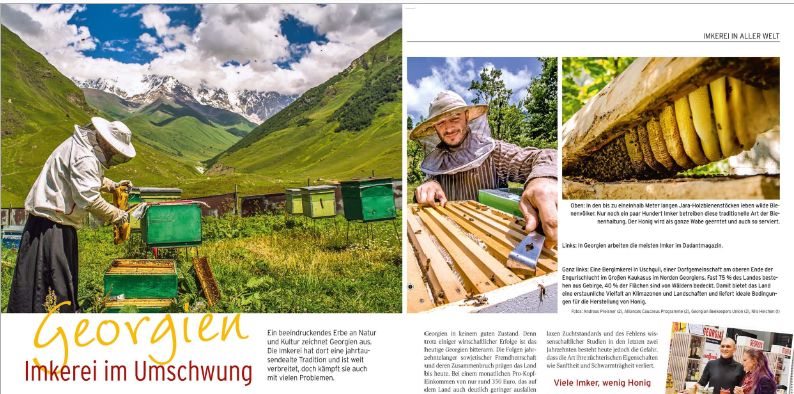
A German beekeeping magazine Deutsches Bienen-Journal with circulation of 52,000 copies a month published a comprehensive article on beekeeping in Georgia and its history, local bee breed Mountain Grey Caucasian Honey Bee (Apis mellifera caucasica) and Jara honey a special mention of the project’s work.
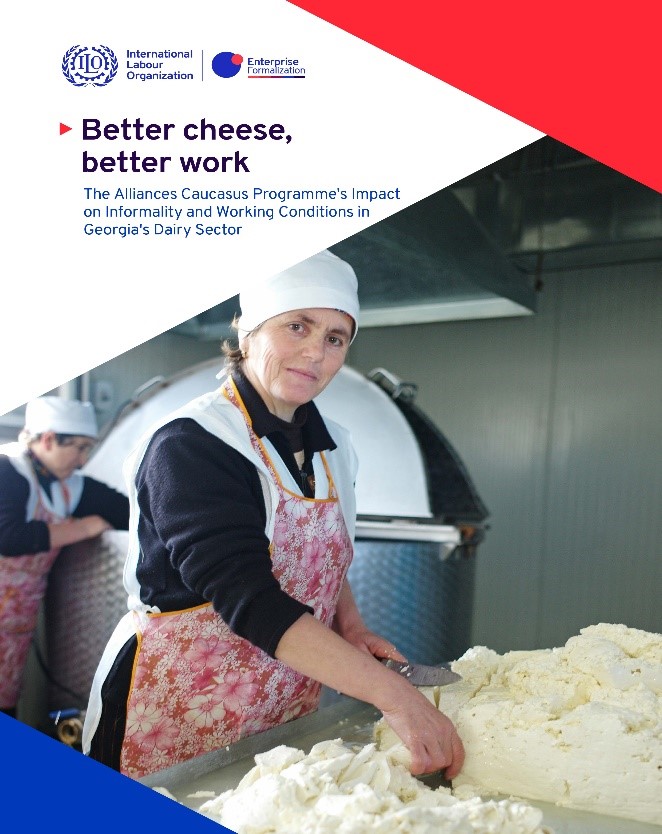
The International Labor Organization’s (ILO) Better Cheese, better work: The Alliances Caucasus Programme’s Impact on Informality and Working Conditions in Georgia’s Dairy Sector which explores formalization within the dairy value chain in Georgia stemming from ALCP market systems interventions, is now available on the ALCP website.
The ILO and ALCP worked together from summer 2019 to bring this research to completion. There are several reasons for the timeliness and importance of this report; chief amongst them is the ever present need for lessons learnt from MSD programmes, which can be applied in others, secondly the need to demonstrate the efficacy of the approach with a detailed account of systemic change and thirdly the growing importance in development programming of evaluating the efficacy of the MSD approach to develop quality employment at scale.
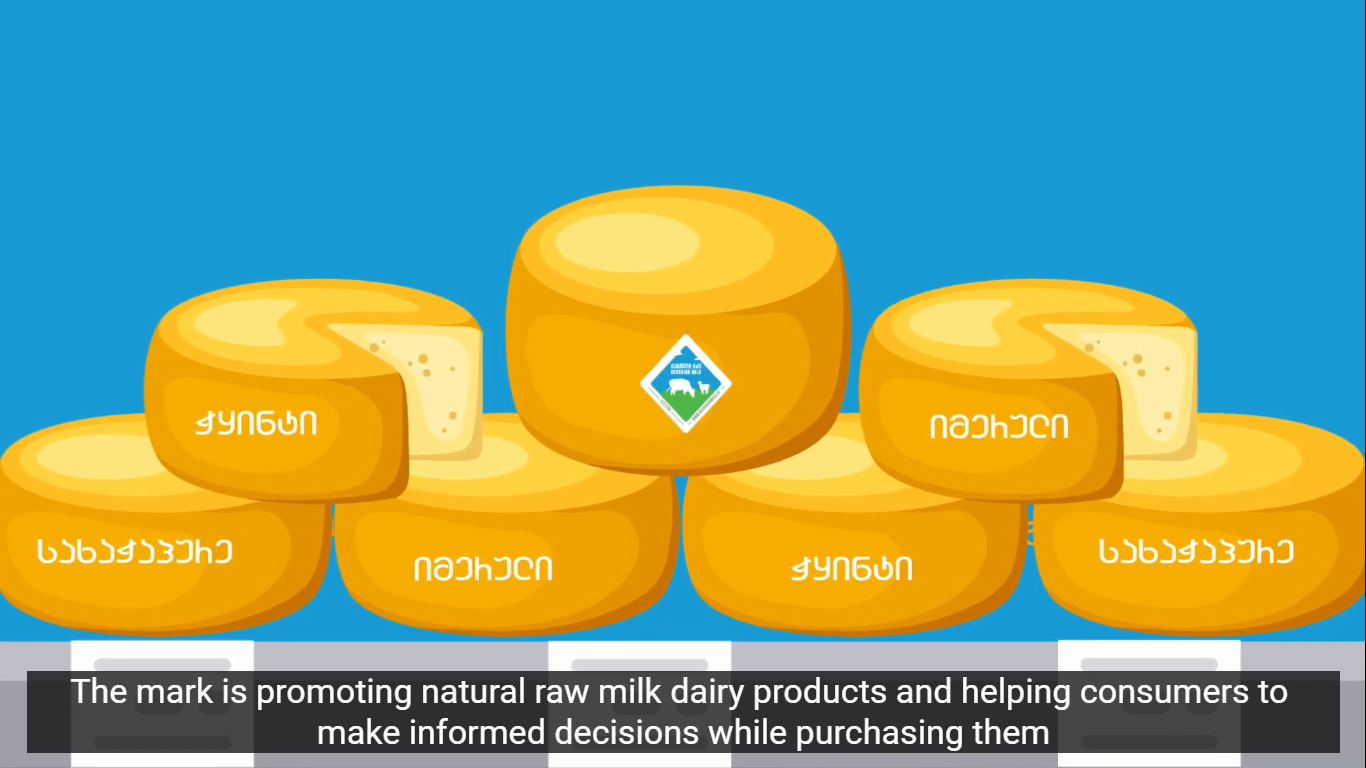
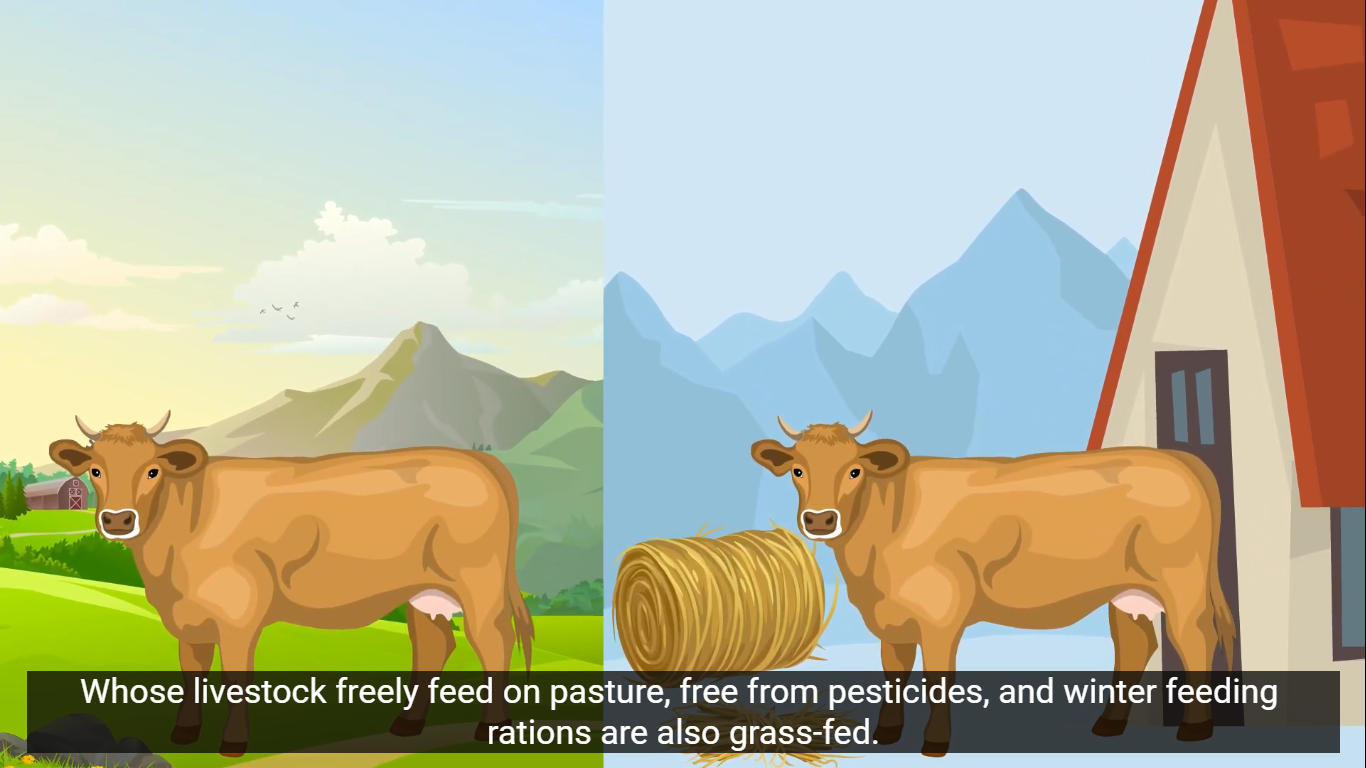
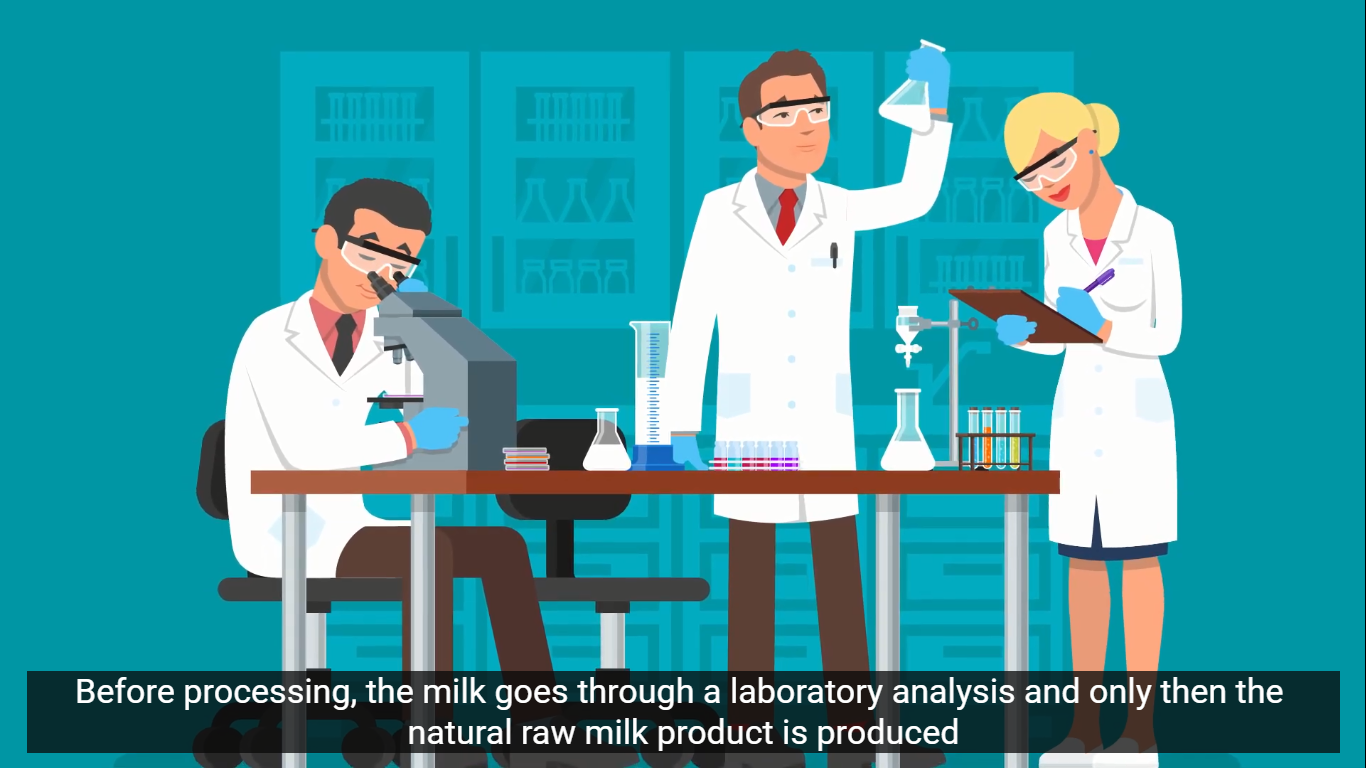
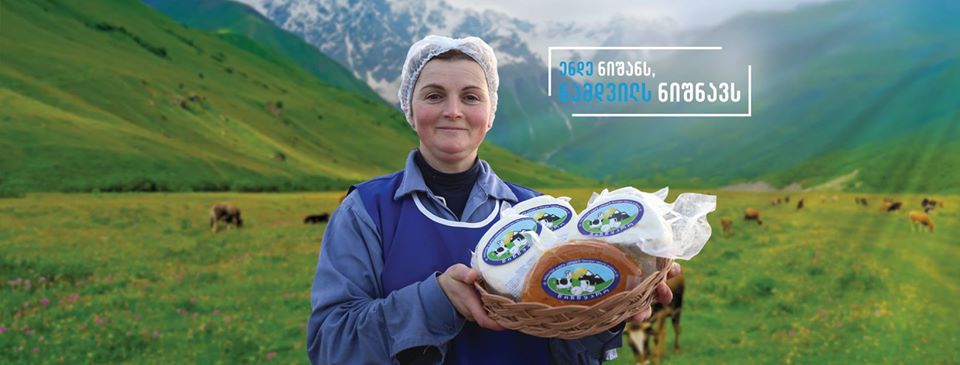
From the beginning of June, the two most popular national TV stations Imedi TV and TV Pirveli have been broadcasting the Georgian Milk Mark (GMM) animation video five times a day during prime time for free as a part of social advertising. Those televisions have national coverage reaching a high number of consumers.
There are now ten GMM dairy enterprises’ products available in fifteen supermarket chains across Georgia. Detailed information to be found on www.georgianmilk.ge.

On the May 20th, 4,400 beekeepers registered in the new GBU database received an SMS notification from the Georgian Beekeepers Union (GBU) on how to treat Varroa, the most common bee disease in Georgia.
The GBU will continue informing its members through phone Facebook. And their new official webpage is now online: www.geobeekeepers.ge.
Created in 2018, the GBU is an umbrella association uniting ten beekeeping associations and three commercial beekeeping companies.
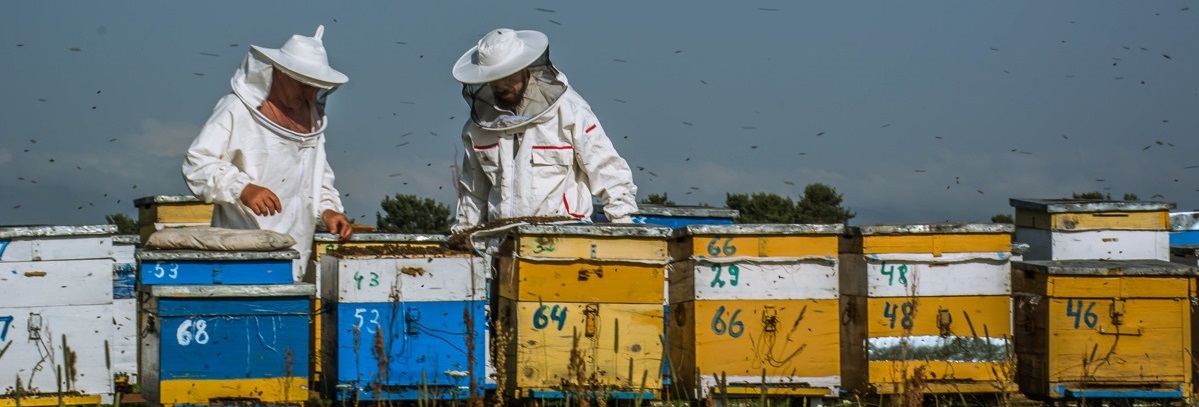
The Georgian Beekeepers Union (GBU) successfully advocated for permits to be issued for beekeepers allowing them to continue work during the curfew.
The Government of Georgia declared the nationwide curfew on March 30th, 2020 to restrict the spread of the COVID-19 virus, prohibiting any movement from 9:00 PM to 06:00 AM. This posed a serious problem for beekeepers who rely on transhumance predominantly at night.
In Georgia, bee transhumance allows for beekeepers to place hives at different altitudes to capture the flowering of different plants. Starting from late Spring, Georgian beekeepers start to move apiaries to get different types of honey including Acacia,Chestnut, Alpine, Linden. The transhumance of bees significantly increases their honey productivity.


On April 4th, the GBU sent an official letter to the Ministry of Environmental Protection and Agriculture of Georgia (MEPA) asking for the issuing of permission/passes for beekeepers including the guidance it developed for beekeepers during the Covid-19 outbreak.
‘We asked the Minister to mediate with the appropriate agencies to issue special permits, so that beekeepers may access their apiaries and work there, transport beekeeping apiaries for transhumance on pre-determined routes within the curfew conditions.’ – Avksenti Papava, the Director of the GBU.
Up to eight hundred beekeepers have already used permits, who are now able to visit apiaries and carry out vital seasonal treatment and maintenance. Bees are transported at night where possible, because they do not leave a hive during night, which the permit makes possible.
‘I have my apiaries located in the different regions for getting various types of honey. I was very happy to hear about special permit for beekeepers, as it is very active season in beekeeping. I am able to freely move to the locations and do not worry about time limitations’ – Kakhaber Zirakasvili, a beekeeper.
Guidance and contact information on getting permits and the Covid-19 recommendations have been shared by the GBU on its facebook page.
The Georgian Beekeepers Union (www.geobeekeepers.ge) is an umbrella association uniting ten beekeeping associations and three commercial beekeeping companies with more than four thousand Georgian beekeepers. It was established to represent their interests and to promote the health and development of the honey sector in Georgia with the facilitation of the Swiss Agency for Development and Cooperation (SDC) project the Mercy Corps Georgia implemented Alliances Caucasus Programme (ALCP).
In the midst of anxiety under the COVID-19, some people rise to the occasion when faced with adversity and it is uplifting to hear stories about them. As for many others it has been difficult times for the client businesses of the programme, but they have continued to help people most affected by the current crisis over the past two weeks.
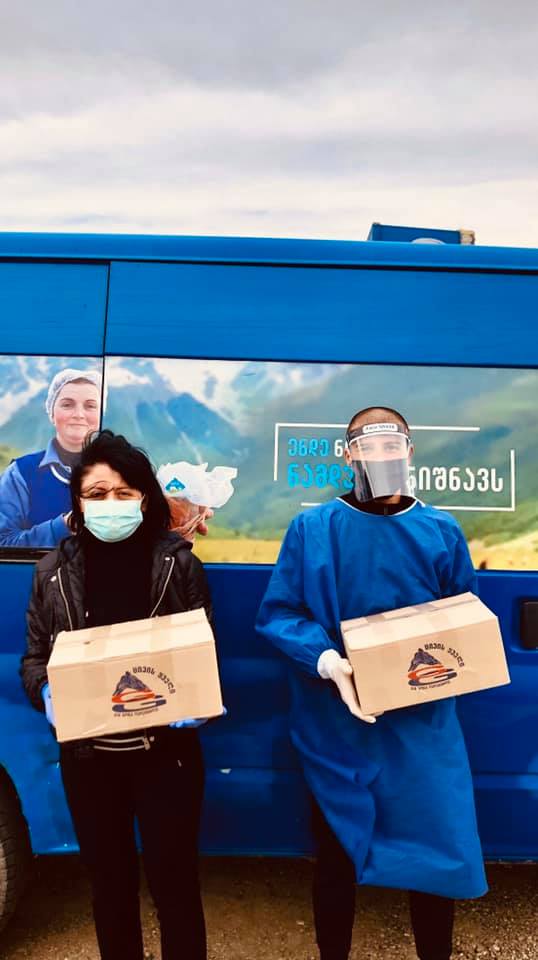
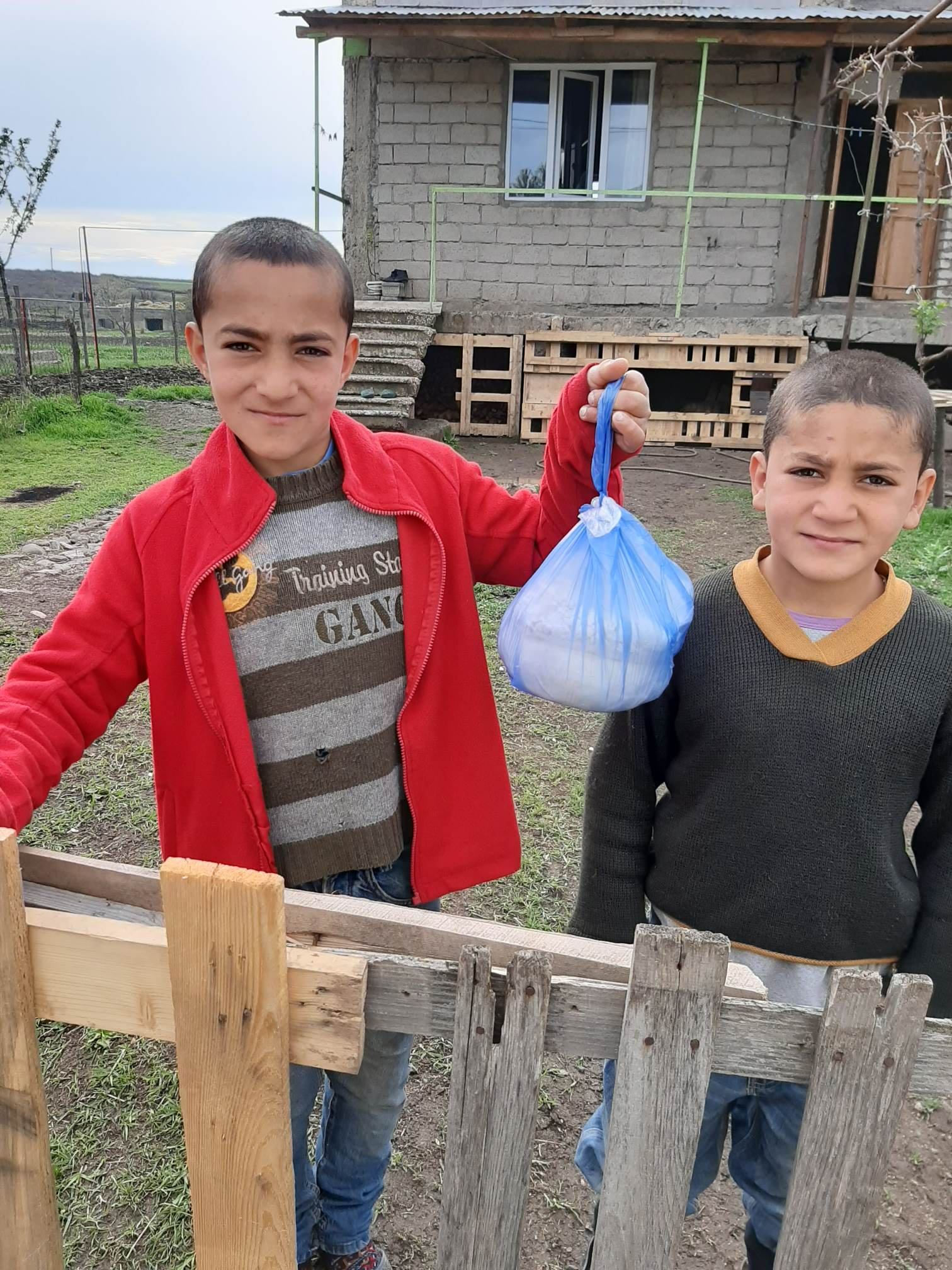
Ten dairy enterprises with the Georgian Milk Mark www.georgianmilk.ge provided cheese for the medical staff of hospitals in the frontline of battling the virus as well as people under quarantine and locals in the lockdown areas in the different regions of Georgia, who have limited access to the markets.
‘It is now important to show support to each other. I was very happy to see reactions from people, who were very surprised and thankful. I think those GMM enterprises set very good example for others.’ – A GMM cheese distributor.
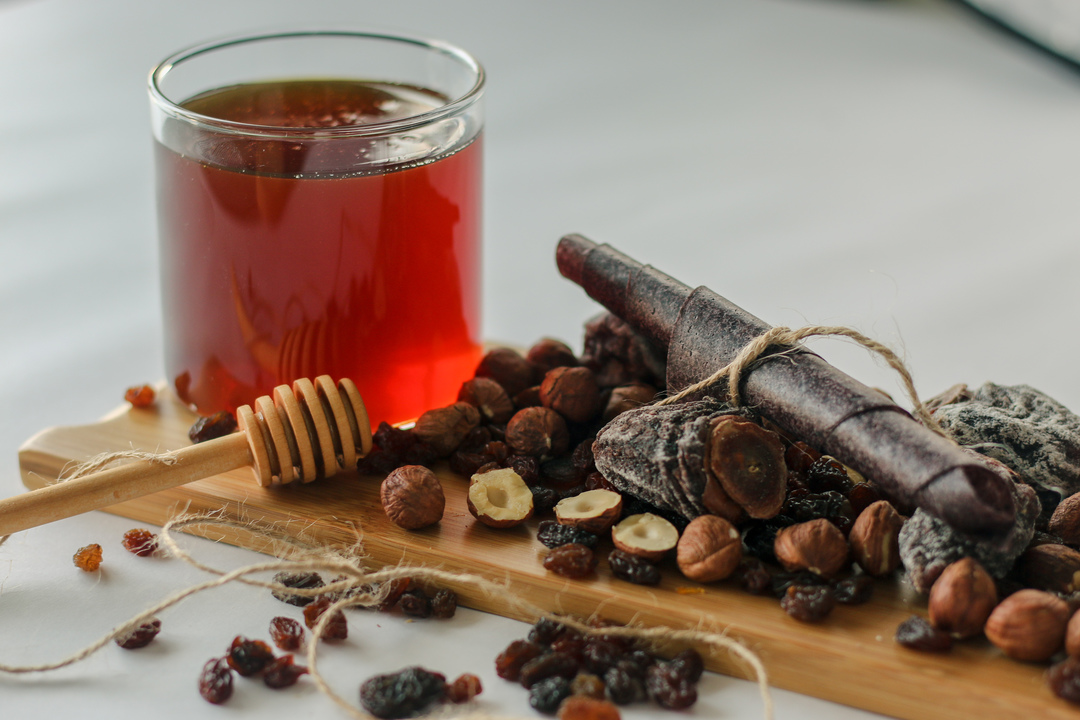
The Georgian Beekeepers Union (www.geobeekeepers.ge), uniting ten beekeeping associations and three commercial beekeeping companies supplied 1.2 tonnes of honey for further distribution among medical staff and vulnerable groups.
The Kakhetian Traditional Winemaking group’s (programme facilitated honey aggregator and exporter company) forty-one rooms hotel-complex is being used as a quarantine zone, the company also supplied food to locals over seventy in two regions of Georgia within a social project ‘Care for Each Other’ initiated after the virus outbreak and is now offering online sales and a free home delivery of its products (wine, compotes, jams, including, honey); the company’s webpage Old Kakheti went online to improve online sales.
These are a few examples and continuation of the kindness acts that started a month ago.