From the ISET Economist news (http://www.iset.ge/news/?s=survival&lang=en)
By Nino Mosiashvili
The conclusion of the Association Agreement (AA) with the European Union was euphorically acclaimed by Georgian media as well as political and economic decision makers. Part of the AA is the Deep and Comprehensive Free Trade Agreement (DCFTA). The DCFTA is intended to liberalize trade between Georgia and the EU by lowering tariffs and reducing non-tariff barriers. For agriculture, the most relevant changes relate to food safety (bacterial contaminants, pesticides, inspection, and labeling) as well as animal and plant health (phytosanitation). For the manufacturing sector, the removal of so-called “technical barriers to trade” is similarly important, with the goal being to prevent the usage of technical standards as a means to protect domestic markets from foreign competition. “If regulations are set arbitrarily, they could be used as an excuse for protectionism”, states the World Trade Organization on its homepage.

It is clear that all these agreements require unilateral adjustment of Georgian regulations to European standards. Georgia is economically too small to impose its preferences on Europe. This is stated quite frankly in the AA, when it says that it aims to “support the efforts of Georgia to develop its economic potential via international cooperation, also through the approximation of its legislation to that of the European Union”.
Whether these unilateral adjustments are beneficial for Georgia is not generally clear. European regulations do not necessarily reflect “best international practice”. In democracies, laws and regulations come about through the lobbying efforts of political interest groups much more than through rational planning. In the future, internal political decisions made in the European Union will be relevant for Georgia much more than they were previously, and it will be more difficult to pursue policies tailored to the specific situation of Georgia.
Yet Georgia hopes that the convergence to European standards will make it easier for Georgian firms to access the European market. Most critical in this respect is Georgian agriculture, as it is the sector employing the bulk of the Georgian labor force, while it is at the same time dramatically lagging behind European productivity levels. In 2013, Georgia’s agriculture accounted for only 9.3% of the Georgian gross domestic product but employed about half of the labor force. Thus, one of the benchmarks for evaluating the usefulness of the DCFTA will be its impact on Georgian agriculture.
THROWN INTO THE WATER – WILL IT SWIM?
The impacts of the DCFTA for Georgia were assessed in a report with the lengthy title Trade Sustainability Impact Assessment in support of negotiations of a DCFTA between the EU and Georgia and the Republic of Moldova. It was written by a consortium consisting of the Dutch consulting company Ecorys and the The Center for Social and Economic Research (CASE), a Warsaw-based think tank. On a broad level, the report estimates that due to trade liberalization with the EU the national income of Georgia will increase by 291.9 million euro in the long run, corresponding to a GDP growth of 4.3%. This goes along with an increase in Georgian exports and imports by 12% and 7.5%, respectively, leading to an improvement of the Georgian trade balance. But what about agriculture?
According to the study, the DCFTA will have different effects on different agricultural products, and the overall picture is very ambivalent. The output of some product categories will increase, namely vegetable oils and fats (+6.7%), vegetables, fruits, nuts, and oilseeds(+3.4%), and animal products (+3.1%), while for many other products, the output is expected to shrink, e.g. livestock and meat products (-14.8%), other processed foods (-8.8%),beverages and tobacco (-4.0%), sugar (-2.4%), and other crops (-2.0%). The report attributes the increases to reductions of EU tariffs on Georgian exports and the decreases to the reduction of Georgian tariffs on goods imported from the EU. These numbers, if they say something about the true developments, suggest that parts of Georgia’s agricultural sector will get under severe pressure due to increased competition with European producers.
ECONOMIC DARWINISM
What are the implications for Georgian agricultural policy? Some of the producers will benefit from the integration into the European market, as they can stand the pressure and even expand in this highly competitive environment. Other producers are likely to run into essentially insoluble problems. One particularly beneficial category in this respect is vegetables, fruits, nuts, and oilseeds, because some of the products in that category (e.g. hazelnuts) are labor intensive and serve niche markets. This implies that more people can be employed in the production of these goods, making the transformation to a modern, efficient agriculture less painful, and it means that competition is lower and margins are higher. If policy recognizes these advantages, producers in that category might become “national champions”.
Currently, vegetables, fruits and nuts are in Georgia primarily produced by small and medium sized farmers. Due to lack of greenhouses the production is seasonal. Yet farms can be consolidated and technical equipment can be upgraded. In the end, it will be relevant that Georgia has fundamental advantages in the production of goods in that category, namely clean soils, little usage of chemicals, a relatively large amount of available land for cultivation, and a long tradition in vegetable and fruit production.
Moreover, about half of Georgia’s current export of vegetables, fruits, and nuts already goes to the EU, which means that Georgian producers already have “a foot in the door”. Currently, the exports almost entirely consist of hazelnuts (there are no tariffs, as hazelnuts are already covered by the GSP+ regime, and hazelnuts easily satisfy sanitary and phyto-sanitary standards). Thus, while the DCFTA may not change Georgia’s hazelnuts export to the EU significantly, there may be other niche products in this category, like berries and other kinds of nuts, which may benefit from the DCFTA, for example through adjustments of Georgian regulations regarding product packaging.
It will be important that policy will subscribe to what one might call “Economic Darwinism” – do not try to keep those producers alive that are incapable of surviving, but instead create good circumstances for those that have a future in Georgia.
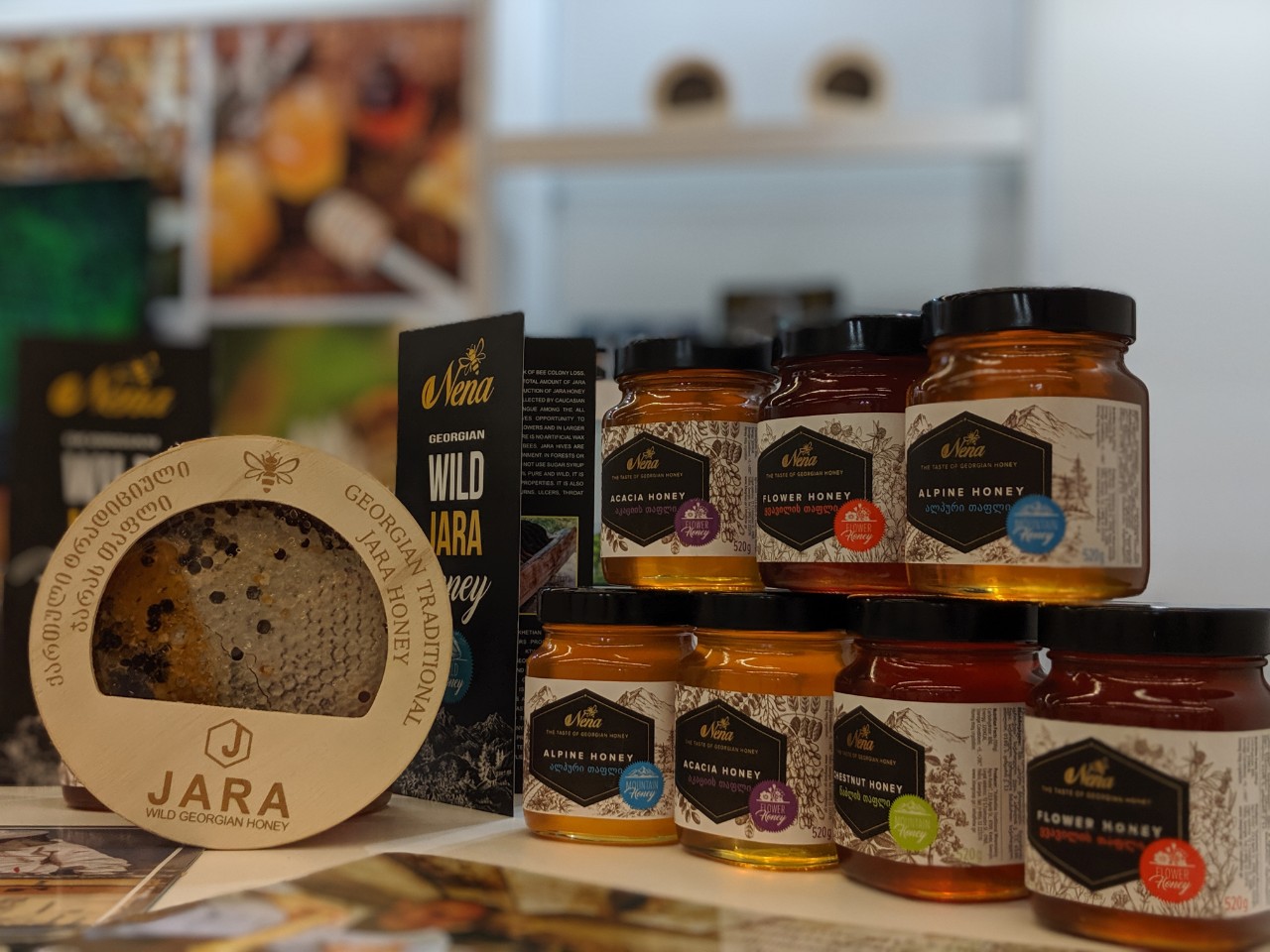
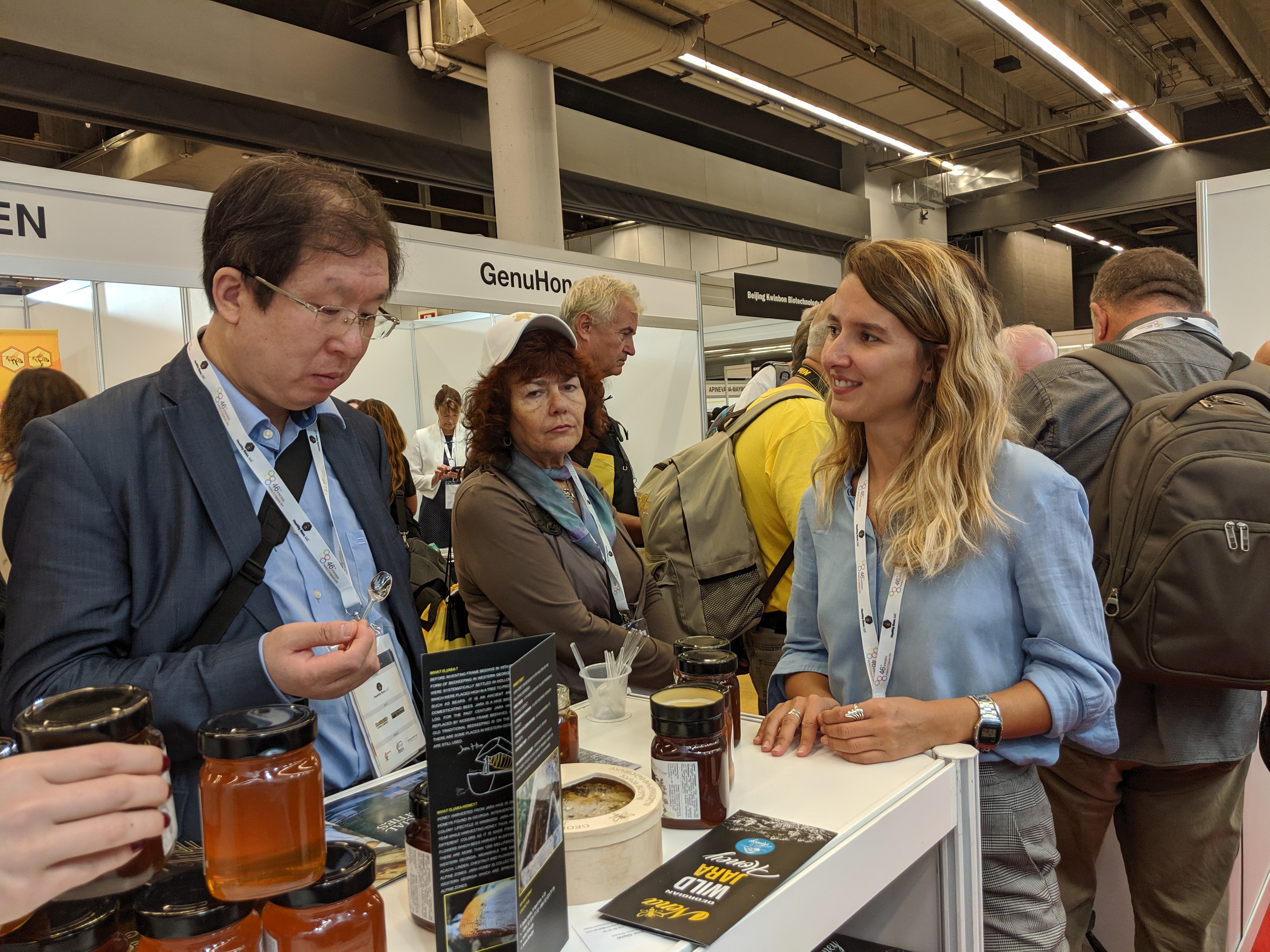
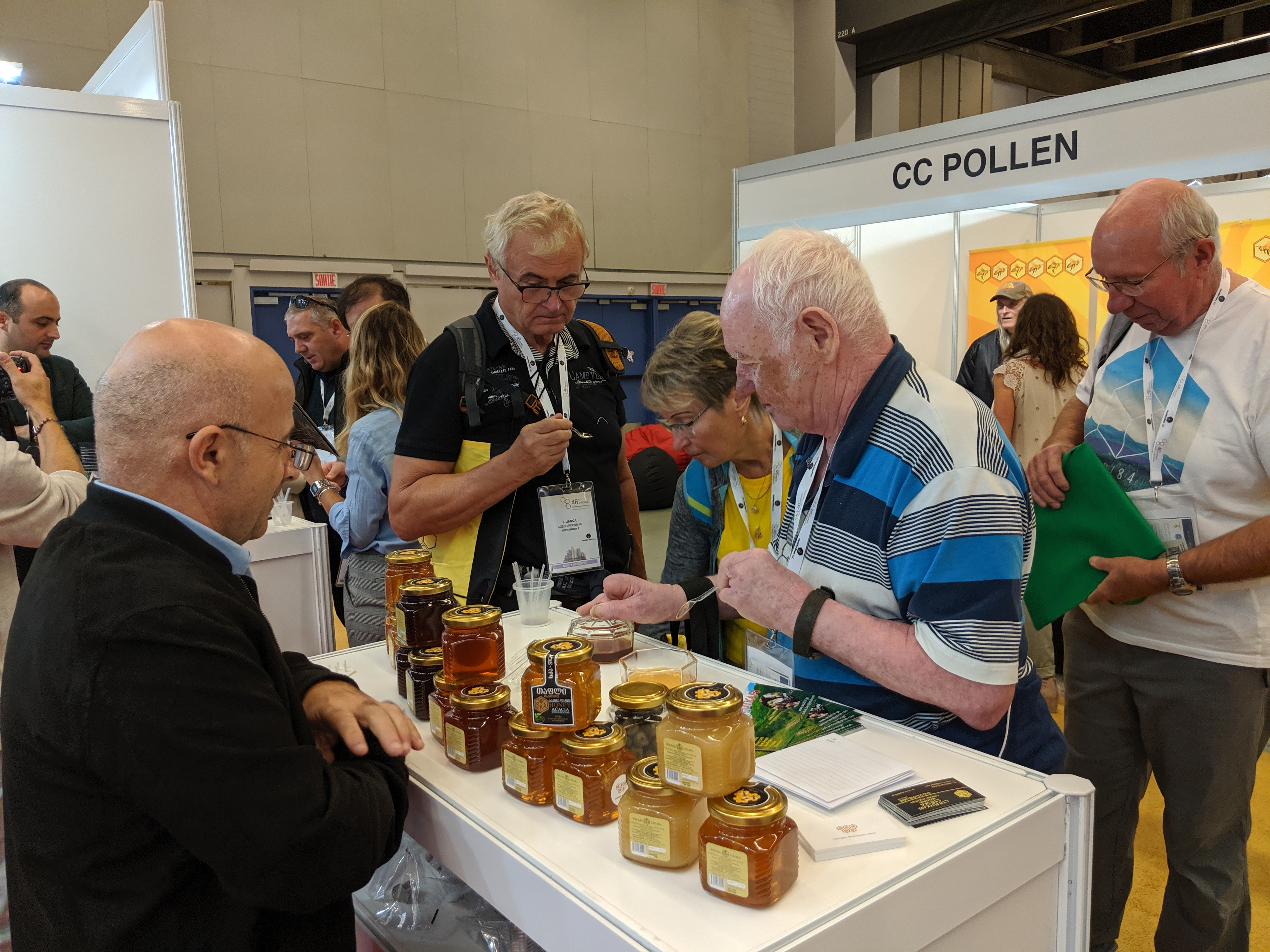
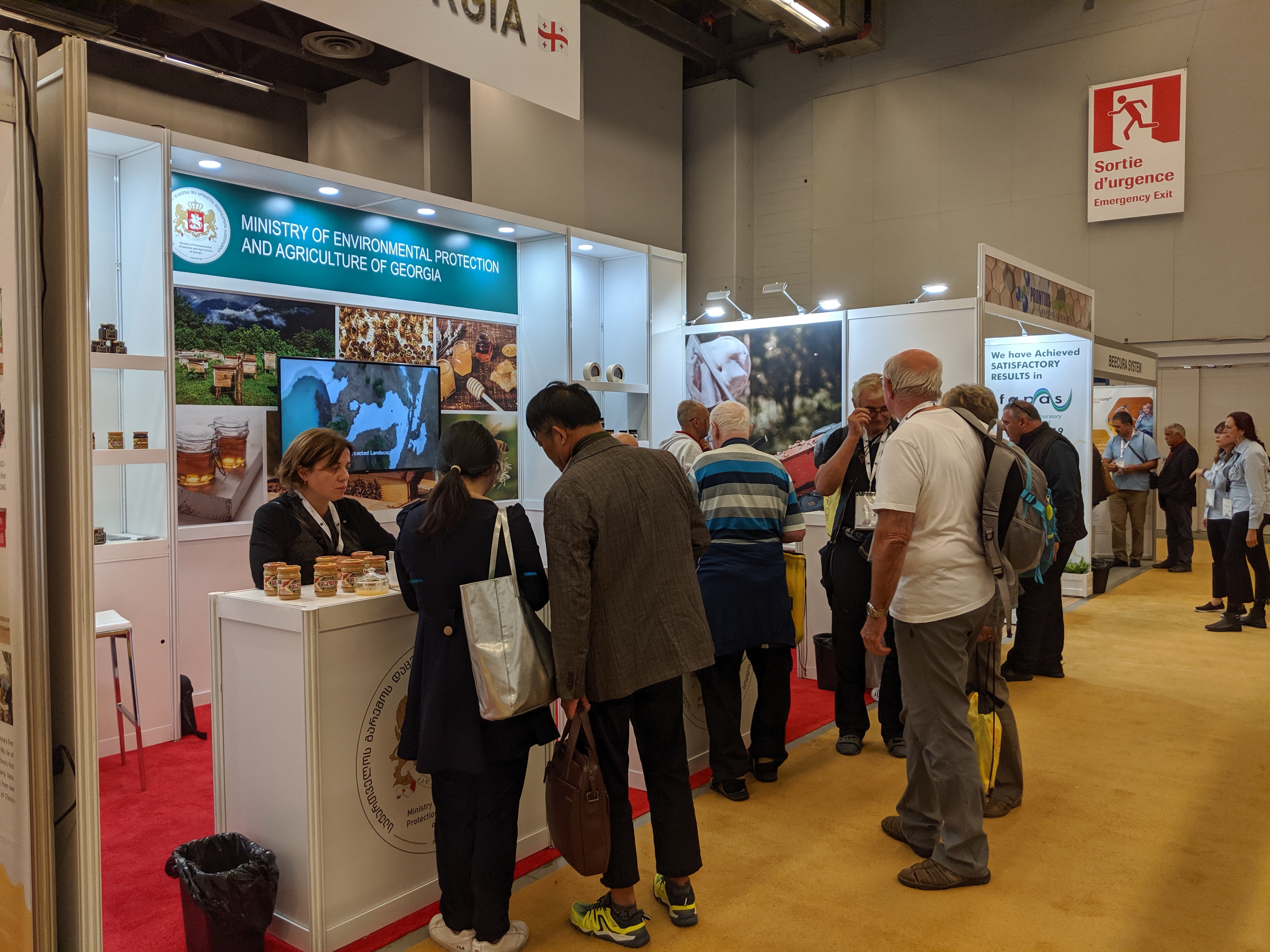
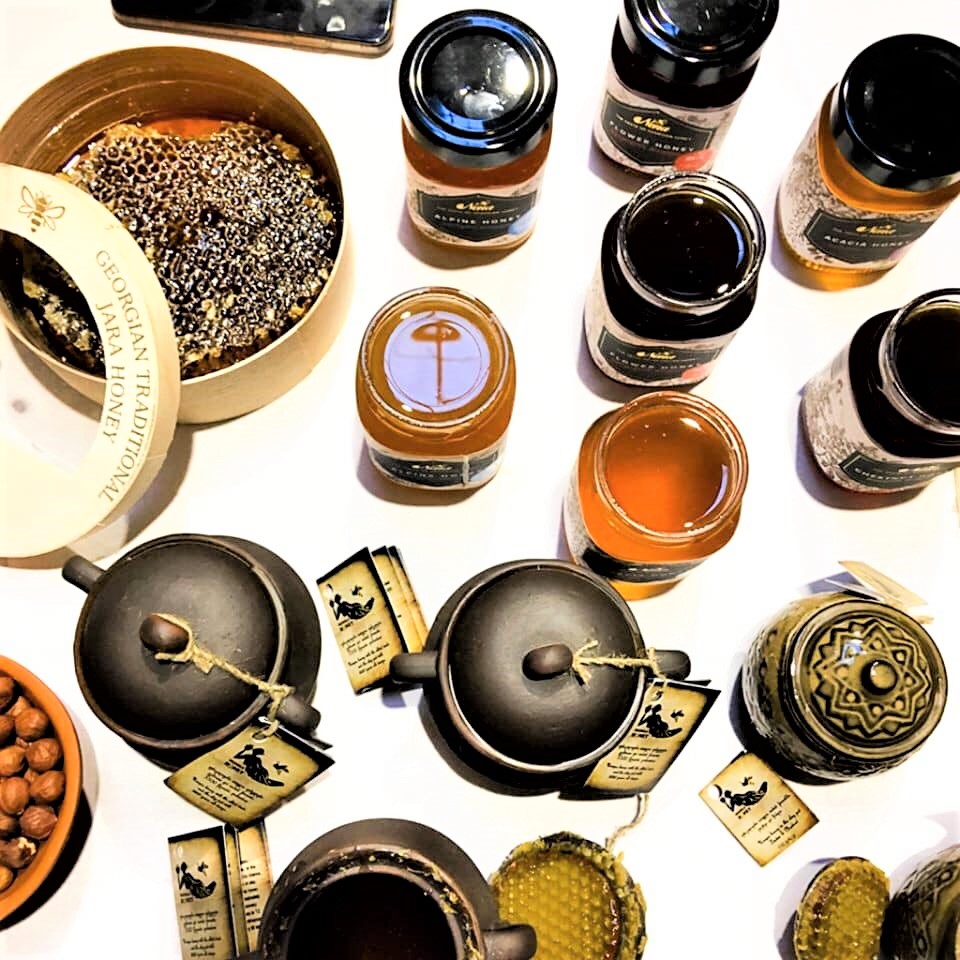
The 46thApimondia Congress 2019, the most significant event in beekeeping worldwide, took place from 9th of September to 12th of September, in Montreal, Canada. For the second time in Apimondia’s hundred years of history, Georgia was at this world forum, represented by the Ministry of Environment Protection and Agriculture (MEPA), the Georgian Beekeepers’ Union (GBU) and Kakhetian Traditional Winemaking company, exhibiting the different types of honey of its members and promoting Georgian honey and beekeeping.
Apimondia promotes scientific, ecological, social and economic apicultural development in all countries and the cooperation of beekeepers' associations, scientific bodies and individuals involved in apiculture all over the world. This event is a unique opportunity for Georgia to promote itself as a honey producer and claim a place next to world leading honey producers. The recent placing of Georgia on the list of third countries for honey only further cements the credibility of Georgia as a viable producer country.
Georgia has been extensively promoted internationally as the birthplace of winemaking. Apimondia provides the opportunity to put energy into a new promotion of Georgia as the homeland of the oldest honey ever discovered, preserver of ancient beekeeping traditions as shown in the Jara movie and producer of a wide variety of artisanal natural honey and bee products fueled by the un-paralleled flora of Georgia’s uniquely bio diverse and unspoiled landscape.
The Georgian Beekeepers Union (2018) as an umbrella association for advocating and representing beekeepers’ interests developed Honey promotion video, websites/catalogues of Jara Honey and Georgian Honey for further promotion of Georgian honey.
The first participation at the congress was facilitated by the Swiss Agency for Development and Cooperation (SDC) project the Mercy Corps Georgia implemented Alliances Caucasus Programme (ALCP) in cooperation with the Ajarian Beekeeping Business Association (ABBA) operating under the Ajara Chamber of Commerce and Industry (ACCI) in Istanbul, Turkey in 2017.
Follow the links on the Apimondia Congress 2019: Interpressnews, Palitranews.ge
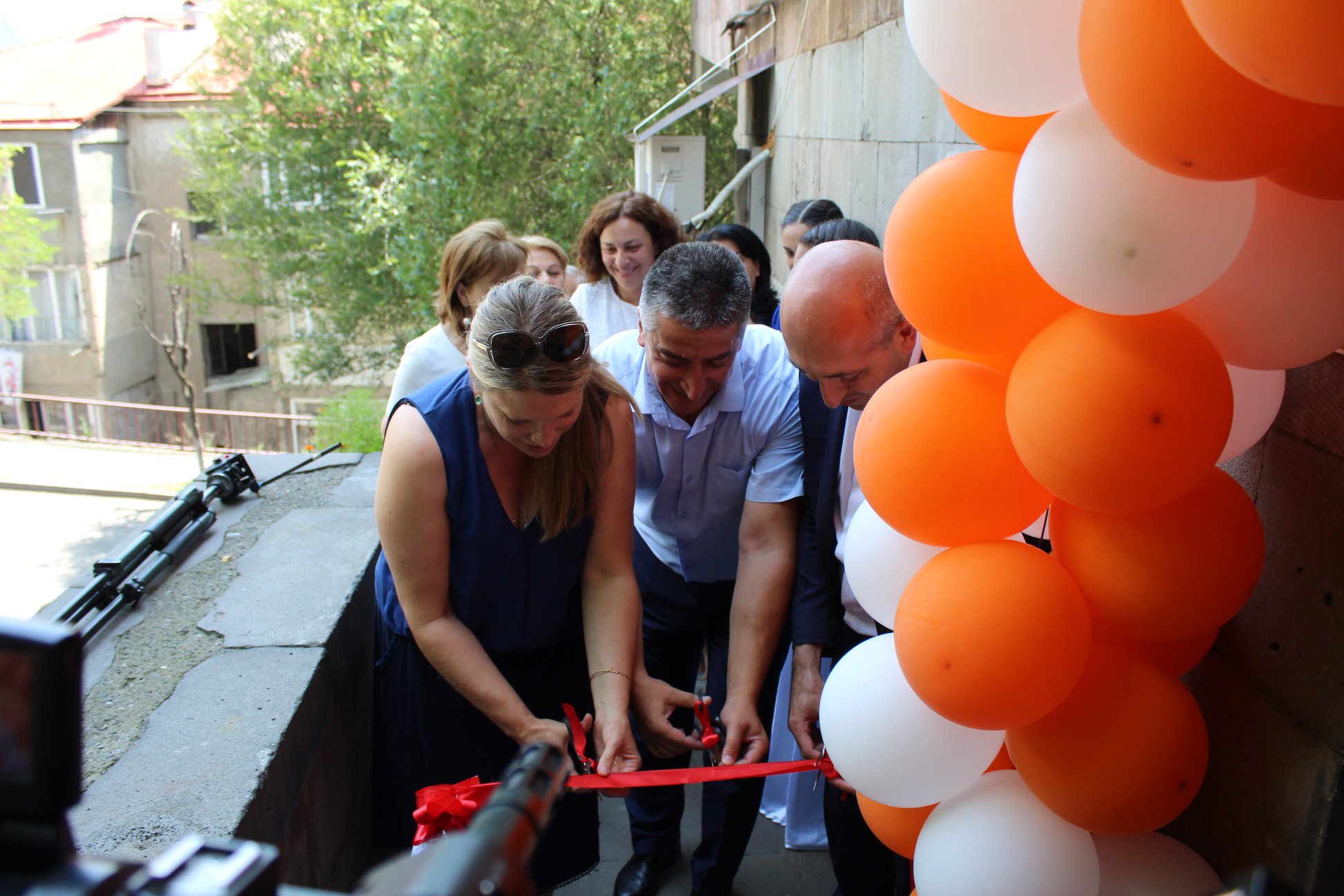
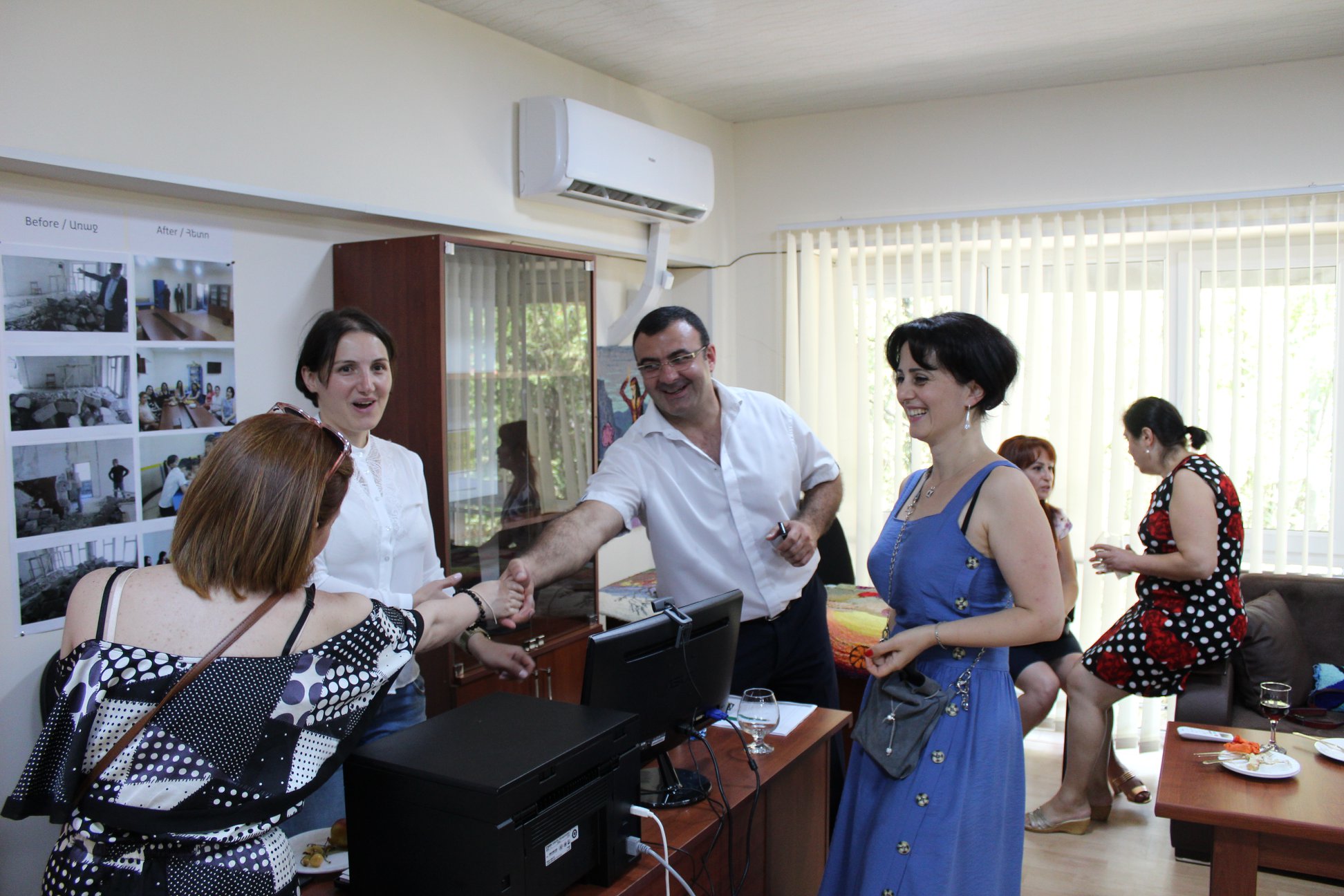
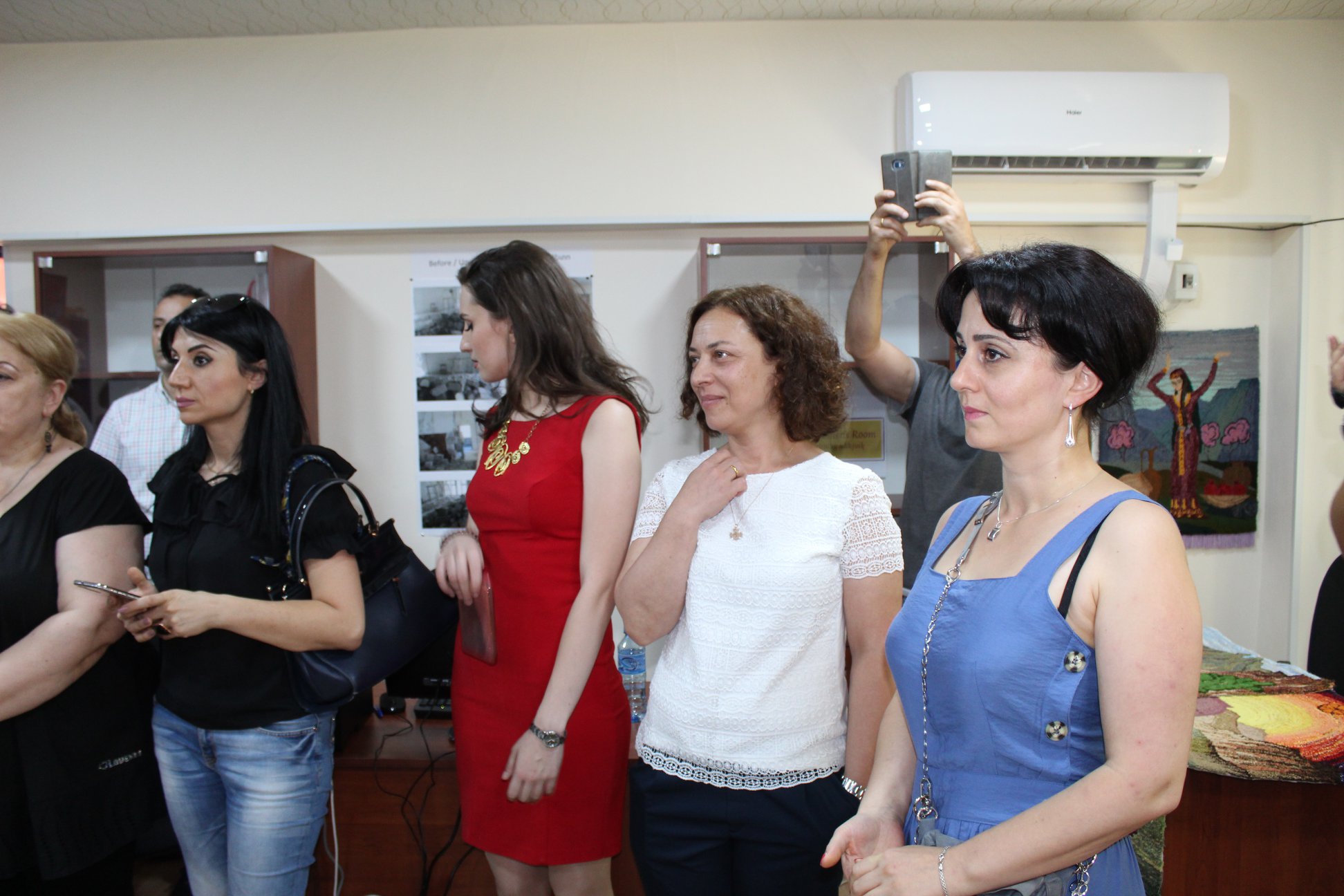
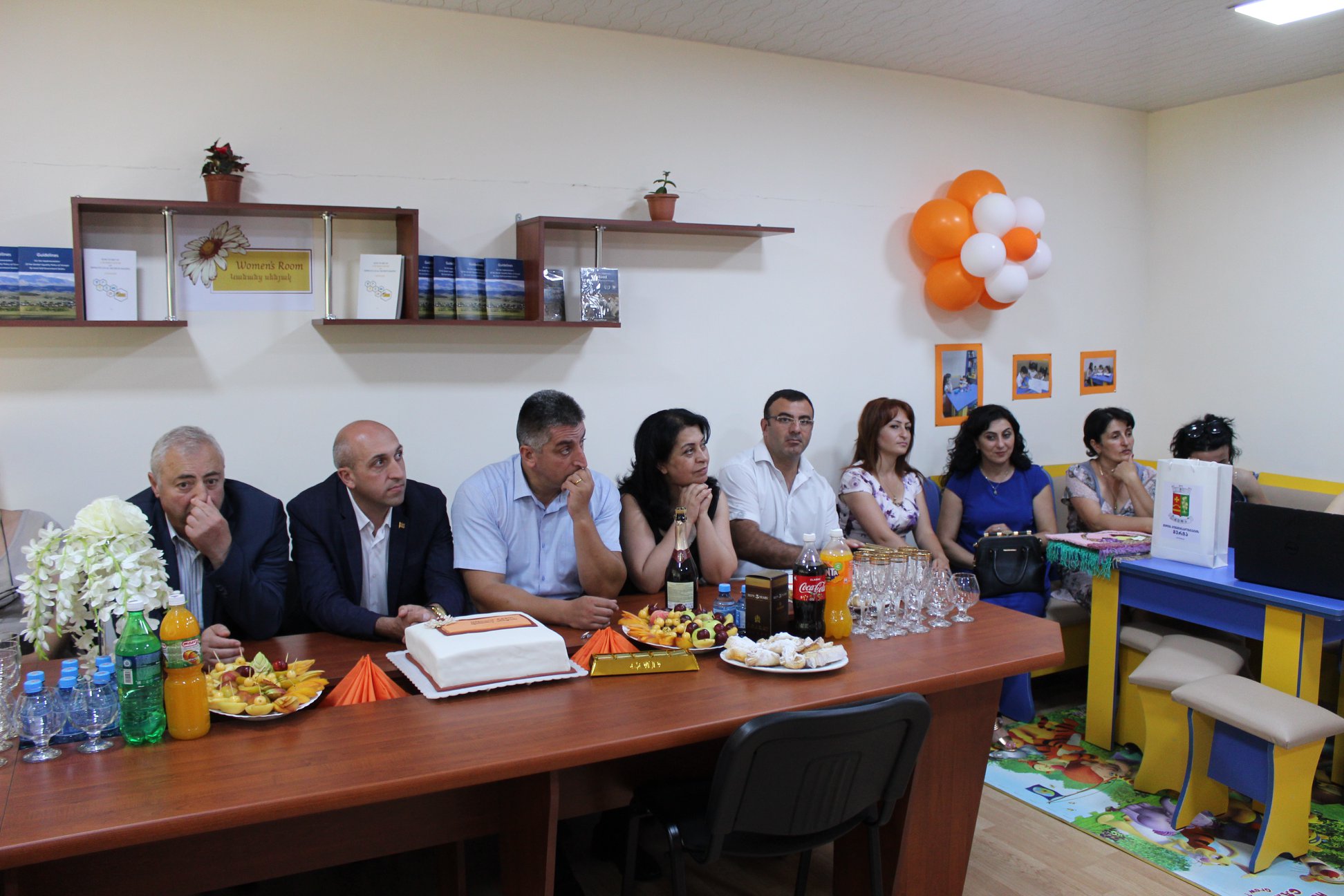
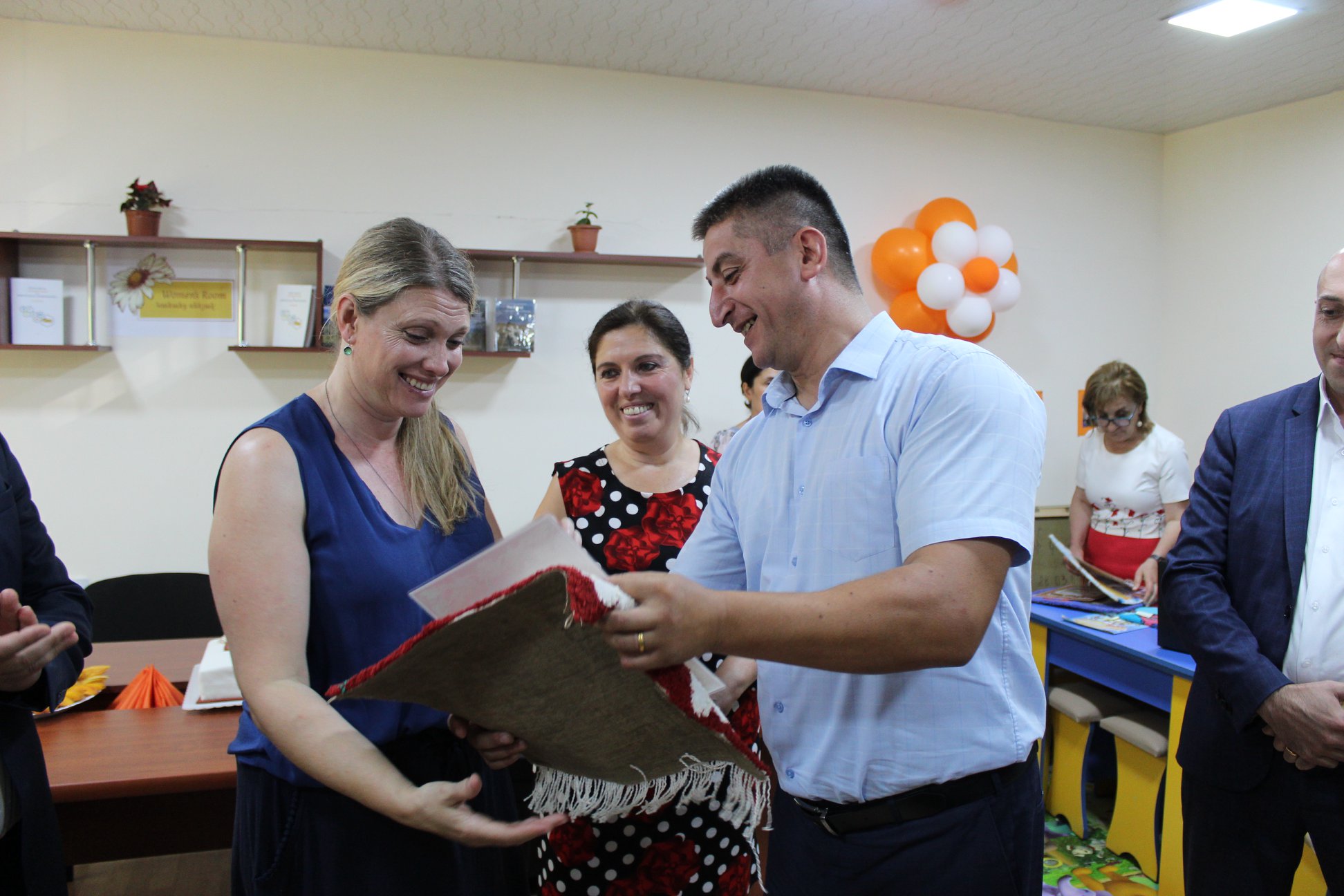
The Women’s Room in Alaverdi municipality, Armenia was officially opened on the 25th of July by the Governor of Lori Province, Andrey Ghukasyan, the Head of Alaverdi Municipality, Sasun Khemuchyan and the ALCP Team Leader, Helen Bradbury. The Head of the Department of Family, Women and Youth of the Ministry of Labour and Social Issues, the Head of the Municipality, the representative of Association of Lawyers, local businesswomen and other guests attended the opening ceremony. The Mayor of Keda Municipality of Ajara region and the Manager of Women’s Room in Keda were invited, representing one of the most successful Women’s Rooms in Georgia. Keda and Alaverdi Municipalities forged links when the representatives of Alaverdi Municipality were invited to the Women's Business Forum held in Batumi, Ajara in March, 2018.
“This service is very important for women and their families to improve their business skills. I would like to thank all of the initiators and supporters of the project and I am ready to discuss the opening of this service in other municipalities as well” - Andrey Ghukasyan, Governor of Lori Province.
“The Idea of the opening of the Women’s Room in Alaverdi came when we visited the Women’s Room in Keda, Ajara region three years ago. The Alliances Caucasus Programme expressed their readiness to share their experience with us how to establish and operate the WR. This service will help women with accessing resources and training to get finances for their businesses. When we help women, we strengthen their families’ Sasun Khemuchyan, the Head of Alaverdi Municipality.
Photo Source: Facebook page of Women's Room in Armenia
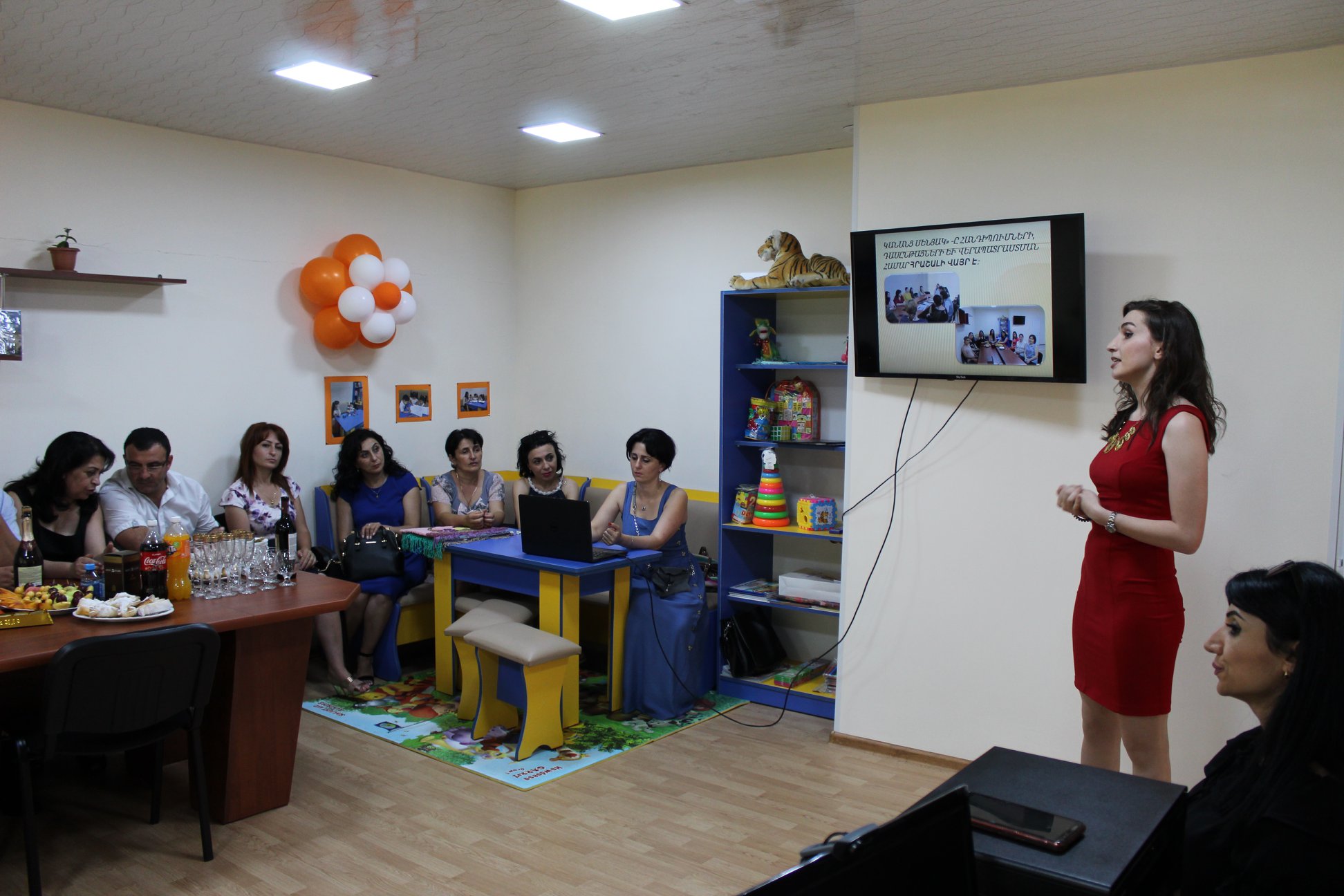
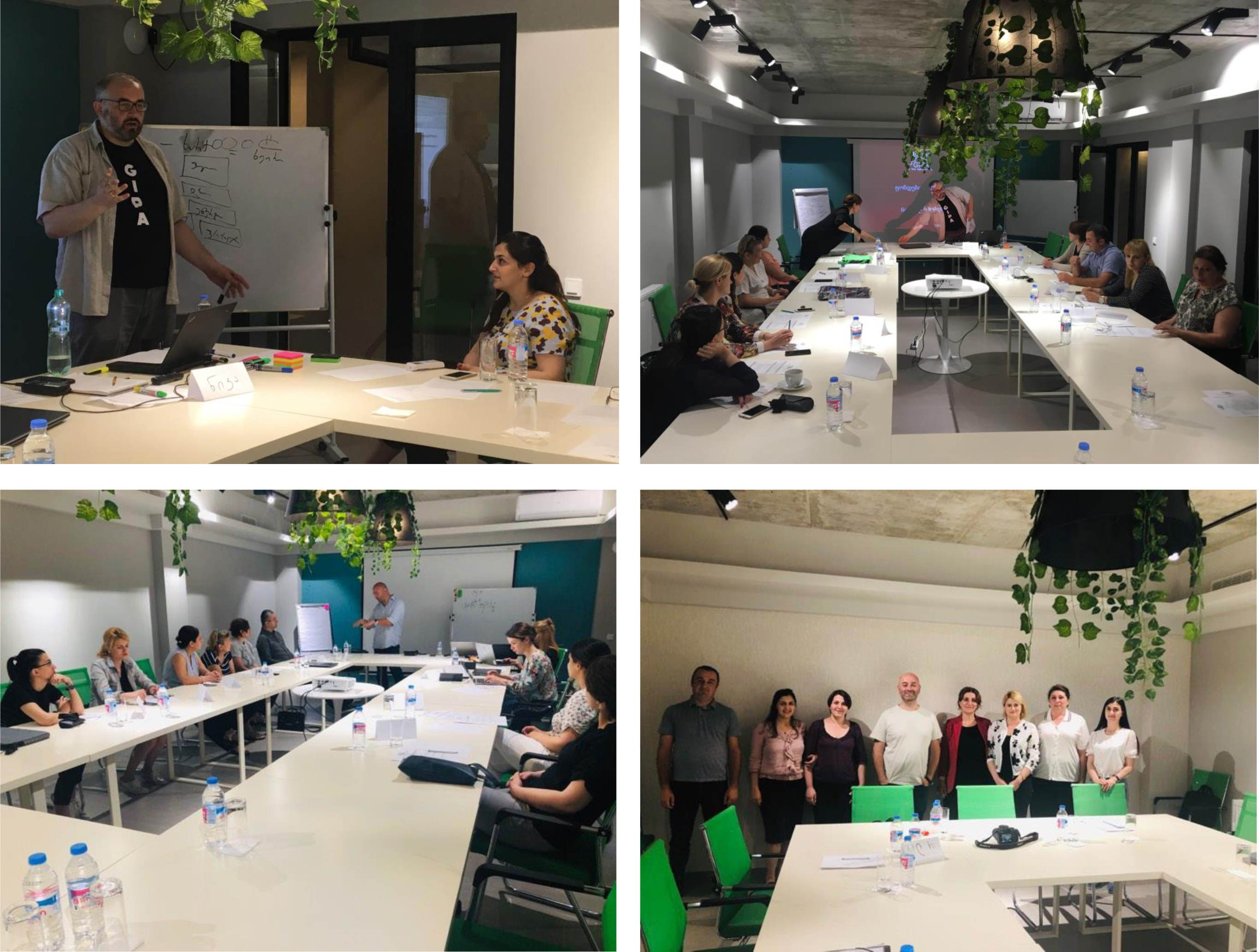
All the managers of the municipal Women’s Rooms and representatives of the Governor’s office in Kakheti region attended a training on Business Plan Writing and Fundraising held by the Georgian Institute of Public Affairs (GIPA) with ALCP facilitation. For three days George Turkia and Nikoloz Abuashvili, full professors of GIPA, explained how to transform ideas into real plans and where to find the money for them.
‘This was the most interesting training I have ever had. A lot of women are coming to my room with business ideas but I cannot provide help because of lack of knowledge. Now I am full of enthusiasm and ready to help them. It is also important for me that helping women with starting businesses in rural areas will be supported by the local government through the Women’s Room. We will make it happen’ – Bela Marukashvili, the Women’s Room Manager in Akhmeta municipality.
Background information: Twenty-eight municipalities of Ajara, Kvemo Kartli, Samtskhe-Javakheti and Kakheti have established free information-consultation spaces - Women’s Rooms to support women’s equal participation at local decision making fora and their economic empowerment. In 2016 the Women’s Rooms in Ajara pioneered to help rural women with applying to the government grant programmes and after a year the model was copied by Kvemo Kartli and Samtskhe-Javakheti as well. To date 88 women business start-ups have been funded through the Women’s Rooms in Georgia.
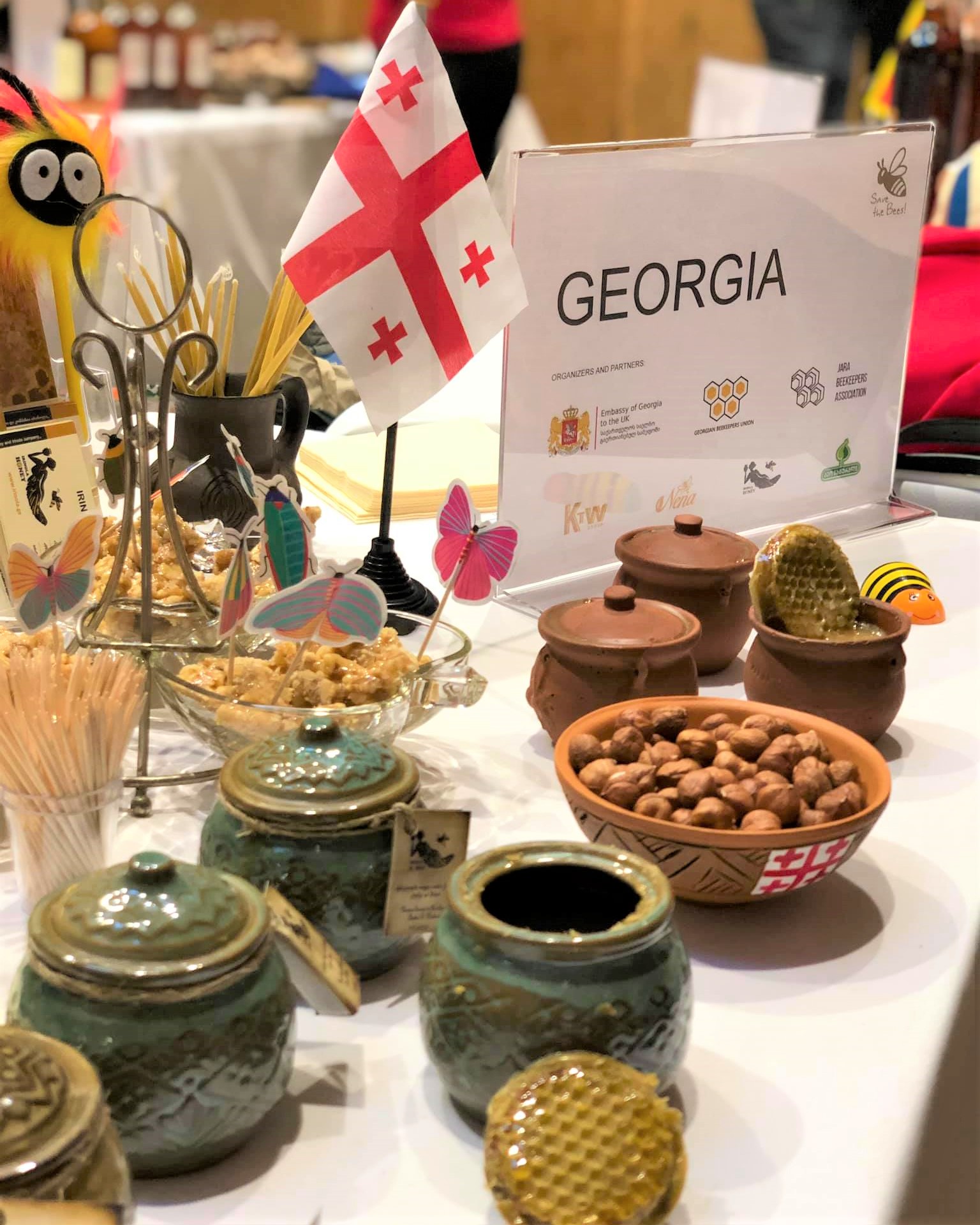
Honey and bee products of four Georgian companies were exhibited at the event WORLD BEE DAY COMES TO LONDON on 21st of May, in the Conway Hall by the initiative of the Embassy of Slovenia to the UK.
The Embassy of Georgia to the UK organized a stand for Georgian companies with the help of the Alliances Caucasus Programme, the Georgian Beekeepers Union, the Jara Beekeepers Association and the Georgia Chamber of Commerce and Industry. Georgian honey was well promoted by the Embassy.
Twenty-seven countries exhibited their bee products. More than 500 guests tasted Georgian honey; Chestnut and Jara honey were one of the favorites.
Photo source: The Embassy of Georgia to the UK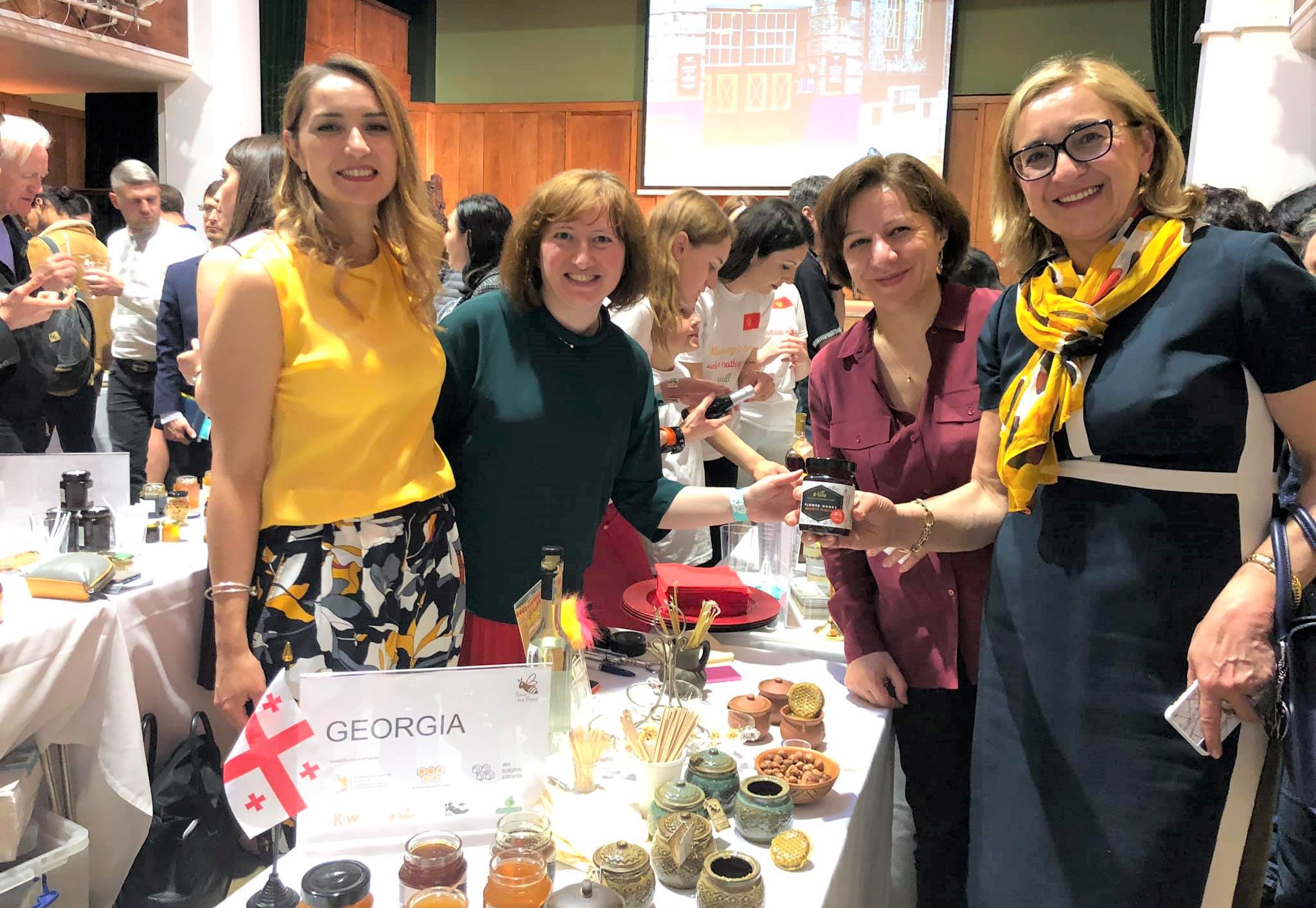
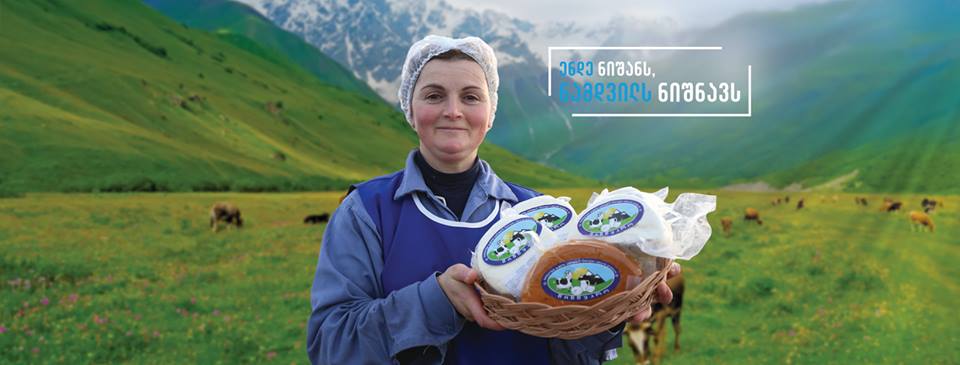
Seven dairy enterprises are using the Georgian Milk Mark: Milkeni Ltd Rustavi, KK; Tsintskaro + Ltd Tetritskaro, KK; Khiza Ltd Akhaltsikhe, SJ; Badri Gogoladze I.E Bolnisi, KK; Gocha Gagashvili I.E Telavi, Kakheti; Tsolak Grigorian I.E Ninotsminda, SJ; Karen Simonian I.E Akhalkalaki, SJ.
Six dairy enterprises are being audited: Imeruli Ltd Marneuli, KK; Zekari Ltd Terjola, Imereti; Tsezari Ltd Khulo, AJ& Tsalka KK; JTA Ltd Tsalka, KK; Ramaz Nazrashvili I.E Gori, Shida Kartli; Tanadgoma Gardabani, KK.
The products with the mark are available in Spar; Nikora; Zgapari; Fresco and Madagoni supermarkets’ chain.
Eleven additional dairy enterprises have already applied to use the mark.
Billboards of the mark are on Tsereteli Avenue, in Vake Tbilisi; Rustavi; Kutaisi and Akhaltsikhe.
Information per enterprise is uploaded on a www.georgianmilk.ge. This allows consumers to look up the products they are buying using a unique register number printed on the label.
GMA international marketing company has been conducting a national promotion campaign to introduce the mark to the public and retailers since the end of March. Facebook of the mark is active with more than 3,000 subscribers/consumers.
The Georgian Milk Mark is officially registered and serves to distinguish dairy products made from natural milk.
Follow the links on the Georgian Milk Mark: Ferma, Agrinews, Imedis Dila, Radio Marneuli, Marneuli TV, Georgiandairy.org, Agrokavkaz.ge, Interpressnews.ge, Ambebi.ge
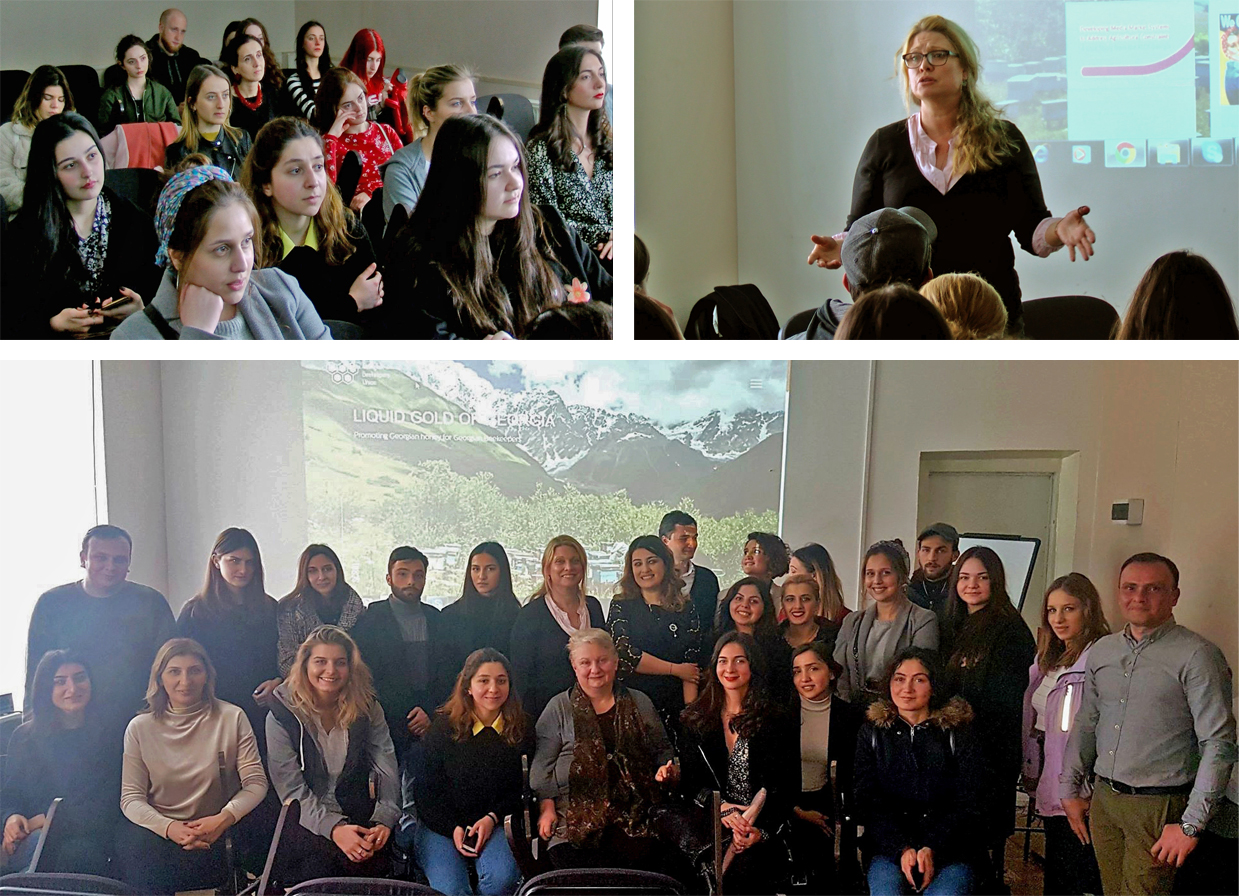
Up to thirty students of the agri journalism course at the journalism department attended a lecture given by the ALCP programme Team Leader Helen Bradbury in the state university. Agriculture and tourism; environmental protection, preservation and biodiversity; the honey, sheep and dairy sectors; Georgia’s rich cultural heritage and its main treasure - people/farmers with their strong traditions were the main themes of the lecture.
All the students highlighted that the lecture was inspirational, they did not know many things, found different perspectives of agriculture and environment and they will report about the themes in the future.
‘Agriculture is about people and you should do your work with your heart if you want people to be opened to you. Try to understand the process and choose your own path. Be different and always find something new that no one else can see.’ - Helen Bradbury, Team Leader of the ALCP programme.
Since spring fifty-three students have been learning agri journalism as a selective module for two hours/week, during the whole semester at the state university.
‘We see more and more reports about agriculture but it is not enough. Reporting about rural life, people and agriculture is very important and it is our and your responsibility to think about it and be more enthusiastic as you are future journalists or media managers.’ - Natia Kuprashvili, Head of the Journalism Resource Center.
Fourteen universities in Georgia, four in Armenia and one in Azerbaijan established or are establishing agri journalism module in their courses. 369 students have already studied the course.