From the ISET Economist news (http://www.iset.ge/news/?s=survival&lang=en)
By Nino Mosiashvili
The conclusion of the Association Agreement (AA) with the European Union was euphorically acclaimed by Georgian media as well as political and economic decision makers. Part of the AA is the Deep and Comprehensive Free Trade Agreement (DCFTA). The DCFTA is intended to liberalize trade between Georgia and the EU by lowering tariffs and reducing non-tariff barriers. For agriculture, the most relevant changes relate to food safety (bacterial contaminants, pesticides, inspection, and labeling) as well as animal and plant health (phytosanitation). For the manufacturing sector, the removal of so-called “technical barriers to trade” is similarly important, with the goal being to prevent the usage of technical standards as a means to protect domestic markets from foreign competition. “If regulations are set arbitrarily, they could be used as an excuse for protectionism”, states the World Trade Organization on its homepage.

It is clear that all these agreements require unilateral adjustment of Georgian regulations to European standards. Georgia is economically too small to impose its preferences on Europe. This is stated quite frankly in the AA, when it says that it aims to “support the efforts of Georgia to develop its economic potential via international cooperation, also through the approximation of its legislation to that of the European Union”.
Whether these unilateral adjustments are beneficial for Georgia is not generally clear. European regulations do not necessarily reflect “best international practice”. In democracies, laws and regulations come about through the lobbying efforts of political interest groups much more than through rational planning. In the future, internal political decisions made in the European Union will be relevant for Georgia much more than they were previously, and it will be more difficult to pursue policies tailored to the specific situation of Georgia.
Yet Georgia hopes that the convergence to European standards will make it easier for Georgian firms to access the European market. Most critical in this respect is Georgian agriculture, as it is the sector employing the bulk of the Georgian labor force, while it is at the same time dramatically lagging behind European productivity levels. In 2013, Georgia’s agriculture accounted for only 9.3% of the Georgian gross domestic product but employed about half of the labor force. Thus, one of the benchmarks for evaluating the usefulness of the DCFTA will be its impact on Georgian agriculture.
THROWN INTO THE WATER – WILL IT SWIM?
The impacts of the DCFTA for Georgia were assessed in a report with the lengthy title Trade Sustainability Impact Assessment in support of negotiations of a DCFTA between the EU and Georgia and the Republic of Moldova. It was written by a consortium consisting of the Dutch consulting company Ecorys and the The Center for Social and Economic Research (CASE), a Warsaw-based think tank. On a broad level, the report estimates that due to trade liberalization with the EU the national income of Georgia will increase by 291.9 million euro in the long run, corresponding to a GDP growth of 4.3%. This goes along with an increase in Georgian exports and imports by 12% and 7.5%, respectively, leading to an improvement of the Georgian trade balance. But what about agriculture?
According to the study, the DCFTA will have different effects on different agricultural products, and the overall picture is very ambivalent. The output of some product categories will increase, namely vegetable oils and fats (+6.7%), vegetables, fruits, nuts, and oilseeds(+3.4%), and animal products (+3.1%), while for many other products, the output is expected to shrink, e.g. livestock and meat products (-14.8%), other processed foods (-8.8%),beverages and tobacco (-4.0%), sugar (-2.4%), and other crops (-2.0%). The report attributes the increases to reductions of EU tariffs on Georgian exports and the decreases to the reduction of Georgian tariffs on goods imported from the EU. These numbers, if they say something about the true developments, suggest that parts of Georgia’s agricultural sector will get under severe pressure due to increased competition with European producers.
ECONOMIC DARWINISM
What are the implications for Georgian agricultural policy? Some of the producers will benefit from the integration into the European market, as they can stand the pressure and even expand in this highly competitive environment. Other producers are likely to run into essentially insoluble problems. One particularly beneficial category in this respect is vegetables, fruits, nuts, and oilseeds, because some of the products in that category (e.g. hazelnuts) are labor intensive and serve niche markets. This implies that more people can be employed in the production of these goods, making the transformation to a modern, efficient agriculture less painful, and it means that competition is lower and margins are higher. If policy recognizes these advantages, producers in that category might become “national champions”.
Currently, vegetables, fruits and nuts are in Georgia primarily produced by small and medium sized farmers. Due to lack of greenhouses the production is seasonal. Yet farms can be consolidated and technical equipment can be upgraded. In the end, it will be relevant that Georgia has fundamental advantages in the production of goods in that category, namely clean soils, little usage of chemicals, a relatively large amount of available land for cultivation, and a long tradition in vegetable and fruit production.
Moreover, about half of Georgia’s current export of vegetables, fruits, and nuts already goes to the EU, which means that Georgian producers already have “a foot in the door”. Currently, the exports almost entirely consist of hazelnuts (there are no tariffs, as hazelnuts are already covered by the GSP+ regime, and hazelnuts easily satisfy sanitary and phyto-sanitary standards). Thus, while the DCFTA may not change Georgia’s hazelnuts export to the EU significantly, there may be other niche products in this category, like berries and other kinds of nuts, which may benefit from the DCFTA, for example through adjustments of Georgian regulations regarding product packaging.
It will be important that policy will subscribe to what one might call “Economic Darwinism” – do not try to keep those producers alive that are incapable of surviving, but instead create good circumstances for those that have a future in Georgia.
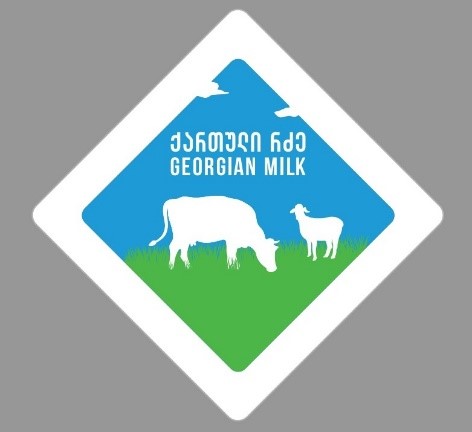
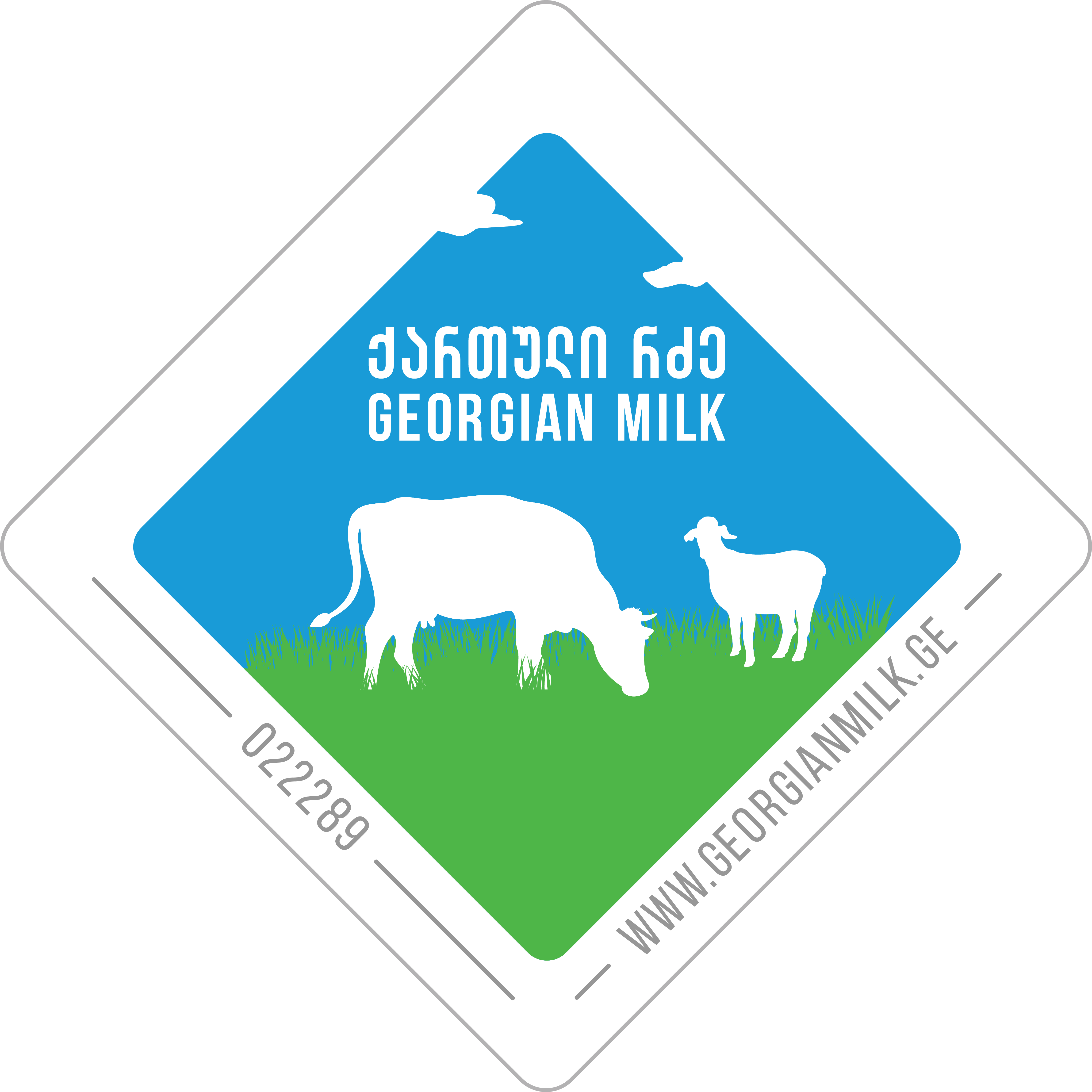
The ‘Georgian Milk’ mark has been registered in the National Intellectual Property Centre of Georgia - Saqpatenti. The mark is now protected to avoid falsification and strengthen the ownership of Business Institute of Georgia, an independent body which will regularly audit dairies granted license to use the mark.
Eighteen dairy enterprises have already applied to use the mark.
The new ‘Georgian Milk’ mark will distinguish dairy products made from natural raw milk.
Information per enterprise will be published online on a www.georgianmilk.ge website which will come online at beginning of March. This will allow consumers to look up the products they are buying using a unique register number printed on the label.
A national promotion campaign conducted by GMA international marketing company to introduce the mark to the public and retailers will be rolled out from the end of next month.
A presentation of a new ‘Georgian Milk’ mark was held on the 22nd of January at Hotels & Preference Hualing Tbilisi.
Up to 150 dairy enterprises and representatives of supermarkets, agri markets, sectoral associations and Government Agencies participated in the meeting.
The new ‘Georgian Milk’mark will distinguish dairy products made from natural raw milk. The ‘Georgian Milk’ mark will be found only on dairy products produced from Georgian natural raw milk and which do not contain milk powder and/or any vegetable oils. The purpose of the mark is to promote products made from Georgian natural raw milk, which will help consumers make informed decisions while buying milk and other dairy products. A recent large national consumer survey by the Caucasus Research Resource Centre of urban consumers across Georgia showed that consumers want to be able to buy ‘ecologically clean’ dairy products, meaning clean milk that comes from healthy grass fed cattle and dairy products produced in clean regulated enterprises. The research found that the majority of consumers had difficulty in identifying or being able to buy such products as these products are currently undifferentiated in shops. The ‘Georgian Milk’ mark will therefore solve this problem.
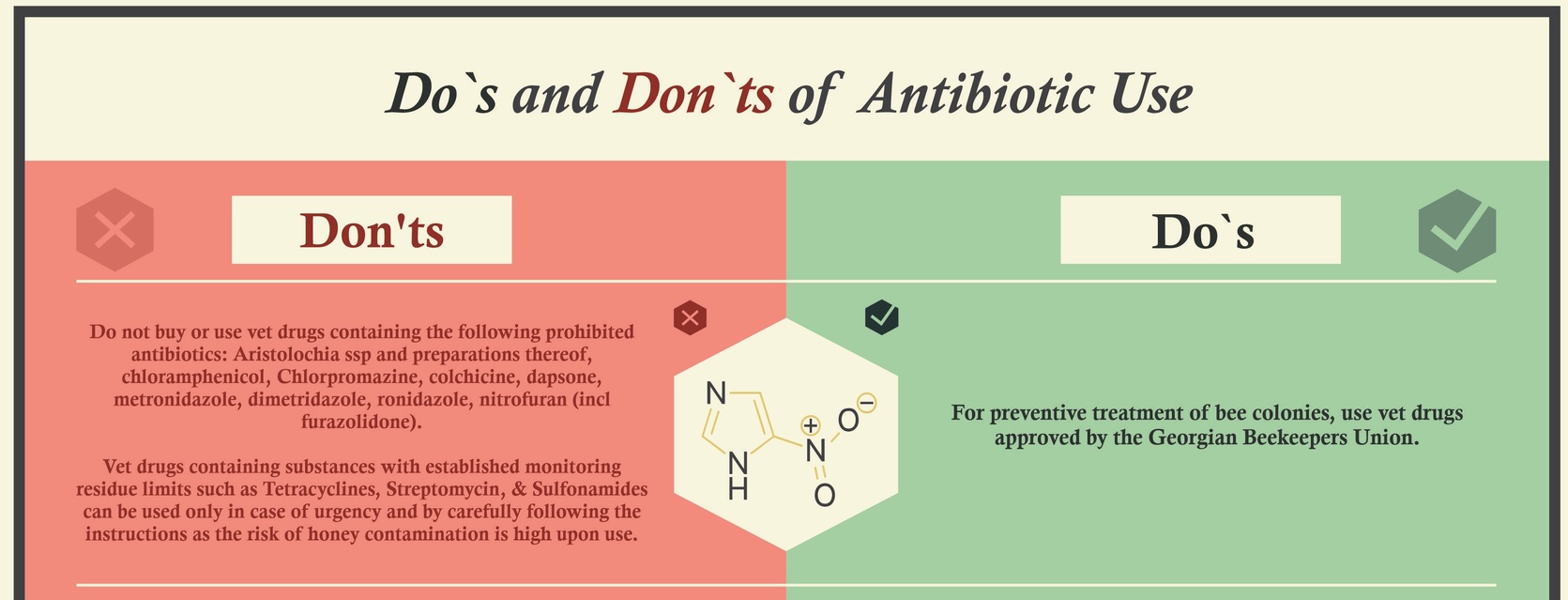
The ALCP facilitated the Georgian Beekeepers Union to develop infographic regards Do’s and Don’ts of Antibiotic Use, providing guidelines for the beekeepers on proper usage of antibiotics and preventing honey and beeswax from contamination with the antibiotics. The full version of the infographic is available here.
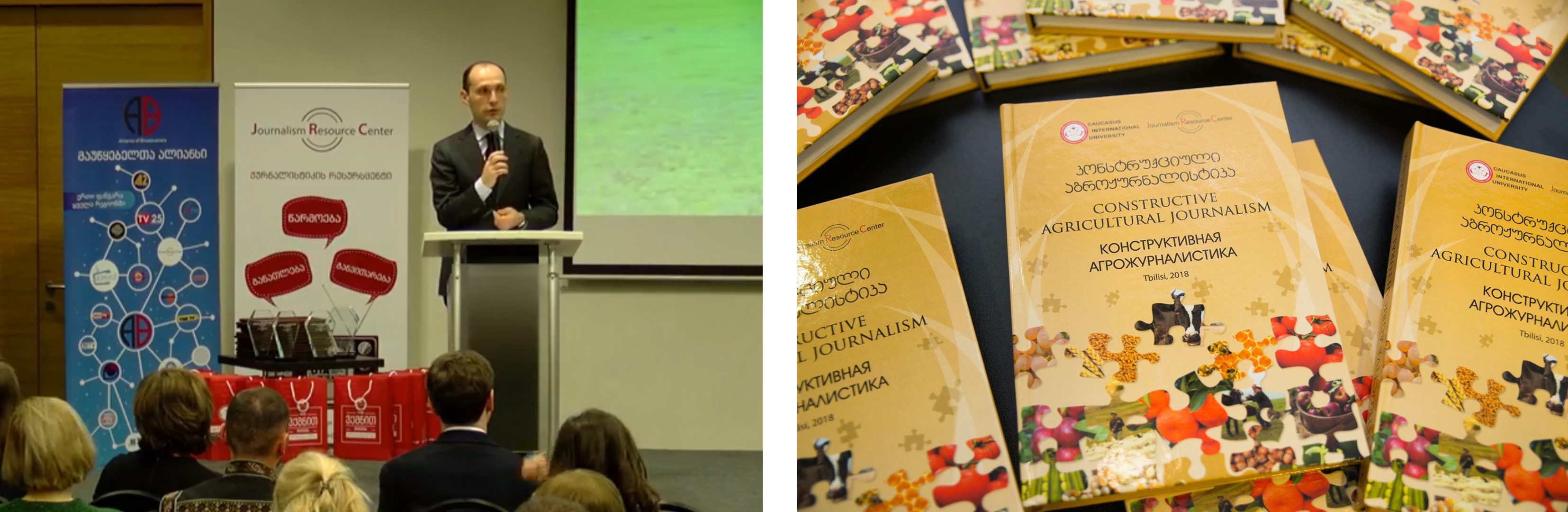
On December 26th, the Journalism Resource Centre presented its second edition of the agri journalism module. About hundred guests from the government, business and academic sphere attended the event.
The Minister of Environmental Protection and Agriculture of Georgia, Levan Davitashvili stated: ‘I am very glad to hear about all the initiatives related to agri journalism. Education is very important in agriculture for ensuring information dissemination for farmers. The door of the Minister of Agriculture is open for you at any time and our partnership with regional media is very important.’
The agri module was created for inclusion in BA in journalism degrees. Now, ten universities across Georgia have the agri journalism module established in their curriculum, lasting one semester with a total of 15 credit hours. Four more universities are about to do the same this year. 369 students have undergone the course in Georgia to date. Now those initiatives are ready for transfer to Armenia and Azerbaijan.
During the event, the Journalism Resource Centre awarded farmers and specialists within the agricultural sector. The Best Female Farmer of the Year award was given to beekeeper Mariam Kiladze; the Best Vet of the Year was Giorgi Tcikhelashvili from Dmanisi, he is 25 years-old who graduated from the Vet Department at Agrarian University and went back to Dmanisi and is working as a vet. The Best Male Farmer award was given to shepherd Giorgi Imerlishvili. Credo and the EBRD were recognized as financial institutions that supports agriculture, and SDC Project Mercy Corps Alliances Caucasus Programme for supporting agri media journalism.
At the end of the event, the Journalism Resource Centre announced the establishment of the Agro Guild, which unites journalists and media organizations, businesses, farmers, public officials, and universities and sets up annual or bi-annual advisory committees. The members of media associations and the JRC also announced that they are planning to establish an Agri TV program, the pilot of which will start in three months.
Follow this link for additional news regarding the event.
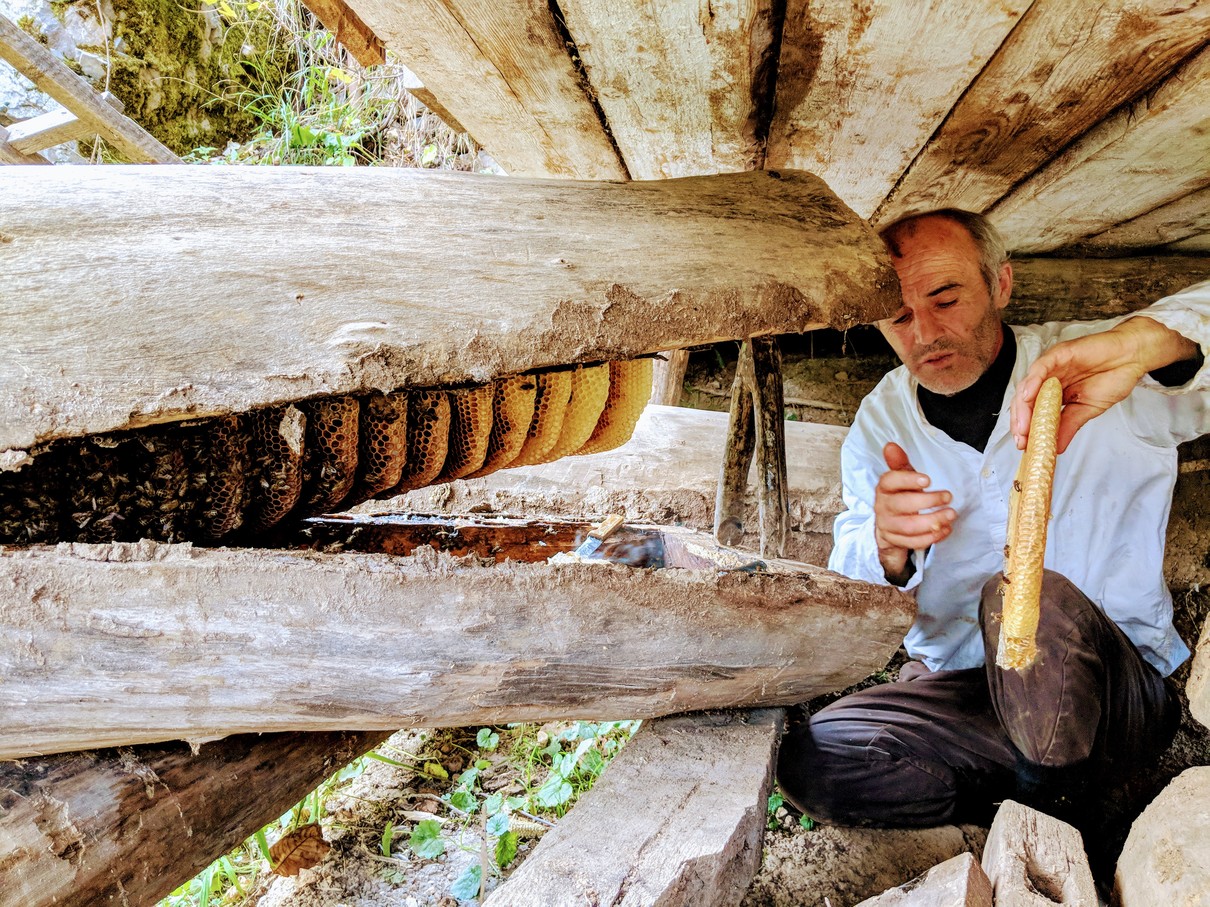
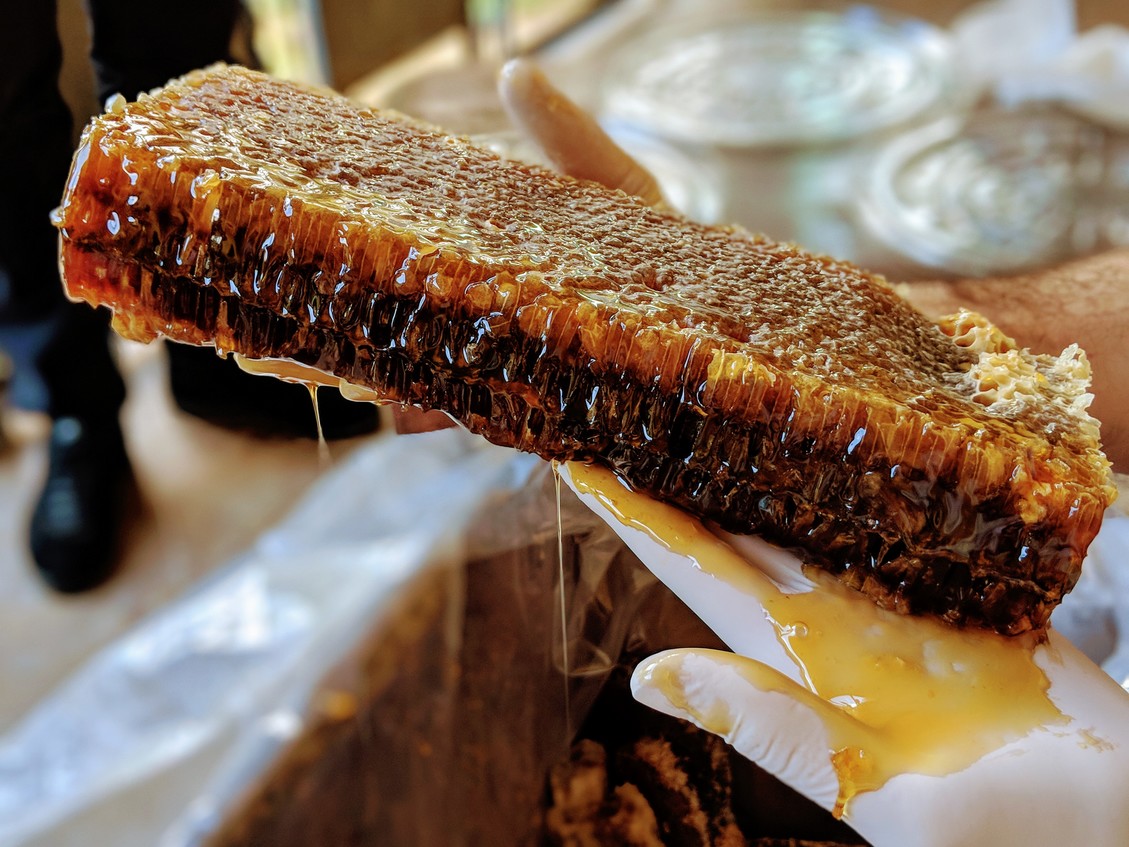
For the first time ever, twenty Jara producers have sold their entire crop of Jara to a commercial enterprise. Jara honey will soon be available in shops in Georgia.
See photos below.
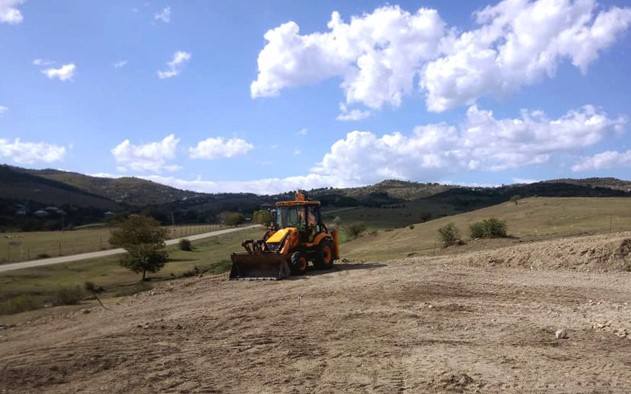
The construction of a new Veterinary Surveillance Point has recently started in Bolnisi municipality. The works will be finished in December 2018. The point will be the six and final point in the Veterinary Surveillance network throughout the Animal Movement Route.
During five transhumance seasons in 2016-2018 total 1.4 million heads of sheep and cattle were treated against ecto-parasites free of charge at all operational Veterinary Surveillance Points in Rustavi, Marneuli, Signagi, Dedoplistskaro and Kvareli municipalities.