By Helen Bradbury: Team Leader, Alliances Lesser Caucasus Programme


Information matters, it is our currency, the substance, the commodity which keeps our programmes running. We live in an age of information, are afloat on and sometimes drowning in a sea of it. We may check the oracle of google in answer to any question, live feeds, notifications and a torrent of minutiae in a mélange of events of great importance, continually assail us. Once there were spin doctors, now most of us spin daily be it personally or professionally. We are aware of the need to manage information, to have enough of it and of the right kind and most of us are aware too of the need to understand its quality and to know when and what we have is enough or too little.
M4P of course poses challenges in this as in many other aspects of its implementation, but for me the use of information is its heart. M4P is particularly finely calibrated to need high quality information and implementers able to gather, sort and feed it into the programme, implementers who aware of what they are doing, and why they are doing it. Name any stage of the programme process, let’s start with the team. We need practitioners with the right kind of understanding, flexibility and skills to interpret information, to plug it into the strategic framework and intervention planning. We often eschew experienced workers from the field of development with fixed frames of knowledge, for people with less direct experience and fluidity, choosing them for their qualities of perspicacity, ability to adopt, adapt, expand and respond. All stages involve the gathering, processing, articulation and feedback of information; market analysis, market system monitoring, ongoing capacity building, WEE implementation, calibrating interventions and of course M and E, results measurement, measuring systemic change; another entire galaxy of information management on its own. All stages require meticulousness, precision, rigour and common sense in the use of information to produce systemic market change which impacts the men and women of the target group.
The demands for the articulation of this information are multi-faceted and as dissemination channels proliferate so do the needs of those in direct relation to the programmes; donors, consultants, theorists and developers of practice, who must fulfil their own specific functions and feed information into their own burgeoning webs of outreach. Networks, e-groups, email notifications, photographs, film, presentations, numbers, interest stories. Hard numbers for professionals to crunch validity, interest stories and illustration for those we need to care.
Finally to the approach itself, literally. How you come to know something is often as important as what you finally know. M4P, market systems development; has been seen as a challenge to, a critique (I would argue an illumination through comparison) of other methods and methodologies in development. The process of reassessing even unlearning knowledge is not an easy one and is as emotional as it is intellectual. The juncture between those who in some measure know, understand and use the approach and those who do not, is therefore sometimes a tricky one. Perceptions and points of view are influential in the translation of the system. The heart of M4P is simplicity but as in all the best cases, simplicity provides the skeleton and blueprint for processes which as they build can seem like an overwhelming mass of complexity from an external point of view, particularly as no two programmes, externally at least the same. What, who and where are M4P, where does it come from, how do you do it, who does it, where can I find out more?????
Thus we come to two new websites, this one of the ALCP where we have a downloads page dedicated to compiling our own and other information that helps to answer these questions and the M4P Hub that was and the BEAM Exchange that now is. In our disparate, diversified, geographically spread world, an approach developed at the time of an explosion of information dissemination, needs sites like these. To now be able to direct someone to the right kind of information which presents, expounds and solidifies is essential in a growing field. To be able to refer to and interact with a cohesive entity which can provide a universally accepted centre point, platform, resource centre and indeed identity, is heartily welcomed.
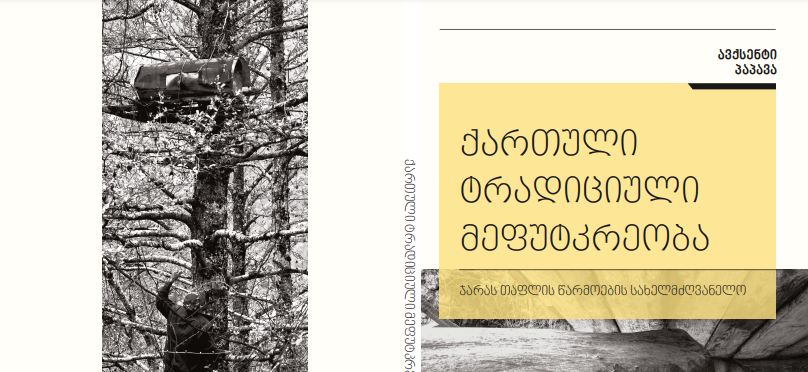
Georgian Traditional Beekeeping: Jara Honey Production is a new textbook now available for VET colleges who include a Jara component in their beekeeping courses. It is part of making the Jara beekeeping course material an accredited component in its own right from September this year.
The author Aleko Papava, who is a competent, reliable and respected beekeeper teacher and Head of the Georgian Beekeepers Union, wrote the book together with education specialists on behalf of the Georgian Beekeepers Union and Jara Beekeepers Association.
The Scientific Research Centre of Agriculture of the Ministry of Environmental Protection and Agriculture reviewed and acknowledged the book positively.
‘The book is written in a highly professional manner, materials meet the demand of the beekeeping sector in terms of bio honey production and provide comprehensive information about all the topics for studying Jara Honey Production’ – says the Centre in their letter sent to the GBU.
In June 2021, thirteen VET college representatives from seven regions of Georgia attended a Training of Trainers in Jara Honey Production and later received jara equipment. Now eight of them are integrating aspects of Jara beekeeping into different subjects of the beekeeping programmes to 106 students. Five more colleges will start soon. This textbook means that Jara Beekeeping will be taught as a separate accredited component of these courses. The newly established Vocational Skills Agency, National Center for Educational Quality Enhancement and sectoral skills organization Agro Duo are all supporting Jara teaching integration in the VET colleges.
Linked resources: Jara Honey Production Handbook; Bio Certification Guidelines for Beekeepers; www.honeyofgeorgia.com; Discover Georgia: The Land of the Oldest Honey.
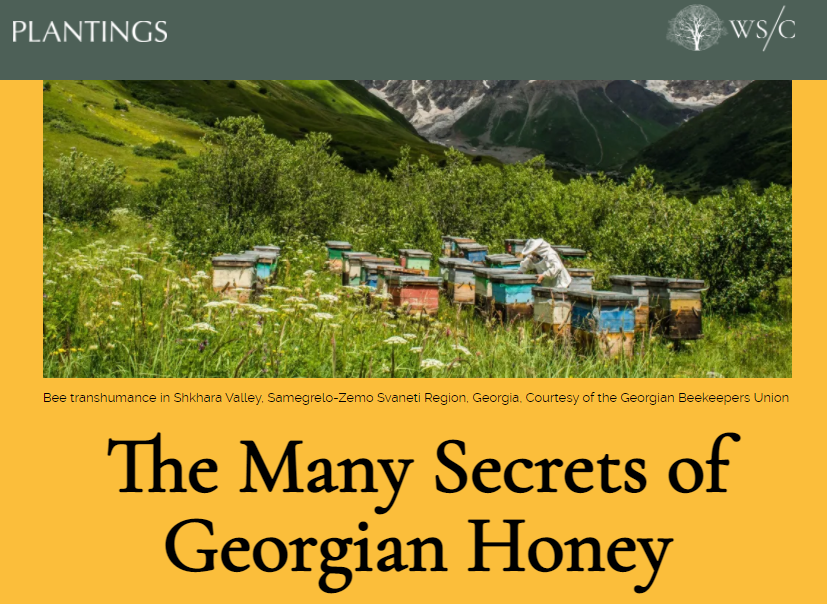
The Many Secrets of Georgian Honey, an article dedicated to the exceptional Georgian honey making, was published in the online journal Plantings by the World Sensorium Conservancy. The journal covers topics relevant to conservation and the intrinsic values of nature. The article was penned by Braden Bjella, an American culture journalist based in Eastern Europe, who takes readers to Georgian beekeeping journey with the help of the Georgian Beekeepers Union (GBU) and the Jara Beekeepers Association (JBA). As he says, “the question of Georgian honey quality is settled; now, it’s only up to the world to discover it".
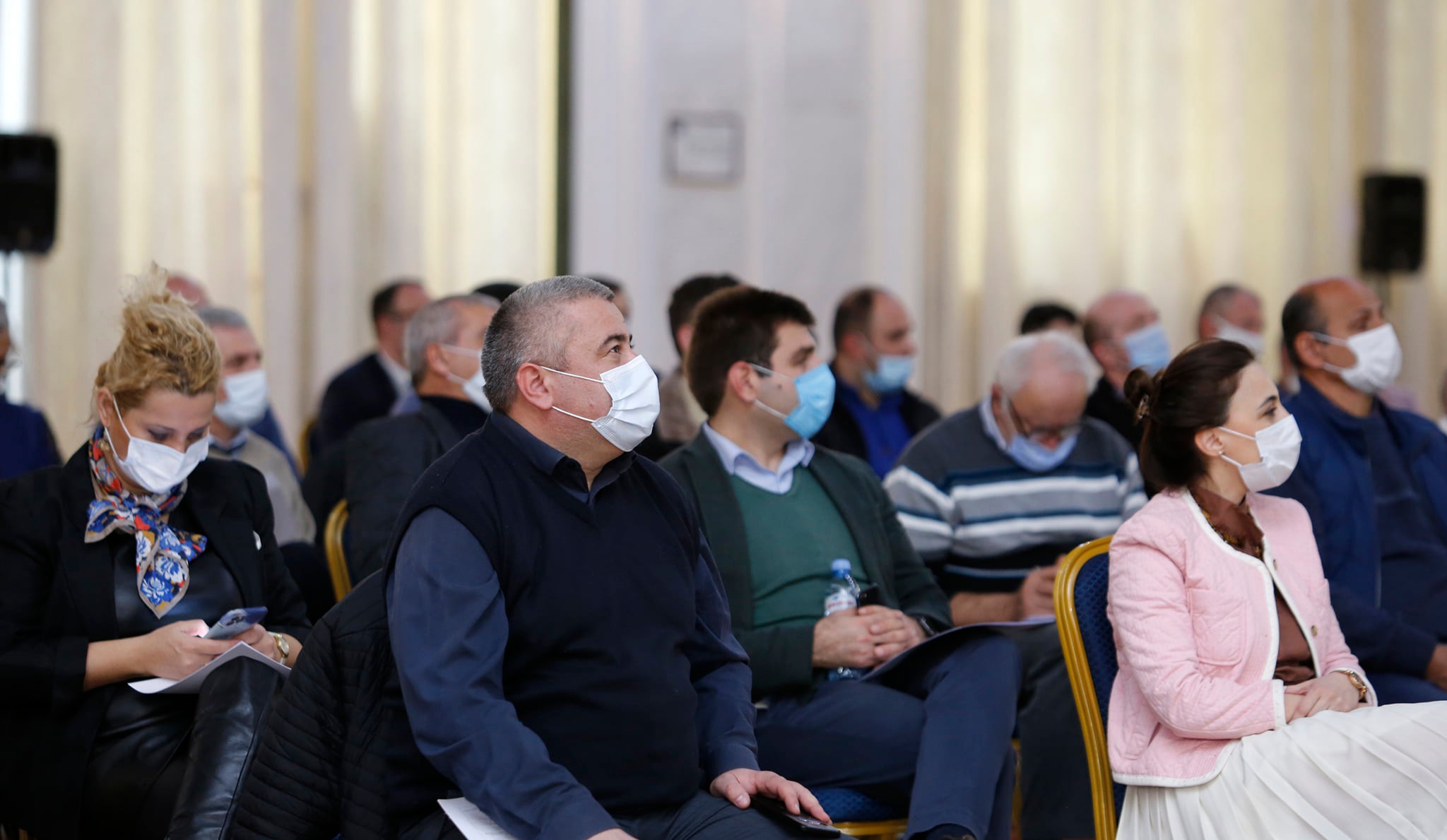
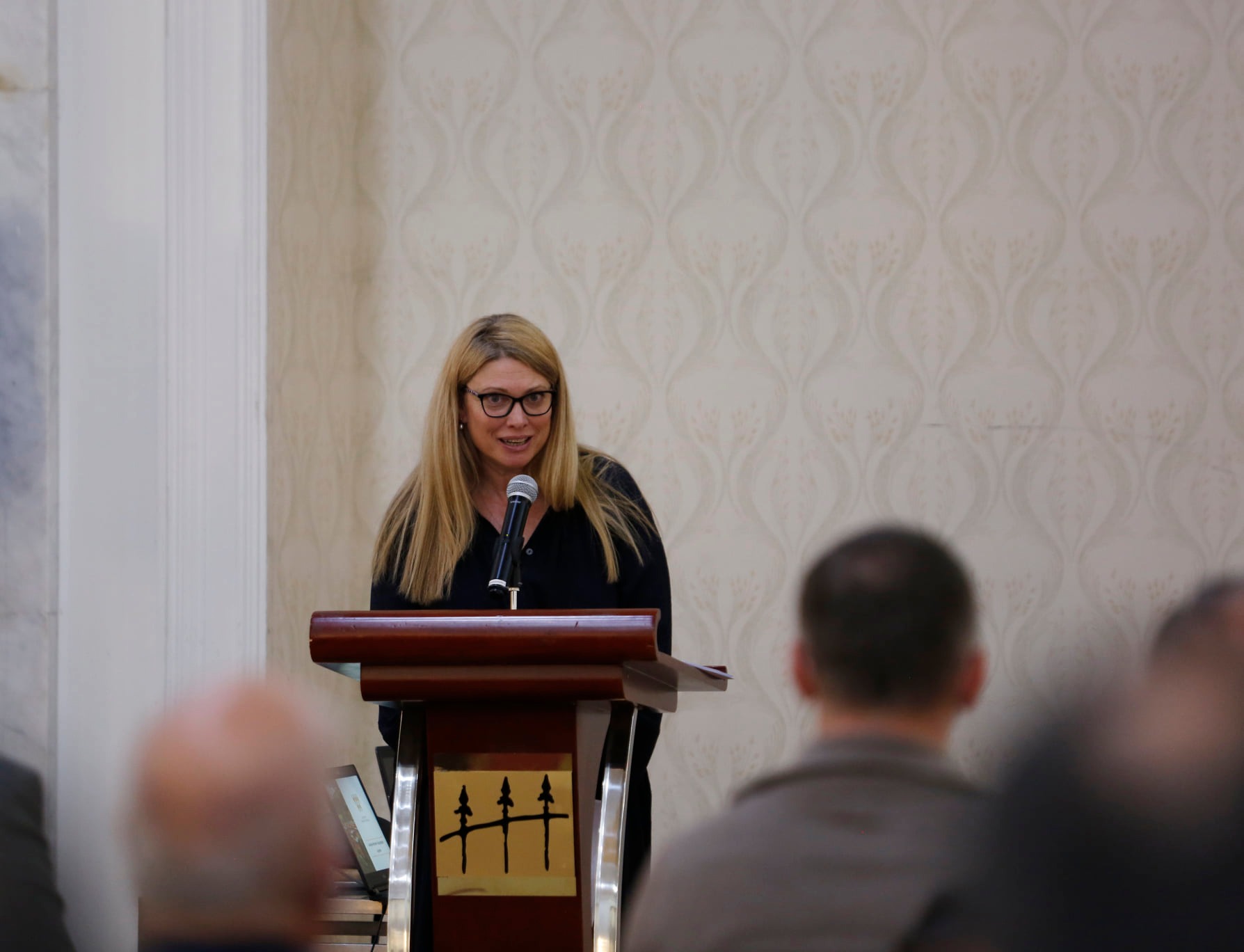
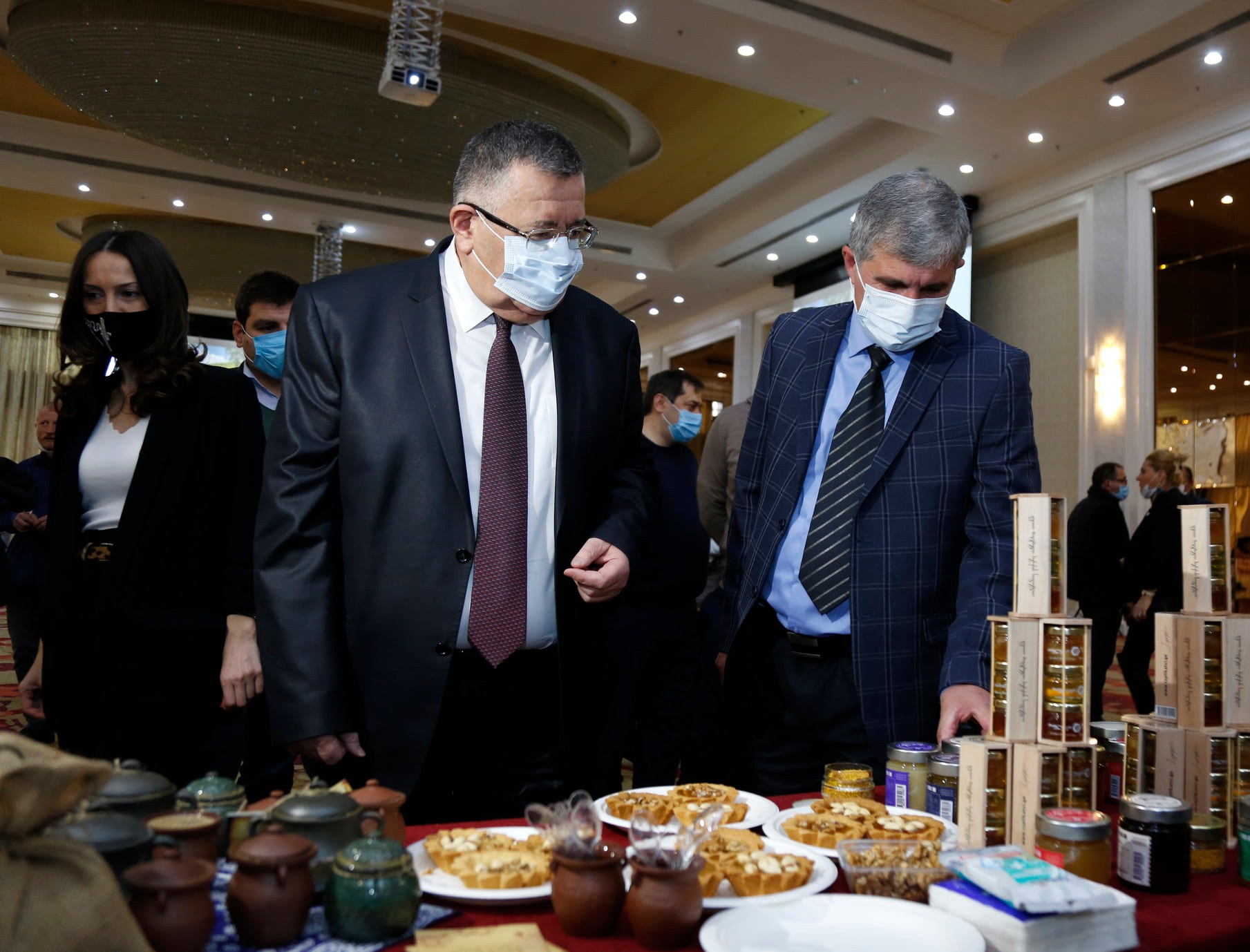
On December 20th, the Georgian Beekeepers Union (GBU) hosted an event to celebrate its third anniversary inviting key honey sector stakeholders to Hualing Tbilisi Sea Plaza.
Since 2018, the honey sector has seen huge gains under the auspices of the GBU, which is leading efforts to remove pervasive constraints to growth such as the widespread use of prohibited antibiotics and performing the role of non-governmental national representative of the honey sector. The GBU’s three years of extensive work resulted in increased honey quality, more effective governmental advocacy, better vocational education in beekeeping, including, Jara teaching, available information and trainings for beekeepers, promotion and improved image of Georgian honey at the Apimondia Congress and London Honey Awards, all that paving way for an increase of honey export.
‘There are some major developments in improving honey testing capacity, increasing awareness of Georgian honey, and opening of new export markets. The comprehensive laboratory analysis, before carried abroad, is now available in Georgia, which resulted in decreasing transaction costs.’ – Giorgi Khanishvili, the First Deputy Minister of the Environmental Protection and Agriculture of Georgia (MEPA).
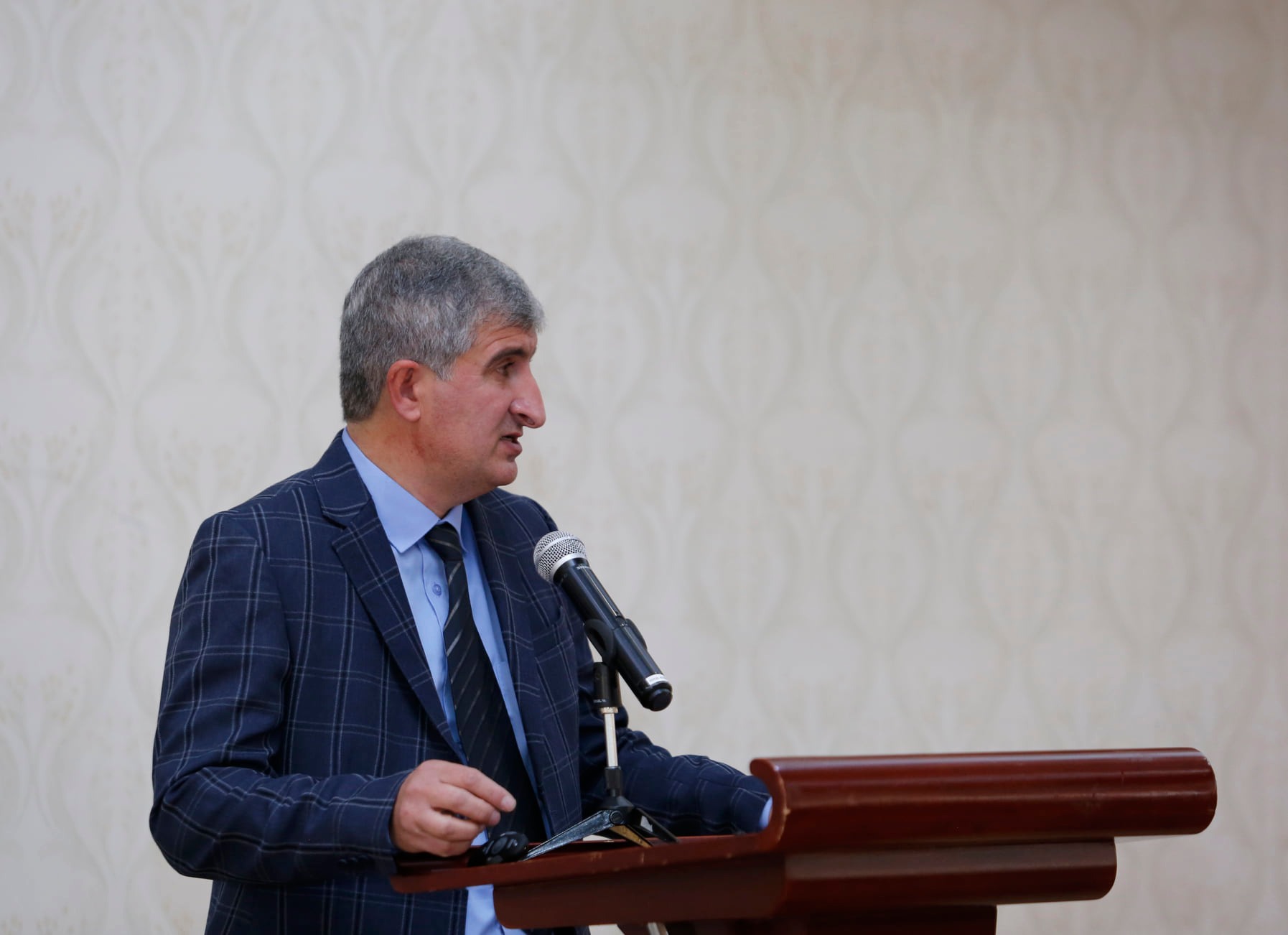
‘We were able to achieve significant improvements during these three years. We are continuing cooperation with the government and other honey stakeholders to ensure production of safe and quality honey.’ – Aleko Papava, the Executive Director of the GBU.
Photo source: The MEPA
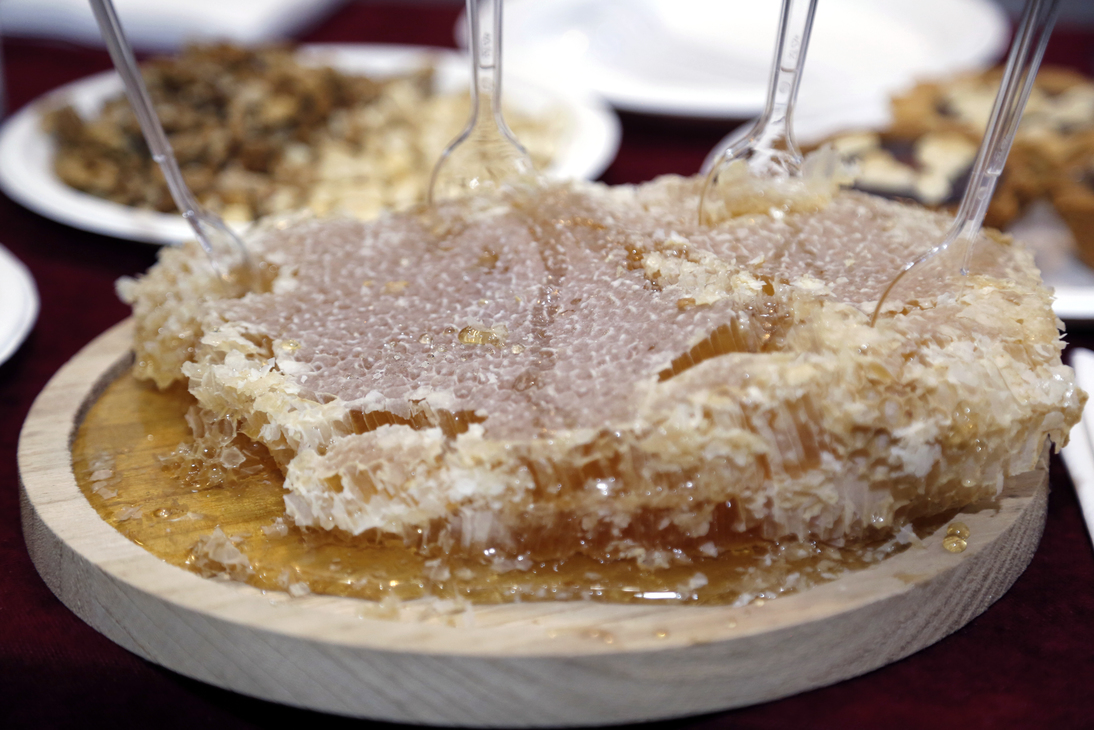
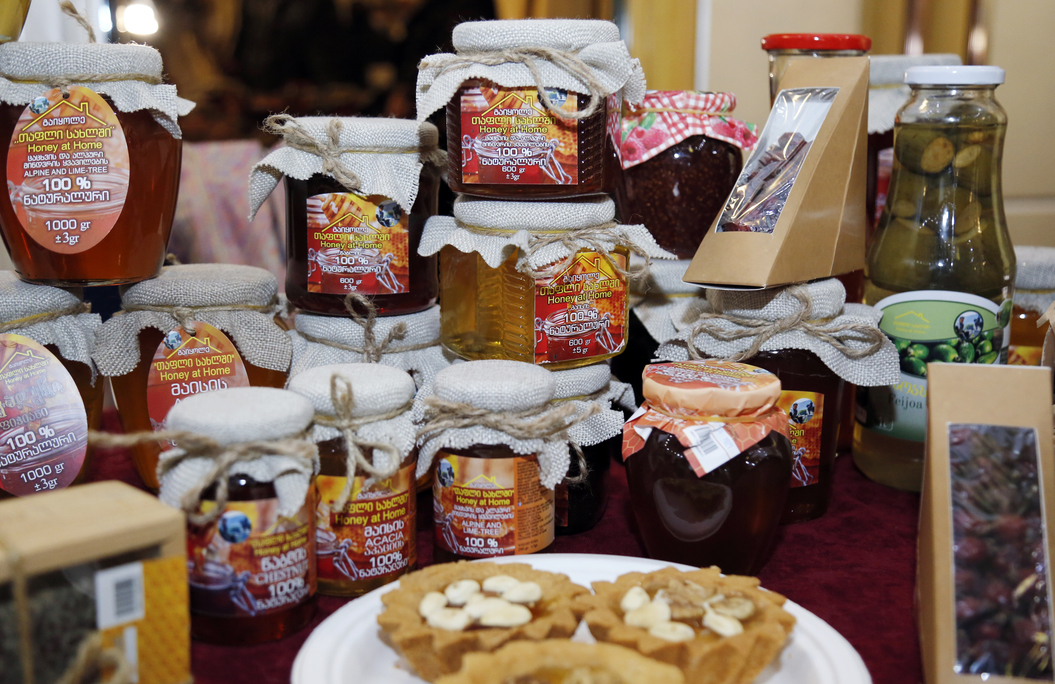
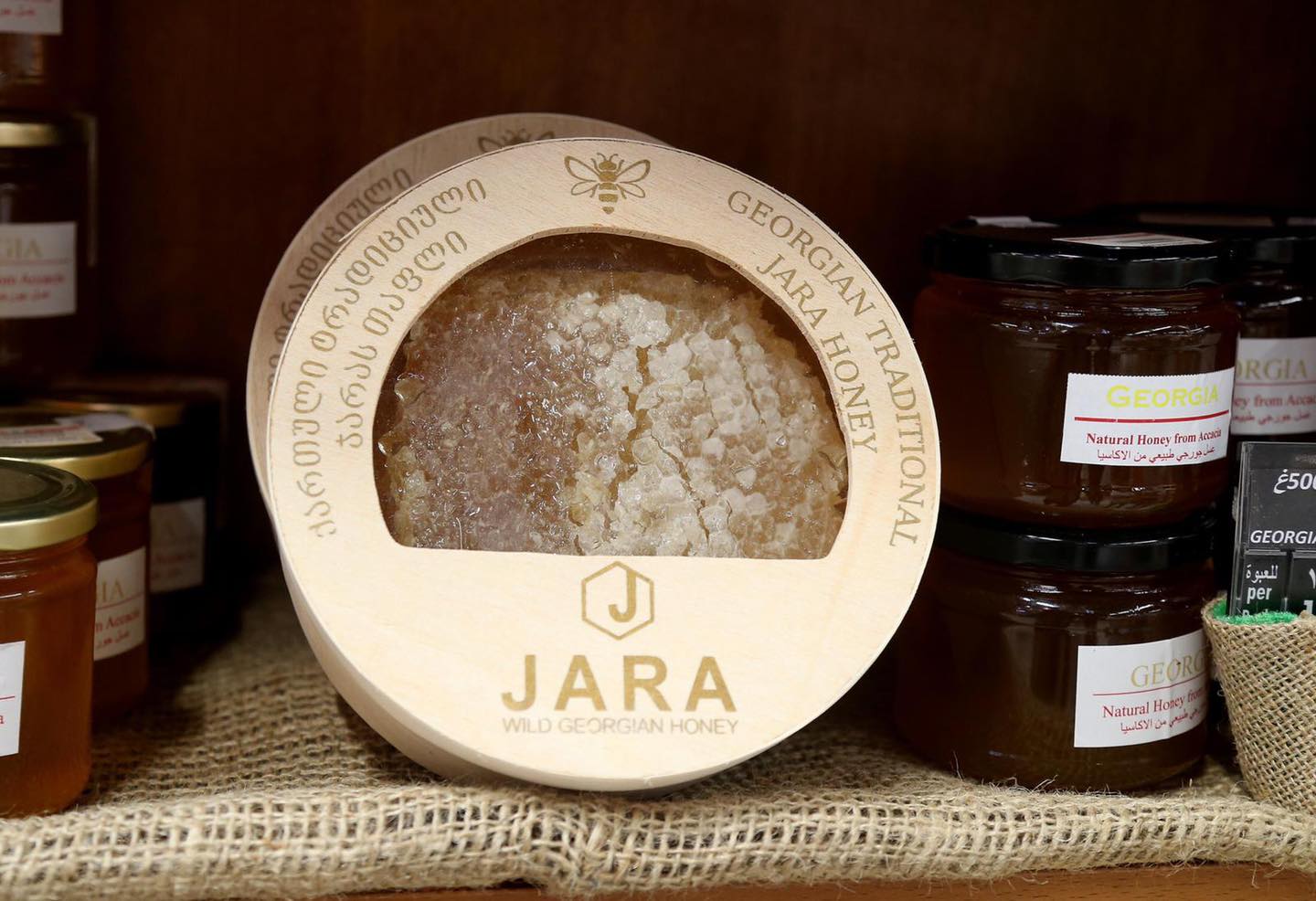
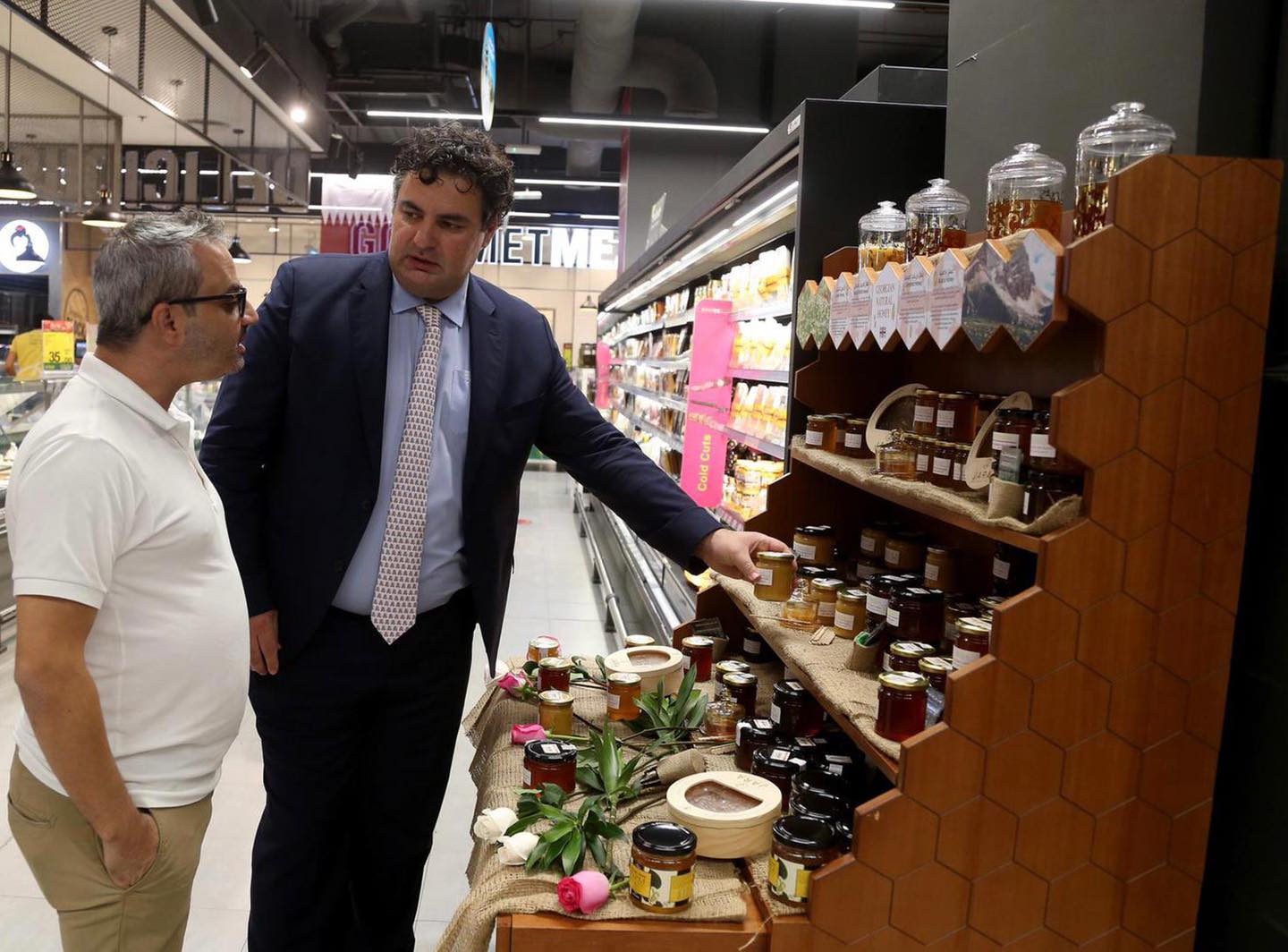
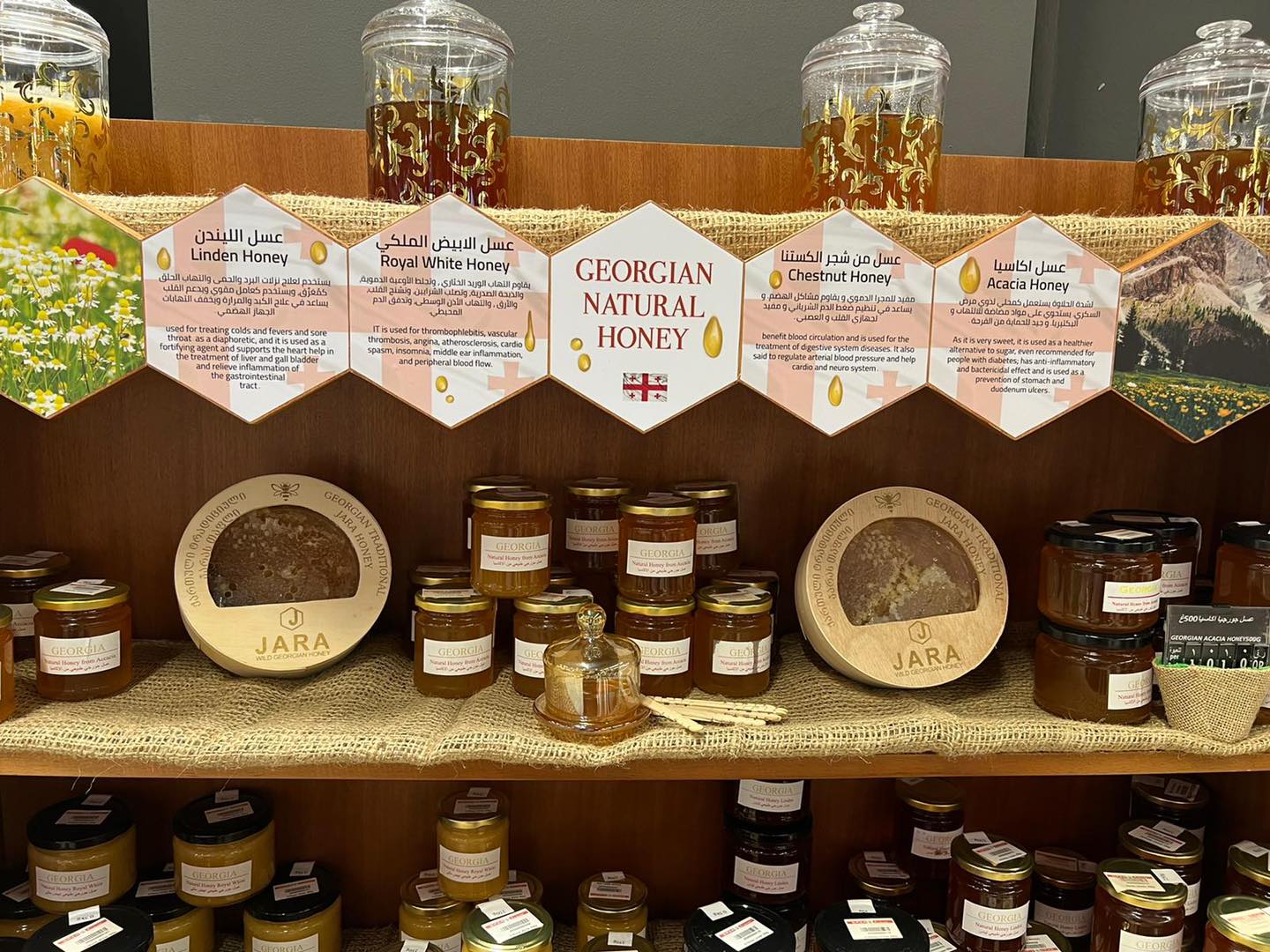
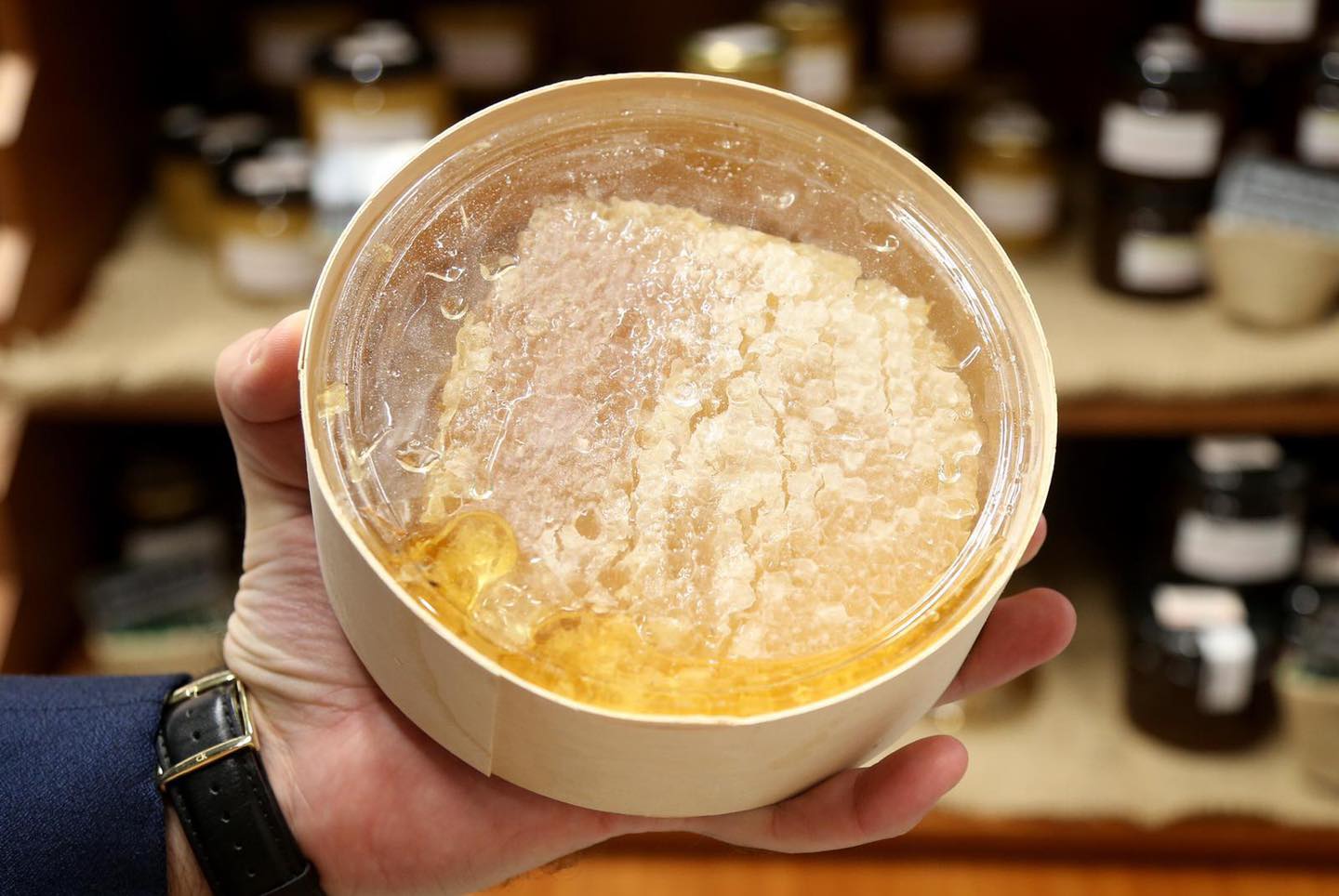
Nena Jara honey, along with other types of Georgian honey, found its place on the Georgian honey corner opened at the SPAR supermarket branch in Tawar Mall, the largest shopping mall in Doha, Qatar. Georgian honey corner will be opened in every branch of the SPAR chain. The process is backed by the Embassy of Georgia to the State of Qatar. The ALCP facilitated the export of Jara honey.
Local influential media AI Raya dedicated a comprehensive article to Georgian honey with a special highlight on Georgian beekeeping characteristics and traditional Jara.
The Qatar market seems promising. The Embassy’s previous facilitation for approval of a VET certificate, an essential requirement for honey export, has contributed to a 255% increase of Georgian honey export to Qatar in 2021 compared to 2020. The same figure saw a 350% boost in 2020.
Photo source: The Embassy of Georgia to the State of Qatar
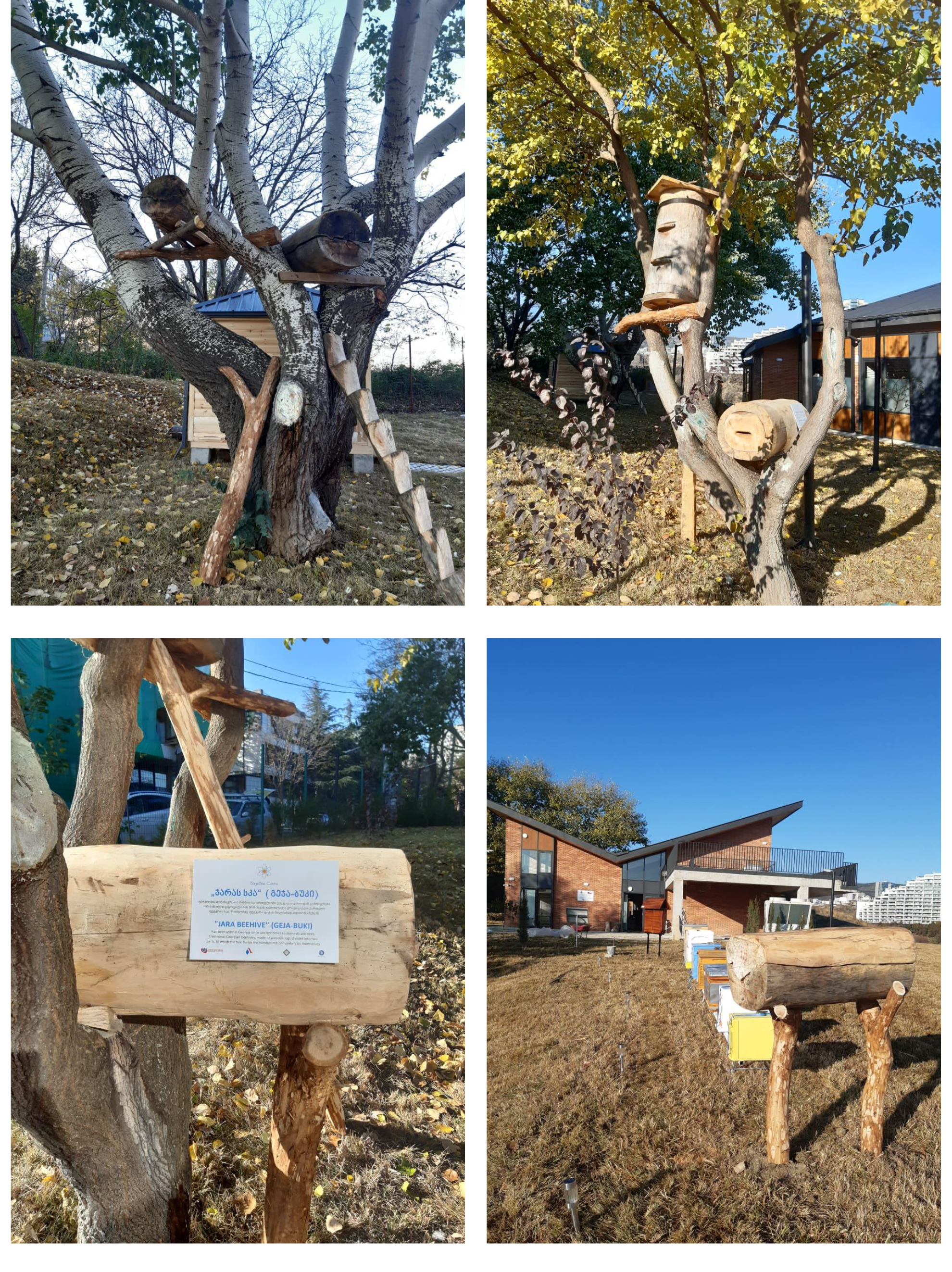
In November 2021 Jara hives took their place at the Beekeeping Regional Center, BageBee in Tbilisi for demonstration and educational purposes with the help of the Jara Beekeepers Association (JBA). The center is highly motivated to integrate Jara teaching in its beekeeping vocational programme now being developed under the project Modernization of Vocational Education and Training (VET) System Related to Agriculture - Work-based Learning. Last week, the JBA presented Jara honey to a wider audience at the Autumn Beekeeping Fair/Event, organized by the BageBee center, which was also attended by the Georgian Beekeepers Union (GBU) board members. Mutual cooperation between the GBU and the center is ongoing. The executive director of the GBU was invited to give a speech at the event and the director of the center was invited to the GBU Weekly Facebook Live meeting to present the center to the GBU member beekeepers.
Beekeeping Regional Center BageBee opened in Tbilisi in July 2021. The idea is to support the rural/urban connectivity, sustainable agriculture, and the vision of Tbilisi as a Green City.Key principles of the centre are environmental appreciation, sustainable resource use and inclusive growth. The BageBee center was built and equipped by the Czech Development Agency in the framework of the project Sustainable Development of Beekeeping in Georgia with a partnership of People in Need, Georgia, Association Agora and Tbilisi City Hall.
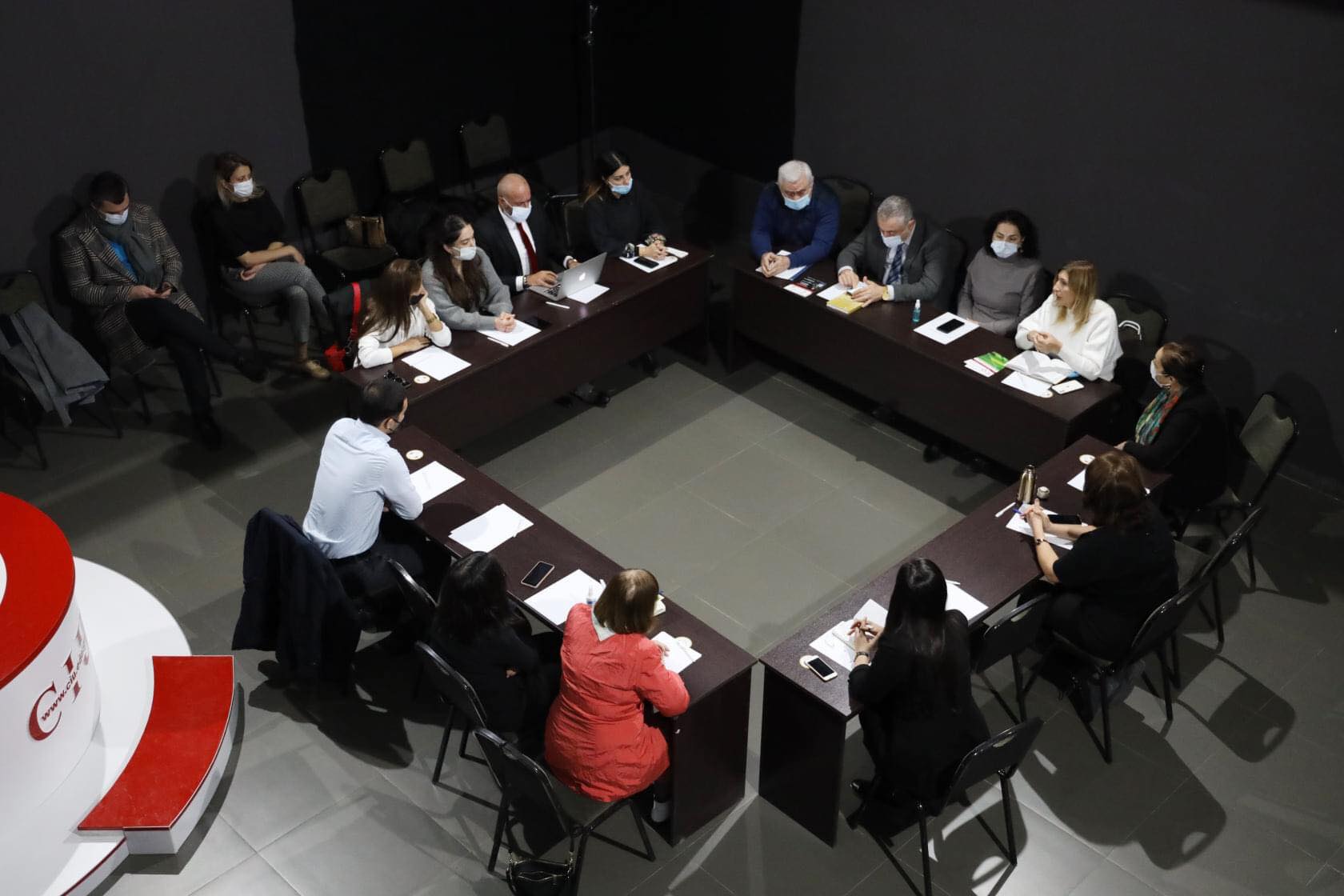
The Journalism Resource Centre (JRC), in partnership with the Society of Women for Rational Development in Azerbaijan (WARD), hosted a study visit of media and educational institution representatives of Azerbaijan.
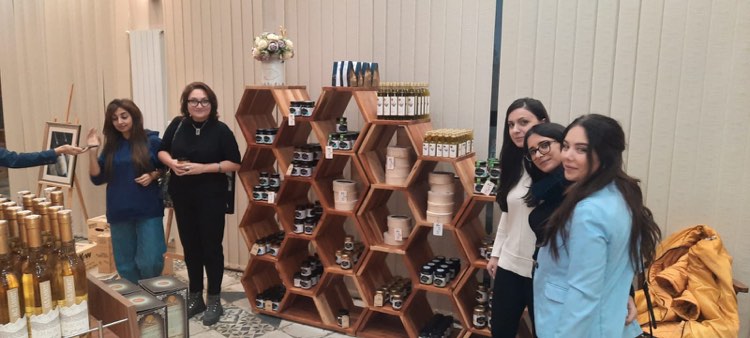
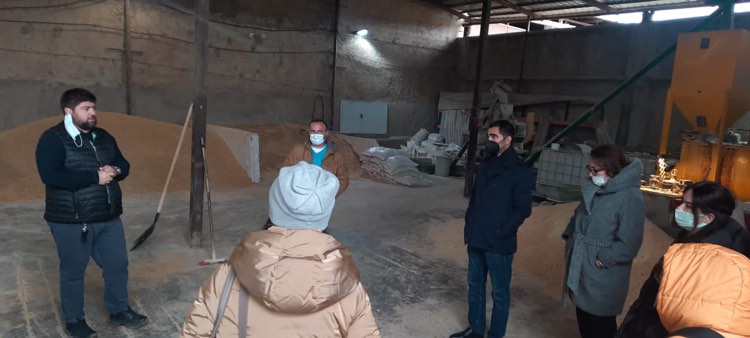
Agri-journalism students and lecturers at Caucasus International University shared agricultural journalism teaching practices. In Kakheti, they visited the farm of Beka Gonashvili, Head of the Georgian Shepherds Association, farmer, and entrepreneur. They also visited Kakhetian Traditional Winemaking to see their Jara honey and wine production and the dairy Leanka in Dedeplitskaro. The importance of education and information for farmers and producers and their cooperation with agricultural media was emphasized.
Beka Gonashvili emphasized the importance of providing quality information to farmers and producers. He is both a blogger and a farmer, so he is regularly publishing useful agriculture-related posts. The female owner of Leanka dairy talked about how the enterprise is ensuring the quality and how media is playing a significant role in this. At Kakhetian Traditional Winemaking Company particpants saw wine and Jara honey production and their export and how the Georgian Beekeepers Union is advocating the interests of honey sector representatives and supporting the awareness raising of beekeepers, such as through the national information campaign - Do’s and Don’ts of Antibiotic Use. Participants also watched a report about Jara Honey by Al Jazeera and Jara the Movie.
‘We will all together will work well for expansion the teaching of agricultural Journalism in Azerbaijan’ – Natia Kuprashvili, the Head of the JRC.
The Society Women for Rational Development (WARD) in partnership with the JRC is going to prepare a course of agricultural communication based on the study visit and share it with educational institutions in Azerbaijan.
Please see the related links: a textbook of Constructive Agricultural Journalism and video lessons added to this textbook.