By Helen Bradbury: Team Leader, Alliances Lesser Caucasus Programme


Information matters, it is our currency, the substance, the commodity which keeps our programmes running. We live in an age of information, are afloat on and sometimes drowning in a sea of it. We may check the oracle of google in answer to any question, live feeds, notifications and a torrent of minutiae in a mélange of events of great importance, continually assail us. Once there were spin doctors, now most of us spin daily be it personally or professionally. We are aware of the need to manage information, to have enough of it and of the right kind and most of us are aware too of the need to understand its quality and to know when and what we have is enough or too little.
M4P of course poses challenges in this as in many other aspects of its implementation, but for me the use of information is its heart. M4P is particularly finely calibrated to need high quality information and implementers able to gather, sort and feed it into the programme, implementers who aware of what they are doing, and why they are doing it. Name any stage of the programme process, let’s start with the team. We need practitioners with the right kind of understanding, flexibility and skills to interpret information, to plug it into the strategic framework and intervention planning. We often eschew experienced workers from the field of development with fixed frames of knowledge, for people with less direct experience and fluidity, choosing them for their qualities of perspicacity, ability to adopt, adapt, expand and respond. All stages involve the gathering, processing, articulation and feedback of information; market analysis, market system monitoring, ongoing capacity building, WEE implementation, calibrating interventions and of course M and E, results measurement, measuring systemic change; another entire galaxy of information management on its own. All stages require meticulousness, precision, rigour and common sense in the use of information to produce systemic market change which impacts the men and women of the target group.
The demands for the articulation of this information are multi-faceted and as dissemination channels proliferate so do the needs of those in direct relation to the programmes; donors, consultants, theorists and developers of practice, who must fulfil their own specific functions and feed information into their own burgeoning webs of outreach. Networks, e-groups, email notifications, photographs, film, presentations, numbers, interest stories. Hard numbers for professionals to crunch validity, interest stories and illustration for those we need to care.
Finally to the approach itself, literally. How you come to know something is often as important as what you finally know. M4P, market systems development; has been seen as a challenge to, a critique (I would argue an illumination through comparison) of other methods and methodologies in development. The process of reassessing even unlearning knowledge is not an easy one and is as emotional as it is intellectual. The juncture between those who in some measure know, understand and use the approach and those who do not, is therefore sometimes a tricky one. Perceptions and points of view are influential in the translation of the system. The heart of M4P is simplicity but as in all the best cases, simplicity provides the skeleton and blueprint for processes which as they build can seem like an overwhelming mass of complexity from an external point of view, particularly as no two programmes, externally at least the same. What, who and where are M4P, where does it come from, how do you do it, who does it, where can I find out more?????
Thus we come to two new websites, this one of the ALCP where we have a downloads page dedicated to compiling our own and other information that helps to answer these questions and the M4P Hub that was and the BEAM Exchange that now is. In our disparate, diversified, geographically spread world, an approach developed at the time of an explosion of information dissemination, needs sites like these. To now be able to direct someone to the right kind of information which presents, expounds and solidifies is essential in a growing field. To be able to refer to and interact with a cohesive entity which can provide a universally accepted centre point, platform, resource centre and indeed identity, is heartily welcomed.
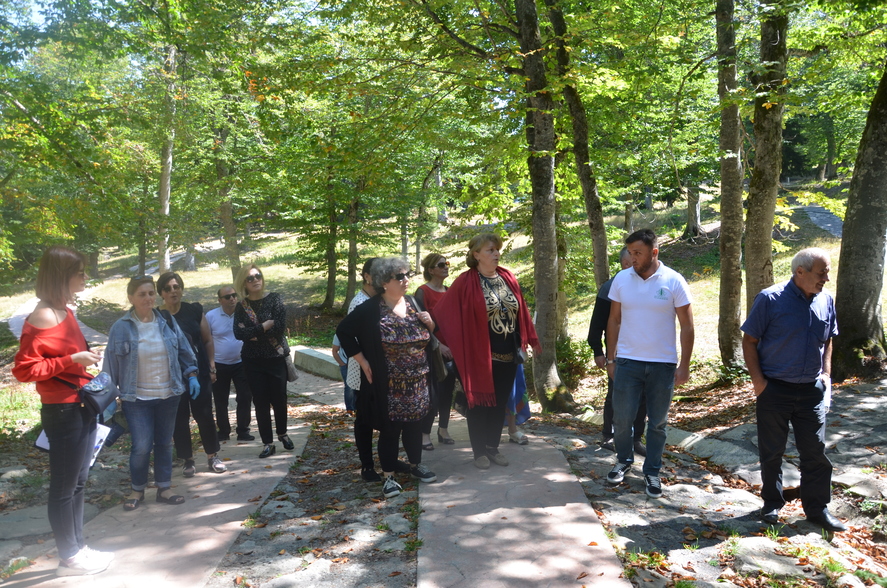
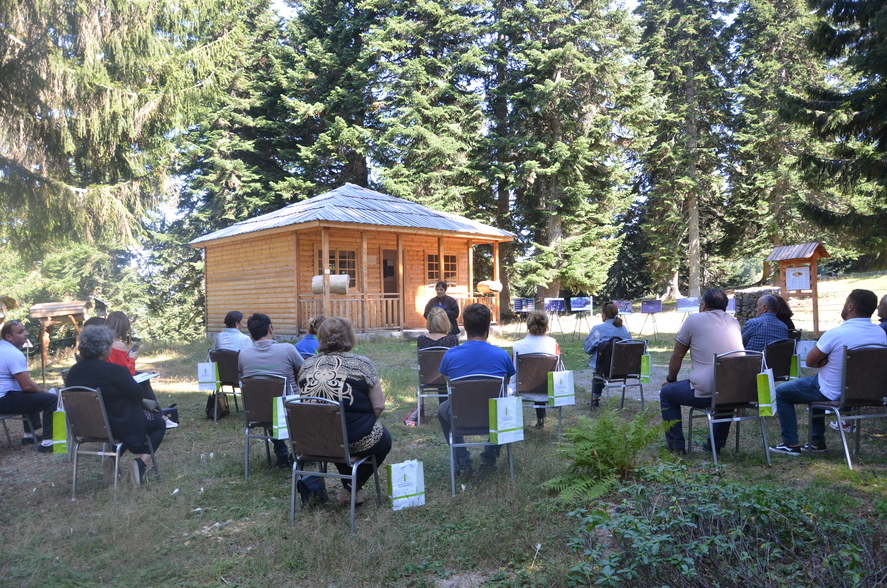
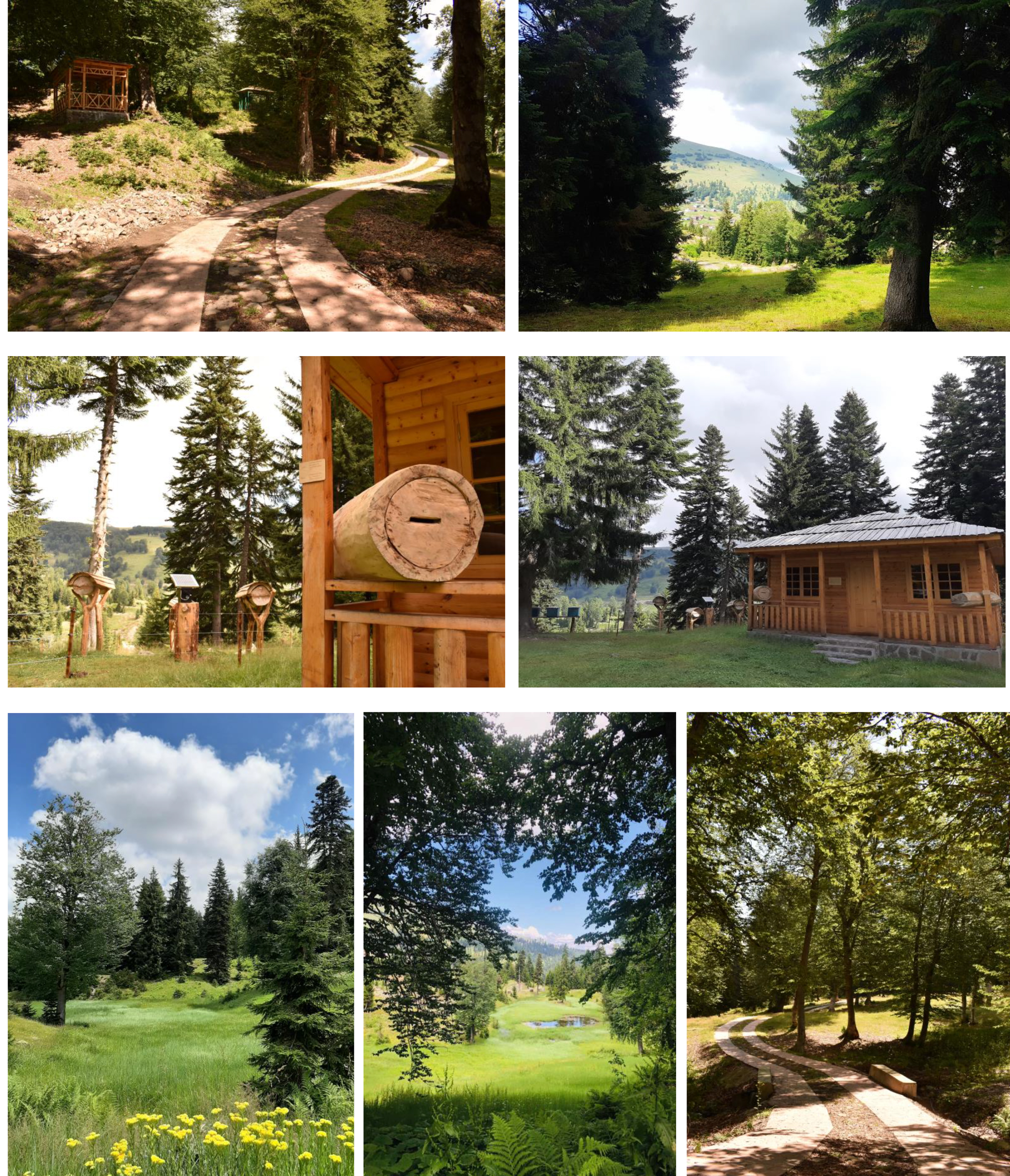
Manana Dumbadze was one of fifteen guesthouse owners from Keda, Shuakhevi and Khulo invited to attend an educational seminar hosted by the Goderdzi Alpine Garden (GAG) on September 18th on how biodiversity, conversation and Jara beekeeping can be used for business promotion and attracting more tourists.
‘The seminar was interesting and will motivate me to generate new ideas. I am arranging a garden in front of my house and I received information about plants. The GAG promised to help me to do it. I have beehives but I’m thinking of switching to Jara beekeeping, because it will be more interesting to our visitors, as it carries a traditional value.’ Manana Dumbadze, a guesthouse owner.
The seminar participants agreed on further coordination and information dissemination among others.
‘I am planning to have a Jara apiary from the next year. I will also include the GAG on our tour. I have a small cottage on the Goderdzi Pass, and I am planning to have visitors there.’ Nodar Shervashidze, a guesthouse owner.
Representatives of the Batumi Botanical Garden (BBG) and specialists from the BBG’s Local Flora and Conservation Department will continue educational seminars for teachers and school students in the upcoming year. The GAG is developing its role in wild flora conservation and eco-education with seminars and a beekeeping area, aiming to publicize the value conservation and traditional Jara beekeeping can have for sustainable local development and teach people interested in taking it up.
Officially opened in July, 2020, the GAG has already attracted sixteen thousand visitors since the opening, making it the prominent tourist destination in mountainous Ajara.
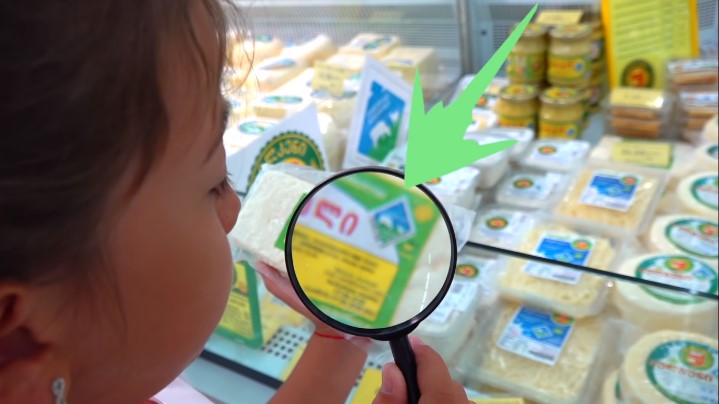
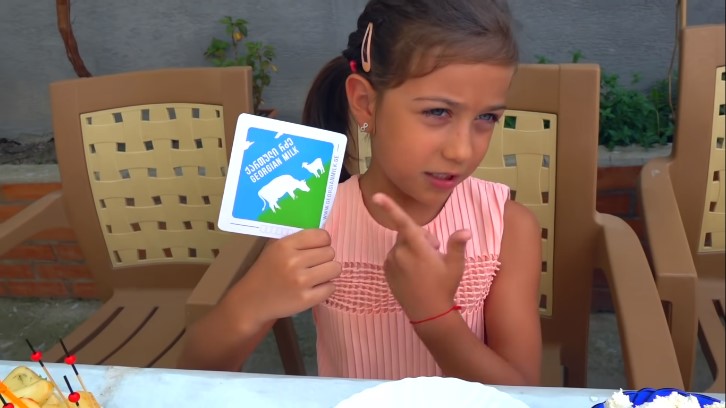
Emili is a young girl who has become an internet sensation in Georgia. Her YouTube channels Emili TV and Emili Family TV reach 708,000 subscribers. She regularly shares educational and entertainment content, including films about products she likes, many parents and their children watch her shows and follow her recommendations. Through ALCP facilitation, she (and her production team) decided to ‘investigate’ the Georgian Milk Mark.
The Georgian Milk Mark (GMM) films (on Emili TV and Emili Family TV) have reached 360,000 views just in two weeks.
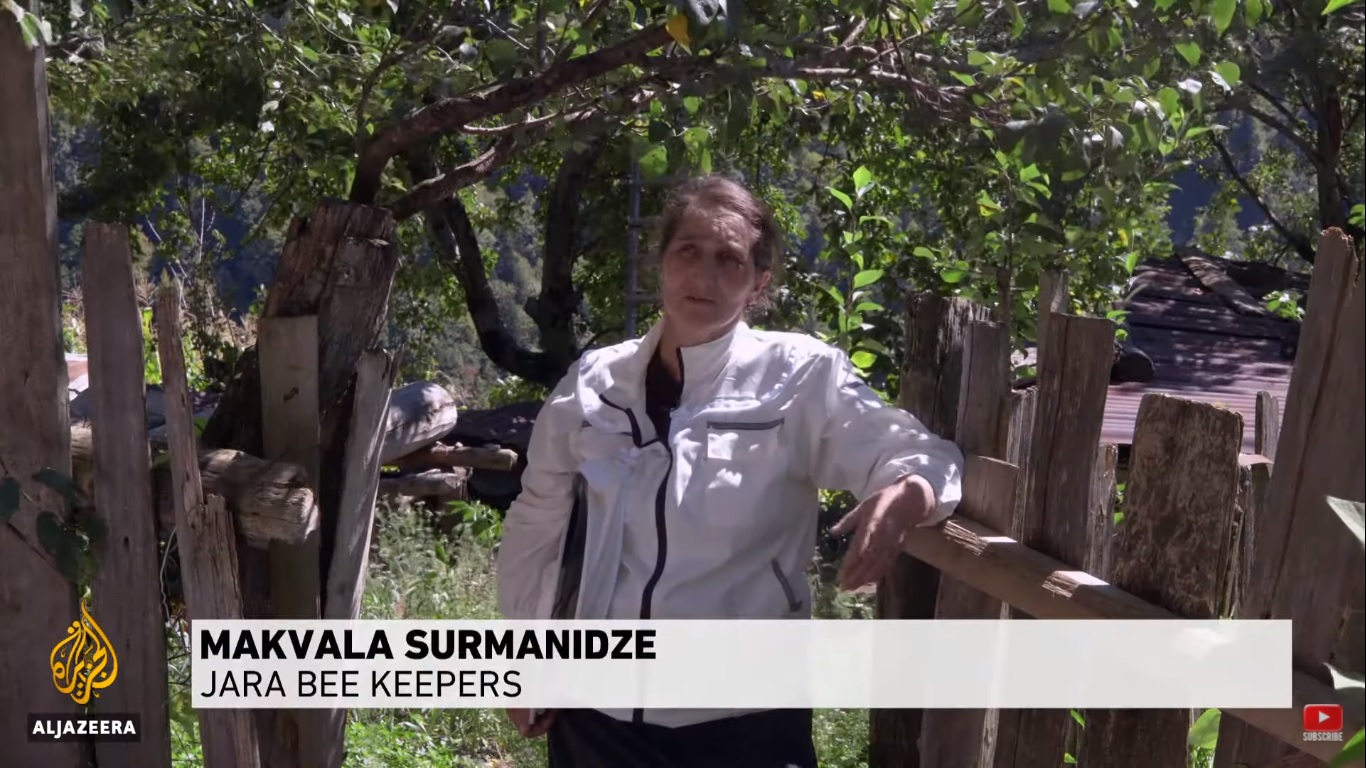
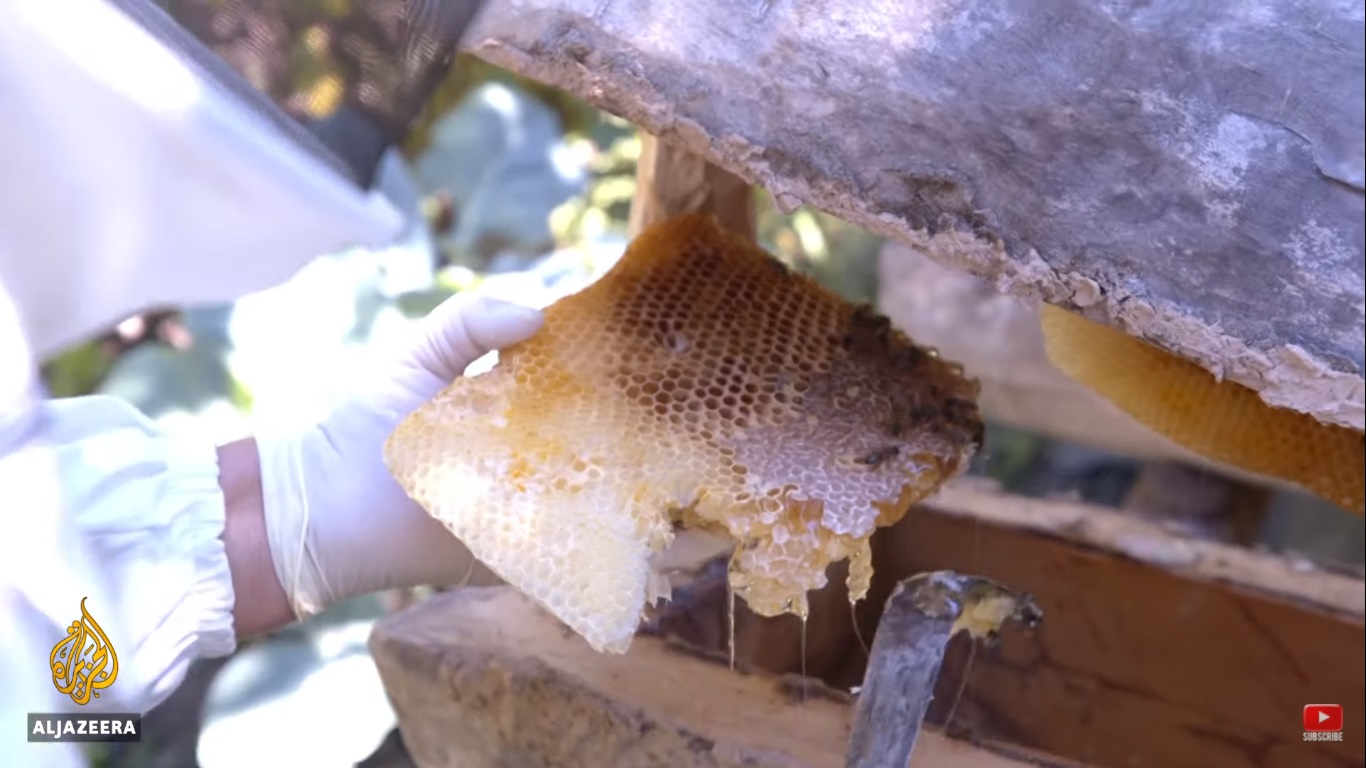
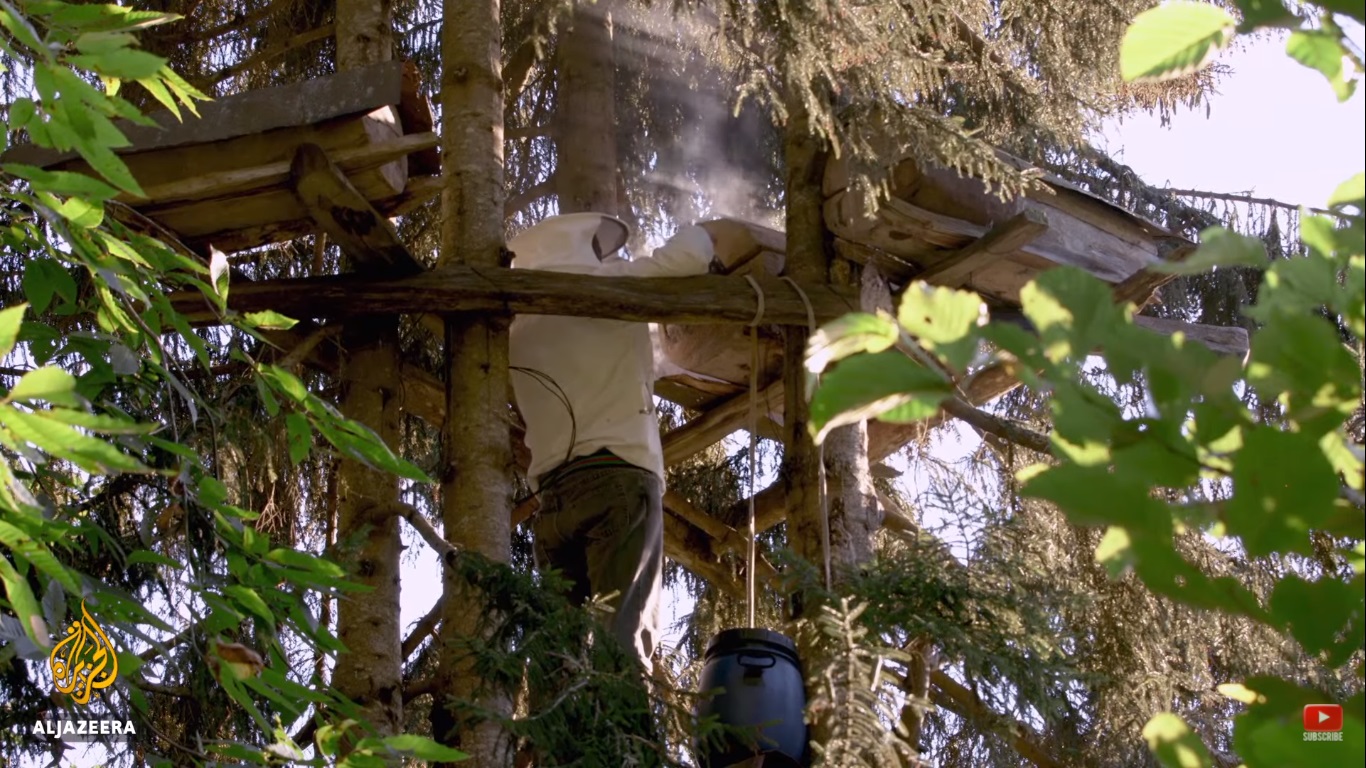
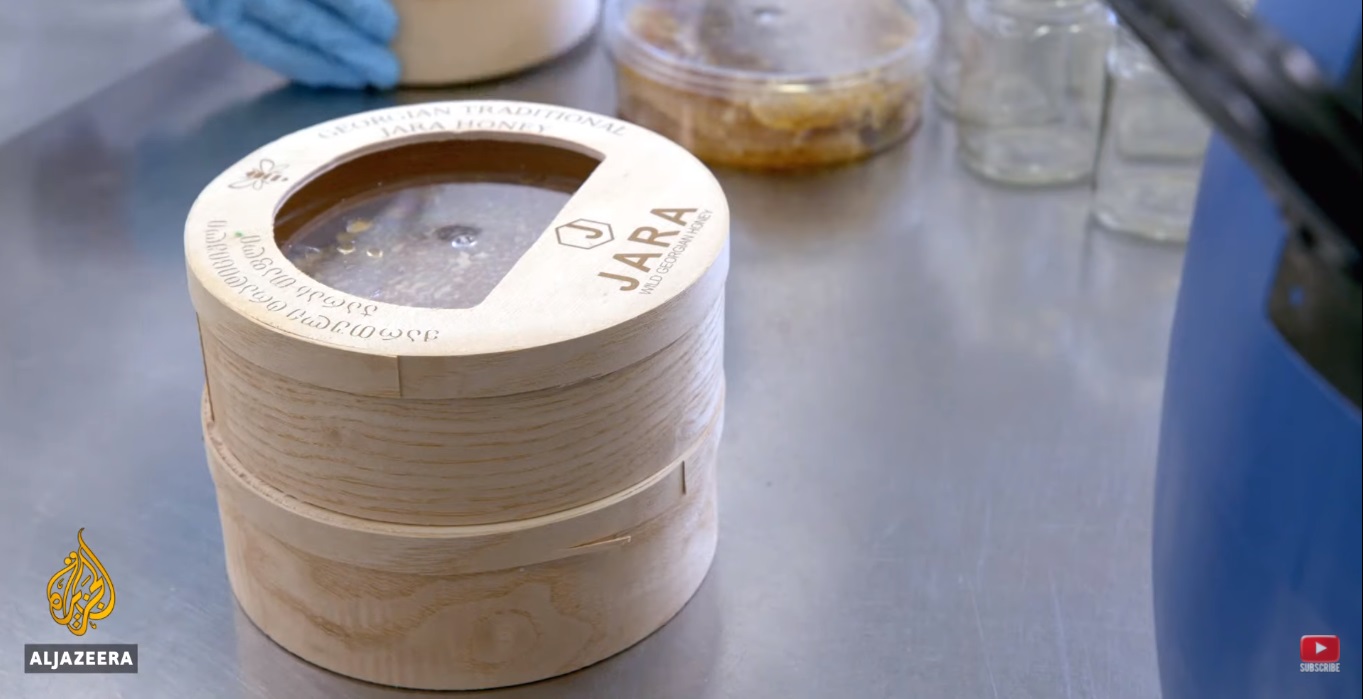
Traditional Jara beekeeping has reached a new audience through a report on Al Jazeera English and its Youtube Channel, with an audience of forty million in Gulf States alone. The report was developed in Ajara with assistance of the Jara Beekeepers Association (JBA), telling stories of female and male Jara beekeepers, emphasizing commercialization and future opportunities for Jara honey.
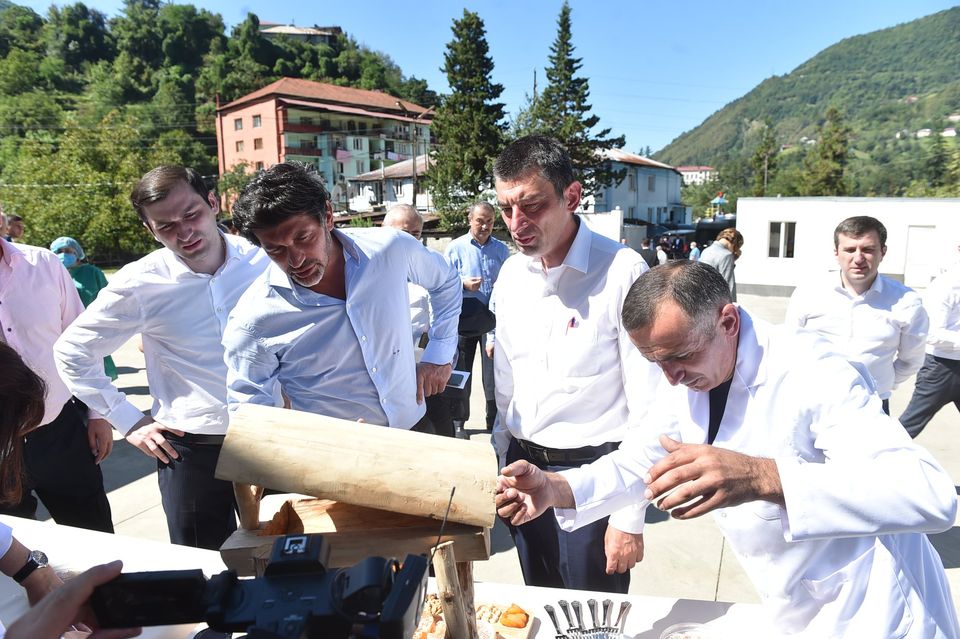
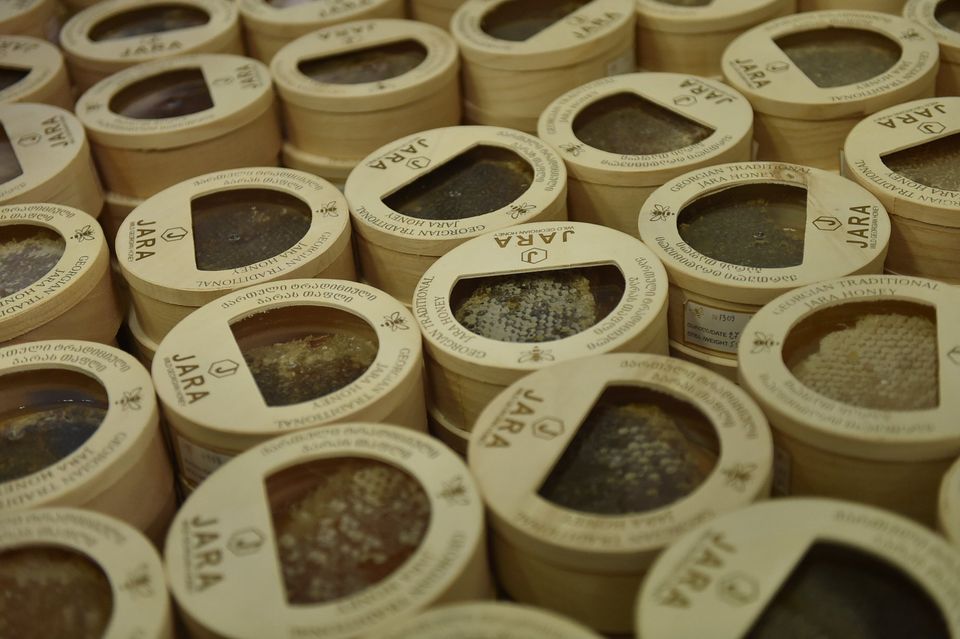
The Prime Minister of Georgia, the Chairman of the Ajara Autonomous Republic, the Mayor of Tbilisi City, and other government officials visited the Agro-Keda factory in Keda to see the honey production and packaging process, along with other Nena production. The honey showcase, Jara hive, different types of Nena produced honey for tasting, and honey catalogues were their favorites. The Prime Minister asked questions related to honey export and took the catalogues to find more details about honey.
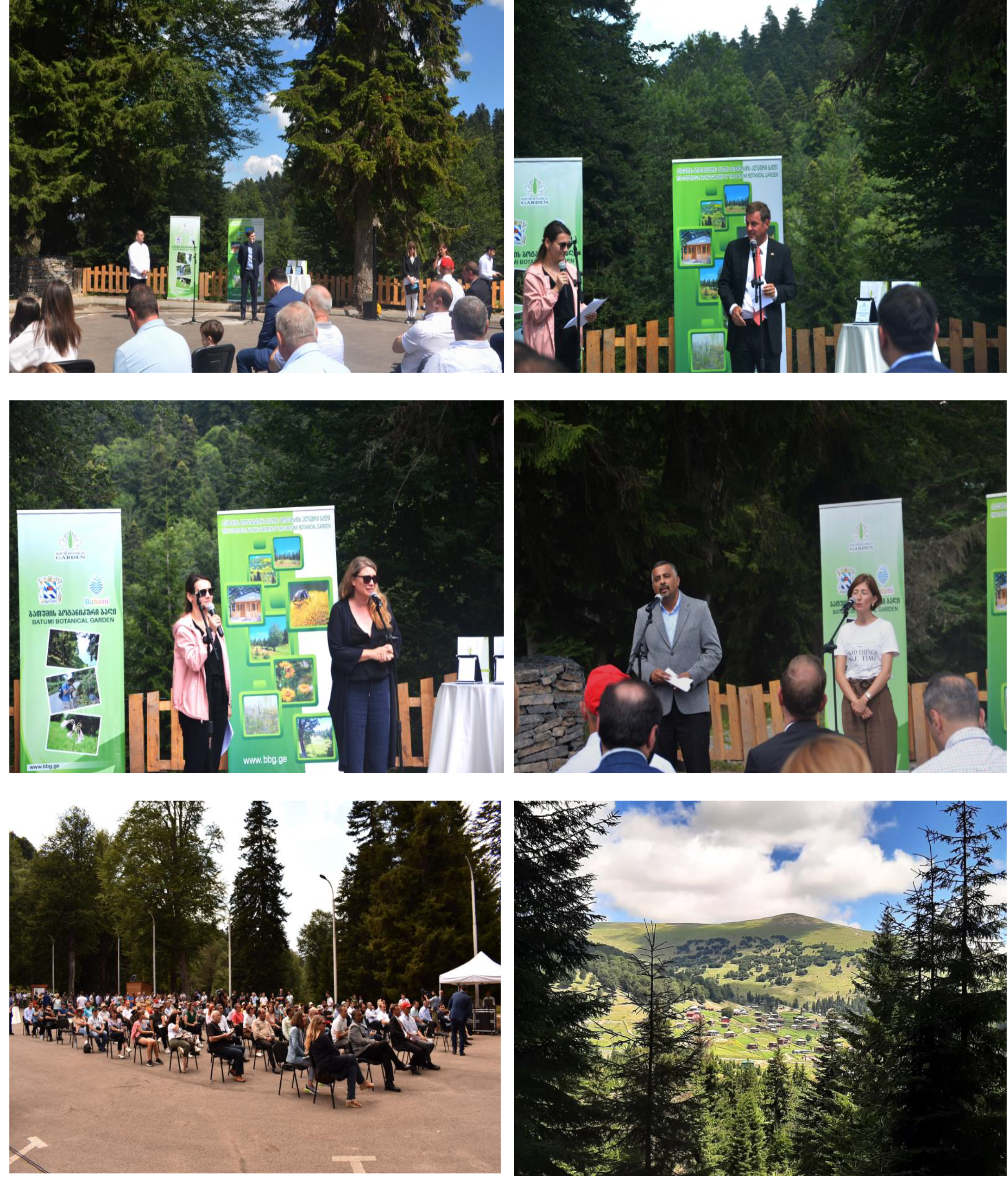
Located in Khulo, Ajara at 2000m above sea level, the Goderdzi Alpine Garden is now open. On Thursday, two hundred guests from government, municipal agencies, non-governmental and international organizations, travel agencies, scientists and botanists attended the opening ceremony.
Huge government support was there.
‘Opening of this natural monument will help Khulo municipality with further growth. We are working on the development of the local infrastructure. Those works together are increasing income for locals. My Special thanks to the Swiss Development and Cooperation Agency, Adjaristskalli LLC, and other organizations for making this project happen.’ – Tornike Rijvadze, the Chairman of the Ajara Autonomous Republic.
The Swiss Ambassador highlighted how natural treasure can positively impact local habitants, the means of quality-oriented tourism.
‘From the very beginning, we acknowledged the importance of the Goderdzi Alpine Garden not only for the region but also for Georgia at large. It is the initiative where eco-friendly tourism and agriculture are forcing each other for the benefit of rural settlers of the mountainous Ajara. It is also helping market with locally produced cheese, wild Jara honey and other local product.’ – Patric Franzen, Ambassador Extraordinary and Plenipotentiary of Switzerland to Georgia.
The Goderdzi Alpine Garden is an example of public-private cooperation.
‘Important thing about this is the sharing. We had a vision, we went to the Batumi Botanical Garden and shared this vision of taking this beauty and using it in the countryside so that all the people living here can also enjoy this vision. The opening of this garden is a symbol of positivity in a very negative time globally, a symbol of people getting together for something good.’ – Helen Bradbury, the ALCP Team Leader.
The main backer of the Goderdzi Alpine Garden is the Swiss Agency for Development and Cooperation (SDC) through the Mercy Corps Georgia implemented Alliances Caucasus Programme (ALCP). The project is supported by the Hydropower Company Adjaristskali and the Government of Ajara Autonomous Republic. The garden is being developed with the backstopping of Munich and Lautaret Botanic Gardens.
Follow the links on the opening of the Goderdzi Alpine Garden: Ajara TV, Imedi TV, Ajara Government FB, Ajara Tourism Department FB.
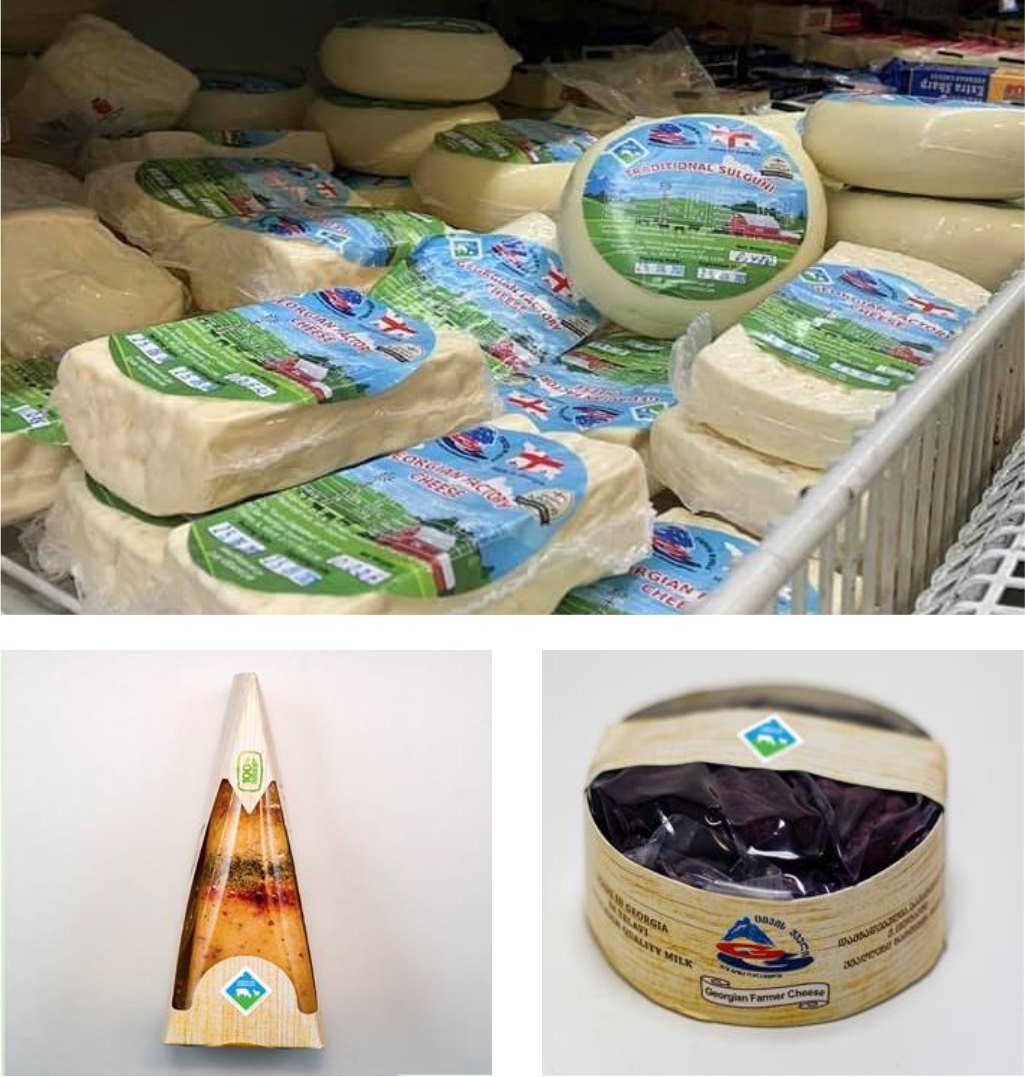
Last week, Tsivis Kveli Ltd in Kakheti distributed 250 kg different types of GMM cheese through the distribution company Georgian Imports in hypermarkets and cafés throughout Chicago. The dairy is now planning the next export in a few weeks.