By Helen Bradbury: Team Leader, Alliances Lesser Caucasus Programme
We are in an interesting conundrum. Gender in most places has been written-in to law. Bar a few notable exceptions, every country in the world, has varying degrees of success in applying universal suffrage. Fifty countries are signed up to the CEDAW convention (the UN’s Convention on the Elimination of all forms of Discrimination Against Women). On the CEDAW world map of Discrepant Government Behaviour Concerning Women, the countries shaded dark green which denotes ‘virtually no enforcement of laws consonant with CEDAW or such laws do not even exist’, are where you expect them to be and in fact they are relatively few. It is the next two categories which disturb, covering the vast majority of the globe, the mid and lighter green, where laws are partly or fully consonant with CEDAW but there is little effective enforcement or spotty enforcement of them and the issue is low priority or hit and miss. After the gains, the laws and ratifications of the last centuries it seems that we must tread very carefully indeed for we must counteract indifference, in which inertia and inactivity stop us moving forward.
In Britain in 1913 Emily Davison threw herself under the kings horse at the Epson Derby, women were in and out of prison under the cat and mouse act where they were let out to gain in strength after their relentless hunger striking and brutal force-feeding and then put back in again. They engaged in arson, attacked works of art. This was the fight for the vote for women in Britain, visible, violent and vehement. In 1928 they got franchaise equal to men. Whether you were fighting for or against, agreed or not, you cared, passionately.
Those of us who interest ourselves in activities concerning the development of equitable solutions to development problems, who are concerned with ensuring that both women and men benefit from strategies designed to impact the poor, have probably at some time in our dealings experienced a certain phenomenon. I was vastly reassured recently, if not slightly depressed, to see that even Hillary Clinton, one of the most powerful women in the world, had experienced it:
“I have been championing the rights of women and girls around the world and here at home for many years,” “and I got tired of seeing...foreign leaders, business executives, even senior officials in our own government...smile and nod when I raised these issues… ‘Oh right, I knew she was going to raise women and girls, I will just sit here and smile, it will pass, and then we’ll talk about really important things."
Hillary Clinton, Data2X Press Event, New York, January 12, 2015
Being Hillary Clinton probably guaranteed the smiles, in my dealings, in the course of programming and most notably with all levels of government, I have experienced some less sanguine reactions, but most often a shrug, an intake of breath, a glazing over, a good time to check the cell phone and a knowledge as she rightly points out that it will pass fairly soon, being as it is, as everyone has figured out, an add on. It is insidious in its passivity, there is no heat in the exchange as we are all of course in agreement, and the issue slips away, dissolves in inactivity.
How then do we keep it alive? How do we stop it being an add-on and counteract indifference? How do we make it real in a constructive way? How do we make sure it gets done?
Equitable solutions and women’s economic empowerment (WEE) which is what we work for on the ALCP, require hard work and they are difficult to do, but not because the means to achieve the solutions are complicated, they are in fact extremely simple, but they do require coordination, commitment, cooperation, and most of all persistence. Tools, procedures, operating mechanisms and strategy for ensuring women’s economic empowerment must be built in to the programme structure, adhered to and carried out every day as normal. They must be operationalized. The issue of indifference here noted in government could equally be applied to development. Not in ethos and intent, but in practice. In a recent literature review of measuring women’s economic empowerment, of the thirty projects reviewed only eleven had an indicator to measure the most basic of all WEE measurements; access to services. The primary recommendation in the review for projects to improve their WEE performance was to collect gender disaggregated data. This is just the bottom line.
We talk of complex issues, change pathways, negotiating ancient customs of how to measure agency over household income. Just doing the basics would be a great start and essential first step. Hillary Clinton is of course once more on the button with Data2X—a joint project, with the Clinton & Gates foundations, UN and others, to gather and start a gender data revolution, which will allow policymakers to recognize problems more clearly and create more informed policy. The first step is clear, we all know what to do, we just need to do it and keep doing it.
For more on operationalizing WEE in Alliances see: DCED Webinar Measuring Women's Economic Empowerment
Measuring Women's Economic Empowerment in Private Sector
Helen Bradbury is a development professional with a career spanning market system approaches to solving problems ranging from the welfare of working horses in Ethiopia to early economic recovery in post-tsunami Indonesia. She now manages Mercy Corps' flagship market systems development SDC funded Alliances programme in Georgia, and advises on M4P and women's economic empowerment. See www.aclp.ge for more details.
The first Women’s Business Forum was held on the 31st of January, in Batumi, Ajara, the event hosted by the Association of Businesswomen of Ajara (ABWA) of the Ajara Chamber of Commerce and Industry (ACCI) in partnership with the Women’s Rooms municipal service. For the first time in Ajara, 140 representatives of local, regional and central government and private sector have gathered to share their experience and look for business growth opportunities.
For more information on the event's impression here .
The dream of many pop brands is to ‘make it in America’. Tsalka producer Tsezari Cheese Company, has started to do just that. Sun Breath Corps a Georgian distribution company based in New York contacted Tsezari through contacts related to the programme to export the cheese. Beginning in June1,200 kgs of Smoked Sulguni has so far been exported to New York, US. Tsezari who is HACCP certified and has been a main supplier of Sulguni cheese to the Carrefour chain in Georgia for over two years, can guarantee quality and a regular supply which is vital for successful export.
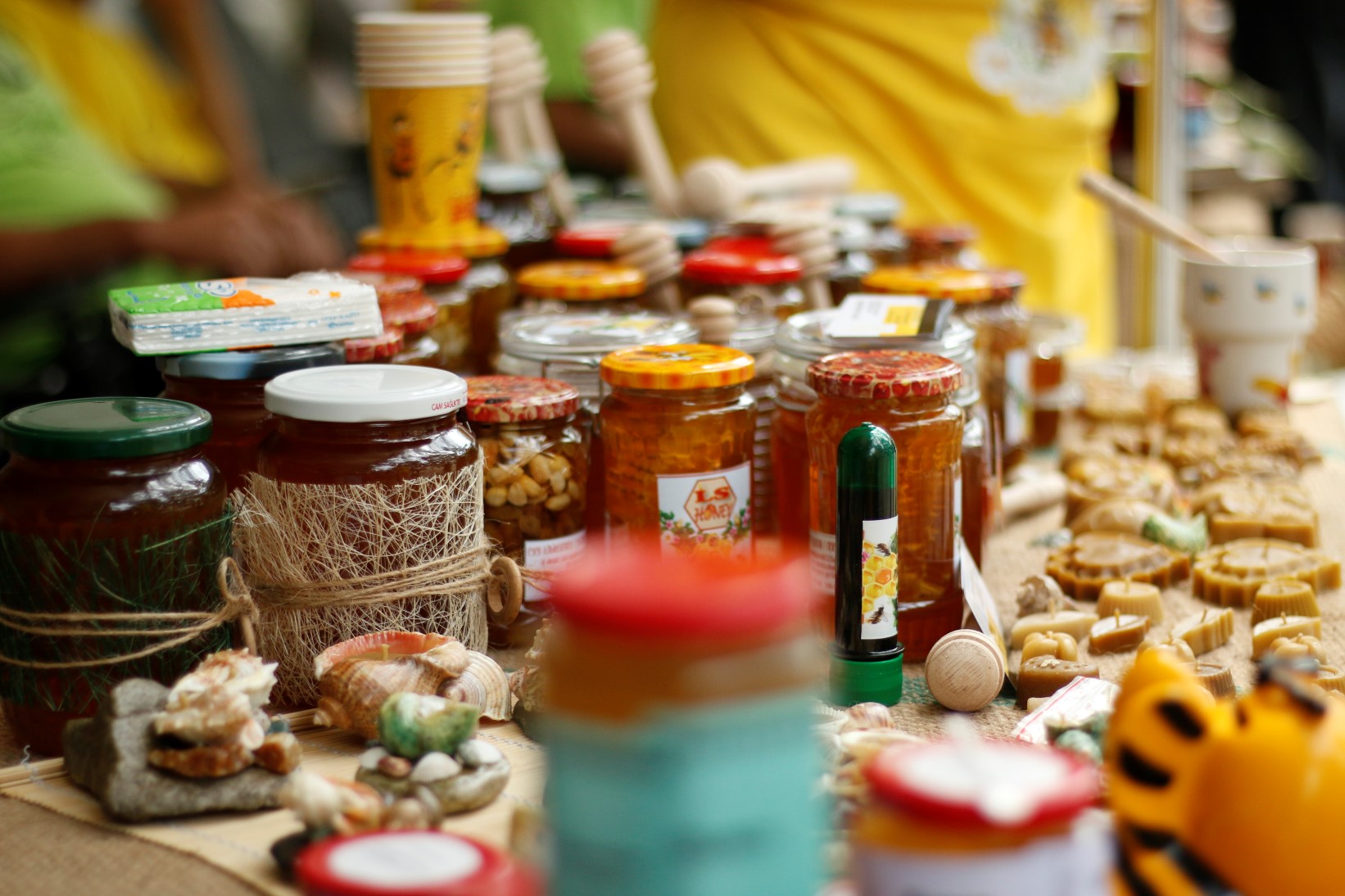
Batumi Boulevard is still buzzing from this summer’s sweetest festival, Honey Festival 2016. Organized for the second time by the Ajara Beekeepers Business Association on 13th of August. Last year’s debut festival was so impressive that this year’s festival had the support of governmental bodies Agroservice Center and the Cultural Heritage Preservation Agency of Ajara, who wanted to contribute to the festival and promote local honey production. Thus the festival was larger in scale this time, with activities taking place over two days, starting in Batumi Boulevard and closing in Gonio Fortress on 16th of August.
Informational leaflets on Animal Identification-Registration were distributed to the farmers of Samtskhe-Javakheti, Kvemo Kartli and Ajara regions by NFA representatives. These leaflets will serve to increase awareness of the compulsory EU regulation for preventing animal diseases, ensuring the health of animals and traceability that contributes to safe selling of meat, protecting consumers` rights and Georgia’s image as a country of high export potential. The NFA has also been providing vaccination for Foot and Mouth and blood tests for Brucellosis on the site. According to the latest data, 1 939 674 livestock and 140 466 small ruminants have been identified, and in total 994 058 animals have been registered.
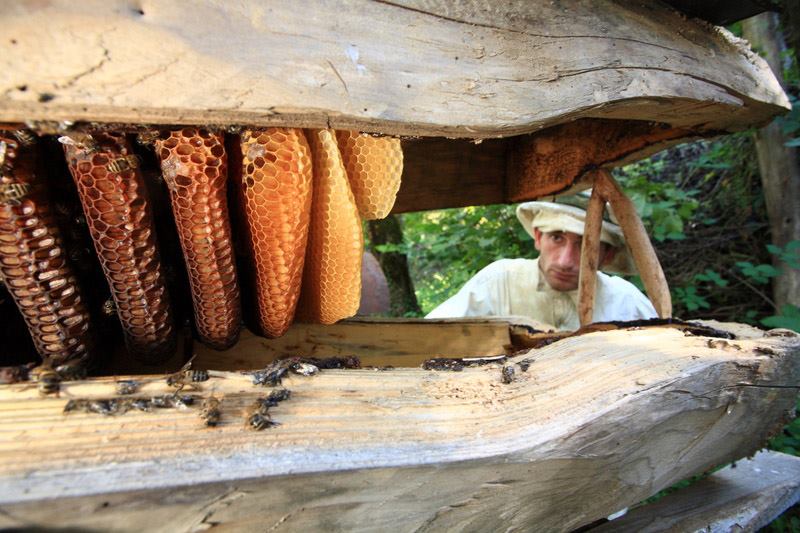
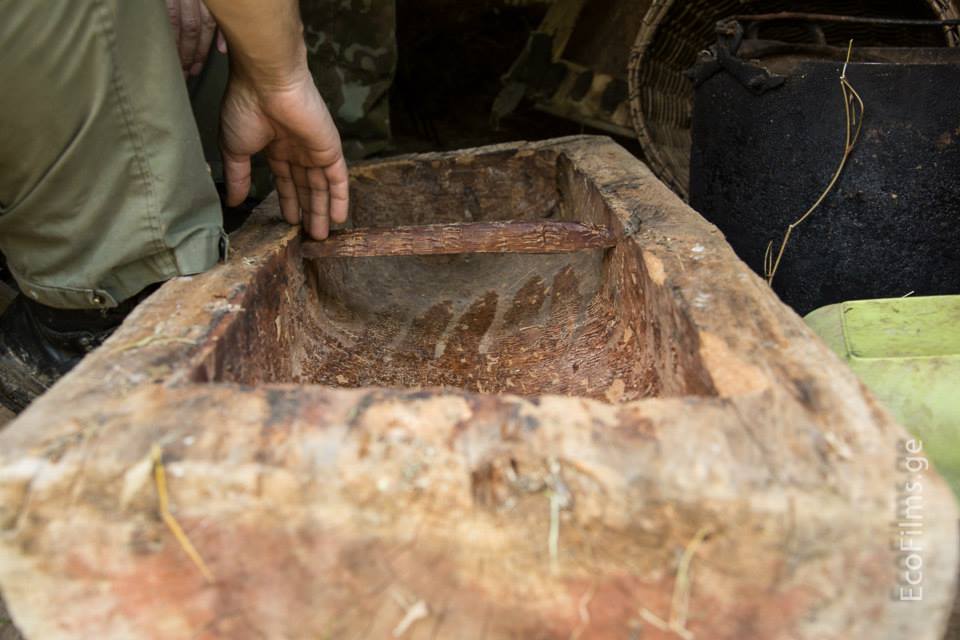
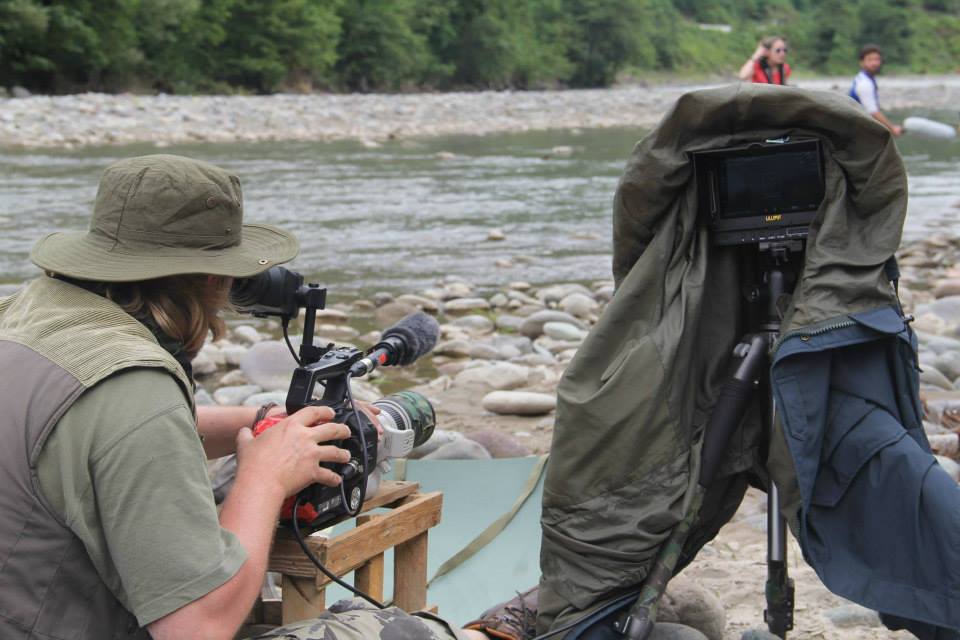
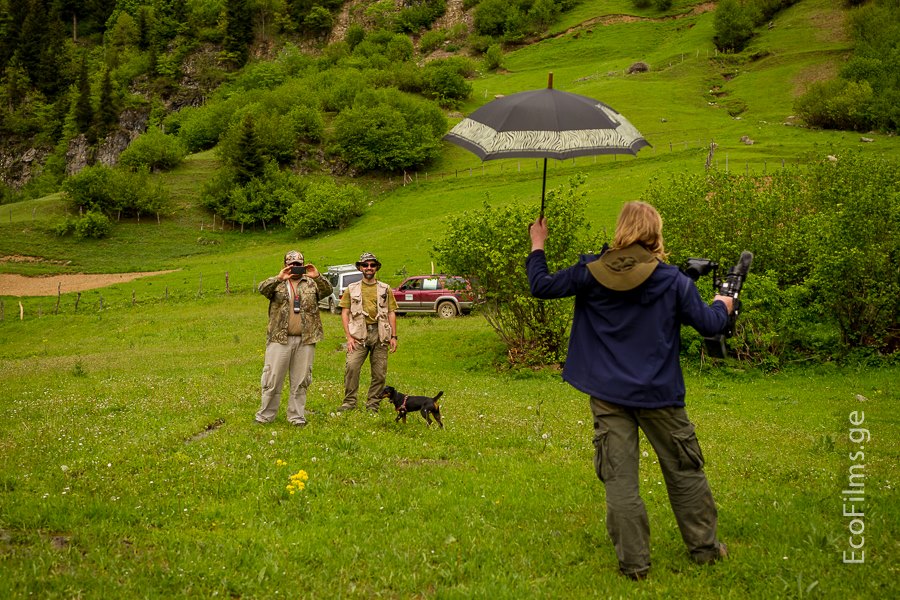
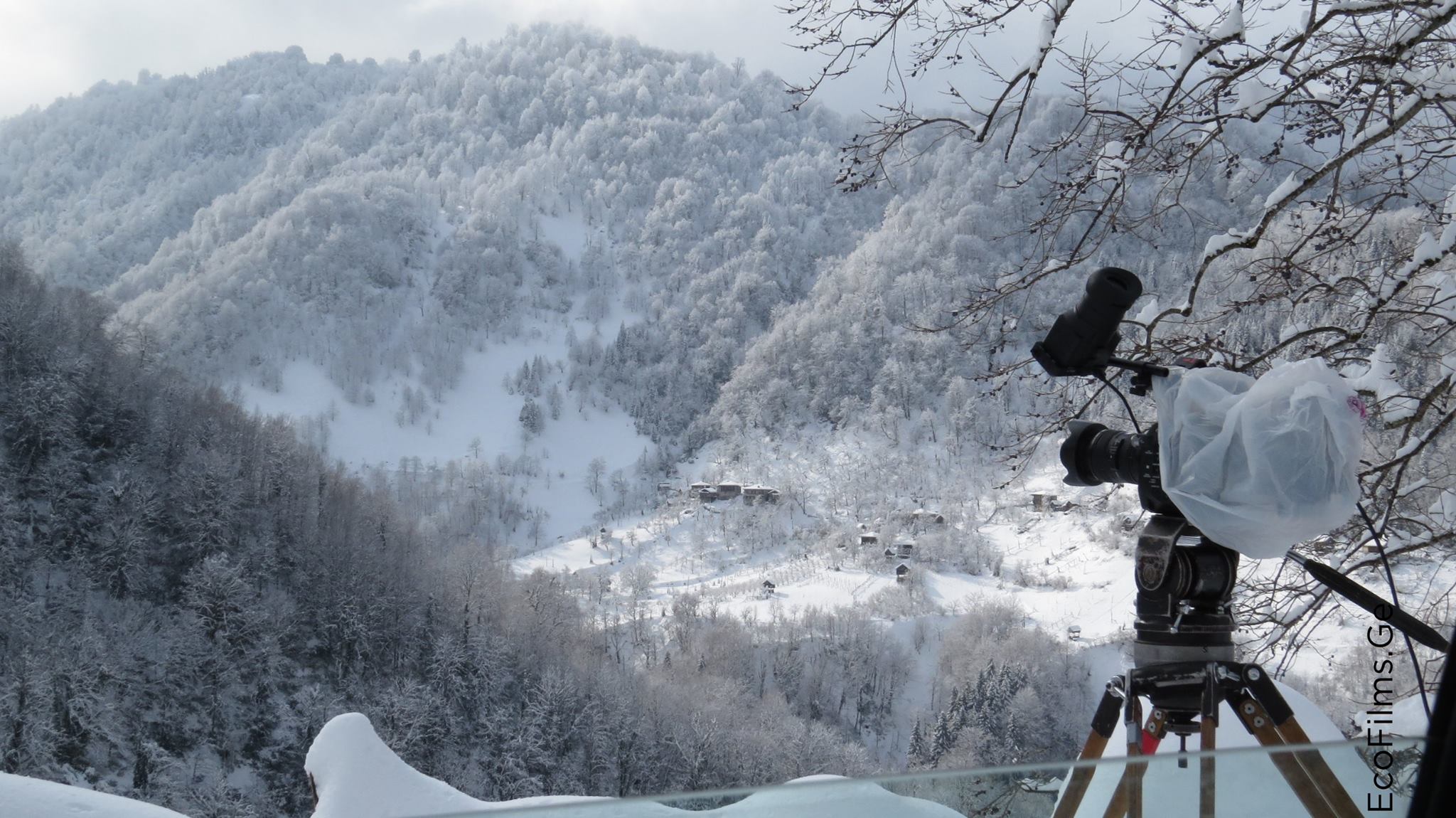
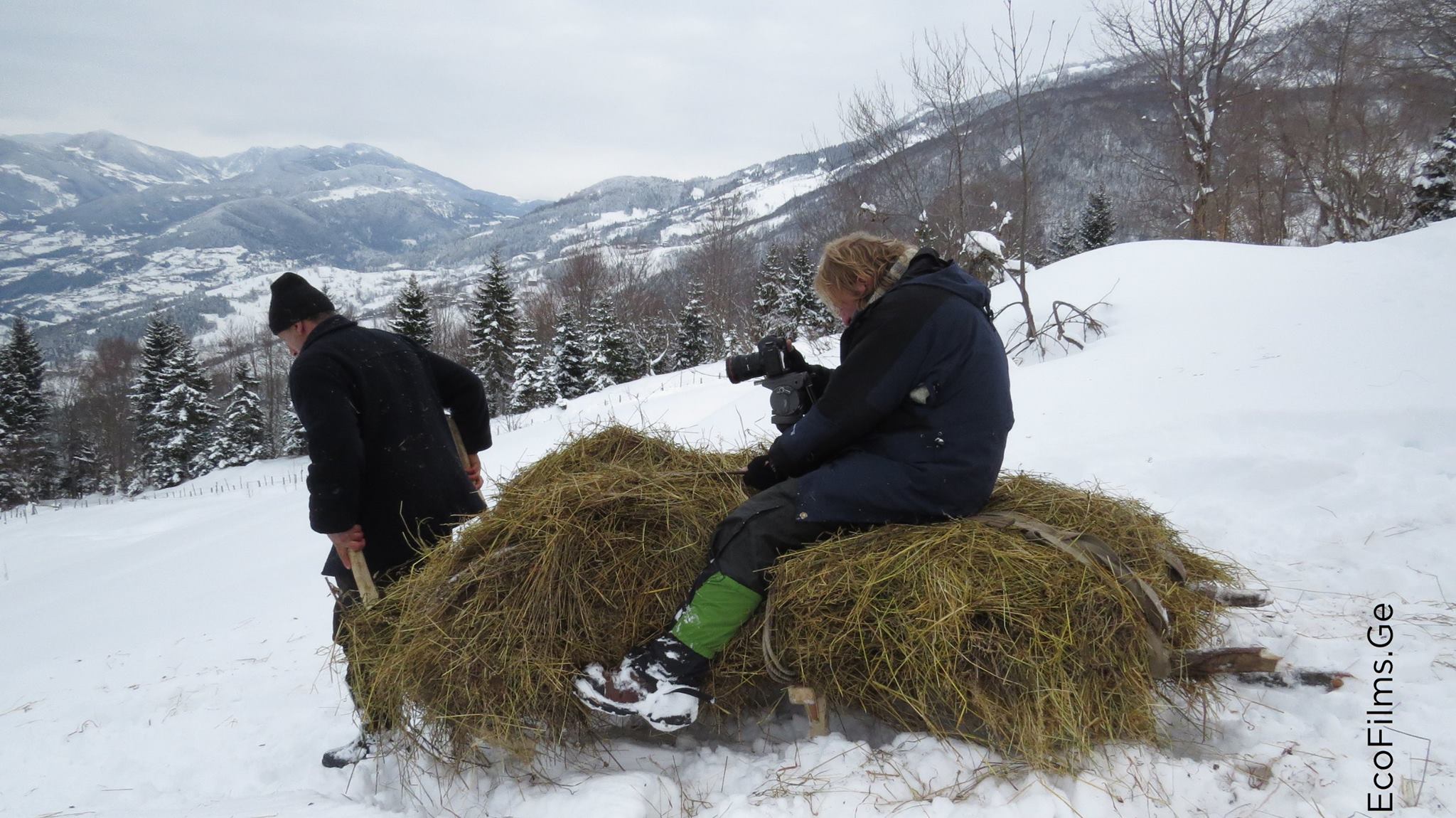
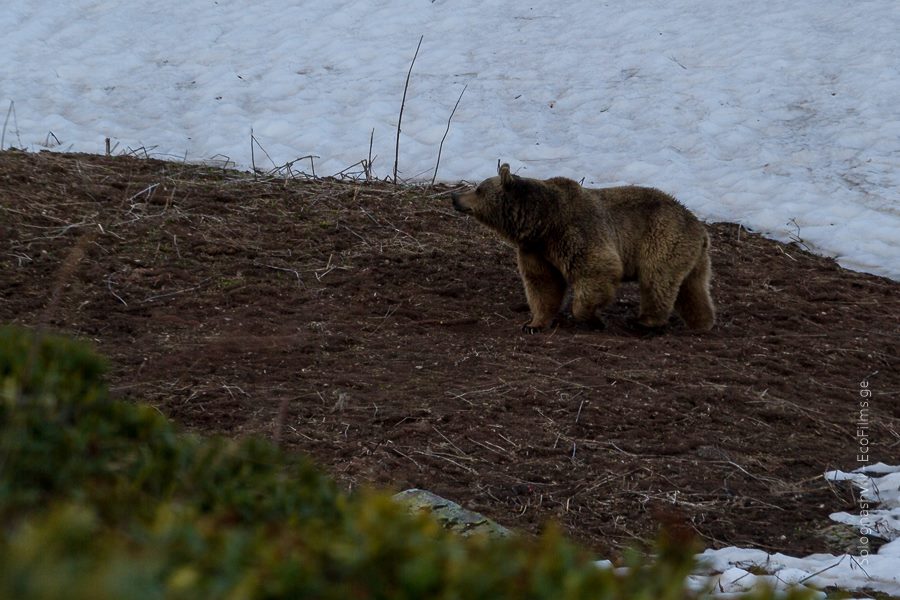
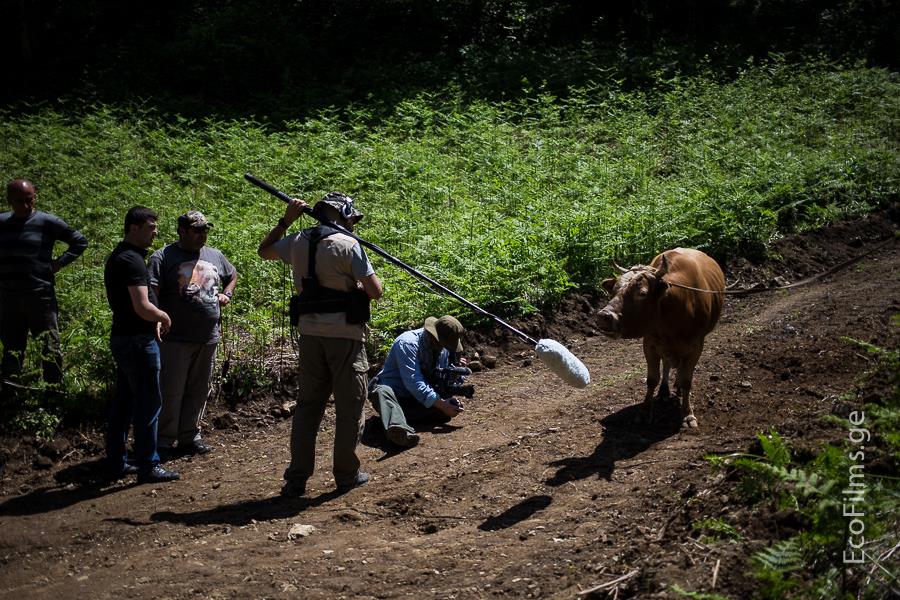
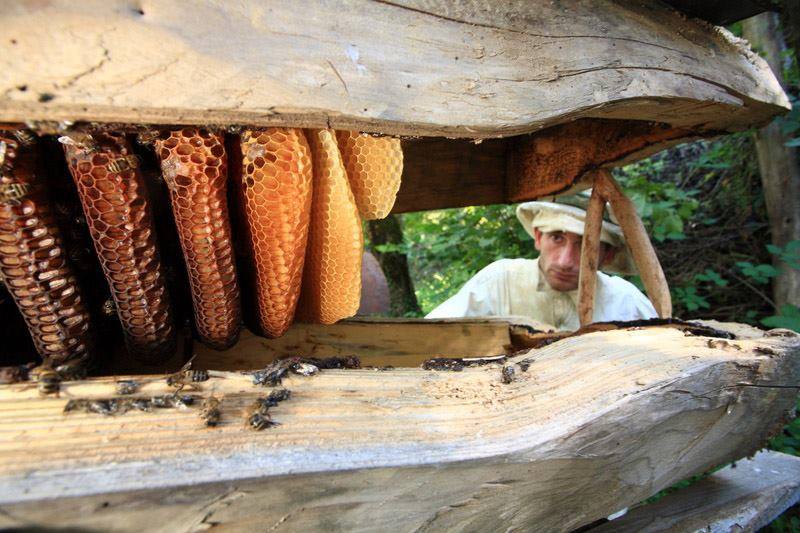
The promotion of Ajara as a world class ecological hotspot and eco-tourism destination is soon set for a massive boost. Filming on the ALCP facilitated Eco Films production ‘Jara’, a 52 minutes, a half-wildlife, half-human story observational documentary about mountains of one specific region of Republic of Georgia – Ajara, is nearly complete and the production to bring together the material is now ongoing. The film has brought together various conservation stakeholders World Wildlife Fund Georgia, Caucasus Nature Fund, Eco Tours Georgia, Environmental Association Psovi, to produce what will be a stunning showcase of the beauty, nature and unique livelihoods of the rural inhabitants of Ajara.
The programme has already worked with EcoTours Ltd on developing Ajara as a destination for rural tourism based on nature and people. View their promotional video here and visit their website where they offer tailor-made tours to help you unlock the beauty of the region.
Source of Photos: Jara Documentary Film