



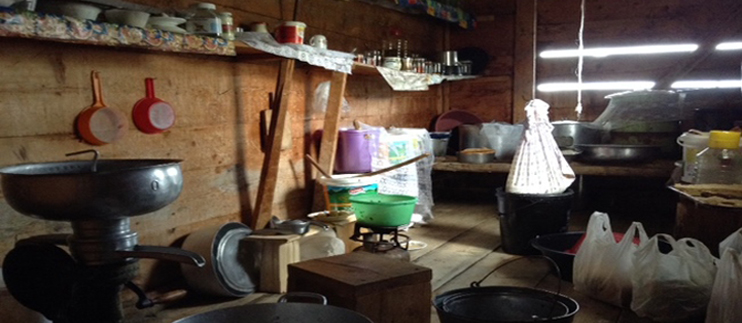
Name: Natural Produktsia Ltd
Place: Dioknisi Village, Khulo Municipality
Type of business: Cheese Factory
Product: Imeruli Cheese
Suppliers: about 450 women from 13 villages of Khulo
Current production per day: 5 tons of milk (700 kg of cheese)
The Problem
The 450 women now selling milk directly to the milk collectors of the Natural Produktsia Ltd Factory in Dioknisi, Khulo used to make cheese from their milk. Women are responsible for milking the household cattle and making the cheese, butter, sour cream and cottage cheese which is then sold as an important part of the family’s livelihood.
Selling these products however is hard and uncertain. The journey by marshutka to Batumi Agrarian Market can take up to 4 hours on bad roads. It is taken to the market by husbands or other male family members or sent with the driver and met by a relative who then tries to sell it. There is no guarantee of a sale and often the family is forced to accept a low price from the market vendors rather than take it home again.
The Idea
The idea for the factory came from a member of an old Khulo farming family, Arcadi. His brother, Tsezari was already in the dairy business in Tsalka with his mother, where, hoping to escape the lack of opportunity in Khulo they moved to Kvemo Kartli and started a small cheese factory in a cowshed. This cowshed is now a purpose built factory with its Sulguni cheese supplying Carrefour and the 5 star hotels of Batumi. Alliances KK had helped them do it. Arcadi was already selling his brother’s Sulguni cheese from the familiy’s distribution outlet in Batumi Market, but Sulguni only makes up 20% of the market the other 80% is for Imeruli. When Alliances opened in Ajara in 2014, Arcadi saw his chance. He proposed a small factory collecting milk from the upper mountain villages making Imeruli cheese. The gamble was that Imeruli sells for 2 lari less per kilo than Sulguni and you have to make and sell a lot more of it to make a profit.
The Solution
450 women are now selling milk directly to the milk collectors of the Natural Produktsia Ltd Factory in Dioknisi, Khulo. The building which opened in September 2015 is compliant with the new food safety and hygiene requirements and equipped with, with new modern dairy equipment.
Milk collectors from the factory collect the milk daily from the women in their houses. The women were specially trained by a food safety consultant in producing clean milk. The women save two hours a day from not having to make cheese, they save the costs of wood or gas for heating the milk to make it and other materials such as pepsin. The family is saved the costs and time and worry of having to get to Batumi and sell the cheese.
The End and the Beginning
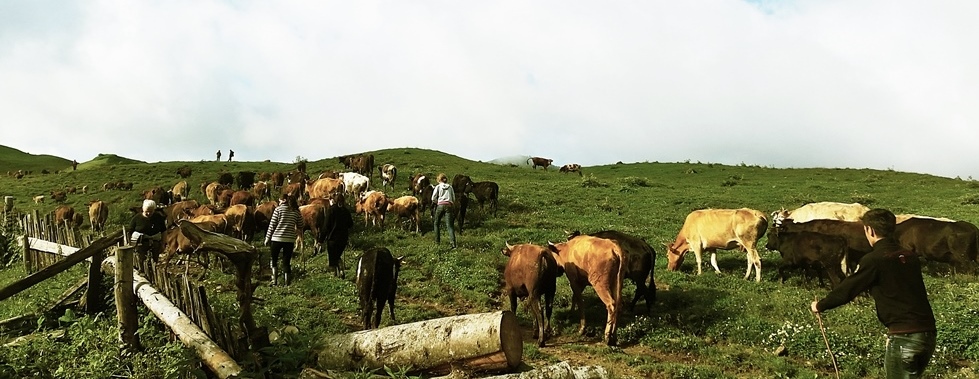
The programme and Arcadi were unsure of how much milk there would be. People had said how poor the little red Ajaran cow was, how despairing the rural population. Ajara however has a magic, special even to Georgia, when the news went out that the factory was open the villagers decided en masse to sell. Overnight more milk than anyone imagined was available. The factory is processing 5 tonnes of milk about 700kg of cheese a day at a time of year when many dairy factories are thinking of shutting down for the winter as milk supply dwindles until the following spring. They have turned milk away as they have yet the capacity to process more. Expansion is already on the cards. Of the cheese itself the fat content is high and the milk itself from the high mountain pastures of pristine Ajara. The cheese moreover is delicious. The queues out the door of Aracadi’s distribution outlet in Batumi Market and the fact it’s sold out by midday testify to that.
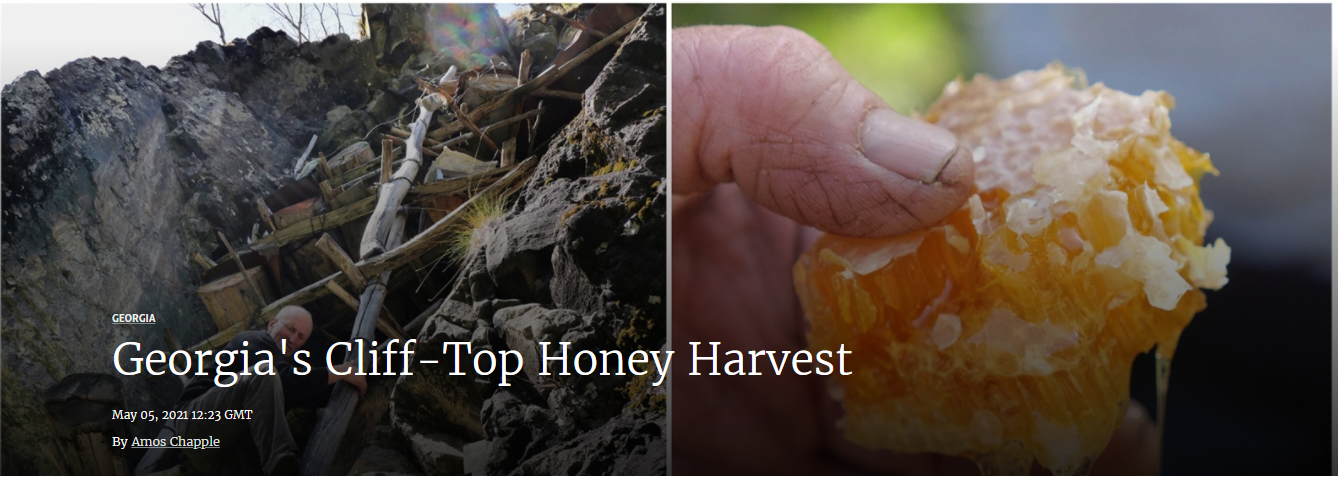
Radio Free Europe/Radio Liberty, an international media organization broadcasting in twenty-seven languages in twenty-three countries, published an article about Jara: Georgia’s Cliff-Top Honey Harvest by an international photographer/journalist Amos Chapple. He reached out to the Jara Beekeepers Association (JBA) and travelled to Ajara to see Jara beekeepers climbing heights for Jara honey harvest. Radio Tavisupleba (Radio Liberty Georgia) also put a Georgian version of the article on its website.
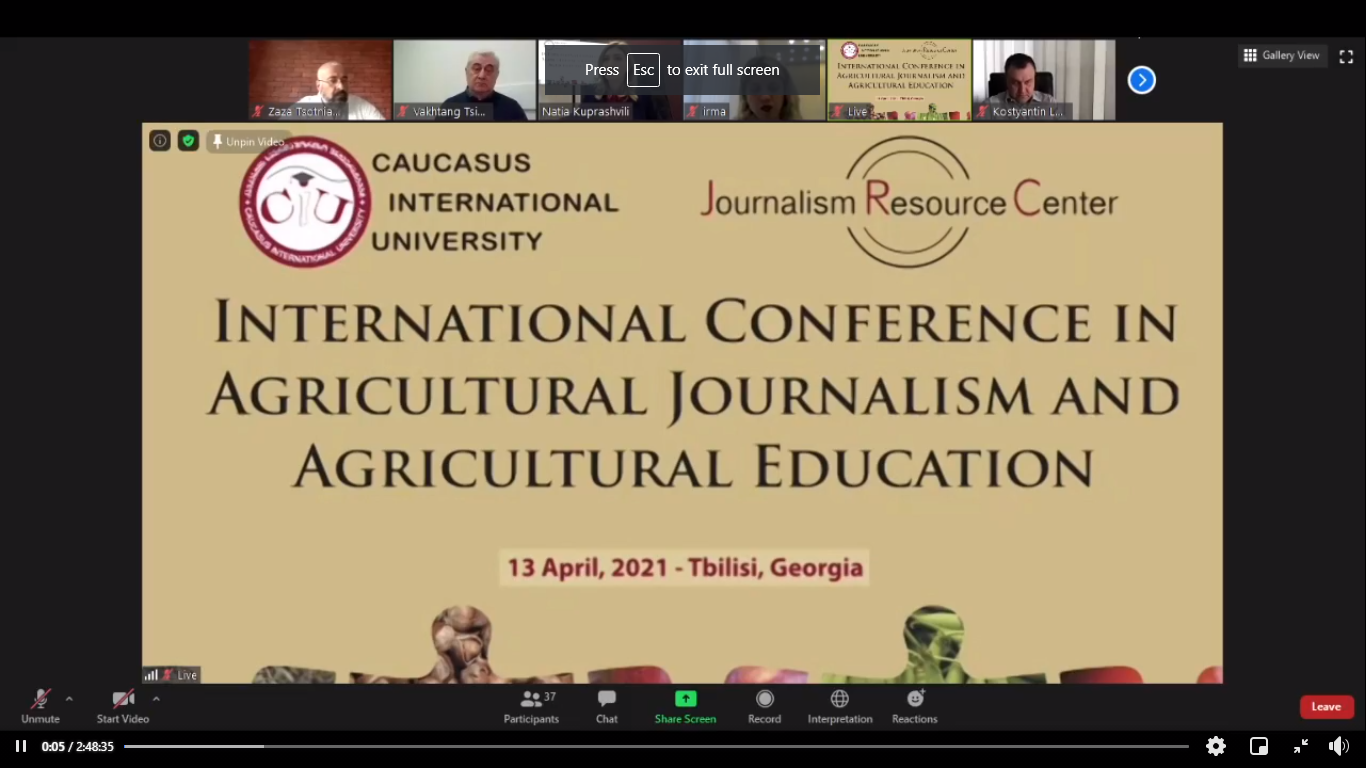
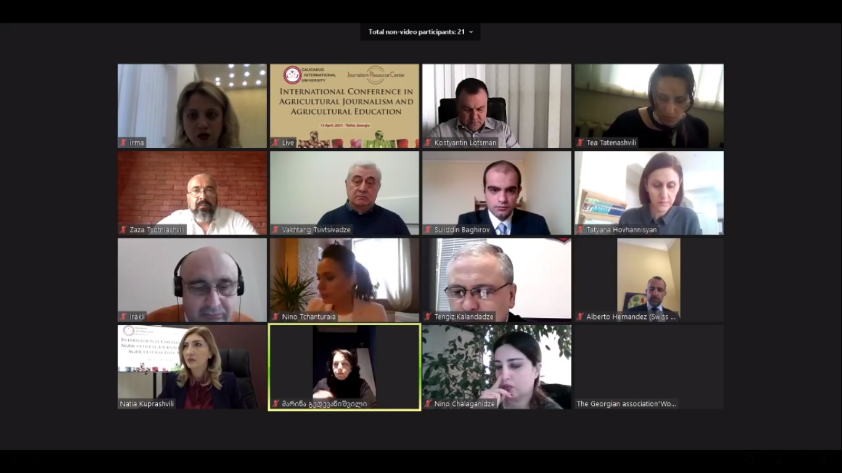
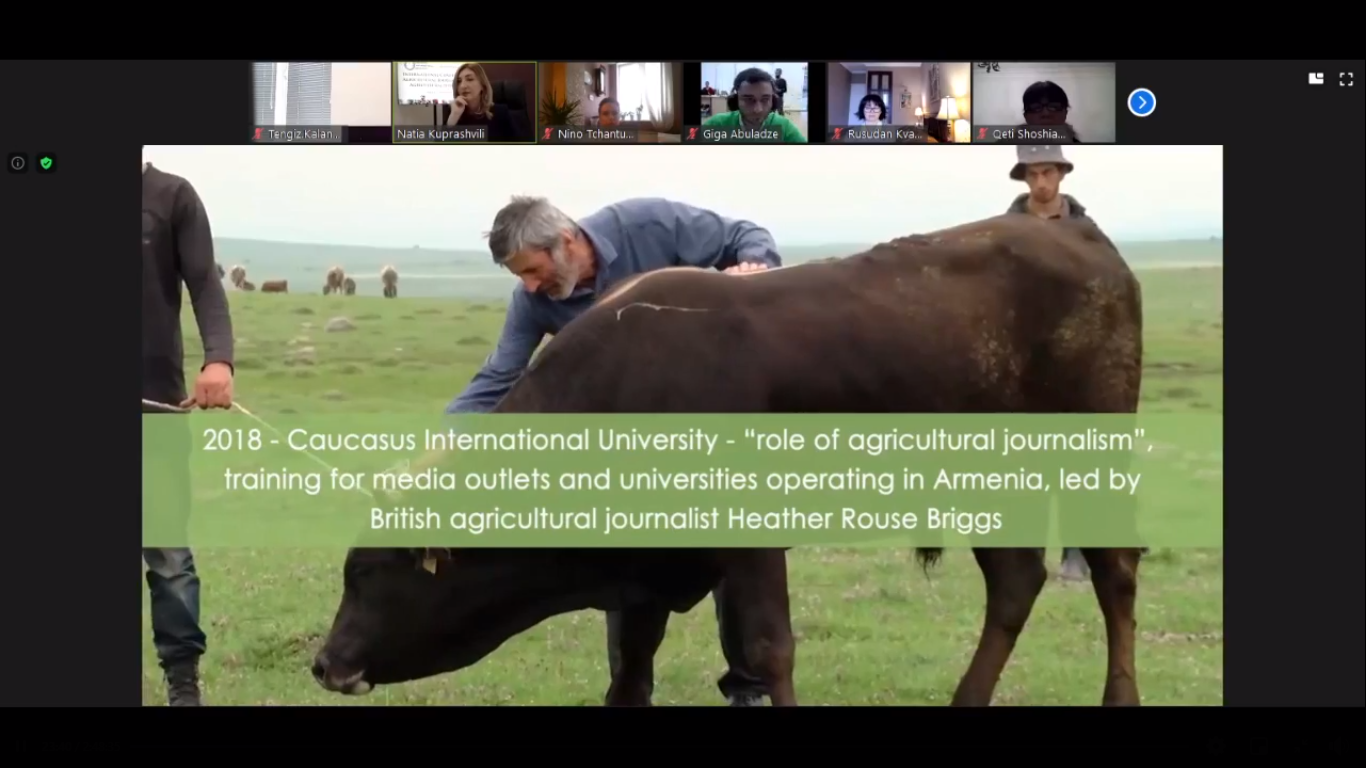
On April 13th, an online event of the Journalism Resource Center (JRC) International Conference in Agricultural Journalism and Agricultural Education brought together regional academic and media representatives from Georgia, Armenia, Azerbaijan, Moldova and Ukraine. The enthusiasm for, dedication towards and interest in agri journalism and its importance for people and youth were striking.
The Deputy Regional Director of the Swiss Cooperation Office (SCO) did the opening speech. The representatives from Georgia showed that they understand the demand for and are fully engaged in the media market for agri journalism.
‘Agri journalism is an integrated course for bachelor’s students. After Training of Trainers for lecturers we will develop a separate course. We also see the demand from students. Cooperation with media and government agencies is crucial in this regard.’ - A representative from Brusov State University in Armenia.
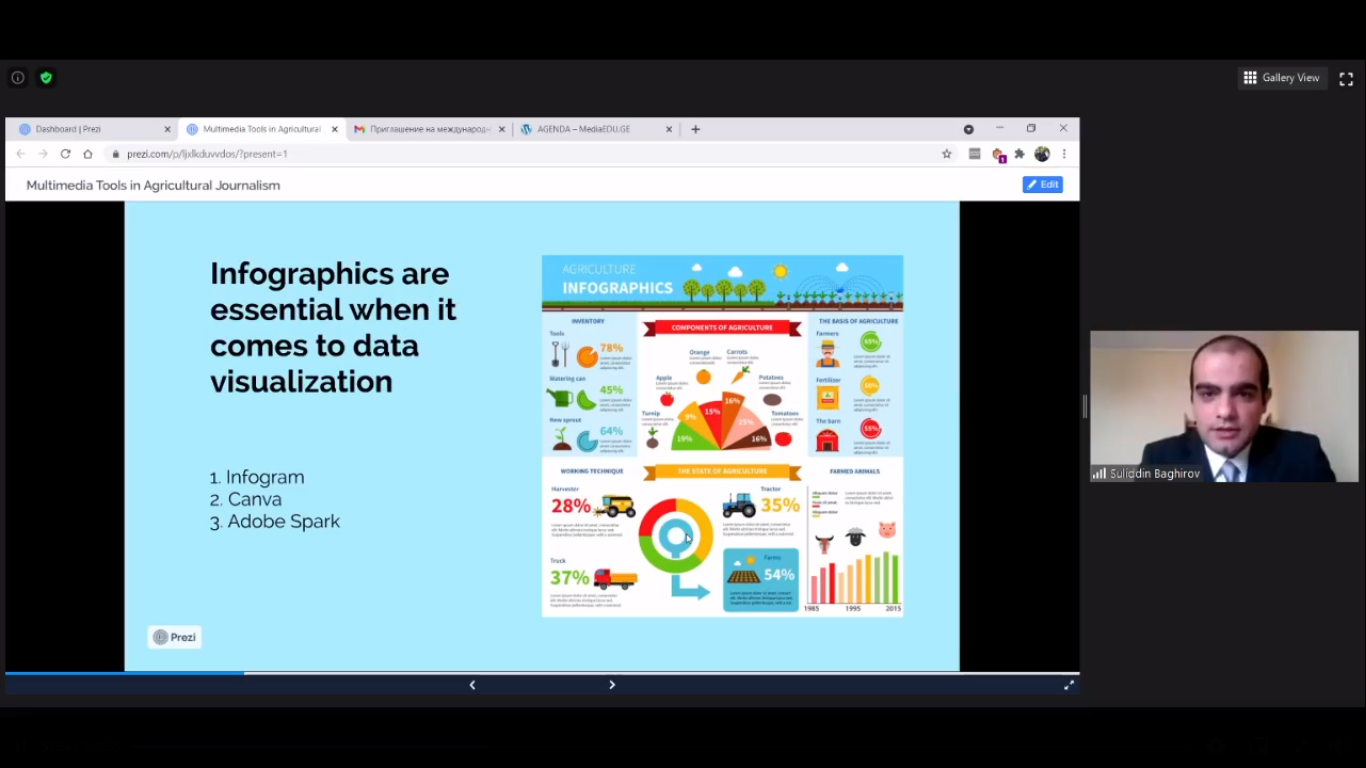
A freelance journalist from Baku talked about the usage of multimedia tools in agri journalism. The field of agri journalism is attractive but seems difficult to attain to media representatives from Moldova and Ukraine. A Producer of Volinsk Branch of National Public TV and Radio Company of Ukraine expressed his willingness to co-operate with the JRC to copy some activities related to agri journalism.
‘I am surprised by hearing about Georgia and Armenia, where agricultural education works so well’. - The LikTV Founder in Moldova, who empathized with the difficulties expressed by the representative of Ukraine and stated that universities in Moldova need to work on establishing agricultural journalism.
The ALCP Team Leader spoke about the programme support for agri journalism development in an interview on Agrogaremo TV. An agri journalism course alumni shared his experience and motivation with the JRC. A short documentary video by the JRC tells us a story about agri journalism development.
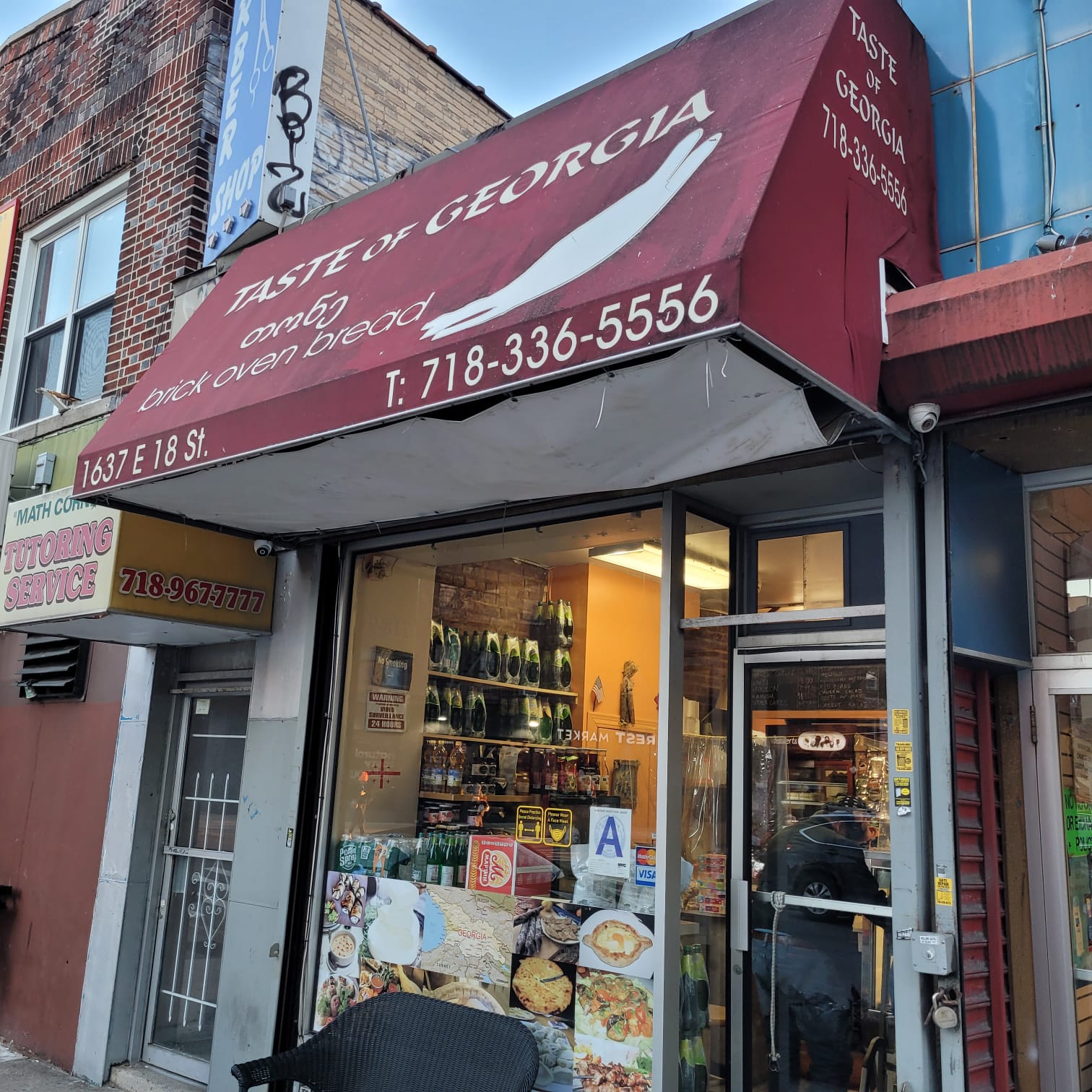
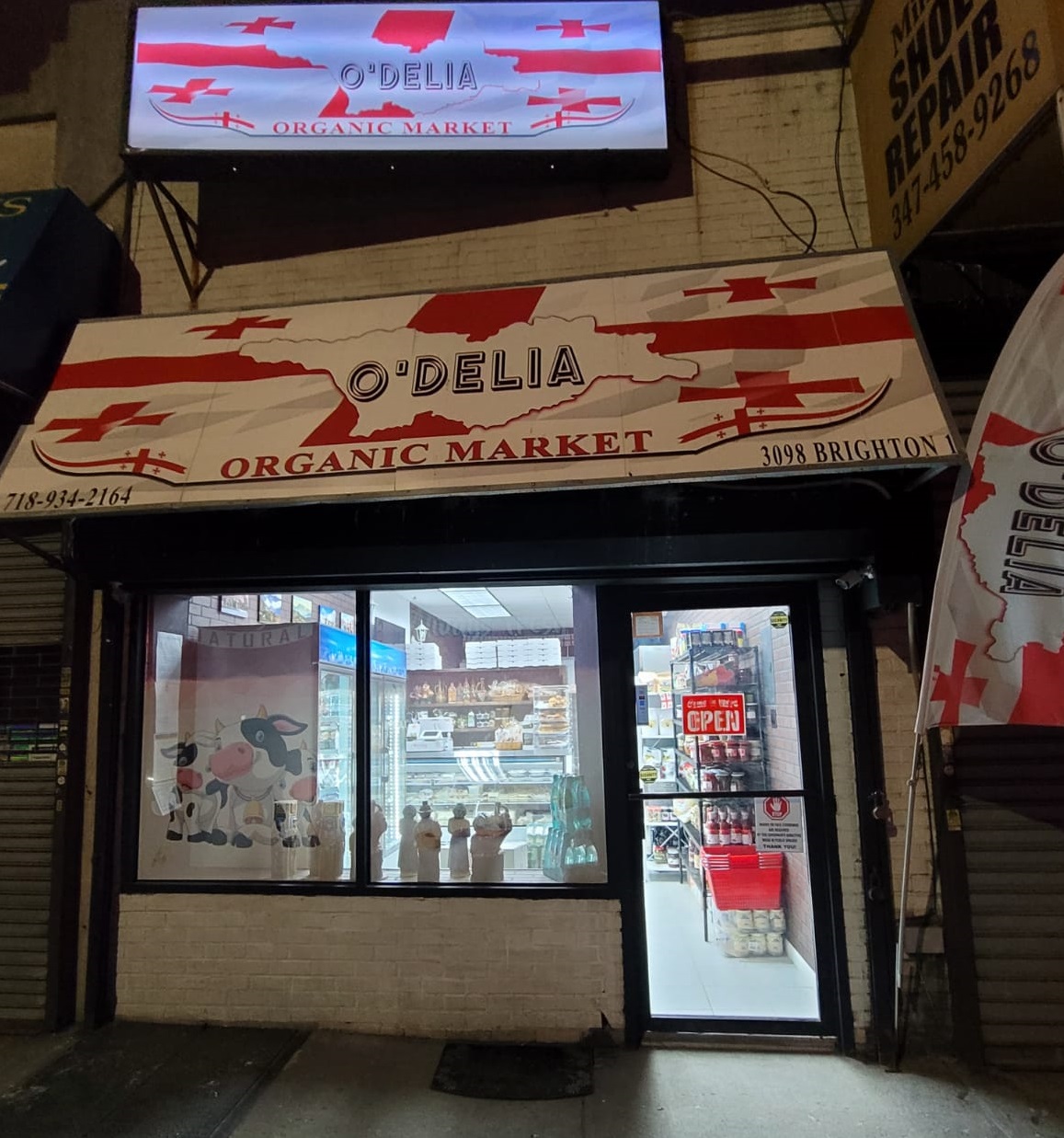
Nena a honey export company has been exporting since 2019. Chestnut and Jara honey have been sold in twenty shops in New York, Pennsylvania and New Jersey from January, 2021. Nena also exported Jara honey to Japan. And by the end of February, Bio Jara honey, a new product will be exported to the USA. Canada is a promising market and has repeated its order for the fourth time.
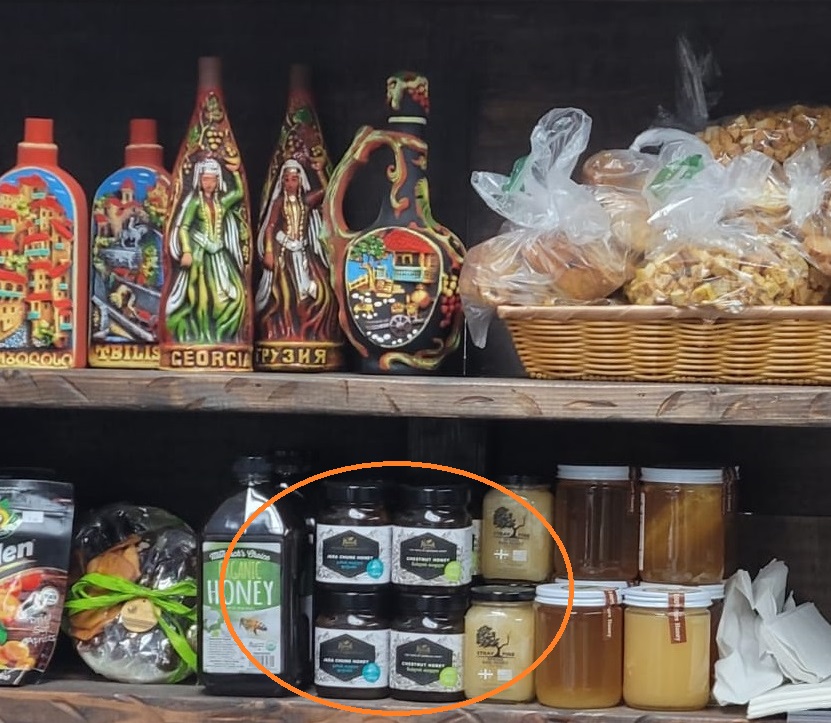
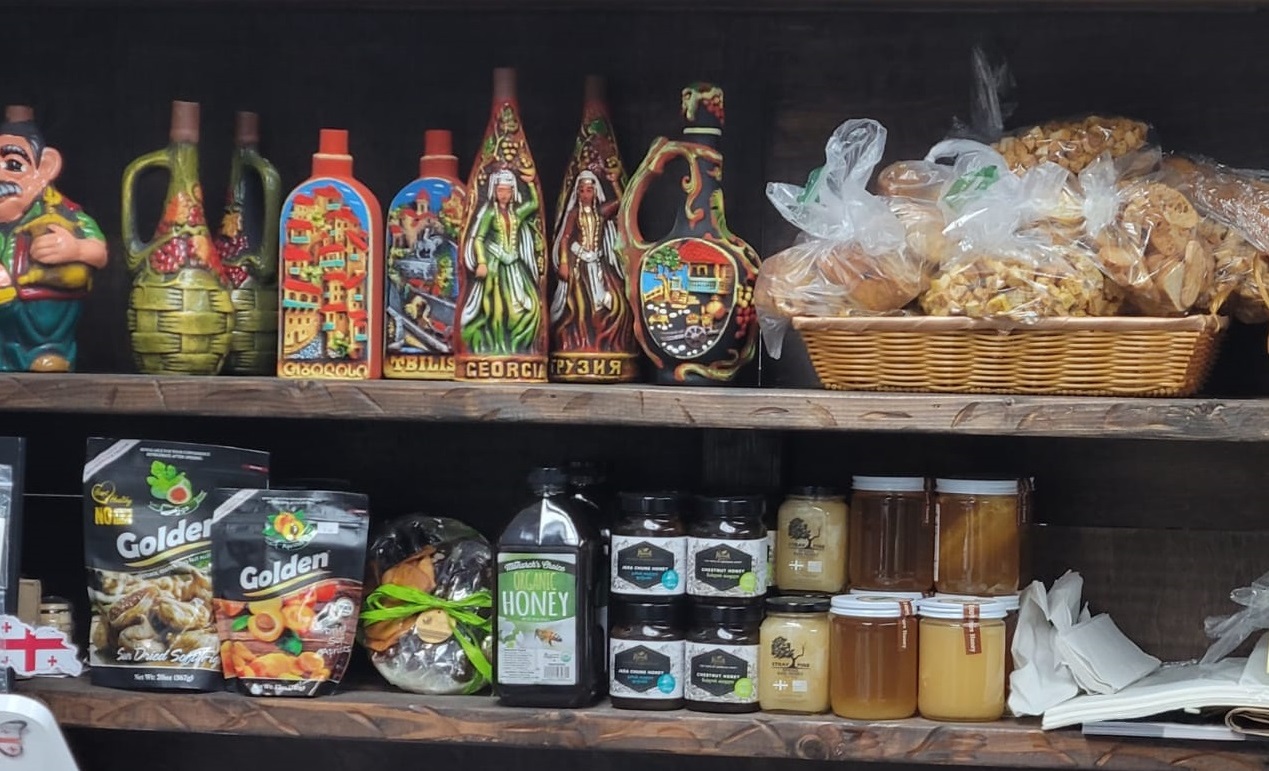
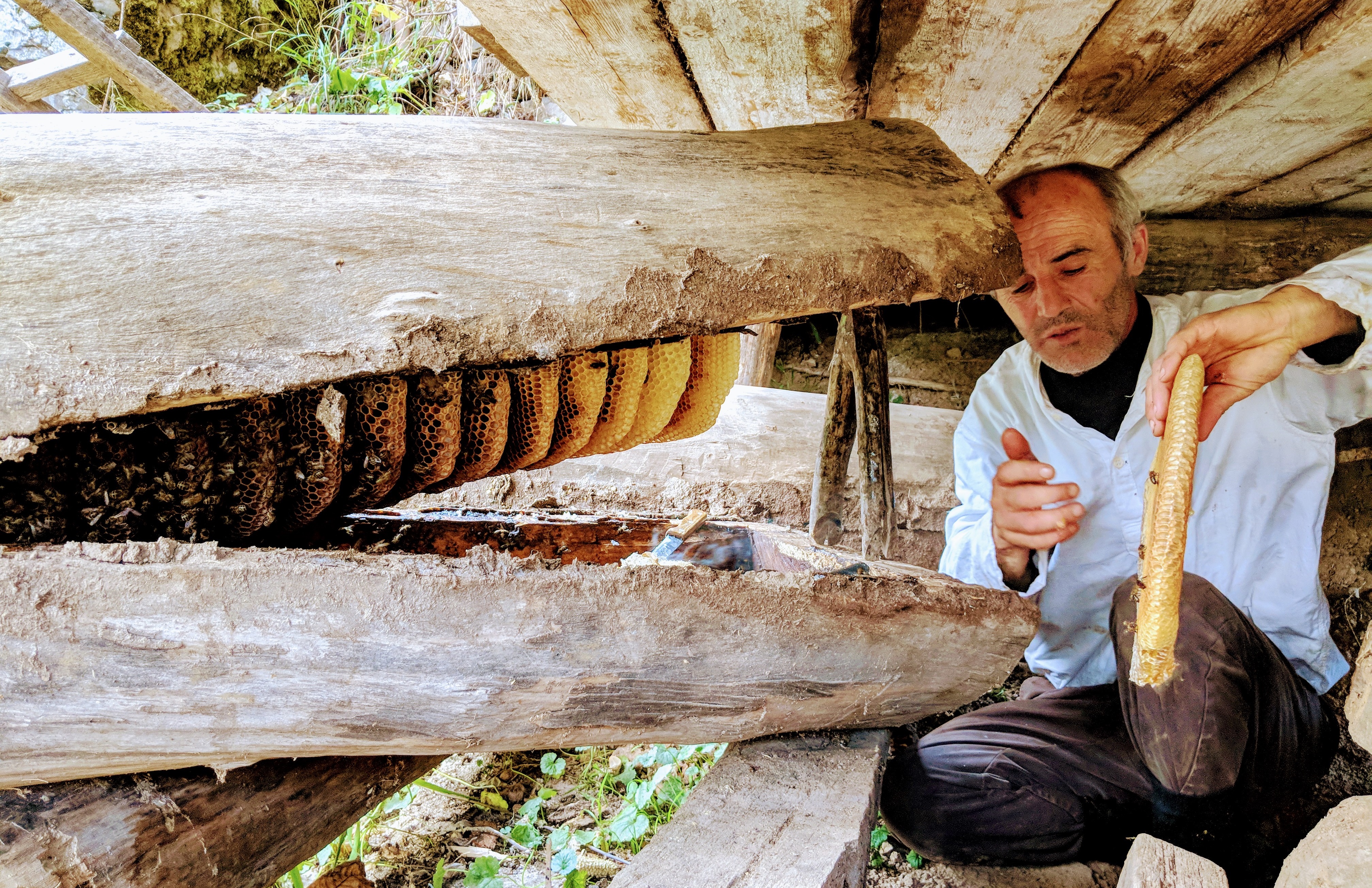
Producing honey in Jara hives has officially been granted Intangible Cultural Heritage status by the National Agency for Cultural Heritage Preservation of Georgia. The Jara Beekeepers Association (JBA) applied to the Agency back in 2020.
Jara is traditional wild beekeeping, a practice which almost died out but which has since 2014 begun a slow revival with the facilitation of the ALCP. The ancient tradition with strong roots in traditional agriculture, culture represents a unique way of life. The status recognizes Jara’s need to be preserved for future generations earning a place amongst other honourable Georgian traditions, including, Qvevri wine-making and Georgian song and dances. This status and will contribute to its further preservation and promotion.
It also brings hope and feeling of pride to those beekeepers who are continuing or are now taking Jara beekeeping up.
Jara has been on a fascinating journey since 2014. This journey includes The first commercial harvesting, registering the Jara honey mark, being promoted at the international exhibitions, first Bio certification, being taught at the VET college and reaching export markets in the US and Canada. And we can be sure, more things are on their way.
Christmas is a magical time awakening the holiday spirit in us. They say, Christmas is the spirit of giving without a thought of getting.
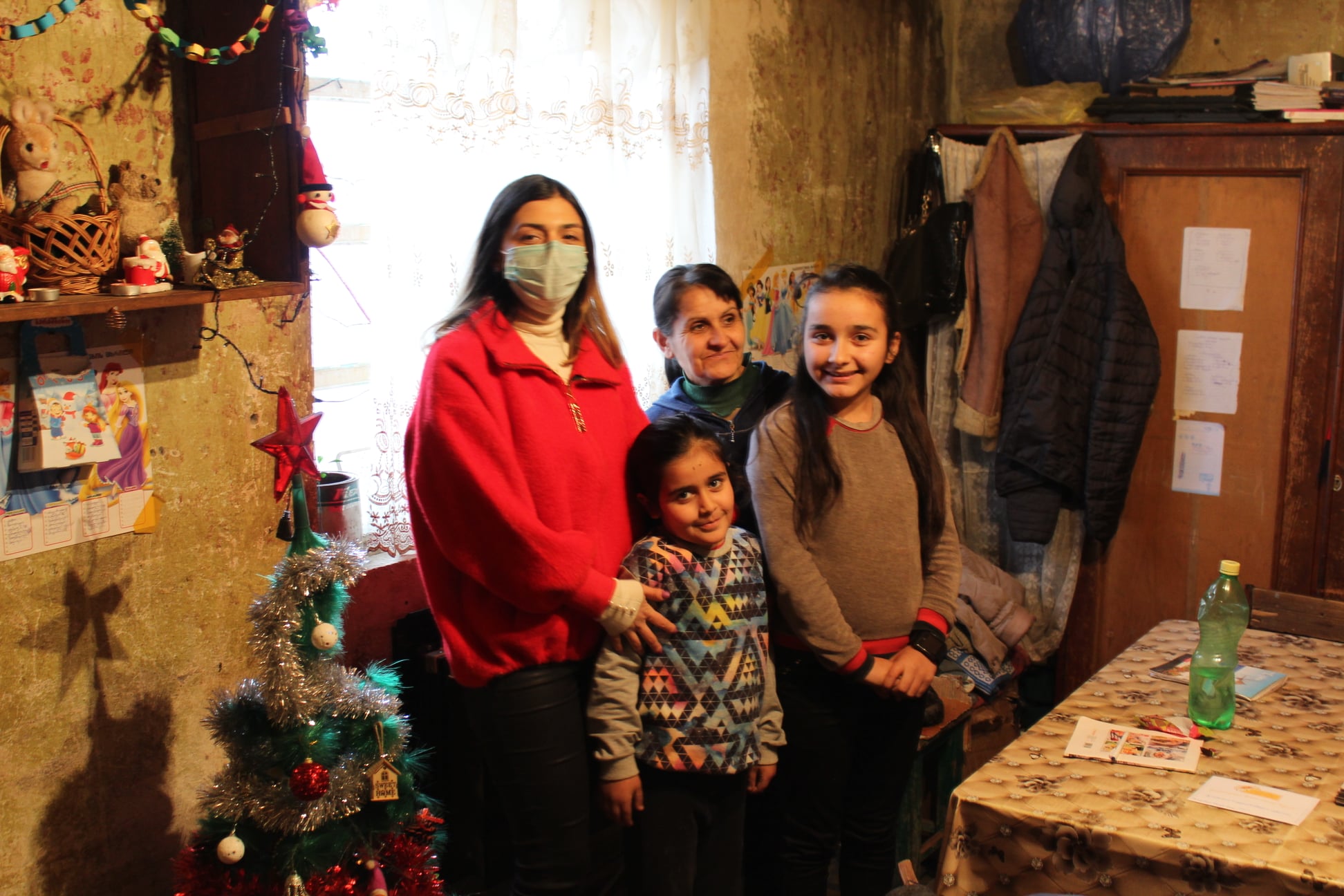
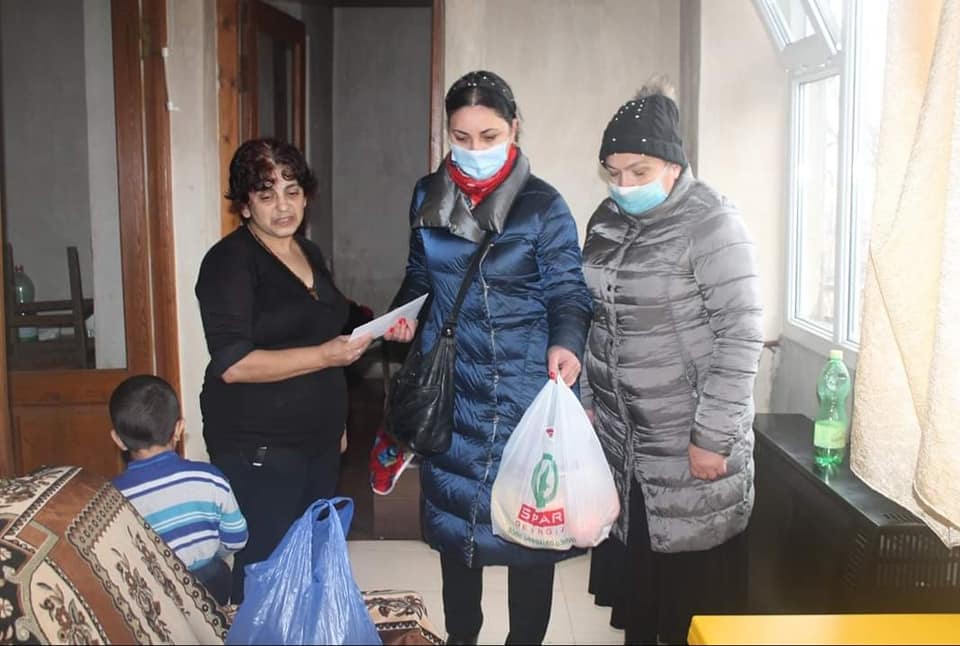
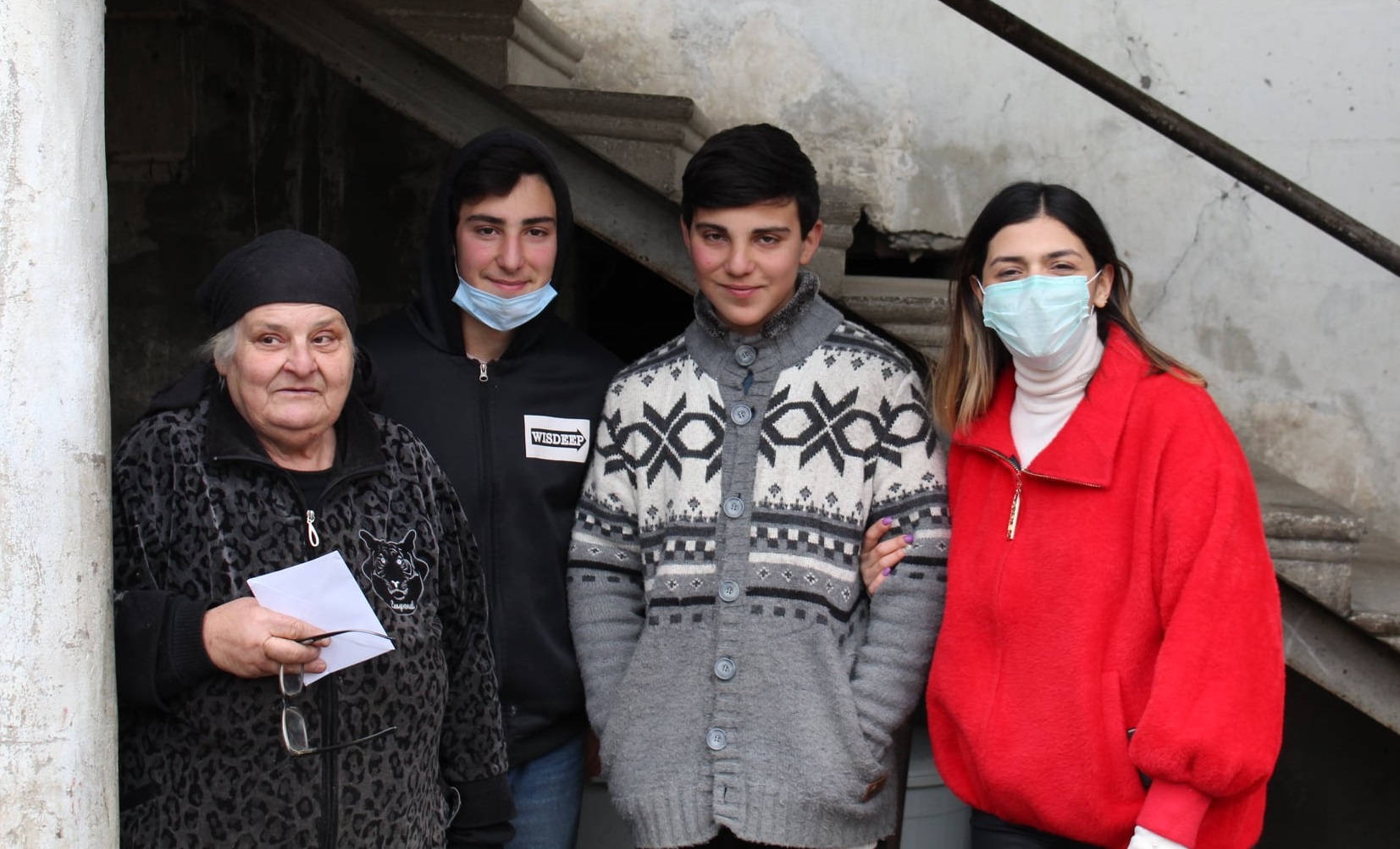
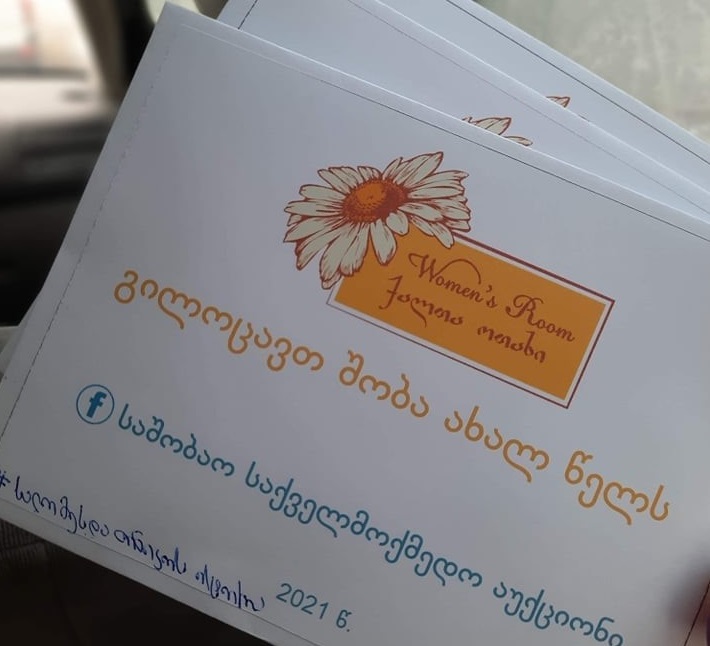
Before Christmas this year, the managers of the municipal Women’s Rooms in Kakheti, who like everyone else have adapted themselves to remote working due to the COVID-19 pandemic, established an online Christmas Charity Auction on Facebook to help families in need affected by the pandemic. The managers selected seven families in need for help. Their stories are heartbreaking; of a single mother, a victim of domestic violence, raising her children by herself, grandparents raising orphans, a child with disabilities and families with many children living in extreme poverty. Up to five hundred people joined in the auction donating or buying things in the auction with the money raised going for donation. The auction raised more than two thousand Gel over two weeks and besides money, the families received sweets, books, gifts; and special food for a girl with Celiac Disease.
The Christmas of the seven families was changed for the better. The Christmas Charity Auction finished on the 7th of January, though the online group on Facebook remains active, as the Women’s Rooms are planning to continue sharing the act of kindness with families in need and are open to anyone willing to contribute to any future auctions.
There are twenty-eight Women's Rooms in twenty-seven municipalities of four regions of Georgia. Find more about Women’s Rooms here.
An article Challenges Emerge for Women Entrepreneurs as a Result of the Covid-19 Pandemic has been published on Civil Society Portal in Georgia as part of an essay competition. The woman entrepreneur-Zeinab in the article is the Director of the dairy enterprise Tsintskaro+Ltd in Tetritskaro, Georgia. The Alliances Programme, an SDC and ADA project implemented by Mercy Corps Georgia, has been facilitating this dairy since 2016. Zeinab wrote this article by herself and won the Civil Society Portal essay competition. The article comes at the right time. We all need this kind of encouraging information during the pandemic period.
You might be interested in information on how businesses in Georgia are dealing with challenges caused by COVID-19 and can check our report COVID-19 Effects on the ALCP Clients Businesses.



