Name: Natural Produktsia Ltd
Place: Dioknisi Village, Khulo Municipality
Type of business: Cheese Factory
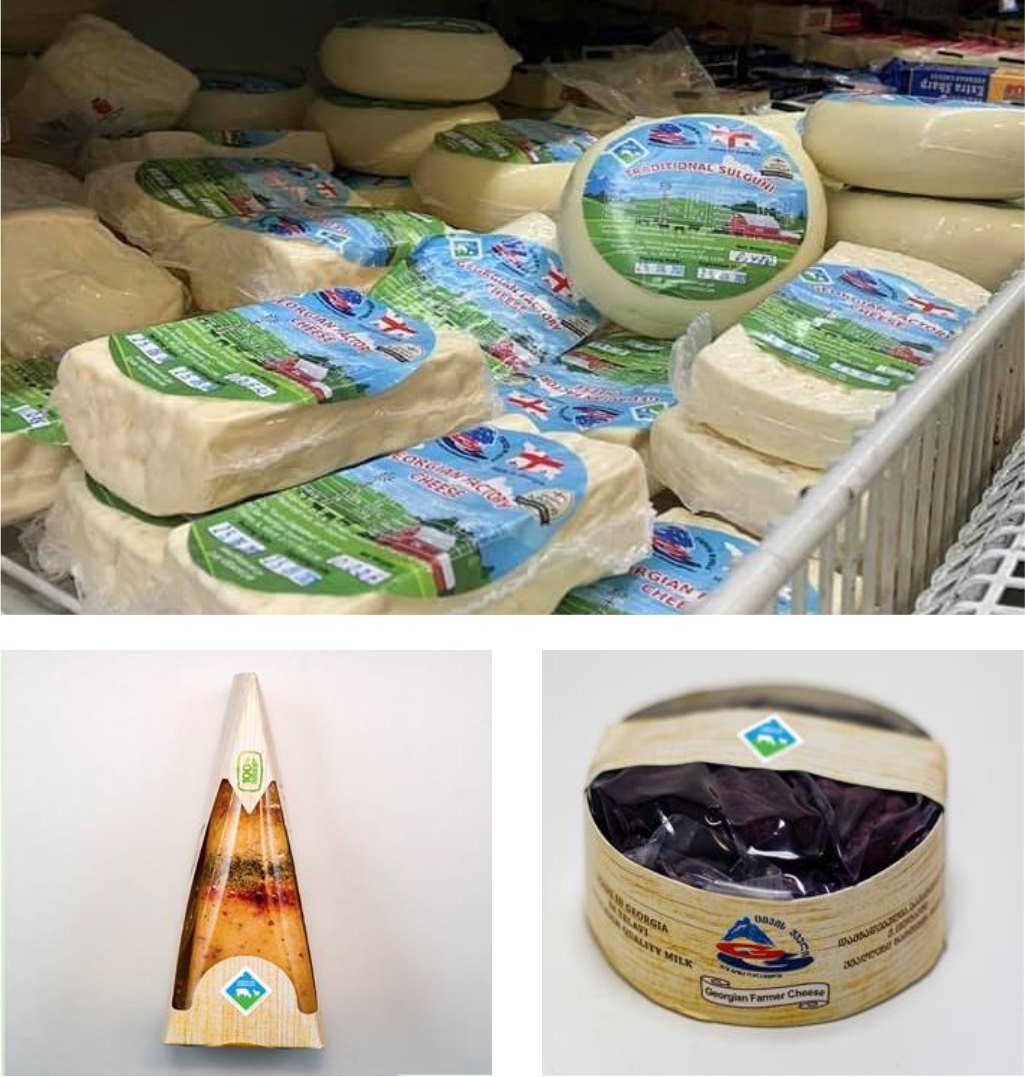
Product: Imeruli Cheese
Suppliers: about 450 women from 13 villages of Khulo
Current production per day: 5 tons of milk (700 kg of cheese)
The Problem
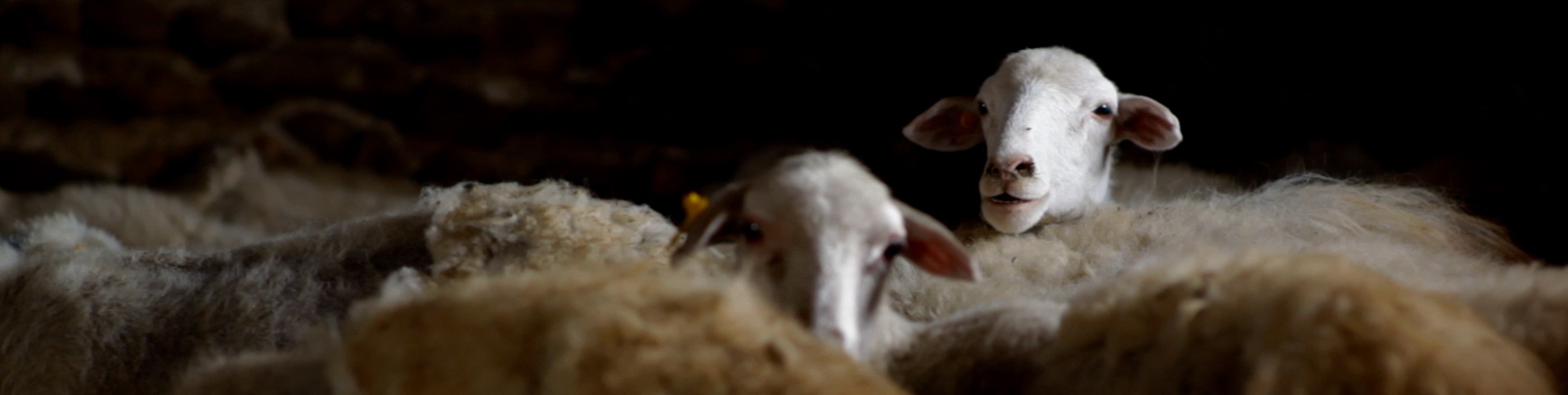
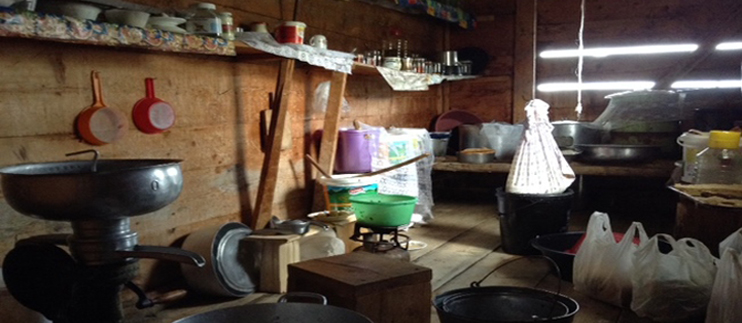
The 450 women now selling milk directly to the milk collectors of the Natural Produktsia Ltd Factory in Dioknisi, Khulo used to make cheese from their milk. Women are responsible for milking the household cattle and making the cheese, butter, sour cream and cottage cheese which is then sold as an important part of the family’s livelihood.
Selling these products however is hard and uncertain. The journey by marshutka to Batumi Agrarian Market can take up to 4 hours on bad roads. It is taken to the market by husbands or other male family members or sent with the driver and met by a relative who then tries to sell it. There is no guarantee of a sale and often the family is forced to accept a low price from the market vendors rather than take it home again.
The Idea
The idea for the factory came from a member of an old Khulo farming family, Arcadi. His brother, Tsezari was already in the dairy business in Tsalka with his mother, where, hoping to escape the lack of opportunity in Khulo they moved to Kvemo Kartli and started a small cheese factory in a cowshed. This cowshed is now a purpose built factory with its Sulguni cheese supplying Carrefour and the 5 star hotels of Batumi. Alliances KK had helped them do it. Arcadi was already selling his brother’s Sulguni cheese from the familiy’s distribution outlet in Batumi Market, but Sulguni only makes up 20% of the market the other 80% is for Imeruli. When Alliances opened in Ajara in 2014, Arcadi saw his chance. He proposed a small factory collecting milk from the upper mountain villages making Imeruli cheese. The gamble was that Imeruli sells for 2 lari less per kilo than Sulguni and you have to make and sell a lot more of it to make a profit.
The Solution
450 women are now selling milk directly to the milk collectors of the Natural Produktsia Ltd Factory in Dioknisi, Khulo. The building which opened in September 2015 is compliant with the new food safety and hygiene requirements and equipped with, with new modern dairy equipment.
Milk collectors from the factory collect the milk daily from the women in their houses. The women were specially trained by a food safety consultant in producing clean milk. The women save two hours a day from not having to make cheese, they save the costs of wood or gas for heating the milk to make it and other materials such as pepsin. The family is saved the costs and time and worry of having to get to Batumi and sell the cheese.
The End and the Beginning
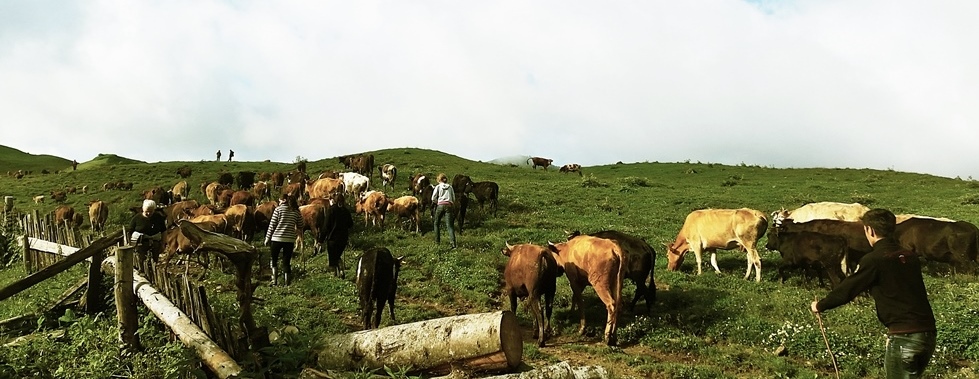
The programme and Arcadi were unsure of how much milk there would be. People had said how poor the little red Ajaran cow was, how despairing the rural population. Ajara however has a magic, special even to Georgia, when the news went out that the factory was open the villagers decided en masse to sell. Overnight more milk than anyone imagined was available. The factory is processing 5 tonnes of milk about 700kg of cheese a day at a time of year when many dairy factories are thinking of shutting down for the winter as milk supply dwindles until the following spring. They have turned milk away as they have yet the capacity to process more. Expansion is already on the cards. Of the cheese itself the fat content is high and the milk itself from the high mountain pastures of pristine Ajara. The cheese moreover is delicious. The queues out the door of Aracadi’s distribution outlet in Batumi Market and the fact it’s sold out by midday testify to that.
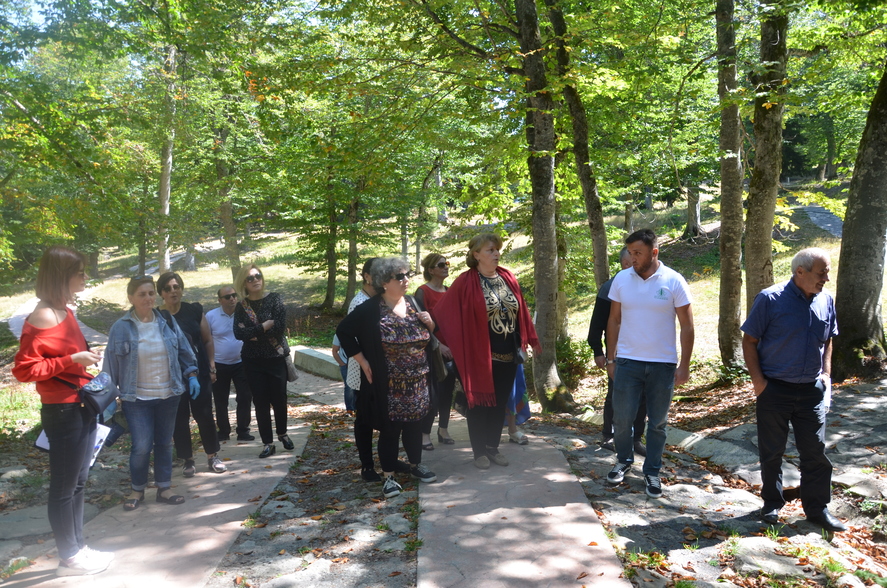
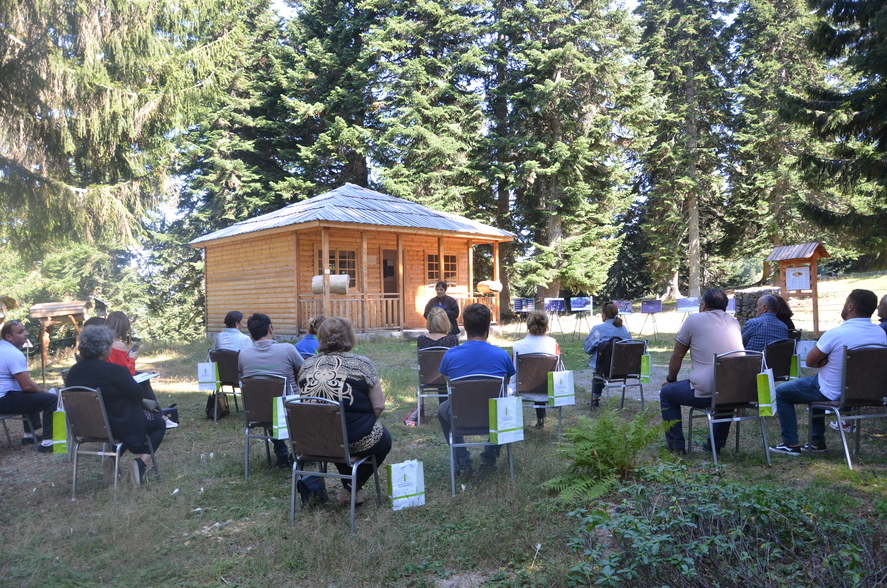
Manana Dumbadze was one of fifteen guesthouse owners from Keda, Shuakhevi and Khulo invited to attend an educational seminar hosted by the Goderdzi Alpine Garden (GAG) on September 18th on how biodiversity, conversation and Jara beekeeping can be used for business promotion and attracting more tourists.
‘The seminar was interesting and will motivate me to generate new ideas. I am arranging a garden in front of my house and I received information about plants. The GAG promised to help me to do it. I have beehives but I’m thinking of switching to Jara beekeeping, because it will be more interesting to our visitors, as it carries a traditional value.’ Manana Dumbadze, a guesthouse owner.
The seminar participants agreed on further coordination and information dissemination among others.
‘I am planning to have a Jara apiary from the next year. I will also include the GAG on our tour. I have a small cottage on the Goderdzi Pass, and I am planning to have visitors there.’ Nodar Shervashidze, a guesthouse owner.
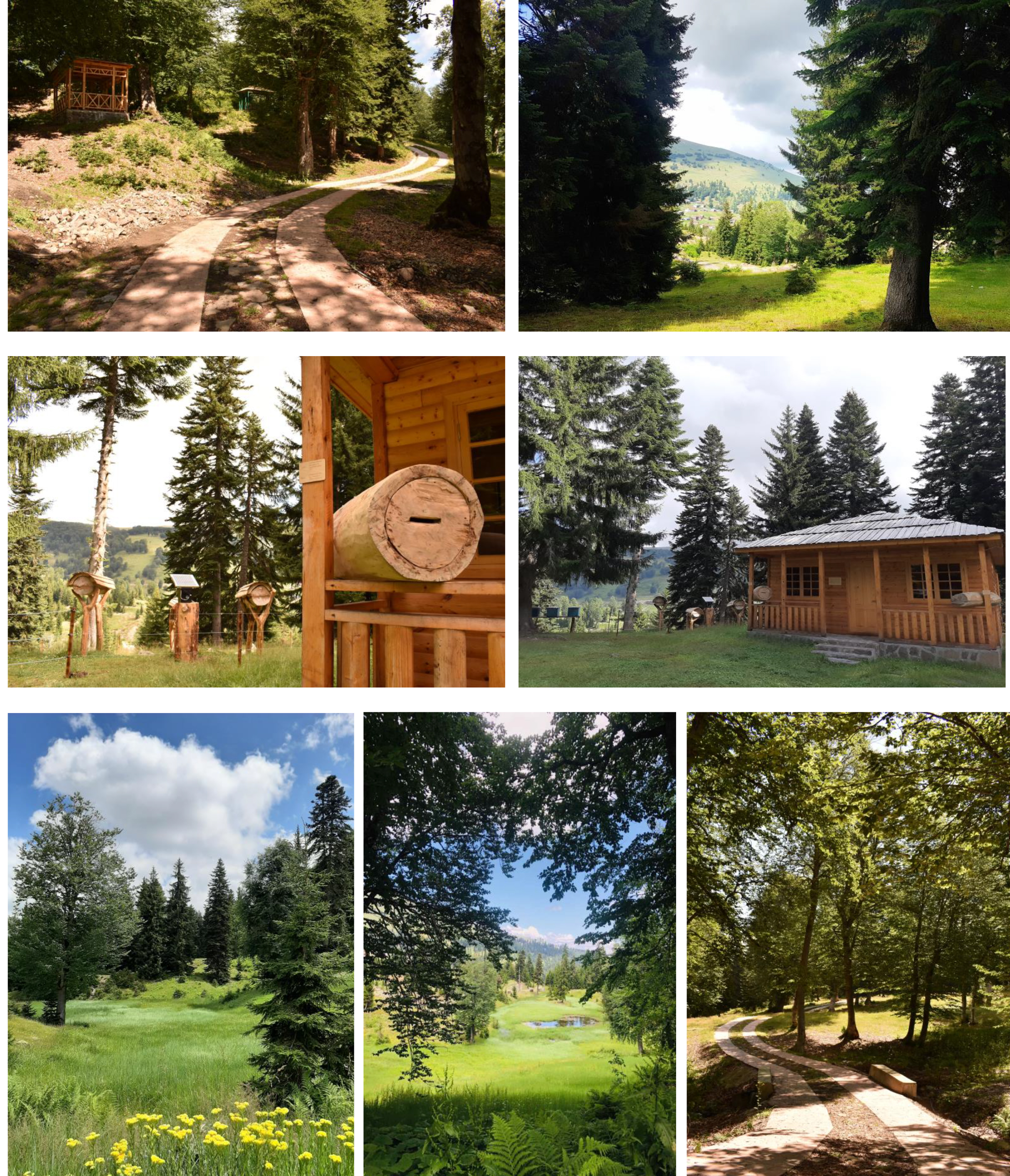
Representatives of the Batumi Botanical Garden (BBG) and specialists from the BBG’s Local Flora and Conservation Department will continue educational seminars for teachers and school students in the upcoming year. The GAG is developing its role in wild flora conservation and eco-education with seminars and a beekeeping area, aiming to publicize the value conservation and traditional Jara beekeeping can have for sustainable local development and teach people interested in taking it up.
Officially opened in July, 2020, the GAG has already attracted sixteen thousand visitors since the opening, making it the prominent tourist destination in mountainous Ajara.
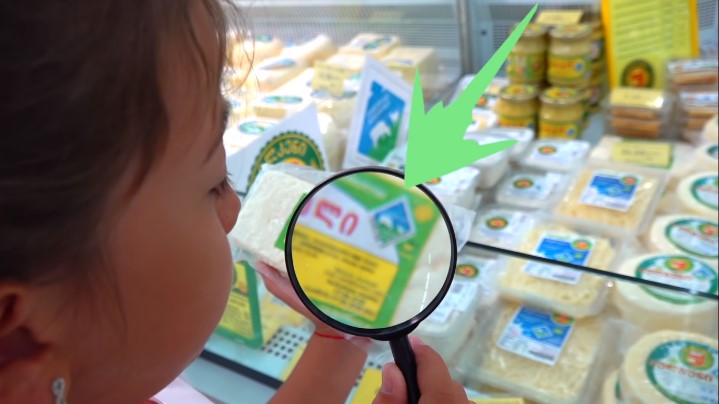
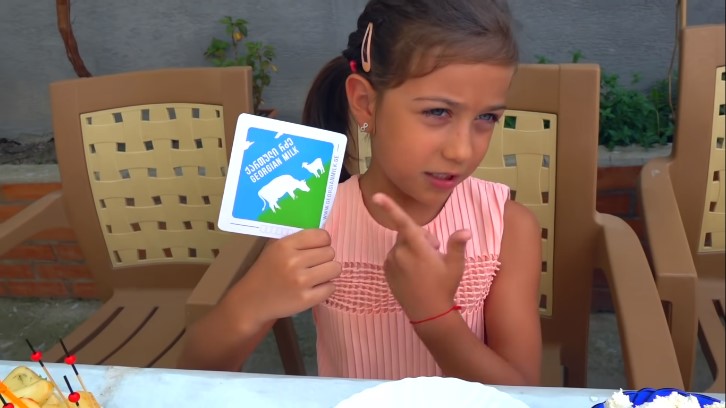
Emili is a young girl who has become an internet sensation in Georgia. Her YouTube channels Emili TV and Emili Family TV reach 708,000 subscribers. She regularly shares educational and entertainment content, including films about products she likes, many parents and their children watch her shows and follow her recommendations. Through ALCP facilitation, she (and her production team) decided to ‘investigate’ the Georgian Milk Mark.
The Georgian Milk Mark (GMM) films (on Emili TV and Emili Family TV) have reached 360,000 views just in two weeks.
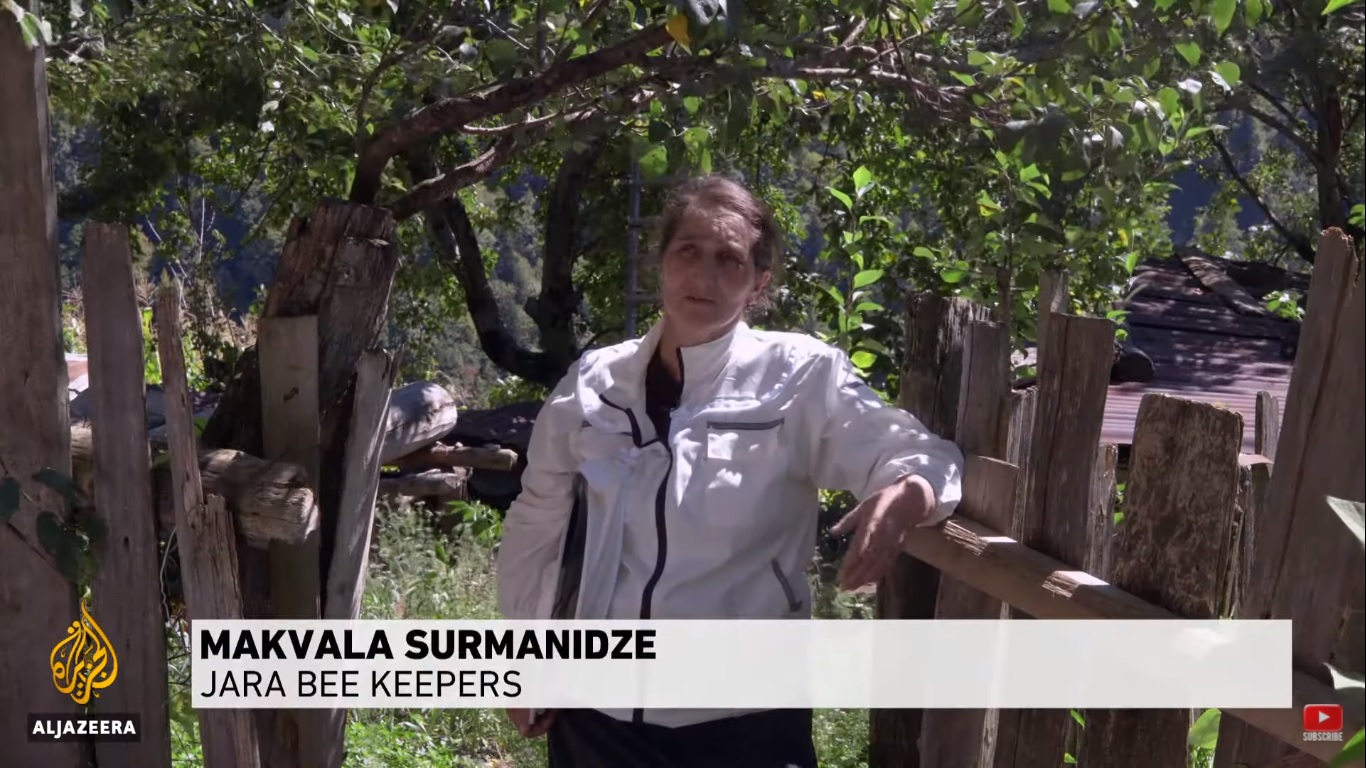
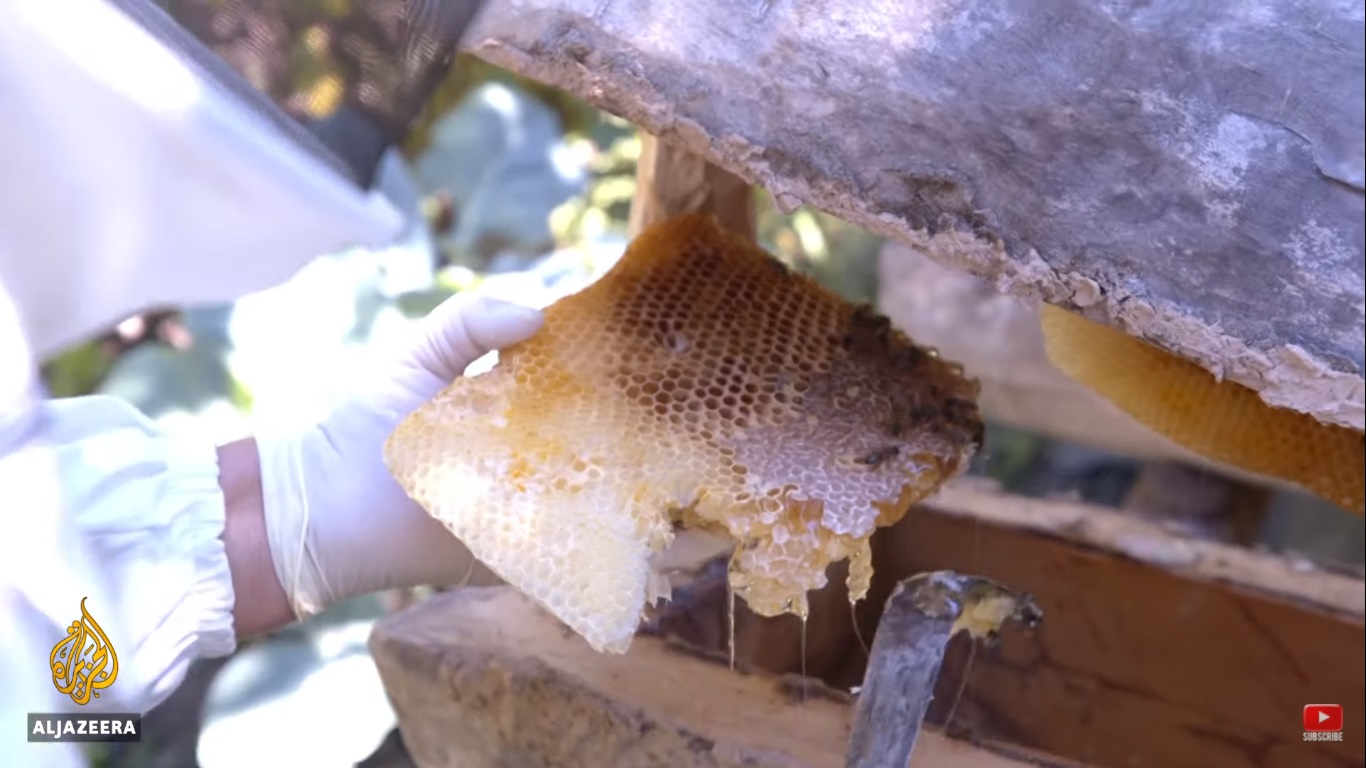
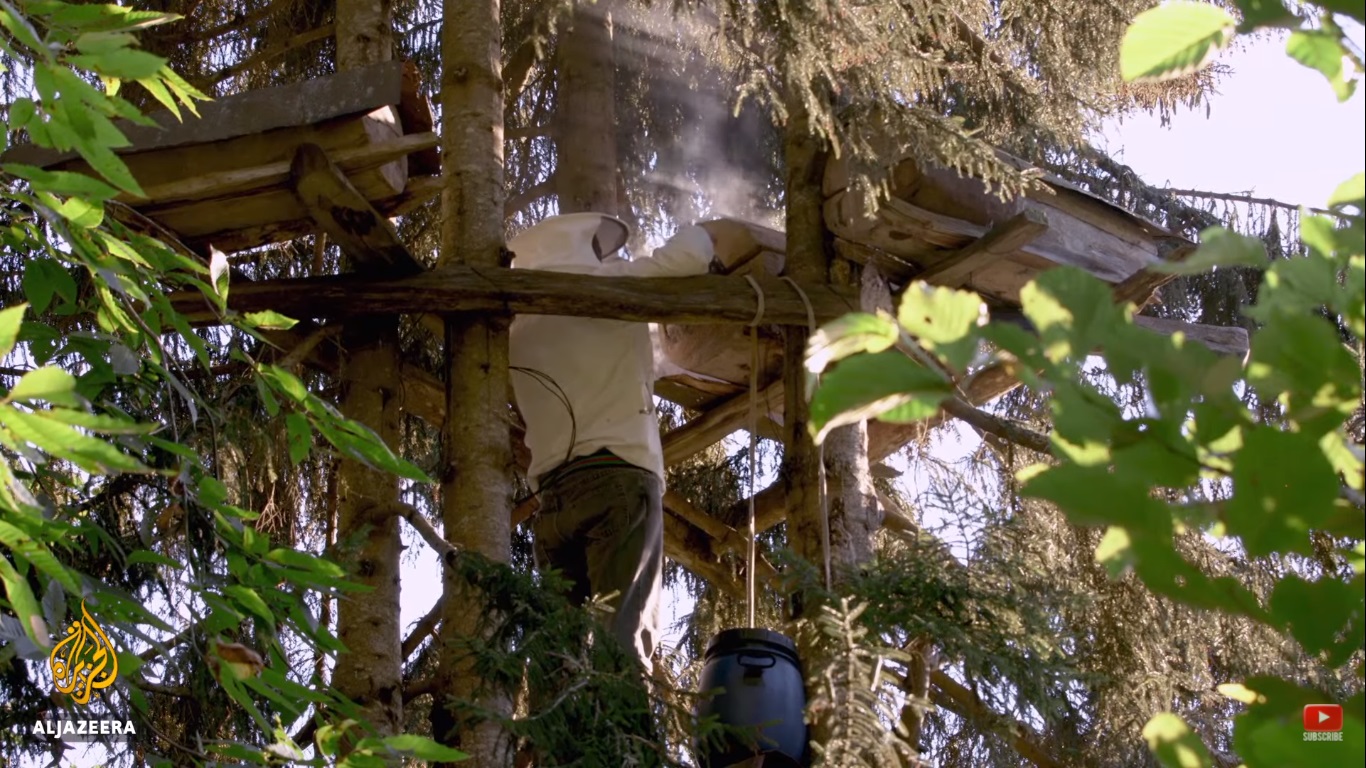
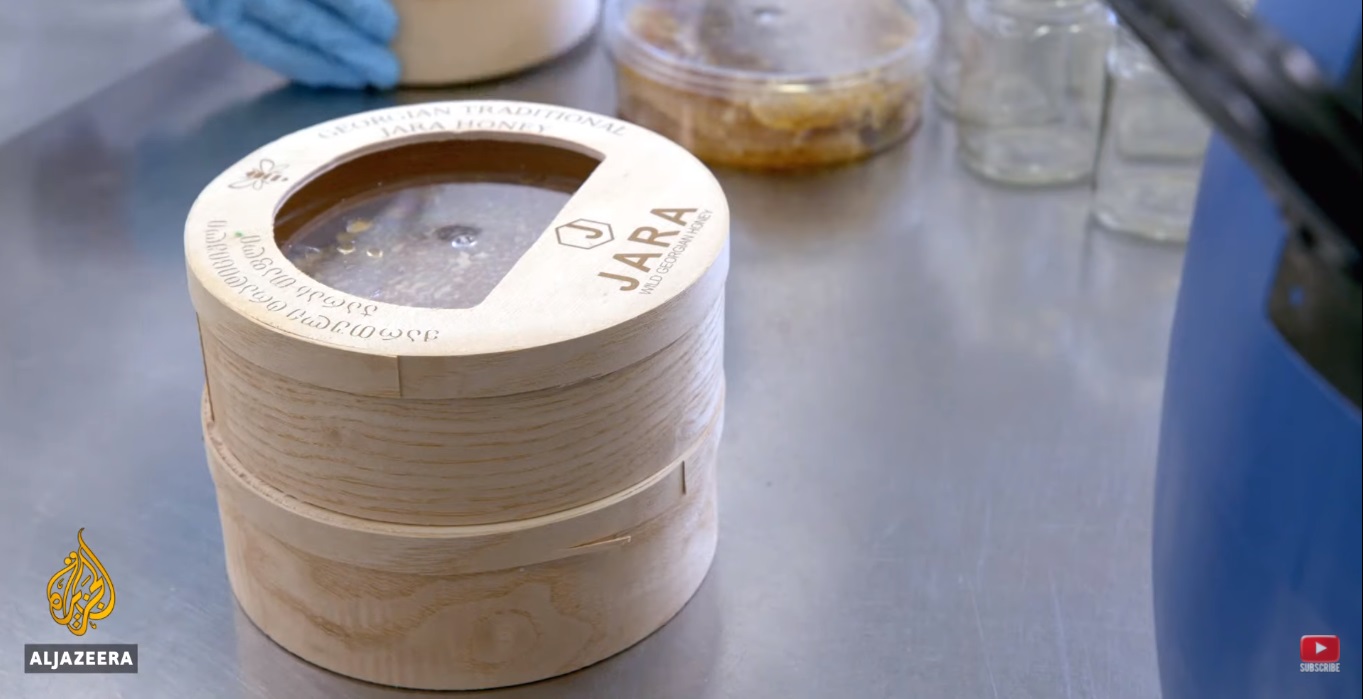
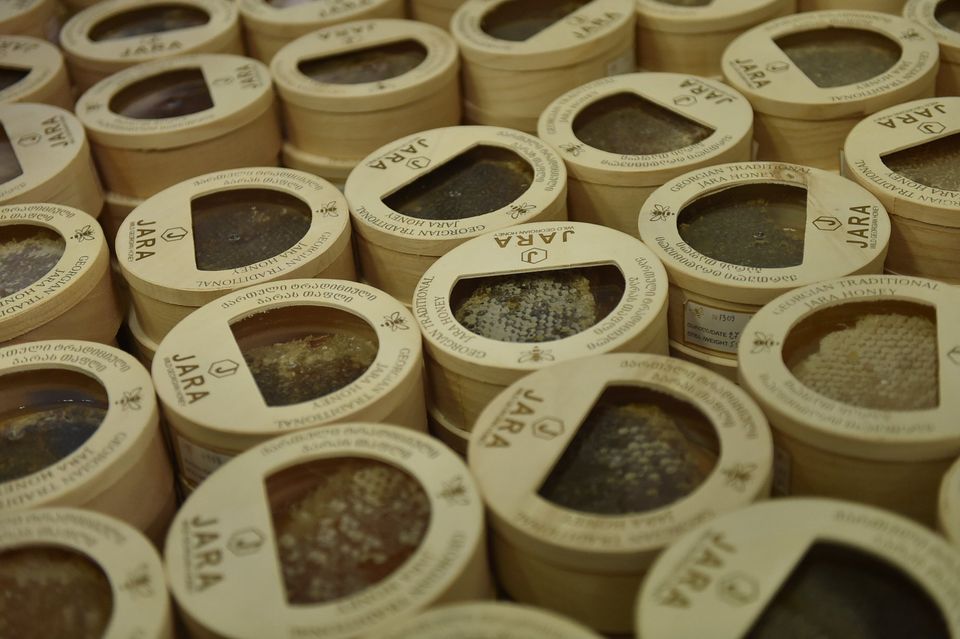
Traditional Jara beekeeping has reached a new audience through a report on Al Jazeera English and its Youtube Channel, with an audience of forty million in Gulf States alone. The report was developed in Ajara with assistance of the Jara Beekeepers Association (JBA), telling stories of female and male Jara beekeepers, emphasizing commercialization and future opportunities for Jara honey.
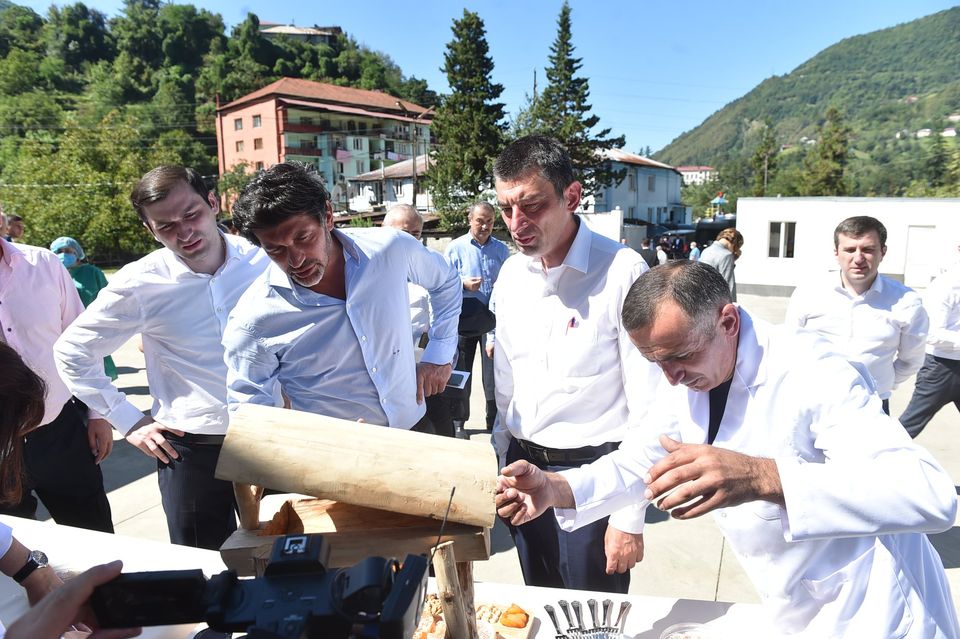
The Prime Minister of Georgia, the Chairman of the Ajara Autonomous Republic, the Mayor of Tbilisi City, and other government officials visited the Agro-Keda factory in Keda to see the honey production and packaging process, along with other Nena production. The honey showcase, Jara hive, different types of Nena produced honey for tasting, and honey catalogues were their favorites. The Prime Minister asked questions related to honey export and took the catalogues to find more details about honey.
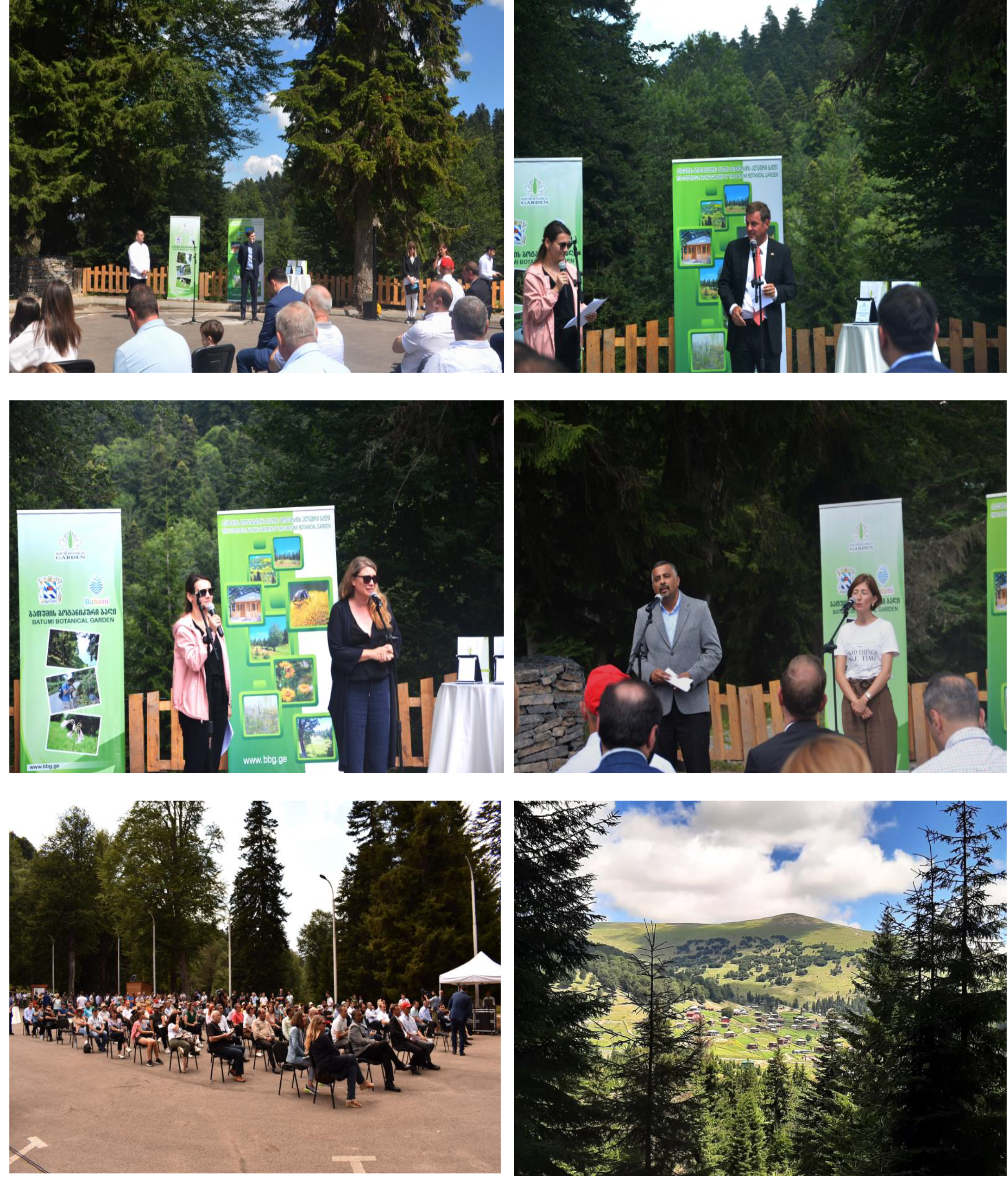
Located in Khulo, Ajara at 2000m above sea level, the Goderdzi Alpine Garden is now open. On Thursday, two hundred guests from government, municipal agencies, non-governmental and international organizations, travel agencies, scientists and botanists attended the opening ceremony.
Huge government support was there.
‘Opening of this natural monument will help Khulo municipality with further growth. We are working on the development of the local infrastructure. Those works together are increasing income for locals. My Special thanks to the Swiss Development and Cooperation Agency, Adjaristskalli LLC, and other organizations for making this project happen.’ – Tornike Rijvadze, the Chairman of the Ajara Autonomous Republic.
The Swiss Ambassador highlighted how natural treasure can positively impact local habitants, the means of quality-oriented tourism.
‘From the very beginning, we acknowledged the importance of the Goderdzi Alpine Garden not only for the region but also for Georgia at large. It is the initiative where eco-friendly tourism and agriculture are forcing each other for the benefit of rural settlers of the mountainous Ajara. It is also helping market with locally produced cheese, wild Jara honey and other local product.’ – Patric Franzen, Ambassador Extraordinary and Plenipotentiary of Switzerland to Georgia.
The Goderdzi Alpine Garden is an example of public-private cooperation.
‘Important thing about this is the sharing. We had a vision, we went to the Batumi Botanical Garden and shared this vision of taking this beauty and using it in the countryside so that all the people living here can also enjoy this vision. The opening of this garden is a symbol of positivity in a very negative time globally, a symbol of people getting together for something good.’ – Helen Bradbury, the ALCP Team Leader.
The main backer of the Goderdzi Alpine Garden is the Swiss Agency for Development and Cooperation (SDC) through the Mercy Corps Georgia implemented Alliances Caucasus Programme (ALCP). The project is supported by the Hydropower Company Adjaristskali and the Government of Ajara Autonomous Republic. The garden is being developed with the backstopping of Munich and Lautaret Botanic Gardens.
Follow the links on the opening of the Goderdzi Alpine Garden: Ajara TV, Imedi TV, Ajara Government FB, Ajara Tourism Department FB.
Last week, Tsivis Kveli Ltd in Kakheti distributed 250 kg different types of GMM cheese through the distribution company Georgian Imports in hypermarkets and cafés throughout Chicago. The dairy is now planning the next export in a few weeks.