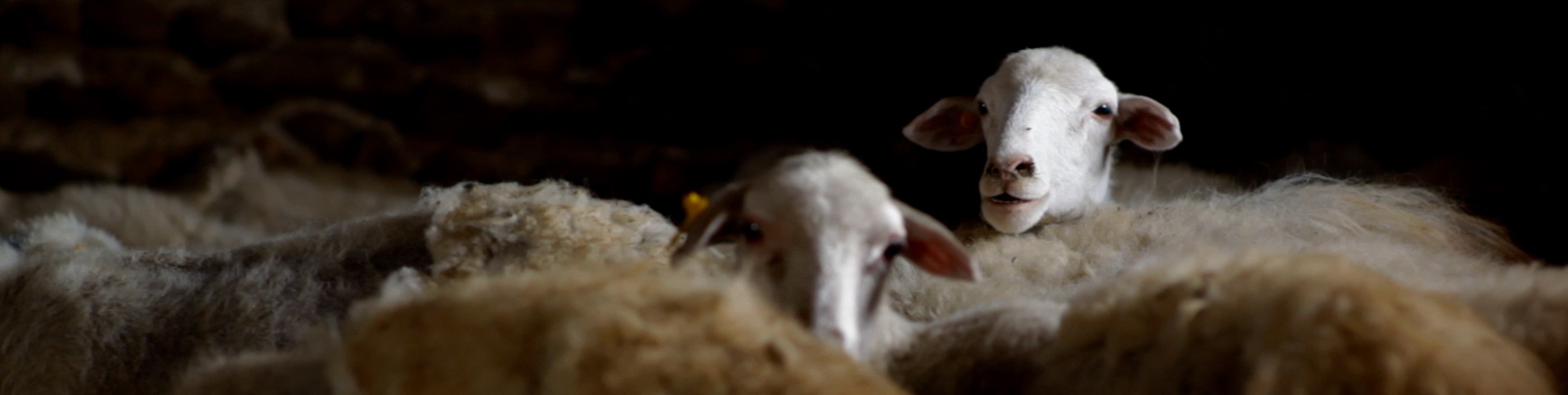
Government Momentum Builds on Animal Movement Route after the years of discussion and information exchange. The biggest challenge in Georgian sheep sector – the Animal Movement Route issue has come to the point when there is a willingness and concrete plan for taking actions and reaching tangible results.
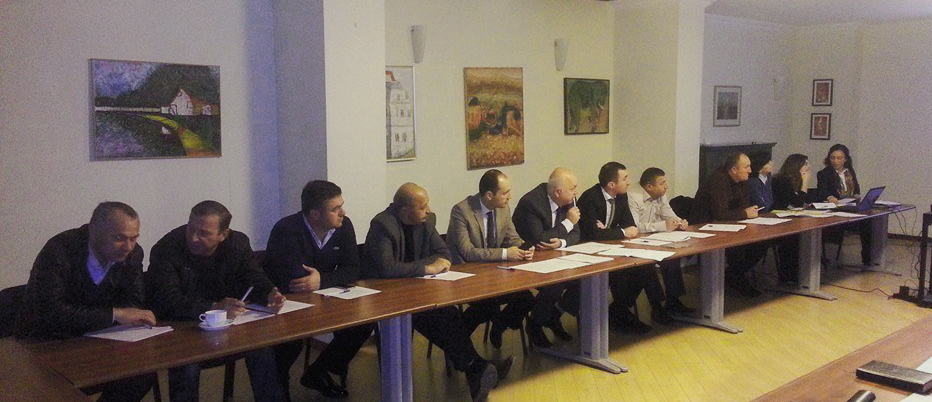
On November 20th, all main stakeholders of the Animal Movement Route gathered to plan further steps regarding the route infrastructure and management. The meeting was facilitated by Alliances Lesser Caucasus programme. There is no doubt that proper infrastructure of Animal Movement Route and existence of disease control mechanism during transhumance is key to sheep farming development. But lack of a clear action plan and coordinated activities – have been the subject of the dispute for years. The international consultant from UK - Edward Hamer was invited in October by ALCP for advising and designing the Animal Movement Route (please follow the link). The simple, practical recommendations – 11 action points for improving the AMR and drawings with estimated budgets prepared by the expert - were introduced to the interested parties.
Now, the infrastructural plan is available, coordinated action from the side of authorities becomes even more vital for the successful implementation of the project. For accelerating the decision-making process the Ministry of Agriculture and the Ministry of Economics, the Shepherds Association and the Municipalities agreed to work closely together. For ensuing enhanced coordination a special Web Forum will be established and administered by the MOA.
The recently rehabilitated bypass Route in Tsintskaro Village is a perfect example how the coordinated work of central and local government can lead to real solution in livestock transhumance related issues. Hopefully the Tsintskaro precedent will be the first, but not single step taken towards a rehabilitated route and a revitalized livestock industry in Georgia.
A few days ago all Self-Governing cities and municipalities in the country received a recommendation from the Ministry of Regional Development and Infrastructure to appoint an advisor on Gender Equity in each one to support implementation of the Law on Gender Equality 2010 and the action plan.
Two cases of Anthrax were identified in Tsalka Municipality during August 2013. According to the NFA representative Jemal Dekanadze, one cow died due to contracting Anthrax in Beshtasheni Village, Tsalka on August 8th. A blood test sent to Tbilisi Veterinary laboratory was confirmed positive for Anthrax. However, as reported by the Local Independent Vet from Tsalka Municipality, about 5 heads of dead cattle with clinical signs of Anthrax that were not laboratory tested were also observed in the local farms of the village.
Two cows died and a man has been infected due to contracting Anthrax in Patara Toneti Village, Tetritskaro Municipality. According to the representative of the NFA – Shota Poilarashvili the first cow died on July 17th, although the blood samples for laboratory testing were taken only by July 26th. During ten days the infected carcass had been abandoned in the ravine of the village.
Following on from the meeting with Shorena Bziava on May 21st in Kutaisi, Alliances KK met with Davit Narmania, the Minister of Regional Development and Infrastructure of Georgia. The main purpose of the meeting was introducing the Minister with Women’s Room, a new municipal service in Dmanisi, Tetritskaro and Tsalka municipalities, facilitated by the Alliances KK programme. Mr. David was informed about the main idea of WR and the services offered there. The information about the activities, the events carried out and the number of visitors since the establishment of WRs – were also overviewed. GENDER GUIDELINS for VILLAGE REPS with flyers of Women’s Room and Newsletter were presented and discussed.
Two cows died due to contracting Anthrax in Useinkendi, Karabulakhi Community, Dmanisi municipality on 13th May 2013. As the deputy of Gamgebeli Dato Petviashvili stated, a blood sample was taken from only one dead cattle and Tbilisi Veterinary Laboratory has subsequently confirmed the animal death was caused by Anthrax. The local government put Karabulakhi under quarantine for two weeks. The NFA commenced mandatory vaccination in the village and approximately 250 heads of livestock were vaccinated.
On 21st of May a meeting was held with Shorena Bziava, Gender Equality Council secretary at Georgian Parliament in Kutaisi. Alliances KK representatives introduced the programme Gender activities - a new municipal service Women’s Room and Guidelines for the Village Reps.