The first settlement of Svans into Kvemo Kartli took place in 1987. This is when the Svans from landslide-affected Chviberi (higher Svaneti) were resettled in Dmanisi, in the houses built under a government programme. Svans started to introduce their style of life in Kvemo Kartli and establish strong communities in Kvemo Kartli.
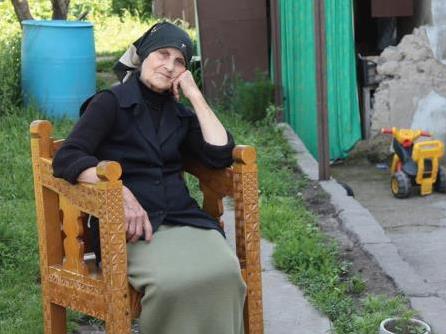
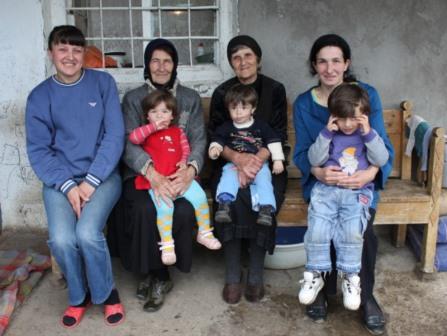
Natela Argvliani and her family are eco-migrants from the village of Etseri in Mestia district; the family moved to Tsalka in 2003 under a government programme. She is the head of the family based on her age. The programme provided some funding for houses and the family managed to purchase a modest two-storey house where Natela lives with her son Nino Kvitsiani her daughter-in-law and her grandchildren who are twins. Natela also has a daughter, Lela, who is married to a Tbilisi resident and lives there. She visits her mother with her husband and son and stays for long periods at Natela’s house as was the case during our visit.
Natela’s daughter-in-law, Nino Kvitsiani lives in Tsalka with Natela. This is not the first displacement for her. Her parents left Svaneti not long before the Abkhazia war. For 7 years the family lived in Gulripshi until they had to flee again — not avalanches but war.
Nino teaches English at a local school and also gives private classes. She married when she was over 30, had already graduated university in Tbilisi and had a job. In addition to Georgian, Nino speaks good Russian and English, has her own opinions about life and her own judgment. She is not very satisfied with life in Tsalka. In her opinion, the town is very scattered from in ethnic standpoint with every group living autonomously and having little interaction with the other groups. One can assume that the cultural life of Tsalka is somewhat narrow for Nino but she does not say this explicitly. Nino is the breadwinner of her large family. She has authority and deliberates upon household strategies. Her husband has not worked for a long time.
Other relatives often visit their family. Natela’s aunt, Margarita Kordzaia, was visiting the family during our visit. Margarita lives in Dmanisi but often comes to visit her children who live in Tsalka and stays at Natela’s place for long periods. Margarita also hails from Svaneti. Young people, as well as the elderly, are unanimous in thinking that it is easier to live in Kvemo Kartli than in Svaneti. That said, however, Margarita and Natela miss their native region very much. They have not been there for several years now but, out of modesty and self-sacrifice, do not voice their wishes giving priority to the children’s opinions and, possibly, accepting the likelihood that they may never be able to see Svaneti again. However, Natela, for example, is intensively involved in household affairs, helps with the raising of her grandchildren and makes, clearly, a not-insubstantial contribution to the household income with her monthly pension.
As Nino works mainly as a teacher, there is no one to take care of the cows and so for this reason, the family has just two with the milk used mainly for their own consumption. Nino told us that they could if they wanted to hire help for milking the cows which is currently handled by Natela, as the work is poorly paid and affordable, paid at ten Lari a month per cow milked morning and evening. 10 Lari in the village is good money and it’s important for them. There is enough milk to make cheese to sell. A blue plastic barrel in which the cheese is stored can be seen outside the house. Cheese is stored in the barrel through the summer and, when the container is full, they close it tight in order to store and sell the cheese in winter when prices are higher. Cheese is also used for barter exchange for other goods and services. Thus, cheese can be referred to as local currency.
In addition to dairy products, potatoes and hay are other sources of income for the family and for people locally. The production of potatoes for other than household consumption, however, requires larger tracts of land and not every resident owns such territory. Producing hay, too, is labour intensive both for home consumption and for sale and requires mowing, drying, gathering and storage or loading for delivering to buyers and selling. So the women look after the cows and make cheese and this daily work feeds the families and is the main source of income for this family and for almost everyone else here.
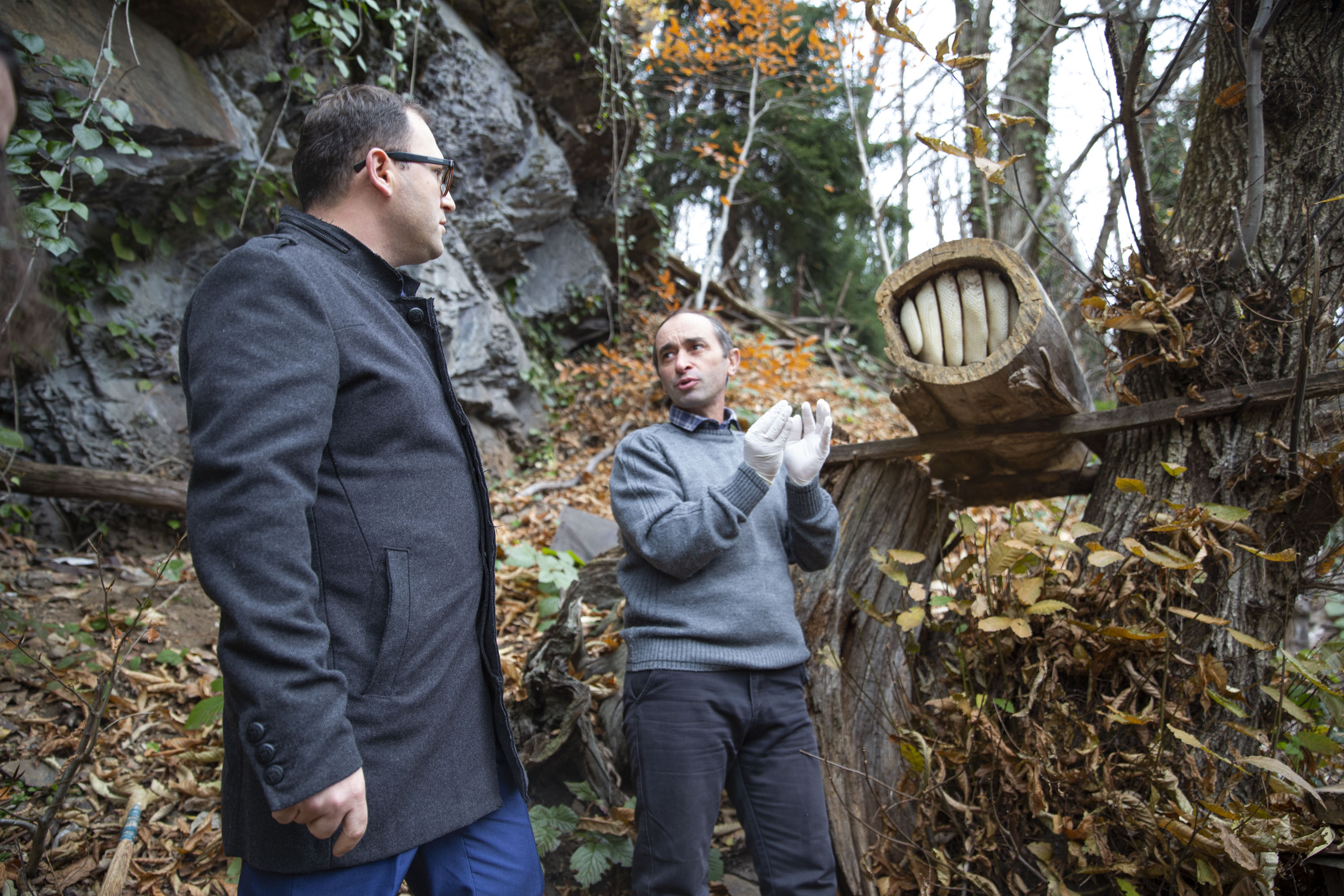
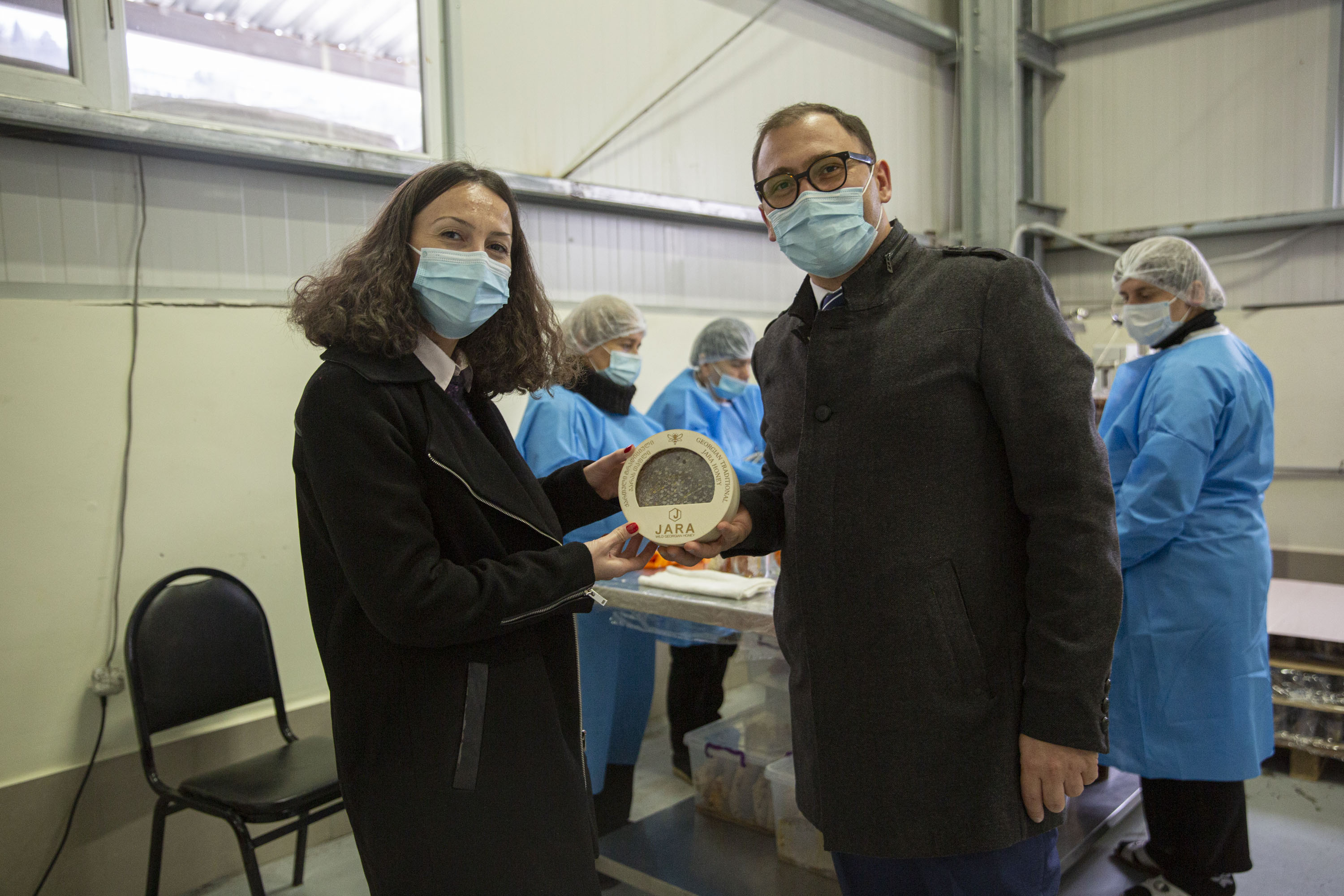
The Jara Beekeepers Association (JBA) hosted the new Minister of Agriculture of Ajara Autonomous Republic. One Bio certified Jara beekeeper invited the Minister to Namonastrevi village in Keda to watch the Jara harvest. He also visited the Agro-Keda factory where KTW produce the Nena honey brand, to see the Bio honey production and packaging process following strict Bio standards. The JBA together with its members talked about their work, education materials they have disseminated among their members, results and planned activities.
‘Jara honey is an amazing product it’s tradition and now Bio certification. It has great export potential. Even though, the pandemic has significantly limited our budget, we will support the JBA to help ensure the sustainability of the Jara honey production and Bio certification.’ – Giorgi Surmanidze, Minister of Agriculture of Ajara.
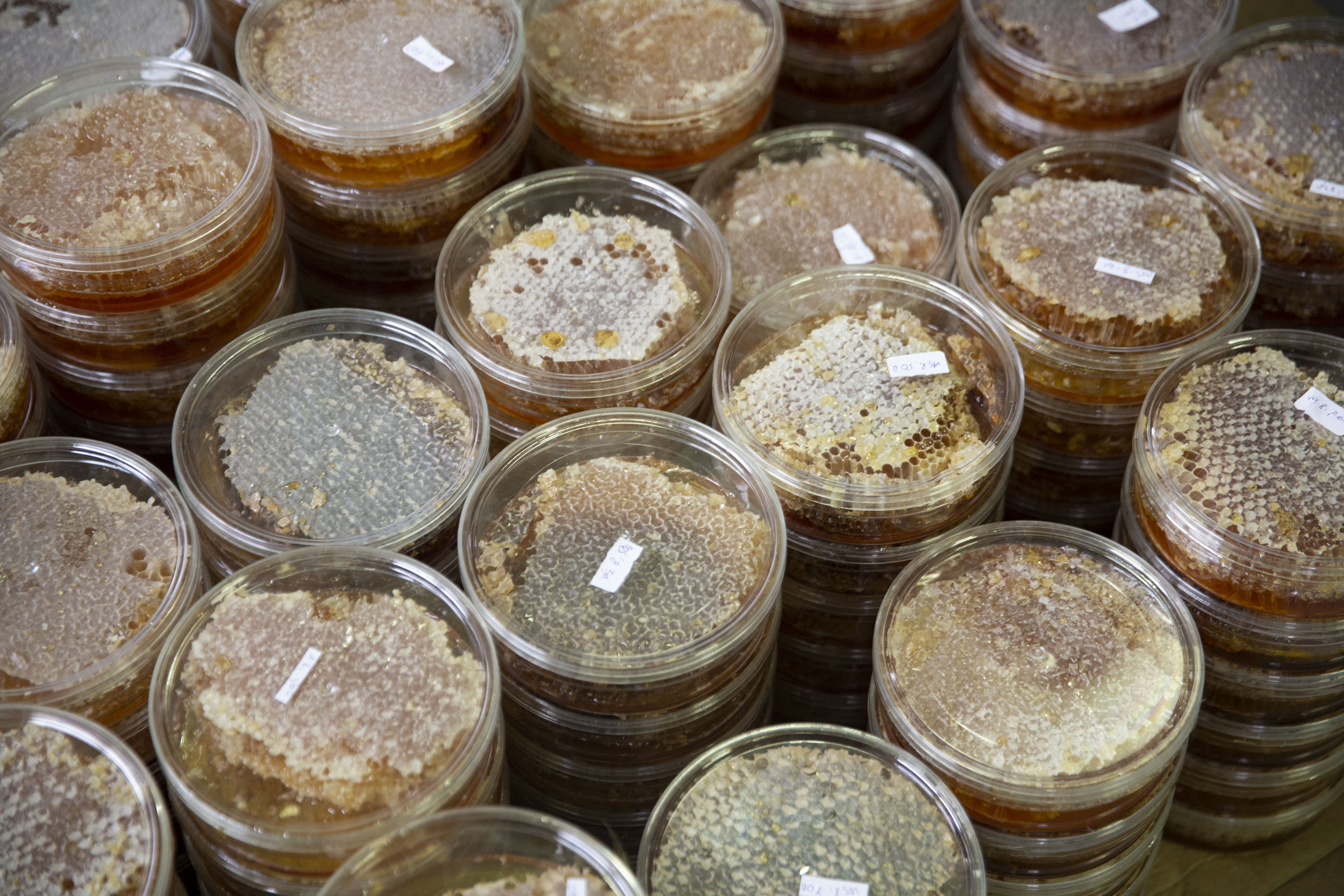
In a country first, there are now twenty four Bio certified Jara beekeepers, including the Jara apiary in the Goderdzi Alpine Garden. The Agro-Keda Factory, the only company commercially harvesting Jara honey, received Bio certification in October 2020, thus the company is eligible to sell the Bio certified Jara honey crop with a Bio label soon available in the supermarket chains throughout Georgia.
The JBA is due to start selling the honey of its members under its own label from December this year. The Agroservice Center of the Ministry has already allocated a room in Keda municipality center for the JBA for the compliant packaging and labeling of its products.
More details on Jara honey to be found on www.jarahoney.com.
Photo source: The Ministry of Agriculture of Ajara Autonomous Republic
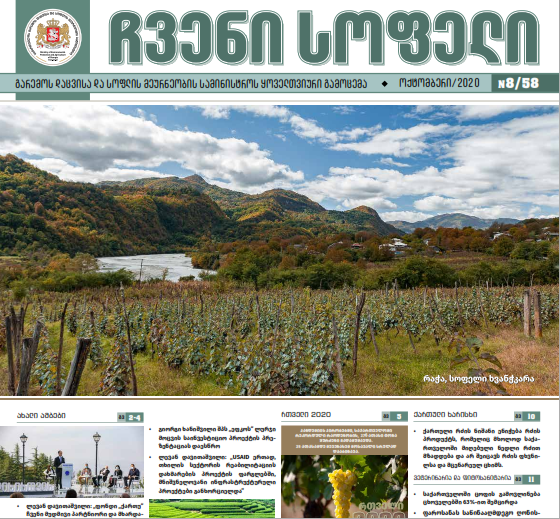
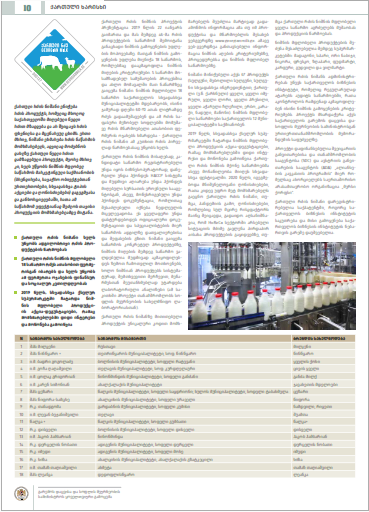
Our Village, the Ministry of Environmental Protection and Agriculture of Georgia (MEPA) magazine with a circulation of 10,000 copies a month is publishing an article about the Georgian Milk Mark (GMM) in its October issue. The article provides comprehensive information about the GMM, a list of the GMM dairies and their products. Rural farmers across Georgia will receive the magazine through fifty-four MEPA Information Consultation Centers (ICCs) for free.
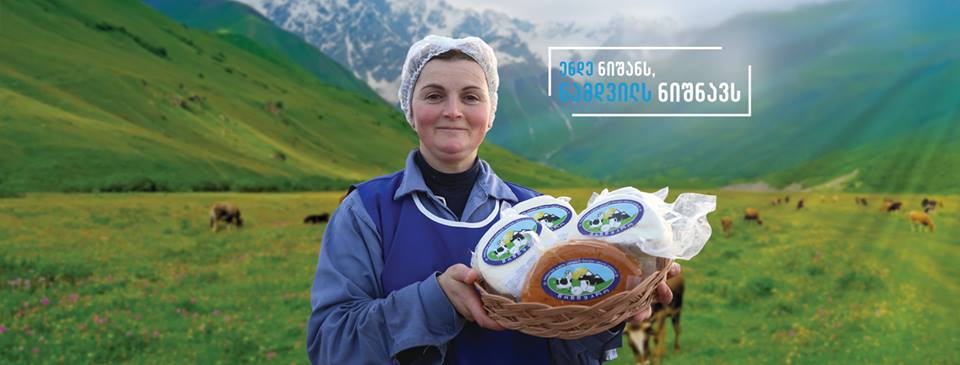
Currently, sixty-seven types of GMM dairy products from eighteen GMM dairy companies are being sold in Madagoni, Spar, Ori Nabiji, Nikora, Zgapari, Fresco, Foodmart, Carrefour, Goodwill, Willmart, Libre, Deili, Bilion supermarket chains. Details on www.georgianmilk.ge.
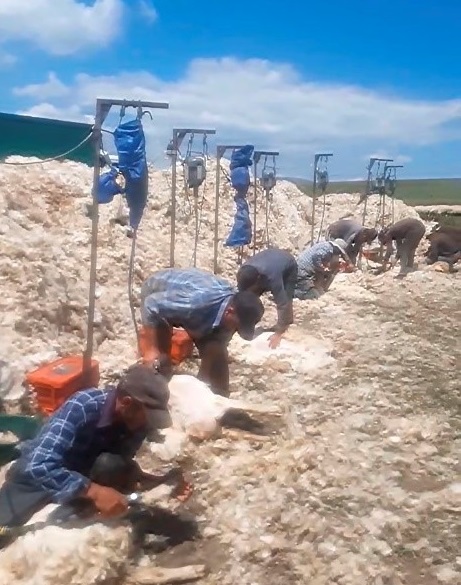
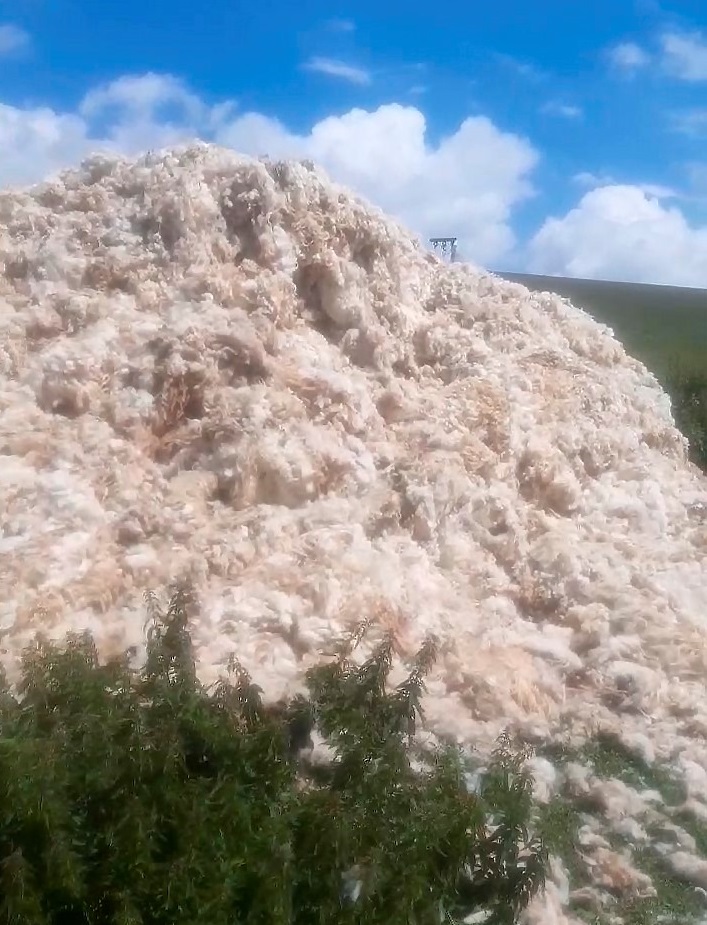
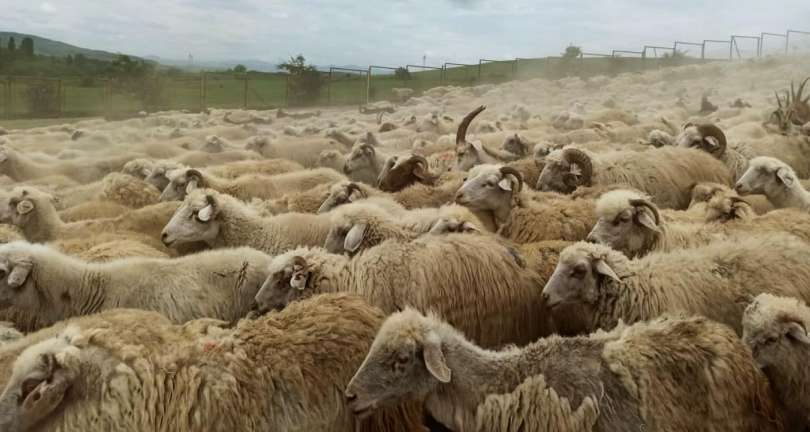
In 2018, while thinking about improving the quality of supplied wool, the Georgian Wool Company purchased twelve sheep shearing machines and trained a group of twelve shepherds, to provide a shearing service to sheep farmers. The service is available on the pastures at the beginning of spring and at the end of summer, when sheep are usually sheared in Georgia. This year, up to five-hundred farmers were served, with hundred thousand sheep sheared.
Before, the wool suppliers of the company sheared sheep by hand, which damaged wool fiber and the quality of wool was poor. It took time with only up to thirty sheep sheared a day. The sheep farmers had to ensure the workforce for shearing by hand, they also had to arrange wool storage space in pastures and transportation of wool from pastures to wool collection centers. Incompliant shearing and storage was decreasing the quality of wool and causing about a ten percent loss (up to thirty kilos), which was usually left on pastures polluting the local environment.
Now, the sheep shearing machines prevent damaging of wool fiber and respectively, the quality of wool has been improved. The company’s sheep shearing machine service includes storage and transportation of wool from pastures to the company`s warehouse in Tbilisi. Sheep shearing is now time-efficient with up to hundred sheep/day sheared by one trained shepherd. While shearing of thousand sheep by hand took at least three days, now the same is done just in one day. For the company it means a stable supply of wool in better, cleaner quality; For farmers it translates into reduced transaction costs, time and about 0.7 Gel saved per sheep.
The Georgian Wool Company first exported wool to the United Kingdom back in 2016. Ukraine, Kazakhstan, India, Afghanistan are now among top wool export destinations. Along with growing demand, improving quality has become a particular interest of the company.
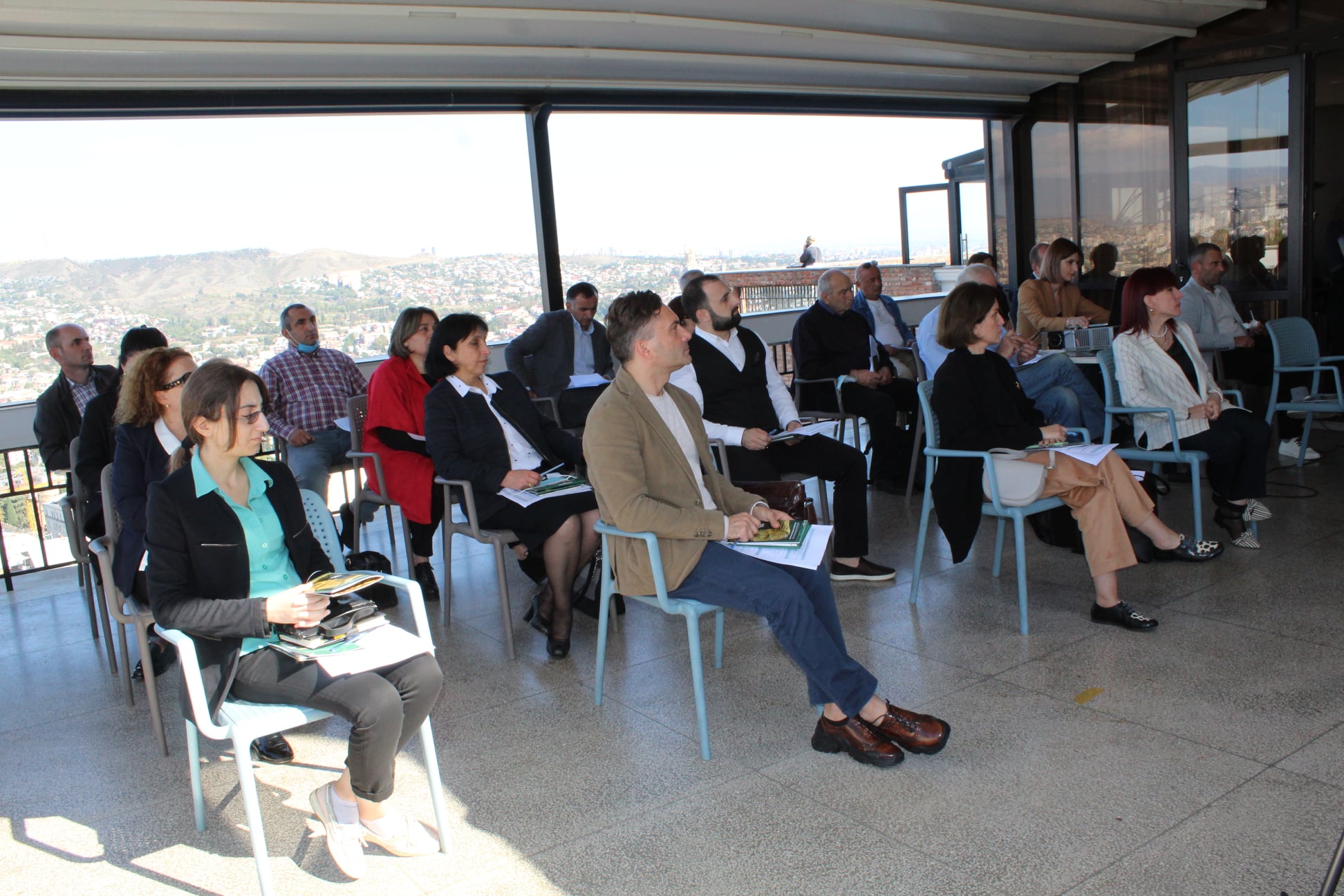
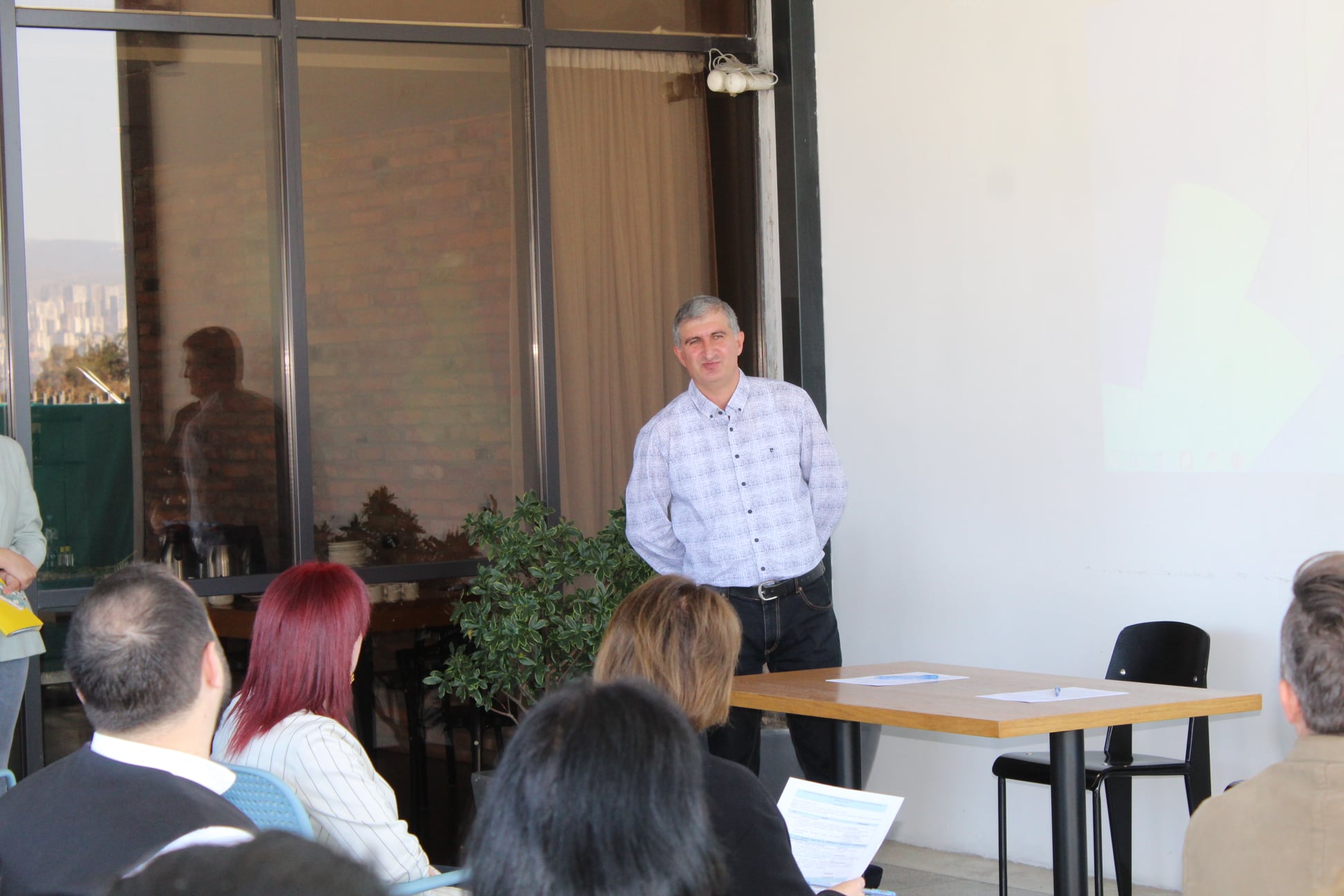
On October 8th, the Georgian Beekeepers Union (GBU) hosted representatives of thirteen VET colleges from across Georgia and sectoral skills organization Agro Duo in Tbilisi. The meeting occasioned the integration of Jara honey production as a topic in VET college beekeeping programmes, something that the Georgian Beekeepers Union have been facilitating over the last year.
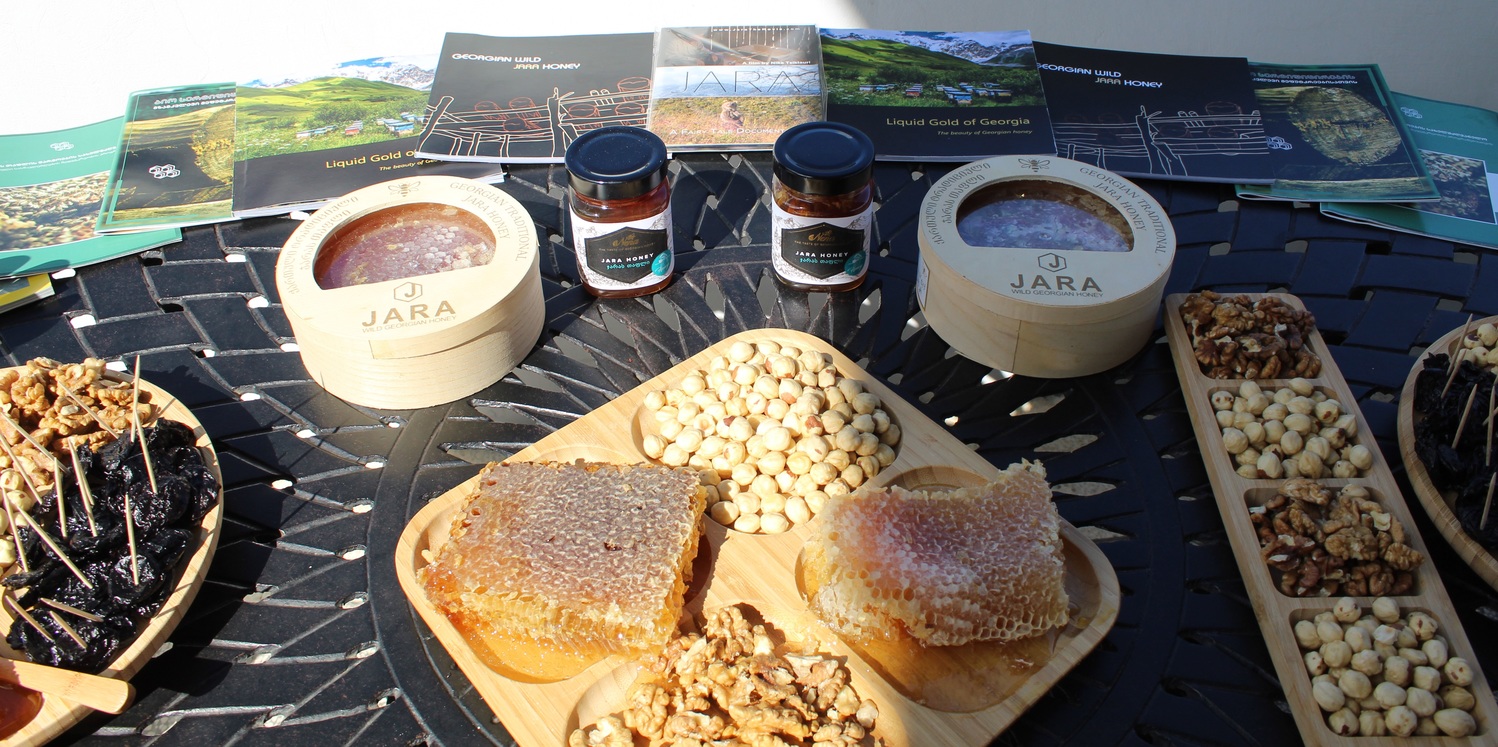
The participants received the Jara Honey Production Handbook and Bio Certification Guidelines for Beekeepers; and were introduced to two new websites www.honeyofgeorgia.com and www.jarahoney.com and a honey promotion video Discover Georgia: The Land of the Oldest Honey.
This year Akhali Talga VET College in Kobuleti and Khulo integrated the Jara materials into their one-year beekeeping programme in which twenty-eight beekeeper students are attending. At the meeting, Akhali Talga VET College shared their experience of successfully integrating the Jara materials into their beekeeping programme.
‘I had many calls before and after the meeting and I can say that the interest from the colleges is very high. We will provide support required and I am sure from the next year there will be more programmes with the Jara materials and improved content.’ – Aleko Papava, the Head of the GBU.
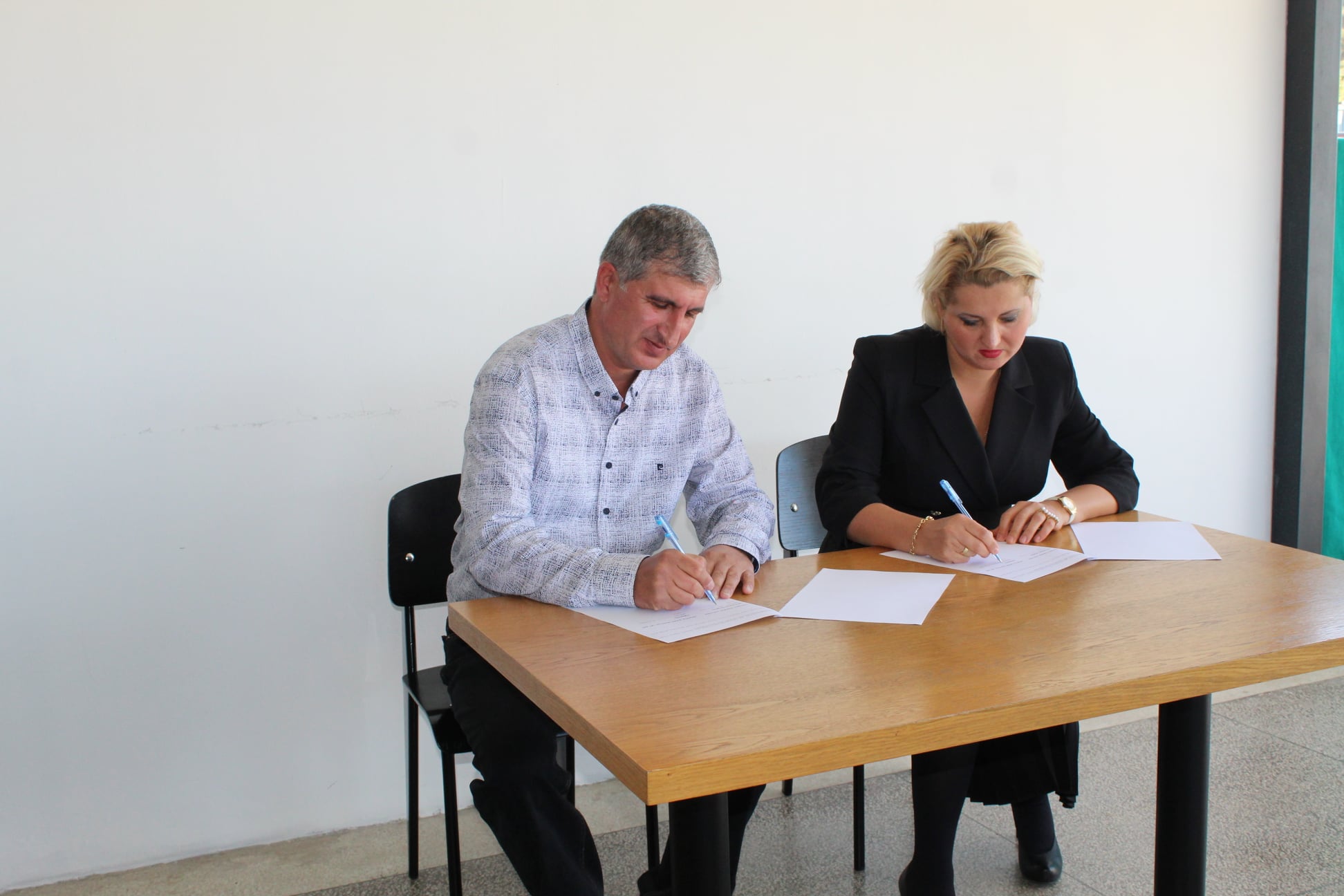
At the beginning of the meeting, the GBU and sectoral skills organization Agro Duo signed a Memorandum of Understanding pledging to work together to integrate Jara materials into the beekeeping programmes in all VET colleges in Georgia.
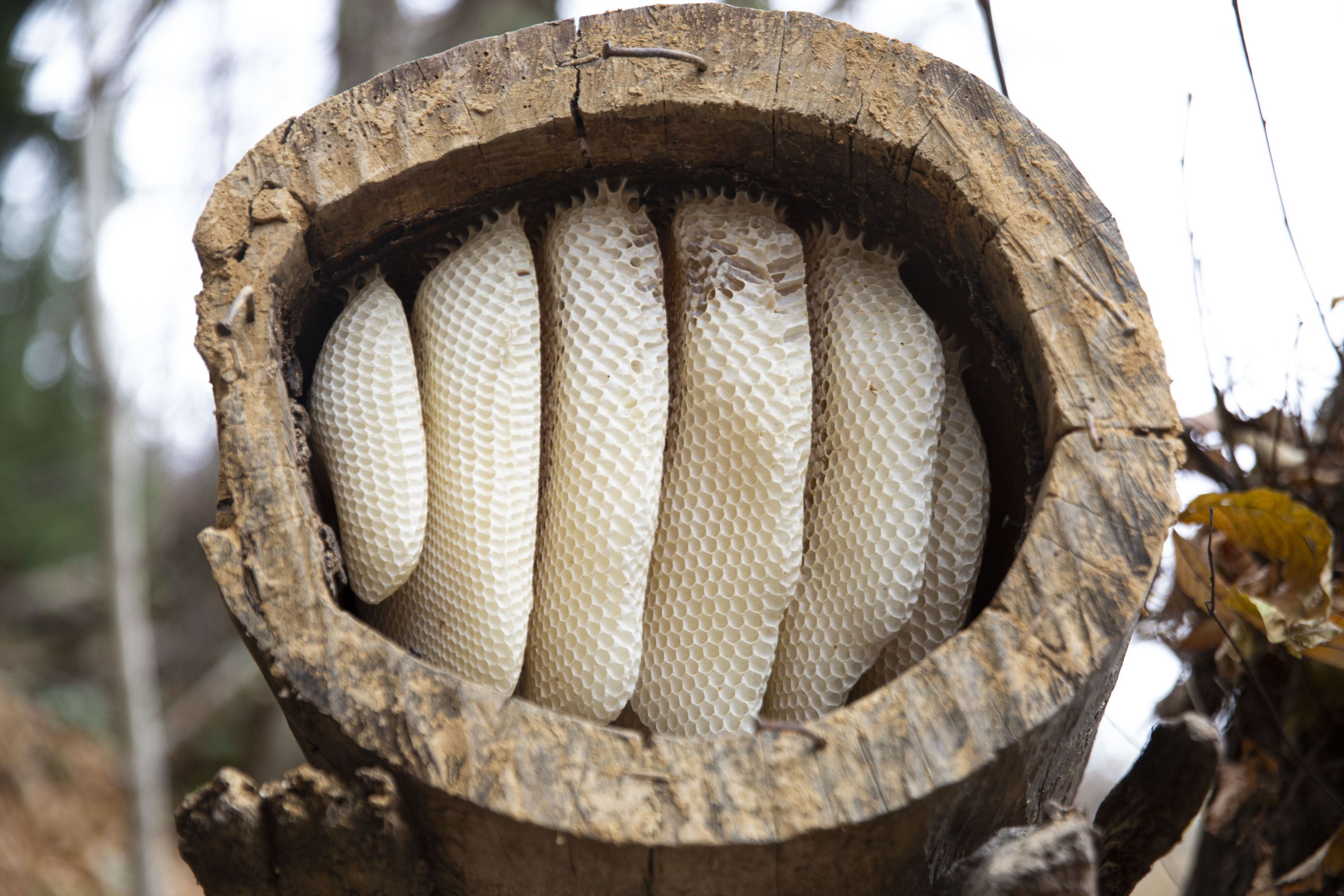
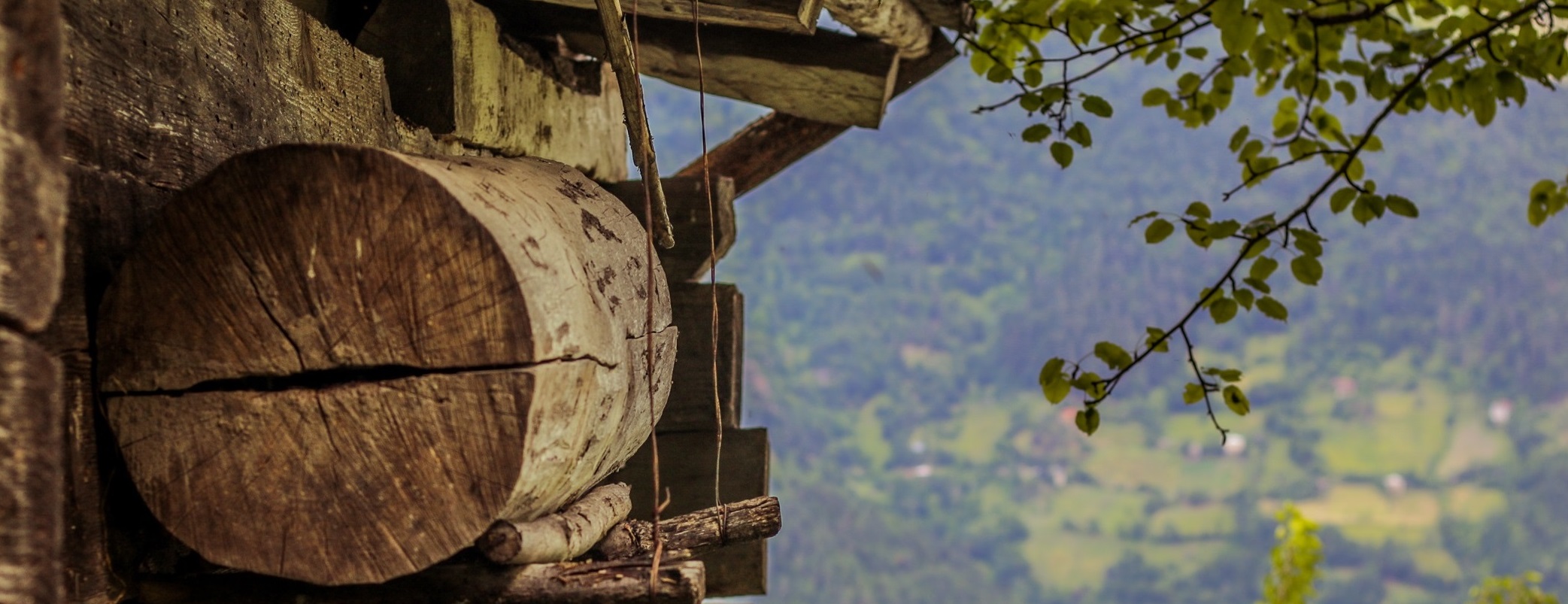
Jara is traditional wild beekeeping producing unique and pure honey rarely practiced nowadays, except for remote dwellings located in the subtropical and alpine zone of Georgia. However, for the first time in decades Jara production is being practiced again by new beekeepers or taken up again by those who had stopped. In 2018 the Jara Beekeepers Association was formed to represent producer interest and in the country first, twenty-three Jara beekeepers in Ajara have received Bio certification. Jara honey was commercially harvested and branded for the first time in 2018 and since then the market for Jara honey has grown in strength which is why the producers decided to become Bio Certified to further increase the value of their product. The Jara honey mark was registered this year to further protect this culturally important product.
Fifty-seven years old Vazha Kedelidze from Kedlebi Village, Khulo is one of ten students who enrolled in the beekeeping programme at Akhali Talgha vocational college in August.
Vazha retired from his position as a fireman five years ago. Soon after, his wife had a severe injury that left her unable to take care of their farm. As Vazha says, beekeeping is now the mainstay of his family. His beekeeper friend helped him to arrange an apiary of twenty hives.
‘I discovered that beekeeping is a philosophy on its own. Sometimes I sit for hours and observe bees working. I am trying to understand the process.’- Vazha says.
As a beginner beekeeper, Vazha is striving for knowledge and struggling to gain comprehensive information, as internet sources are not targeted to beginner beekeepers and he needed something hands on. He then heard about the beekeeping course at the Akhali Talgha VET collegein Khulo.
‘I do not know curriculum details yet, but I am sure I will get answers to my questions and I am looking forward to starting the learning process.’ – Says Vazha.
Vazha was even more surprised when he found out a Jara beekeeping module:
‘I had heard about Jara from villagers and television. It is a fascinating and very unique tradition. Last year, I even made six Jara hives and could not proceed further due to a lack of knowledge. So, I am glad that I will learn more about this traditional beekeeping.’ – Says Vazha.
Akhali Talga VET college in Ajara is the first college in Georgia to have integrated Jara teaching in their beekeeping programme. They will teach the integrated programme from this semester to twenty-eight students.
In total, there are ten VET colleges in Georgia with either a two month or one-year beekeeping course. The Georgian Beekeepers Union (GBU), along with the Jara Beekeepers Association (JBA), is now facilitating the integration of Jara module into beekeeping programmes of these ten colleges in cooperation with the sectoral skills organization Agro Duo and the Ministry of Education, Science, Culture and Sport of Georgia. The JBA developed the Jara Honey Production Handbook: for Beekeeping Programmes at VET Colleges.
Jara is traditional wild beekeeping, rarely practiced nowadays, except for remote dwellings located in the subtropical and alpine zones of Western Georgia, namely, Ajara, emphasizing the importance of co-existence between humans and wild nature. It is a family activity led by a family head, with strong roots in traditional agriculture practice, culture and a way of living as a whole. That makes Jara unique. However, due to a limited market, it was nearly fading outback in 2014 when the ALCP found out about it, and this is when the Jara journey began. It is now growing in 2018 the first commercial Jara harvest was 500kg it is now over 3 tonnes. Twenty-three Jara beekeepers are now Bio Certified and many people such as Vazha are anxious to start. Jara is a high value product with very strong demand it retails for 90 Gel/kg.
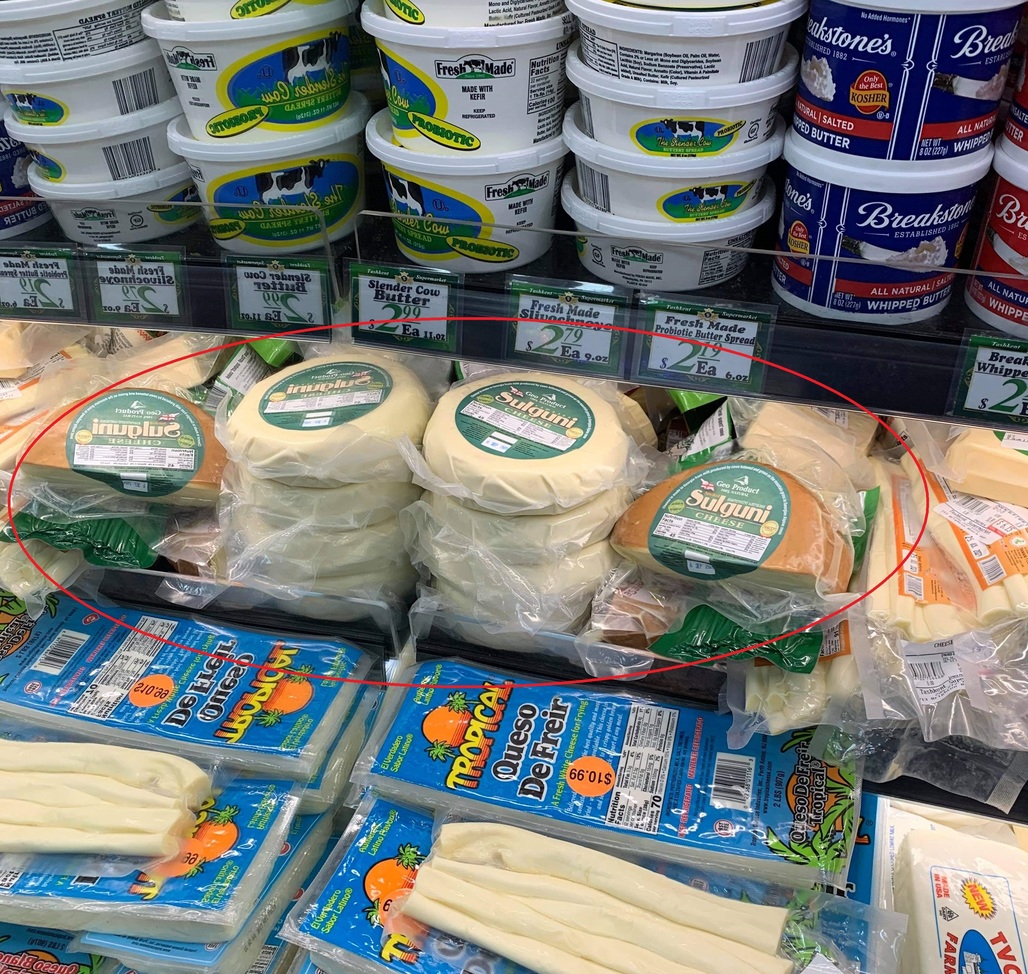
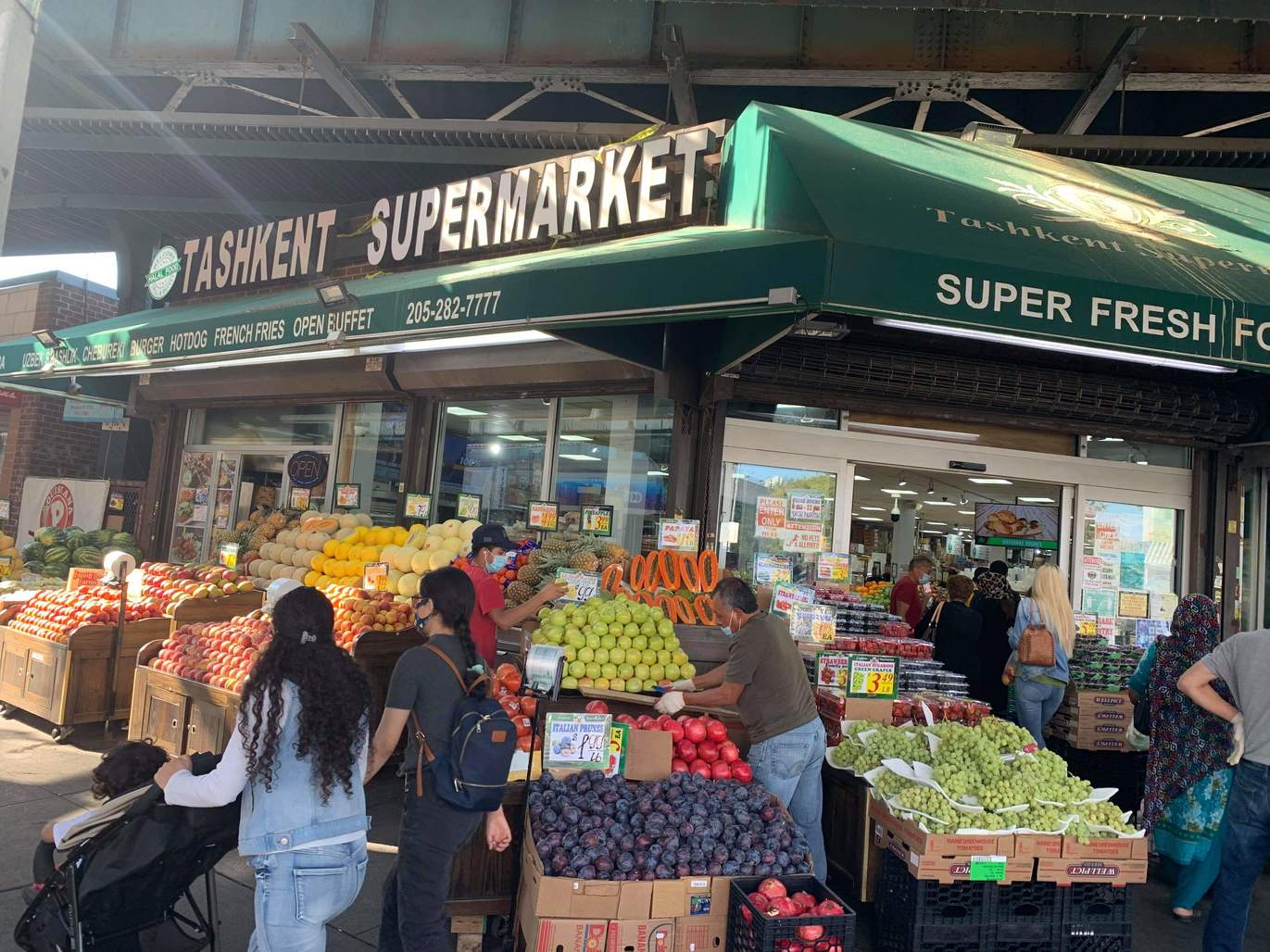
In mid September, dairy enterprise Tsintskaro+ Ltd in Kvemo Kartli sent 280 kg of different types of cheese (Sulguni, Smoked Sulguni, Georgian Cheese) and clarified butter produced by Milkeni Ltd through distribution company Geoproduct Ltd, for sale in New York, USA after positive feedback received on product samples sent earlier in August. Both dairies are members of the Georgian Milk Mark the quality assurance label for Georgian natural milk and their products bare the GMM. The company expects a repeat order for at least 250 kg in the near future.