The first settlement of Svans into Kvemo Kartli took place in 1987. This is when the Svans from landslide-affected Chviberi (higher Svaneti) were resettled in Dmanisi, in the houses built under a government programme. Svans started to introduce their style of life in Kvemo Kartli and establish strong communities in Kvemo Kartli.
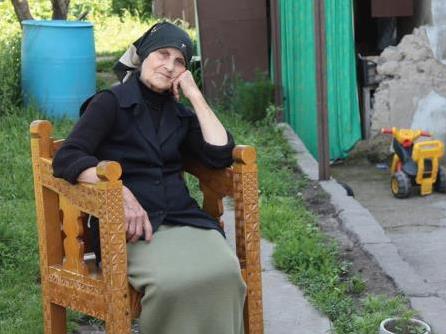
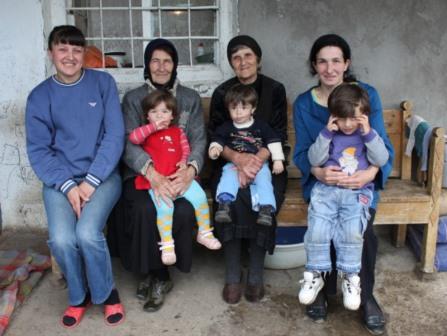
Natela Argvliani and her family are eco-migrants from the village of Etseri in Mestia district; the family moved to Tsalka in 2003 under a government programme. She is the head of the family based on her age. The programme provided some funding for houses and the family managed to purchase a modest two-storey house where Natela lives with her son Nino Kvitsiani her daughter-in-law and her grandchildren who are twins. Natela also has a daughter, Lela, who is married to a Tbilisi resident and lives there. She visits her mother with her husband and son and stays for long periods at Natela’s house as was the case during our visit.
Natela’s daughter-in-law, Nino Kvitsiani lives in Tsalka with Natela. This is not the first displacement for her. Her parents left Svaneti not long before the Abkhazia war. For 7 years the family lived in Gulripshi until they had to flee again — not avalanches but war.
Nino teaches English at a local school and also gives private classes. She married when she was over 30, had already graduated university in Tbilisi and had a job. In addition to Georgian, Nino speaks good Russian and English, has her own opinions about life and her own judgment. She is not very satisfied with life in Tsalka. In her opinion, the town is very scattered from in ethnic standpoint with every group living autonomously and having little interaction with the other groups. One can assume that the cultural life of Tsalka is somewhat narrow for Nino but she does not say this explicitly. Nino is the breadwinner of her large family. She has authority and deliberates upon household strategies. Her husband has not worked for a long time.
Other relatives often visit their family. Natela’s aunt, Margarita Kordzaia, was visiting the family during our visit. Margarita lives in Dmanisi but often comes to visit her children who live in Tsalka and stays at Natela’s place for long periods. Margarita also hails from Svaneti. Young people, as well as the elderly, are unanimous in thinking that it is easier to live in Kvemo Kartli than in Svaneti. That said, however, Margarita and Natela miss their native region very much. They have not been there for several years now but, out of modesty and self-sacrifice, do not voice their wishes giving priority to the children’s opinions and, possibly, accepting the likelihood that they may never be able to see Svaneti again. However, Natela, for example, is intensively involved in household affairs, helps with the raising of her grandchildren and makes, clearly, a not-insubstantial contribution to the household income with her monthly pension.
As Nino works mainly as a teacher, there is no one to take care of the cows and so for this reason, the family has just two with the milk used mainly for their own consumption. Nino told us that they could if they wanted to hire help for milking the cows which is currently handled by Natela, as the work is poorly paid and affordable, paid at ten Lari a month per cow milked morning and evening. 10 Lari in the village is good money and it’s important for them. There is enough milk to make cheese to sell. A blue plastic barrel in which the cheese is stored can be seen outside the house. Cheese is stored in the barrel through the summer and, when the container is full, they close it tight in order to store and sell the cheese in winter when prices are higher. Cheese is also used for barter exchange for other goods and services. Thus, cheese can be referred to as local currency.
In addition to dairy products, potatoes and hay are other sources of income for the family and for people locally. The production of potatoes for other than household consumption, however, requires larger tracts of land and not every resident owns such territory. Producing hay, too, is labour intensive both for home consumption and for sale and requires mowing, drying, gathering and storage or loading for delivering to buyers and selling. So the women look after the cows and make cheese and this daily work feeds the families and is the main source of income for this family and for almost everyone else here.
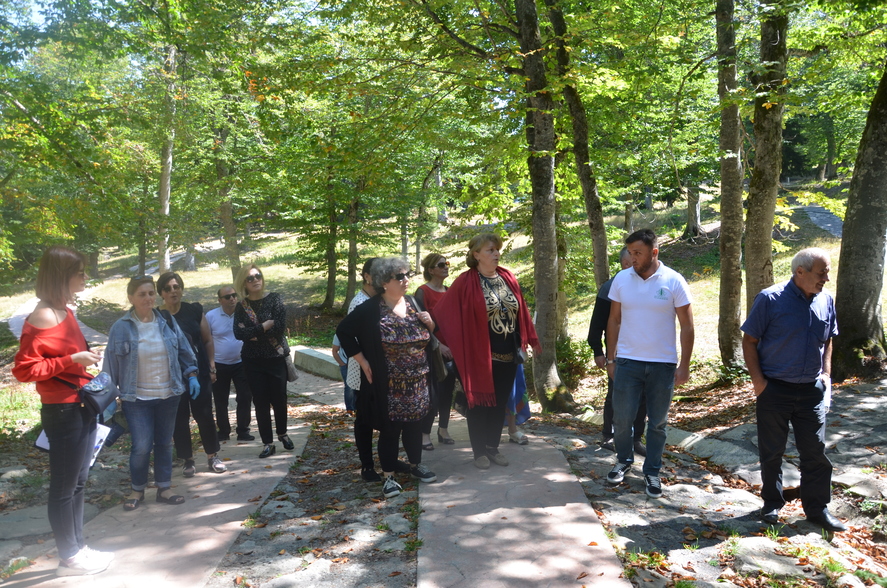
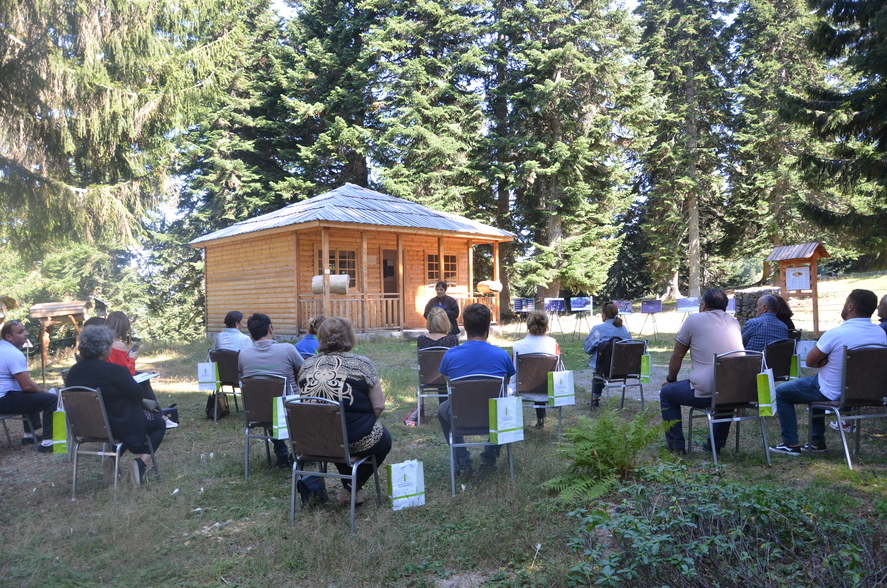
Manana Dumbadze was one of fifteen guesthouse owners from Keda, Shuakhevi and Khulo invited to attend an educational seminar hosted by the Goderdzi Alpine Garden (GAG) on September 18th on how biodiversity, conversation and Jara beekeeping can be used for business promotion and attracting more tourists.
‘The seminar was interesting and will motivate me to generate new ideas. I am arranging a garden in front of my house and I received information about plants. The GAG promised to help me to do it. I have beehives but I’m thinking of switching to Jara beekeeping, because it will be more interesting to our visitors, as it carries a traditional value.’ Manana Dumbadze, a guesthouse owner.
The seminar participants agreed on further coordination and information dissemination among others.
‘I am planning to have a Jara apiary from the next year. I will also include the GAG on our tour. I have a small cottage on the Goderdzi Pass, and I am planning to have visitors there.’ Nodar Shervashidze, a guesthouse owner.
Representatives of the Batumi Botanical Garden (BBG) and specialists from the BBG’s Local Flora and Conservation Department will continue educational seminars for teachers and school students in the upcoming year. The GAG is developing its role in wild flora conservation and eco-education with seminars and a beekeeping area, aiming to publicize the value conservation and traditional Jara beekeeping can have for sustainable local development and teach people interested in taking it up.
Officially opened in July, 2020, the GAG has already attracted sixteen thousand visitors since the opening, making it the prominent tourist destination in mountainous Ajara.
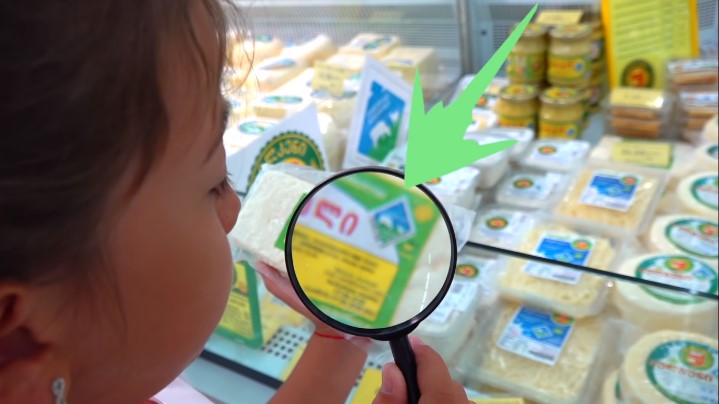
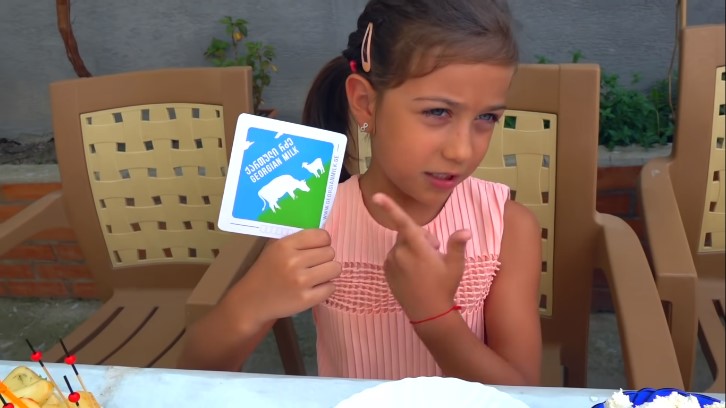
Emili is a young girl who has become an internet sensation in Georgia. Her YouTube channels Emili TV and Emili Family TV reach 708,000 subscribers. She regularly shares educational and entertainment content, including films about products she likes, many parents and their children watch her shows and follow her recommendations. Through ALCP facilitation, she (and her production team) decided to ‘investigate’ the Georgian Milk Mark.
The Georgian Milk Mark (GMM) films (on Emili TV and Emili Family TV) have reached 360,000 views just in two weeks.
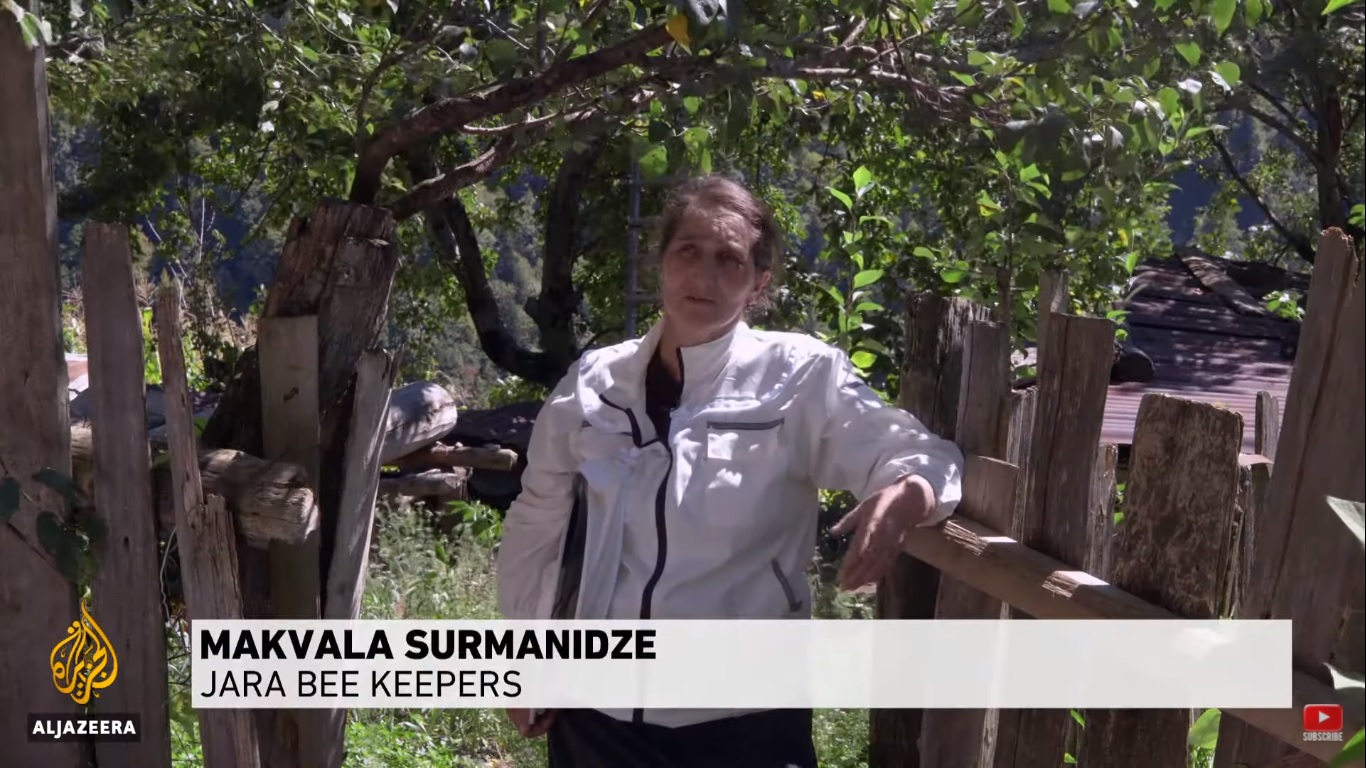
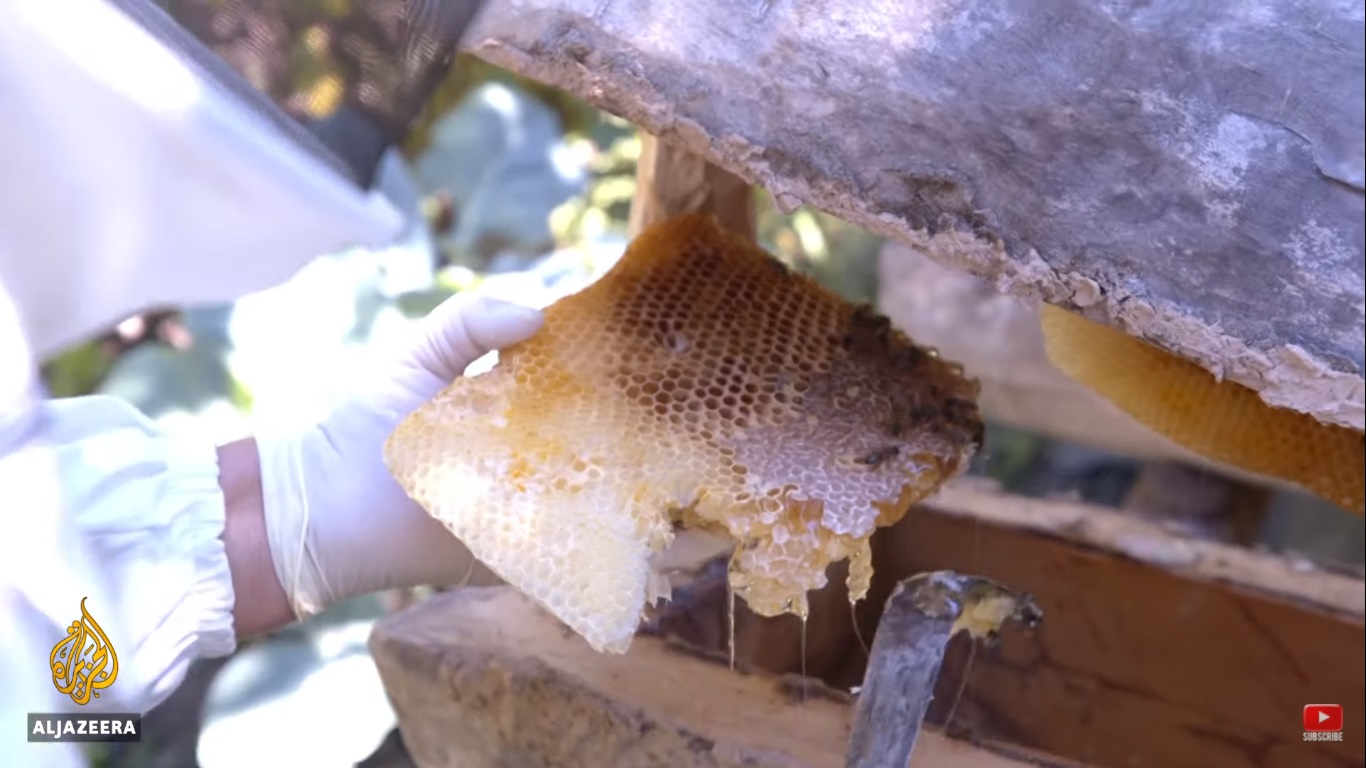
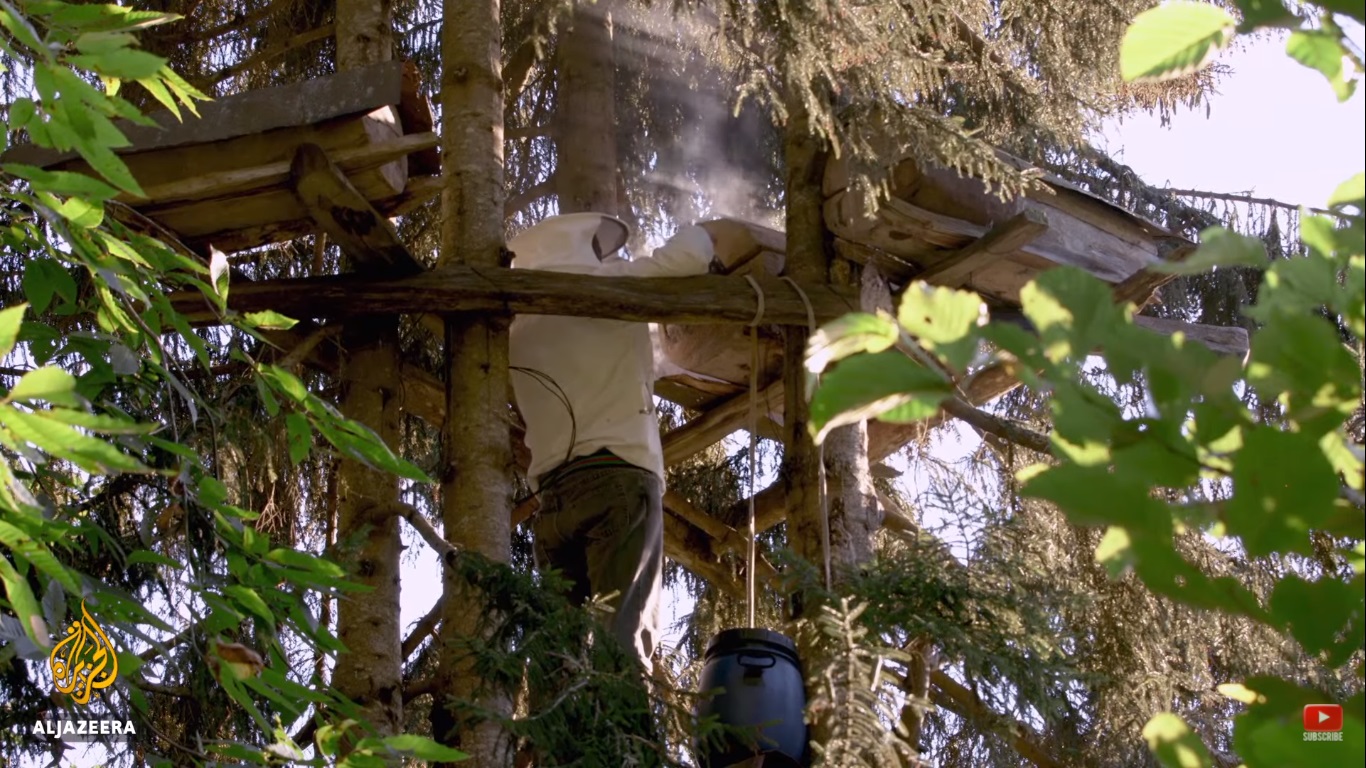
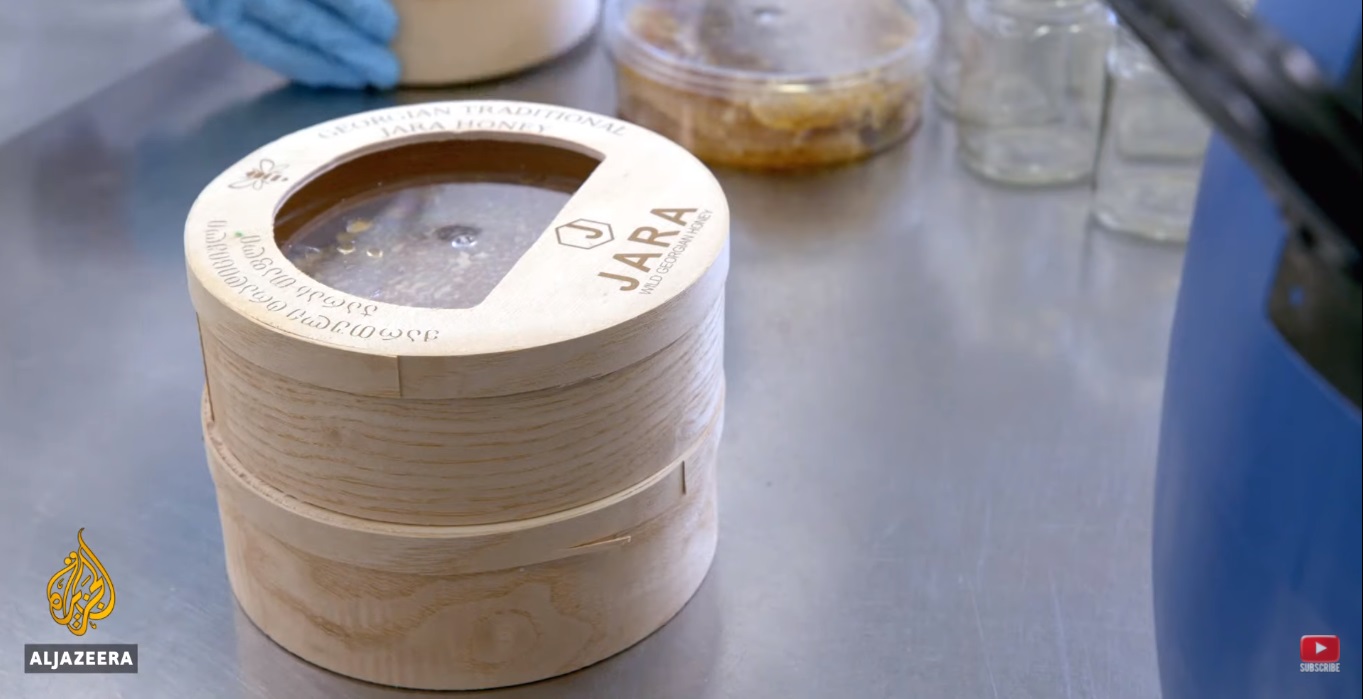
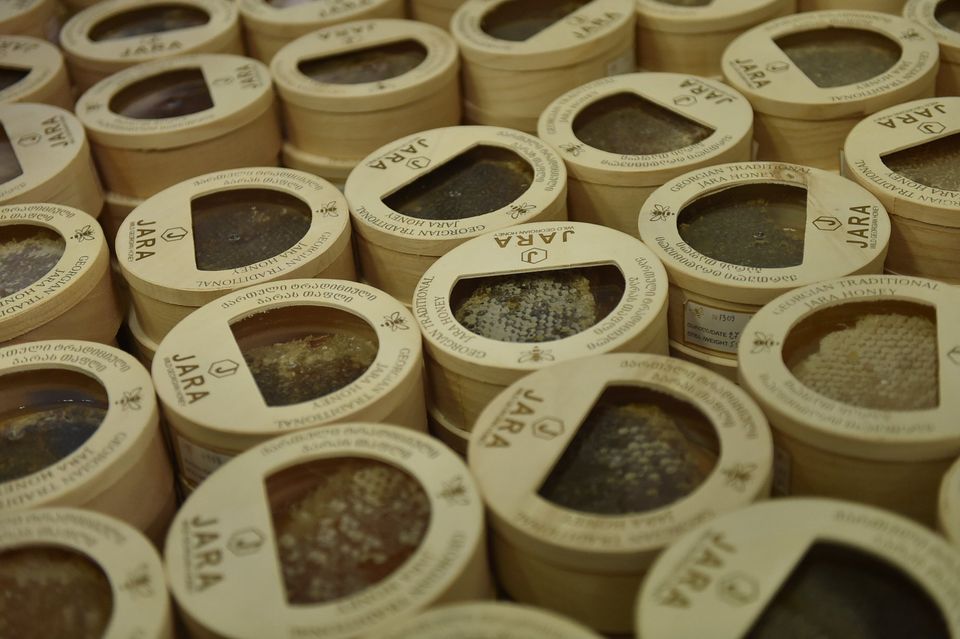
Traditional Jara beekeeping has reached a new audience through a report on Al Jazeera English and its Youtube Channel, with an audience of forty million in Gulf States alone. The report was developed in Ajara with assistance of the Jara Beekeepers Association (JBA), telling stories of female and male Jara beekeepers, emphasizing commercialization and future opportunities for Jara honey.
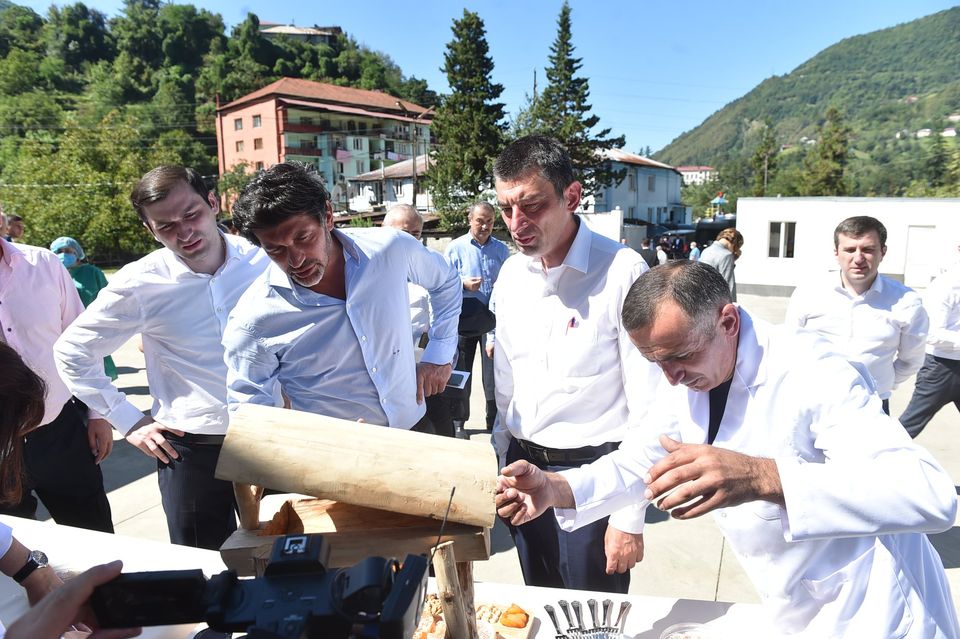
The Prime Minister of Georgia, the Chairman of the Ajara Autonomous Republic, the Mayor of Tbilisi City, and other government officials visited the Agro-Keda factory in Keda to see the honey production and packaging process, along with other Nena production. The honey showcase, Jara hive, different types of Nena produced honey for tasting, and honey catalogues were their favorites. The Prime Minister asked questions related to honey export and took the catalogues to find more details about honey.
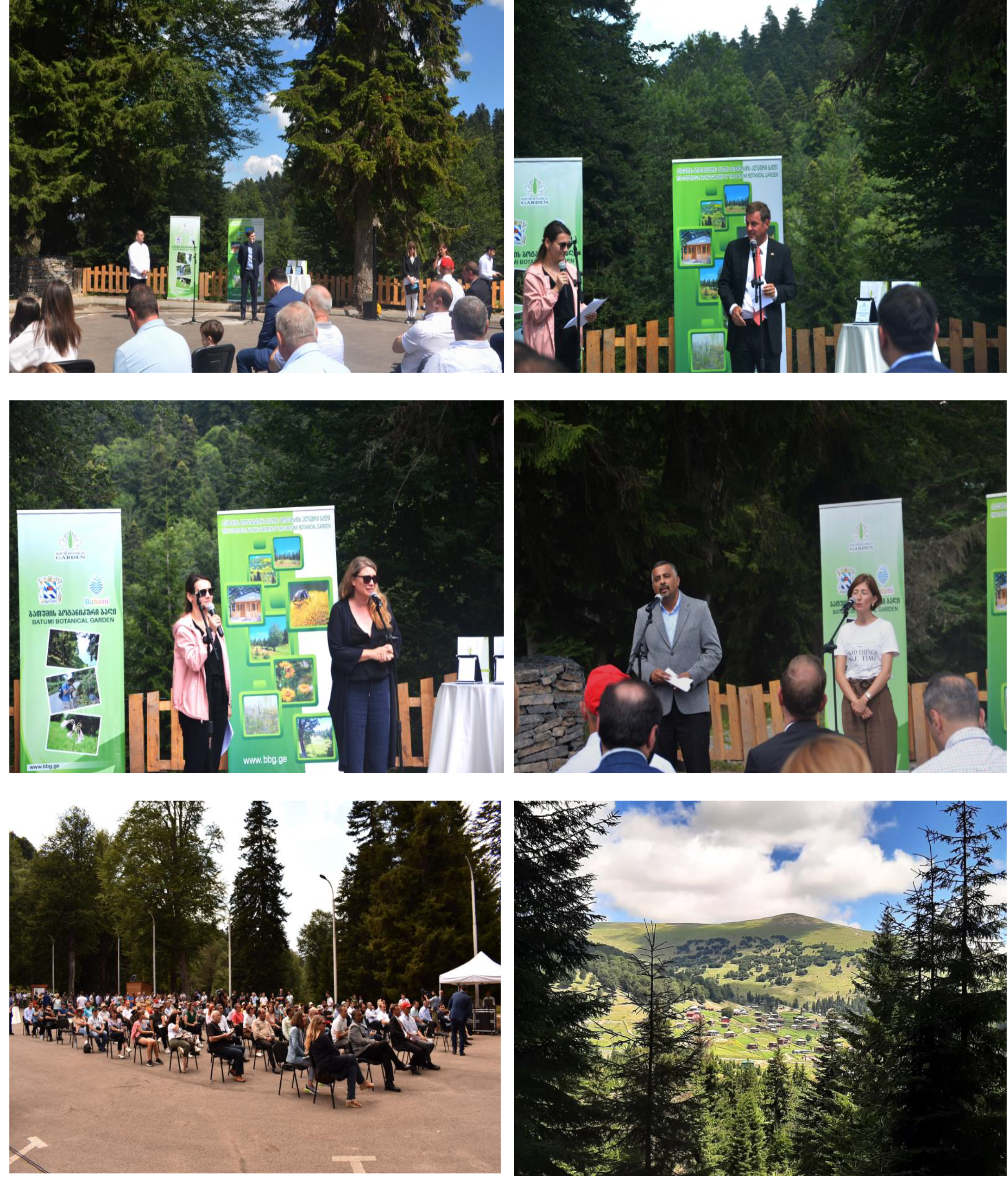
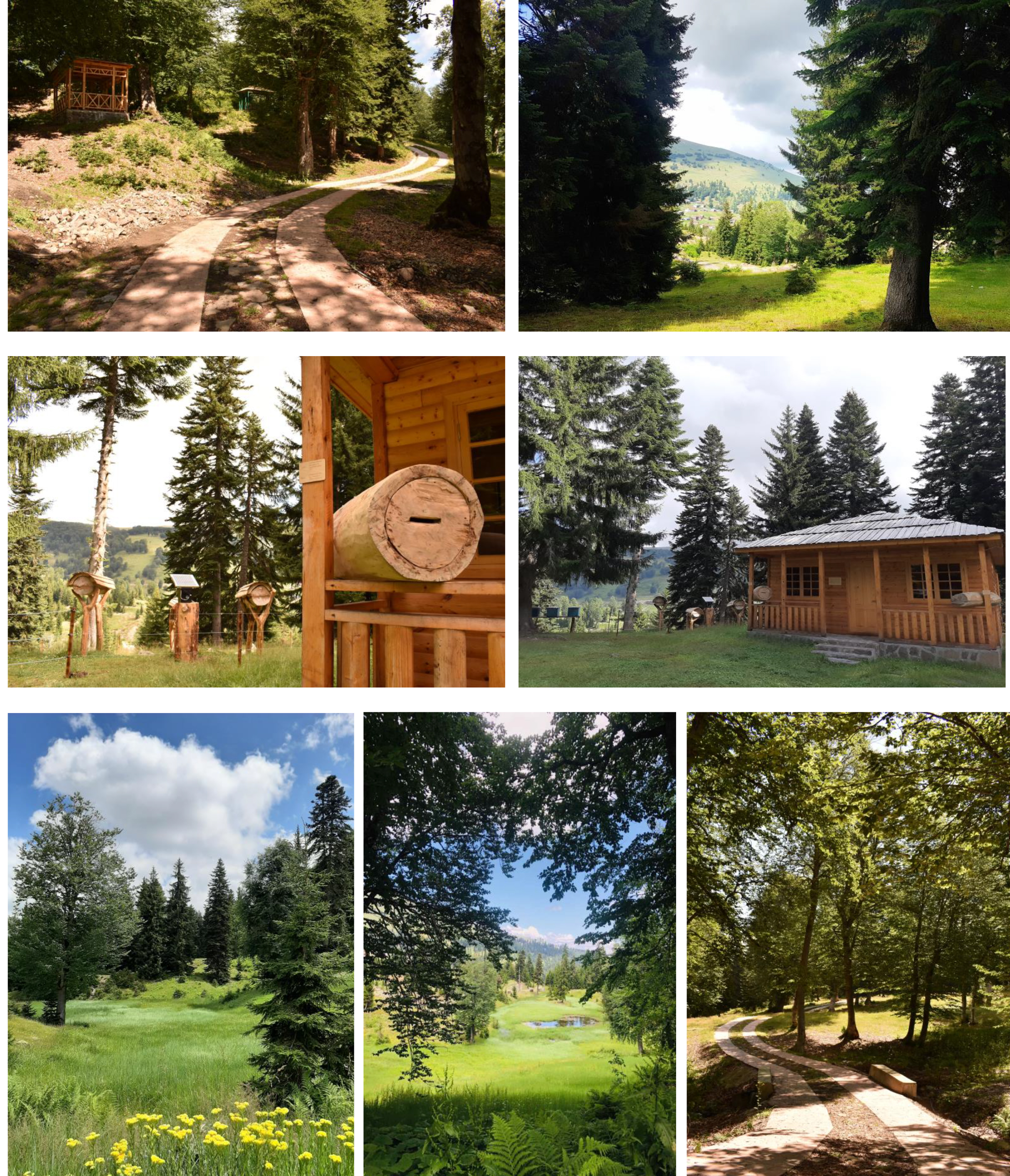
Located in Khulo, Ajara at 2000m above sea level, the Goderdzi Alpine Garden is now open. On Thursday, two hundred guests from government, municipal agencies, non-governmental and international organizations, travel agencies, scientists and botanists attended the opening ceremony.
Huge government support was there.
‘Opening of this natural monument will help Khulo municipality with further growth. We are working on the development of the local infrastructure. Those works together are increasing income for locals. My Special thanks to the Swiss Development and Cooperation Agency, Adjaristskalli LLC, and other organizations for making this project happen.’ – Tornike Rijvadze, the Chairman of the Ajara Autonomous Republic.
The Swiss Ambassador highlighted how natural treasure can positively impact local habitants, the means of quality-oriented tourism.
‘From the very beginning, we acknowledged the importance of the Goderdzi Alpine Garden not only for the region but also for Georgia at large. It is the initiative where eco-friendly tourism and agriculture are forcing each other for the benefit of rural settlers of the mountainous Ajara. It is also helping market with locally produced cheese, wild Jara honey and other local product.’ – Patric Franzen, Ambassador Extraordinary and Plenipotentiary of Switzerland to Georgia.
The Goderdzi Alpine Garden is an example of public-private cooperation.
‘Important thing about this is the sharing. We had a vision, we went to the Batumi Botanical Garden and shared this vision of taking this beauty and using it in the countryside so that all the people living here can also enjoy this vision. The opening of this garden is a symbol of positivity in a very negative time globally, a symbol of people getting together for something good.’ – Helen Bradbury, the ALCP Team Leader.
The main backer of the Goderdzi Alpine Garden is the Swiss Agency for Development and Cooperation (SDC) through the Mercy Corps Georgia implemented Alliances Caucasus Programme (ALCP). The project is supported by the Hydropower Company Adjaristskali and the Government of Ajara Autonomous Republic. The garden is being developed with the backstopping of Munich and Lautaret Botanic Gardens.
Follow the links on the opening of the Goderdzi Alpine Garden: Ajara TV, Imedi TV, Ajara Government FB, Ajara Tourism Department FB.
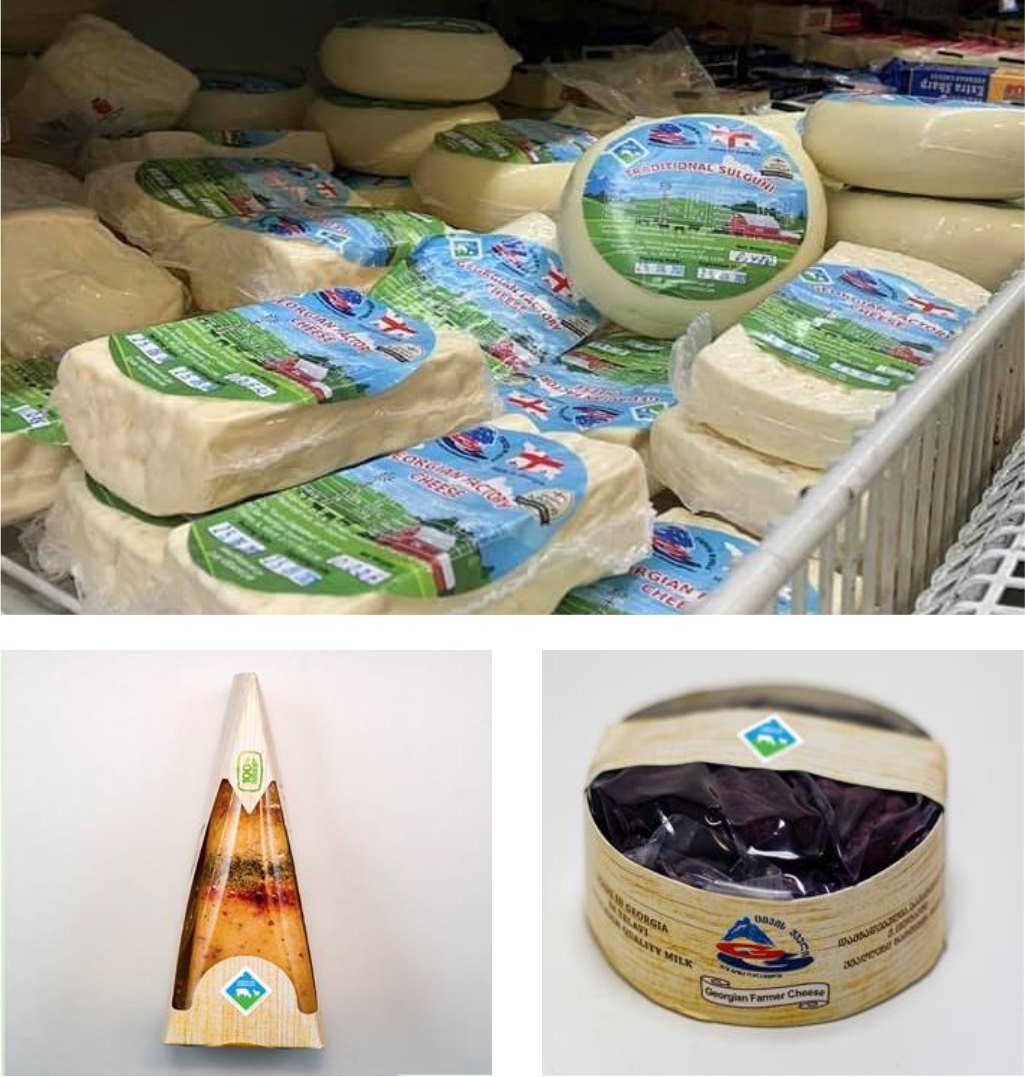
Last week, Tsivis Kveli Ltd in Kakheti distributed 250 kg different types of GMM cheese through the distribution company Georgian Imports in hypermarkets and cafés throughout Chicago. The dairy is now planning the next export in a few weeks.