The first settlement of Svans into Kvemo Kartli took place in 1987. This is when the Svans from landslide-affected Chviberi (higher Svaneti) were resettled in Dmanisi, in the houses built under a government programme. Svans started to introduce their style of life in Kvemo Kartli and establish strong communities in Kvemo Kartli.
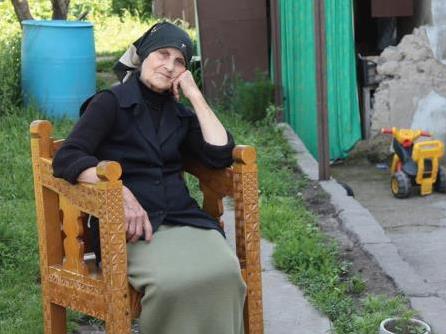
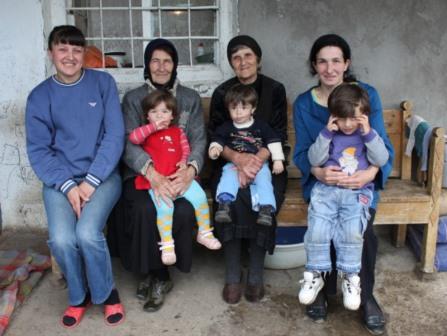
Natela Argvliani and her family are eco-migrants from the village of Etseri in Mestia district; the family moved to Tsalka in 2003 under a government programme. She is the head of the family based on her age. The programme provided some funding for houses and the family managed to purchase a modest two-storey house where Natela lives with her son Nino Kvitsiani her daughter-in-law and her grandchildren who are twins. Natela also has a daughter, Lela, who is married to a Tbilisi resident and lives there. She visits her mother with her husband and son and stays for long periods at Natela’s house as was the case during our visit.
Natela’s daughter-in-law, Nino Kvitsiani lives in Tsalka with Natela. This is not the first displacement for her. Her parents left Svaneti not long before the Abkhazia war. For 7 years the family lived in Gulripshi until they had to flee again — not avalanches but war.
Nino teaches English at a local school and also gives private classes. She married when she was over 30, had already graduated university in Tbilisi and had a job. In addition to Georgian, Nino speaks good Russian and English, has her own opinions about life and her own judgment. She is not very satisfied with life in Tsalka. In her opinion, the town is very scattered from in ethnic standpoint with every group living autonomously and having little interaction with the other groups. One can assume that the cultural life of Tsalka is somewhat narrow for Nino but she does not say this explicitly. Nino is the breadwinner of her large family. She has authority and deliberates upon household strategies. Her husband has not worked for a long time.
Other relatives often visit their family. Natela’s aunt, Margarita Kordzaia, was visiting the family during our visit. Margarita lives in Dmanisi but often comes to visit her children who live in Tsalka and stays at Natela’s place for long periods. Margarita also hails from Svaneti. Young people, as well as the elderly, are unanimous in thinking that it is easier to live in Kvemo Kartli than in Svaneti. That said, however, Margarita and Natela miss their native region very much. They have not been there for several years now but, out of modesty and self-sacrifice, do not voice their wishes giving priority to the children’s opinions and, possibly, accepting the likelihood that they may never be able to see Svaneti again. However, Natela, for example, is intensively involved in household affairs, helps with the raising of her grandchildren and makes, clearly, a not-insubstantial contribution to the household income with her monthly pension.
As Nino works mainly as a teacher, there is no one to take care of the cows and so for this reason, the family has just two with the milk used mainly for their own consumption. Nino told us that they could if they wanted to hire help for milking the cows which is currently handled by Natela, as the work is poorly paid and affordable, paid at ten Lari a month per cow milked morning and evening. 10 Lari in the village is good money and it’s important for them. There is enough milk to make cheese to sell. A blue plastic barrel in which the cheese is stored can be seen outside the house. Cheese is stored in the barrel through the summer and, when the container is full, they close it tight in order to store and sell the cheese in winter when prices are higher. Cheese is also used for barter exchange for other goods and services. Thus, cheese can be referred to as local currency.
In addition to dairy products, potatoes and hay are other sources of income for the family and for people locally. The production of potatoes for other than household consumption, however, requires larger tracts of land and not every resident owns such territory. Producing hay, too, is labour intensive both for home consumption and for sale and requires mowing, drying, gathering and storage or loading for delivering to buyers and selling. So the women look after the cows and make cheese and this daily work feeds the families and is the main source of income for this family and for almost everyone else here.
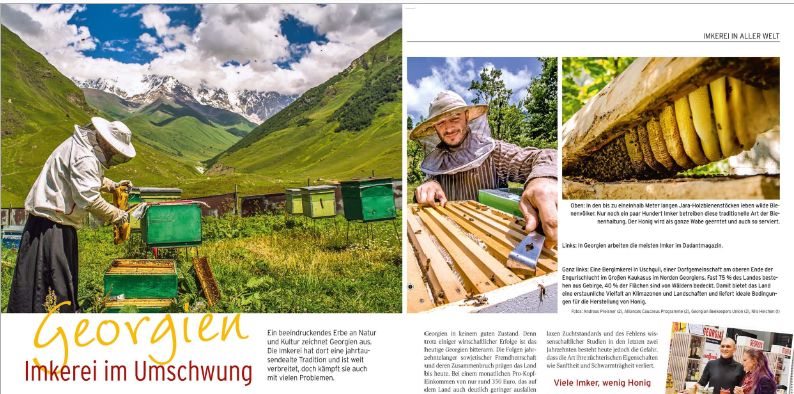
A German beekeeping magazine Deutsches Bienen-Journal with circulation of 52,000 copies a month published a comprehensive article on beekeeping in Georgia and its history, local bee breed Mountain Grey Caucasian Honey Bee (Apis mellifera caucasica) and Jara honey a special mention of the project’s work.
The International Labor Organization’s (ILO) Better Cheese, better work: The Alliances Caucasus Programme’s Impact on Informality and Working Conditions in Georgia’s Dairy Sector which explores formalization within the dairy value chain in Georgia stemming from ALCP market systems interventions, is now available on the ALCP website.
The ILO and ALCP worked together from summer 2019 to bring this research to completion. There are several reasons for the timeliness and importance of this report; chief amongst them is the ever present need for lessons learnt from MSD programmes, which can be applied in others, secondly the need to demonstrate the efficacy of the approach with a detailed account of systemic change and thirdly the growing importance in development programming of evaluating the efficacy of the MSD approach to develop quality employment at scale.
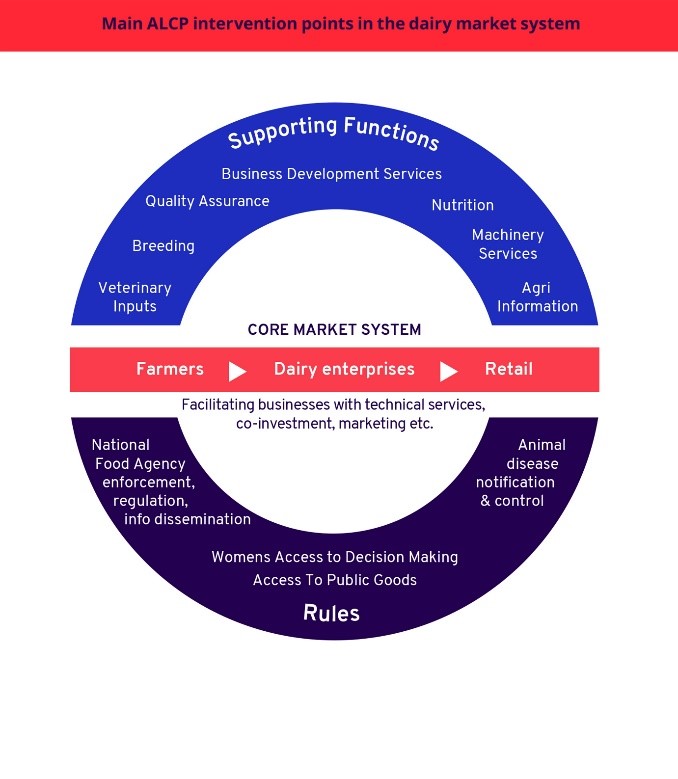
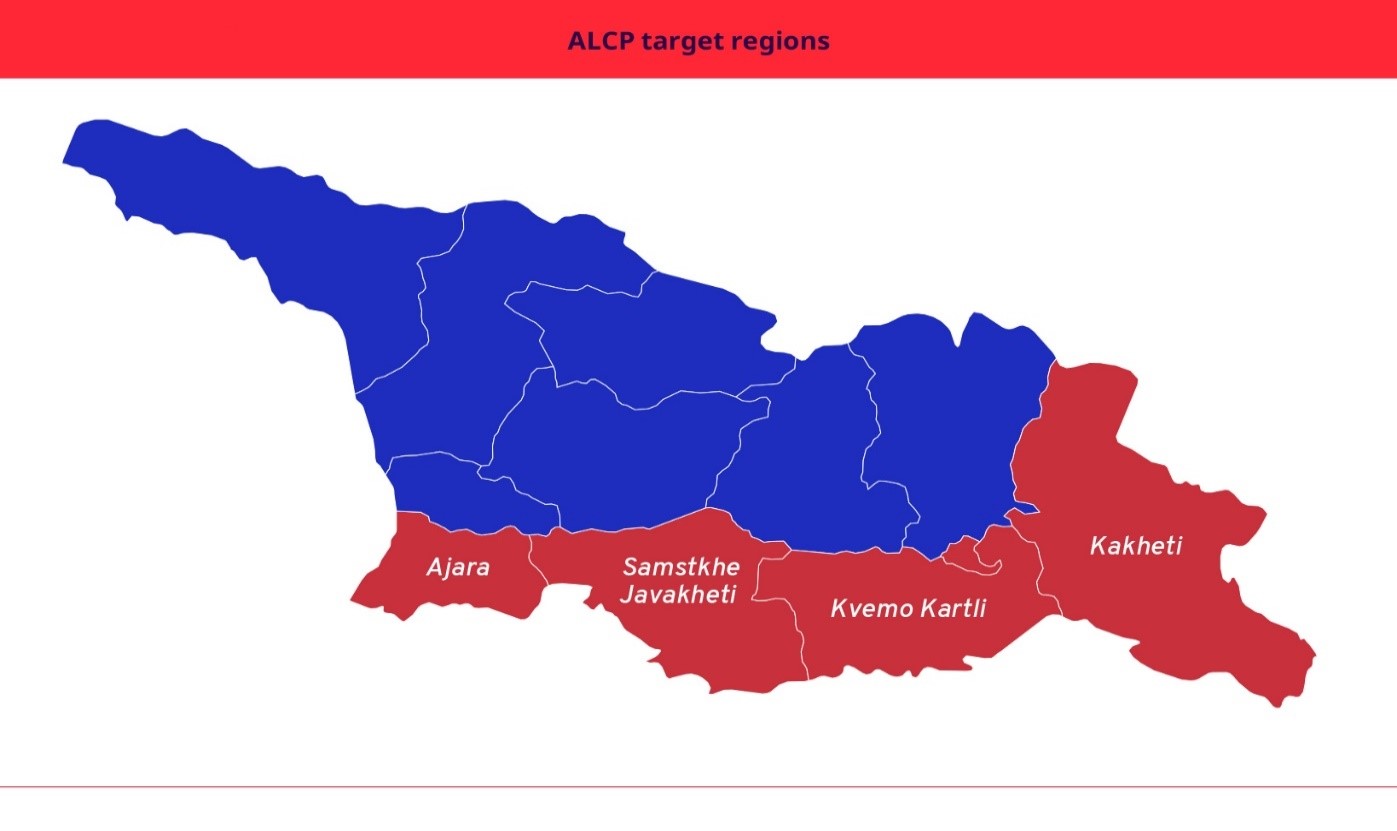
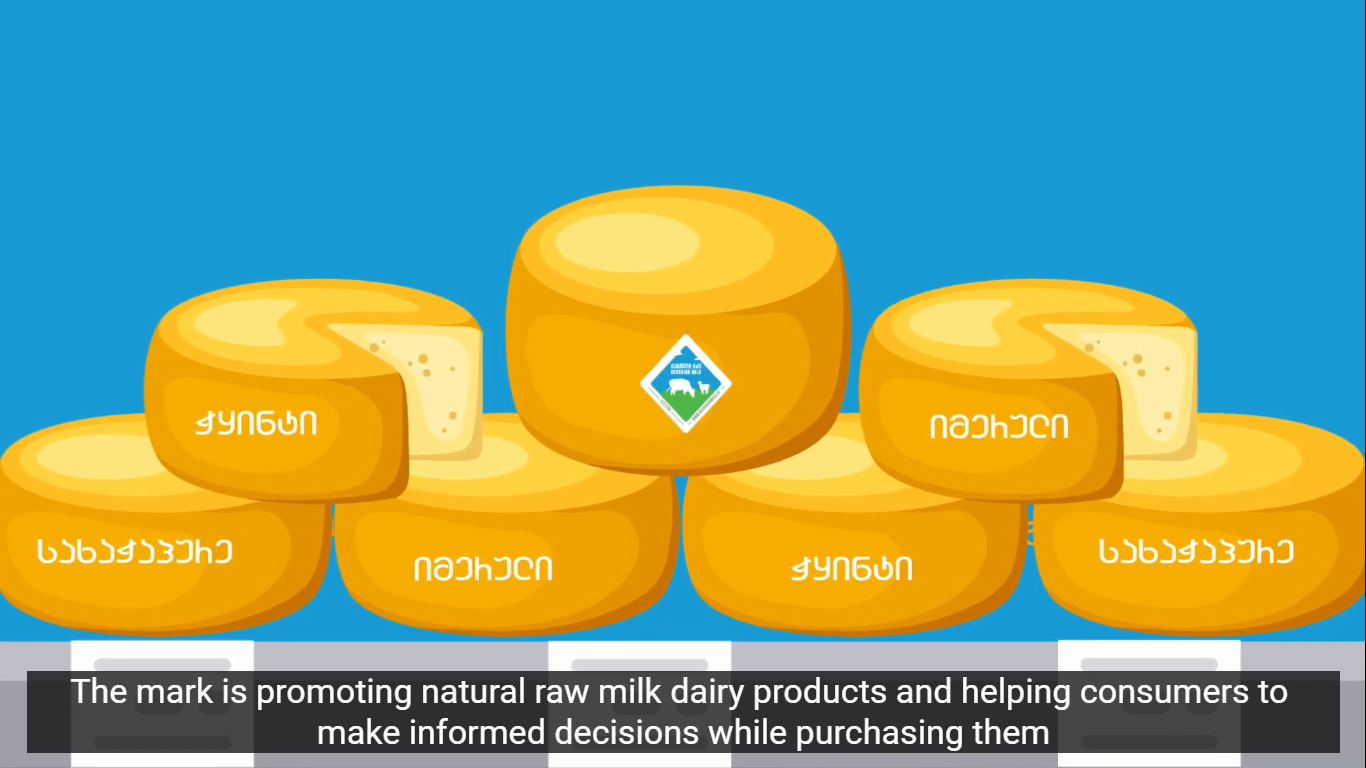
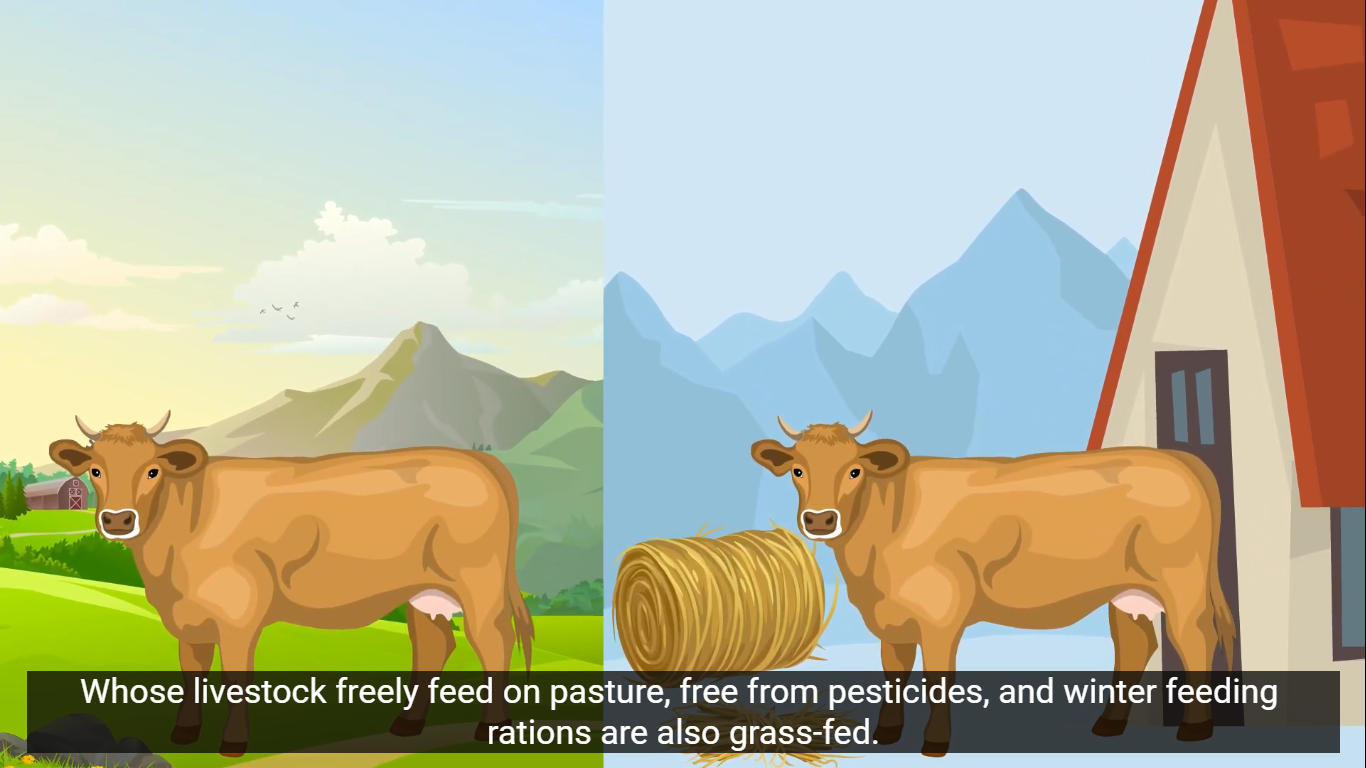
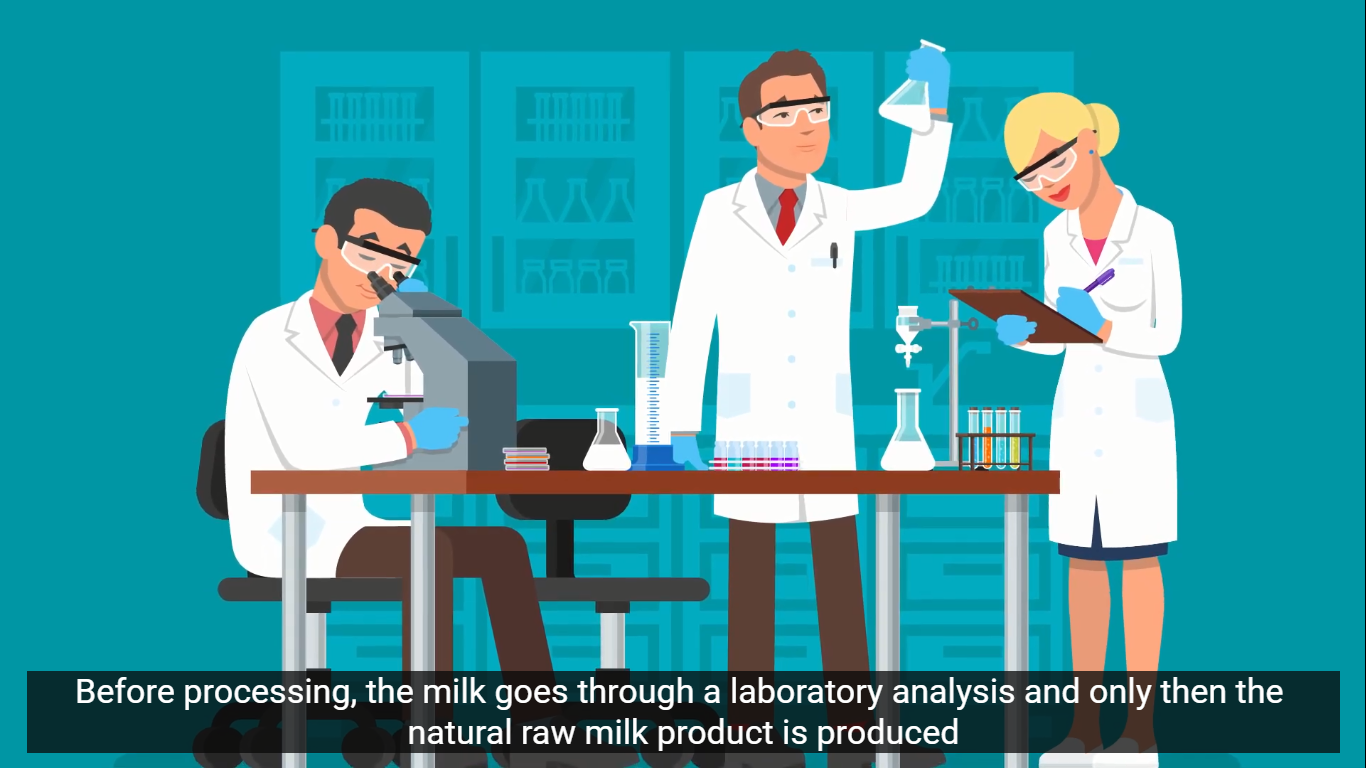
From the beginning of June, the two most popular national TV stations Imedi TV and TV Pirveli have been broadcasting the Georgian Milk Mark (GMM) animation video five times a day during prime time for free as a part of social advertising. Those televisions have national coverage reaching a high number of consumers.
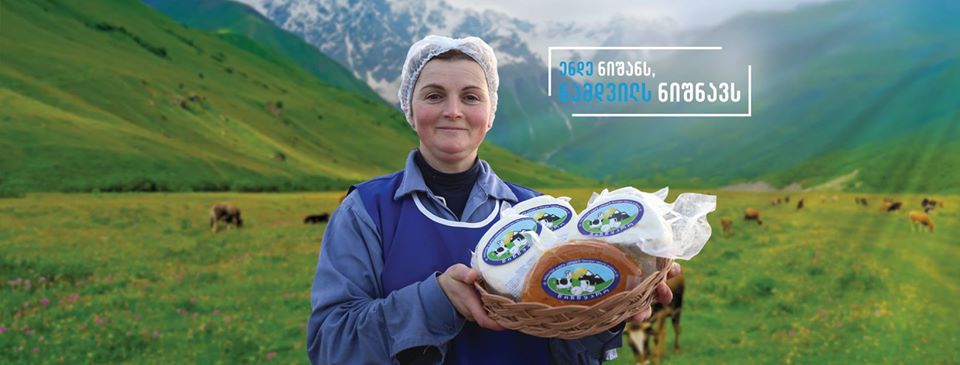
There are now ten GMM dairy enterprises’ products available in fifteen supermarket chains across Georgia. Detailed information to be found on www.georgianmilk.ge.

On the May 20th, 4,400 beekeepers registered in the new GBU database received an SMS notification from the Georgian Beekeepers Union (GBU) on how to treat Varroa, the most common bee disease in Georgia.
The GBU will continue informing its members through phone Facebook. And their new official webpage is now online: www.geobeekeepers.ge.
Created in 2018, the GBU is an umbrella association uniting ten beekeeping associations and three commercial beekeeping companies.
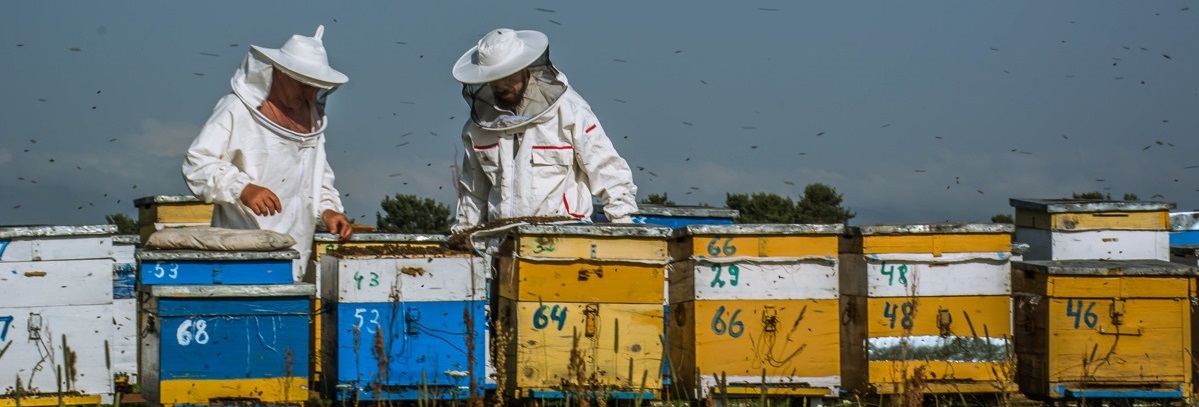
The Georgian Beekeepers Union (GBU) successfully advocated for permits to be issued for beekeepers allowing them to continue work during the curfew.
The Government of Georgia declared the nationwide curfew on March 30th, 2020 to restrict the spread of the COVID-19 virus, prohibiting any movement from 9:00 PM to 06:00 AM. This posed a serious problem for beekeepers who rely on transhumance predominantly at night.
In Georgia, bee transhumance allows for beekeepers to place hives at different altitudes to capture the flowering of different plants. Starting from late Spring, Georgian beekeepers start to move apiaries to get different types of honey including Acacia,Chestnut, Alpine, Linden. The transhumance of bees significantly increases their honey productivity.


On April 4th, the GBU sent an official letter to the Ministry of Environmental Protection and Agriculture of Georgia (MEPA) asking for the issuing of permission/passes for beekeepers including the guidance it developed for beekeepers during the Covid-19 outbreak.
‘We asked the Minister to mediate with the appropriate agencies to issue special permits, so that beekeepers may access their apiaries and work there, transport beekeeping apiaries for transhumance on pre-determined routes within the curfew conditions.’ – Avksenti Papava, the Director of the GBU.
Up to eight hundred beekeepers have already used permits, who are now able to visit apiaries and carry out vital seasonal treatment and maintenance. Bees are transported at night where possible, because they do not leave a hive during night, which the permit makes possible.
‘I have my apiaries located in the different regions for getting various types of honey. I was very happy to hear about special permit for beekeepers, as it is very active season in beekeeping. I am able to freely move to the locations and do not worry about time limitations’ – Kakhaber Zirakasvili, a beekeeper.
Guidance and contact information on getting permits and the Covid-19 recommendations have been shared by the GBU on its facebook page.
The Georgian Beekeepers Union (www.geobeekeepers.ge) is an umbrella association uniting ten beekeeping associations and three commercial beekeeping companies with more than four thousand Georgian beekeepers. It was established to represent their interests and to promote the health and development of the honey sector in Georgia with the facilitation of the Swiss Agency for Development and Cooperation (SDC) project the Mercy Corps Georgia implemented Alliances Caucasus Programme (ALCP).
In the midst of anxiety under the COVID-19, some people rise to the occasion when faced with adversity and it is uplifting to hear stories about them. As for many others it has been difficult times for the client businesses of the programme, but they have continued to help people most affected by the current crisis over the past two weeks.
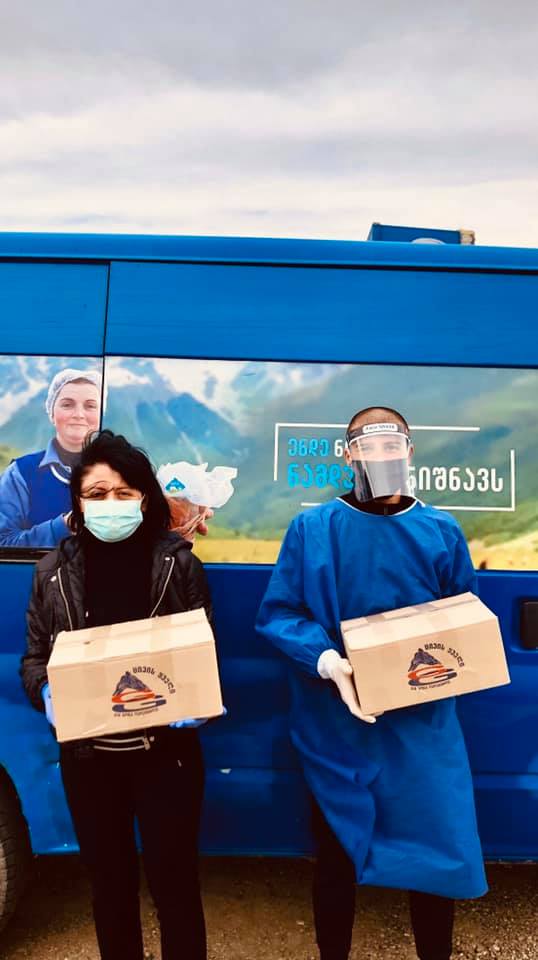
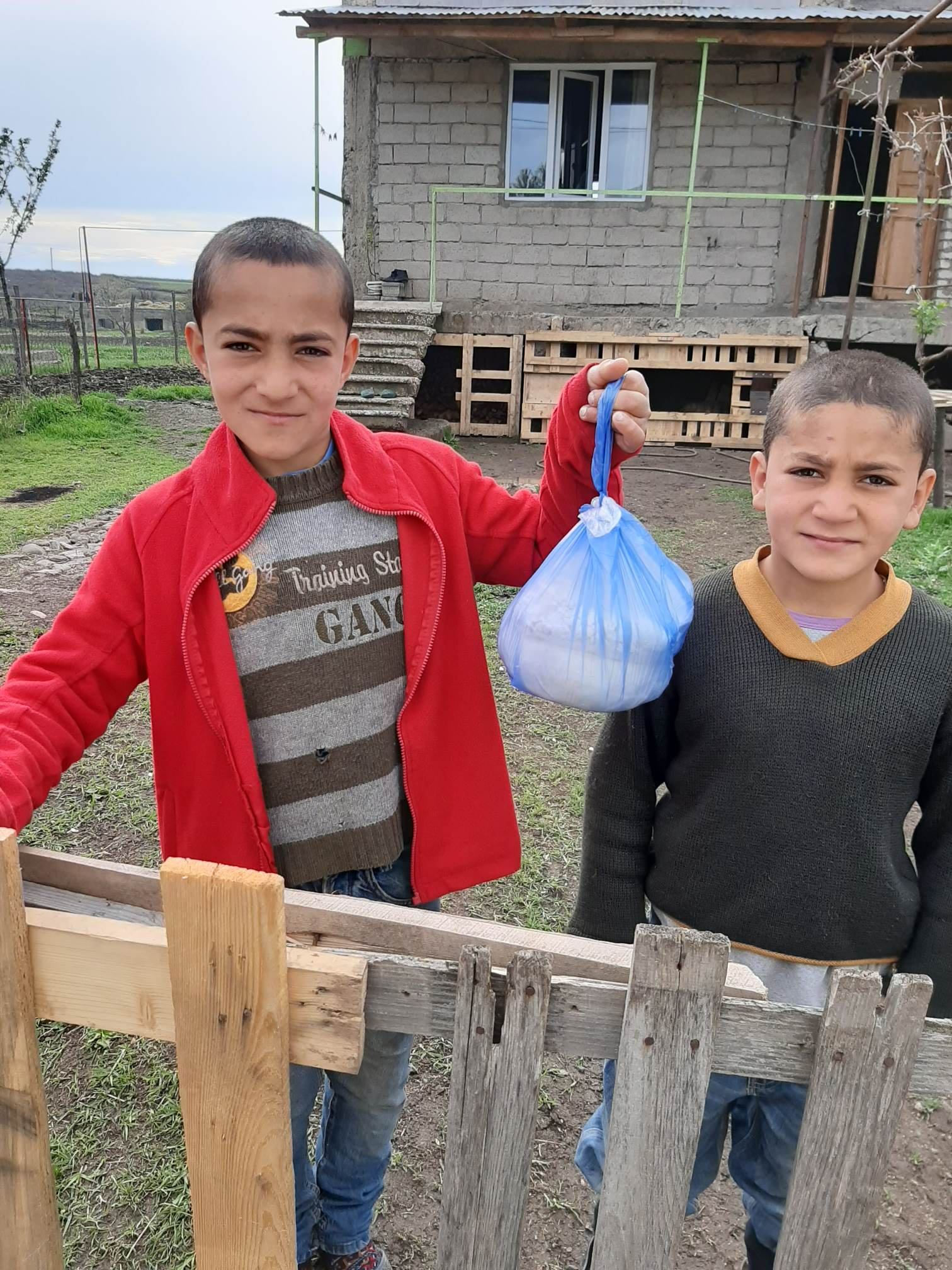
Ten dairy enterprises with the Georgian Milk Mark www.georgianmilk.ge provided cheese for the medical staff of hospitals in the frontline of battling the virus as well as people under quarantine and locals in the lockdown areas in the different regions of Georgia, who have limited access to the markets.
‘It is now important to show support to each other. I was very happy to see reactions from people, who were very surprised and thankful. I think those GMM enterprises set very good example for others.’ – A GMM cheese distributor.
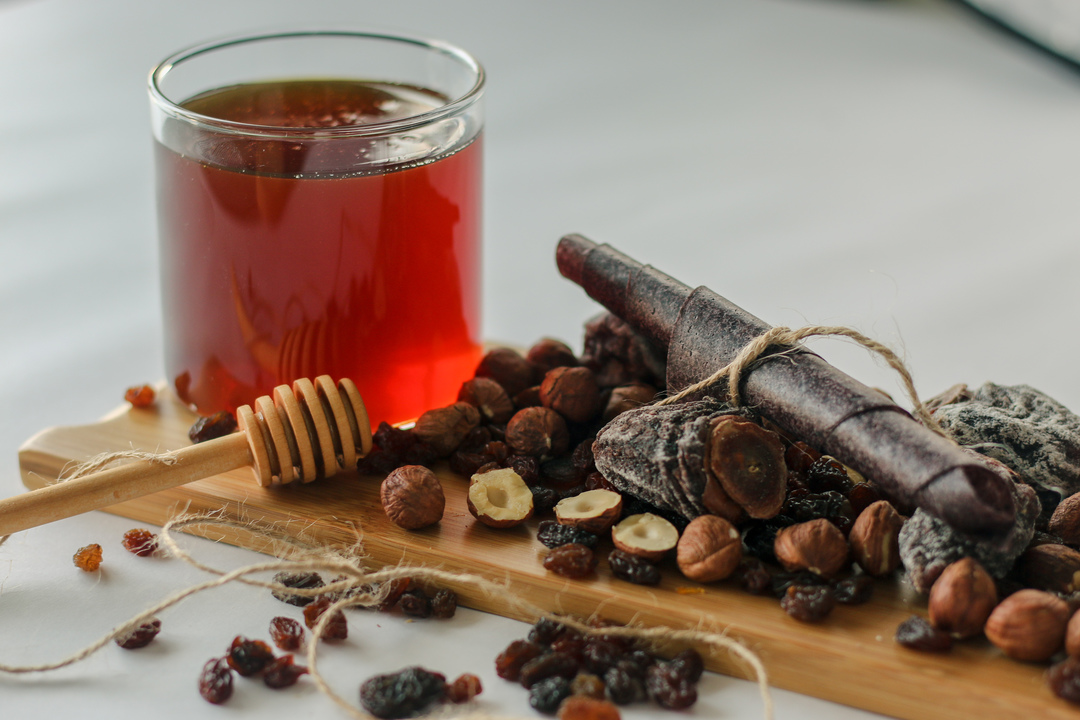
The Georgian Beekeepers Union (www.geobeekeepers.ge), uniting ten beekeeping associations and three commercial beekeeping companies supplied 1.2 tonnes of honey for further distribution among medical staff and vulnerable groups.
The Kakhetian Traditional Winemaking group’s (programme facilitated honey aggregator and exporter company) forty-one rooms hotel-complex is being used as a quarantine zone, the company also supplied food to locals over seventy in two regions of Georgia within a social project ‘Care for Each Other’ initiated after the virus outbreak and is now offering online sales and a free home delivery of its products (wine, compotes, jams, including, honey); the company’s webpage Old Kakheti went online to improve online sales.
These are a few examples and continuation of the kindness acts that started a month ago.