Azerbaijanis living in Kvemo Kartli are Turkic-speaking people representing the legacy of the conquerors that came to this area at different times. in the 1926 Census they were referred to as Azerbaijanis. The Azeri population that settled in Kartli is comprised of two streams of migrants: 1. The Turkish-speaking population that was resettled between 15th-18th centuries; they went through the heaviest psychological and physical stress before they adapted to the new place. 2. Migrants who moved from one place to another to improve living conditions having adapted to the new environment. Currently the Azeri population in Georgia numbers 224,606. They mainly reside in Bolnisi, Dmanisi, Gardabani and Marneuli districts, mostly in district centers apart from in Dmanisi muniiciaplity where there are many Azeri villages. Some live in Tetritskaro and Tsalka districts.
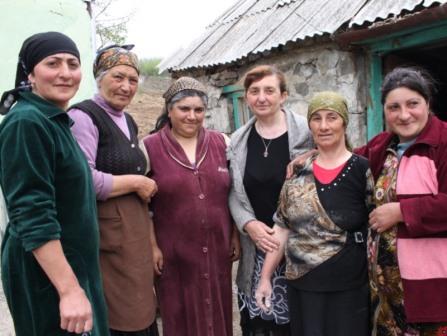
The village of Kamarlo is located next to the picturesque Lake Yaguflo. A worn-down road leads to the village located eight kilometres from the town of Dmanisi. According to the last census in Georgia performed in 2002, the population of the village was 713 people; all of them ethnic Azeris. Pikria Abdulaeva is amongst the village’s residents. She belongs to both cultures. She is an Azeri from her father’s side and Georgian from her mother’s. Azeri is the language of the village. Pikria speaks Georgian and served as the interpreter for our visit. Our arrival in the village caused a stir and the women invited by Pikria started arriving at the home of Phanura Kurbanova. In the garden the women explained how they make kizyak or fuel for winter. First, cow manure is leveled to the same thickness and is left to dry. Later, it is cut into pieces with a shovel. The pieces are then stacked in a sunny and ventilated place where they will be left to dry through summer and autumn, until the cold weather begins. This process turns the material into fuel. Kizyak is often made by women and children. The women then listed every activity they had performed that day from making bread to tending cattle to putting up wallpaper. Shoes were removed to enter the house.
The women recounted their memory of state farms. “Now it is easier, because there are no state farms. We used to work from morning until night and then come home and continue working in the house. In autumn, sometimes they would give ten tons of potatoes to each family and we had to manage this ourselves, carrying them, drying them, loading them, selling them or storing them for winter”. But for others, the state farms are associated with better times. Guliaz Gajieva is over 100 years old. she herself asserts she is 112. “We worked a lot but it was good work. I was even invited into the Central Committee of the Party as a leading worker, once”. Guliaz used to milk cows.
The women were enjoying the conversation. First, they maintained the attitude that “everything is good” and did not talk about problems. Gradually, however, they opened up. Out of the ten women who articipated in the conversation, four were divorced, half of them had lost husbands or sons, two women were married at the age of 14 and one of them had been bride-kidnapped. Often, women are complicit in these kidnappings. Gulazar was kidnapped as a bride for Pikria’s (her now mother in law’s) cousin. She was 14 and the groom was 26. Now Gulazar and Pikria share the same last name and are on good terms with each other, despite Pikria’s involvement in the kidnapping 17 years ago. Gulazar gave birth when she was 17. She had the baby in Baku and told the doctor about the circumstances surrounding her marriage. The Doctor sent a message to the village, saying “one of your young girls was forced into marriage at the age of 14! Take some measures!” The young husband could easily have been brought to justice for the forced marriage but they managed to avoid this through the help of some acquaintances in the right places. “Why didn’t you spare the girl?”, we asked Pikria. “Why?”, she answers. “Now, she has such a handsome husband who is the representative of the rural council”. Gulazar, who was listening, laughed along with the story as well.
The other women related stories of their marriages. Kheyala had not been bride-kidnapped but, rather, was matched with her husband when she was 14. She lived in the neighbouring village of Salamalik where there only was an elementary school which did not take her beyond the fourth grade. Before marrying, she lived with her parents where she looked after the household. She says, “If we had had a better school, then maybe they would not have married me off at such early age”. Kheyala has three children and added that three children are enough and that she will not let her daughter marry before she turns 19 or 20.
The issue with daughters is a critical one. On the one hand, the mothers do not want their daughters to have the same lives they did. On the other, they see that it is not easy to change the situation.
Alida Nasibova is 42 years old. She related the hard story of her divorce ten years ago. Alida is now raising her only child, a daughter. Her ex-husband has since died. Alida works as a teacher of the lower grades in the village school and provides every incentive she can to her daughter to study. She has big hopes that she will be able to change her life by getting an education. Pikria works at the village school as a teacher of Georgian. She says that the attendance of younger students is much better than the attendance of the older ones. Pikria says that her son is the only graduate who is continuing his education in Tbilisi. The majority of school graduates do not continue their studies.
 |
 |
Villagers travel to Baku fairly often, not for education but to visit relatives or for short-term work. Migration within Georgia is hampered by the language barrier which means that they do not travel much to other districts in Georgia. Phanura is a widow of over a year and wears a mourning kerchief and almost never smiles but she is quick, responsive and open and does everything quickly and silently. For her guests she made khinkali which consisted of thinly rolled boiled dough with butter and a sauce made from sour milk with herbs and spices. Sakna Gajieva is Phanura’s neighbour who came to speak with us briefly before getting back to baking bread at her house. She gave us hot bread for the way back and Phanura gave us some cheese as well. We were very touched by their hospitality, help and openness.
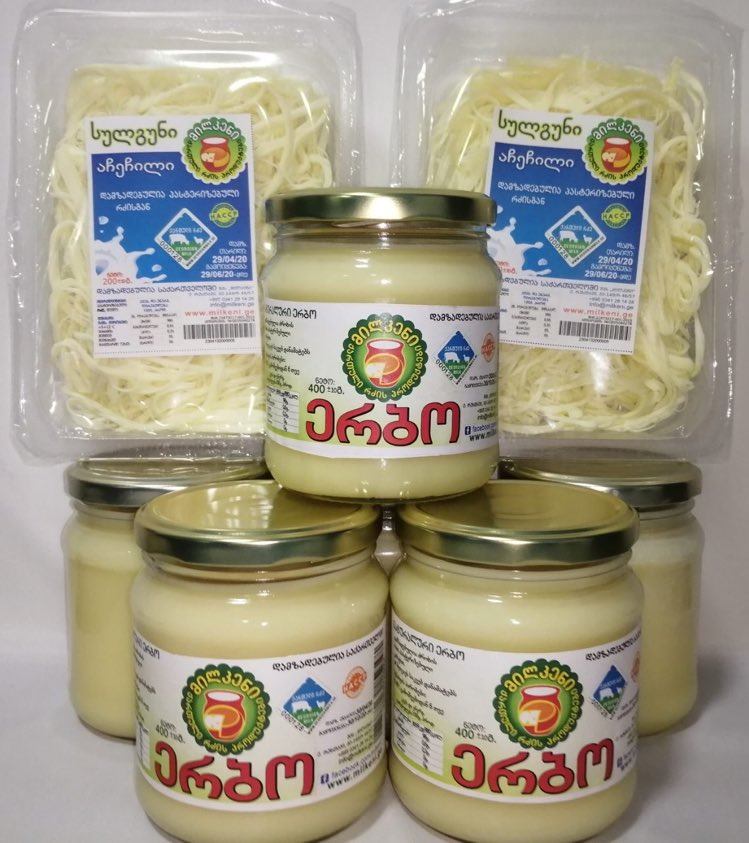
Referred to as Liquid Gold, for its color and perceived health benefits, Erbo the Georgian word for melted butter is a well-kept secret in Georgia. Traditionally made at home Erbo is much used in local traditional cuisines. Butter is an important fat in Georgia, very common in Azeri cuisine and in mountainous regions where both the harsh winter climates and distance from markets increased the importance of butter which can be stored, in communities dependent on dairy farming.
Now thanks to Milkeni Ltd who have started to produce and sell Erbo as part of their products made under the Georgian Milk Mark, quality assured Erbo is now available commercially for the first time in Georgia in Madagoni and Libre supermarkets chains. Interest and demand is growing rapidly.
Of all regions, perhaps Ajara is most famous for its use of Erbo. Most traditional Ajarian dishes contain Erbo. Borano is a dish of melted butter containing traditional Chechili cheese, a dish which been awarded the status of Intangible Cultural Heritage and Khavitsi a sauce made with flour and Erbo.
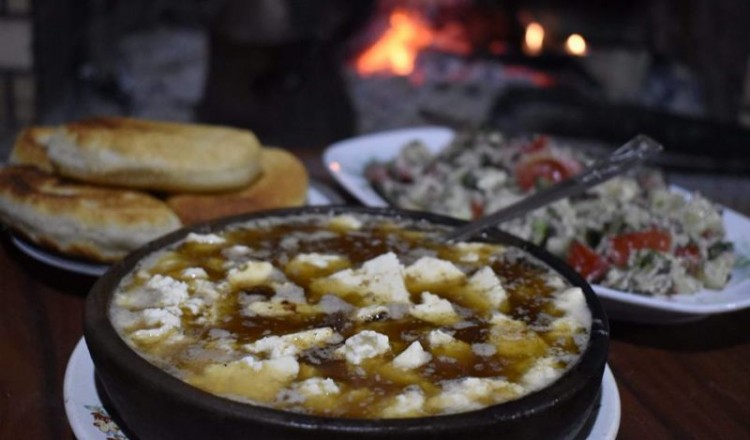

So what is special about Erbo? People believe that it is a healthy fat, processed differently and beneficially in the body and is well absorbed in the human body; it does not contain lactose and casein, so it is recommended for those with lactose intolerance. Mountain people believe Erbo boosts metabolism and energy, improving brain function, memory and their immune system.
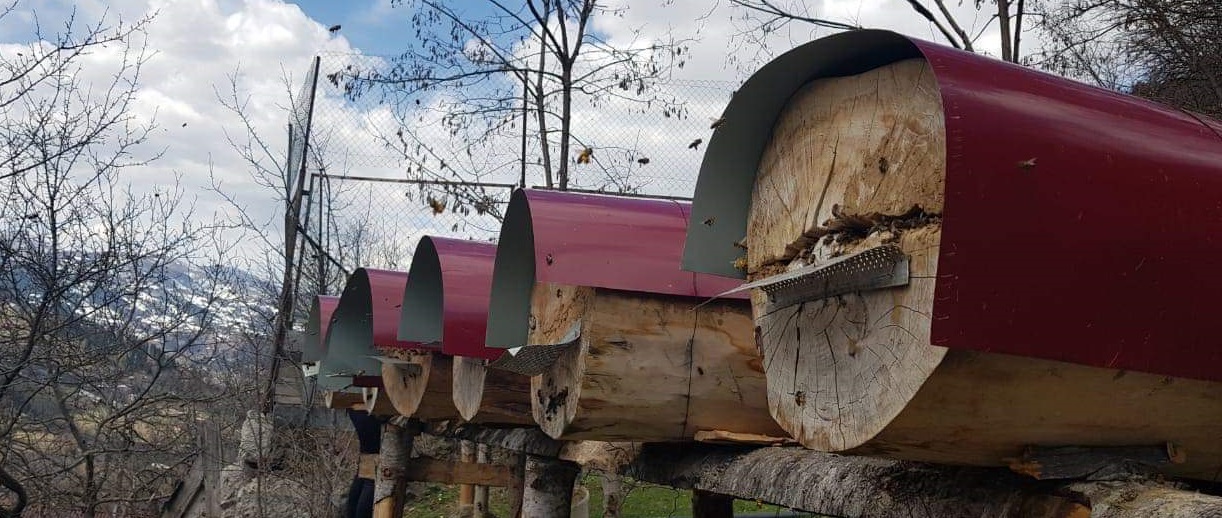
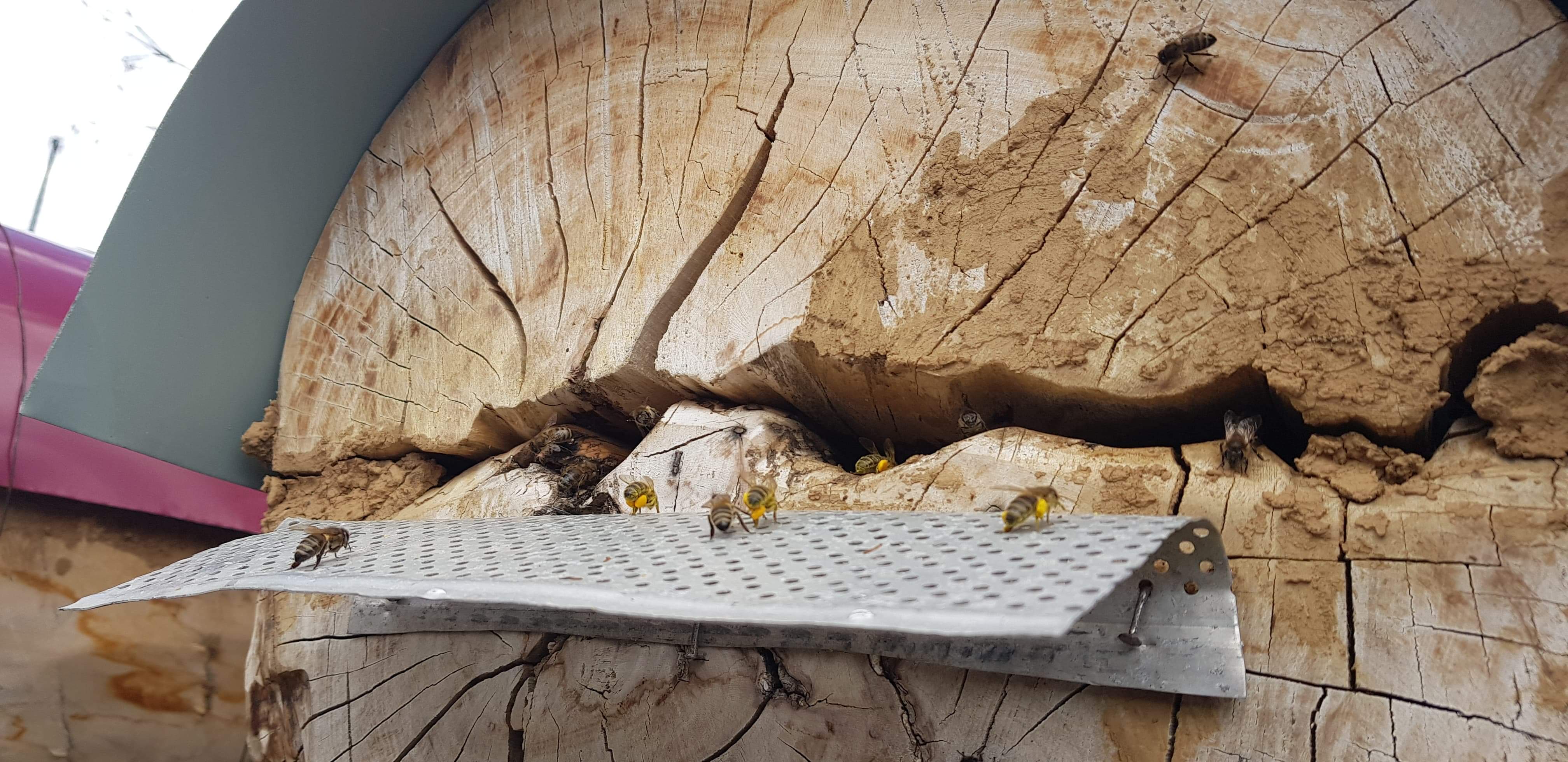
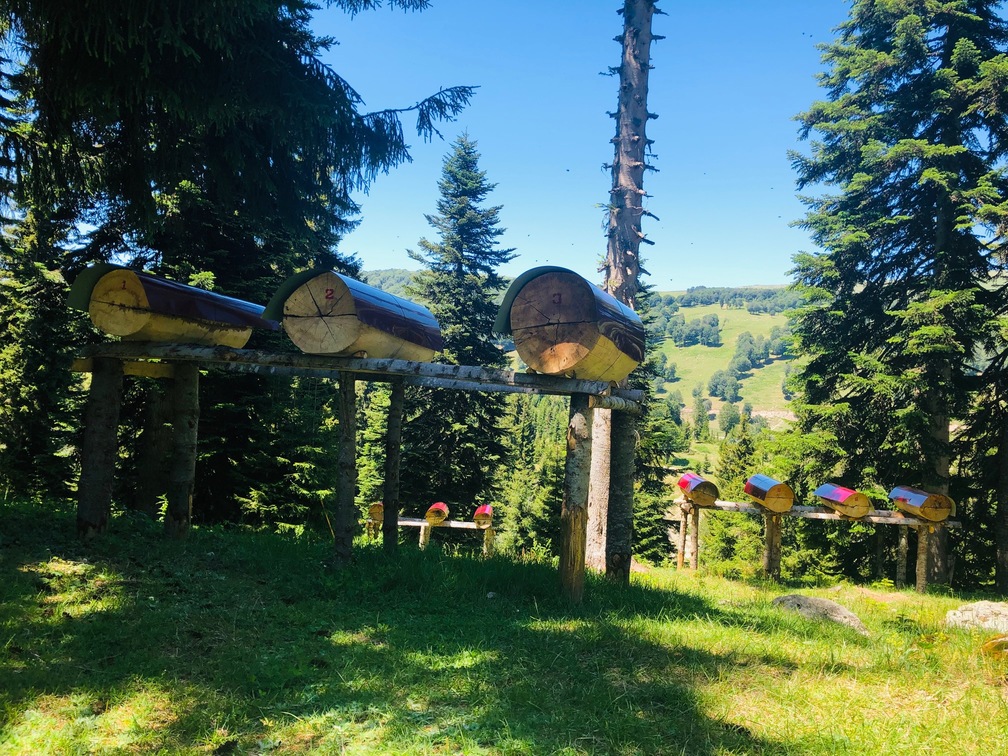
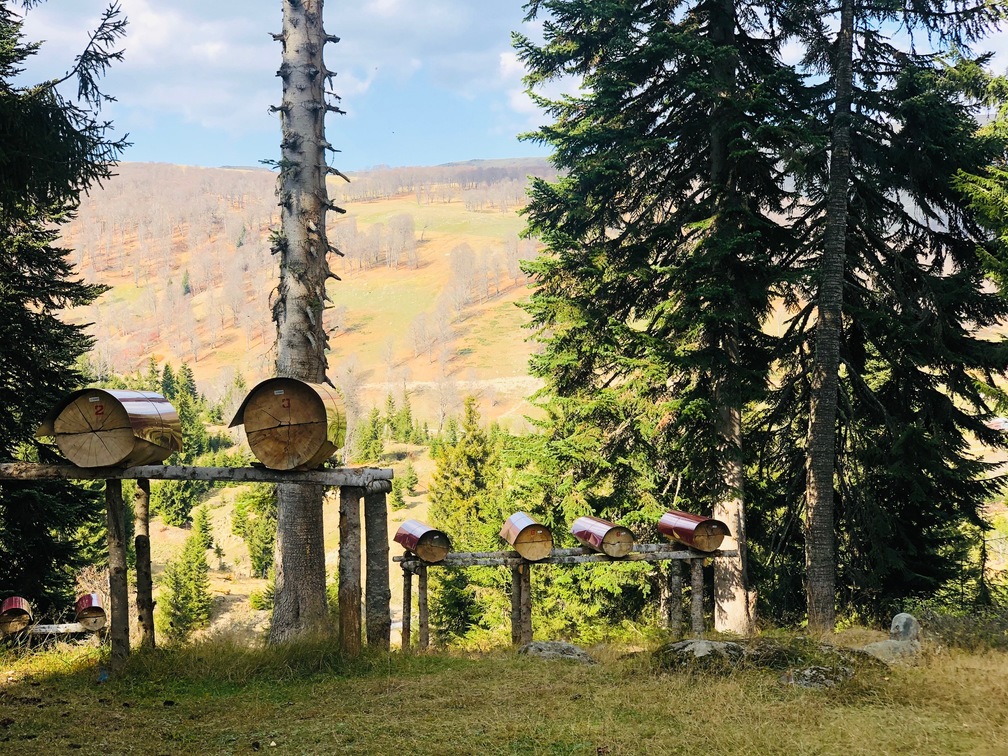
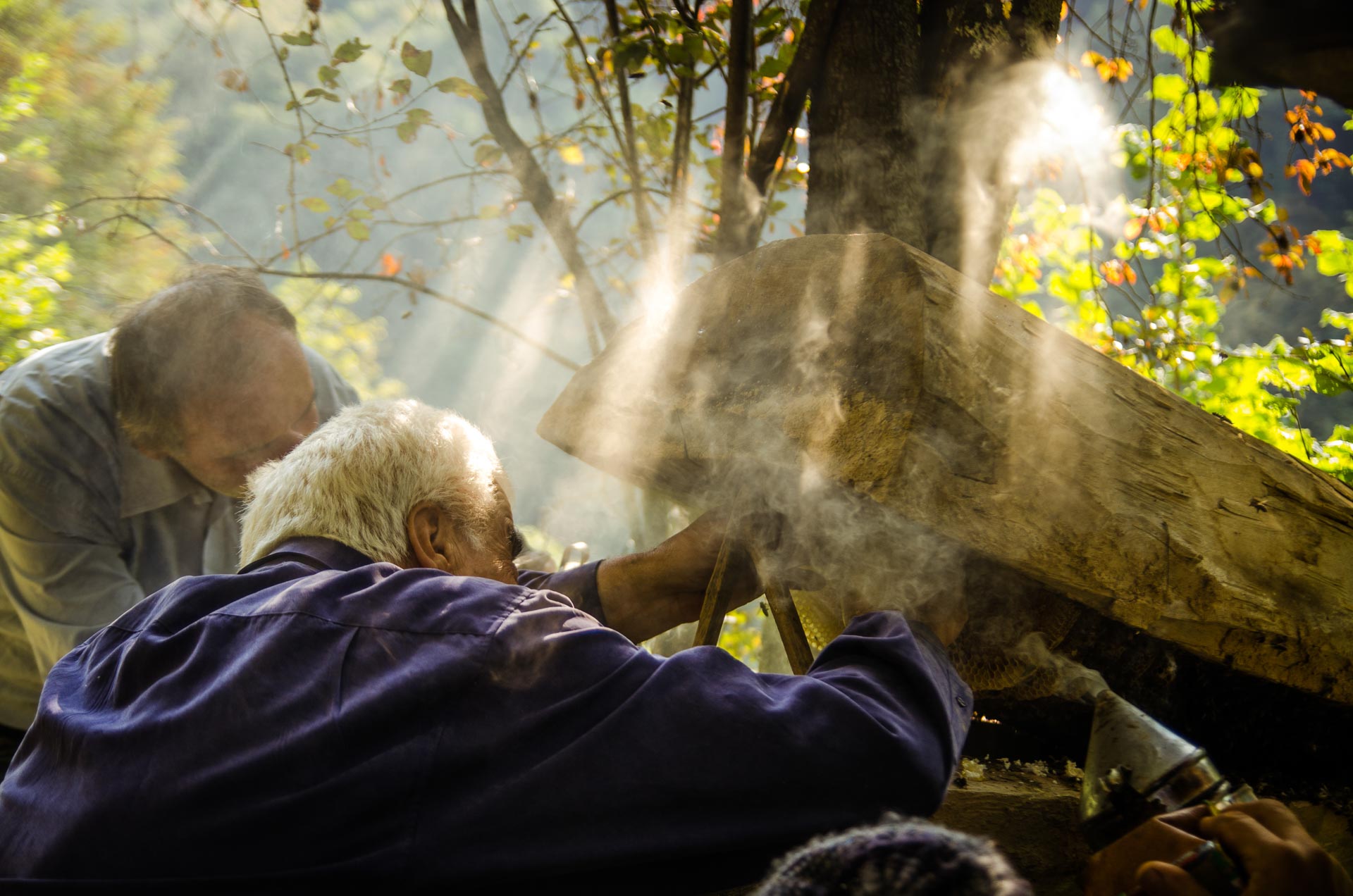
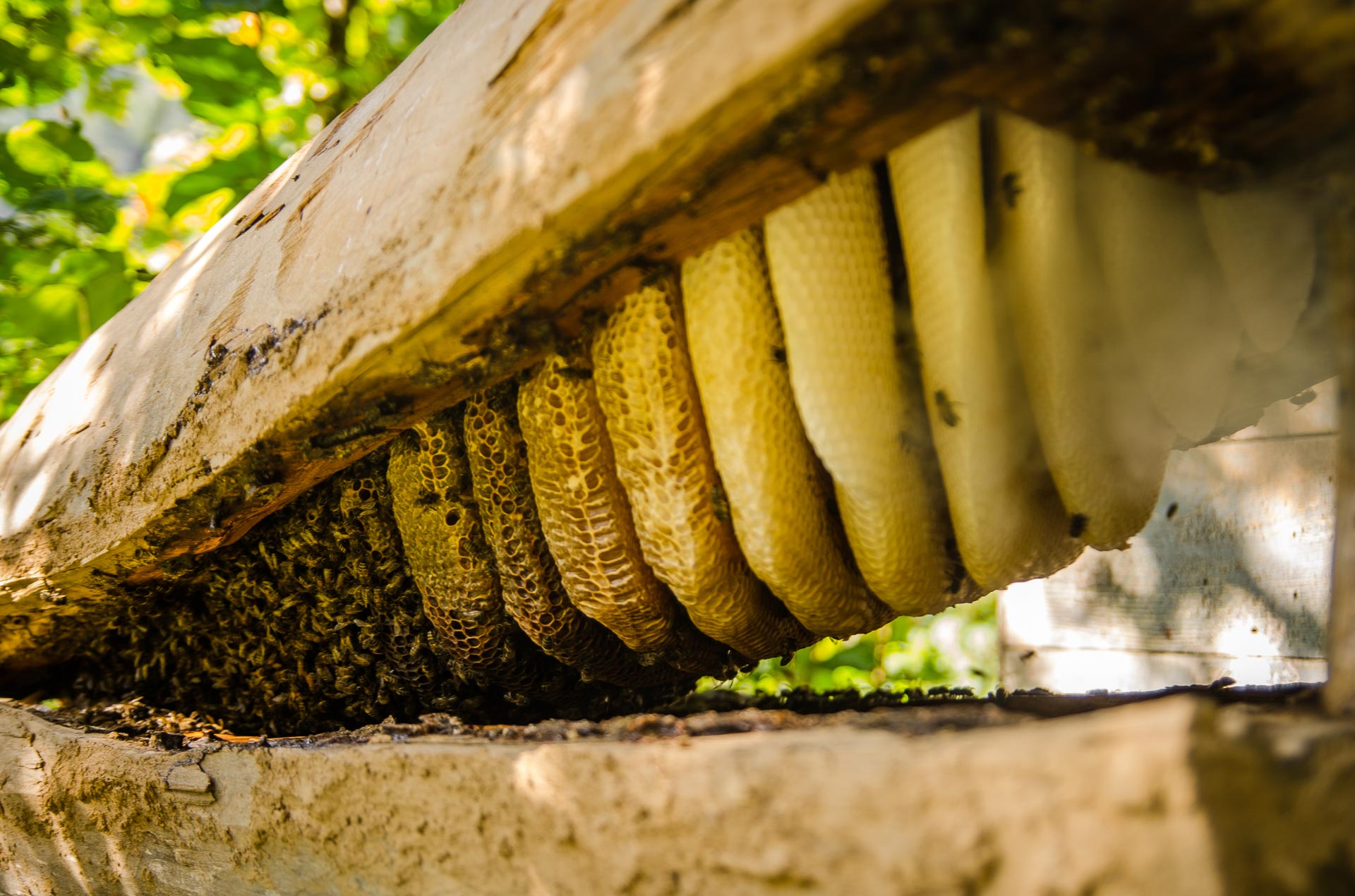
In summer 2019, ten new Jara hives were placed in the Goderdzi Alpine Garden (GAG), Jara Beekeeping area, an area which aims to publicize Jara beekeeping and teach people interested in taking it up. With the help of the Jara Beekeepers Association (JBA) they were moved for wintering to Paksadzeebi Village in Khulo last autumn. Last week, all the hives were checked and fortunately, all the bee colonies are alive and working productively.
This Jara apiary is currently undergoing the Bio certification process and is due to obtain certification in July this year. It will be moved back to the GAG (Goderdzi Pass, 2000m above sea level) in May and be the focal point of Jara beekeeping workshops for school students and garden visitors.
The Goderdzi Alpine Garden is a tourist and environmental hub in the rural part of Ajara, Western Georgia. It involves and develops a sense of ownership for rural inhabitants in the field of biodiversity and environment, showcases the beauty and ecological assets of rural Ajara and generates added value from rural tourism for locals.
The Government of Georgia declared a curfew on March 30th, 2020 to restrict the spread of the COVID-19 virus which imposes restrictions on the movement of transport from 9:00 PM to 06:00 AM. However, producers and distributors of key commodities may apply to the Ministry of Environmental Protection and Agriculture (MEPA) for a permit to continue distribution. The Business Institute of Georgia (BIG) is currently helping GMM dairies to apply for this permission.
To gain permission follow these instructions:
- A producer/distributor should contact the MEPA on the hotline number - 247 01 01 or 1501 - and provide information about their activities and the need for permission.
- The MEPA will send the applicant an email address and an application form to send to this address. The application form requires information about the distribution driver (ID number, name, surname, date of birth, phone number, workplace and title) and distribution car (registration number of vehicle, brand, model, type, ID number of a company who is the owner of a vehicle, a type of business).
- The MEPA will respond to the company about issuing permission.
- After that, the company should call the Emergency Number 112 and check whether the information about the distribution car and driver is listed in the Ministry of Internal Affairs database.

Amidst the negative news and stories of unthinking behaviour, some stories have emerged globally of people and business who have responded to the crisis with kindness and generosity. These stories fill all of us with a sense of hope and comfort in our ability to work together. So we are delighted to be able to share the stories of some of the ALCP clients who have been contributing to the common good over the past week:
Roki Ltd, the largest veterinary input supplier and producer in Georgia, has started the production of a new hand sanitizer Septer as a response to increased demand. Supplies sold out in a day to banks, the Ministry of Education and clinics and there is a new order for four tonnes of Septer from the government. The company closely cooperated with the government in developing the product trying to use its resources for the benefit of all;
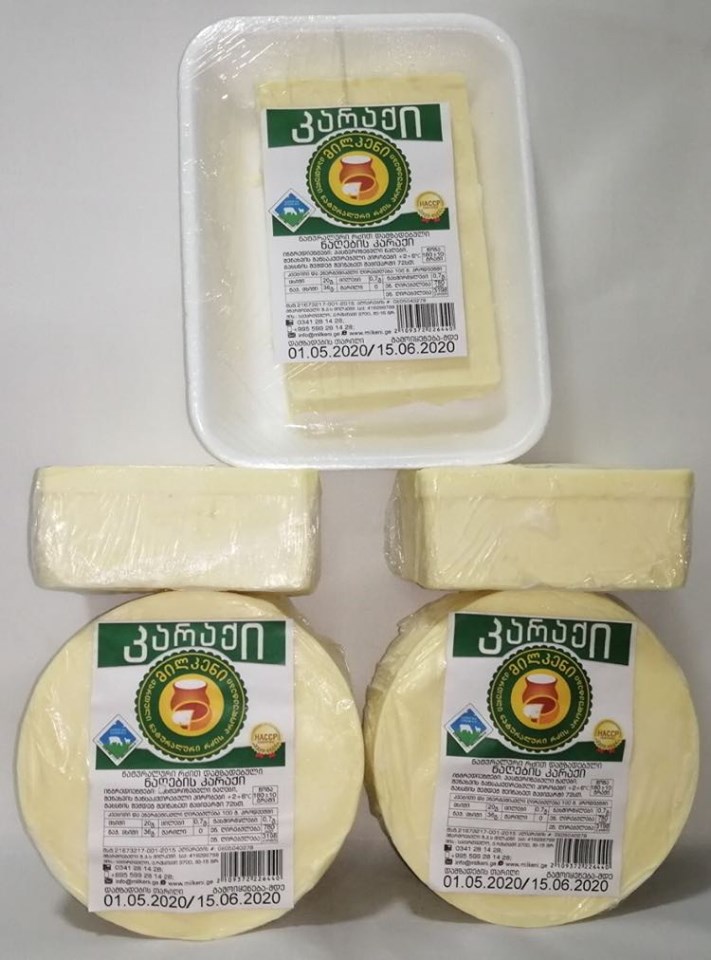
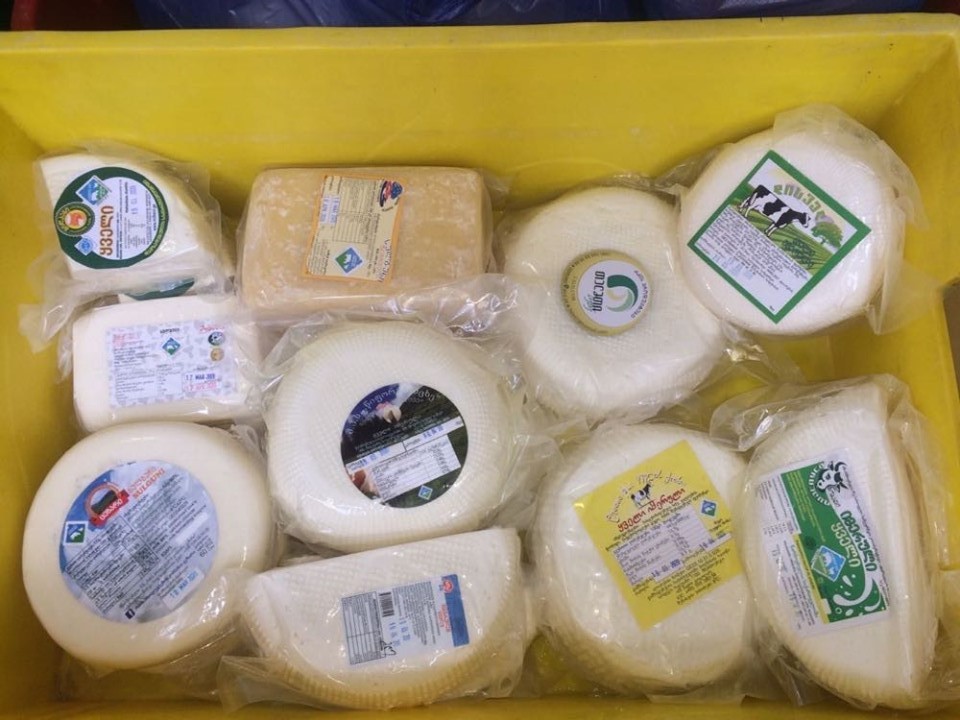
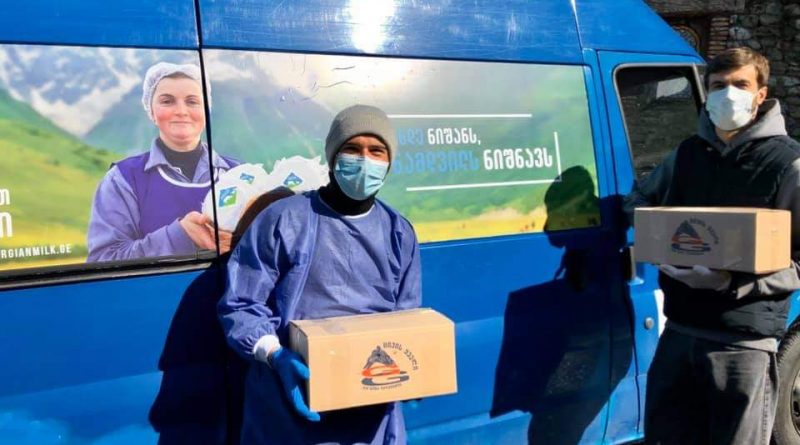
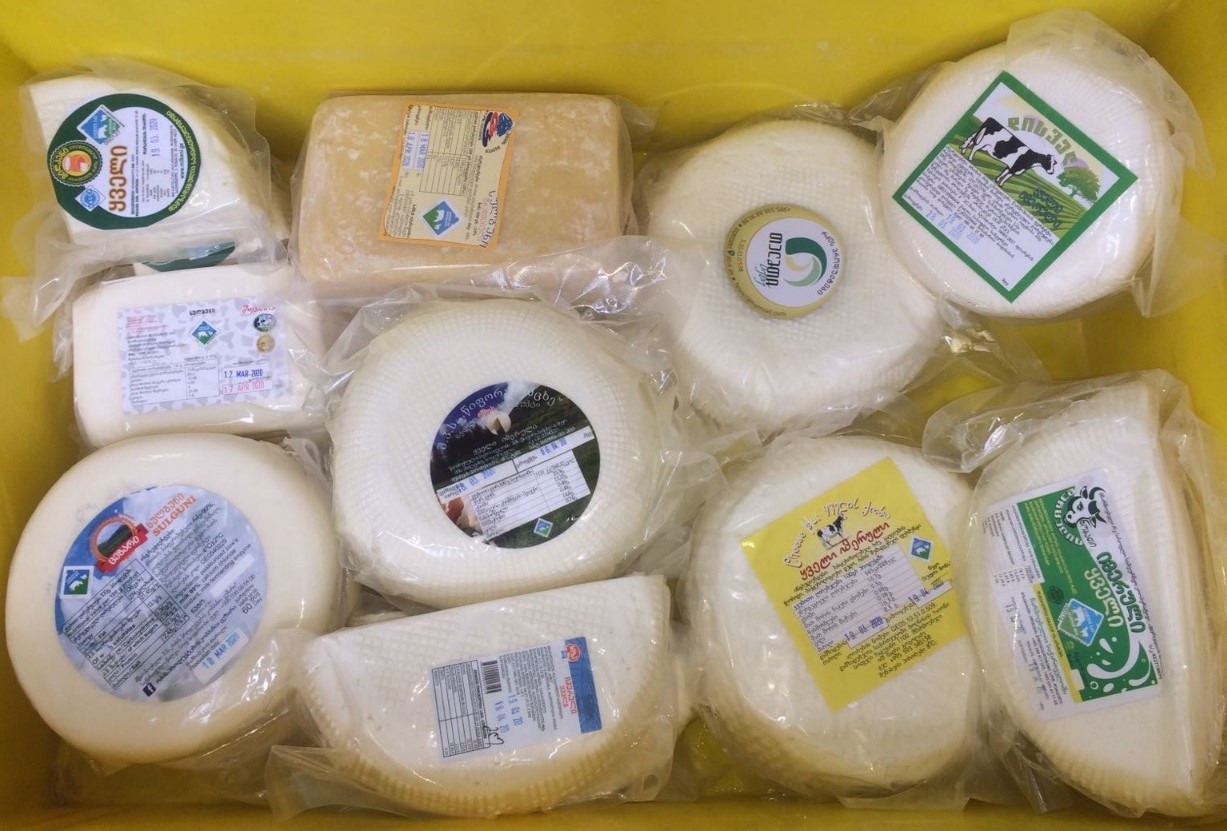
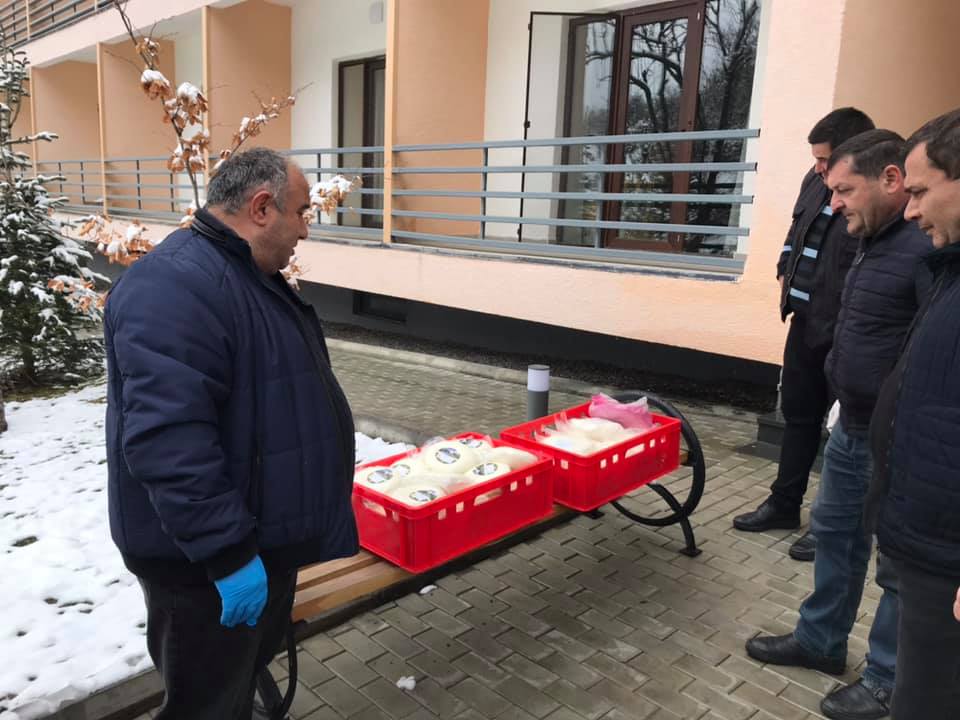
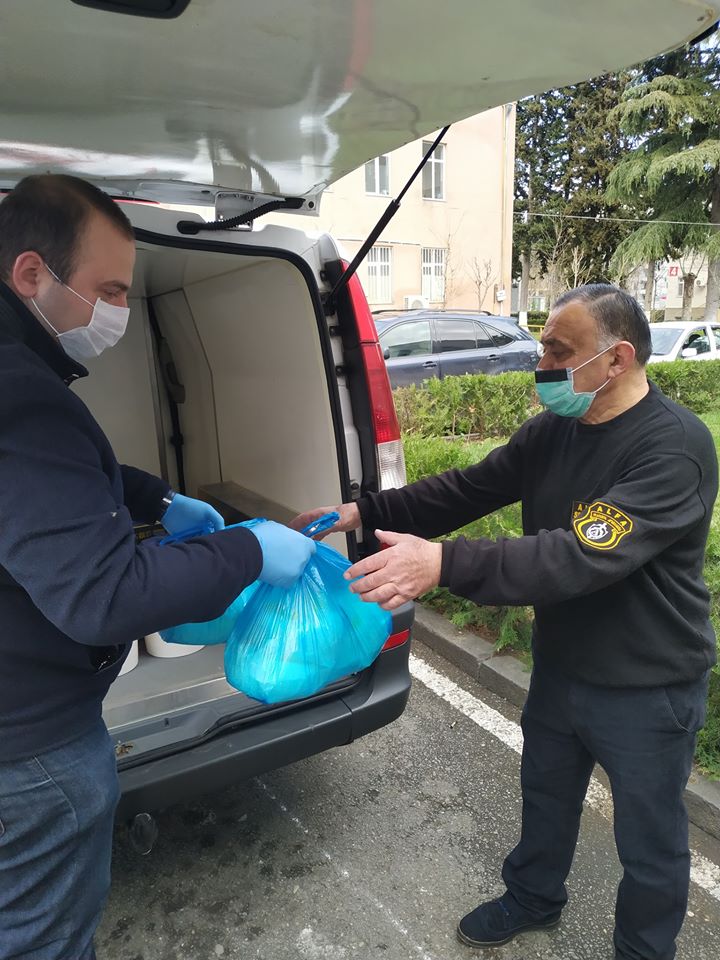
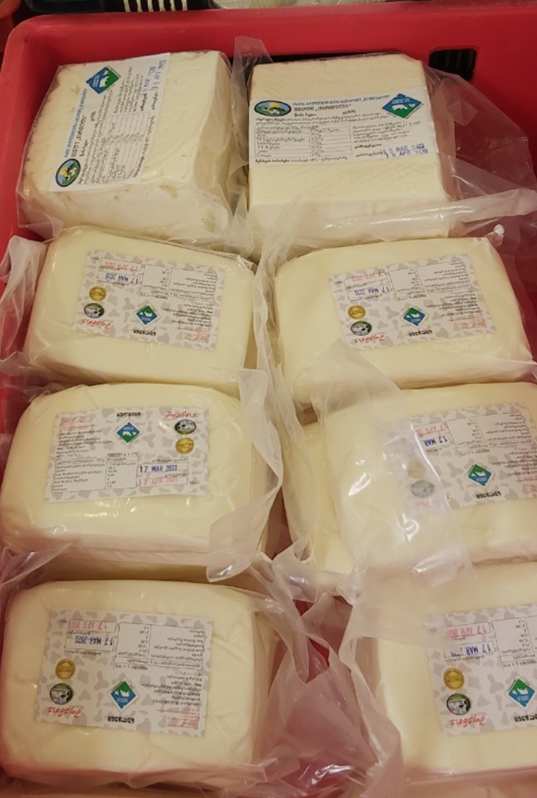
A GMM cheese distributor has organized the collection of cheese from eleven Georgian Milk Mark dairies: Milkeni, Tsintskaro +, Cheese Hut, Shuamta, Tvisis Kveli, Tsifora –Samtkhe, Tsezari, Coop. Khiza, Coop. Disveli, Teleti Ltd, I.E. Hakob Hambaryan and distributed it to theInfectious Diseases and AIDS Center in Tbilisi to support medical staff during the outbreak;
GMM dairy Tsipora Ltd in Samtkhe-Javakheti has supplied cheese to the Abastumani Lung Center.
Tsivis Kveli Ltd Kakheti brought cheese to the hotel Chateau Mere in Kakheti - for those under quarantine;
The Georgian Beekeepers Union initiated the collection of honey from local beekeepers across the country to supply people in vulnerable groups.
The KTW group offered the government the use of their forty-one rooms hotel-complex Akhasheni Wine Resort &Spa, for arranging a quarantine zone in Kakheti region.
In a country first, eighteen Jara beekeepers in Ajara have received Bio certification. Jara honey was not even commercially harvested and branded until 2018, however the market for the honey has proved its strength so successfully that the beekeepers saw the opportunity to further promote their product through bio certification.
The conversion was relatively simple and certainly achievable as Jara honey is based on the capture of wild swarms and is relatively hands off. Since November 2018, the Jara Beekeepers Association (JBA) has been facilitating training and on-site recommendations; it also provides treatment of hives with a Bio vet medicine and special equipment for the mentioned Jara beekeepers. The beekeepers now follow the bio requirements; including keeping records, better husbandry, use of bio vet medicine. This allowed for smooth journey through the minimum one-year conversion period for certification.
Caucascert, the only organic certification company in Georgia issued the internationally recognized Bio certificates after laboratory results and field checks, which did not show any incompliance.
‘I am very proud that I was able to get Bio certification. It was challenging, as I did not have any kind of information before, but support from the JBA was crucial. I can already see the outcomes, because the process already contributed to minimizing disease risk and increase productivity of a Jara hive by thirty percent’ – Bio certified Jara beekeeper from Keda municipality.
Six more Jara beekeepers, including the Jara apiary in the Goderdzi Alpine Garden, are currently undergoing the certification process and might obtain certification by the end of this year.
The Jara honey mark was registered in February, 2020 and both its production and the market for it, including export is growing. More details on Jara honey to be found on www.jarahoney.com.
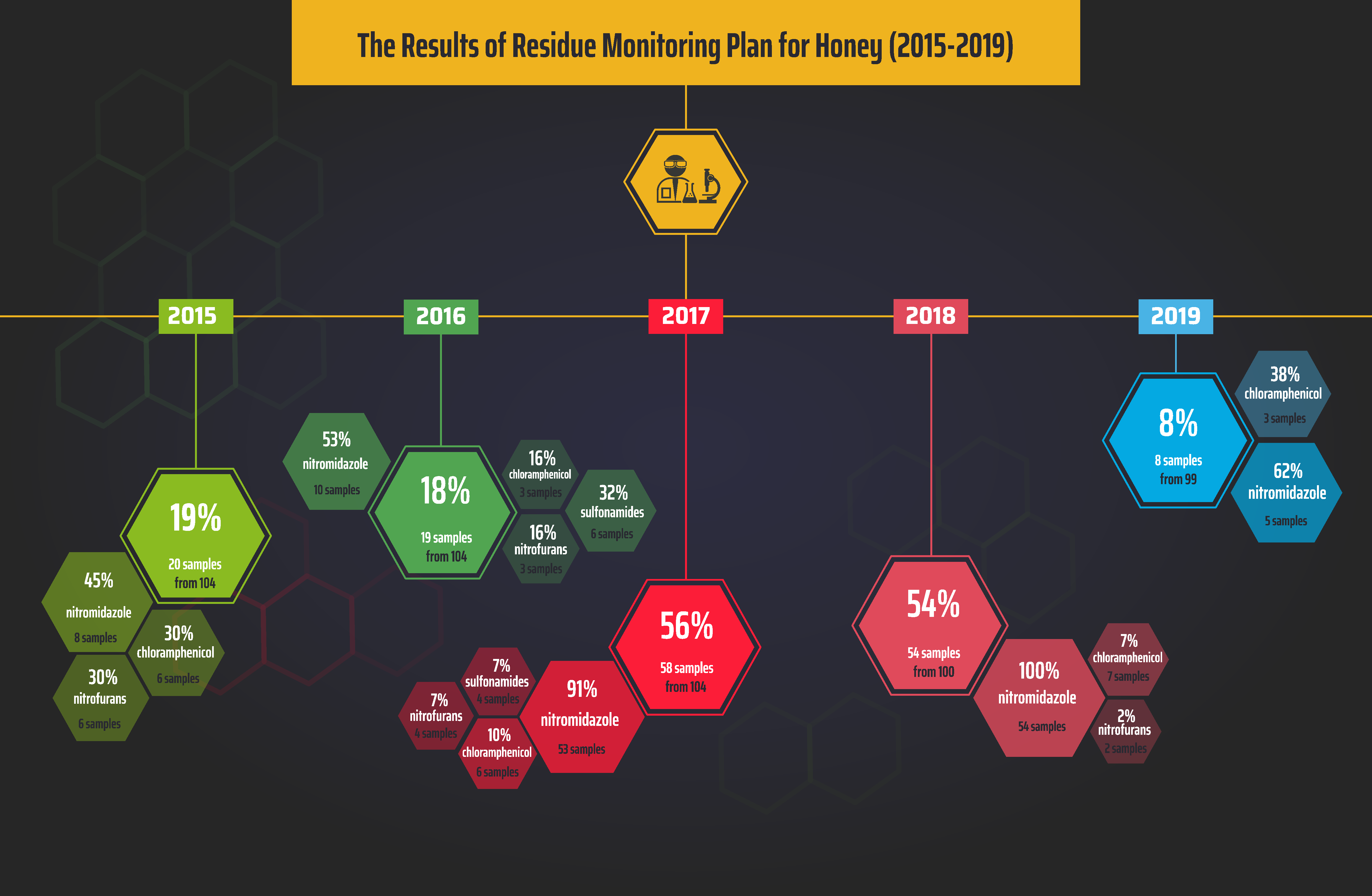
As part of the agreement which allows Georgian Honey to be exported to the EU, the government annually carries out a Residue Monitoring survey. Worryingly high residues of prohibited antibiotics were found in previous years (see infographic below). 2019 however saw national information campaign carried by the Georgian Beekeepers Union, who developed and disseminated Do’s and Don’ts Antibiotic Use Infographic and facilitated breakthrough legislation adopted by the Government of Georgia, which prohibits registration of the beekeeping vet medicines containing restricted antibiotics, among others. As a result, this year, only eight percent of honey samples tested positive for prohibited substances, compared to fifty-four percent of the last year, according to the Residue Monitoring Plan results, made by the National Food Agency in the BIOR laboratory in Riga, Latvia.
It is a significant achievement for Georgian honey export opportunities and expanding markets.