By Helen Bradbury: Team Leader, Alliances Lesser Caucasus Programme
We are in an interesting conundrum. Gender in most places has been written-in to law. Bar a few notable exceptions, every country in the world, has varying degrees of success in applying universal suffrage. Fifty countries are signed up to the CEDAW convention (the UN’s Convention on the Elimination of all forms of Discrimination Against Women). On the CEDAW world map of Discrepant Government Behaviour Concerning Women, the countries shaded dark green which denotes ‘virtually no enforcement of laws consonant with CEDAW or such laws do not even exist’, are where you expect them to be and in fact they are relatively few. It is the next two categories which disturb, covering the vast majority of the globe, the mid and lighter green, where laws are partly or fully consonant with CEDAW but there is little effective enforcement or spotty enforcement of them and the issue is low priority or hit and miss. After the gains, the laws and ratifications of the last centuries it seems that we must tread very carefully indeed for we must counteract indifference, in which inertia and inactivity stop us moving forward.
In Britain in 1913 Emily Davison threw herself under the kings horse at the Epson Derby, women were in and out of prison under the cat and mouse act where they were let out to gain in strength after their relentless hunger striking and brutal force-feeding and then put back in again. They engaged in arson, attacked works of art. This was the fight for the vote for women in Britain, visible, violent and vehement. In 1928 they got franchaise equal to men. Whether you were fighting for or against, agreed or not, you cared, passionately.
Those of us who interest ourselves in activities concerning the development of equitable solutions to development problems, who are concerned with ensuring that both women and men benefit from strategies designed to impact the poor, have probably at some time in our dealings experienced a certain phenomenon. I was vastly reassured recently, if not slightly depressed, to see that even Hillary Clinton, one of the most powerful women in the world, had experienced it:
“I have been championing the rights of women and girls around the world and here at home for many years,” “and I got tired of seeing...foreign leaders, business executives, even senior officials in our own government...smile and nod when I raised these issues… ‘Oh right, I knew she was going to raise women and girls, I will just sit here and smile, it will pass, and then we’ll talk about really important things."
Hillary Clinton, Data2X Press Event, New York, January 12, 2015
Being Hillary Clinton probably guaranteed the smiles, in my dealings, in the course of programming and most notably with all levels of government, I have experienced some less sanguine reactions, but most often a shrug, an intake of breath, a glazing over, a good time to check the cell phone and a knowledge as she rightly points out that it will pass fairly soon, being as it is, as everyone has figured out, an add on. It is insidious in its passivity, there is no heat in the exchange as we are all of course in agreement, and the issue slips away, dissolves in inactivity.
How then do we keep it alive? How do we stop it being an add-on and counteract indifference? How do we make it real in a constructive way? How do we make sure it gets done?
Equitable solutions and women’s economic empowerment (WEE) which is what we work for on the ALCP, require hard work and they are difficult to do, but not because the means to achieve the solutions are complicated, they are in fact extremely simple, but they do require coordination, commitment, cooperation, and most of all persistence. Tools, procedures, operating mechanisms and strategy for ensuring women’s economic empowerment must be built in to the programme structure, adhered to and carried out every day as normal. They must be operationalized. The issue of indifference here noted in government could equally be applied to development. Not in ethos and intent, but in practice. In a recent literature review of measuring women’s economic empowerment, of the thirty projects reviewed only eleven had an indicator to measure the most basic of all WEE measurements; access to services. The primary recommendation in the review for projects to improve their WEE performance was to collect gender disaggregated data. This is just the bottom line.
We talk of complex issues, change pathways, negotiating ancient customs of how to measure agency over household income. Just doing the basics would be a great start and essential first step. Hillary Clinton is of course once more on the button with Data2X—a joint project, with the Clinton & Gates foundations, UN and others, to gather and start a gender data revolution, which will allow policymakers to recognize problems more clearly and create more informed policy. The first step is clear, we all know what to do, we just need to do it and keep doing it.
For more on operationalizing WEE in Alliances see: DCED Webinar Measuring Women's Economic Empowerment
Measuring Women's Economic Empowerment in Private Sector
Helen Bradbury is a development professional with a career spanning market system approaches to solving problems ranging from the welfare of working horses in Ethiopia to early economic recovery in post-tsunami Indonesia. She now manages Mercy Corps' flagship market systems development SDC funded Alliances programme in Georgia, and advises on M4P and women's economic empowerment. See www.aclp.ge for more details.
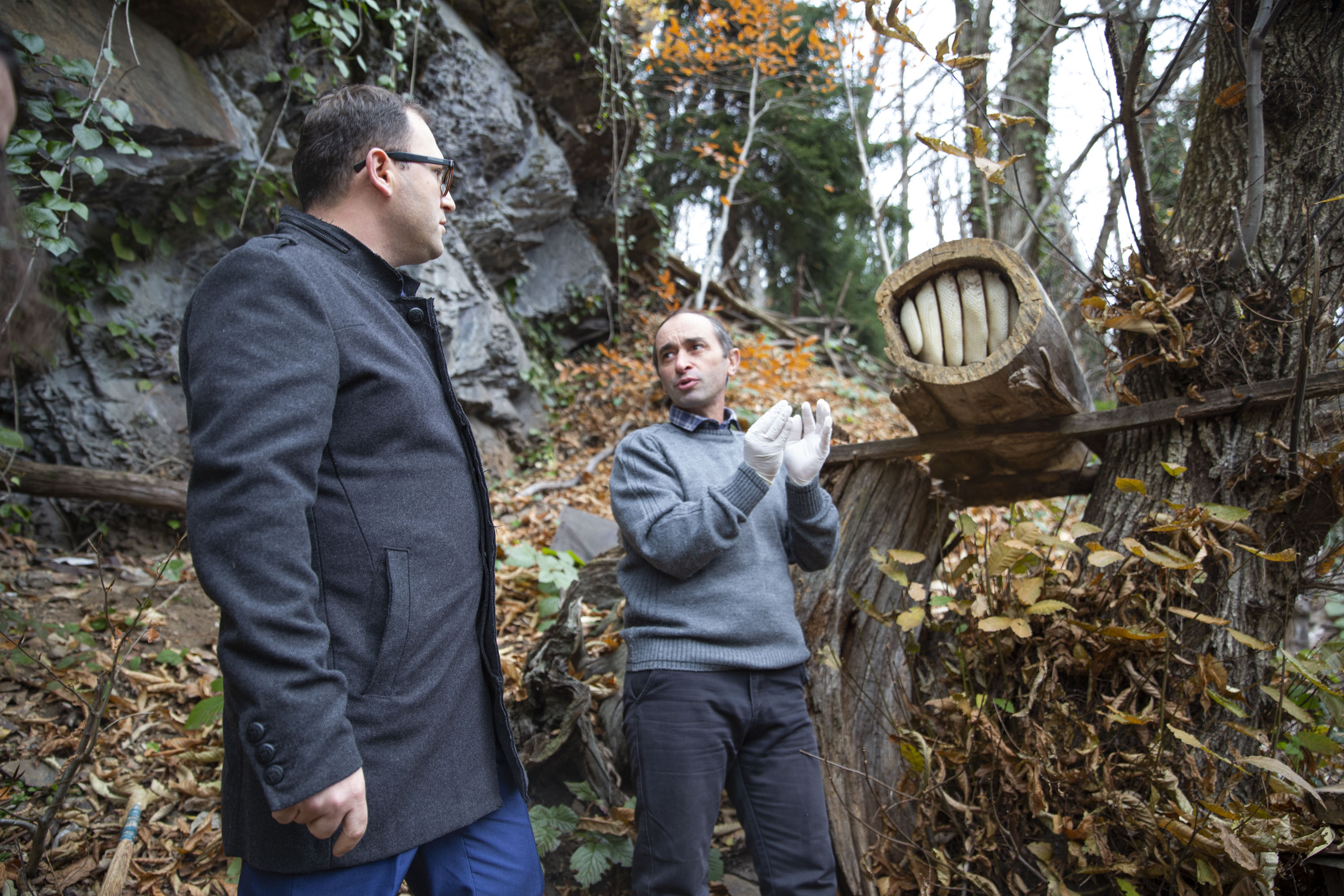
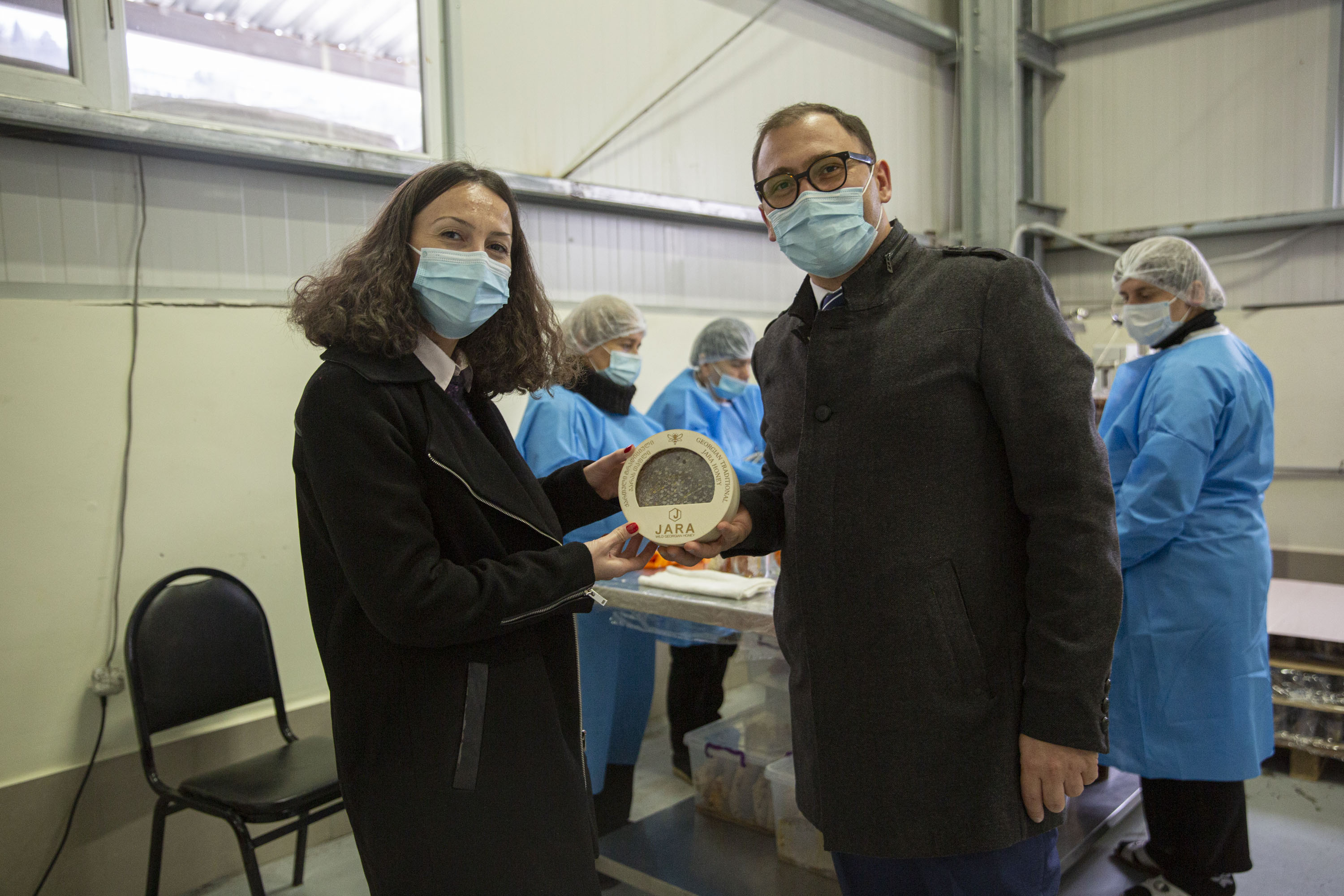
The Jara Beekeepers Association (JBA) hosted the new Minister of Agriculture of Ajara Autonomous Republic. One Bio certified Jara beekeeper invited the Minister to Namonastrevi village in Keda to watch the Jara harvest. He also visited the Agro-Keda factory where KTW produce the Nena honey brand, to see the Bio honey production and packaging process following strict Bio standards. The JBA together with its members talked about their work, education materials they have disseminated among their members, results and planned activities.
‘Jara honey is an amazing product it’s tradition and now Bio certification. It has great export potential. Even though, the pandemic has significantly limited our budget, we will support the JBA to help ensure the sustainability of the Jara honey production and Bio certification.’ – Giorgi Surmanidze, Minister of Agriculture of Ajara.
In a country first, there are now twenty four Bio certified Jara beekeepers, including the Jara apiary in the Goderdzi Alpine Garden. The Agro-Keda Factory, the only company commercially harvesting Jara honey, received Bio certification in October 2020, thus the company is eligible to sell the Bio certified Jara honey crop with a Bio label soon available in the supermarket chains throughout Georgia.
The JBA is due to start selling the honey of its members under its own label from December this year. The Agroservice Center of the Ministry has already allocated a room in Keda municipality center for the JBA for the compliant packaging and labeling of its products.
More details on Jara honey to be found on www.jarahoney.com.
Photo source: The Ministry of Agriculture of Ajara Autonomous Republic
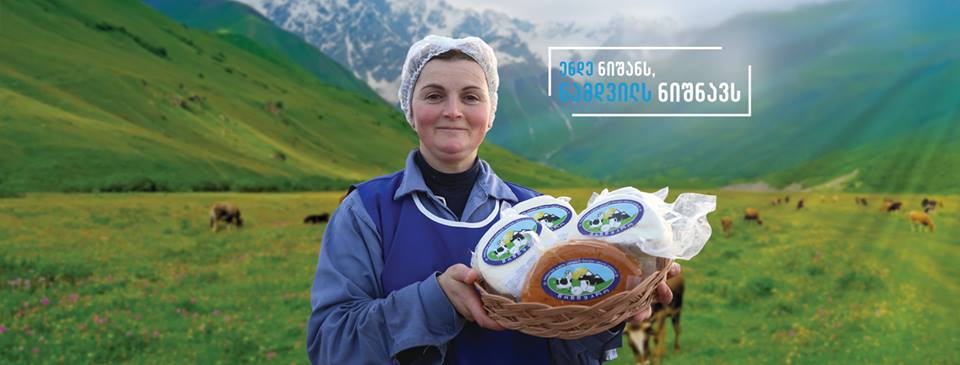
Our Village, the Ministry of Environmental Protection and Agriculture of Georgia (MEPA) magazine with a circulation of 10,000 copies a month is publishing an article about the Georgian Milk Mark (GMM) in its October issue. The article provides comprehensive information about the GMM, a list of the GMM dairies and their products. Rural farmers across Georgia will receive the magazine through fifty-four MEPA Information Consultation Centers (ICCs) for free.
Currently, sixty-seven types of GMM dairy products from eighteen GMM dairy companies are being sold in Madagoni, Spar, Ori Nabiji, Nikora, Zgapari, Fresco, Foodmart, Carrefour, Goodwill, Willmart, Libre, Deili, Bilion supermarket chains. Details on www.georgianmilk.ge.
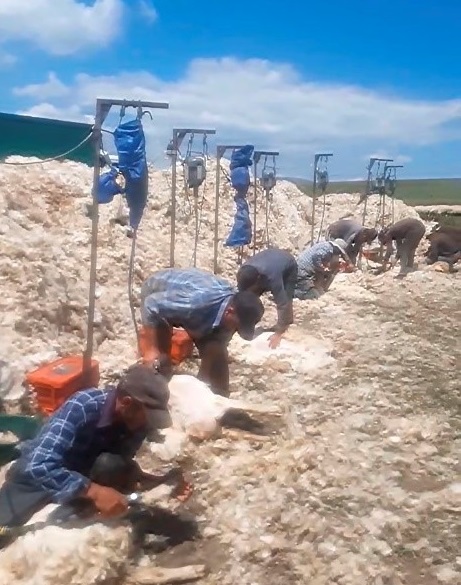
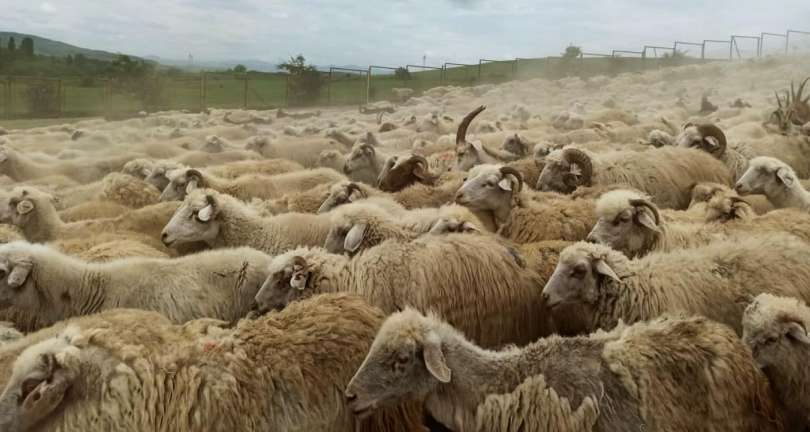
In 2018, while thinking about improving the quality of supplied wool, the Georgian Wool Company purchased twelve sheep shearing machines and trained a group of twelve shepherds, to provide a shearing service to sheep farmers. The service is available on the pastures at the beginning of spring and at the end of summer, when sheep are usually sheared in Georgia. This year, up to five-hundred farmers were served, with hundred thousand sheep sheared.
Before, the wool suppliers of the company sheared sheep by hand, which damaged wool fiber and the quality of wool was poor. It took time with only up to thirty sheep sheared a day. The sheep farmers had to ensure the workforce for shearing by hand, they also had to arrange wool storage space in pastures and transportation of wool from pastures to wool collection centers. Incompliant shearing and storage was decreasing the quality of wool and causing about a ten percent loss (up to thirty kilos), which was usually left on pastures polluting the local environment.
Now, the sheep shearing machines prevent damaging of wool fiber and respectively, the quality of wool has been improved. The company’s sheep shearing machine service includes storage and transportation of wool from pastures to the company`s warehouse in Tbilisi. Sheep shearing is now time-efficient with up to hundred sheep/day sheared by one trained shepherd. While shearing of thousand sheep by hand took at least three days, now the same is done just in one day. For the company it means a stable supply of wool in better, cleaner quality; For farmers it translates into reduced transaction costs, time and about 0.7 Gel saved per sheep.
The Georgian Wool Company first exported wool to the United Kingdom back in 2016. Ukraine, Kazakhstan, India, Afghanistan are now among top wool export destinations. Along with growing demand, improving quality has become a particular interest of the company.

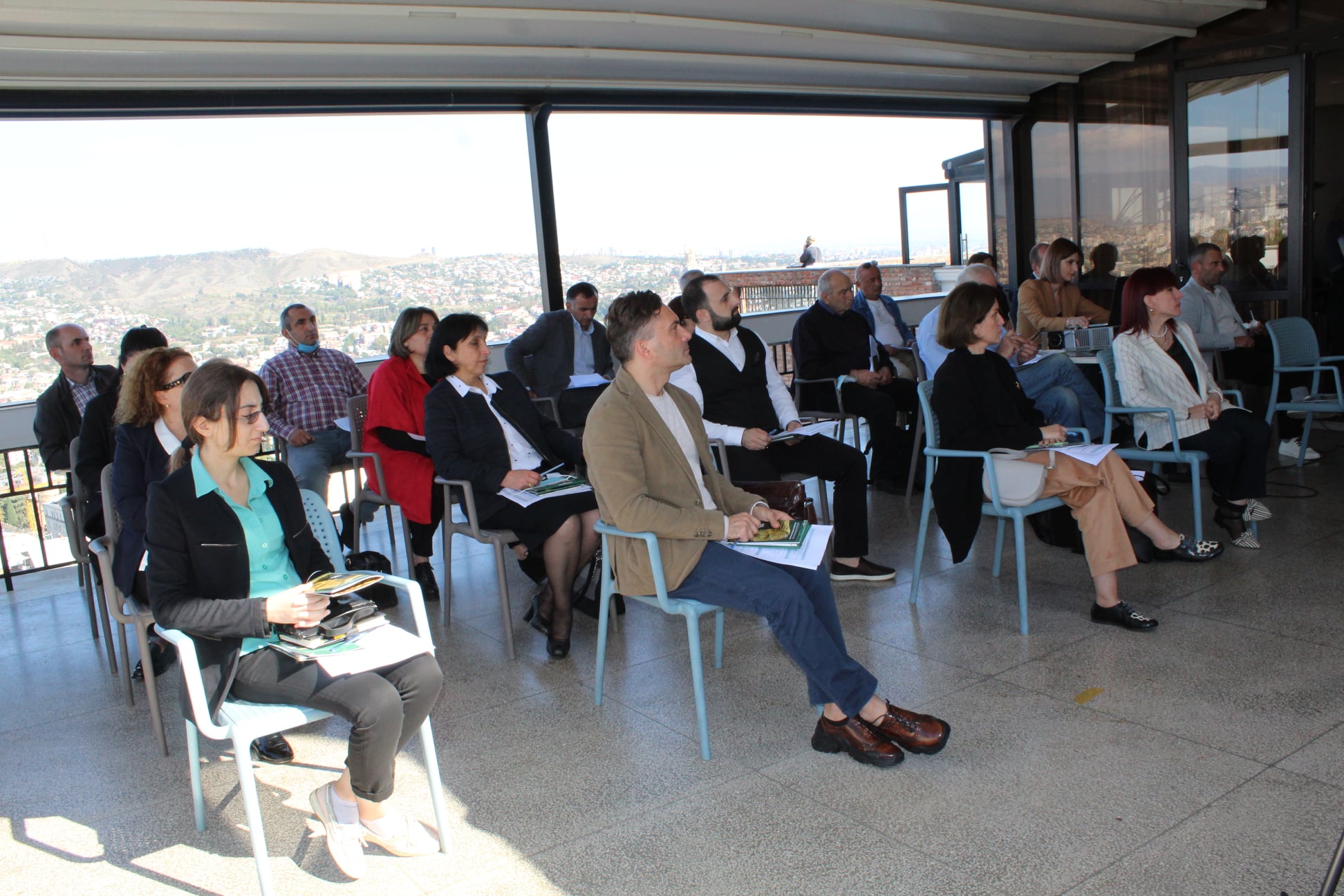
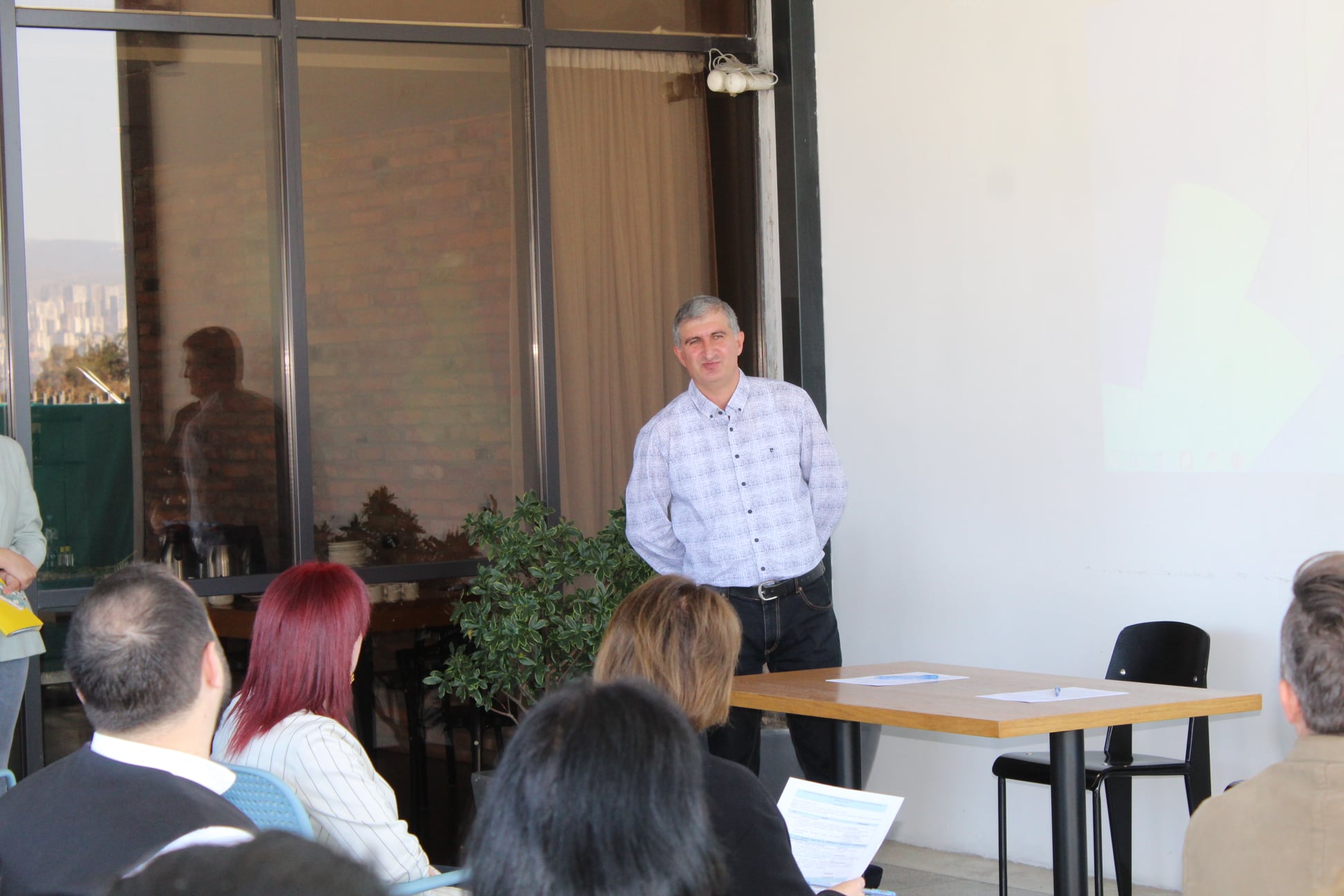
On October 8th, the Georgian Beekeepers Union (GBU) hosted representatives of thirteen VET colleges from across Georgia and sectoral skills organization Agro Duo in Tbilisi. The meeting occasioned the integration of Jara honey production as a topic in VET college beekeeping programmes, something that the Georgian Beekeepers Union have been facilitating over the last year.
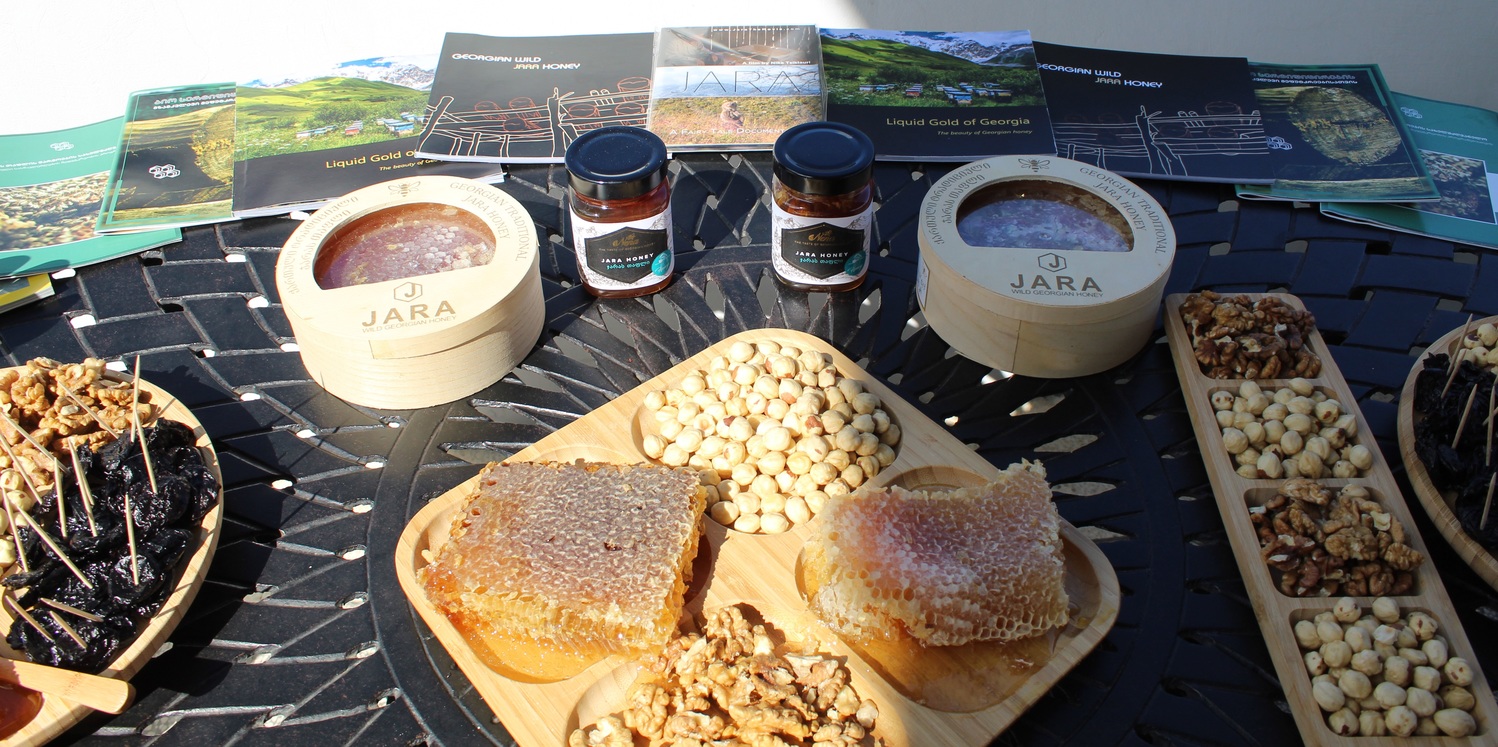
The participants received the Jara Honey Production Handbook and Bio Certification Guidelines for Beekeepers; and were introduced to two new websites www.honeyofgeorgia.com and www.jarahoney.com and a honey promotion video Discover Georgia: The Land of the Oldest Honey.
This year Akhali Talga VET College in Kobuleti and Khulo integrated the Jara materials into their one-year beekeeping programme in which twenty-eight beekeeper students are attending. At the meeting, Akhali Talga VET College shared their experience of successfully integrating the Jara materials into their beekeeping programme.
‘I had many calls before and after the meeting and I can say that the interest from the colleges is very high. We will provide support required and I am sure from the next year there will be more programmes with the Jara materials and improved content.’ – Aleko Papava, the Head of the GBU.
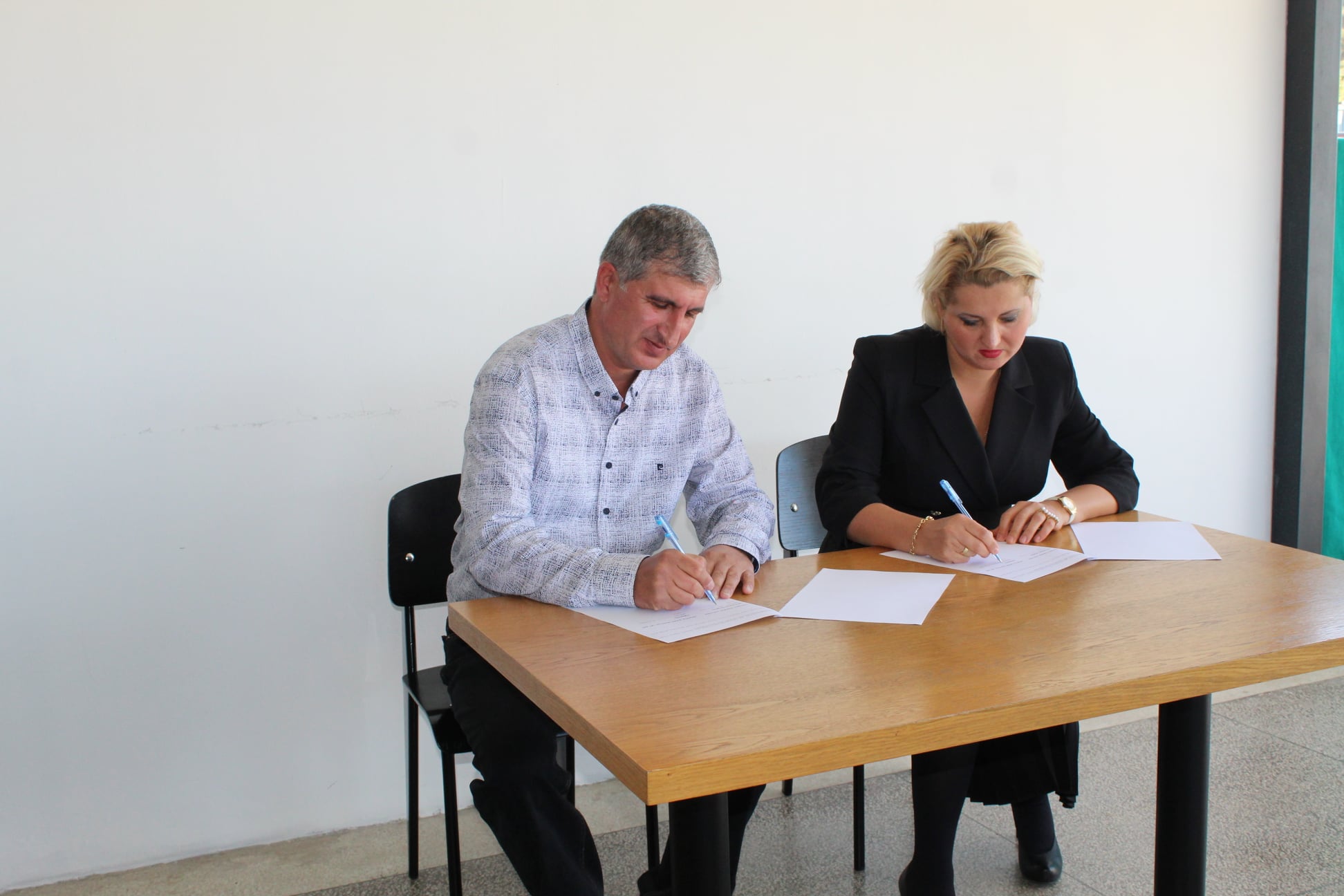
At the beginning of the meeting, the GBU and sectoral skills organization Agro Duo signed a Memorandum of Understanding pledging to work together to integrate Jara materials into the beekeeping programmes in all VET colleges in Georgia.
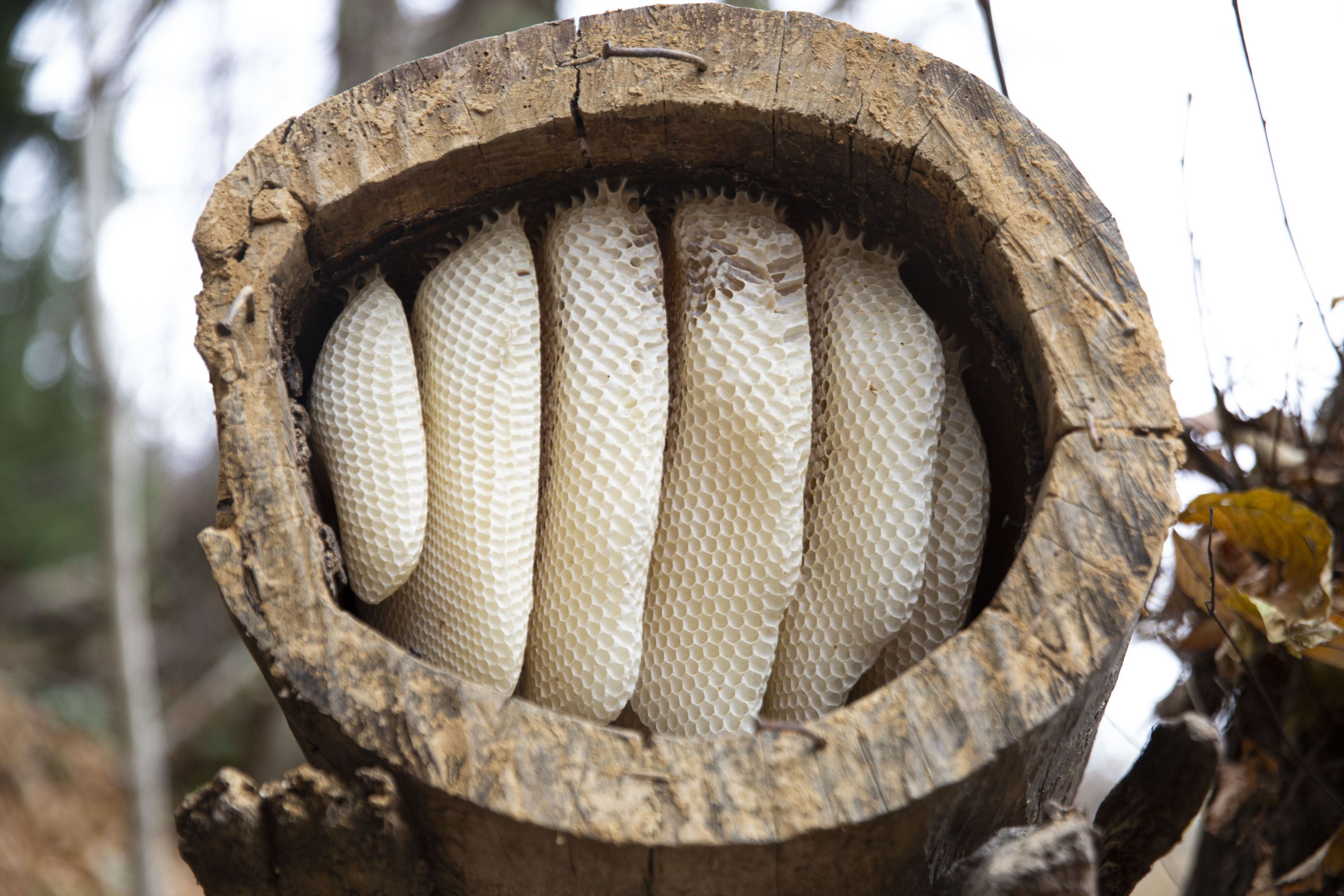
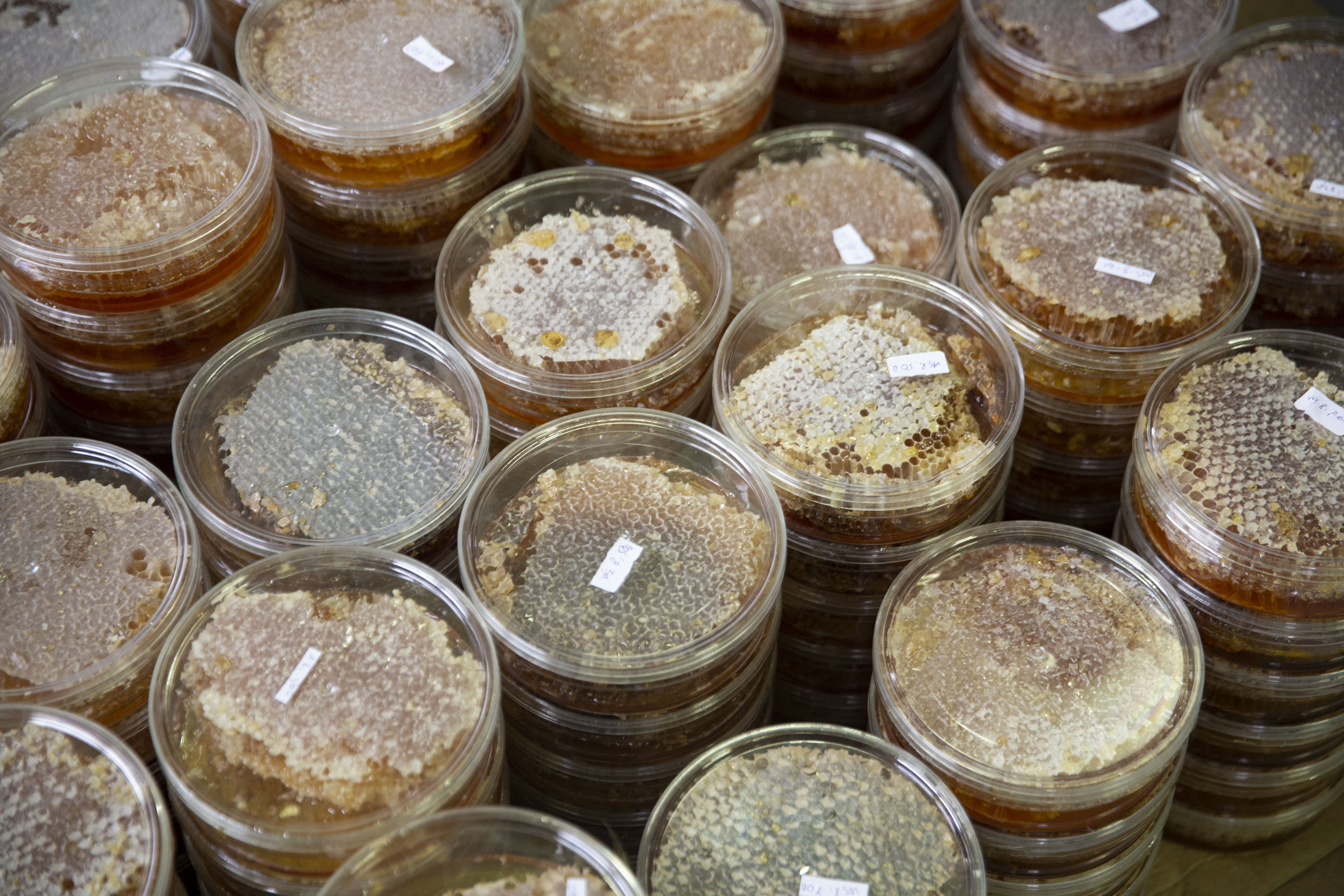
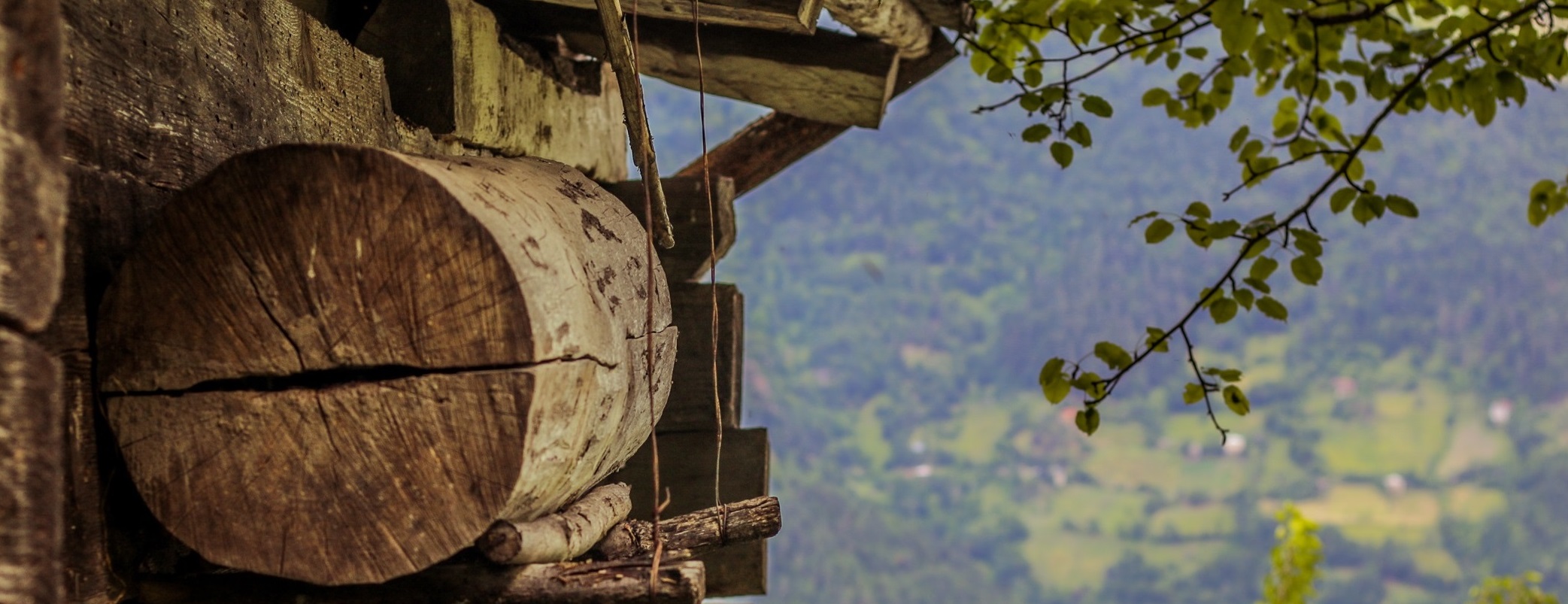
Jara is traditional wild beekeeping producing unique and pure honey rarely practiced nowadays, except for remote dwellings located in the subtropical and alpine zone of Georgia. However, for the first time in decades Jara production is being practiced again by new beekeepers or taken up again by those who had stopped. In 2018 the Jara Beekeepers Association was formed to represent producer interest and in the country first, twenty-three Jara beekeepers in Ajara have received Bio certification. Jara honey was commercially harvested and branded for the first time in 2018 and since then the market for Jara honey has grown in strength which is why the producers decided to become Bio Certified to further increase the value of their product. The Jara honey mark was registered this year to further protect this culturally important product.
Fifty-seven years old Vazha Kedelidze from Kedlebi Village, Khulo is one of ten students who enrolled in the beekeeping programme at Akhali Talgha vocational college in August.
Vazha retired from his position as a fireman five years ago. Soon after, his wife had a severe injury that left her unable to take care of their farm. As Vazha says, beekeeping is now the mainstay of his family. His beekeeper friend helped him to arrange an apiary of twenty hives.
‘I discovered that beekeeping is a philosophy on its own. Sometimes I sit for hours and observe bees working. I am trying to understand the process.’- Vazha says.
As a beginner beekeeper, Vazha is striving for knowledge and struggling to gain comprehensive information, as internet sources are not targeted to beginner beekeepers and he needed something hands on. He then heard about the beekeeping course at the Akhali Talgha VET collegein Khulo.
‘I do not know curriculum details yet, but I am sure I will get answers to my questions and I am looking forward to starting the learning process.’ – Says Vazha.
Vazha was even more surprised when he found out a Jara beekeeping module:
‘I had heard about Jara from villagers and television. It is a fascinating and very unique tradition. Last year, I even made six Jara hives and could not proceed further due to a lack of knowledge. So, I am glad that I will learn more about this traditional beekeeping.’ – Says Vazha.
Akhali Talga VET college in Ajara is the first college in Georgia to have integrated Jara teaching in their beekeeping programme. They will teach the integrated programme from this semester to twenty-eight students.
In total, there are ten VET colleges in Georgia with either a two month or one-year beekeeping course. The Georgian Beekeepers Union (GBU), along with the Jara Beekeepers Association (JBA), is now facilitating the integration of Jara module into beekeeping programmes of these ten colleges in cooperation with the sectoral skills organization Agro Duo and the Ministry of Education, Science, Culture and Sport of Georgia. The JBA developed the Jara Honey Production Handbook: for Beekeeping Programmes at VET Colleges.
Jara is traditional wild beekeeping, rarely practiced nowadays, except for remote dwellings located in the subtropical and alpine zones of Western Georgia, namely, Ajara, emphasizing the importance of co-existence between humans and wild nature. It is a family activity led by a family head, with strong roots in traditional agriculture practice, culture and a way of living as a whole. That makes Jara unique. However, due to a limited market, it was nearly fading outback in 2014 when the ALCP found out about it, and this is when the Jara journey began. It is now growing in 2018 the first commercial Jara harvest was 500kg it is now over 3 tonnes. Twenty-three Jara beekeepers are now Bio Certified and many people such as Vazha are anxious to start. Jara is a high value product with very strong demand it retails for 90 Gel/kg.
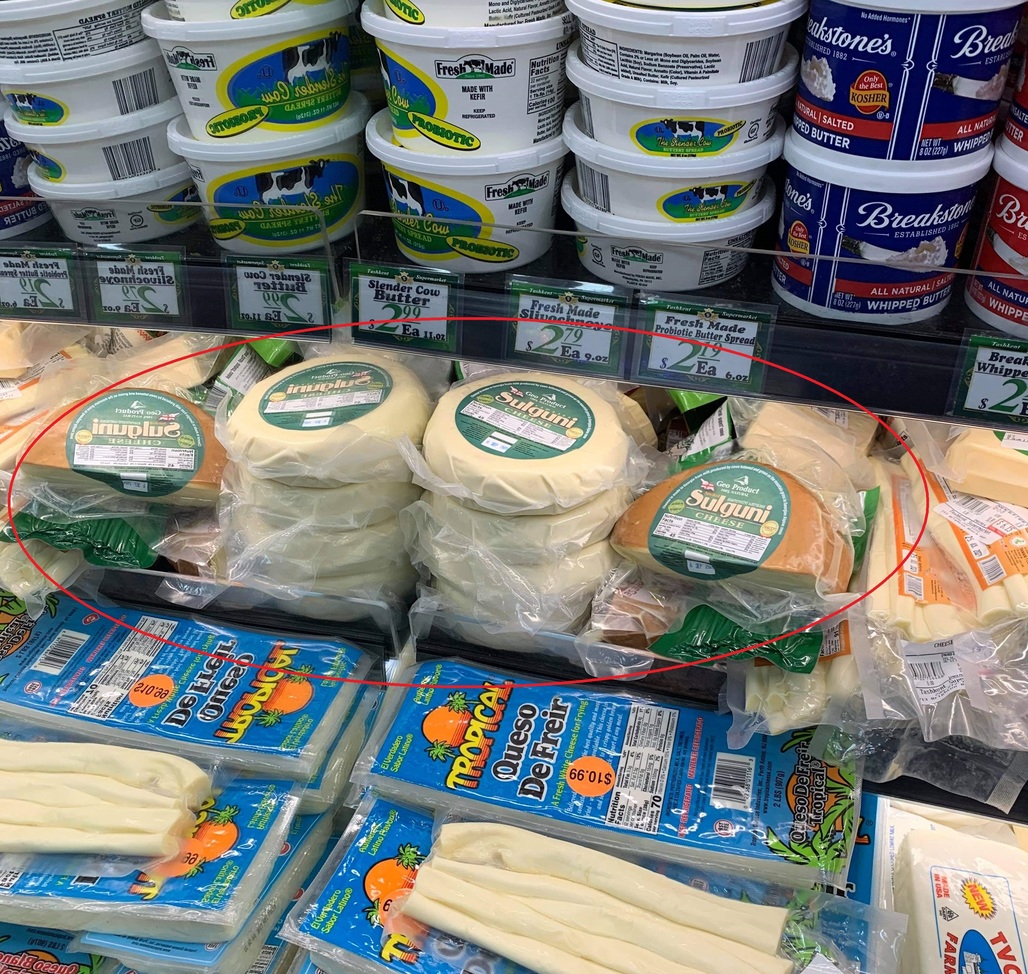
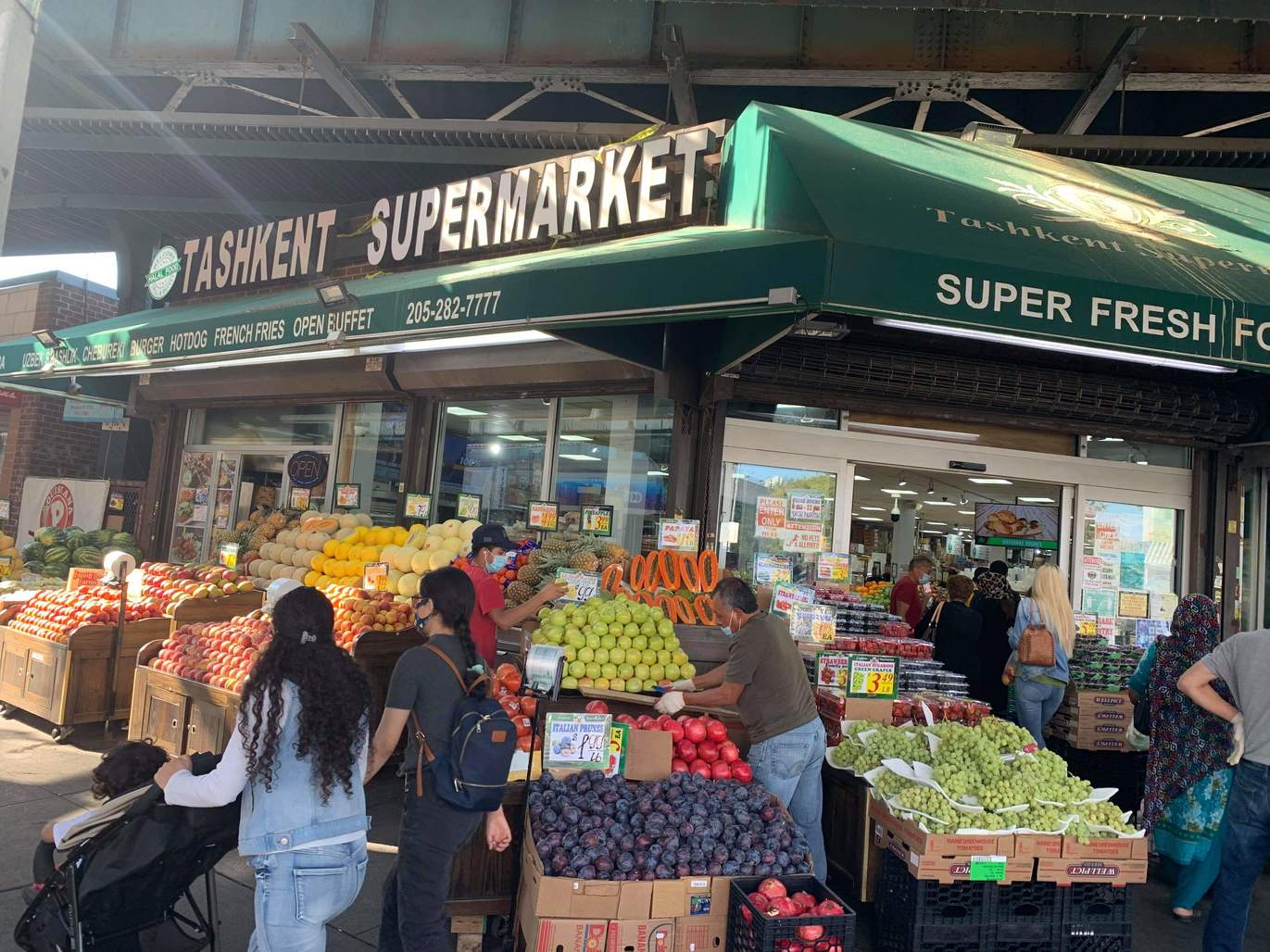
In mid September, dairy enterprise Tsintskaro+ Ltd in Kvemo Kartli sent 280 kg of different types of cheese (Sulguni, Smoked Sulguni, Georgian Cheese) and clarified butter produced by Milkeni Ltd through distribution company Geoproduct Ltd, for sale in New York, USA after positive feedback received on product samples sent earlier in August. Both dairies are members of the Georgian Milk Mark the quality assurance label for Georgian natural milk and their products bare the GMM. The company expects a repeat order for at least 250 kg in the near future.