By Helen Bradbury: Team Leader, Alliances Lesser Caucasus Programme


Information matters, it is our currency, the substance, the commodity which keeps our programmes running. We live in an age of information, are afloat on and sometimes drowning in a sea of it. We may check the oracle of google in answer to any question, live feeds, notifications and a torrent of minutiae in a mélange of events of great importance, continually assail us. Once there were spin doctors, now most of us spin daily be it personally or professionally. We are aware of the need to manage information, to have enough of it and of the right kind and most of us are aware too of the need to understand its quality and to know when and what we have is enough or too little.
M4P of course poses challenges in this as in many other aspects of its implementation, but for me the use of information is its heart. M4P is particularly finely calibrated to need high quality information and implementers able to gather, sort and feed it into the programme, implementers who aware of what they are doing, and why they are doing it. Name any stage of the programme process, let’s start with the team. We need practitioners with the right kind of understanding, flexibility and skills to interpret information, to plug it into the strategic framework and intervention planning. We often eschew experienced workers from the field of development with fixed frames of knowledge, for people with less direct experience and fluidity, choosing them for their qualities of perspicacity, ability to adopt, adapt, expand and respond. All stages involve the gathering, processing, articulation and feedback of information; market analysis, market system monitoring, ongoing capacity building, WEE implementation, calibrating interventions and of course M and E, results measurement, measuring systemic change; another entire galaxy of information management on its own. All stages require meticulousness, precision, rigour and common sense in the use of information to produce systemic market change which impacts the men and women of the target group.
The demands for the articulation of this information are multi-faceted and as dissemination channels proliferate so do the needs of those in direct relation to the programmes; donors, consultants, theorists and developers of practice, who must fulfil their own specific functions and feed information into their own burgeoning webs of outreach. Networks, e-groups, email notifications, photographs, film, presentations, numbers, interest stories. Hard numbers for professionals to crunch validity, interest stories and illustration for those we need to care.
Finally to the approach itself, literally. How you come to know something is often as important as what you finally know. M4P, market systems development; has been seen as a challenge to, a critique (I would argue an illumination through comparison) of other methods and methodologies in development. The process of reassessing even unlearning knowledge is not an easy one and is as emotional as it is intellectual. The juncture between those who in some measure know, understand and use the approach and those who do not, is therefore sometimes a tricky one. Perceptions and points of view are influential in the translation of the system. The heart of M4P is simplicity but as in all the best cases, simplicity provides the skeleton and blueprint for processes which as they build can seem like an overwhelming mass of complexity from an external point of view, particularly as no two programmes, externally at least the same. What, who and where are M4P, where does it come from, how do you do it, who does it, where can I find out more?????
Thus we come to two new websites, this one of the ALCP where we have a downloads page dedicated to compiling our own and other information that helps to answer these questions and the M4P Hub that was and the BEAM Exchange that now is. In our disparate, diversified, geographically spread world, an approach developed at the time of an explosion of information dissemination, needs sites like these. To now be able to direct someone to the right kind of information which presents, expounds and solidifies is essential in a growing field. To be able to refer to and interact with a cohesive entity which can provide a universally accepted centre point, platform, resource centre and indeed identity, is heartily welcomed.
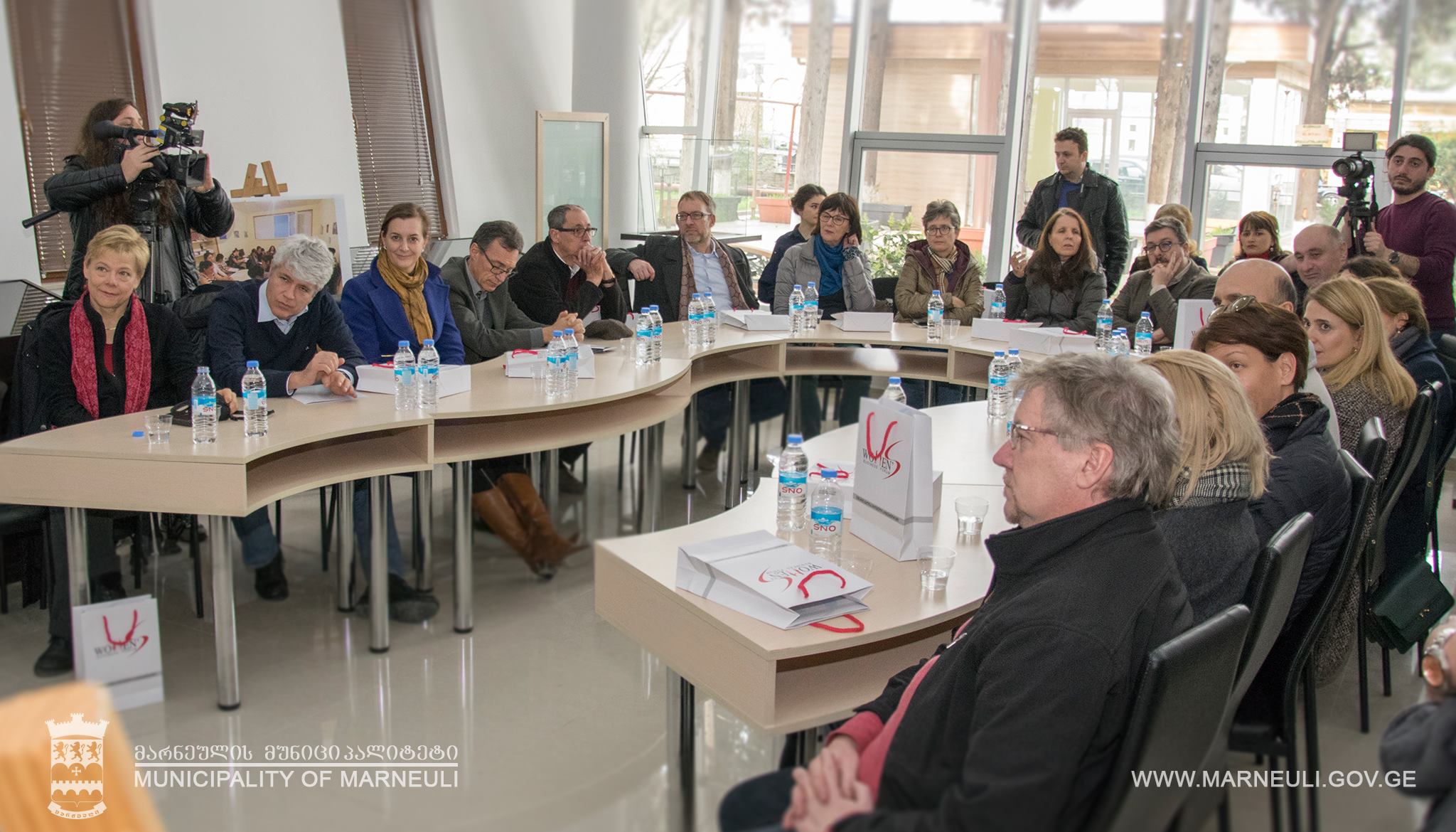
On March 16th, 2018 the Alliances Caucasus Programme (www.alcp.ge) funded by the Swiss Agency for Development and Cooperation SDC and implemented by Mercy Corps in Georgia, hosted eighteen Swiss Ambassadors and Mission Directors of Development Cooperation of Switzerland from Azerbaijan, Moldova, Ukraine, Tajikistan, Kyrgyzstan, Kazakhstan as well as representatives of the Federal Department of Foreign Affairs’ headquarters in Bern. The visit was part of a regional seminar hosted by the Swiss Ambassador to Georgia and Head of Mission Olivier Burki, Regional Director of the Swiss Cooperation Office in Georgia.
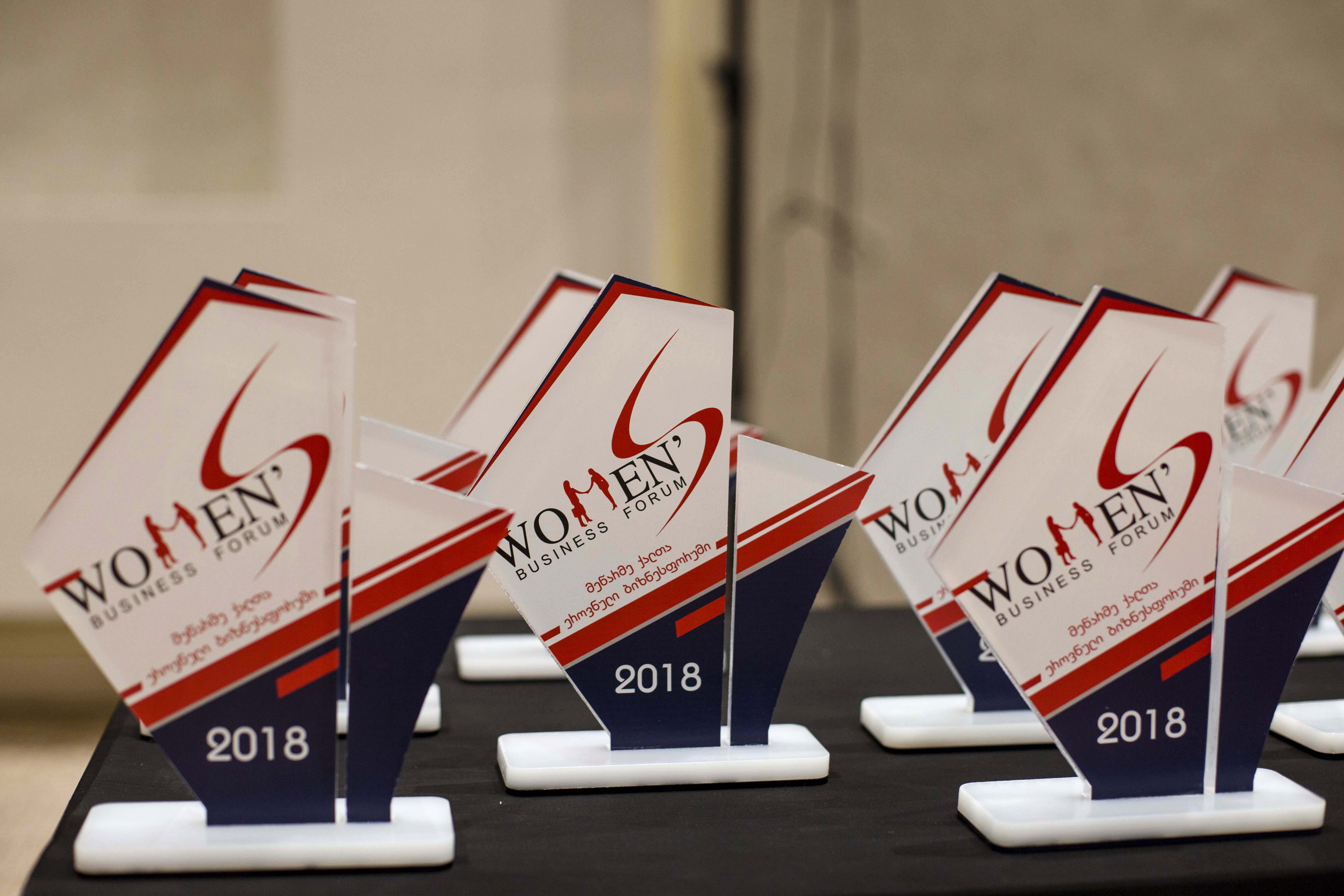
'This forum is the first steps where women economic empowerment starts from. The Ajara Chamber of Commerce and Industry (ACCI) is ready to support women entrepreneurs and startups. Through the Women’s Room of ACCI we will help them in preparing Business Plans, liaising new business contacts and follow up their way of achieving success in businesses’ - Tamaz Shavadze, Chairman of ACCI.
The National Women Business Forum for 300 participants including 180 women entrepreneurs from all regions of Georgia as well as public, private and civil sector organizations concerned with women’s entrepreneurship was held in Batumi on International Women’s Day, March 8, 2018.
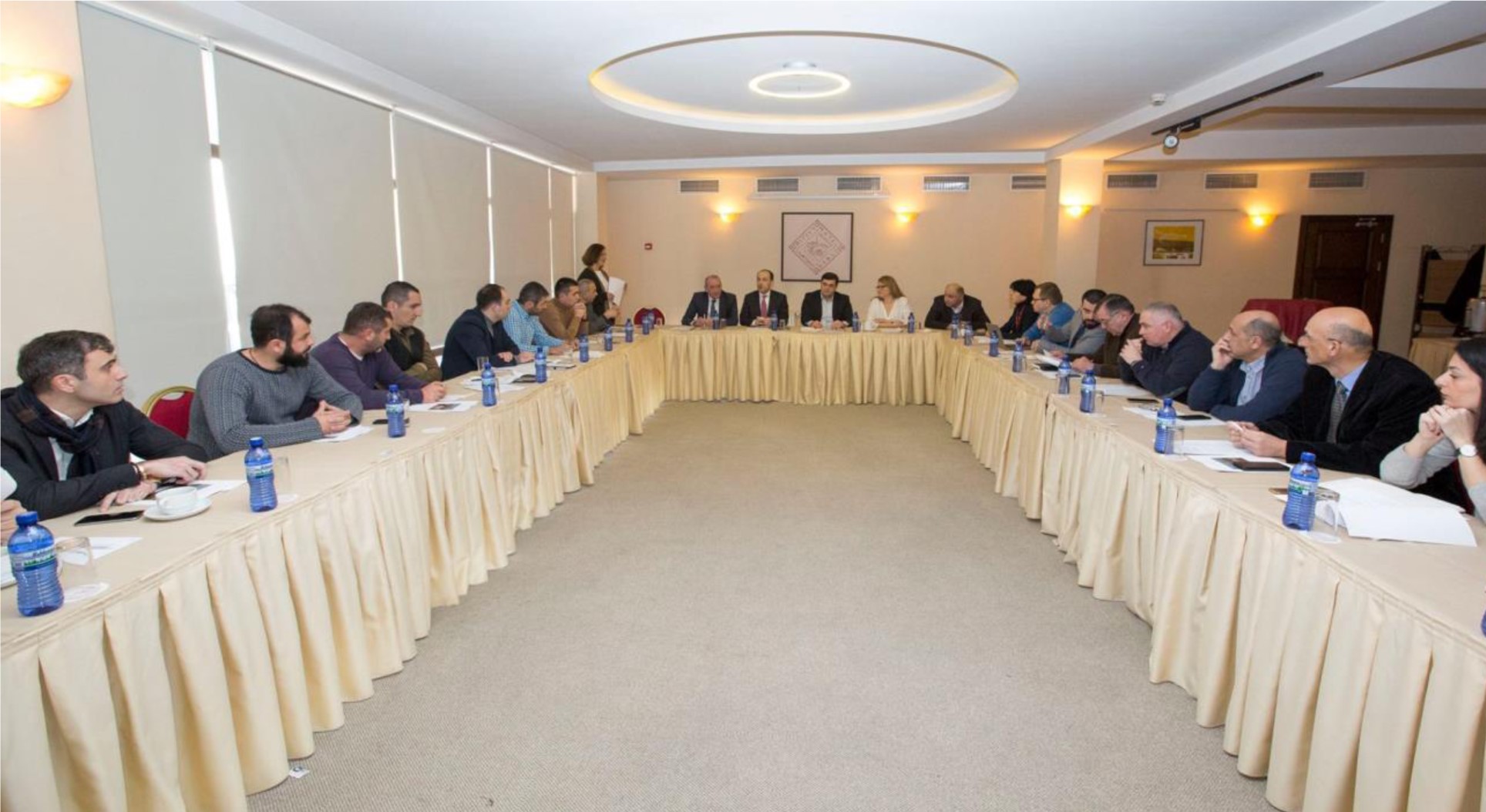
Management of Animal Movement Route (AMR) and Bio Security Points (BSPs) were the main topics discussed at the ALCP’s 9th Advisory Committee meeting on January 31st, 2018.
The Minister of Agriculture highlighted the importance of AMR and its Bio Security Points, their importance in underpinning animal healthcare and livestock export and the need for continued efforts to ensure progress in his opening speech.
‘Despite the positive dynamics there are still challenges and the governmental, non-governmental and private sectors should consolidate to overcome them’ - stated Mr. Davitashvili.
Existing gaps in management as well as the positive impact of BSPs were highlighted at the meeting. A short film: What shepherds think about the BSP’s available at ALCP/Videos allowed shepherds views to be presented in full.
All participants debated responsibility for managing the AMR and its infrastructure. Land overlaps, lack of resting areas, watering points at the Route, issues of concern for decades - were also discussed.
‘I think inclusion of self-governments in provision of BSPs’ operation is quite possible, local residents can be hired there and I’m ready to discuss this issue with the heads of local municipalities of Kvemo Kartli” - Grigol Nemsadze - The State Representative-Governor of KK Region.
As a result of this meeting the Regional Government of Kvemo Kartli and the Ministry of Economy have agreed to work together for final resolution of contested land on the route. Existing infrastructural gaps at BSP’s will be also solved in time for spring season, stated the Head of the NFA. With regards to BSP’s management and its future ownership the issue is clearly on the table for further facilitation and discussion with all interested parties to find the best solution and develop pertinent strategy going forward.
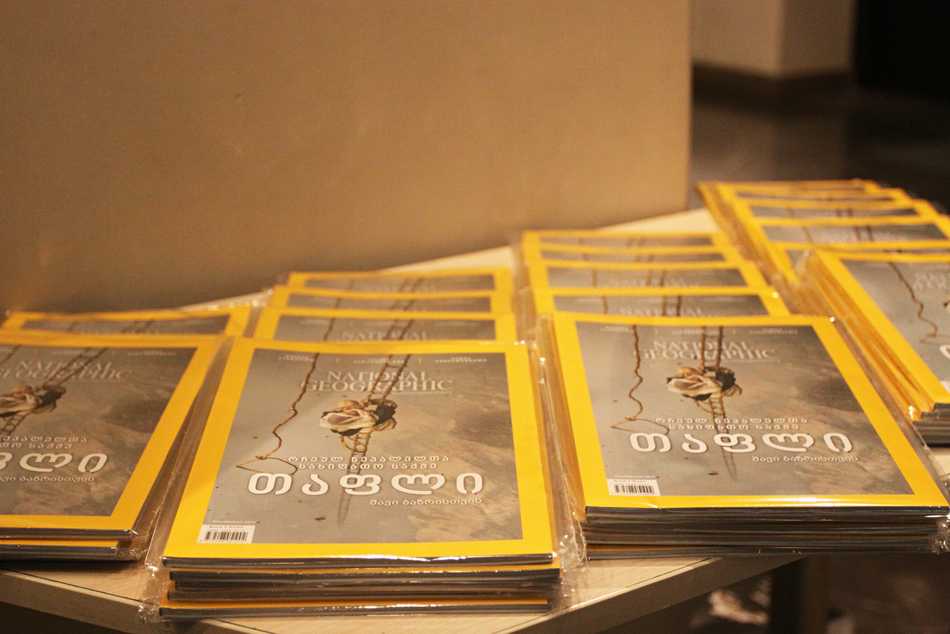
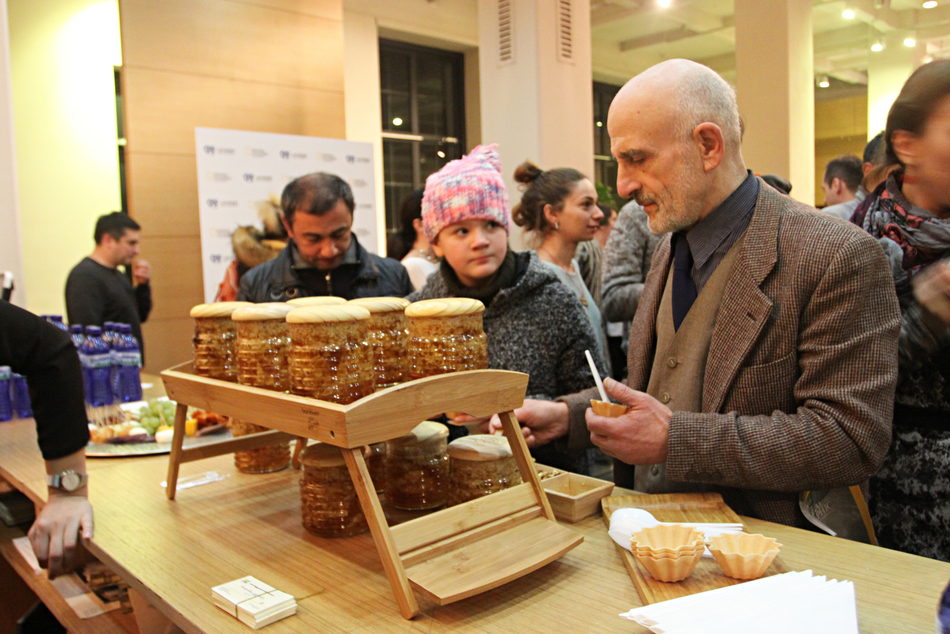
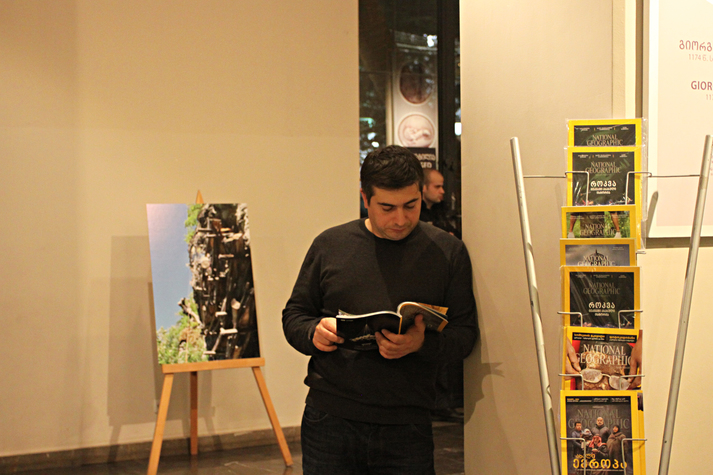
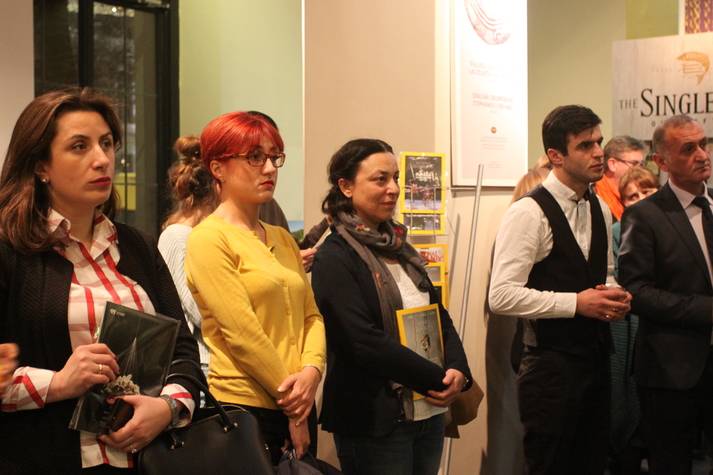
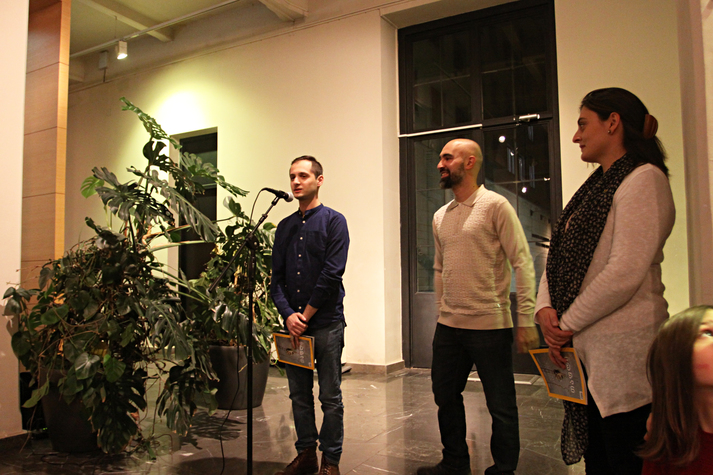
On December 5th the National Geographic Magazine Georgia presented its latest edition which features an article on Jara honey, at the National Museum of Georgia. About hundred guests tasted Jara honey and watched a special screening of the Jara movie, which had originally inspired the Georgian National Geographic to do the Georgian bee and honey story.
‘We were thinking about doing an article on Georgian Bees and honey, but we were not certain what direction to choose. One day, I got a call from Nika Tsiklauri, who invited me to the Jara premiere and while watching this truly fairytale, – I discovered the storyline we had been looking for’. – Natia Khuluzauri, Editor in Chief of the National Geographic Magazine Georgia.
The movie Director, Nika Tsiklauri, did a photo session of the Jara hives in Ajara. The magazine story writer, Irakli Pipia, enthusiastically worked on the topic and in addition came across documentation that showed that the Caucasian Gray Bees had been exported to the USA from Georgia atthe end of the 19th century.
‘This was a discovery none of us expected. Who knew that the Caucasian Bee had travelled so far? So, both authors, Nika and Irakli, did a great job and we have this beautiful elaborated story covering practically all aspects related to the Caucasian Gray Bee and honey they make’ – says Natia.
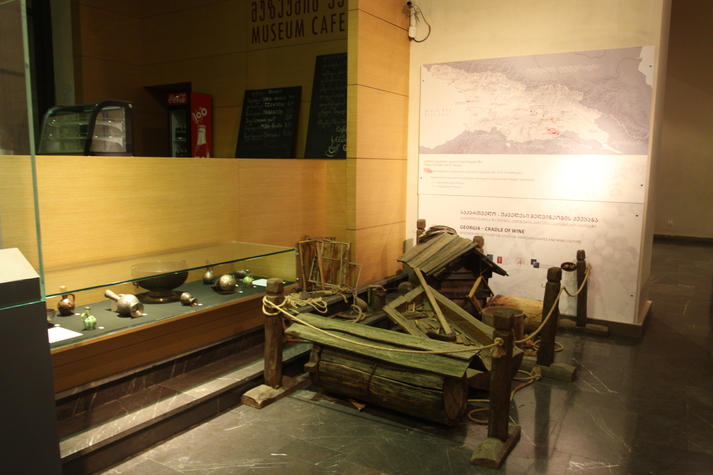
The event opened an exhibition of photos, Jara hives and beekeeping artifacts from Ajara. The Ajarian Beekeepers Business Association gave attendees a unique opportunity to taste recently harvested Jara wild honey from its members and personally explore traditional Jara hives and beekeeping handicrafts.
Photo Source: The National Geographic Georgia
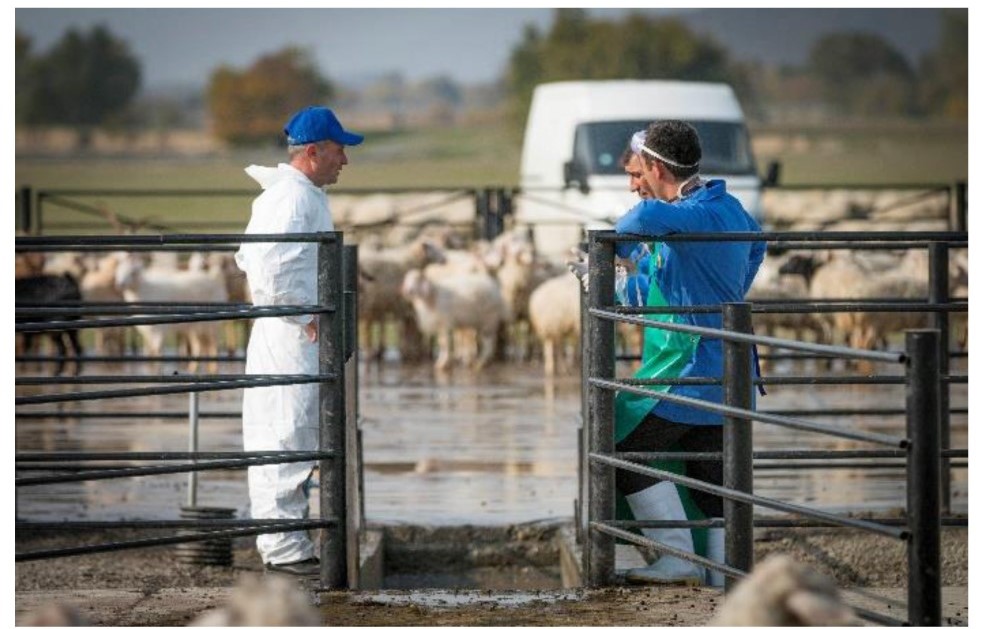
A new Bio Security Point (BSP) has been opened by the Minister of Agriculture of Georgia on in Kakheti, Telavi municipality. It is the fifth point now open on the
Animal Movement Route along with the BSP’s in Marneuli, Rustavi, Dedoplistskaro and Signagi municipalities and the third point built by the government in addition to the two points built under the ALCP as part of the activities agreed between the government and the project.
‘We are conducting complex works for supporting sheep and cattle sector development and one of the most important components of this work are identification ®istration of official Animal Movement Route and a proper management of it. We now have five BSP and this helps us to manage the movement of the livestock and their health control’ Mr. Davitashvili stated.
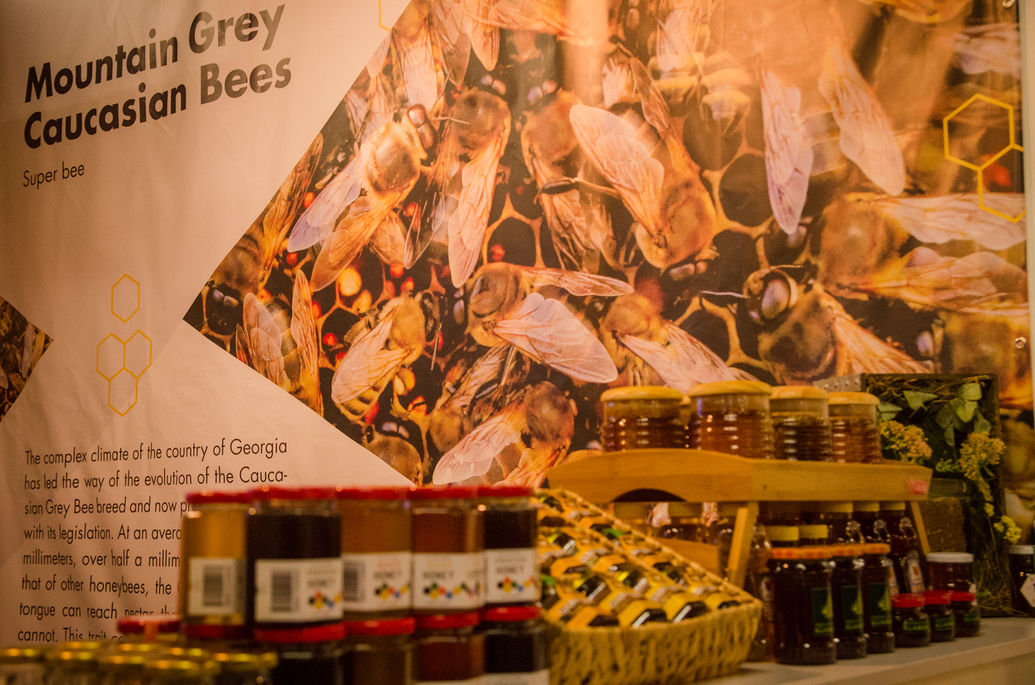
Georgia and the Georgian honey were successfully and widely promoted at the 45th Apimondia Congress in Istanbul, Turkey, by the Ajarian Beekeeping Business Association (ABBA). The Jara honey along with Chestnut and Acacia honey were the most popular among the honey importers from all over the world. Markets for Georgian honey seems diverse based on the high interest from countries such as France, Germany, Kuwait, Iran, Turkey and India among others. More to be found in the TV slot prepared by Ajara TV