By Helen Bradbury: Team Leader, Alliances Lesser Caucasus Programme


Information matters, it is our currency, the substance, the commodity which keeps our programmes running. We live in an age of information, are afloat on and sometimes drowning in a sea of it. We may check the oracle of google in answer to any question, live feeds, notifications and a torrent of minutiae in a mélange of events of great importance, continually assail us. Once there were spin doctors, now most of us spin daily be it personally or professionally. We are aware of the need to manage information, to have enough of it and of the right kind and most of us are aware too of the need to understand its quality and to know when and what we have is enough or too little.
M4P of course poses challenges in this as in many other aspects of its implementation, but for me the use of information is its heart. M4P is particularly finely calibrated to need high quality information and implementers able to gather, sort and feed it into the programme, implementers who aware of what they are doing, and why they are doing it. Name any stage of the programme process, let’s start with the team. We need practitioners with the right kind of understanding, flexibility and skills to interpret information, to plug it into the strategic framework and intervention planning. We often eschew experienced workers from the field of development with fixed frames of knowledge, for people with less direct experience and fluidity, choosing them for their qualities of perspicacity, ability to adopt, adapt, expand and respond. All stages involve the gathering, processing, articulation and feedback of information; market analysis, market system monitoring, ongoing capacity building, WEE implementation, calibrating interventions and of course M and E, results measurement, measuring systemic change; another entire galaxy of information management on its own. All stages require meticulousness, precision, rigour and common sense in the use of information to produce systemic market change which impacts the men and women of the target group.
The demands for the articulation of this information are multi-faceted and as dissemination channels proliferate so do the needs of those in direct relation to the programmes; donors, consultants, theorists and developers of practice, who must fulfil their own specific functions and feed information into their own burgeoning webs of outreach. Networks, e-groups, email notifications, photographs, film, presentations, numbers, interest stories. Hard numbers for professionals to crunch validity, interest stories and illustration for those we need to care.
Finally to the approach itself, literally. How you come to know something is often as important as what you finally know. M4P, market systems development; has been seen as a challenge to, a critique (I would argue an illumination through comparison) of other methods and methodologies in development. The process of reassessing even unlearning knowledge is not an easy one and is as emotional as it is intellectual. The juncture between those who in some measure know, understand and use the approach and those who do not, is therefore sometimes a tricky one. Perceptions and points of view are influential in the translation of the system. The heart of M4P is simplicity but as in all the best cases, simplicity provides the skeleton and blueprint for processes which as they build can seem like an overwhelming mass of complexity from an external point of view, particularly as no two programmes, externally at least the same. What, who and where are M4P, where does it come from, how do you do it, who does it, where can I find out more?????
Thus we come to two new websites, this one of the ALCP where we have a downloads page dedicated to compiling our own and other information that helps to answer these questions and the M4P Hub that was and the BEAM Exchange that now is. In our disparate, diversified, geographically spread world, an approach developed at the time of an explosion of information dissemination, needs sites like these. To now be able to direct someone to the right kind of information which presents, expounds and solidifies is essential in a growing field. To be able to refer to and interact with a cohesive entity which can provide a universally accepted centre point, platform, resource centre and indeed identity, is heartily welcomed.
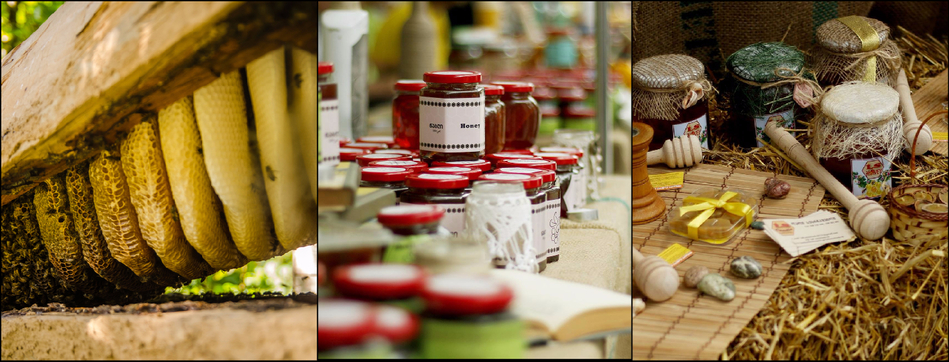
The 45th Apimondia Congress 2017, the most significant event in beekeeping worldwide, will take place from 29th of September to 4th of October, in Istanbul, Turkey. For the first time in Apimondia’s hundred years of history, Georgia will be at this world forum, represented by the Ajarian Beekeeping Business Association (ABBA), exhibiting the different types of honey of its members and promoting Georgian honey and beekeeping.
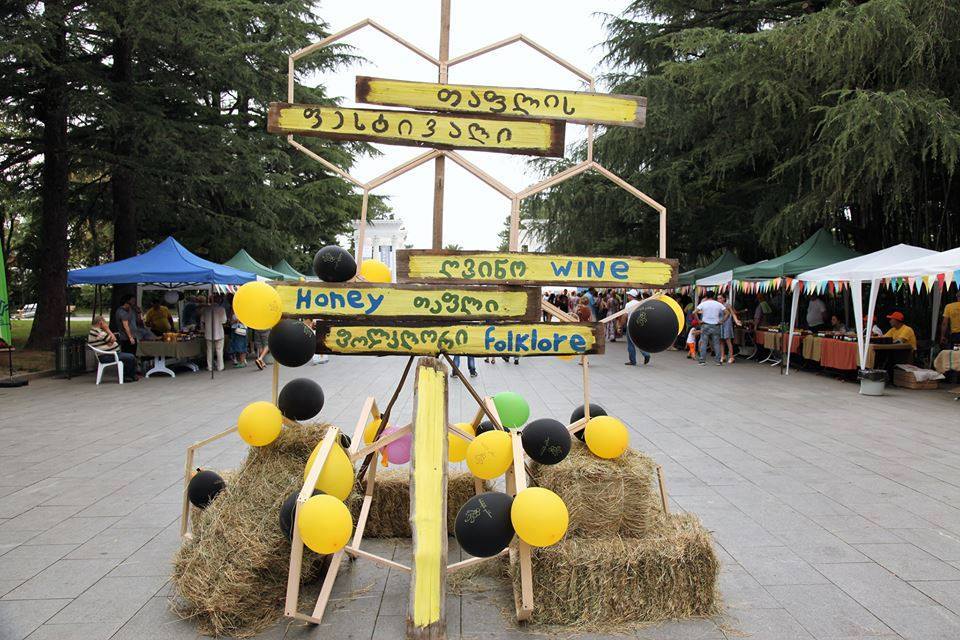
It now has become a tradition of Batumi’s Summer to hold the sweetest festival of the year. The annual Honey Festival was held for the third time on August 12th on Batumi Boulevard. Up to 40 beekeepers from across Georgia who once again presented their honey and by products for the festival visitors. Honey themed entertainment activities for children, including face-painting, games; live music from folk ensembles and rock band were laid on, keeping the celebration spirit all day.
“I’m participating in the festival for the third time, as it helped me to get income and find new clients for honey. I think it is very important event in promotion of the beekeeping sector in Ajara, which is one of the leading honey producer regions” – Revaz Katamadze, the beekeeper from Kobuleti Municipality.
On 18th of July, six Women’s Rooms (WRs) of Ajara region have expanded their linkages by signing a Memorandum of Understanding (MOU) with the Ministry of Health and Social Affairs of Ajara Autonomous Republic. The Ministry will use the Women’s Rooms to reach the rural population though disseminating information and organizing meeting on the health-care programs implemented by the Ministry via WRs.
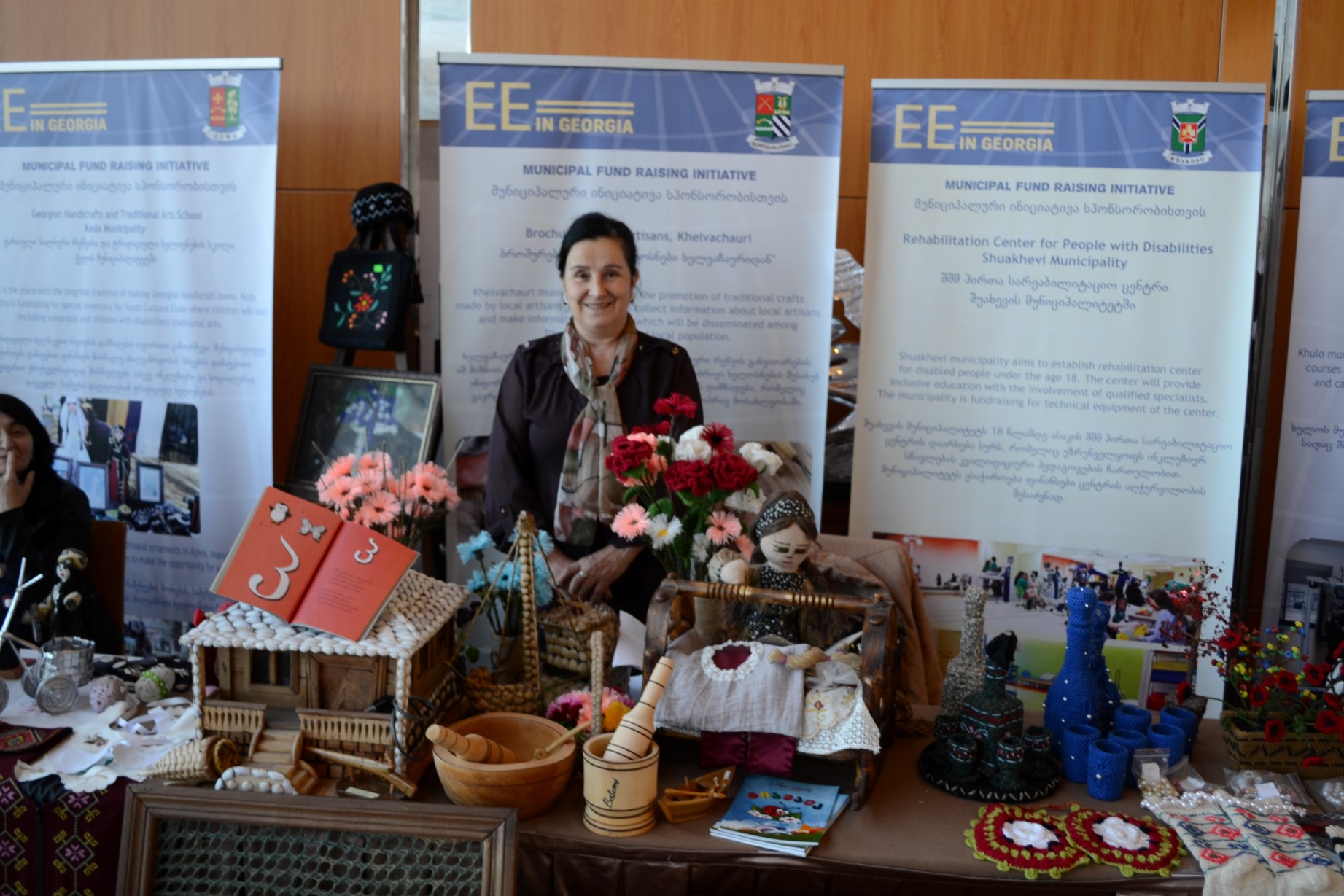
Shuakhevi municipality will have a Rehabilitation Center for the People with Disabilities soon to serve people with the special needs living in Shuakhevi, Khulo and Keda municipalities. The Government of Ajara Autonomous Republic has recently supported and financed the initiative with 196 000 Gel for its construction works.
4 months ago the municipality displayed the idea, which has been floating for years, on EEG Event for fundraising. The Deputy Gamgebeli of Shuakhevi municipality, Rusudan Shavadze, trained on the project writing, transferred the idea to the real project and the municipality was able to start attracting the funds for the implementation. After the EEG, the Association For Each Otherconducted the survey on the people with disabilities in the municipalities (Khulo, Shuakhevi, Keda) with the involvement of the local people; the Adjaristskali Georgia LLC expressed interest to make the contribution to the project; other organizations, like USAID and Embassy of France also are ready to contribute with providing training for inclusive education specialists, who will teach in the center. The contribution from each side is under discussion and will be known within month.
On 7th of July, a Memorandum of Understanding (MOU) was signed between the Women’s Rooms and the Gender Equality Council of Supreme Council of Ajara Autonomous Republic. According to the MOU, the Council will work with municipalities through the WRs to raise public awareness of gender and increase women’s participation in the decision-making processes. The Gamgebelis and other municipality representatives attended the ceremony and supported the idea.
“The Women’s Rooms have become one of the main powers in ensuring gender equality in the municipalities. The MOU aims to continue and strengthen our cooperation with the WRs and fulfill the mission of increasing women’s participation in the public sector”- Nino Chkhetia, the Chairwoman of the Gender Equality Council.
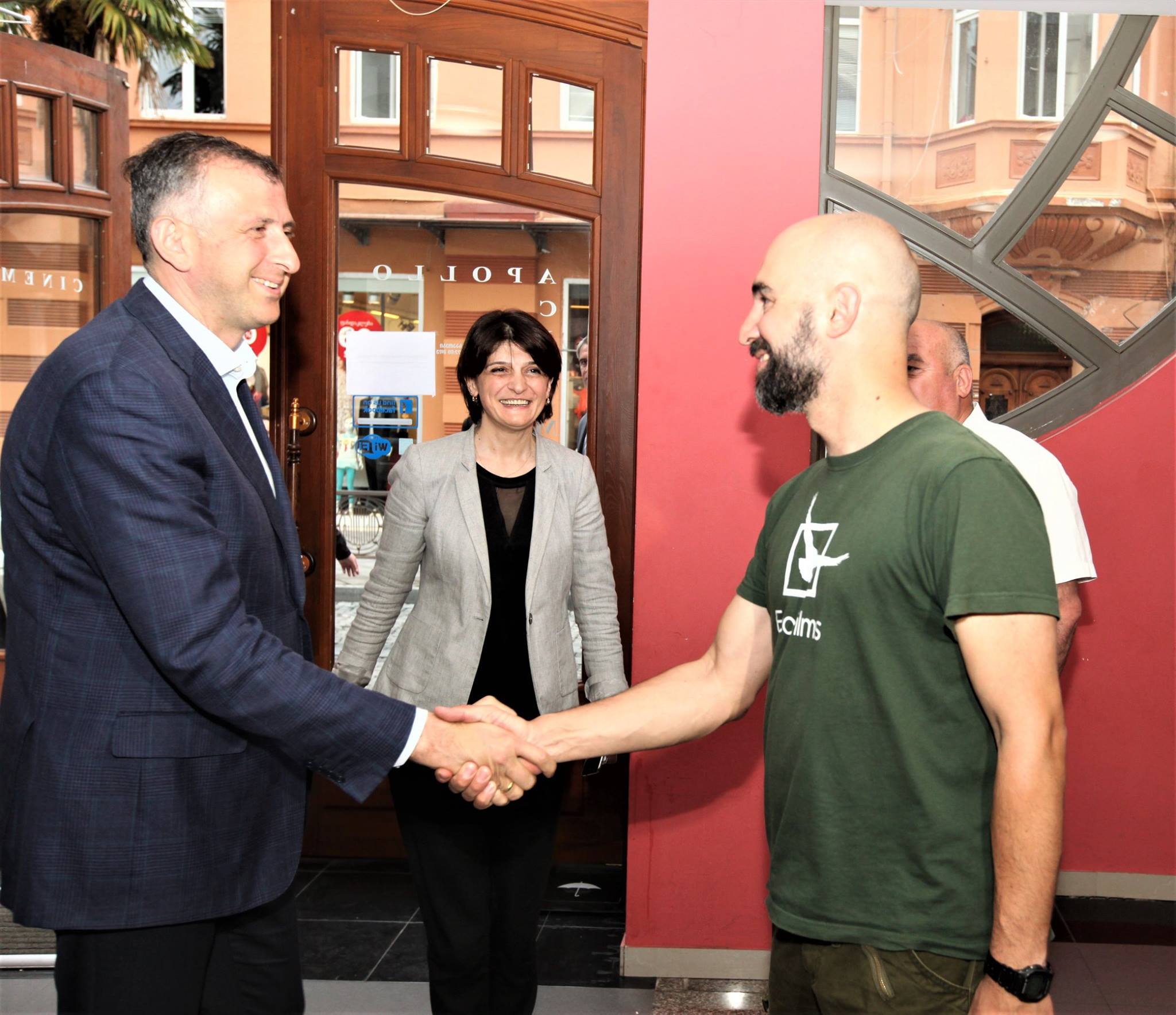
On 16th of June, the premiere of Jara was held in Batumi for the local governmental and non-governmental sector, funded and organized by the Ministry of Education, Culture and Sport of Ajara Autonomous Republic. The decision-makers of the region attended the screening: the Chairman of the Ajara Autonomous Republic, the local Ministers of Agriculture, Education and Health; the Mayor of Batumi, the representatives of Department of Tourism and Resorts of Ajara, municipalities and international organizations.
The film was received with great interest and applauses. Two main actors of the movie, who are also local residents and beekeepers themselves, were gifted with the modern honey extractor by the Minister of Agriculture.