By Helen Bradbury: Team Leader, Alliances Lesser Caucasus Programme


Information matters, it is our currency, the substance, the commodity which keeps our programmes running. We live in an age of information, are afloat on and sometimes drowning in a sea of it. We may check the oracle of google in answer to any question, live feeds, notifications and a torrent of minutiae in a mélange of events of great importance, continually assail us. Once there were spin doctors, now most of us spin daily be it personally or professionally. We are aware of the need to manage information, to have enough of it and of the right kind and most of us are aware too of the need to understand its quality and to know when and what we have is enough or too little.
M4P of course poses challenges in this as in many other aspects of its implementation, but for me the use of information is its heart. M4P is particularly finely calibrated to need high quality information and implementers able to gather, sort and feed it into the programme, implementers who aware of what they are doing, and why they are doing it. Name any stage of the programme process, let’s start with the team. We need practitioners with the right kind of understanding, flexibility and skills to interpret information, to plug it into the strategic framework and intervention planning. We often eschew experienced workers from the field of development with fixed frames of knowledge, for people with less direct experience and fluidity, choosing them for their qualities of perspicacity, ability to adopt, adapt, expand and respond. All stages involve the gathering, processing, articulation and feedback of information; market analysis, market system monitoring, ongoing capacity building, WEE implementation, calibrating interventions and of course M and E, results measurement, measuring systemic change; another entire galaxy of information management on its own. All stages require meticulousness, precision, rigour and common sense in the use of information to produce systemic market change which impacts the men and women of the target group.
The demands for the articulation of this information are multi-faceted and as dissemination channels proliferate so do the needs of those in direct relation to the programmes; donors, consultants, theorists and developers of practice, who must fulfil their own specific functions and feed information into their own burgeoning webs of outreach. Networks, e-groups, email notifications, photographs, film, presentations, numbers, interest stories. Hard numbers for professionals to crunch validity, interest stories and illustration for those we need to care.
Finally to the approach itself, literally. How you come to know something is often as important as what you finally know. M4P, market systems development; has been seen as a challenge to, a critique (I would argue an illumination through comparison) of other methods and methodologies in development. The process of reassessing even unlearning knowledge is not an easy one and is as emotional as it is intellectual. The juncture between those who in some measure know, understand and use the approach and those who do not, is therefore sometimes a tricky one. Perceptions and points of view are influential in the translation of the system. The heart of M4P is simplicity but as in all the best cases, simplicity provides the skeleton and blueprint for processes which as they build can seem like an overwhelming mass of complexity from an external point of view, particularly as no two programmes, externally at least the same. What, who and where are M4P, where does it come from, how do you do it, who does it, where can I find out more?????
Thus we come to two new websites, this one of the ALCP where we have a downloads page dedicated to compiling our own and other information that helps to answer these questions and the M4P Hub that was and the BEAM Exchange that now is. In our disparate, diversified, geographically spread world, an approach developed at the time of an explosion of information dissemination, needs sites like these. To now be able to direct someone to the right kind of information which presents, expounds and solidifies is essential in a growing field. To be able to refer to and interact with a cohesive entity which can provide a universally accepted centre point, platform, resource centre and indeed identity, is heartily welcomed.
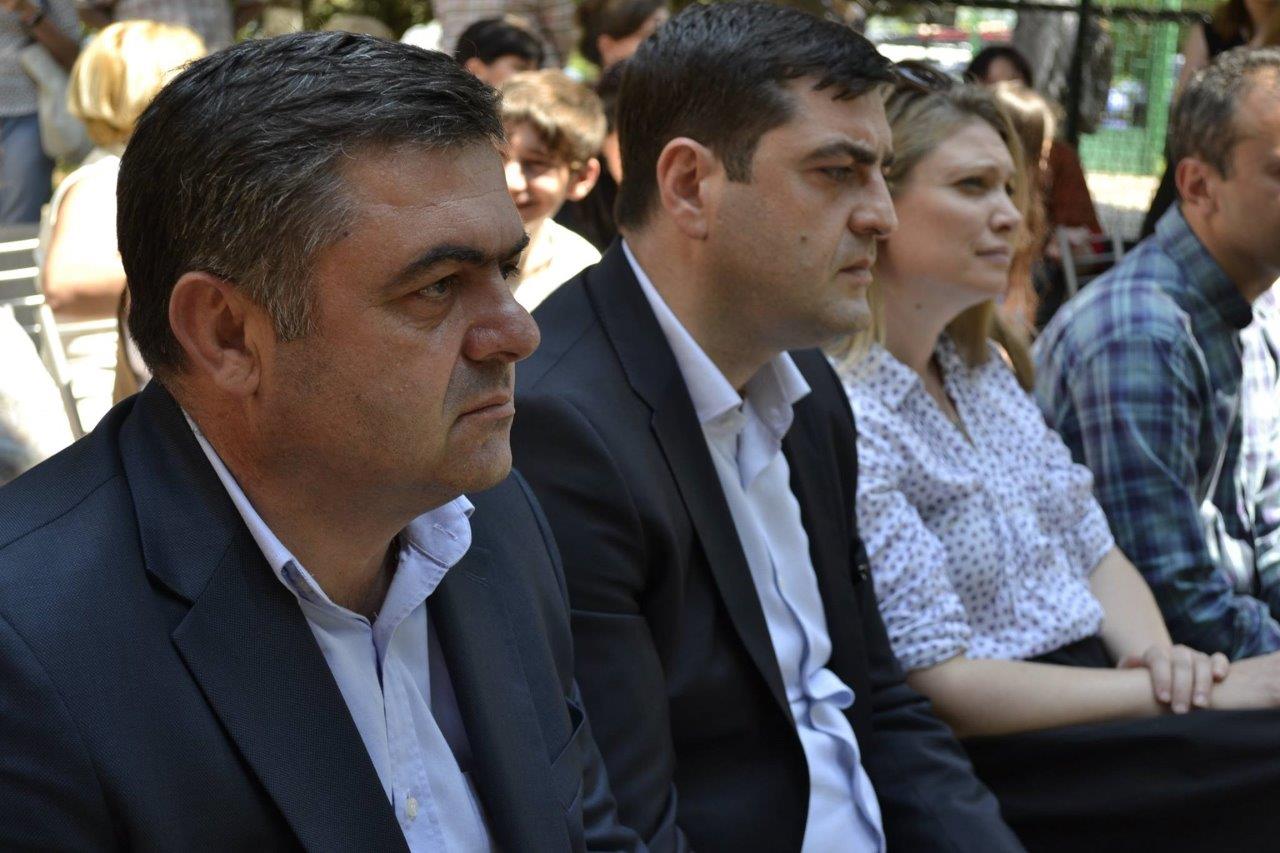
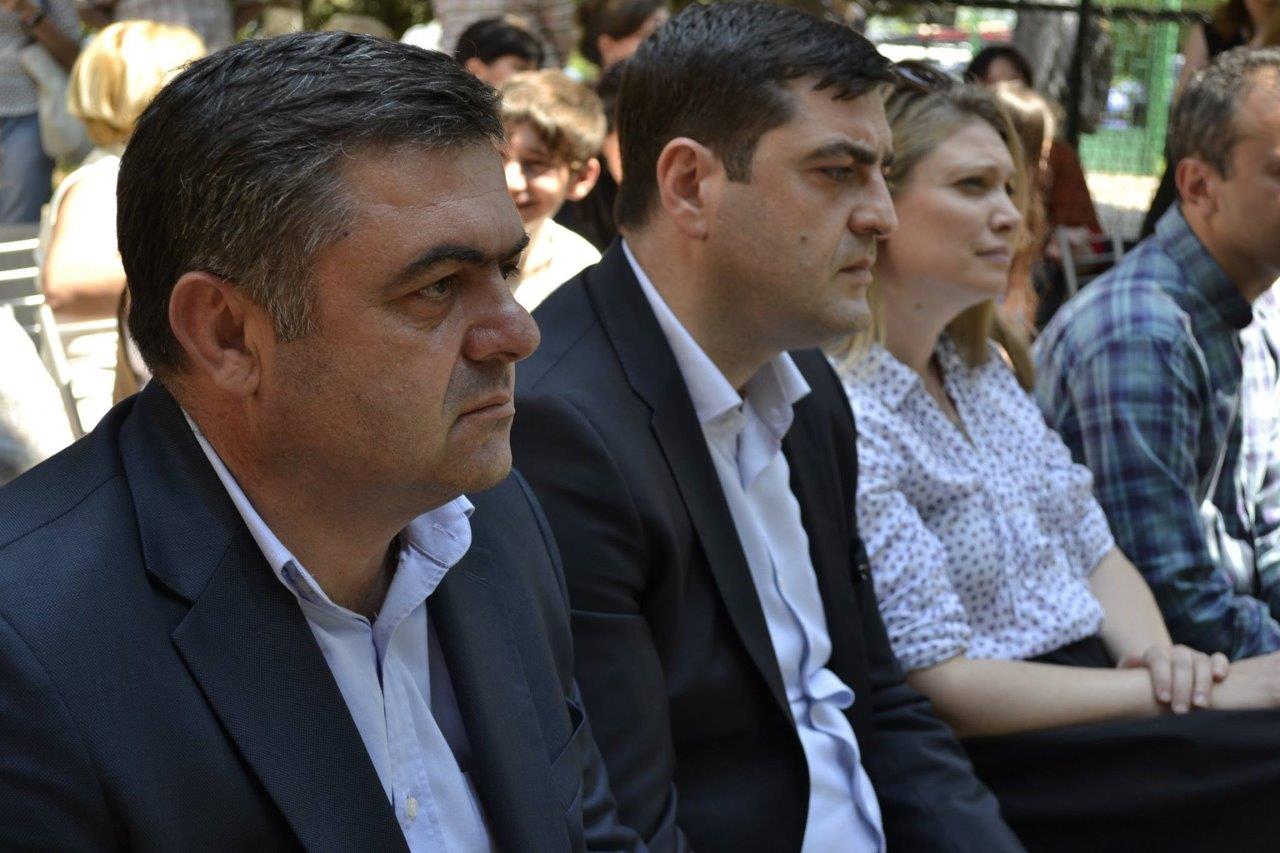
The First Lady of Georgia Maka Chichua visited Bolnisi municipality’s educational- rehabilitation center for children with disabilities. While there she also received information about Bolnisi’s Municipally run Women’s Room, a service providing consultation and linkages to resources for local rural inhabitants. The First Lady was hosted by the Governor of Kvemo Kartli Grigol Nemsadze and the Gamgebeli of Bolnisi Municipality Davit Sherazadishvili. The Alliances Caucasus Programme who facilitated the inception of the rooms now present in 17 rural municipalities and two cities in Georgia was invited and highlighted the pertinence of the service to the supporting the initiative of the First Lady.
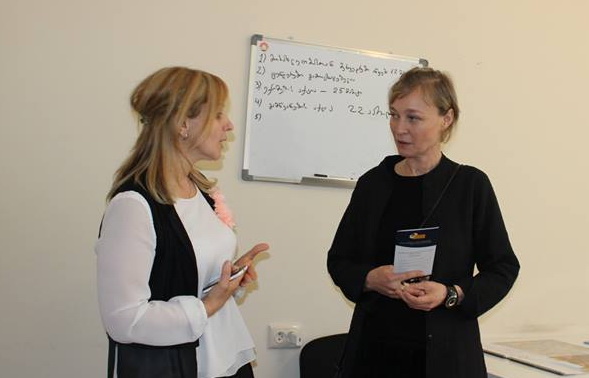
Three local women have been employed by the Association for Each Other through Keda municipality Women’s Room. The women will conduct a survey about the people with disabilities in every administrative unit and village of the municipality.
“The Women’s Room has given me an opportunity to get my own income. It’s temporary, but I think it will be the beginning of my active social life. This experience will give me new skills and become more involved in the local activities, I want to use this chance and make new linkages“. – says Mari Baramidze, one of the employed wom
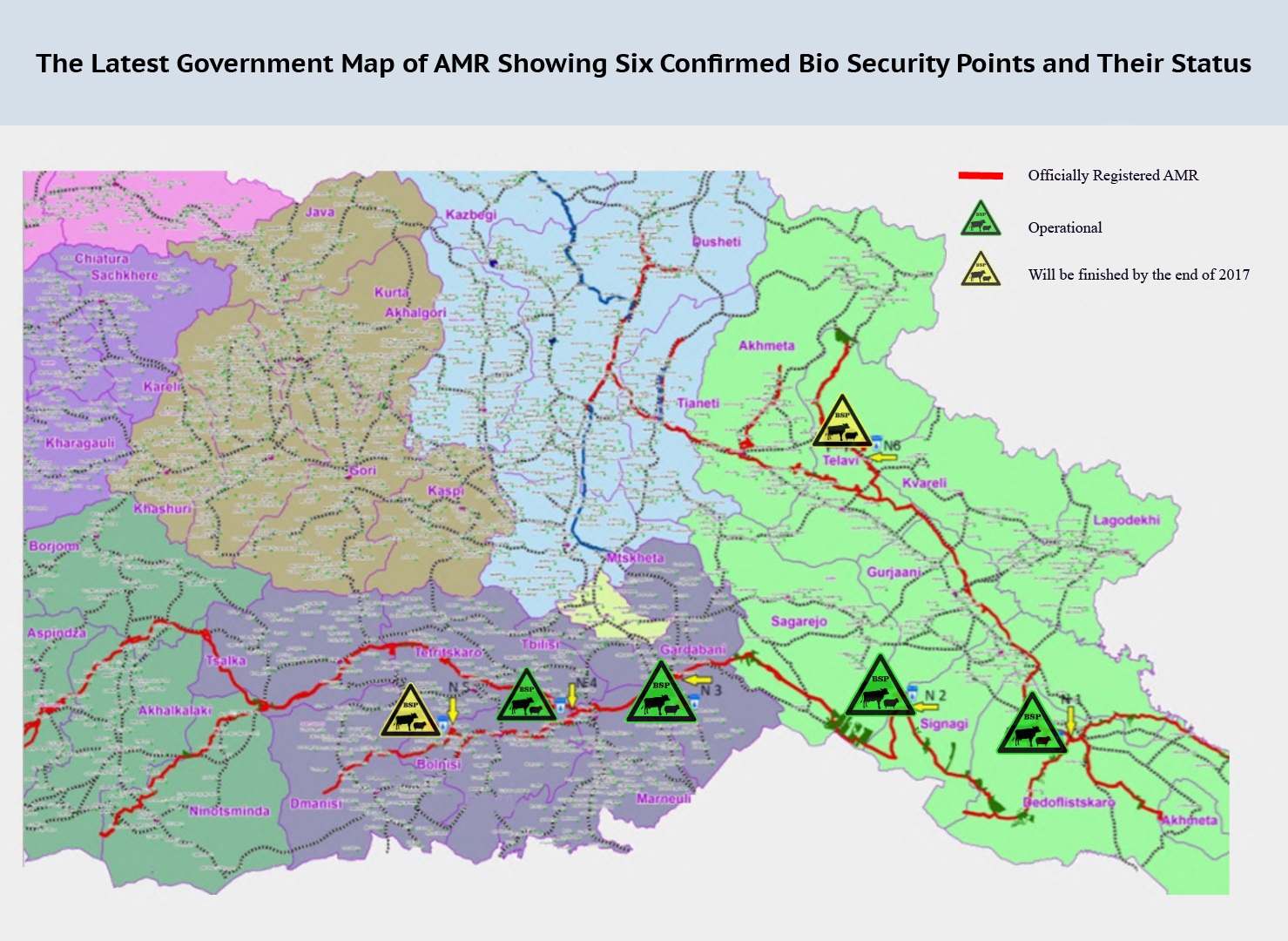
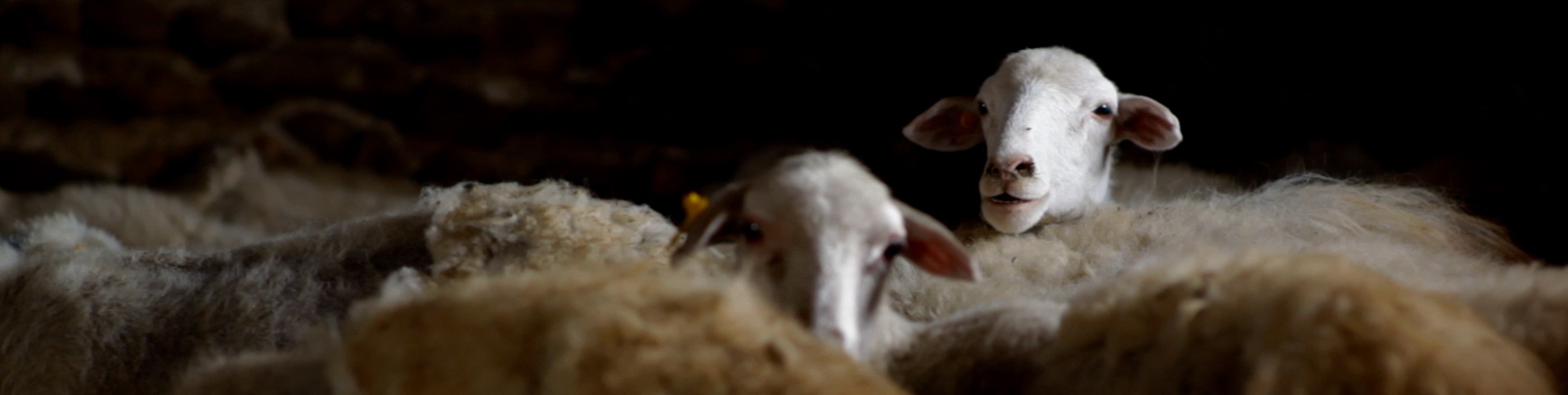
The Spring transhumance of the annual movement million heads of livestock has recently started. Georgian Shepherds will benefit from two new Bio Security Points in Dedoplistskaro and Signagi in addition to existing points in Marneuli and Rustavi municipalities. All four BSPs are in full operational mode ready to serve nomadic farmers. EU standard infrastructure, duly equipped specialists hired by the NFA and the special chemicals for treating animals against parasites - are in place to ensure health control of migrated livestock. A special certificate is also issued for farmers proving the livestock was treated against external parasites.
Two more BSPs in Telavi and Bolnisi municipalities funded by the government of Georgia are now underway and will be finished by the end of 2017.
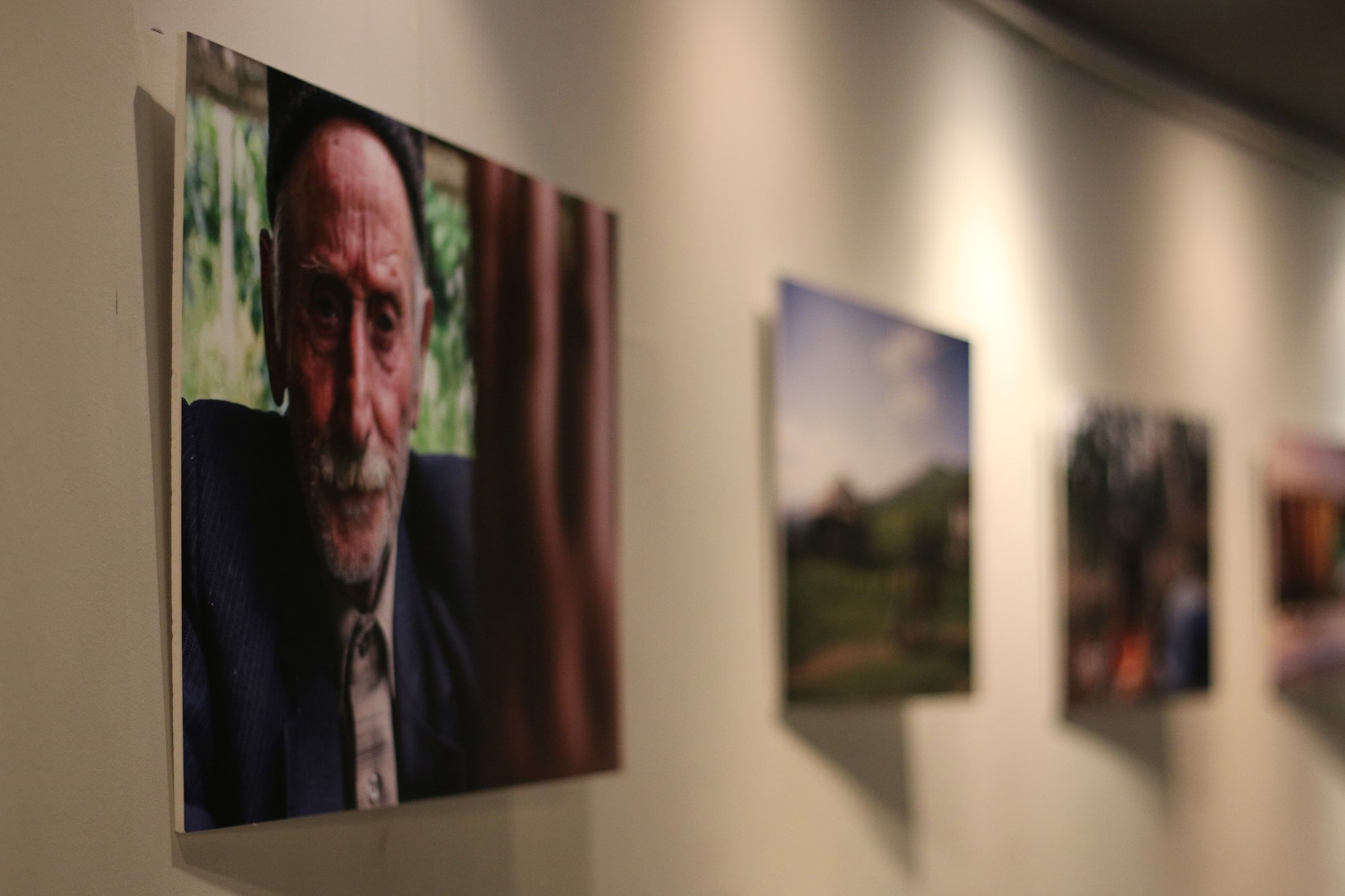
'Jara' has been premiered on 30th of March with great success. More than 400 representatives from the regional and central government, the non-governmental sector, the donor organizations gave standing ovations and applauses to the film makers and artists.
‘The film is shot in a professional manner. It is astonishing and wild to see. I have no idea how the crew has managed to shoot the bears and wolves. The special tribute should be paid to the composer of the film’s original soundtracks. It should be seen by as many people as possible: melancholy of the season changings, music and just amazing views of the wild nature, never seen in the daily lives’ – Dima Pursanov.
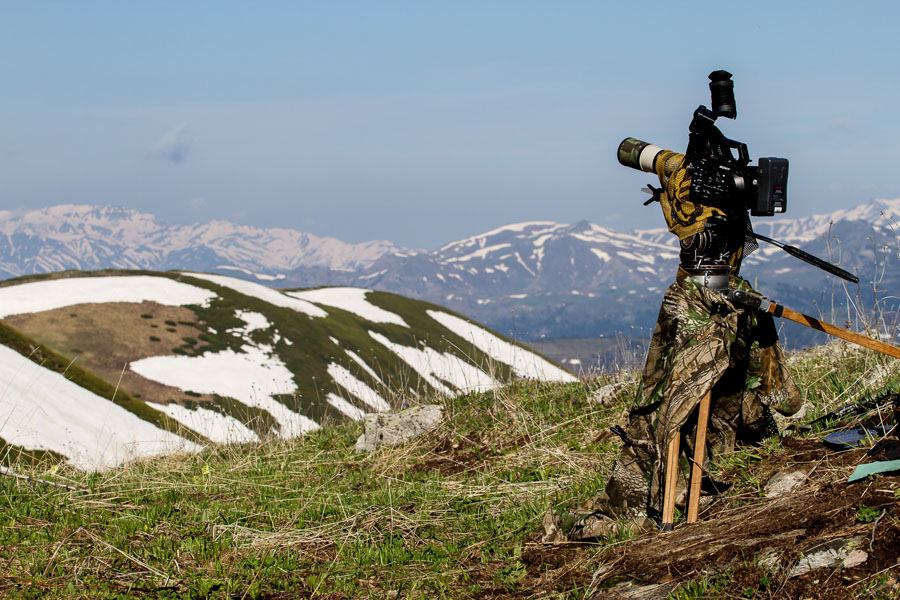
The promotion of Ajara as a world class ecological hotspot and eco-tourism destination is soon set for a massive boost. Filming on the ALCP facilitated Eco Films production ‘Jara’, a 52 minutes, a half-wildlife, half-human story observational documentary about mountains of one specific region of Republic of Georgia – Ajara, has been completed and the premiere will be held at Amirani Cinema on the 30th of March. The film has brought together various conservation stakeholders World Wildlife Fund Georgia, Caucasus Nature Fund, Eco Tours Georgia, Environmental Association Psovi, to produce what will be a stunning showcase of the beauty, nature and unique livelihoods of the rural inhabitants of Ajara.
The programme has already worked with EcoTours Ltd on developing Ajara as a destination for rural tourism based on nature and people. View their promotional video here and visit their website where they offer tailor-made tours to help you unlock the beauty of the region.

Equitable Empowerment in Georgia, an event celebrating community responses to equitable local government initiatives empowering women and men in communities of three regions of Georgia, will be held at Hualing Hotel in Tbilisi on the 17th of March, under the patronage of the Gender Equality Council of the Parliament of Georgia.
Please see the event website www.eeg.ge.
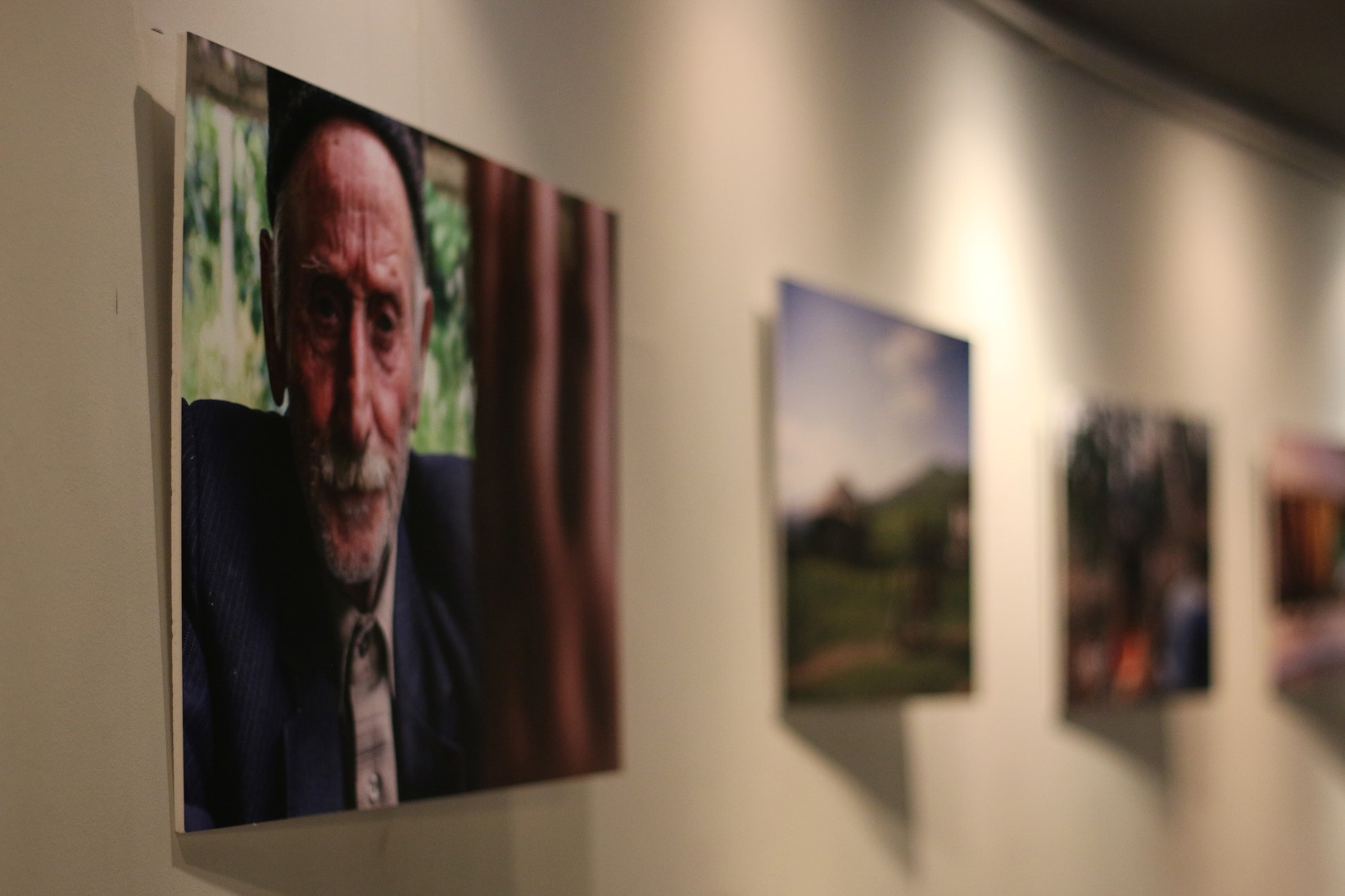
Up to 500 delegates - National, Regional and Local Government decision-makers, Women's Rooms managers and villages representatives, civil society and private sector and the women and men of the communities themselves - will present their motivations, methods and achievements. Likeminded people from the worlds of sport, culture, business and entertainment who seek to enrich the lives of women and men and boys and girls in Georgia in their work will speak and share their view about why this matters. Showcase stands from communities, enterprises, private sector, media and civil society will add colour and interest framed by the photographs of the municipal photo competition.
The event has been facilitated through the Alliances Lesser Caucasus Programme funded by the Swiss Agency for Development and Cooperation and implemented by Mercy Corps Georgia.