A small group of Greeks was settled by Erekle II (King of Kartli and Kakheti in the 18th century) back in 1763 in Kvemo Kartli. They worked in Akhtala copper, lead, silver and gold mines and were highly skilled in this business. The next resettlement took place in 1806-1807, and the following in 1829-1830. Turkish-speaking Greeks as well as Greeks speaking the Pontus dialect were resettled to Georgia. The study of archive materials tells us that the biggest stream of Greek migrants entered Georgia during the aforementioned period and their majority settled in Tsalka and Tetritskaro areas.
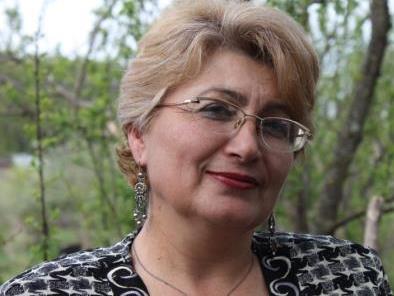
Ivetta grew up and studied in Tbilisi, graduated from a cooperative institute and worked in the Central Union of Consumer Cooperatives of Georgia that was part of a large association across the entire USSR. She recalls those times with warm feelings. She says that she was the only Greek amongst a large staff and that her coworkers were gracious with her. Ivetta had Russian education and could speak conversational Georgian.
During the first years following the breakup of the USSR, however, Ivetta’s family suffered all of the difficulties related to the subsequent wars, the instability and the lack of money which this all brought. At first, Ivetta, like the majority of the women of her time, relied on her husband to bring in income and tended to the family and her young children. Her husband then started a job in Tsalka and, after several years, the family moved there with him. The children, who had started schooling at a Georgian school in Tbilisi, faced difficulties in Tsalka where there was no Georgian school and so they had to learn Russian. As soon as the Georgian school opened, however, they moved there. Her son is now 27 and her daughter is 25. They have higher education and belong to both cultures; Georgian from their father’s side and Greek from their mother’s side.
Ivetta started working again as soon as her children grew up. Another contributing factor was the change in governmental language policy that envisaged the keeping of official documents in the State language that caused big shortage of Georgian-speaking staff in Tsalka. Although Ivetta’s Georgian was not perfect, she studied it intensively and she found herself in demand with the need for translation from Russian into Georgian and vice versa . She was not just a good interpreter but also had her own ideas about how to improve things in the work and as a result, she was offered administrative positions such as at the district hospital and the social security department where she took the position of deputy and from where she then moved to her position as Head of Administration in the Executive Office in Tsalka.
Ivetta is originally from the village of Beshtasheni. The village is not far from Tsalka, and she knows and understands the life and conditions in the region. When remembering the past when the Greek community was quite large, Ivetta talks about the old ways of life. There used to be several factories in Tsalka that employed local residents. Men also went to other regions of Georgia and in Russia for seasonal work and women would do the family’s household farming, selling excess crops and upplementing household budgets. They lived well and could provide educations for their children not only in Tbilisi but in Moscow as well. “The Greeks had money!” — Ivetta says and that is why they went back to their historical homeland as soon as opportunity emerged. Migration was spurred by opened borders and the destabilization in Georgia during the 1990’s In addition, the Greek community which did not speak Georgian did not feel comfortable about the change of language policy which made Georgia the official language rather than Russian.
According to some estimates, 90-92 percent of the original Greek residents have left Georgia. There were over twenty-two thousand at one time and, now, there are only one thousand two hundred Greeks left (the current population of Tsalka is about twenty three thousand). The elite, those people with qualifications and money, have left. Many of them, however, did not want to cut ties with Georgia completely and left their houses behind. People wanted to be able to go back to the graves of their ancestors and to pray in Orthodox churches. It was also not advantageous to them to sell their houses because prices in the region, due to the out-migration, were too low.
At the same time internal migration to Tsalka from Ajara and Svaneti was gaining momentum with ecomigration due landslides and avalanches and the search of more suitable conditions for farming. Governmental programmes were also aimed at regulating internal migration, one of them providing assistance to eco-migrants. The government gave subsidies to the dwellers of mountainous areas who had suffered from avalanches, who could then use these resources to buy houses, sometimes supplementing the funding with some of their own money. Several hundred houses in Tsalka were purchased under this scheme. In the majority of the cases, however, the new settlement was performed in an ad hoc manner. Greek leaving Tsalka left the keys their houses with neighbours and gave them permission to let people who were honest and trustworthy live in their homes. This was mutually beneficial as empty houses would only deteriorate without anyone living in them and land attached to them become unworkable if left uncultivated.
Agreements were mainly informal and conflict is fairly infrequent as the system has benefited all parties. However there is no long term stability for the new dwellers who cannot invest in long term strategies based on property and land they do not own. Most temporary owners, aspire to having their own houses by buying the houses in which they are living or purchasing another. However, the original owners, perhaps influenced by European prices are asking high prices of about 15,000 Euro for the houses which the local temporary residents simply cannot afford.
Ivetta herself has been here for 17 years and over this period she has moved between five different houses. She currently lives in a spacious two-storey house that is owned by a Greek family. Although she works hard and holds a leading position, her family still does not have enough money to buy their own house.
We asked about the rest of the Greek families living here and Ivetta explained that the majority of them fare quite well thanks exclusively to cattle farming with many, since the global financial crisis, providing support to relatives who have gone to Greece. It is clear that the remaining families are facing serious questions related to the future. If they have children, their future will depend upon language which means that they either have to master Georgian or emigrate. Fewer and fewer students now enrol in the Russian school.

We tried to understand how the life of a Greek woman in the region differs from that of other women. Apparently, the main difference is the presence of a ‘window to Europe’. Effectively, every family has relatives there which gives them pride and the opportunity for exposure to life in Europe.
Another difference is the issue of their own houses, Ivetta does not own her own home. A Greek family owns her house. Otherwise, Greek women keep the same way of life other women do and make their living through hard work. There is not even a single independent businesswoman in Tsalka outside the field of farming.
Greek women tend to remain isolated from women of other ethnicities and are not inclined to cooperate with them this might be due to the perception that migrants have lower levels of culture than them and occasional conflicts related to houses. Ivetta, as a public sector worker sees these problems clearly. The isolation of sections of the population due to ethnicity is one of the main problems. Overcoming this problem requires time and it is necessary to have a dynamic, intelligent and people-friendly programme which reaches remote villagers and that would employ real enthusiasts of whom Ivetta is obviously one.
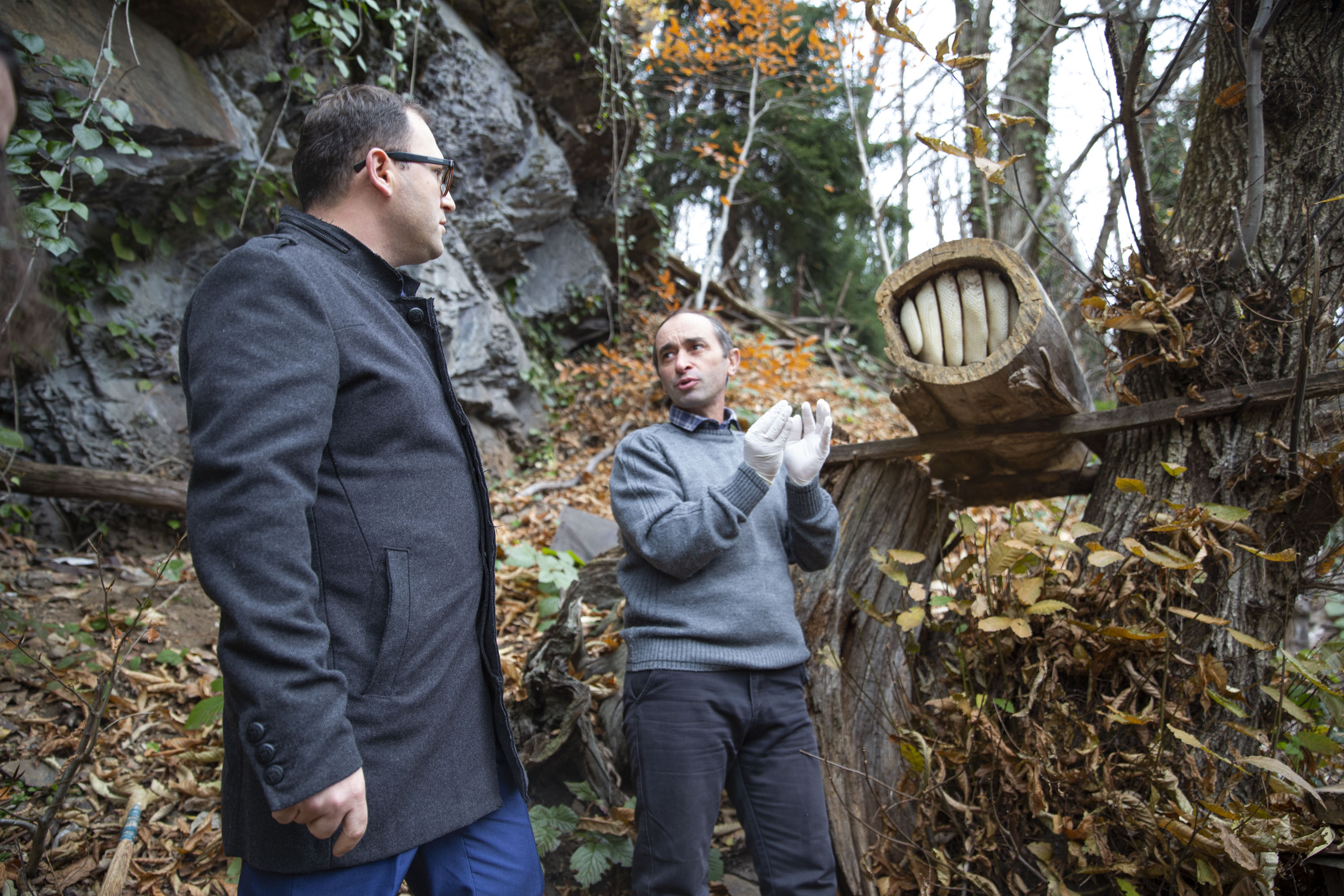
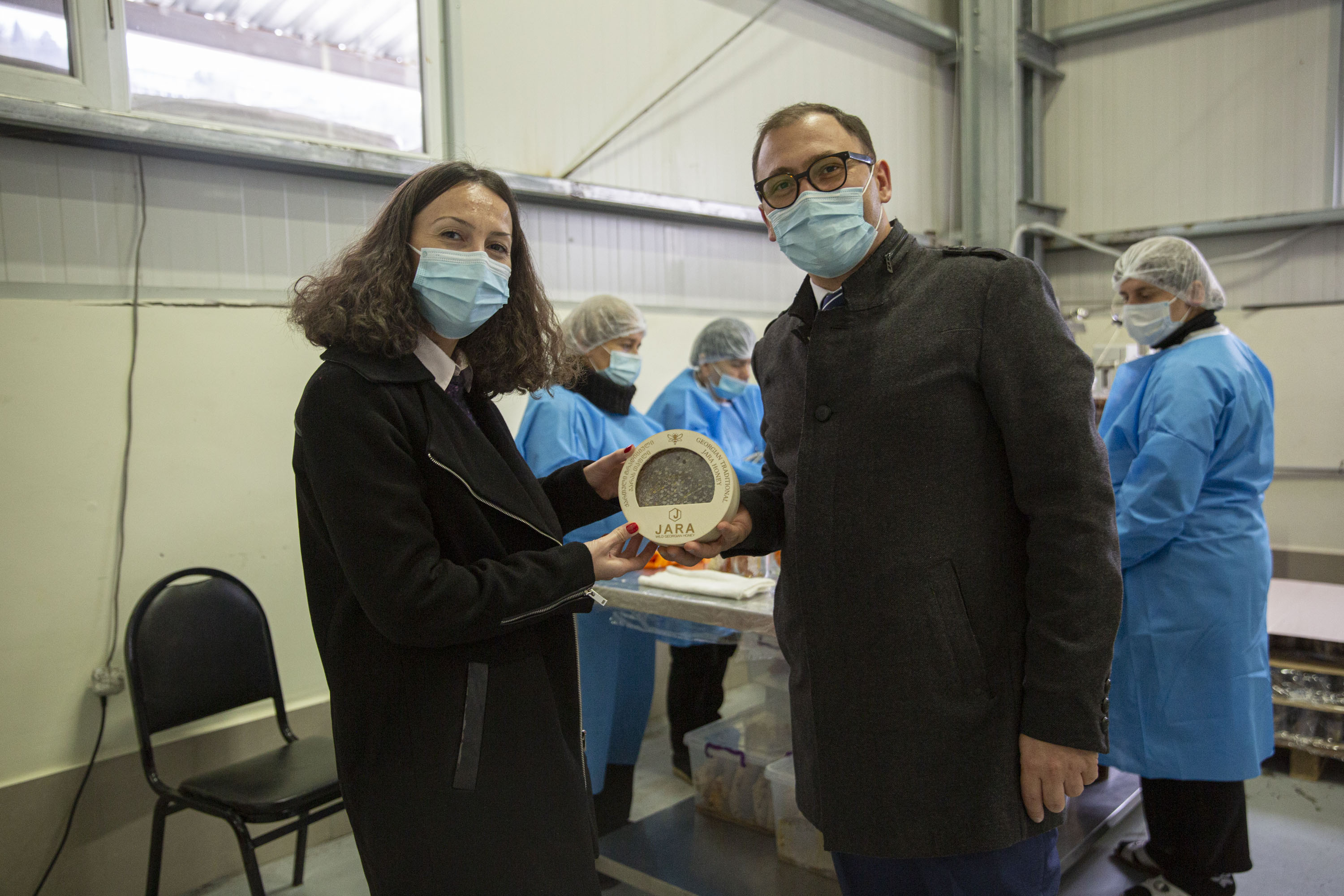
The Jara Beekeepers Association (JBA) hosted the new Minister of Agriculture of Ajara Autonomous Republic. One Bio certified Jara beekeeper invited the Minister to Namonastrevi village in Keda to watch the Jara harvest. He also visited the Agro-Keda factory where KTW produce the Nena honey brand, to see the Bio honey production and packaging process following strict Bio standards. The JBA together with its members talked about their work, education materials they have disseminated among their members, results and planned activities.
‘Jara honey is an amazing product it’s tradition and now Bio certification. It has great export potential. Even though, the pandemic has significantly limited our budget, we will support the JBA to help ensure the sustainability of the Jara honey production and Bio certification.’ – Giorgi Surmanidze, Minister of Agriculture of Ajara.
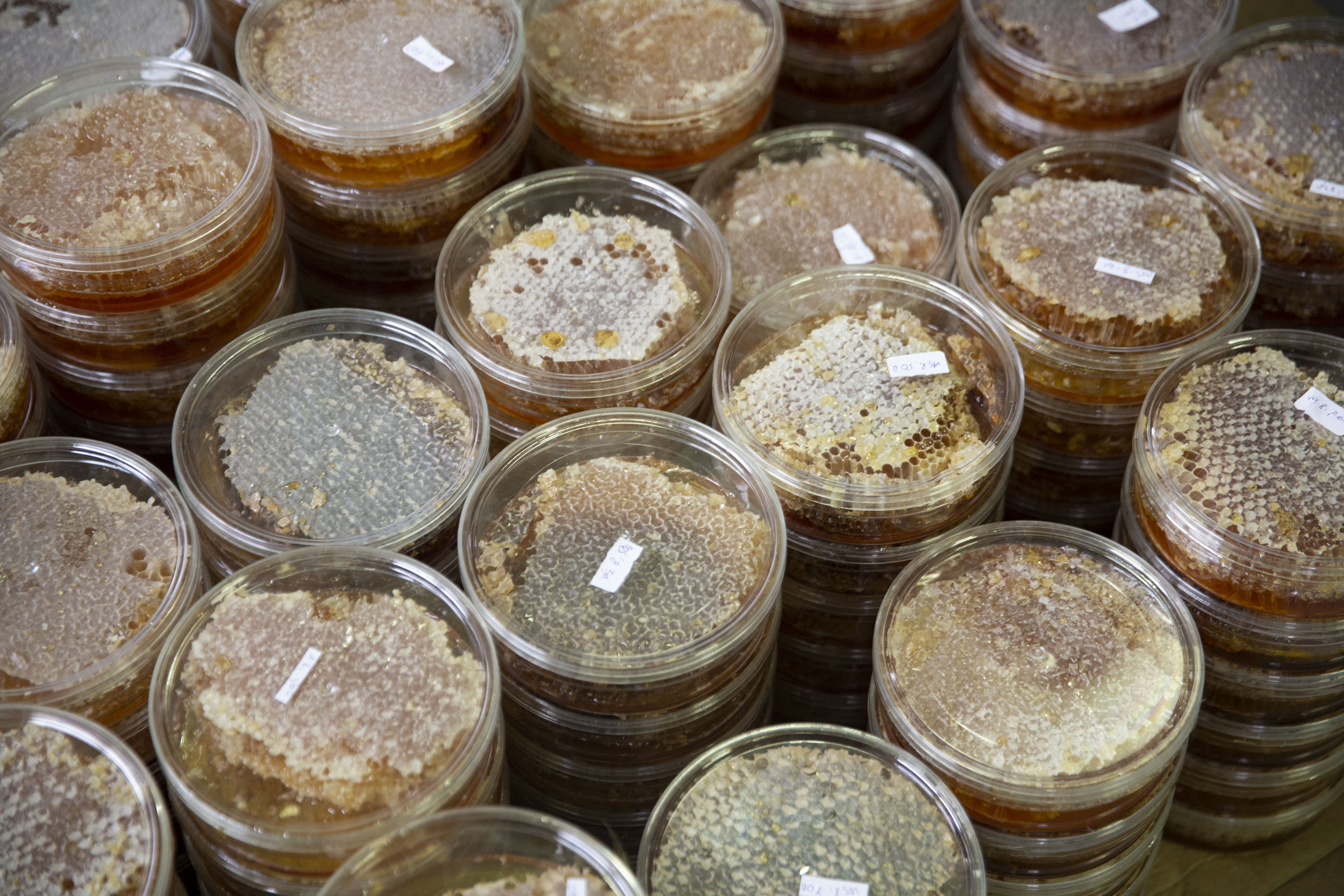
In a country first, there are now twenty four Bio certified Jara beekeepers, including the Jara apiary in the Goderdzi Alpine Garden. The Agro-Keda Factory, the only company commercially harvesting Jara honey, received Bio certification in October 2020, thus the company is eligible to sell the Bio certified Jara honey crop with a Bio label soon available in the supermarket chains throughout Georgia.
The JBA is due to start selling the honey of its members under its own label from December this year. The Agroservice Center of the Ministry has already allocated a room in Keda municipality center for the JBA for the compliant packaging and labeling of its products.
More details on Jara honey to be found on www.jarahoney.com.
Photo source: The Ministry of Agriculture of Ajara Autonomous Republic
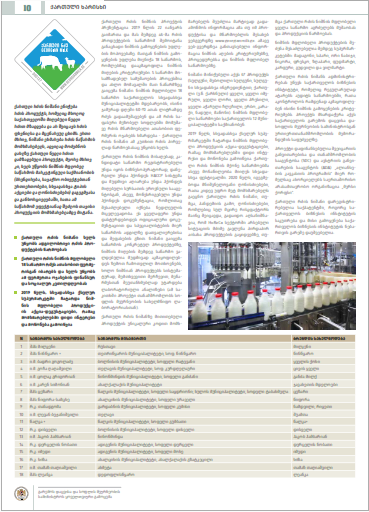
Our Village, the Ministry of Environmental Protection and Agriculture of Georgia (MEPA) magazine with a circulation of 10,000 copies a month is publishing an article about the Georgian Milk Mark (GMM) in its October issue. The article provides comprehensive information about the GMM, a list of the GMM dairies and their products. Rural farmers across Georgia will receive the magazine through fifty-four MEPA Information Consultation Centers (ICCs) for free.
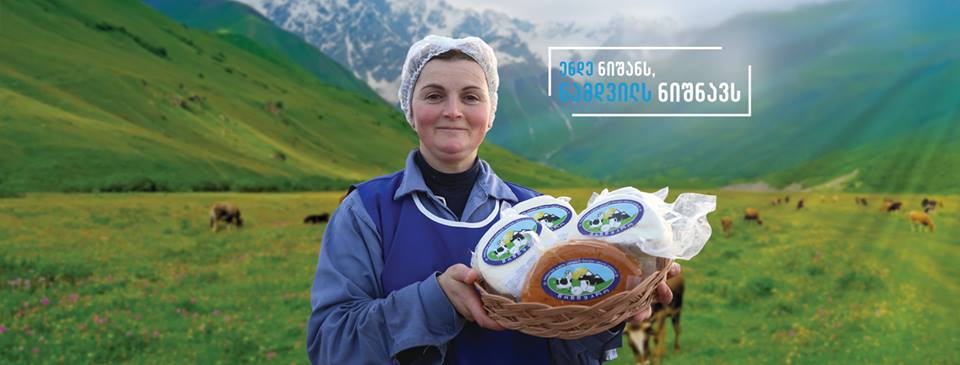
Currently, sixty-seven types of GMM dairy products from eighteen GMM dairy companies are being sold in Madagoni, Spar, Ori Nabiji, Nikora, Zgapari, Fresco, Foodmart, Carrefour, Goodwill, Willmart, Libre, Deili, Bilion supermarket chains. Details on www.georgianmilk.ge.
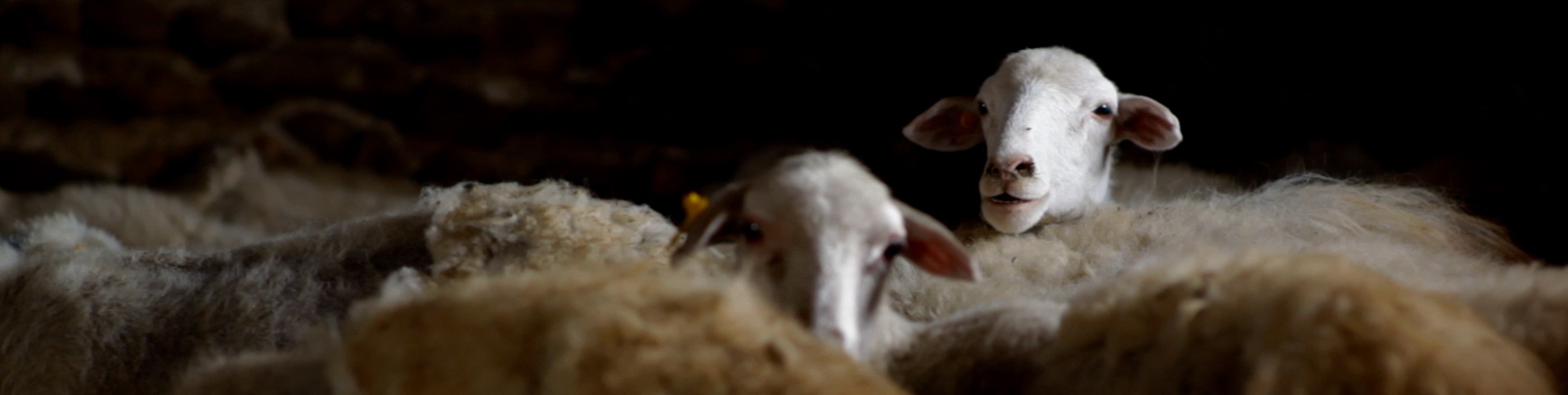
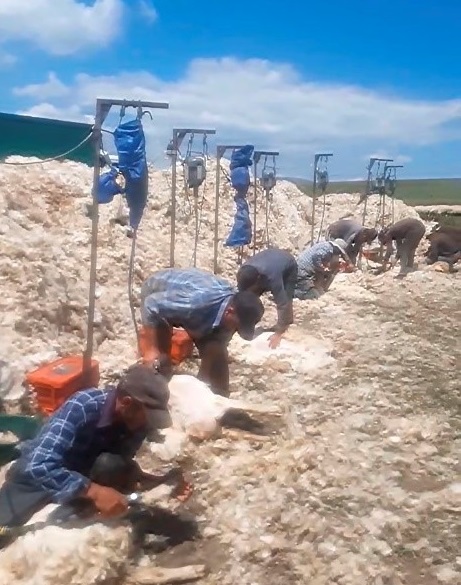
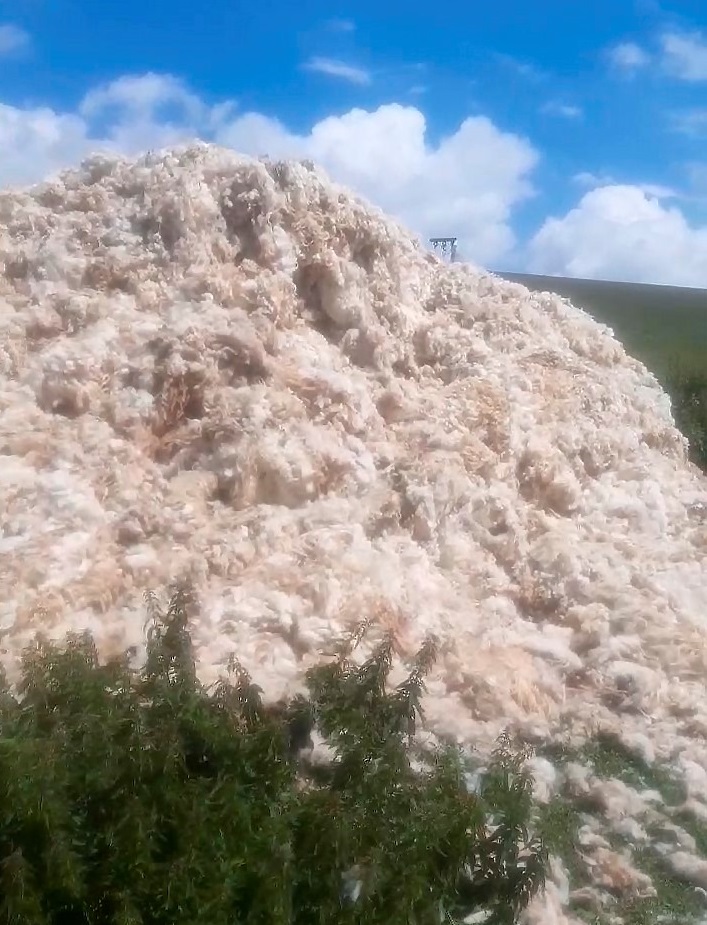
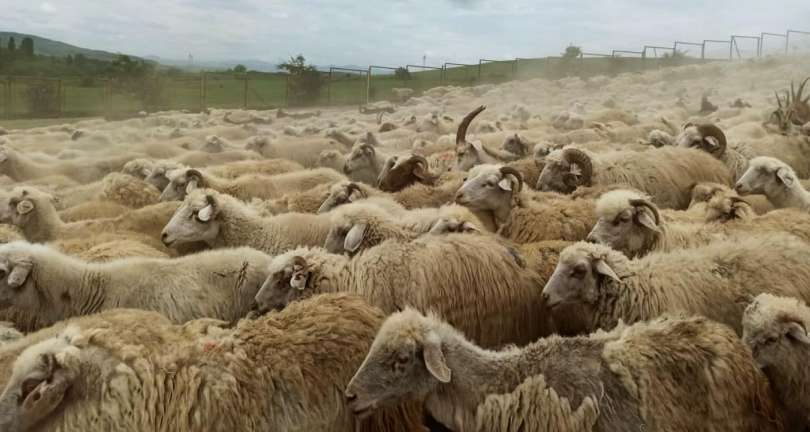
In 2018, while thinking about improving the quality of supplied wool, the Georgian Wool Company purchased twelve sheep shearing machines and trained a group of twelve shepherds, to provide a shearing service to sheep farmers. The service is available on the pastures at the beginning of spring and at the end of summer, when sheep are usually sheared in Georgia. This year, up to five-hundred farmers were served, with hundred thousand sheep sheared.
Before, the wool suppliers of the company sheared sheep by hand, which damaged wool fiber and the quality of wool was poor. It took time with only up to thirty sheep sheared a day. The sheep farmers had to ensure the workforce for shearing by hand, they also had to arrange wool storage space in pastures and transportation of wool from pastures to wool collection centers. Incompliant shearing and storage was decreasing the quality of wool and causing about a ten percent loss (up to thirty kilos), which was usually left on pastures polluting the local environment.
Now, the sheep shearing machines prevent damaging of wool fiber and respectively, the quality of wool has been improved. The company’s sheep shearing machine service includes storage and transportation of wool from pastures to the company`s warehouse in Tbilisi. Sheep shearing is now time-efficient with up to hundred sheep/day sheared by one trained shepherd. While shearing of thousand sheep by hand took at least three days, now the same is done just in one day. For the company it means a stable supply of wool in better, cleaner quality; For farmers it translates into reduced transaction costs, time and about 0.7 Gel saved per sheep.
The Georgian Wool Company first exported wool to the United Kingdom back in 2016. Ukraine, Kazakhstan, India, Afghanistan are now among top wool export destinations. Along with growing demand, improving quality has become a particular interest of the company.
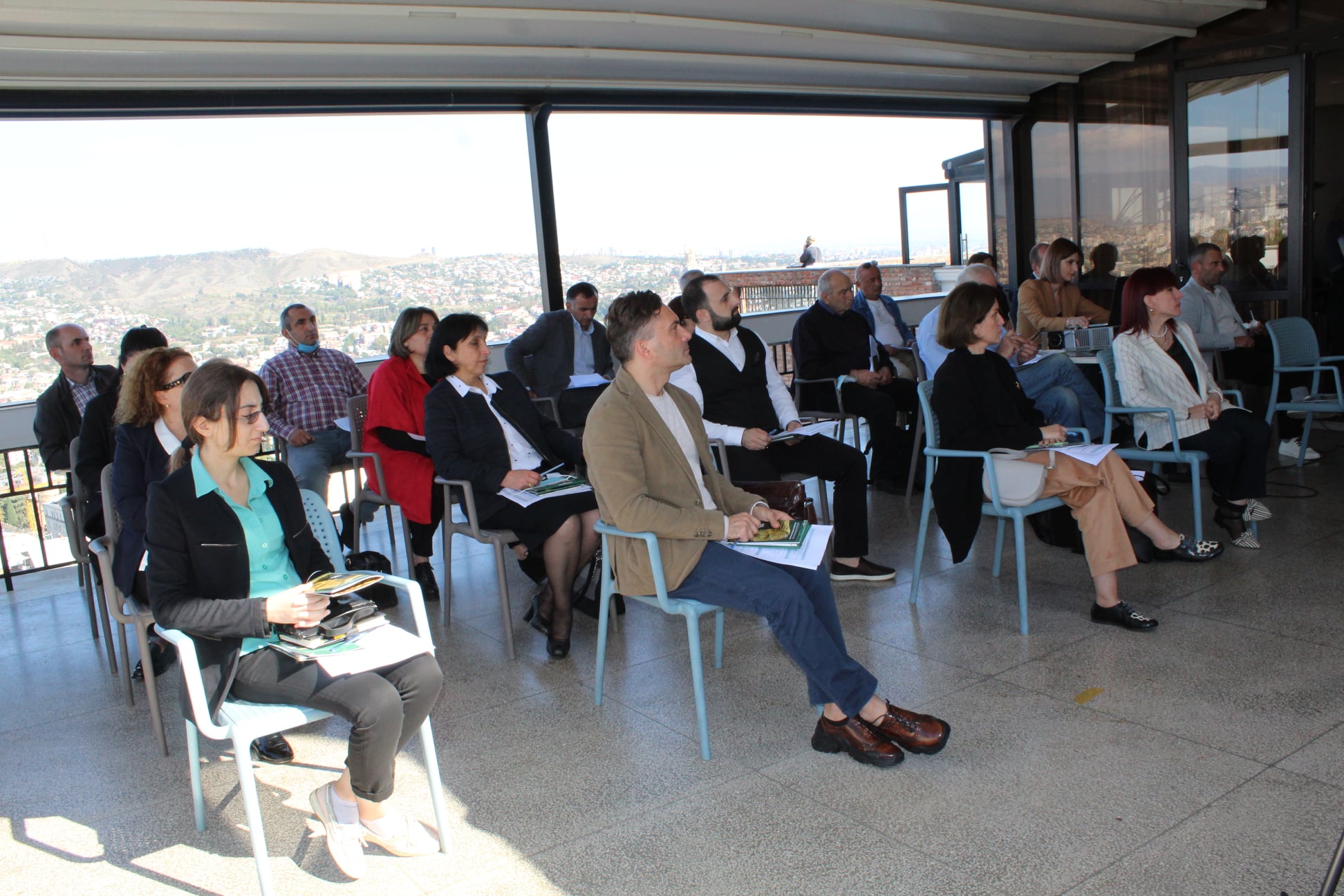
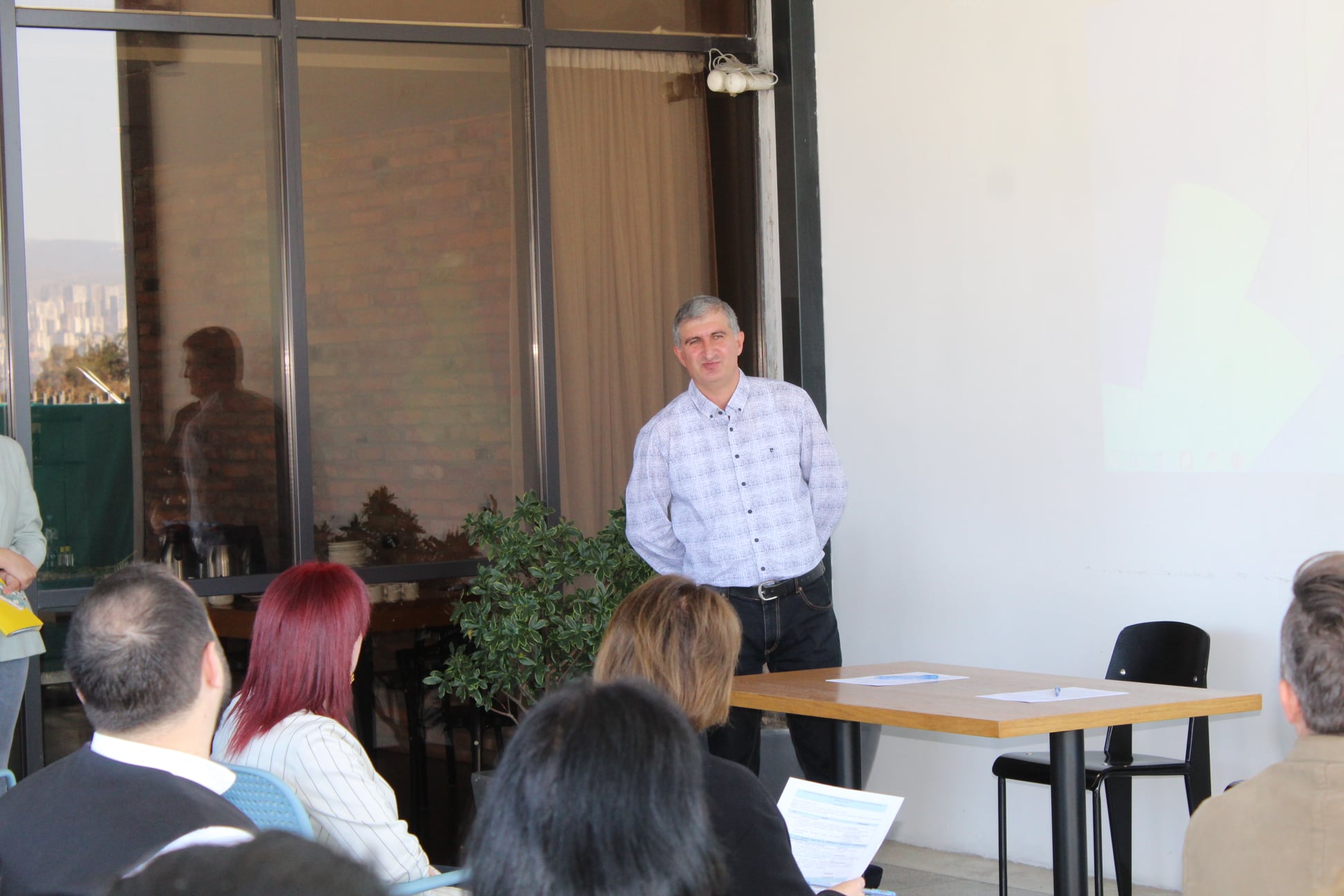
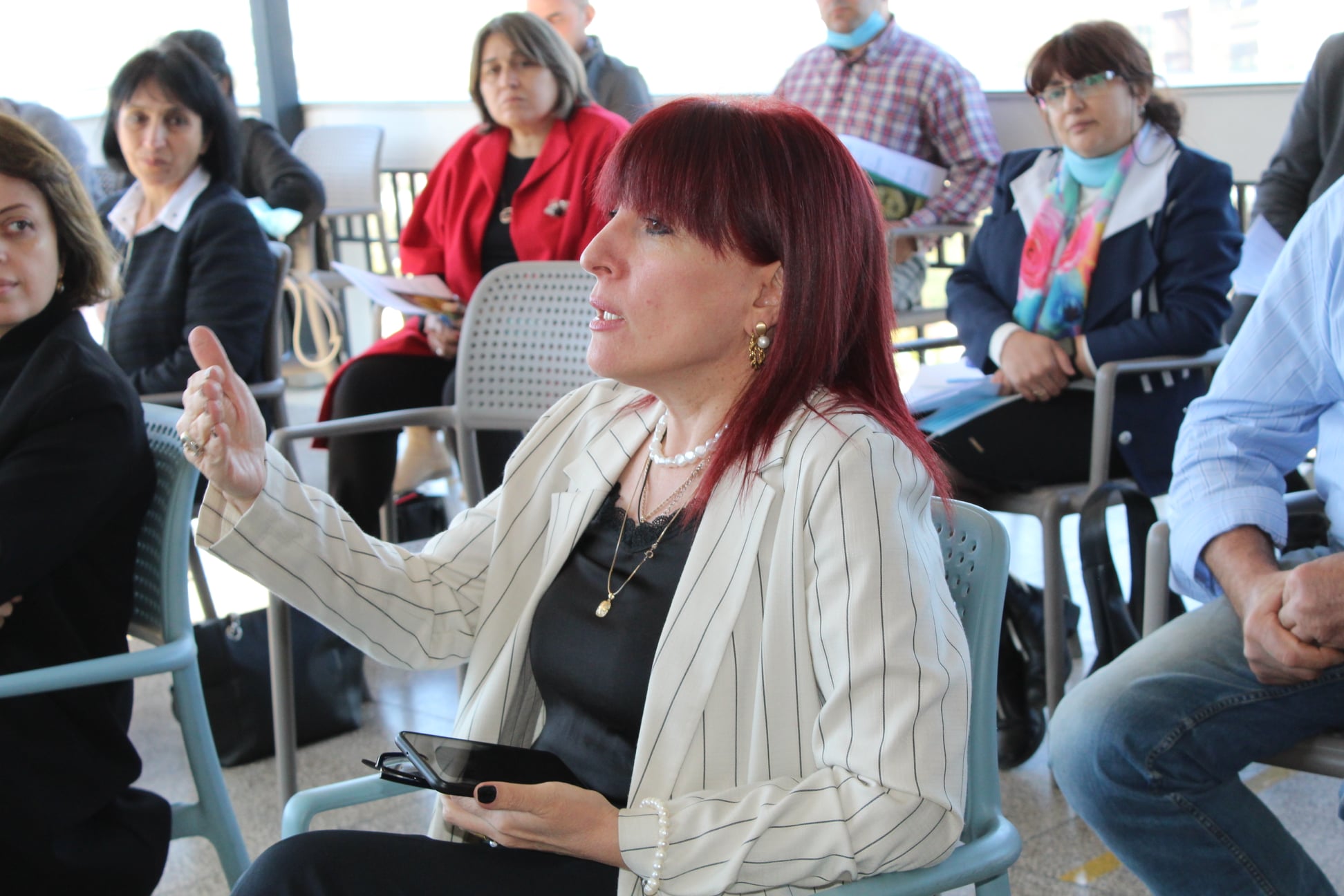
On October 8th, the Georgian Beekeepers Union (GBU) hosted representatives of thirteen VET colleges from across Georgia and sectoral skills organization Agro Duo in Tbilisi. The meeting occasioned the integration of Jara honey production as a topic in VET college beekeeping programmes, something that the Georgian Beekeepers Union have been facilitating over the last year.
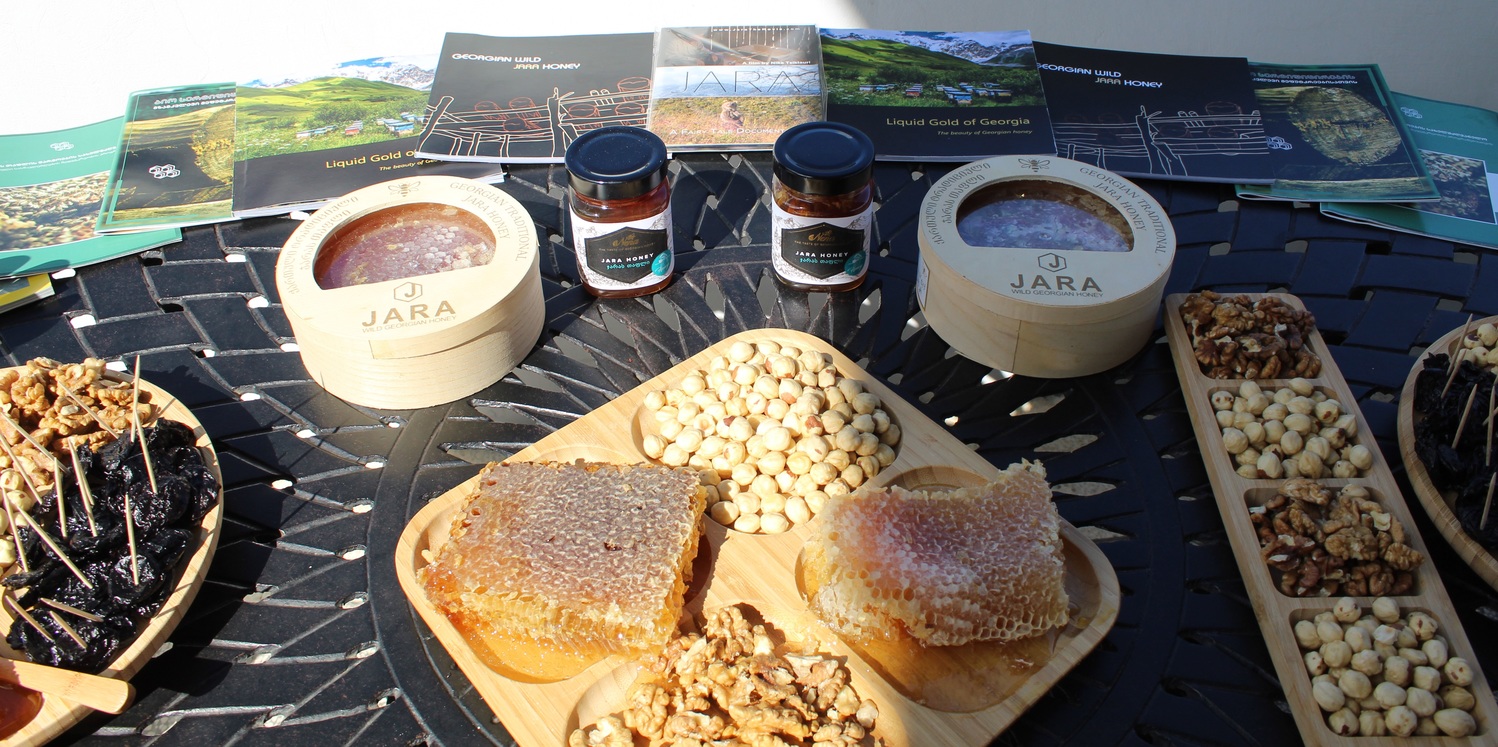
The participants received the Jara Honey Production Handbook and Bio Certification Guidelines for Beekeepers; and were introduced to two new websites www.honeyofgeorgia.com and www.jarahoney.com and a honey promotion video Discover Georgia: The Land of the Oldest Honey.
This year Akhali Talga VET College in Kobuleti and Khulo integrated the Jara materials into their one-year beekeeping programme in which twenty-eight beekeeper students are attending. At the meeting, Akhali Talga VET College shared their experience of successfully integrating the Jara materials into their beekeeping programme.
‘I had many calls before and after the meeting and I can say that the interest from the colleges is very high. We will provide support required and I am sure from the next year there will be more programmes with the Jara materials and improved content.’ – Aleko Papava, the Head of the GBU.
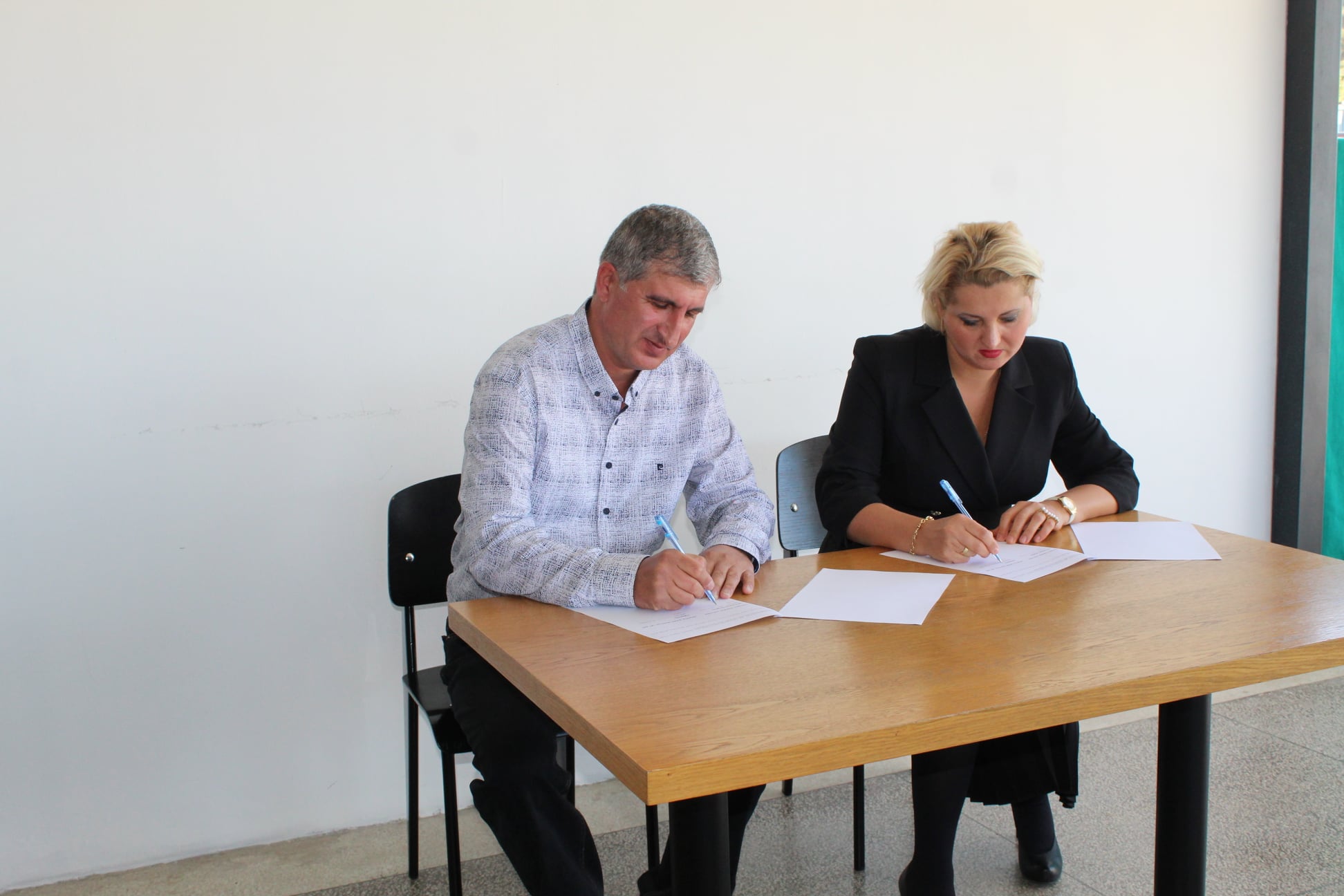
At the beginning of the meeting, the GBU and sectoral skills organization Agro Duo signed a Memorandum of Understanding pledging to work together to integrate Jara materials into the beekeeping programmes in all VET colleges in Georgia.
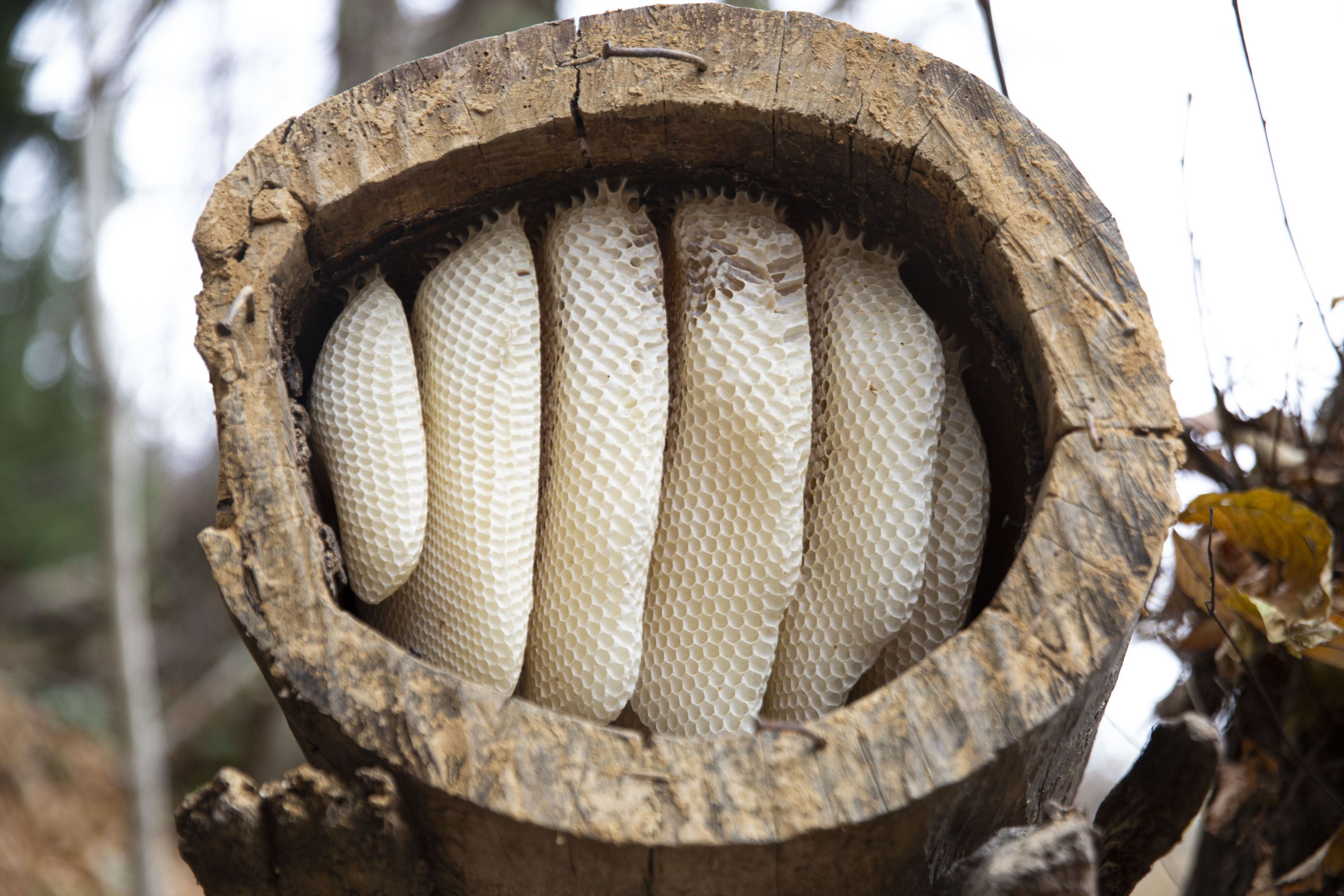
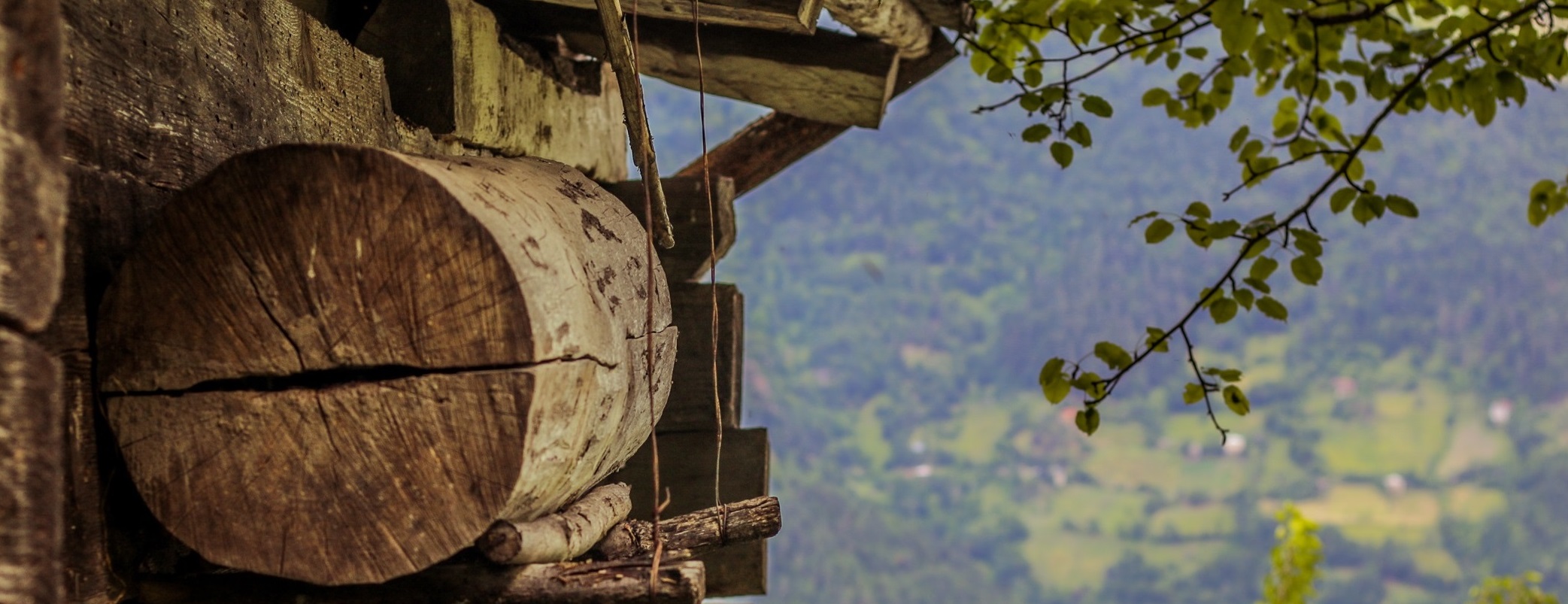
Jara is traditional wild beekeeping producing unique and pure honey rarely practiced nowadays, except for remote dwellings located in the subtropical and alpine zone of Georgia. However, for the first time in decades Jara production is being practiced again by new beekeepers or taken up again by those who had stopped. In 2018 the Jara Beekeepers Association was formed to represent producer interest and in the country first, twenty-three Jara beekeepers in Ajara have received Bio certification. Jara honey was commercially harvested and branded for the first time in 2018 and since then the market for Jara honey has grown in strength which is why the producers decided to become Bio Certified to further increase the value of their product. The Jara honey mark was registered this year to further protect this culturally important product.
Fifty-seven years old Vazha Kedelidze from Kedlebi Village, Khulo is one of ten students who enrolled in the beekeeping programme at Akhali Talgha vocational college in August.
Vazha retired from his position as a fireman five years ago. Soon after, his wife had a severe injury that left her unable to take care of their farm. As Vazha says, beekeeping is now the mainstay of his family. His beekeeper friend helped him to arrange an apiary of twenty hives.
‘I discovered that beekeeping is a philosophy on its own. Sometimes I sit for hours and observe bees working. I am trying to understand the process.’- Vazha says.
As a beginner beekeeper, Vazha is striving for knowledge and struggling to gain comprehensive information, as internet sources are not targeted to beginner beekeepers and he needed something hands on. He then heard about the beekeeping course at the Akhali Talgha VET collegein Khulo.
‘I do not know curriculum details yet, but I am sure I will get answers to my questions and I am looking forward to starting the learning process.’ – Says Vazha.
Vazha was even more surprised when he found out a Jara beekeeping module:
‘I had heard about Jara from villagers and television. It is a fascinating and very unique tradition. Last year, I even made six Jara hives and could not proceed further due to a lack of knowledge. So, I am glad that I will learn more about this traditional beekeeping.’ – Says Vazha.
Akhali Talga VET college in Ajara is the first college in Georgia to have integrated Jara teaching in their beekeeping programme. They will teach the integrated programme from this semester to twenty-eight students.
In total, there are ten VET colleges in Georgia with either a two month or one-year beekeeping course. The Georgian Beekeepers Union (GBU), along with the Jara Beekeepers Association (JBA), is now facilitating the integration of Jara module into beekeeping programmes of these ten colleges in cooperation with the sectoral skills organization Agro Duo and the Ministry of Education, Science, Culture and Sport of Georgia. The JBA developed the Jara Honey Production Handbook: for Beekeeping Programmes at VET Colleges.
Jara is traditional wild beekeeping, rarely practiced nowadays, except for remote dwellings located in the subtropical and alpine zones of Western Georgia, namely, Ajara, emphasizing the importance of co-existence between humans and wild nature. It is a family activity led by a family head, with strong roots in traditional agriculture practice, culture and a way of living as a whole. That makes Jara unique. However, due to a limited market, it was nearly fading outback in 2014 when the ALCP found out about it, and this is when the Jara journey began. It is now growing in 2018 the first commercial Jara harvest was 500kg it is now over 3 tonnes. Twenty-three Jara beekeepers are now Bio Certified and many people such as Vazha are anxious to start. Jara is a high value product with very strong demand it retails for 90 Gel/kg.
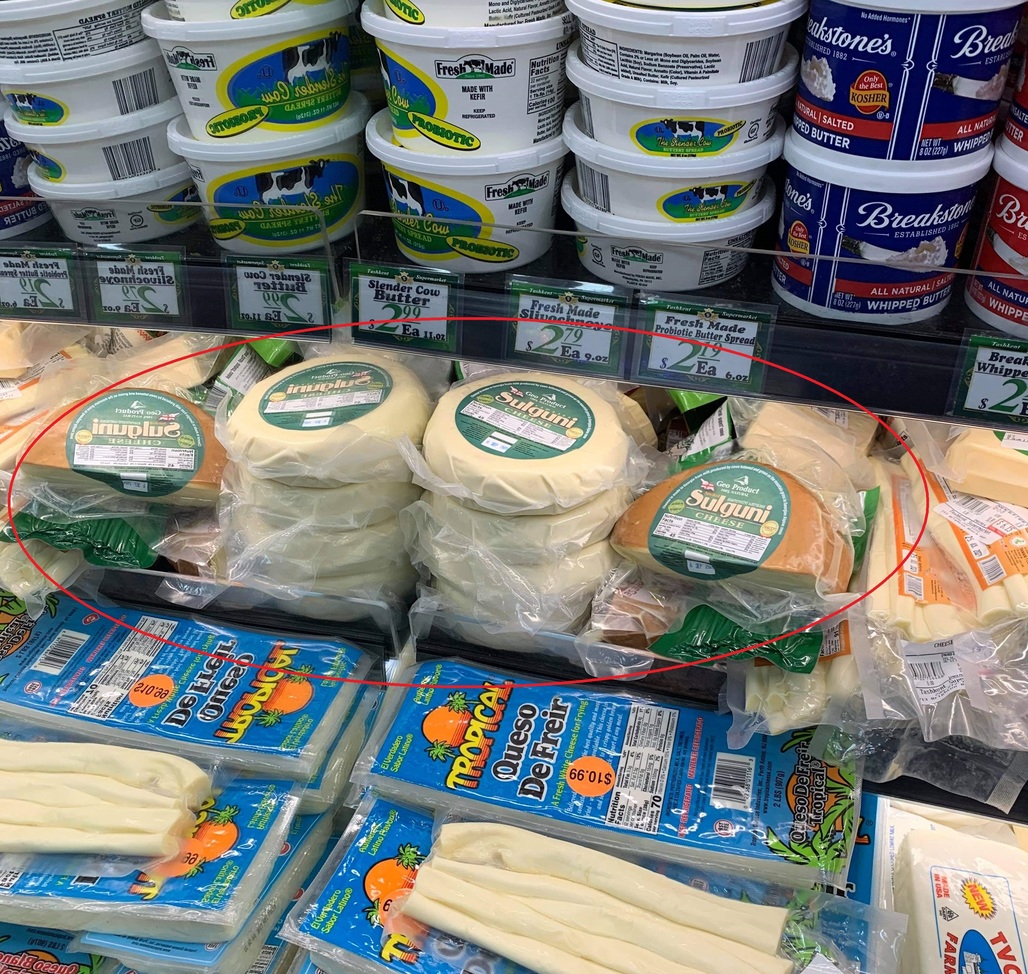
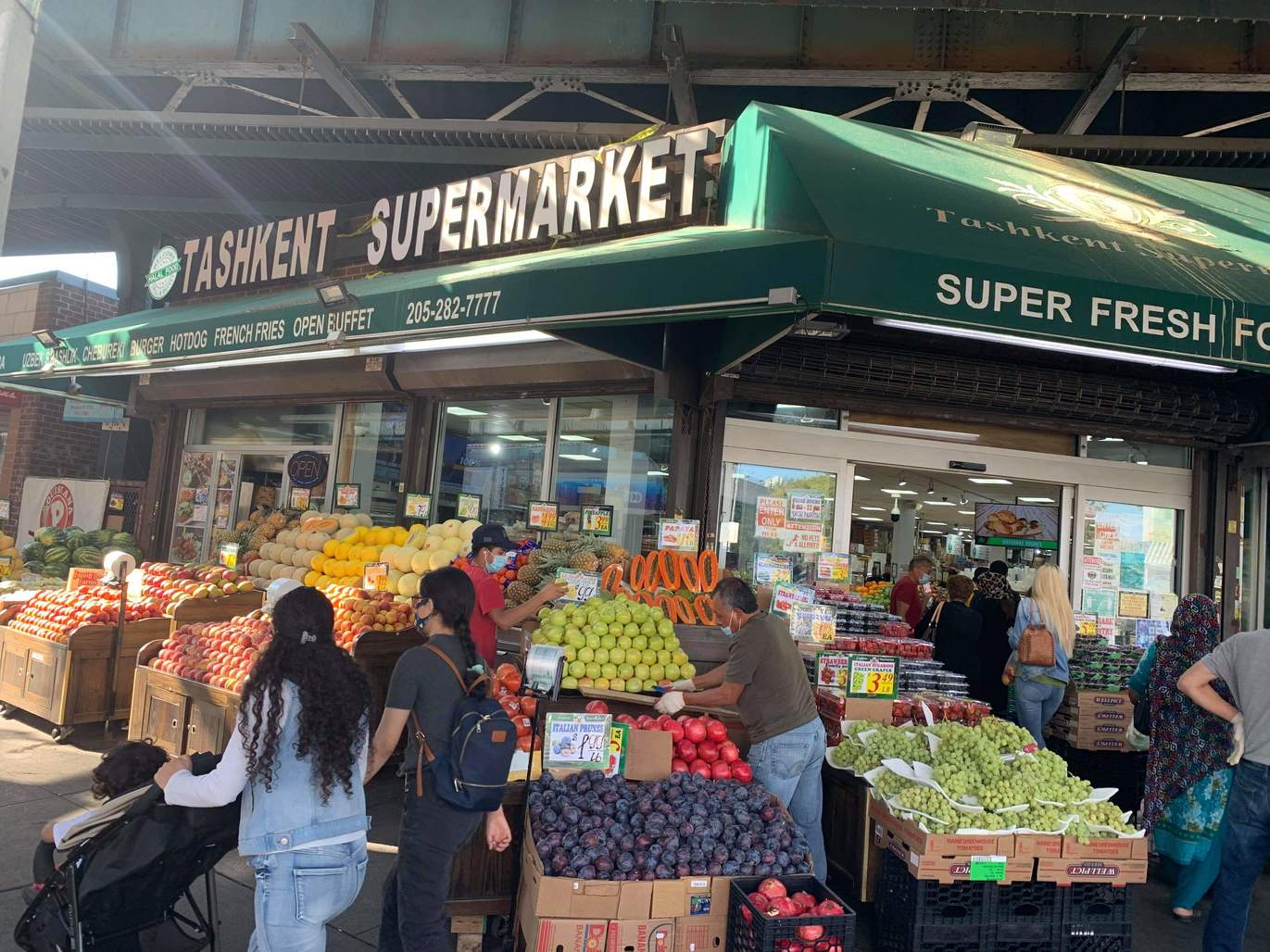
In mid September, dairy enterprise Tsintskaro+ Ltd in Kvemo Kartli sent 280 kg of different types of cheese (Sulguni, Smoked Sulguni, Georgian Cheese) and clarified butter produced by Milkeni Ltd through distribution company Geoproduct Ltd, for sale in New York, USA after positive feedback received on product samples sent earlier in August. Both dairies are members of the Georgian Milk Mark the quality assurance label for Georgian natural milk and their products bare the GMM. The company expects a repeat order for at least 250 kg in the near future.