A small group of Greeks was settled by Erekle II (King of Kartli and Kakheti in the 18th century) back in 1763 in Kvemo Kartli. They worked in Akhtala copper, lead, silver and gold mines and were highly skilled in this business. The next resettlement took place in 1806-1807, and the following in 1829-1830. Turkish-speaking Greeks as well as Greeks speaking the Pontus dialect were resettled to Georgia. The study of archive materials tells us that the biggest stream of Greek migrants entered Georgia during the aforementioned period and their majority settled in Tsalka and Tetritskaro areas.
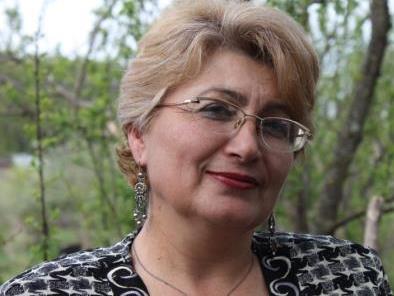
Ivetta grew up and studied in Tbilisi, graduated from a cooperative institute and worked in the Central Union of Consumer Cooperatives of Georgia that was part of a large association across the entire USSR. She recalls those times with warm feelings. She says that she was the only Greek amongst a large staff and that her coworkers were gracious with her. Ivetta had Russian education and could speak conversational Georgian.
During the first years following the breakup of the USSR, however, Ivetta’s family suffered all of the difficulties related to the subsequent wars, the instability and the lack of money which this all brought. At first, Ivetta, like the majority of the women of her time, relied on her husband to bring in income and tended to the family and her young children. Her husband then started a job in Tsalka and, after several years, the family moved there with him. The children, who had started schooling at a Georgian school in Tbilisi, faced difficulties in Tsalka where there was no Georgian school and so they had to learn Russian. As soon as the Georgian school opened, however, they moved there. Her son is now 27 and her daughter is 25. They have higher education and belong to both cultures; Georgian from their father’s side and Greek from their mother’s side.
Ivetta started working again as soon as her children grew up. Another contributing factor was the change in governmental language policy that envisaged the keeping of official documents in the State language that caused big shortage of Georgian-speaking staff in Tsalka. Although Ivetta’s Georgian was not perfect, she studied it intensively and she found herself in demand with the need for translation from Russian into Georgian and vice versa . She was not just a good interpreter but also had her own ideas about how to improve things in the work and as a result, she was offered administrative positions such as at the district hospital and the social security department where she took the position of deputy and from where she then moved to her position as Head of Administration in the Executive Office in Tsalka.
Ivetta is originally from the village of Beshtasheni. The village is not far from Tsalka, and she knows and understands the life and conditions in the region. When remembering the past when the Greek community was quite large, Ivetta talks about the old ways of life. There used to be several factories in Tsalka that employed local residents. Men also went to other regions of Georgia and in Russia for seasonal work and women would do the family’s household farming, selling excess crops and upplementing household budgets. They lived well and could provide educations for their children not only in Tbilisi but in Moscow as well. “The Greeks had money!” — Ivetta says and that is why they went back to their historical homeland as soon as opportunity emerged. Migration was spurred by opened borders and the destabilization in Georgia during the 1990’s In addition, the Greek community which did not speak Georgian did not feel comfortable about the change of language policy which made Georgia the official language rather than Russian.
According to some estimates, 90-92 percent of the original Greek residents have left Georgia. There were over twenty-two thousand at one time and, now, there are only one thousand two hundred Greeks left (the current population of Tsalka is about twenty three thousand). The elite, those people with qualifications and money, have left. Many of them, however, did not want to cut ties with Georgia completely and left their houses behind. People wanted to be able to go back to the graves of their ancestors and to pray in Orthodox churches. It was also not advantageous to them to sell their houses because prices in the region, due to the out-migration, were too low.
At the same time internal migration to Tsalka from Ajara and Svaneti was gaining momentum with ecomigration due landslides and avalanches and the search of more suitable conditions for farming. Governmental programmes were also aimed at regulating internal migration, one of them providing assistance to eco-migrants. The government gave subsidies to the dwellers of mountainous areas who had suffered from avalanches, who could then use these resources to buy houses, sometimes supplementing the funding with some of their own money. Several hundred houses in Tsalka were purchased under this scheme. In the majority of the cases, however, the new settlement was performed in an ad hoc manner. Greek leaving Tsalka left the keys their houses with neighbours and gave them permission to let people who were honest and trustworthy live in their homes. This was mutually beneficial as empty houses would only deteriorate without anyone living in them and land attached to them become unworkable if left uncultivated.
Agreements were mainly informal and conflict is fairly infrequent as the system has benefited all parties. However there is no long term stability for the new dwellers who cannot invest in long term strategies based on property and land they do not own. Most temporary owners, aspire to having their own houses by buying the houses in which they are living or purchasing another. However, the original owners, perhaps influenced by European prices are asking high prices of about 15,000 Euro for the houses which the local temporary residents simply cannot afford.
Ivetta herself has been here for 17 years and over this period she has moved between five different houses. She currently lives in a spacious two-storey house that is owned by a Greek family. Although she works hard and holds a leading position, her family still does not have enough money to buy their own house.
We asked about the rest of the Greek families living here and Ivetta explained that the majority of them fare quite well thanks exclusively to cattle farming with many, since the global financial crisis, providing support to relatives who have gone to Greece. It is clear that the remaining families are facing serious questions related to the future. If they have children, their future will depend upon language which means that they either have to master Georgian or emigrate. Fewer and fewer students now enrol in the Russian school.
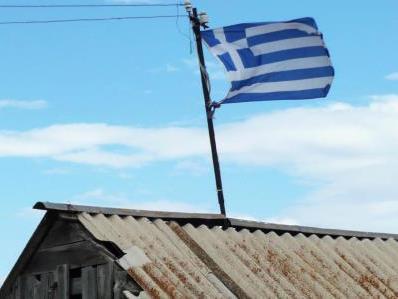
We tried to understand how the life of a Greek woman in the region differs from that of other women. Apparently, the main difference is the presence of a ‘window to Europe’. Effectively, every family has relatives there which gives them pride and the opportunity for exposure to life in Europe.
Another difference is the issue of their own houses, Ivetta does not own her own home. A Greek family owns her house. Otherwise, Greek women keep the same way of life other women do and make their living through hard work. There is not even a single independent businesswoman in Tsalka outside the field of farming.
Greek women tend to remain isolated from women of other ethnicities and are not inclined to cooperate with them this might be due to the perception that migrants have lower levels of culture than them and occasional conflicts related to houses. Ivetta, as a public sector worker sees these problems clearly. The isolation of sections of the population due to ethnicity is one of the main problems. Overcoming this problem requires time and it is necessary to have a dynamic, intelligent and people-friendly programme which reaches remote villagers and that would employ real enthusiasts of whom Ivetta is obviously one.
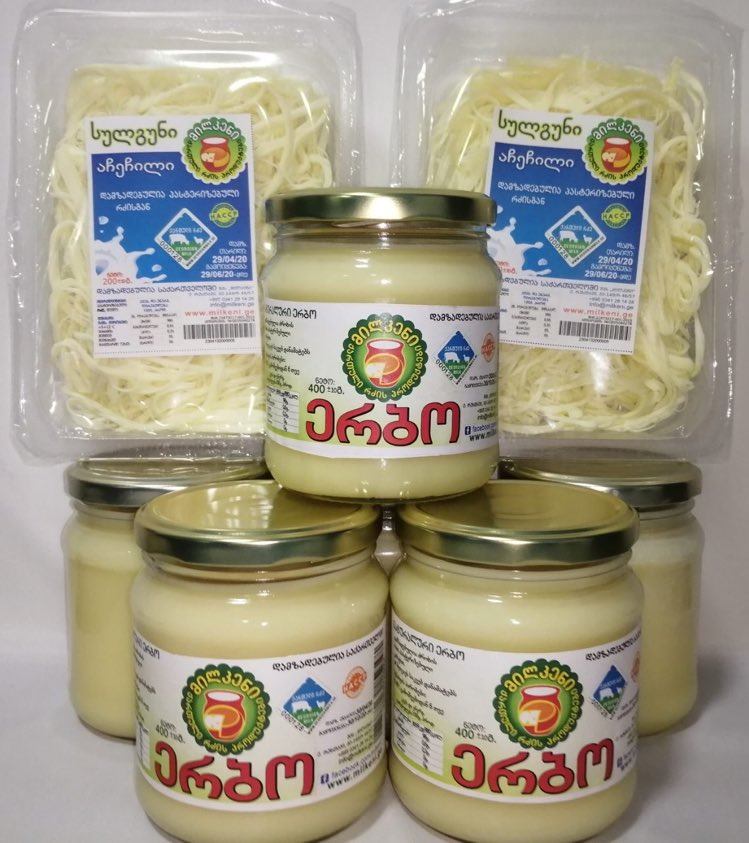
Referred to as Liquid Gold, for its color and perceived health benefits, Erbo the Georgian word for melted butter is a well-kept secret in Georgia. Traditionally made at home Erbo is much used in local traditional cuisines. Butter is an important fat in Georgia, very common in Azeri cuisine and in mountainous regions where both the harsh winter climates and distance from markets increased the importance of butter which can be stored, in communities dependent on dairy farming.
Now thanks to Milkeni Ltd who have started to produce and sell Erbo as part of their products made under the Georgian Milk Mark, quality assured Erbo is now available commercially for the first time in Georgia in Madagoni and Libre supermarkets chains. Interest and demand is growing rapidly.
Of all regions, perhaps Ajara is most famous for its use of Erbo. Most traditional Ajarian dishes contain Erbo. Borano is a dish of melted butter containing traditional Chechili cheese, a dish which been awarded the status of Intangible Cultural Heritage and Khavitsi a sauce made with flour and Erbo.
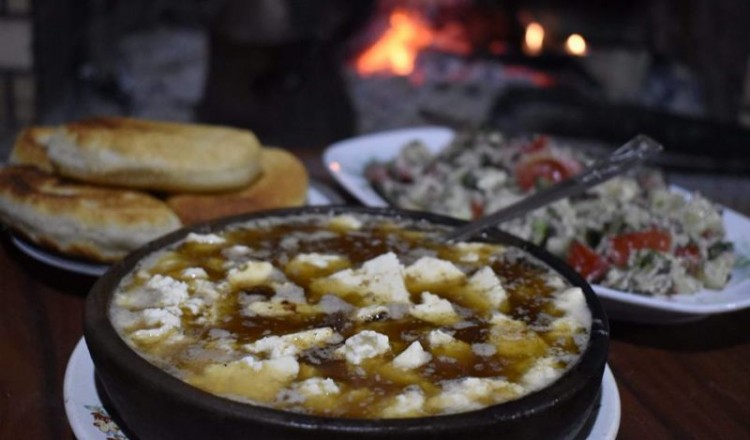
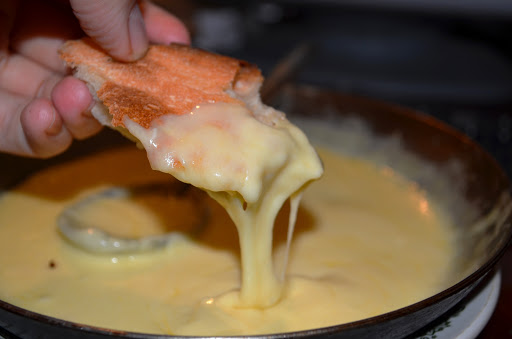
So what is special about Erbo? People believe that it is a healthy fat, processed differently and beneficially in the body and is well absorbed in the human body; it does not contain lactose and casein, so it is recommended for those with lactose intolerance. Mountain people believe Erbo boosts metabolism and energy, improving brain function, memory and their immune system.
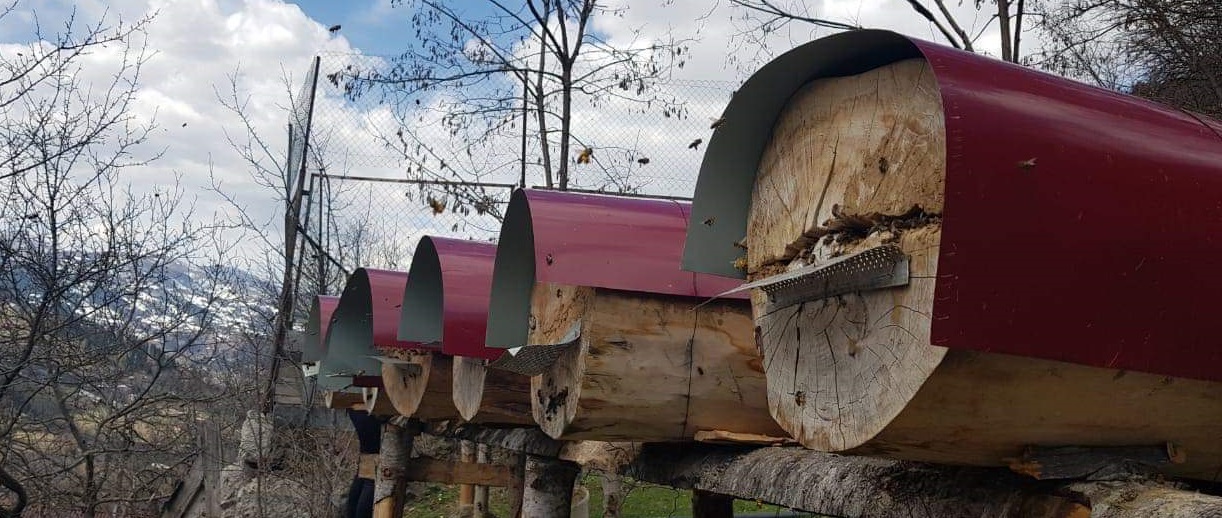
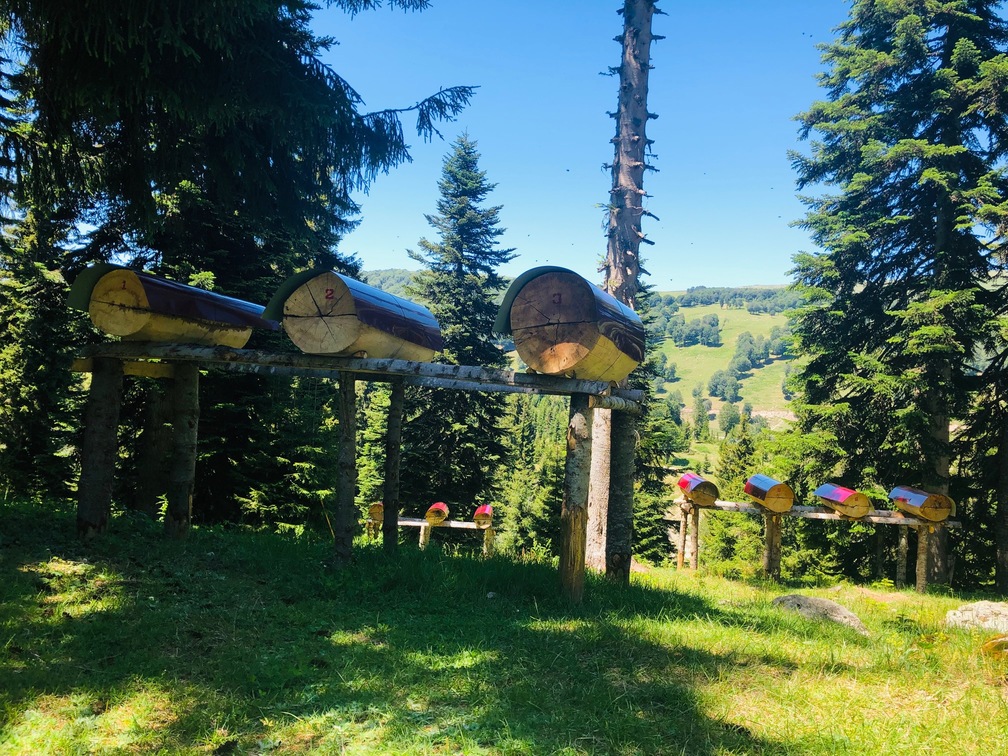
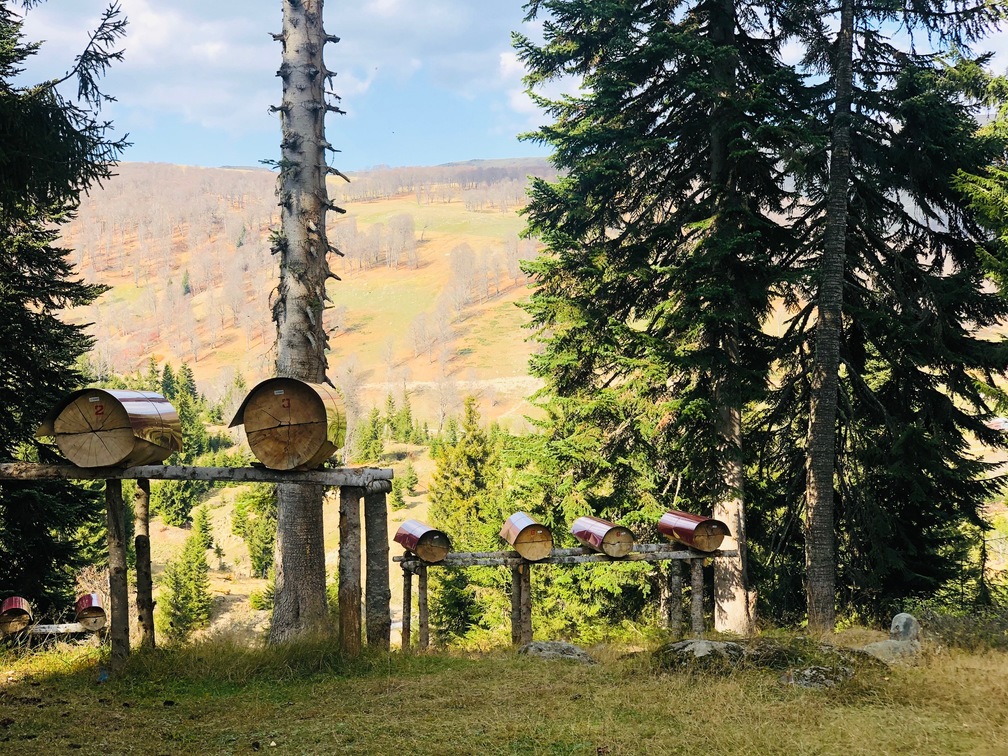
In summer 2019, ten new Jara hives were placed in the Goderdzi Alpine Garden (GAG), Jara Beekeeping area, an area which aims to publicize Jara beekeeping and teach people interested in taking it up. With the help of the Jara Beekeepers Association (JBA) they were moved for wintering to Paksadzeebi Village in Khulo last autumn. Last week, all the hives were checked and fortunately, all the bee colonies are alive and working productively.
This Jara apiary is currently undergoing the Bio certification process and is due to obtain certification in July this year. It will be moved back to the GAG (Goderdzi Pass, 2000m above sea level) in May and be the focal point of Jara beekeeping workshops for school students and garden visitors.
The Goderdzi Alpine Garden is a tourist and environmental hub in the rural part of Ajara, Western Georgia. It involves and develops a sense of ownership for rural inhabitants in the field of biodiversity and environment, showcases the beauty and ecological assets of rural Ajara and generates added value from rural tourism for locals.
The Government of Georgia declared a curfew on March 30th, 2020 to restrict the spread of the COVID-19 virus which imposes restrictions on the movement of transport from 9:00 PM to 06:00 AM. However, producers and distributors of key commodities may apply to the Ministry of Environmental Protection and Agriculture (MEPA) for a permit to continue distribution. The Business Institute of Georgia (BIG) is currently helping GMM dairies to apply for this permission.
To gain permission follow these instructions:
- A producer/distributor should contact the MEPA on the hotline number - 247 01 01 or 1501 - and provide information about their activities and the need for permission.
- The MEPA will send the applicant an email address and an application form to send to this address. The application form requires information about the distribution driver (ID number, name, surname, date of birth, phone number, workplace and title) and distribution car (registration number of vehicle, brand, model, type, ID number of a company who is the owner of a vehicle, a type of business).
- The MEPA will respond to the company about issuing permission.
- After that, the company should call the Emergency Number 112 and check whether the information about the distribution car and driver is listed in the Ministry of Internal Affairs database.

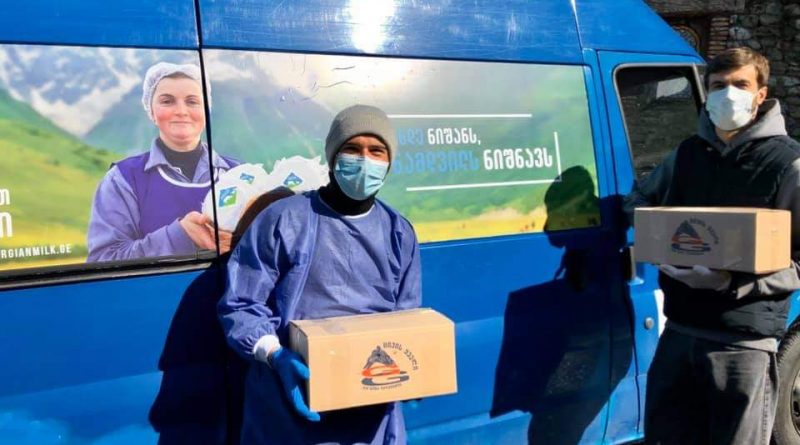
Amidst the negative news and stories of unthinking behaviour, some stories have emerged globally of people and business who have responded to the crisis with kindness and generosity. These stories fill all of us with a sense of hope and comfort in our ability to work together. So we are delighted to be able to share the stories of some of the ALCP clients who have been contributing to the common good over the past week:
Roki Ltd, the largest veterinary input supplier and producer in Georgia, has started the production of a new hand sanitizer Septer as a response to increased demand. Supplies sold out in a day to banks, the Ministry of Education and clinics and there is a new order for four tonnes of Septer from the government. The company closely cooperated with the government in developing the product trying to use its resources for the benefit of all;
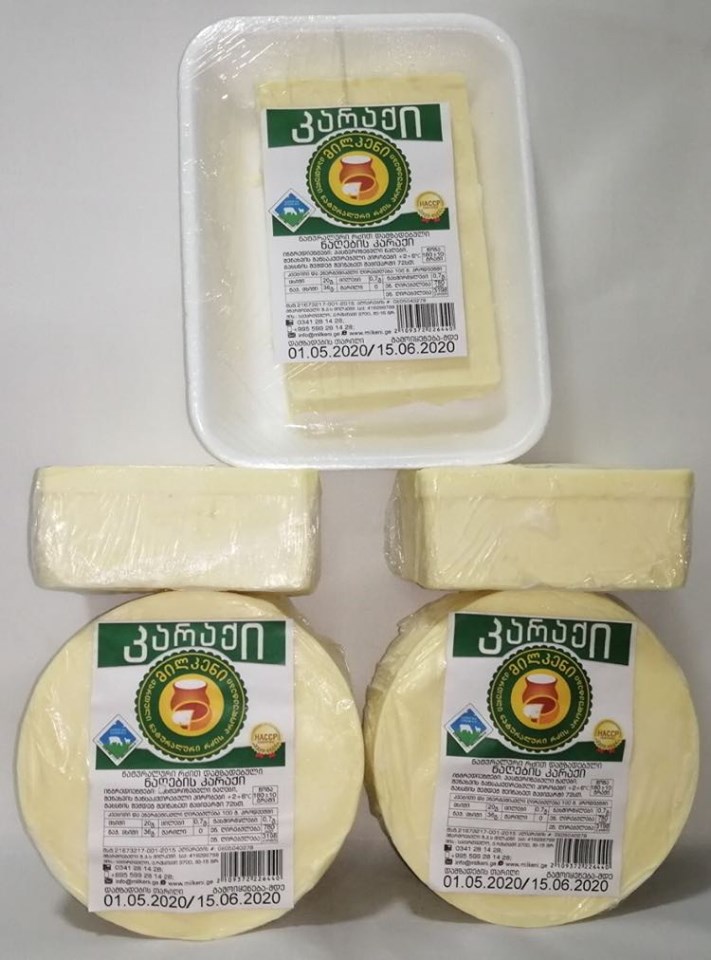
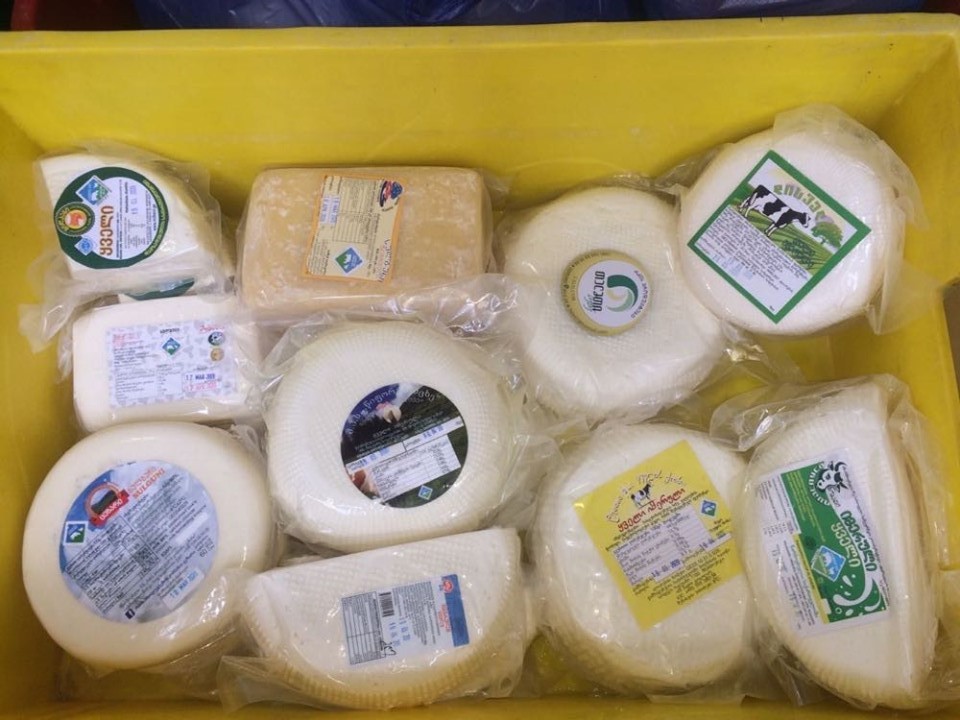
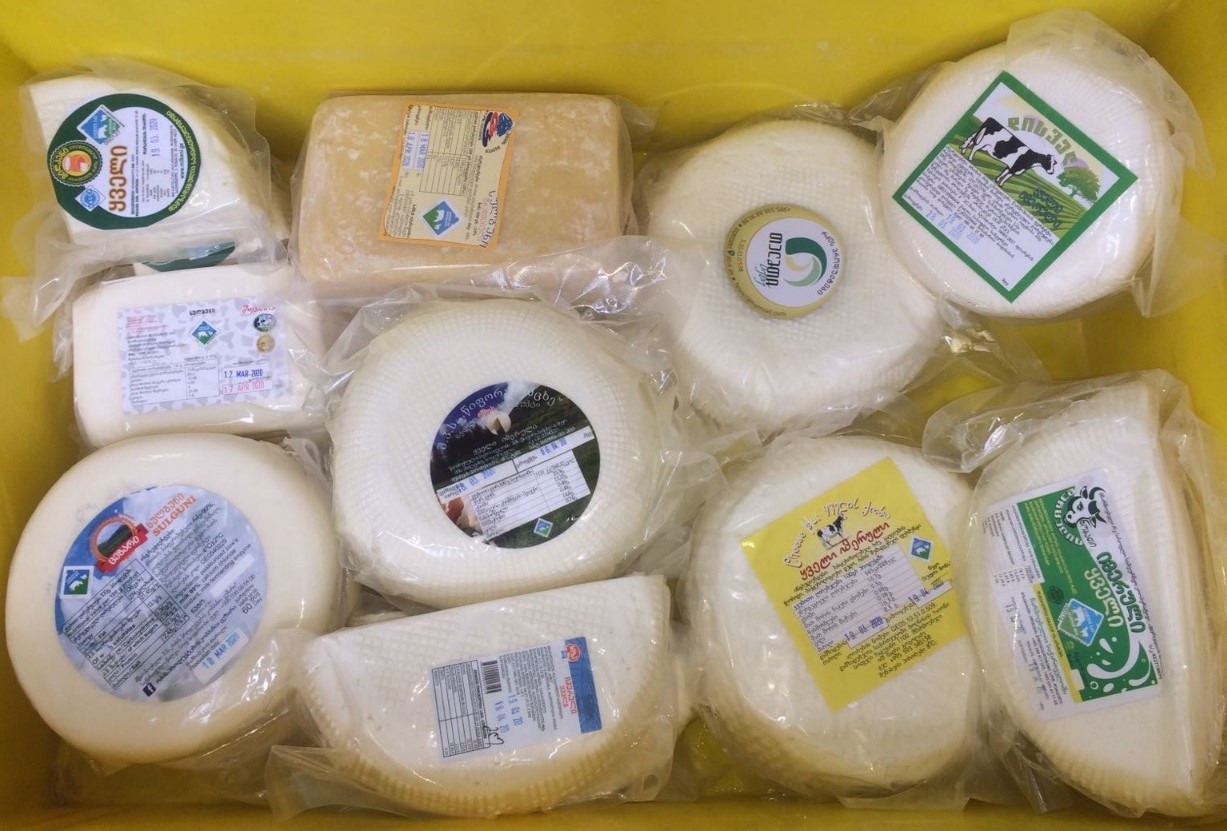
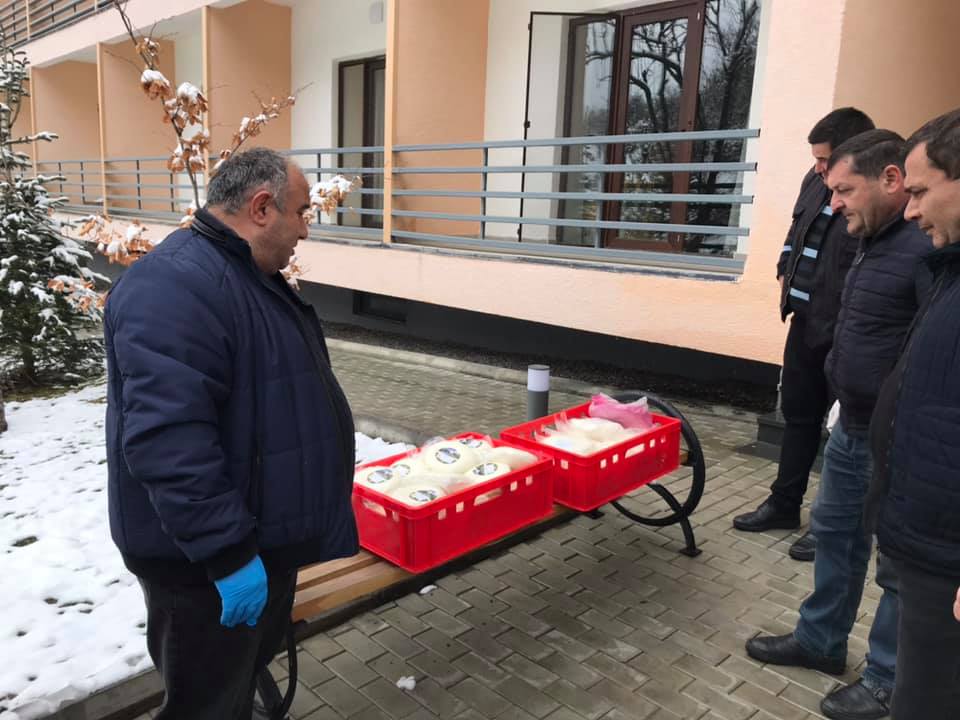
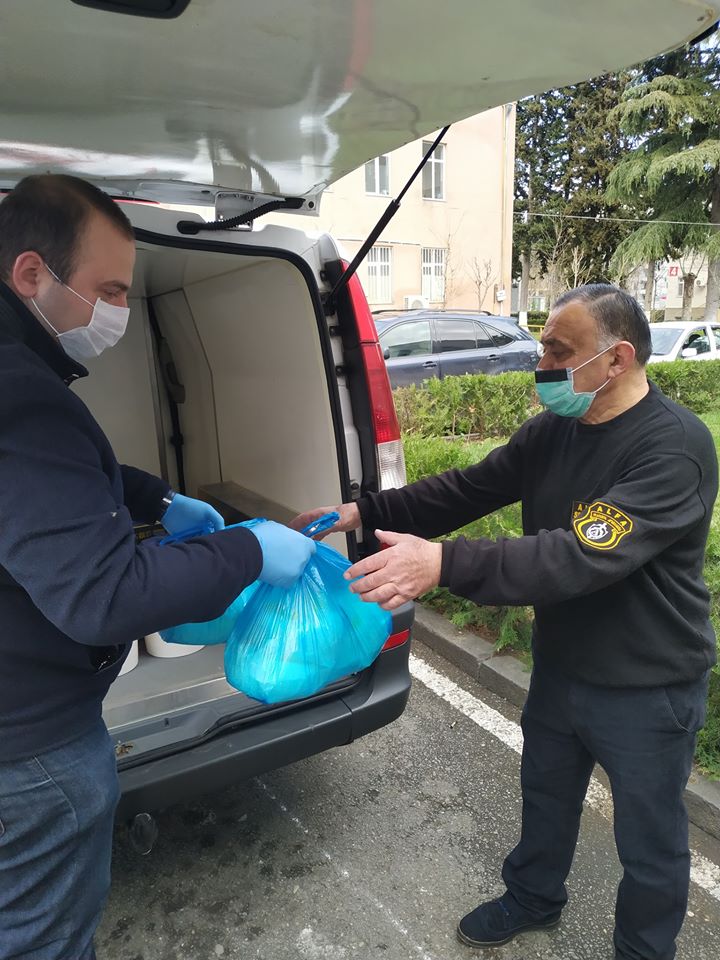
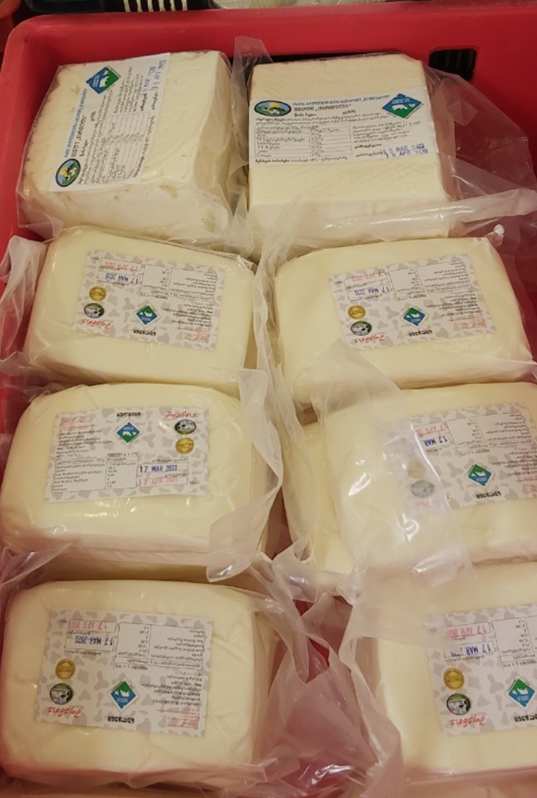
A GMM cheese distributor has organized the collection of cheese from eleven Georgian Milk Mark dairies: Milkeni, Tsintskaro +, Cheese Hut, Shuamta, Tvisis Kveli, Tsifora –Samtkhe, Tsezari, Coop. Khiza, Coop. Disveli, Teleti Ltd, I.E. Hakob Hambaryan and distributed it to theInfectious Diseases and AIDS Center in Tbilisi to support medical staff during the outbreak;
GMM dairy Tsipora Ltd in Samtkhe-Javakheti has supplied cheese to the Abastumani Lung Center.
Tsivis Kveli Ltd Kakheti brought cheese to the hotel Chateau Mere in Kakheti - for those under quarantine;
The Georgian Beekeepers Union initiated the collection of honey from local beekeepers across the country to supply people in vulnerable groups.
The KTW group offered the government the use of their forty-one rooms hotel-complex Akhasheni Wine Resort &Spa, for arranging a quarantine zone in Kakheti region.
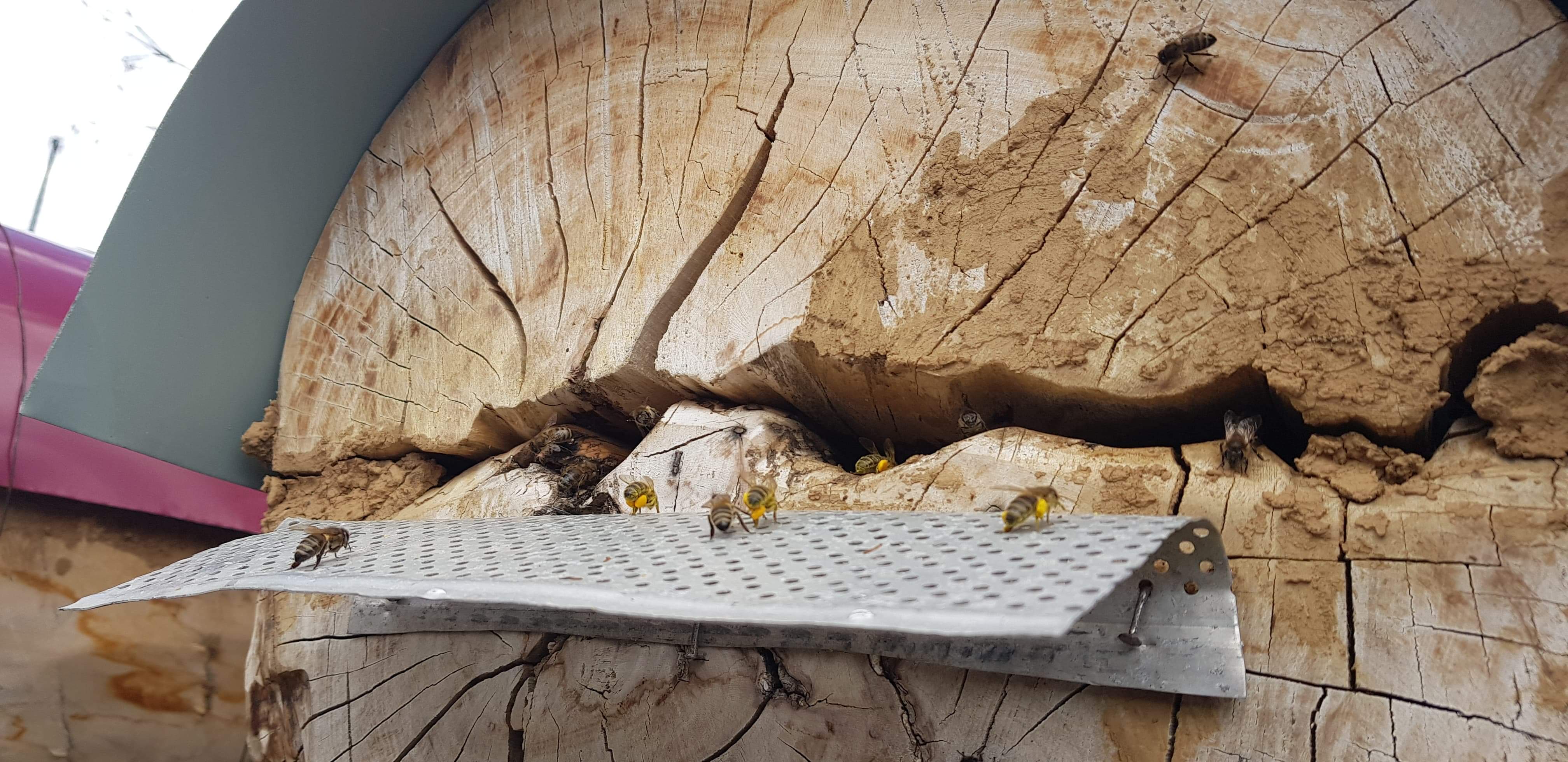
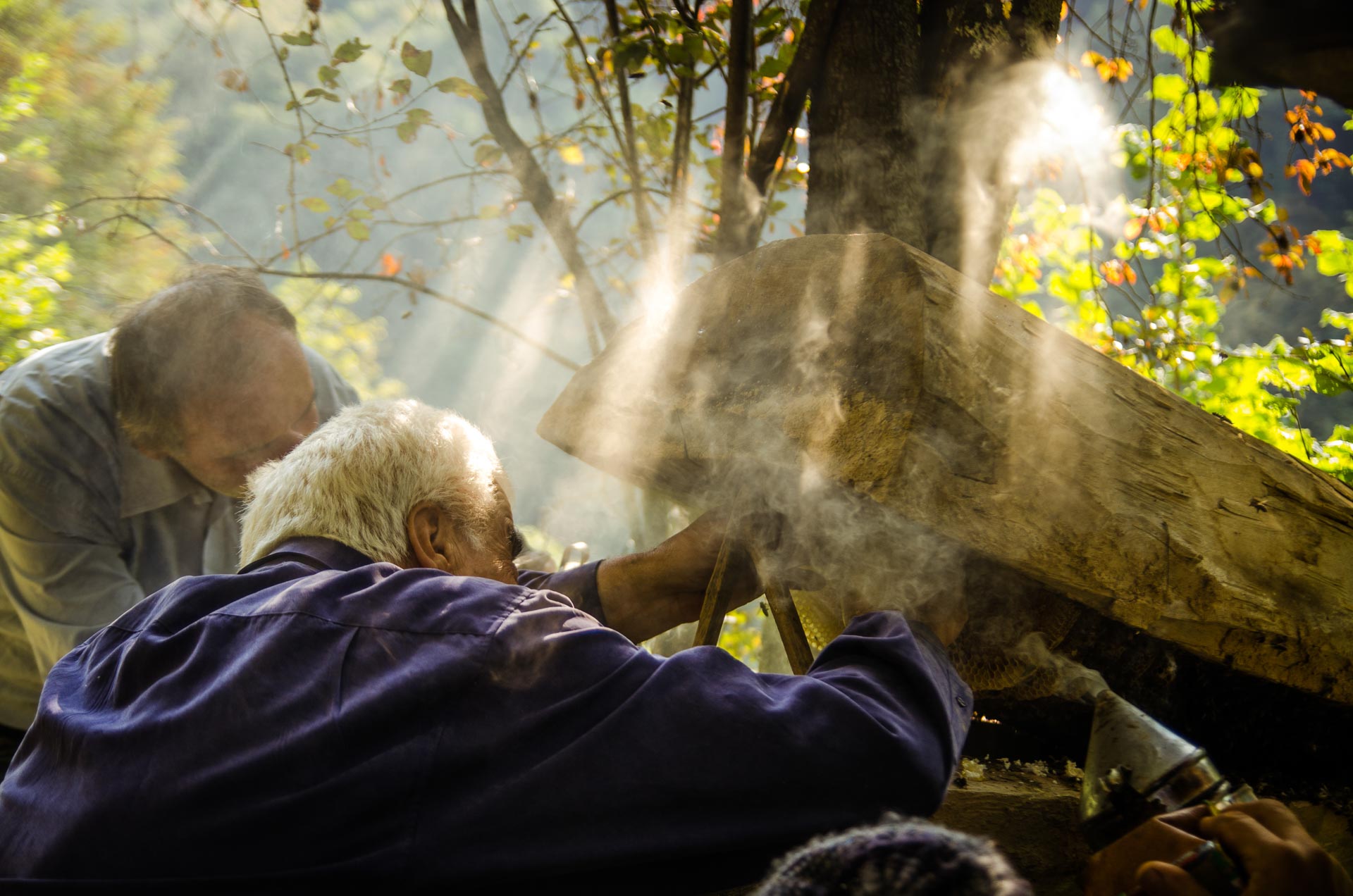
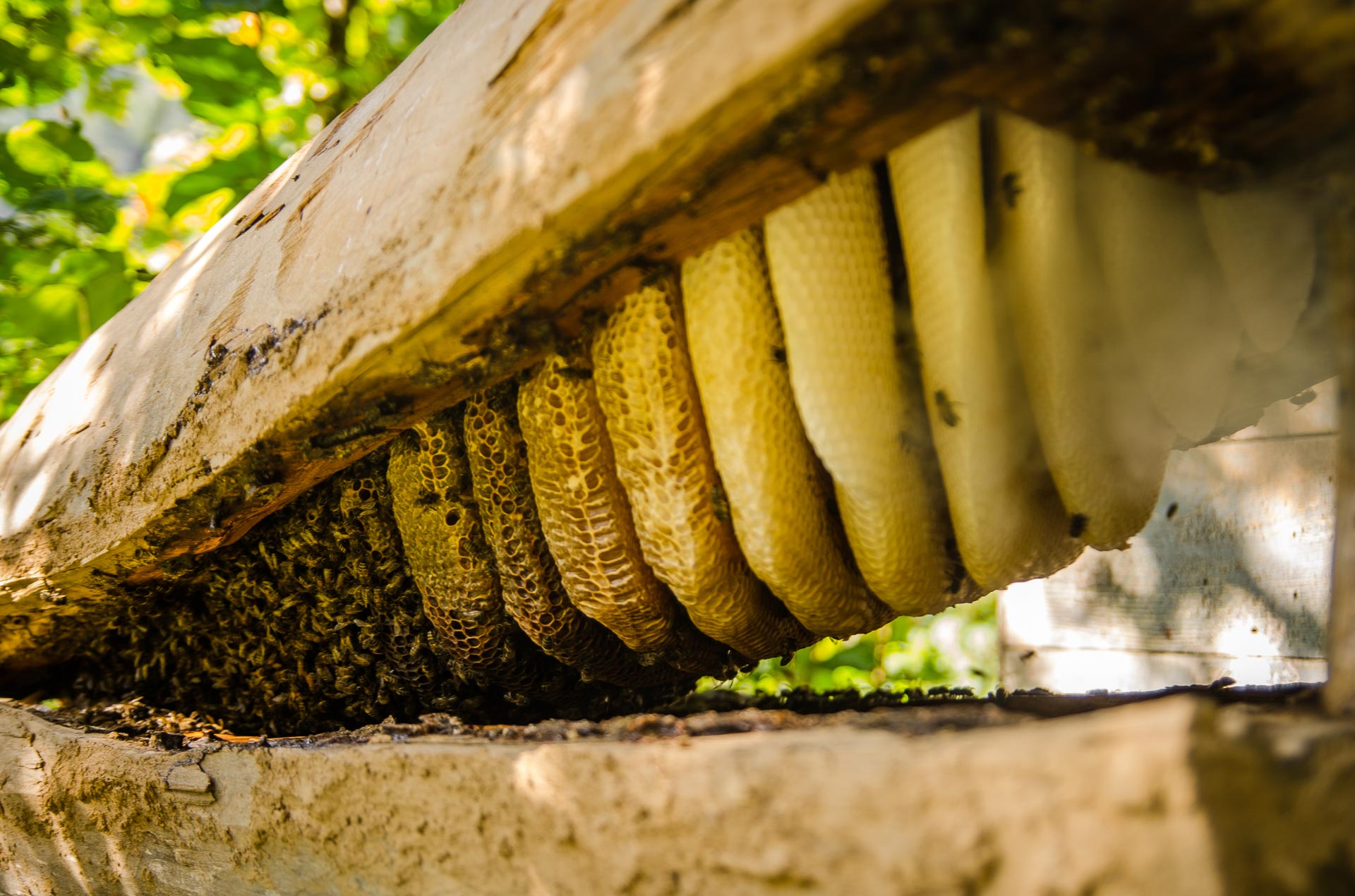
In a country first, eighteen Jara beekeepers in Ajara have received Bio certification. Jara honey was not even commercially harvested and branded until 2018, however the market for the honey has proved its strength so successfully that the beekeepers saw the opportunity to further promote their product through bio certification.
The conversion was relatively simple and certainly achievable as Jara honey is based on the capture of wild swarms and is relatively hands off. Since November 2018, the Jara Beekeepers Association (JBA) has been facilitating training and on-site recommendations; it also provides treatment of hives with a Bio vet medicine and special equipment for the mentioned Jara beekeepers. The beekeepers now follow the bio requirements; including keeping records, better husbandry, use of bio vet medicine. This allowed for smooth journey through the minimum one-year conversion period for certification.
Caucascert, the only organic certification company in Georgia issued the internationally recognized Bio certificates after laboratory results and field checks, which did not show any incompliance.
‘I am very proud that I was able to get Bio certification. It was challenging, as I did not have any kind of information before, but support from the JBA was crucial. I can already see the outcomes, because the process already contributed to minimizing disease risk and increase productivity of a Jara hive by thirty percent’ – Bio certified Jara beekeeper from Keda municipality.
Six more Jara beekeepers, including the Jara apiary in the Goderdzi Alpine Garden, are currently undergoing the certification process and might obtain certification by the end of this year.
The Jara honey mark was registered in February, 2020 and both its production and the market for it, including export is growing. More details on Jara honey to be found on www.jarahoney.com.
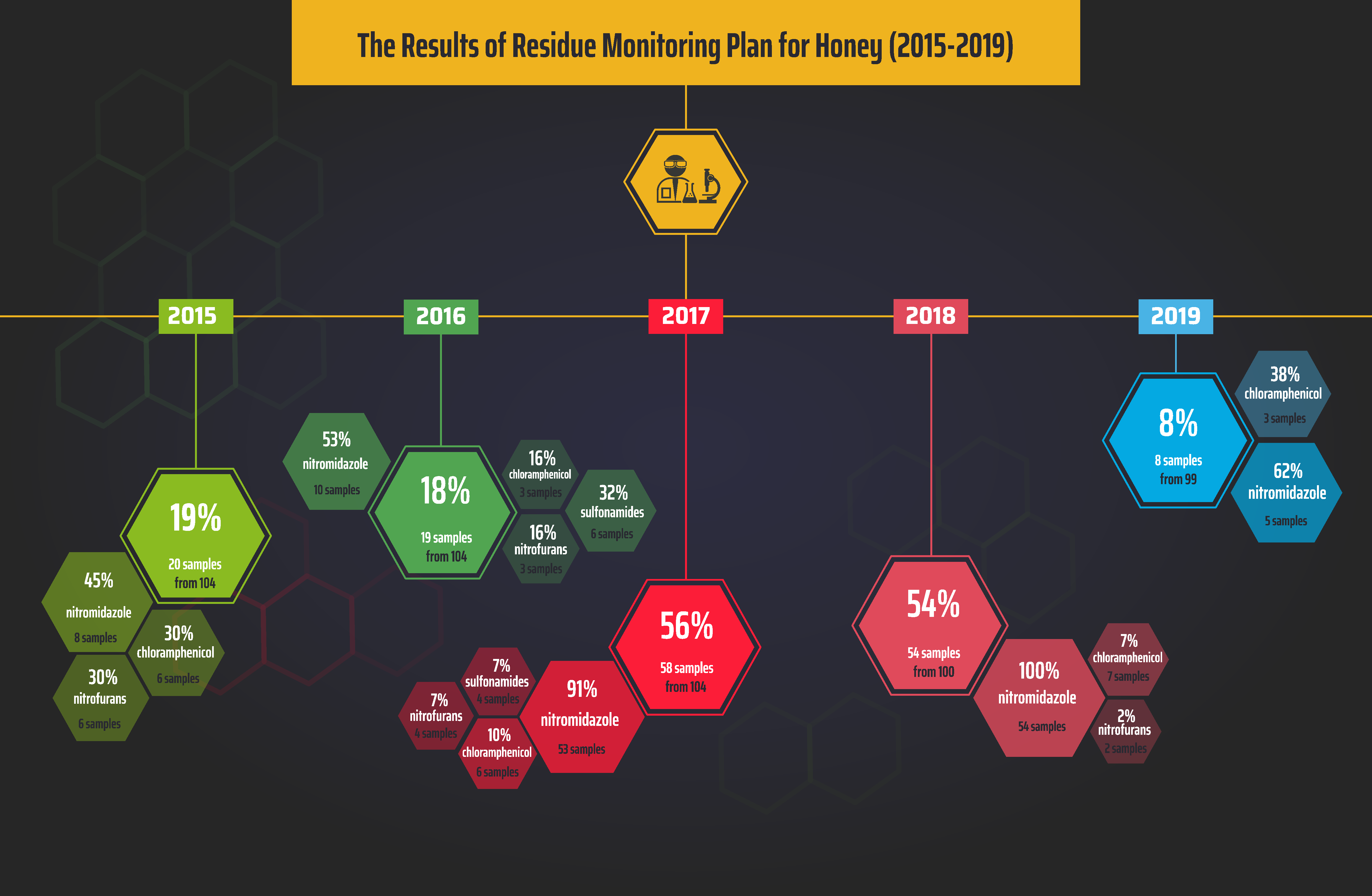
As part of the agreement which allows Georgian Honey to be exported to the EU, the government annually carries out a Residue Monitoring survey. Worryingly high residues of prohibited antibiotics were found in previous years (see infographic below). 2019 however saw national information campaign carried by the Georgian Beekeepers Union, who developed and disseminated Do’s and Don’ts Antibiotic Use Infographic and facilitated breakthrough legislation adopted by the Government of Georgia, which prohibits registration of the beekeeping vet medicines containing restricted antibiotics, among others. As a result, this year, only eight percent of honey samples tested positive for prohibited substances, compared to fifty-four percent of the last year, according to the Residue Monitoring Plan results, made by the National Food Agency in the BIOR laboratory in Riga, Latvia.
It is a significant achievement for Georgian honey export opportunities and expanding markets.